
New Staff Members and Fellows – Autumn 2026
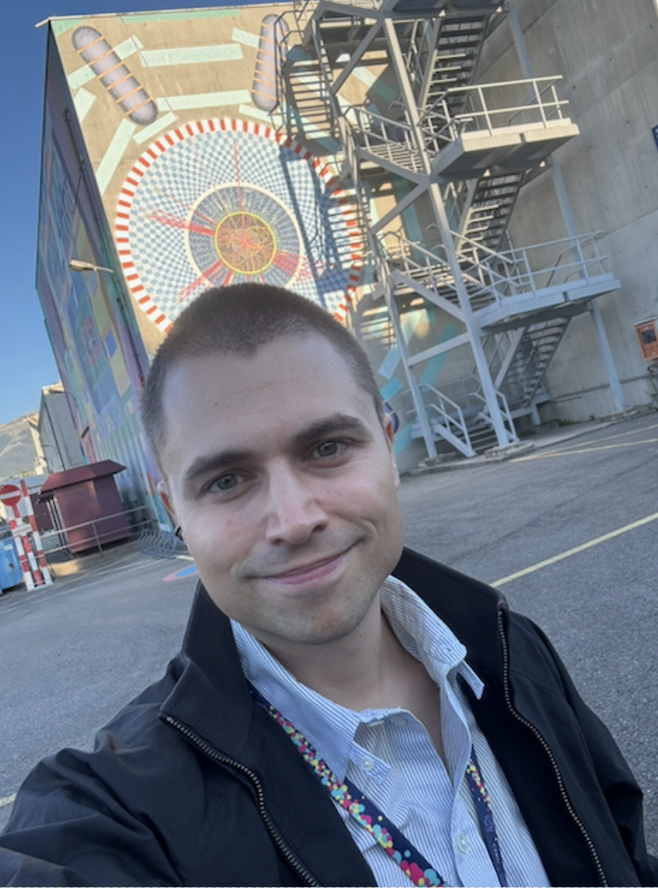
Christian Appelt
Hello, I’m Christian. I’ve joined EP-ATL-SO as a Research Fellow. I completed professional training as an electronics technician, worked in industry for 5 years, and studied electrical engineering (BEng) and physics (BSc, MSc, PhD). I’ve worked at several research institutes; in ATLAS, I’ve been involved in and am leading long-lived particle searches, the production database for ITk strips, trigger operations, and CP work for the JetETMiss group. Now I’m eager to learn everything there is about the ATLAS DCS. If I’m not doing physics or DCS work, you might see me guiding visitors, organising events or running workshops at CERN.
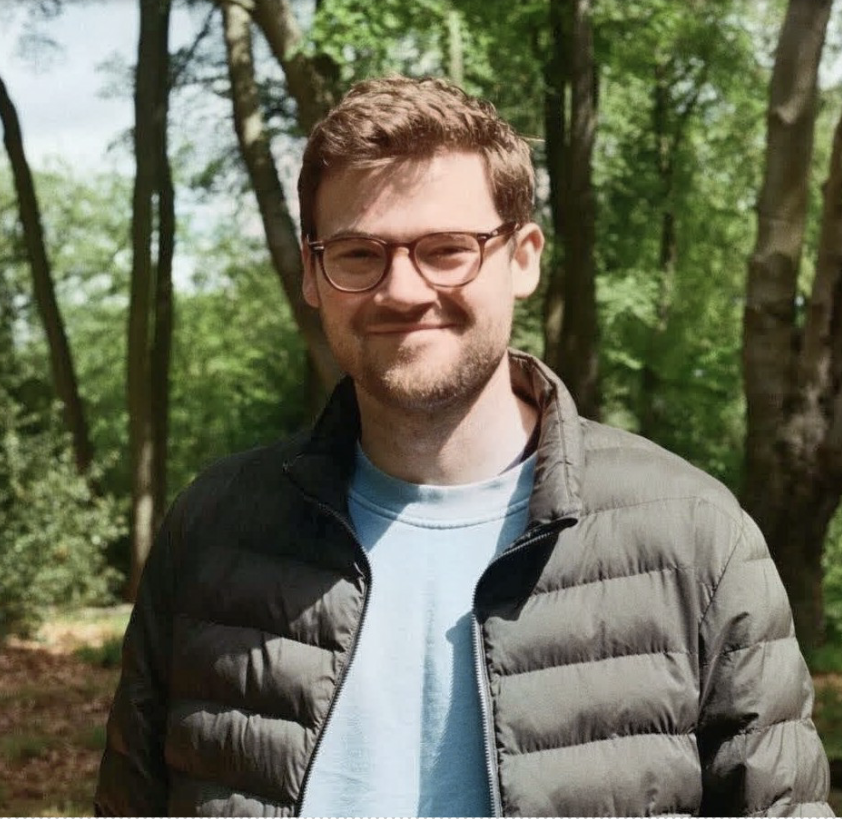
Josh Bex
Hello! My name is Josh and I recently joined CERN to work on the LHCb ring-imaging Cherenkov (RICH) detector. Earlier this summer, I finished my PhD in Cambridge, where I analysed data from the LHCb experiment to search for rare b-hadron decays and conducted experiments to characterise novel electronics for the LHCb RICH detector. I’m excited that my role at CERN is dedicated to commissioning an upgraded RICH detector, comprising an entirely replaced readout system, during Long Shutdown 3, whilst performing R&D on cryogenically cooled silicon photomultipliers as a candidate photon sensor for the RICH systems in LHCb Upgrade II.
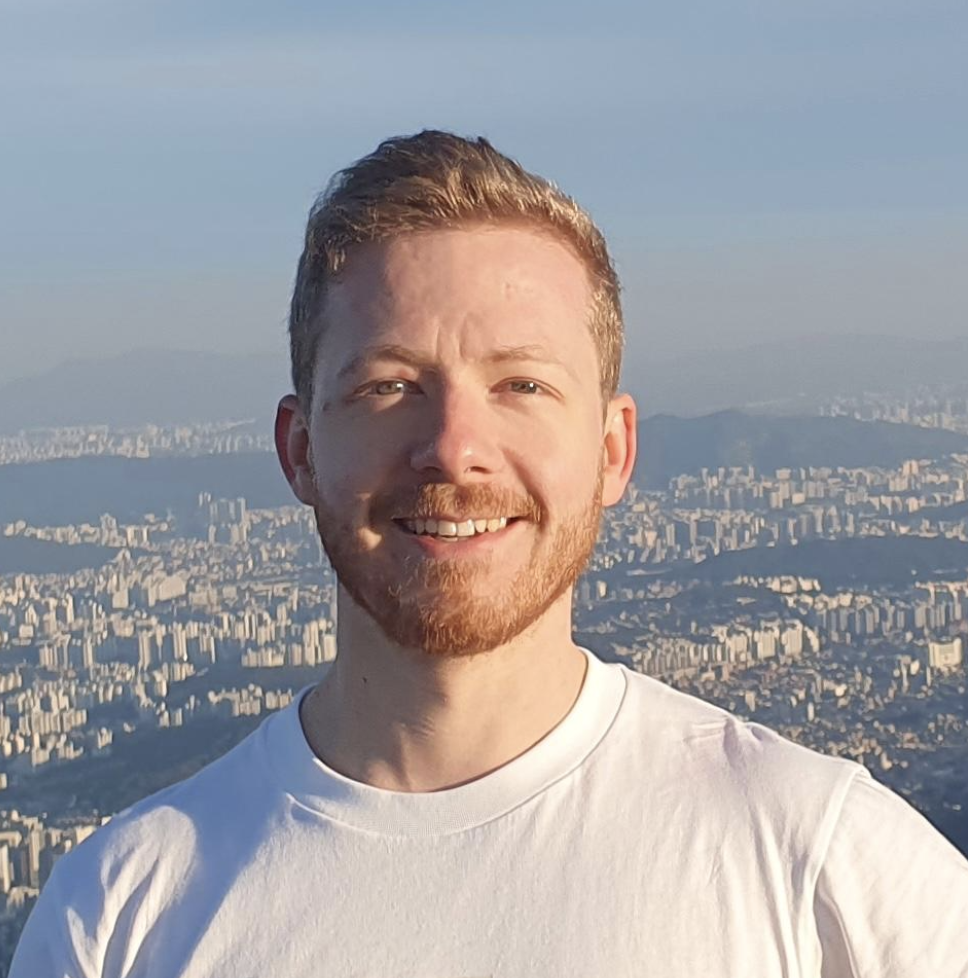
Markus Benner
Hello, I am Markus! I’m a mechanical engineer from Germany. During my final year of university, I joined the LHCb PicoCal project group as a Technical Student. I am eager to continue my work as an early-career professional in the same team, focusing on the development and production readiness of heavy-metal absorber modules for the electromagnetic calorimeter. Looking forward, I am excited to begin this new chapter and to contribute to the detector upgrade.
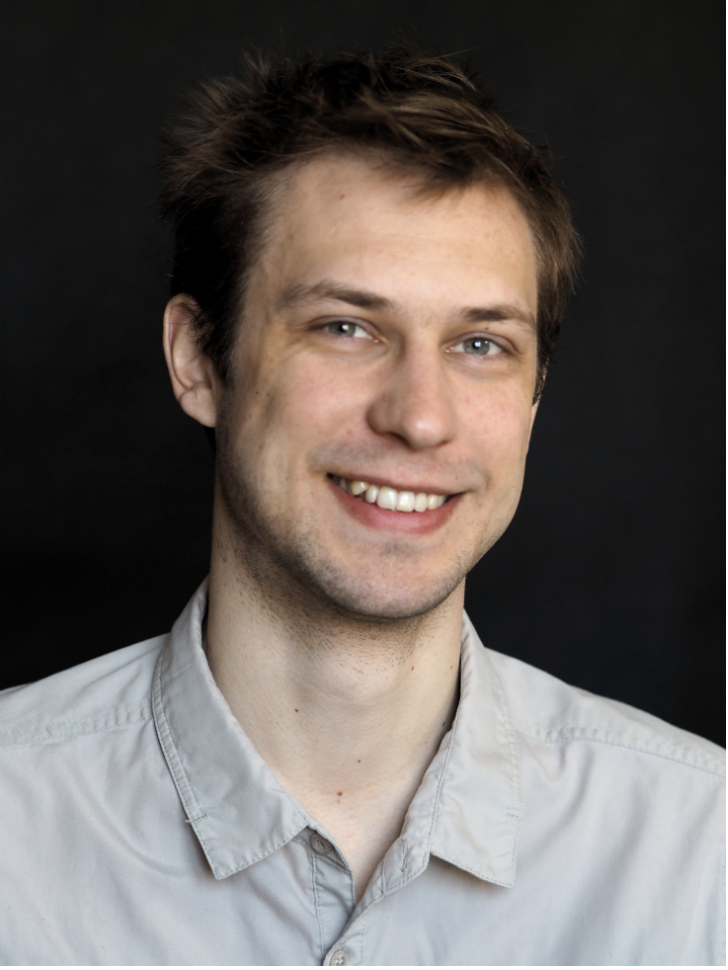
Szymon Bugiel
Hi, I’m Szymon Bugiel. I recently moved from the EP-ESE-ME group to EP-ALI-DD, continuing my work on the MOSAIX detector from a new perspective. In my previous role, I contributed to the analog design of MOSAIX, while now I will focus on its characterisation, testing and commissioning within the ALICE ITS3 project. My work includes developing test setups and DAQ, performing laboratory and beam-test measurements, analysing detector performance, and supporting system integration. Having worked on MOSAIX already at the design stage, I now look forward to ensuring the detector is fully validated and ready for installation during Long Shutdown 3.
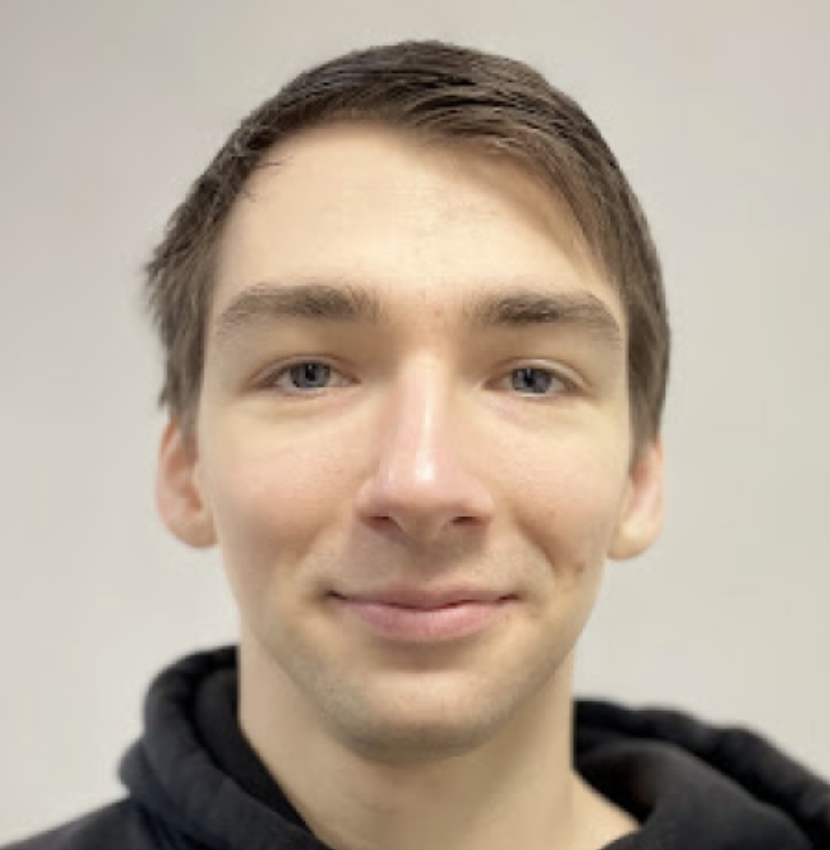
Bohdan Dudar
Hi, I am Bohdan! I have recently joined the FCC group and my role is to work on the reconstruction for the ALFA detector concept for the FCC-ee. It will involve the development of the state-of-the-art reconstruction algorithms as well as probing unique technological implementations of the detector subsystems. I am excited to tackle interesting challenges along the way to design a next-generation detector with unprecedented performance. I am looking forward to contributing to the next era of high-energy physics with my colleagues 🙂
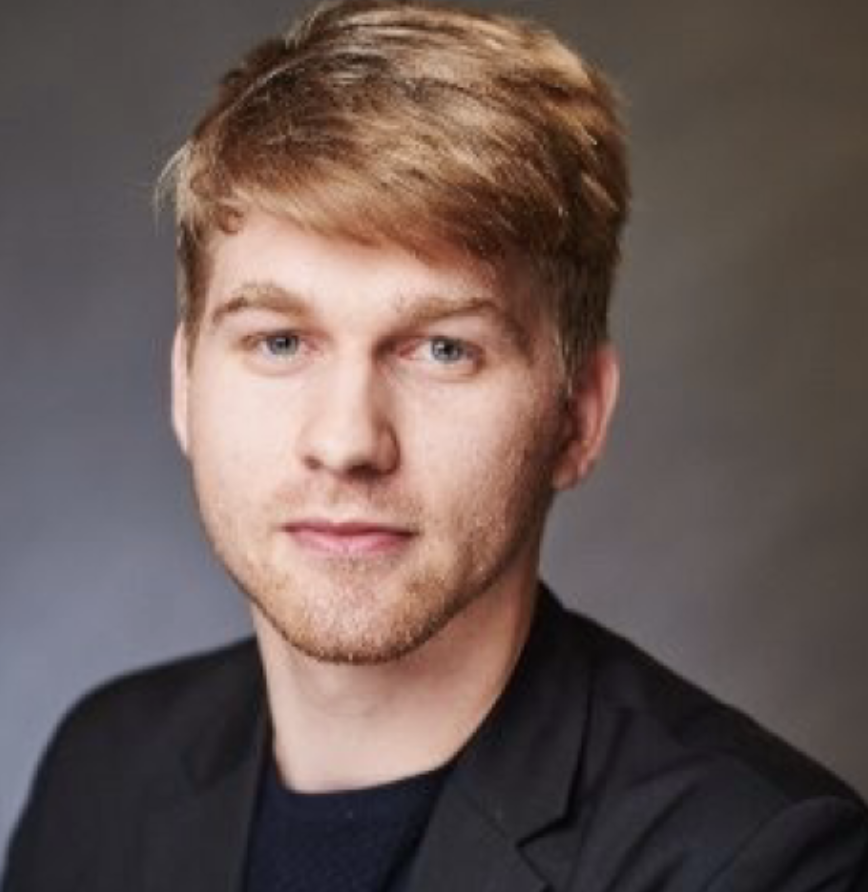
Jan Eysermans
Hi, my name is Jan. Before joining CERN, I was a researcher at MIT, where I worked on precision measurements with the CMS experiment and on FCC-ee physics and detector studies, including Higgs physics, beam backgrounds, and the machine–detector interface. At CERN, I will continue working on FCC-ee beam backgrounds, with a focus on understanding and suppressing their impact on the experiments. I will also contribute to the FCC-ee electroweak physics programme and use these studies to help define detector performance requirements and guide the future detector design.
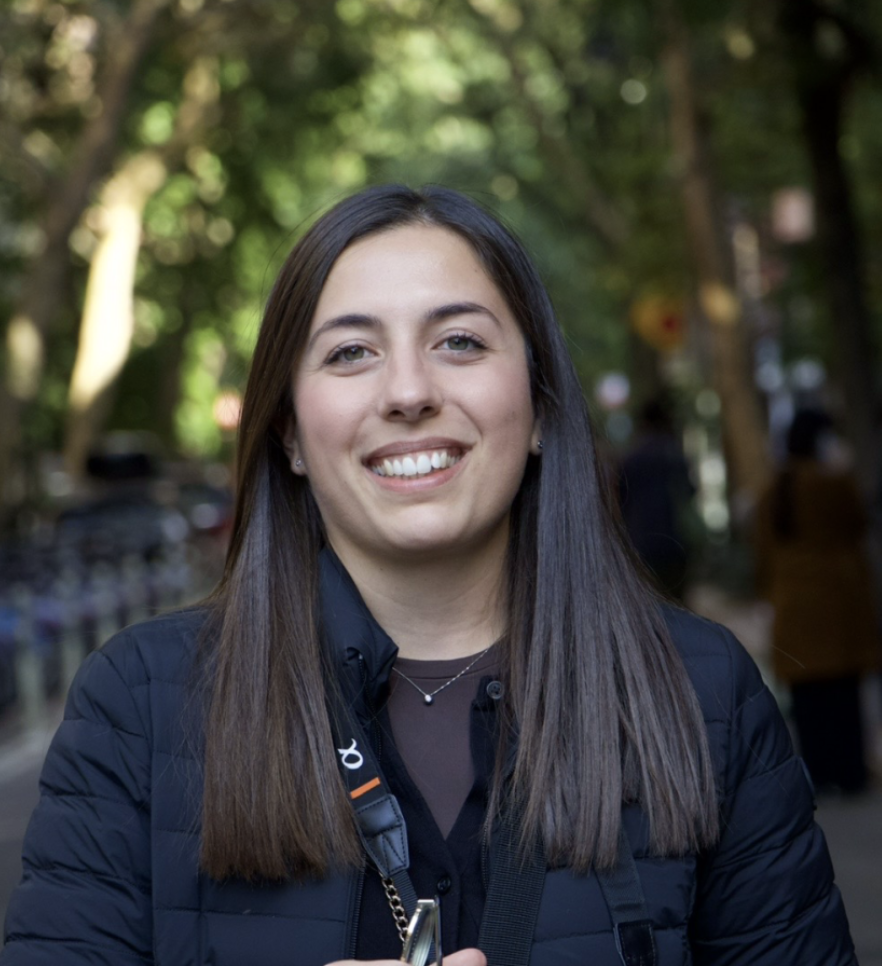
Giulia Frau
Hello! I’m Giulia, and I recently joined the CERN LHCb group as a Research Fellow. My research focuses on very rare decays, namely processes that are highly suppressed or forbidden in the Standard Model, such as τ-> μμμ, whose observation would provide a hint of physics beyond the Standard Model. Alongside my research, I contribute to alignment and online calibration activities within the LHCb experiment. I am also passionate about outreach, serving as the Social Media Manager for the LHCb experiment and helping communicate our research and activities to a broader audience.
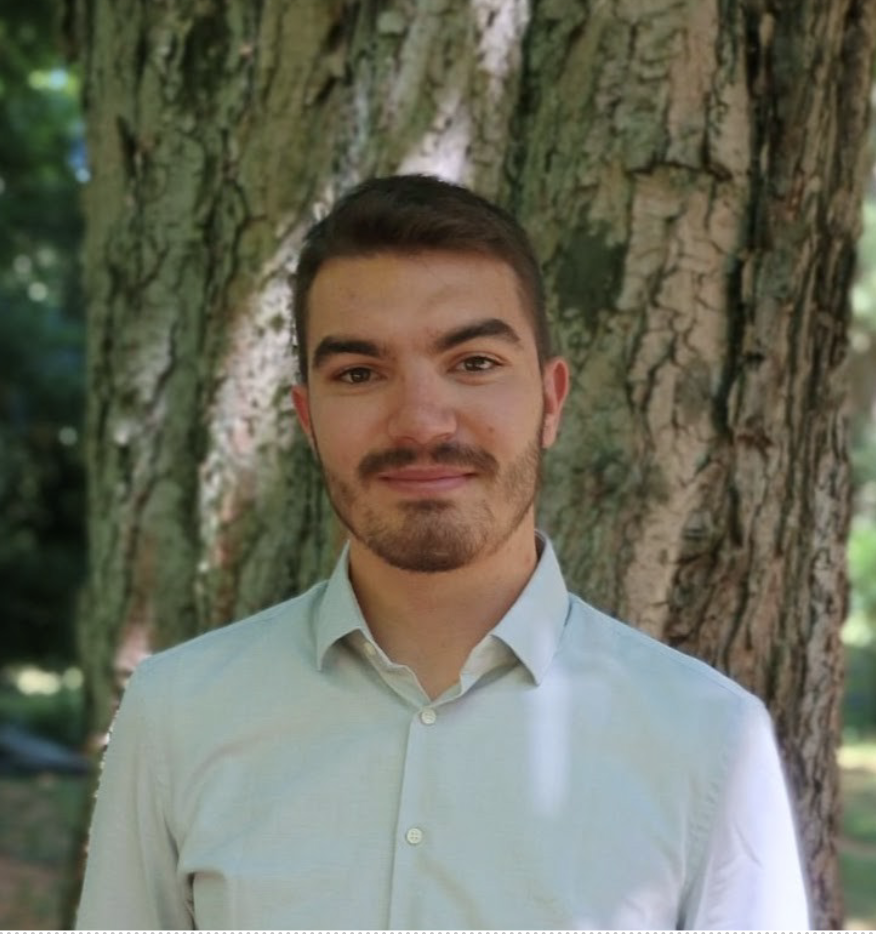
Luca Fries
Hello everyone, my name is Luca Fries. I am a 24-year-old mechatronics specialist from Germany. I recently joined the ATLAS Cooling Team as an Early Career Professional Graduate, working as a mechanical technician for cooling systems. My first primary focus will be continuing the decommissioning of the old cooling systems at the ATLAS detector with my team and preparing for the new systems. Besides that, I contribute my skills and experience in various other projects and smaller tasks across the department. During LS3, I aim to further develop my skills, share my knowledge, and fully support our ongoing operations.
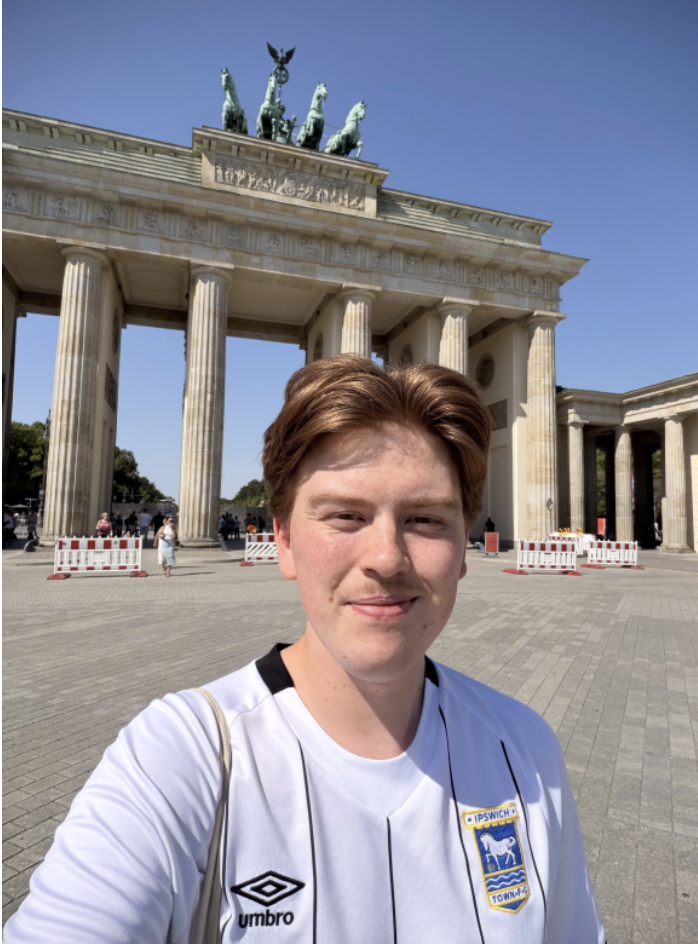
Jamie Gooding
Hi, I’m Jamie, and I recently joined as a Research Fellow in the EP-LCB-DP group. My work with the LHCb Collaboration will focus on studying flavour-changing neutral current (FCNC) decays of neutral B mesons. Observables from these processes provide unique access to potential new physics effects, and I will work on pushing forward key analyses of these. I previously was working at TU Dortmund in Germany, where I completed my PhD on LHCb, working on the real-time trigger system and on CP violation measurements in neutral B mesons.
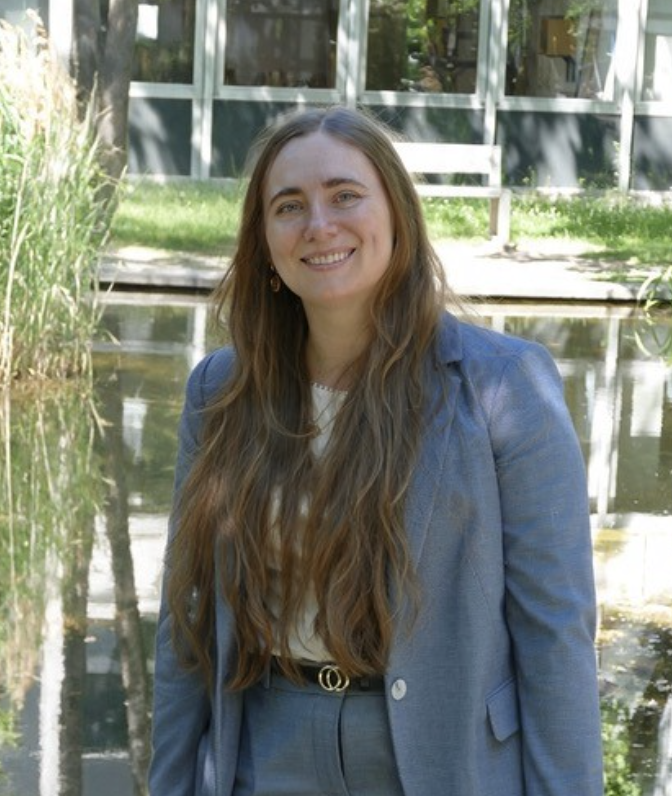
Greta Heine
Hi, I’m Greta! I joined CERN in July as a fellow in the NextGen Triggers (NGT) project, working with Sioni Summers in WP3.6 on CMS. I spent my first two months at the STEAM Academy, which was an amazing experience.
Now I’m starting on my actual project: „topological“ neural networks for the Phase-2 Level-1 Trigger that select signatures like di-Higgs decays running on FPGAs. I did my PhD at KIT, building a GNN-based hit filter for the Level-1 trigger of Belle II, so the LHC is new territory for me. Off duty: gym, bouldering, Taekwondo, and theatre.
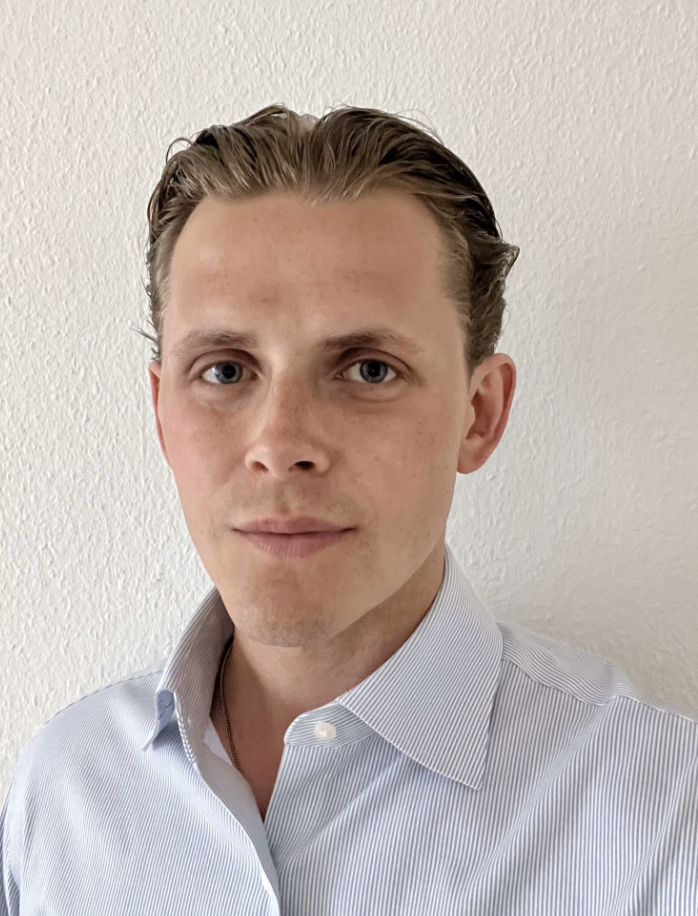
Erik Hvidberg
My name is Erik Hvidberg, I am 28 years old, and originally from Sweden. I joined CERN on 1 July as a Mechanical Engineer working on the FCC and the ALFA concept. Prior to joining CERN, I worked as a mechanical engineering consultant in Gothenburg, with a particular focus on design for manufacturing, GD&T, tolerancing, and technical drawings. I feel honoured to be part of CERN and the FCC journey, and I am excited about the development and challenges ahead
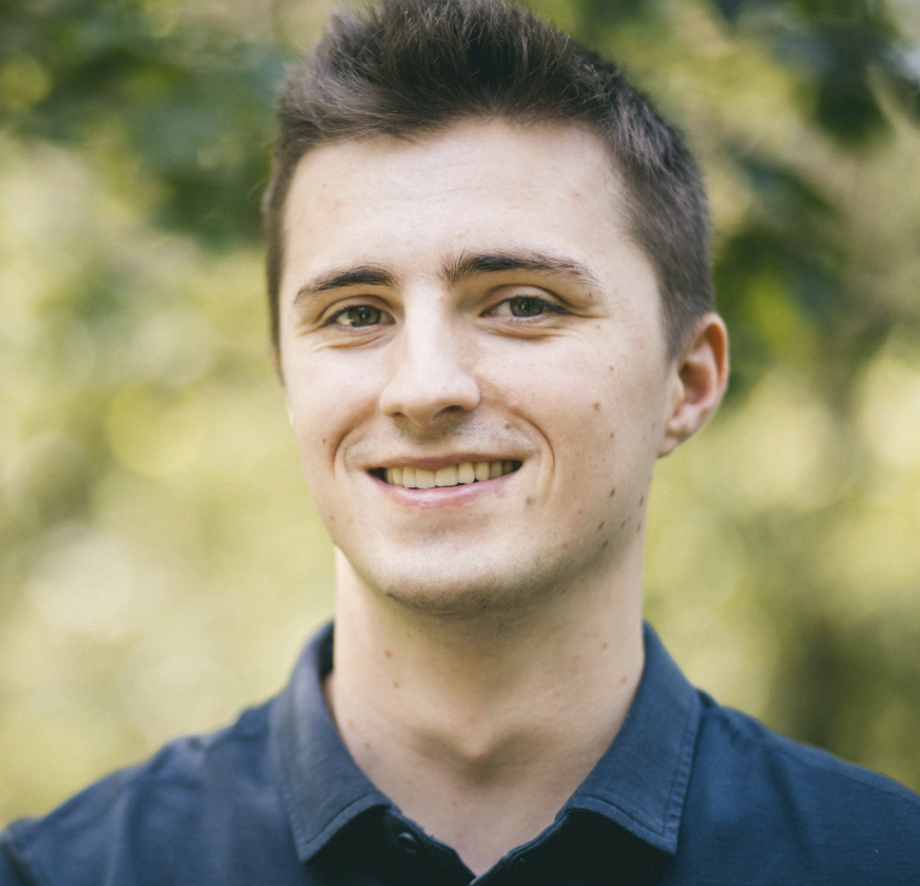
Monty King
Hi, I’m Monty, and I recently joined the ATL-TRK team as an Applied Research Fellow to work on the ongoing ITk upgrade. I am responsible for quality control measurements of Pixel Outer Barrel detector parts, which are assembled around the world before being brought to CERN for final assembly. Before joining ATLAS, I conducted my PhD at CERN with the Beam Instrumentation group in Prevessin, where I worked on optical Beam Loss Monitors and installed them at CLEAR and the SPS. I’m now looking forward to the challenges LS3 presents!
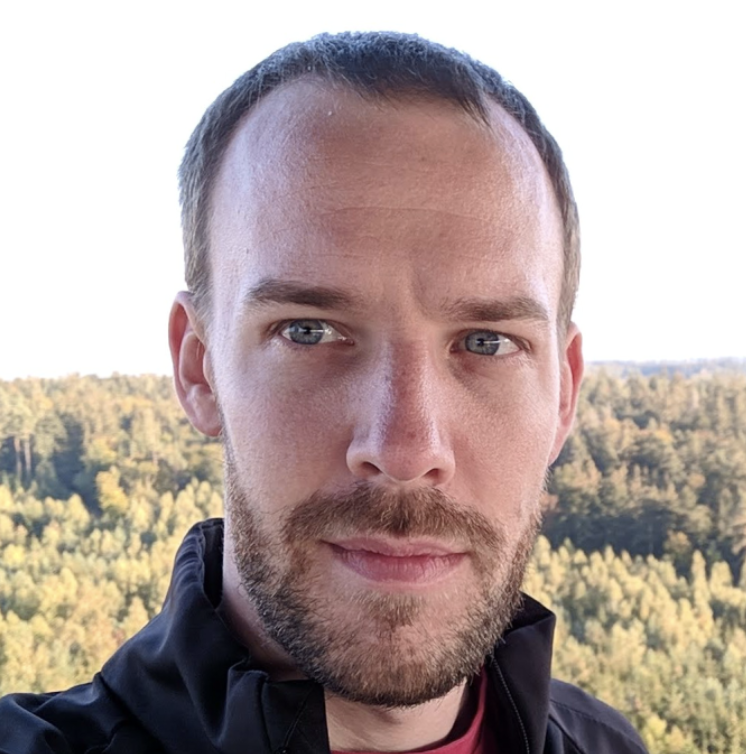
Patrick Kopper
Hi, I recently joined CERN as an Experienced Graduate in the EP-CMS group working on GPU-accelerated scientific libraries for the Next Generation Triggers (NGT) project. My role involves developing, benchmarking, and optimising high-performance algorithms across heterogeneous architectures using C++, CUDA, ROCm, and SYCL to support the massive data throughput requirements of the High-Luminosity (HiLumi) LHC upgrade. As traditional CPU scaling hits its limits, offloading compute-intensive mathematical operations is essential to handle the incoming data rates of future runs. Before coming to CERN, I spent several years at the University of Stuttgart, where I earned my PhD in Engineering Sciences and worked as a postdoctoral researcher specialising in high-performance computing and GPU programming for massively parallel numerical simulations.
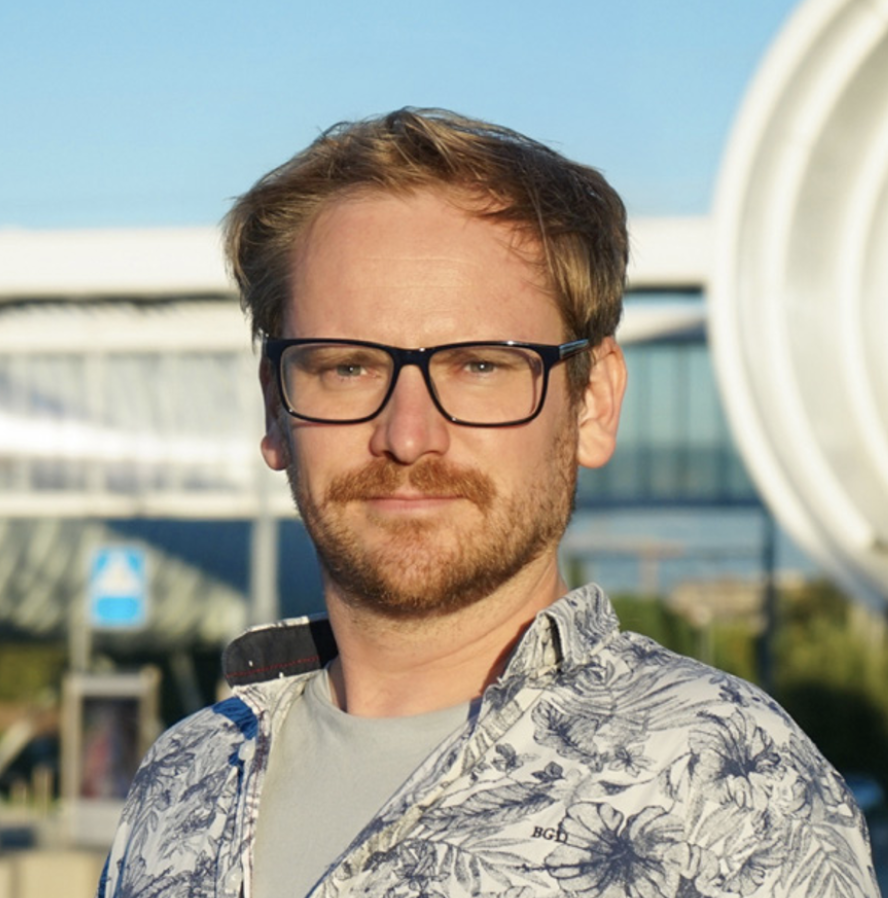
Ondrej Kovanda
I have joined the ATLAS team at CERN as a fellow to work on tracking for Run 4 and related developments for the upgraded Inner Tracker. I am also active on the boundary between the online, offline and trigger software for the ITk pixel detector -among other things, I am making sure that the data will arrive at the tracking applications with the correct shape and content. I am looking forward to putting my diverse experience with ATLAS physics and detector work – gathered since I first joined in 2018 – to a brand new use!
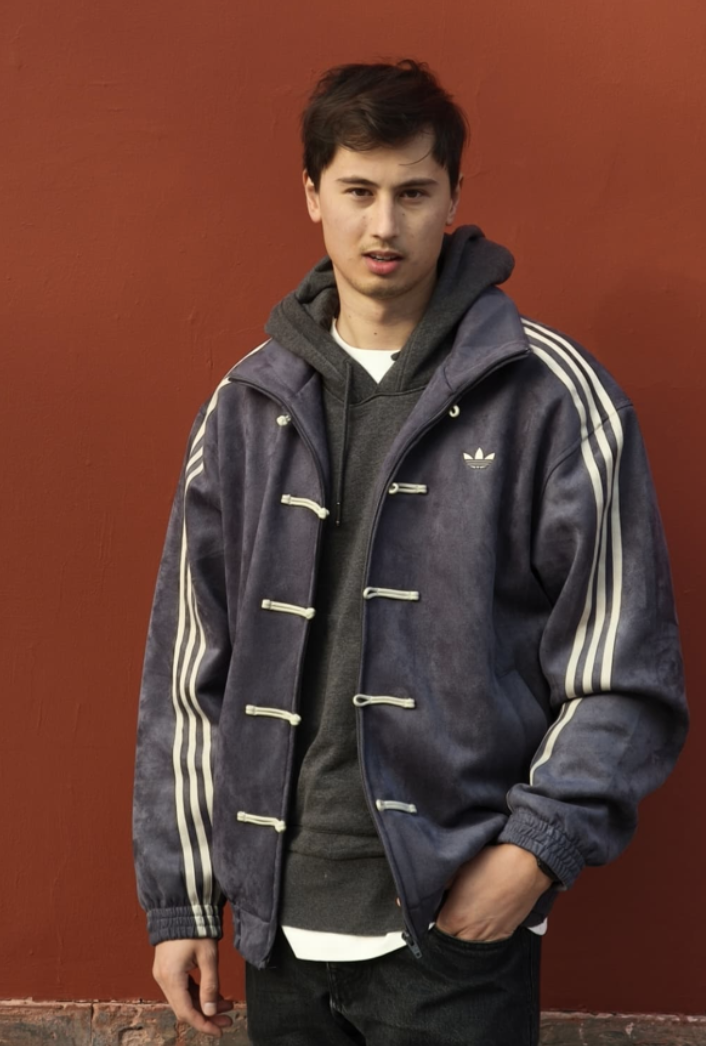
Metting Van Rijm
Hello! I am Marnik, and I recently joined the Gas Detector Development (GDD) Group as a Research Fellow, following my PhD at ETH Zurich. At CERN, I will contribute to the maintenance and development of Magboltz while supporting the GDD with detector simulations. My interest lies in exploring alternatives to fluorinated gases currently used in the detector systems, as well as experimental techniques to measure electron-transport properties in gas mixtures. Please do not hesitate to reach out to me for collaboration!
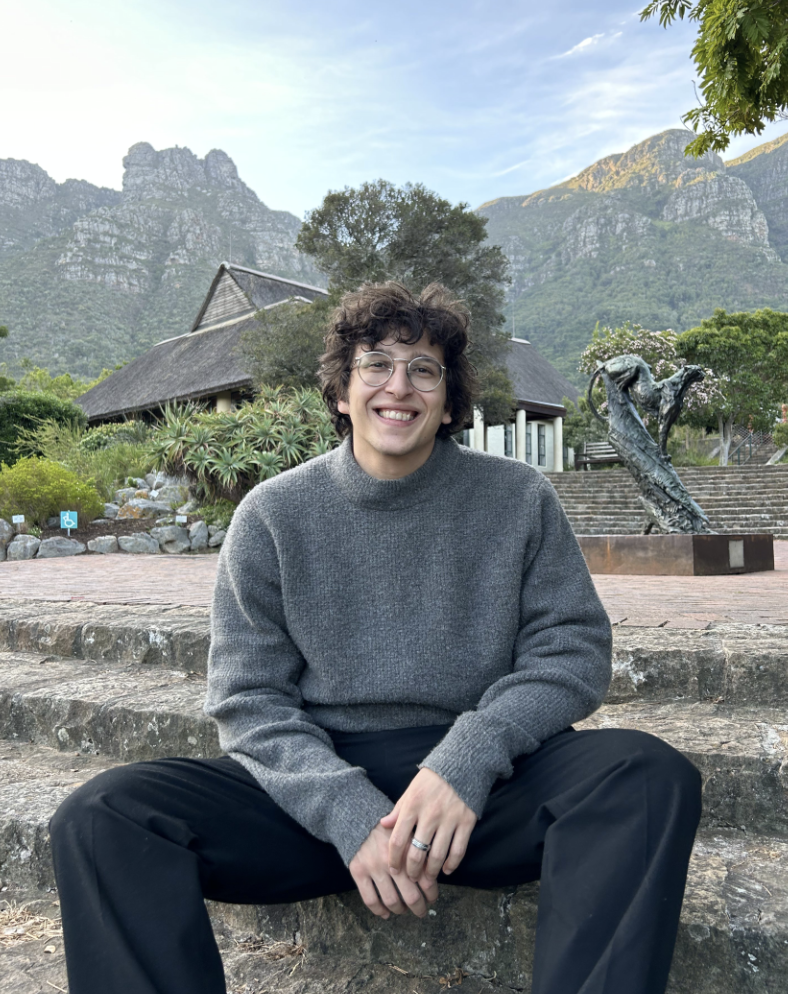
Farouk Mokhtar
Hi, I’m Farouk, and I recently completed my PhD at UC San Diego, where I worked on two main projects: a search for boosted Higgs bosons at CMS, and a machine-learning-based particle flow algorithm (MLPF)—the first AI-based event reconstruction algorithm validated on CMS Run 3 data. At CERN I’m joining the CMS NGT task force to extend MLPF to Phase 2, and in particular to the high-level trigger, and the FCC group to adapt it for future detectors. Both come down to the same question: how far can AI-based reconstruction take us under harsher and more complex detector conditions?
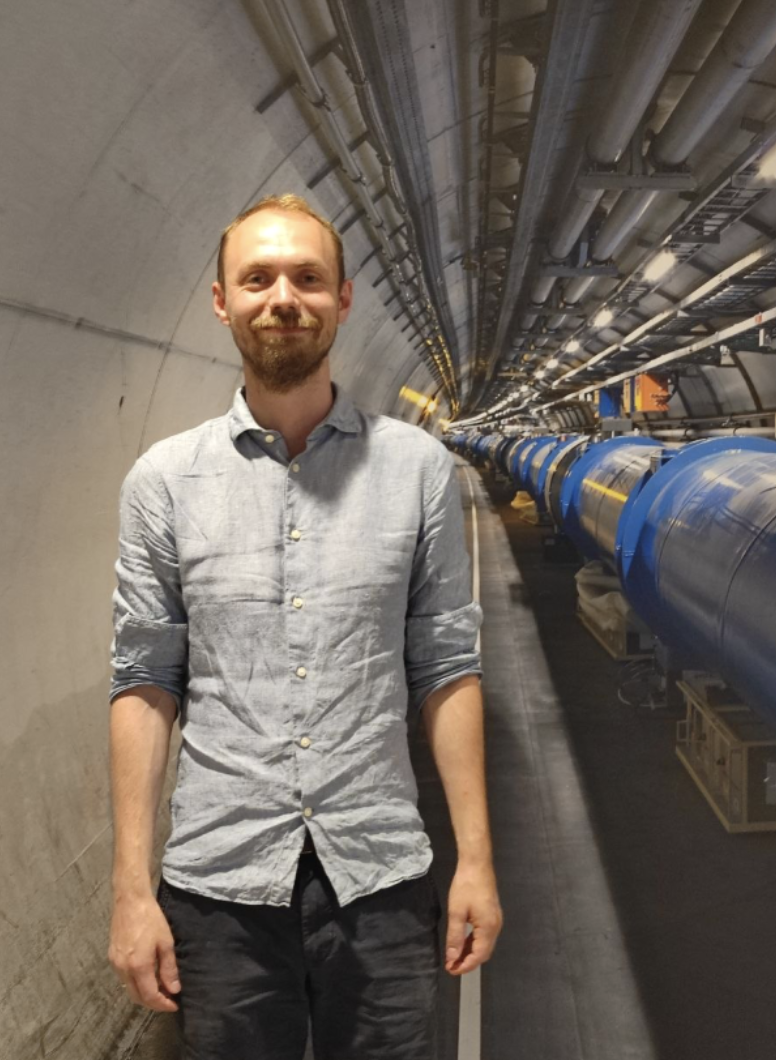
Emil Nielsen
My name is Emil. I am from Denmark, and I recently joined the EP department as a research fellow. I am a member of the ALICE Collaboration and completed my PhD at the Niels Bohr Institute in Copenhagen, where I also held a follow-up postdoctoral position. I primarily work on studies of anisotropic flow and collectivity using multi-particle cumulants and azimuthal correlations in small and large systems. I am particularly interested in using light- and heavy-ion collisions to probe the nuclear structure of the colliding nuclei. In my time as a fellow, I will continue to explore collectivity in small systems and to investigate the properties and initial conditions of the quark–gluon plasma using novel correlation techniques. However, I will also dedicate some time to performance studies of the ALICE 3 inner tracker.
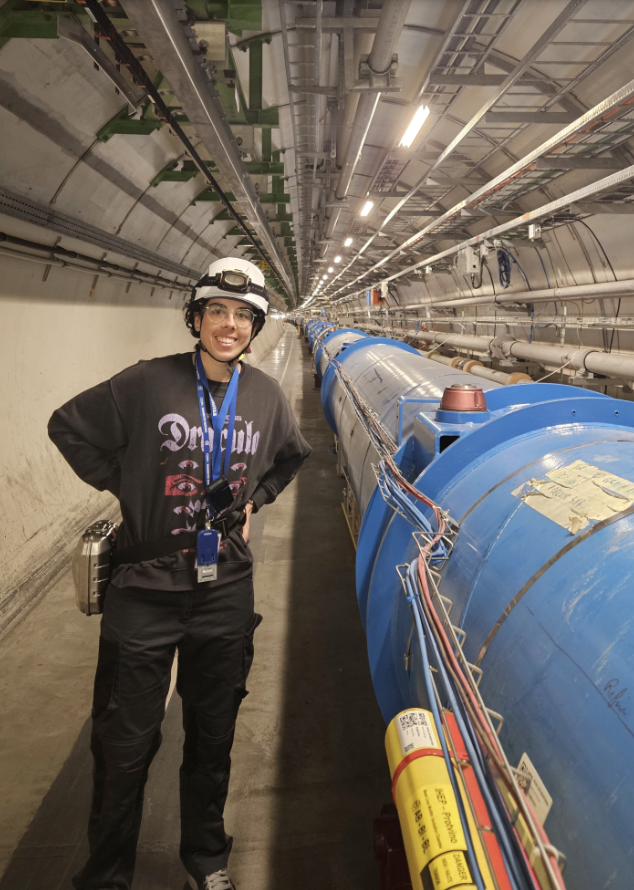
Inmaculada Quintana Ponce
I have recently joined the EP-ESE-FE section as an Electronics Technician. My current work focuses on the CMS Outer Tracker project, where I am involved in the integration of a functional test system for the different types of hybrids. I also contribute to the production and quality control of these parts. I will soon begin collaborating on the development and maintenance of Low Voltage Power supplies for LHCb. In parallel, I contribute to other ongoing activities within the section, providing technical support according to the team’s needs and priorities.
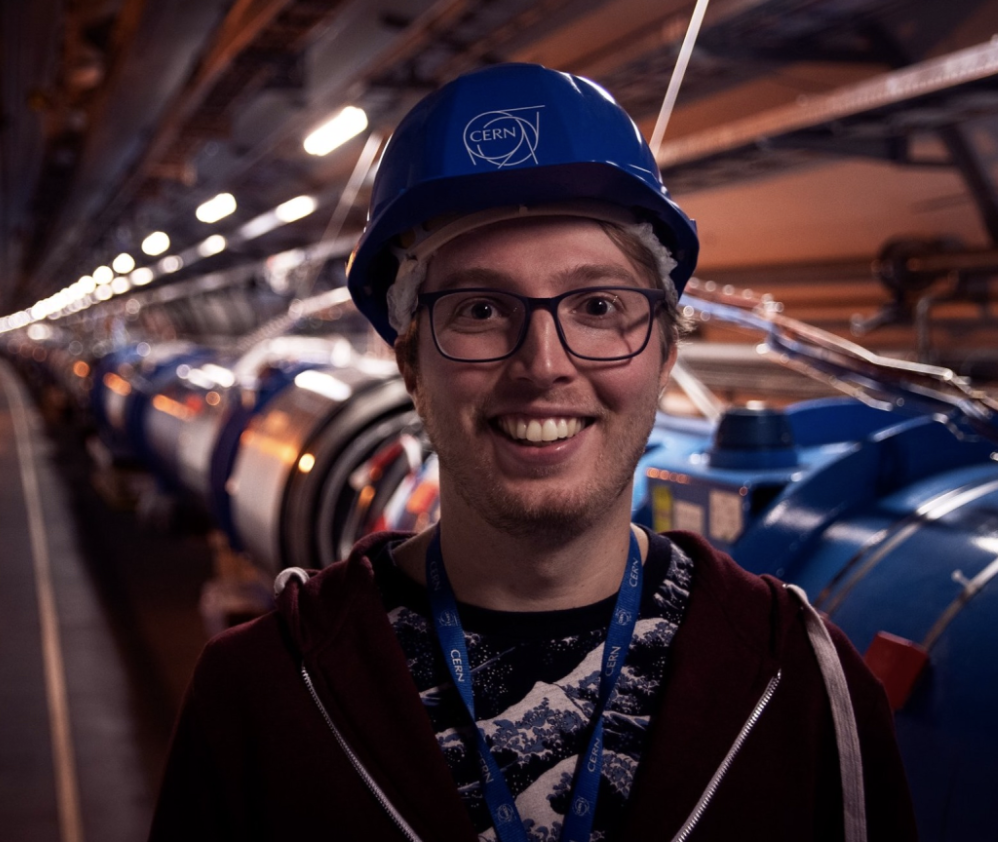
Riccardo Salvatico
Ciao! I’m Riccardo. After two years as a Research Fellow in EP-CMS, I’m excited to start a new adventure as a Staff member. Building on my previous work, I’ll focus on precision measurements of Standard Model parameters and searches for rare vector boson decays, looking for subtle hints of new physics. At the same time, I’ll contribute to building and calibrating the new CMS HGCAL detector, with special attention to advanced electron and photon reconstruction techniques that can exploit the very granular energy, space, and time information of this novel detector.
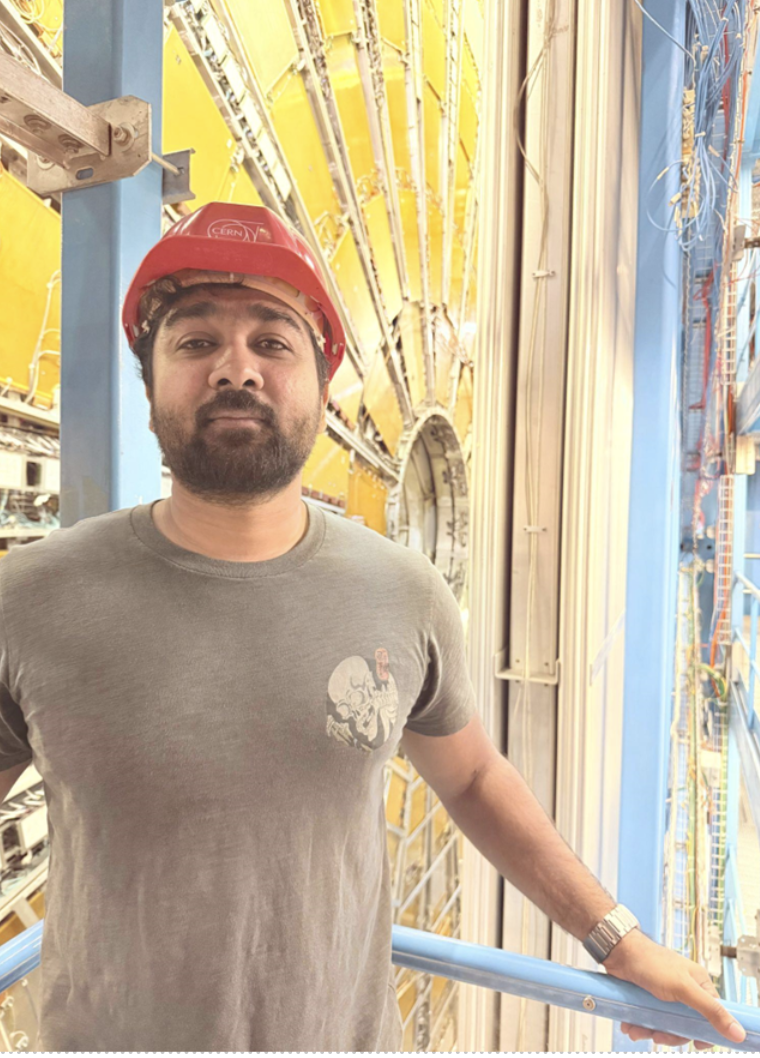
Rohit Shreenivas
Hello, I’m Rohit Shreenivas! I recently joined the Rucio EP-SFT team as a Distributed Storage Software Engineer. I will be working on the RI-SCALE project helping them integrate Rucio as a data management tool for the Data Exploitation Platforms. I will also work on maintaining and improving the Rucio software and its capabilities. Prior to joining CERN, I had over 6 years of Software Engineering experience and got my Master’s in Software Engineering degree from CMU. I look forward to contributing to CERN and my time here!
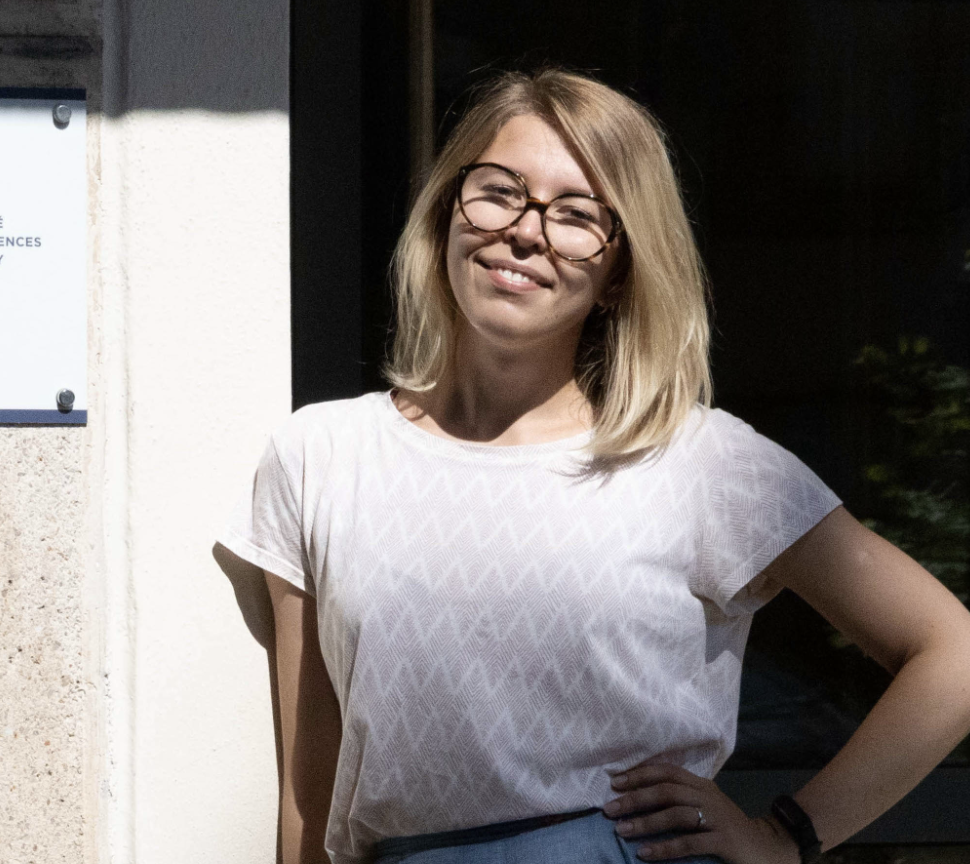
Valeriia Zhovkovska
Hello! I am Valeriia, and I am a new Research Fellow within the LHCb collaboration. My activities combine physics analysis, detector operation, and preparation for future LHCb upgrades. I work on measurements of b-hadron fragmentation fractions and charmonium production, studying heavy-flavour production mechanisms and hadronisation. During my time at CERN, I plan to extend my production studies, exploring new dependencies and kinematic regions. I will also contribute to the maintenance of the silicon-pixel VELO detector during LS3, to luminosity measurements and their development for Run 4, and to detector R&D for LHCb Upgrade II.