
Tag: DT
-
RD50: 30th Workshop on radiation hard semiconductor devices for high luminosity colliders
RD50: 30th Workshop on radiation hard semiconductor devices for high luminosity colliders The RD50 collaboration “Radiation hard semiconductor devices for high luminosity colliders” is working on the development of radiation-tolerant silicon sensors for the detectors of the HL-LHC (High Luminosity-LHC) experiments and started to evaluate challenges arising from radiation levels and technology demands anticipated for
-
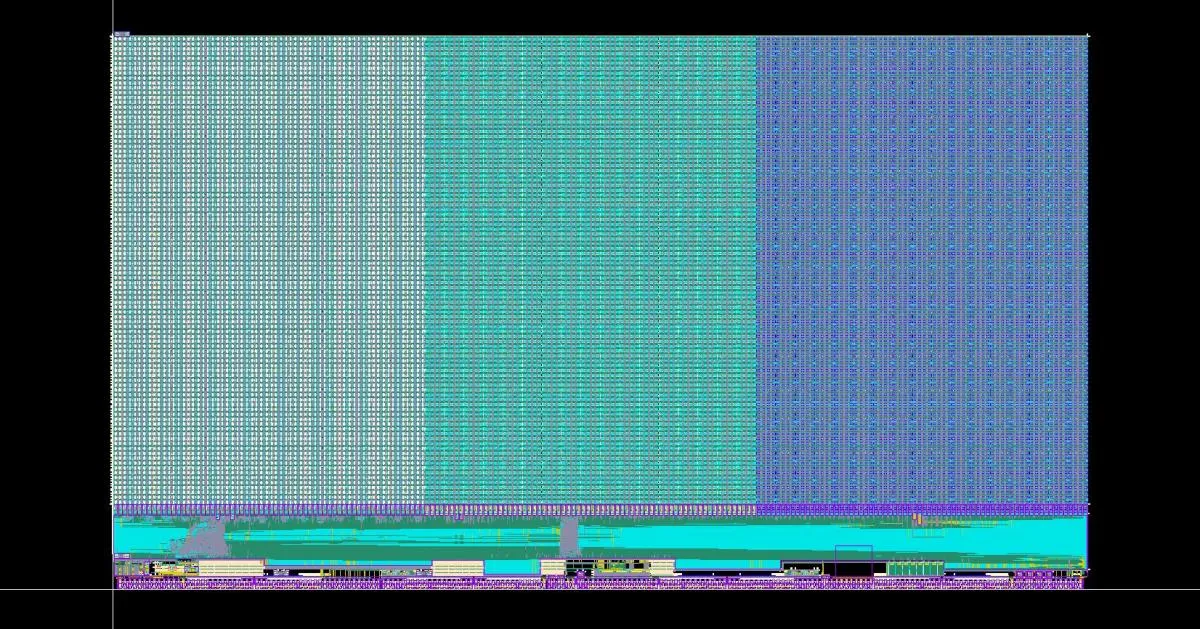
RD53: a large scale demonstrator pixel chip for the phase 2 upgrades of ATLAS and CMS
RD53: a large scale demonstrator pixel chip for the phase 2 upgrades of ATLAS and CMS The RD53 collaboration presented the RD53A large scale pixel chip demonstrator in 65nm CMOS technology as a vital milestone to make viable pixel detectors for the ATLAS and CMS phase 2 upgrades. The RD53 collaboration has during the last
-
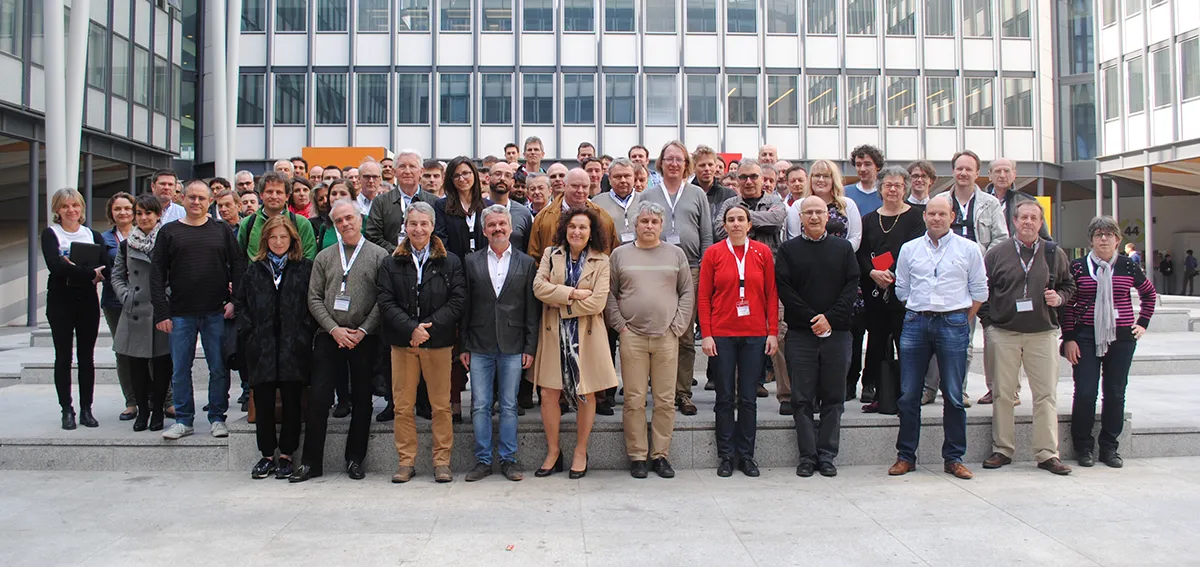
AIDA-2020 spearheads European detector R&D
AIDA-2020 spearheads European detector R&D Detectors are what makes particle physics an experimental science. Pushing detector technologies and facilities beyond the frontiers of scientific innovation is critical in advancing high-energy physics. As such, current detectors must be improved and upgraded, whilst new technology, concepts and applications for future detectors need to be developed. The AIDA-2020
-
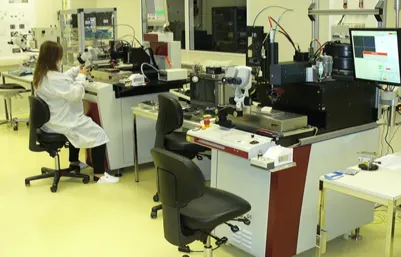
An amazing year for the DT group
An amazing year for the DT group The DT group, provides centralized resources and expertise in terms of personnel and facilities, for the development of future detector technologies, R&D and contributes to detector construction projects. Thank to the vast range of activities, infrastructure, expertise, and long-standing collaborations with CERN experiments 2016 has been an amazing
-
Micro-pattern gaseous detectors applications for imaging purposes, and the prospects of the actual developments
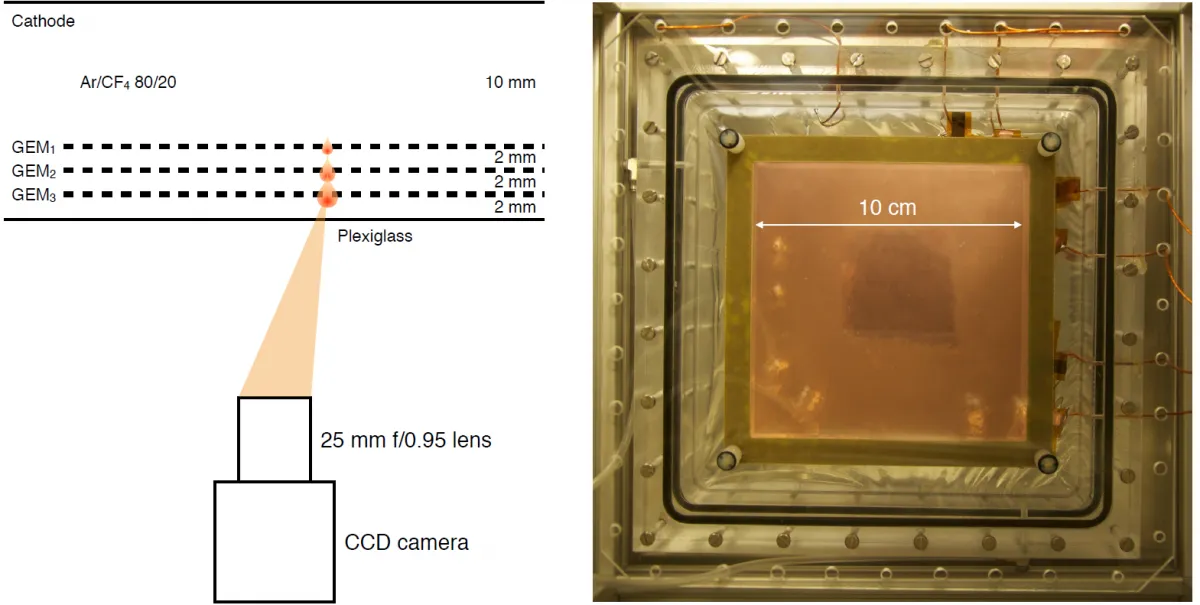
Micro-pattern gaseous detectors applications for imaging purposes, and the prospects of the actual developments Introduction Micro-Pattern Gaseous Detectors (MPGDs) are a family of detectors with gas as active medium. They were conceived in order to overcome the limitations of the Multi-Wire Proportional Chambers (MWPCs) [1] with respect to position resolution, their capability to cope with
-
LHC experiments go greener: Strategies for reduction of greenhouse gas emissions in the detector systems
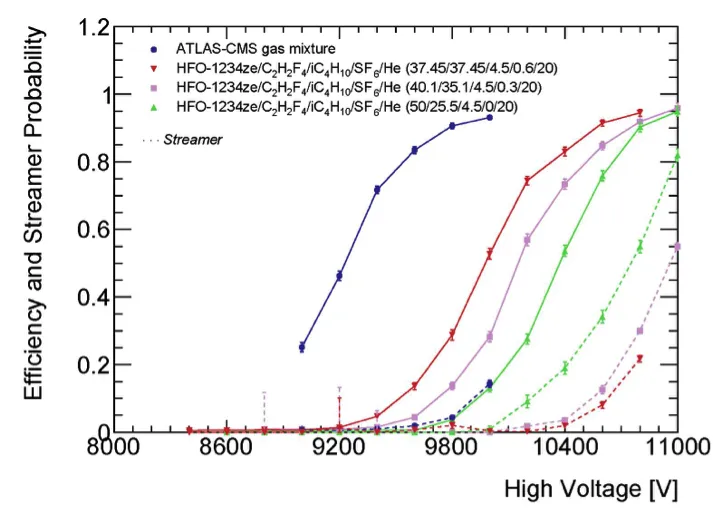
LHC experiments go greener: Strategies for reduction of greenhouse gas emissions in the detector systems At the LHC experiments a wide range of gas mixtures is used for the operation of different gaseous detectors. Some of these gases, such as C2H2F4, CF4 and SF6, are indicated as greenhouse gases (GHG) due to their high Global
-
Successful commissioning of the new PH-DT safety and control system for the refurbished COMPASS Solenoid.
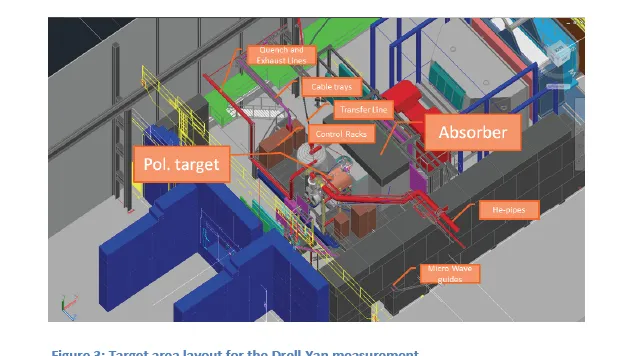
Successful commissioning of the new PH-DT safety and control system for the refurbished COMPASS Solenoid. From left to right, L.Deront, S.Ravat and A.Kehrli in front of the Safety and Control system racks developed and manufactured in PH-DT for the COMPASS solenoid. The PH-DT Instrumentation and Controls team has being developing a new safety system for
-

The Straw Detector in the NA62 Experiment
The Straw Detector in the NA62 Experiment The NA62 experiment is the successor of a previous kaon decay experiment (NA48) operated in the same experimental area at the CERN SPS (see Fig.1). In December 2008, the CERN Research Board has authorized the collaboration to build new detectors, which are tailored to measure the very rare
-
The run 2015 for the PH-DT Irradiation Facilities has begun!
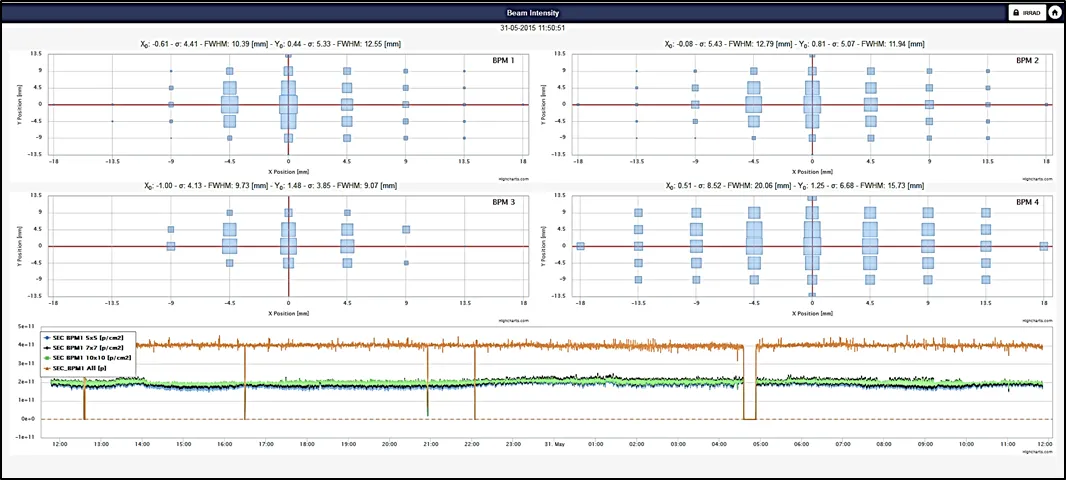
The run 2015 for the PH-DT Irradiation Facilities has begun! The PH-DT irradiation facilities team operates the Proton Irradiation Facility (IRRAD) at the PS East Area and the Gamma Irradiation Facility (GIF++) located at the SPS North Area. Moreover, the team provides support in planning irradiation experiments at CERN and organizes irradiation campaigns in facilities
-
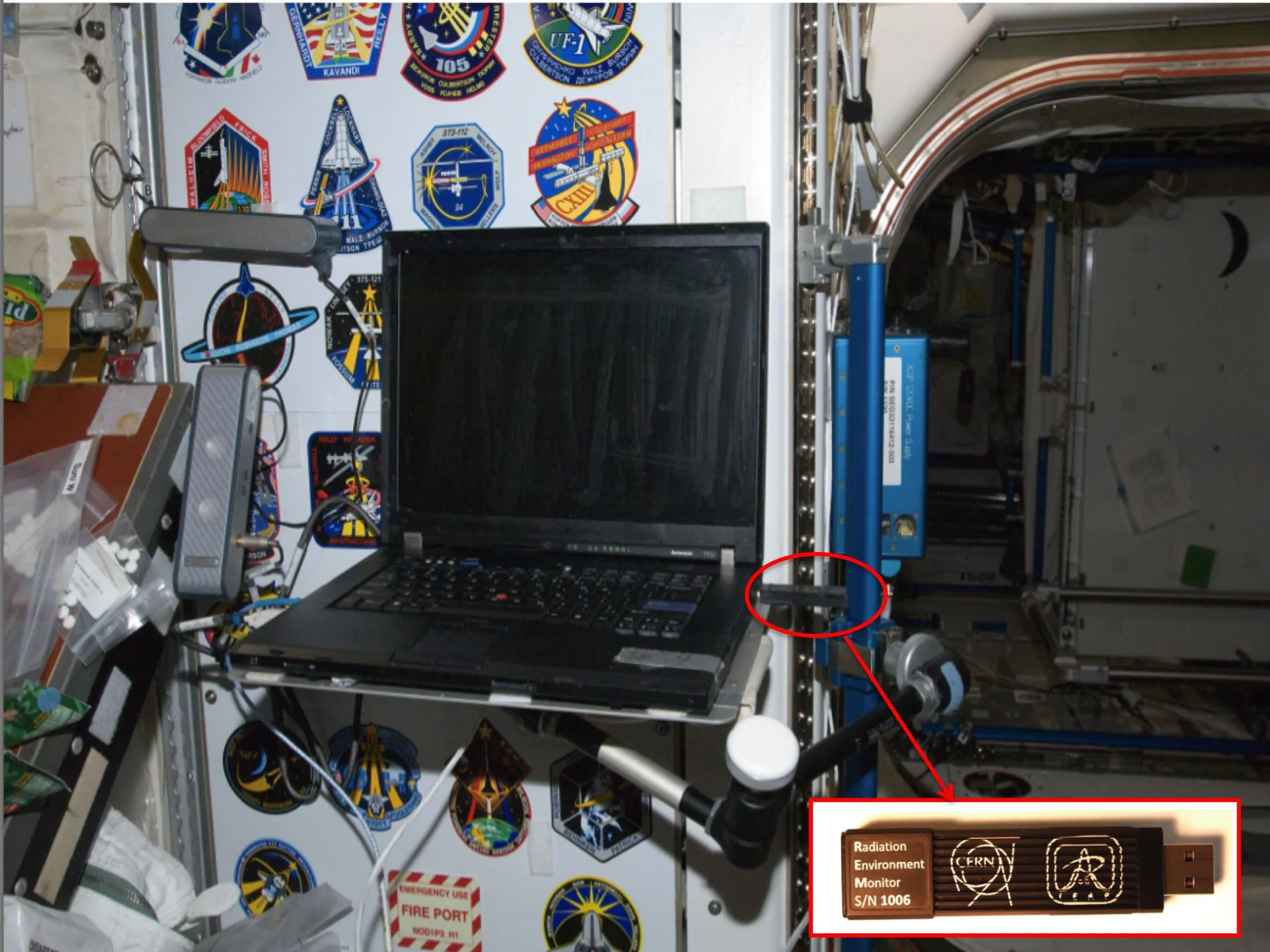
Radiation Monitors Tested on Orion Space mission
Radiation Monitors Tested on Orion Space mission On Friday 5 December, NASA's new Orion spaceship, a capsule built to take humans further into space than ever before, made its first test flight. The flight marked the first time, since Apollo 17 was launched to the moon in 1972, that a spacecraft built for humans traveled