
Tag: DT
-
A successful year for the PH-DT group
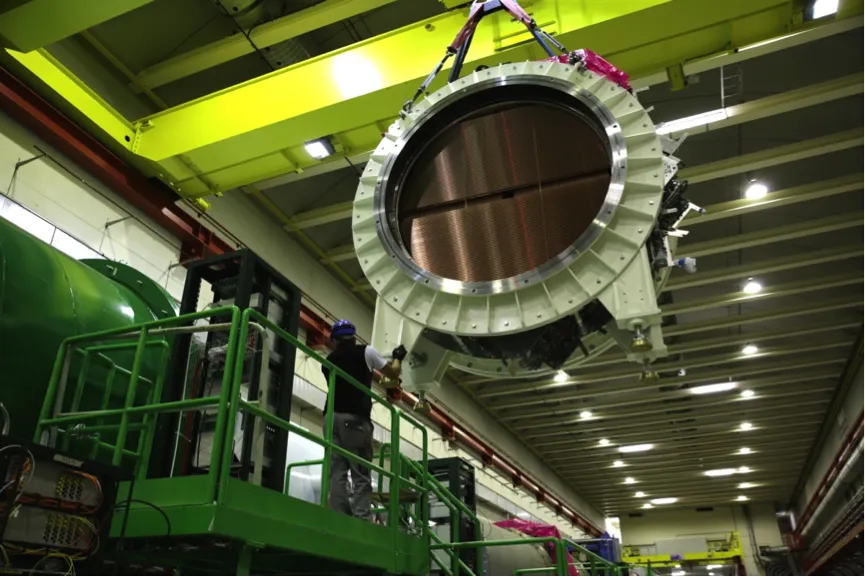
A successful year for the PH-DT group In 2014 DT has been engaged in an extensive programme, supporting and finalizing the consolidation and maintenance work for various experiments at CERN, as well as for the users community. This year was equally difficult and successful. LS1 activities for the LHC experiments have been varied and intense
-
First beams for the new East Area Irradiation Facility
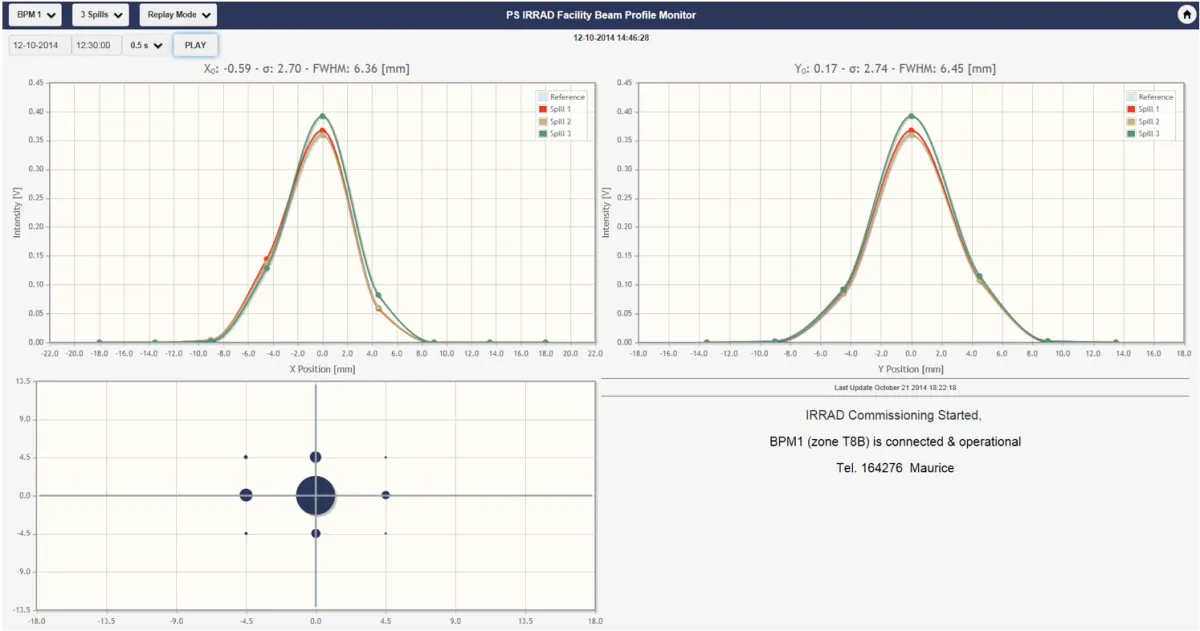
First beams for the new East Area Irradiation Facility On Friday October 10th 2014 at 21:13, for the first time, the primary 24 GeV/c proton beam slow-extracted from the PS went trough the new East Area Irradiation Facility (EA-IRRAD) reaching the beam dump located downstream the T8 beam line. This milestone signed the beginning of
-
Pixel-detector tests for CLIC with the AIDA beam telescope
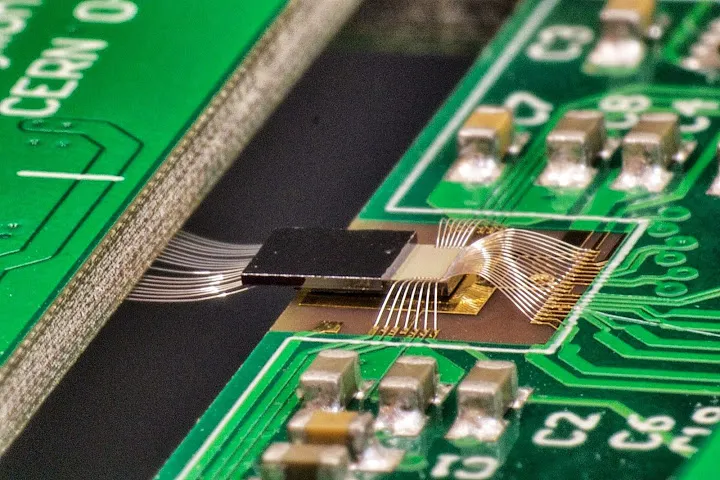
Pixel-detector tests for CLIC with the AIDA beam telescope The PH Linear Collider Detector group (PH-LCD) was the first user of the new AIDA beam telescope in August, taking data with silicon pixel-detector prototypes under development for a future vertex detector at the CLIC high-energy linear electron-positron collider. The PS-T9 beamline in August 2014. The
-
Mirror, mirror on the wall, who is the fairest of them all?
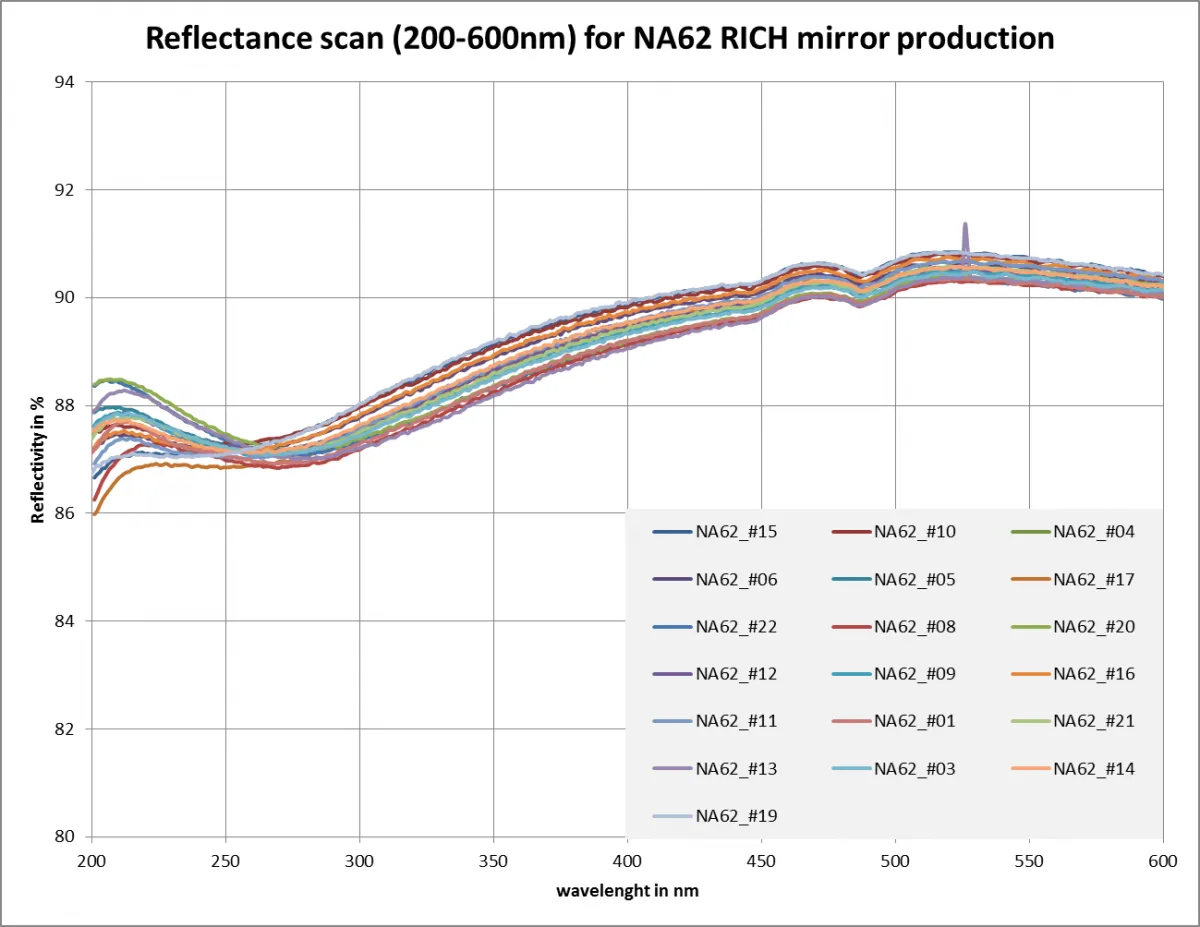
Mirror, mirror on the wall, who is the fairest of them all? The mirror system is an important part of the NA62 RICH detector* covering the full acceptance range of 7m2 surface. It is composed of 18 hexagonal (Ø≈70cm, thickness 2.5cm) and 2 semi-hexagonal mirrors which are sustained by a lightweight support structure made of
-
PH-DT presents its 2013 annual report
PH-DT presents its 2013 annual report The PH/DT group has published its Annual Report where key activities throughout 2013 are described as well as a wider description of how the group is organized and interacts with the experimental community. The PH Detector Technology (DT) group is involved in the development, construction, qualification and operation of
-
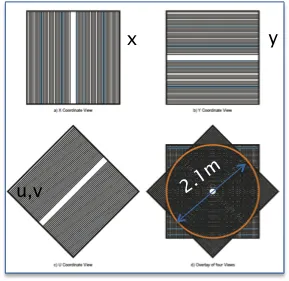
New straw tracker for the NA62 experiment
New straw tracker for the NA62 experiment The design of the NA62 straw tracker is driven by the requirement of low multiple scattering and high efficiency over the full acceptance. An ultra-light straw tracker operated in vacuum was chosen for this purpose. Extensive R&D was performed in order to manufacture straws in large quantities using
-
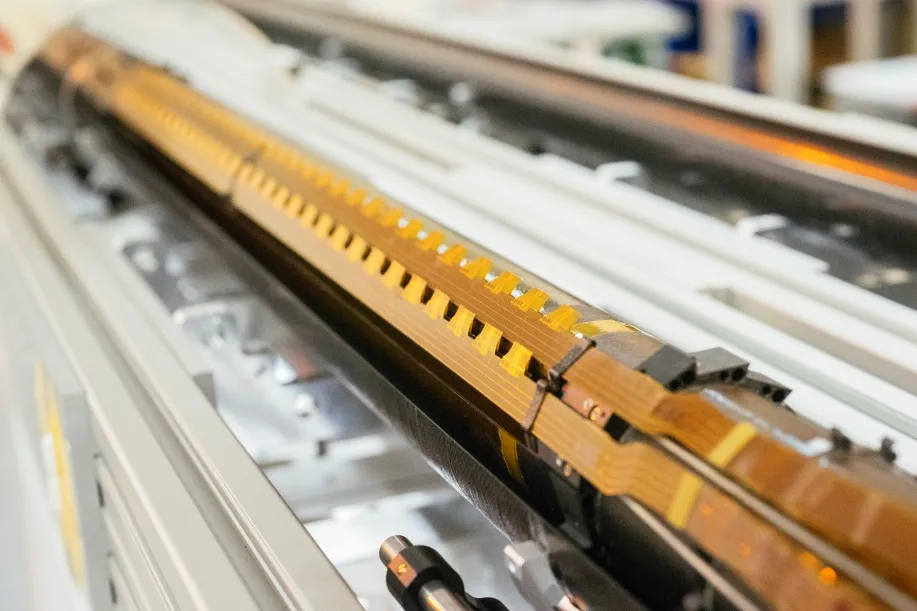
RD53: Development of pixel readout integrated circuits for extreme rate and radiation.
RD53: Development of pixel readout integrated circuits for extreme rate and radiation. In June 2013 the LHCC has endorsed the establishment of a new R&D collaboration, RD53, to address the challenges of making readout integrated circuits for the phase 2 pixel detector upgrades of ATLAS and CMS, as well as long term developments of interest
-
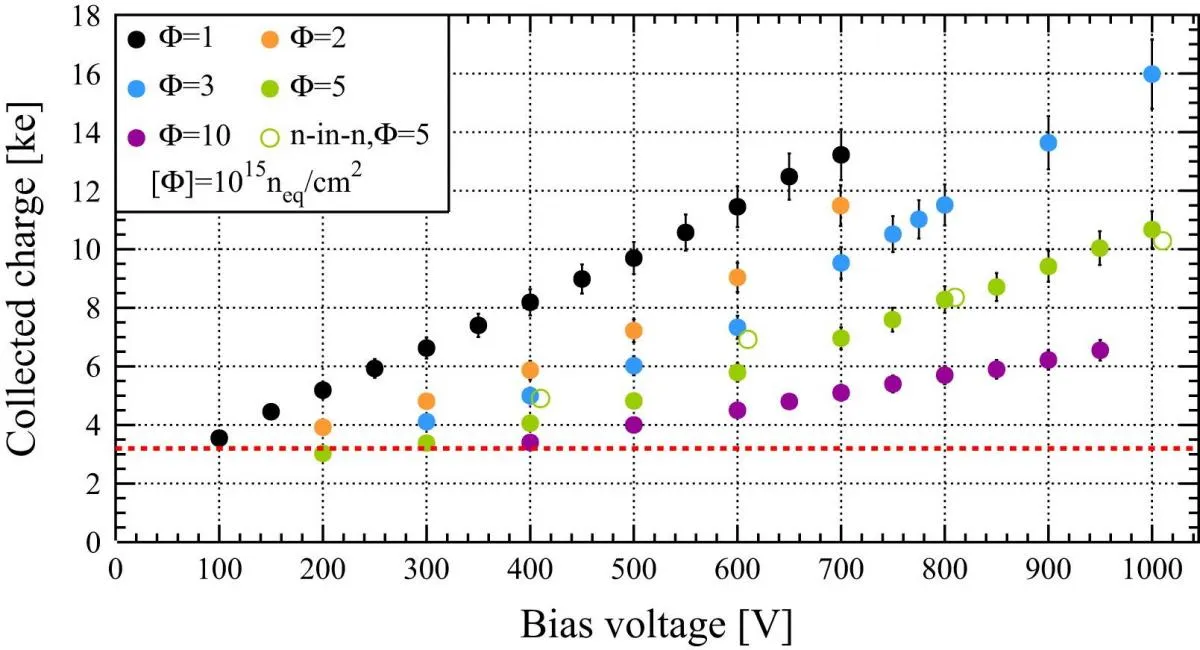
Towards radiation tolerant silicon sensors – News from RD50
Towards radiation tolerant silicon sensors – News from RD50 The RD50 collaboration “Radiation hard semiconductor devices for high luminosity colliders” is working on the development of radiation tolerant silicon sensors for the detectors of the HL-LHC (High Luminosity-LHC) experiments. An introduction to the RD50 collaboration which comprises 49 institutes with 270 members and its wide
-
Scintillating crystals: a new window in medical imaging
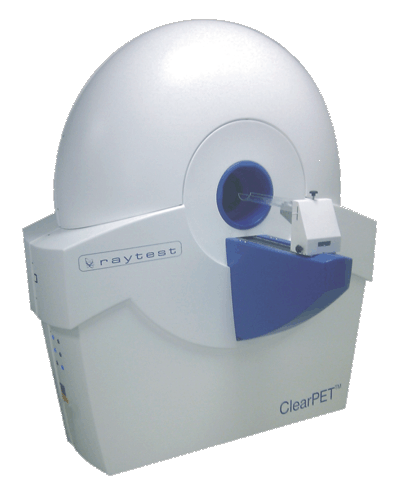
Scintillating crystals: a new window in medical imaging For science fiction fans antimatter is the high energy fuel that accelerates spaceships faster than the speed of light. In the real world however it has more down to Earth yet extremely useful applications, mainly in the medical field. Positrons are used in Positron Emission Tomography (PET)
-
Axial PET: Applying novel ideas in PET geometry
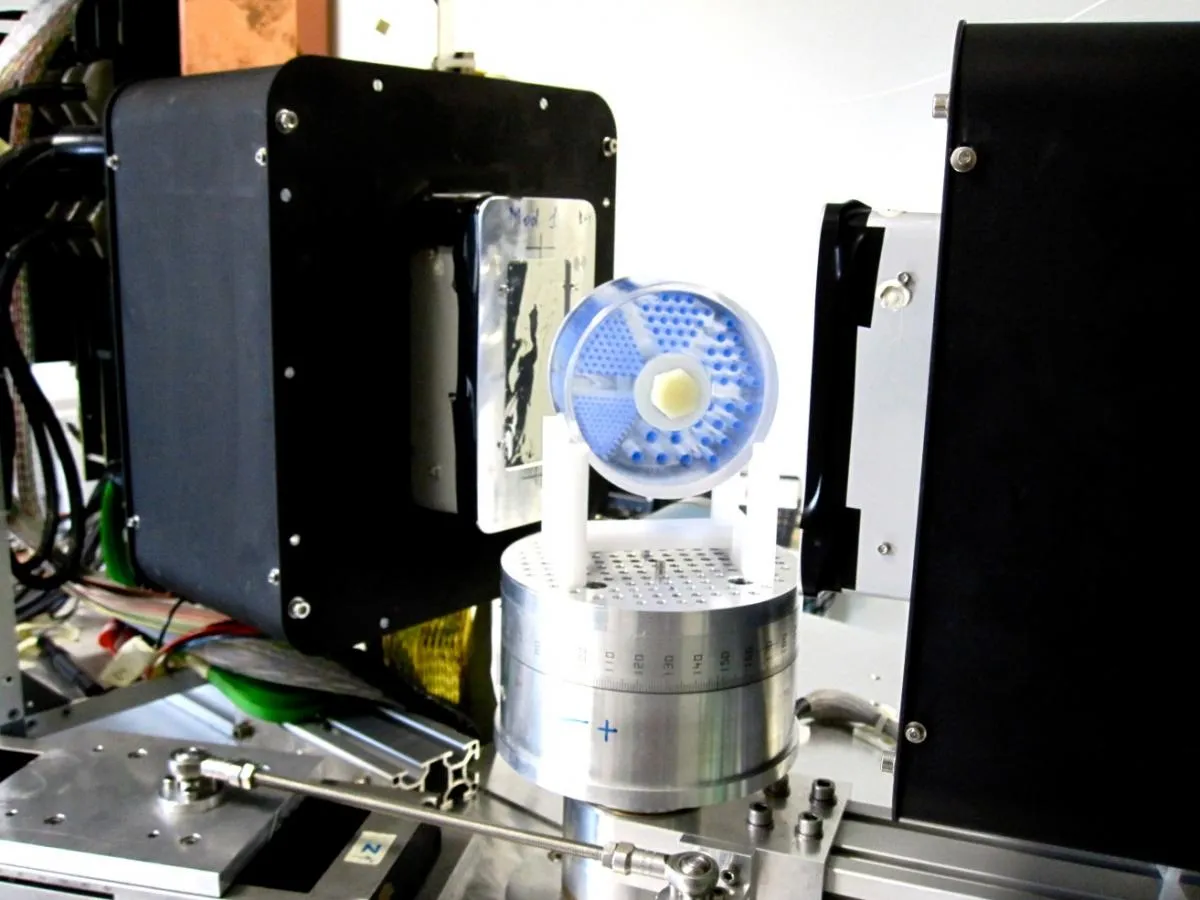
Axial PET: Applying novel ideas in PET geometry The idea to apply concepts, devices and software that were developed in the context of HEP experiments to medical imaging is rather natural and inspiring. The similarities become more evident when it comes to the detection of high energetic gamma photons. In a PET (Positron Emission Tomography)