
Tag: SFT
-
The Future of HEP Computing Considered
The Future of HEP Computing Considered We are well-used to long lead times in particle physics. Detectors that are commissioned often rely on technology that was in an R&D phase decades before and now, as the CERN community, we now plan for new accelerators that will still be operational at the end of this century.
-
Update on CernVM-FS
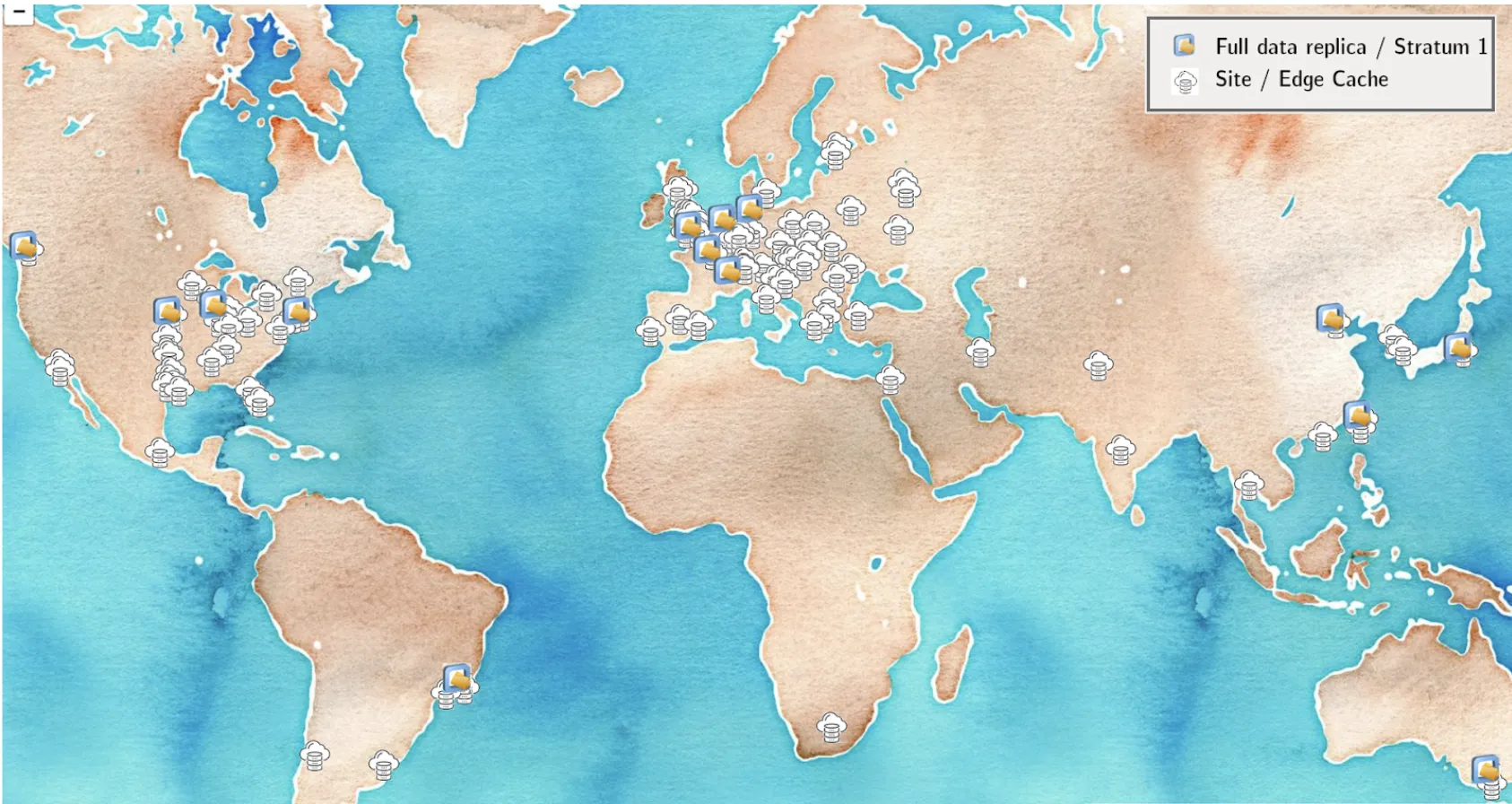
Update on CernVM-FS Fig. 1: Map of CVMFS cache instances. The tiered cache model is one of the techniques that helps to efficiently deploy software on /cvmfs to computing sites all over the world. Anyone who has ever used experimental software on CERN's computing infrastructure is likely to be familiar with CernVM-FileSystem (CVMFS) – even
-
Distributed Analysis with ROOT RDataFrame
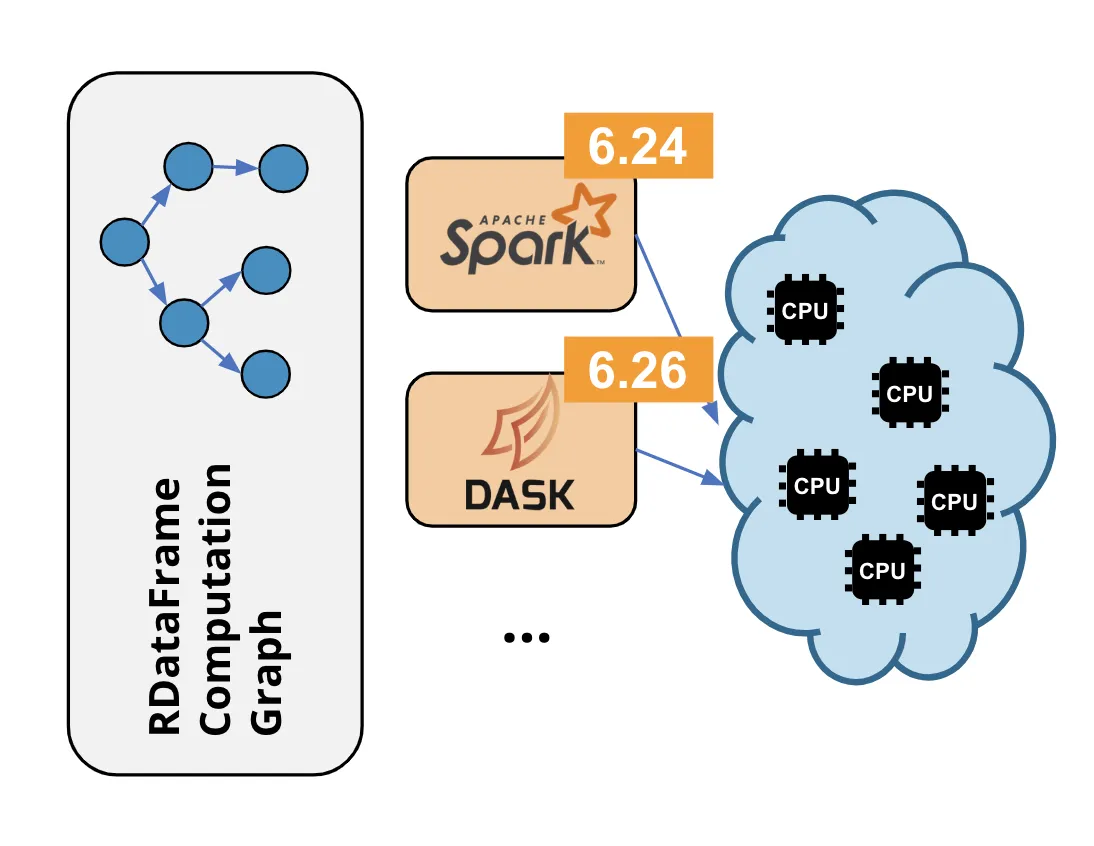
Distributed Analysis with ROOT RDataFrame The HL-LHC is foreseen to generate roughly thirty times more data than the LHC has produced so far. Given the available future budget estimations and expected technological evolution [1], software will play a crucial role to cover the performance gap and be able to process the foreseen data volumes. In
-
Geant4: a modern and versatile toolkit for detector simulations
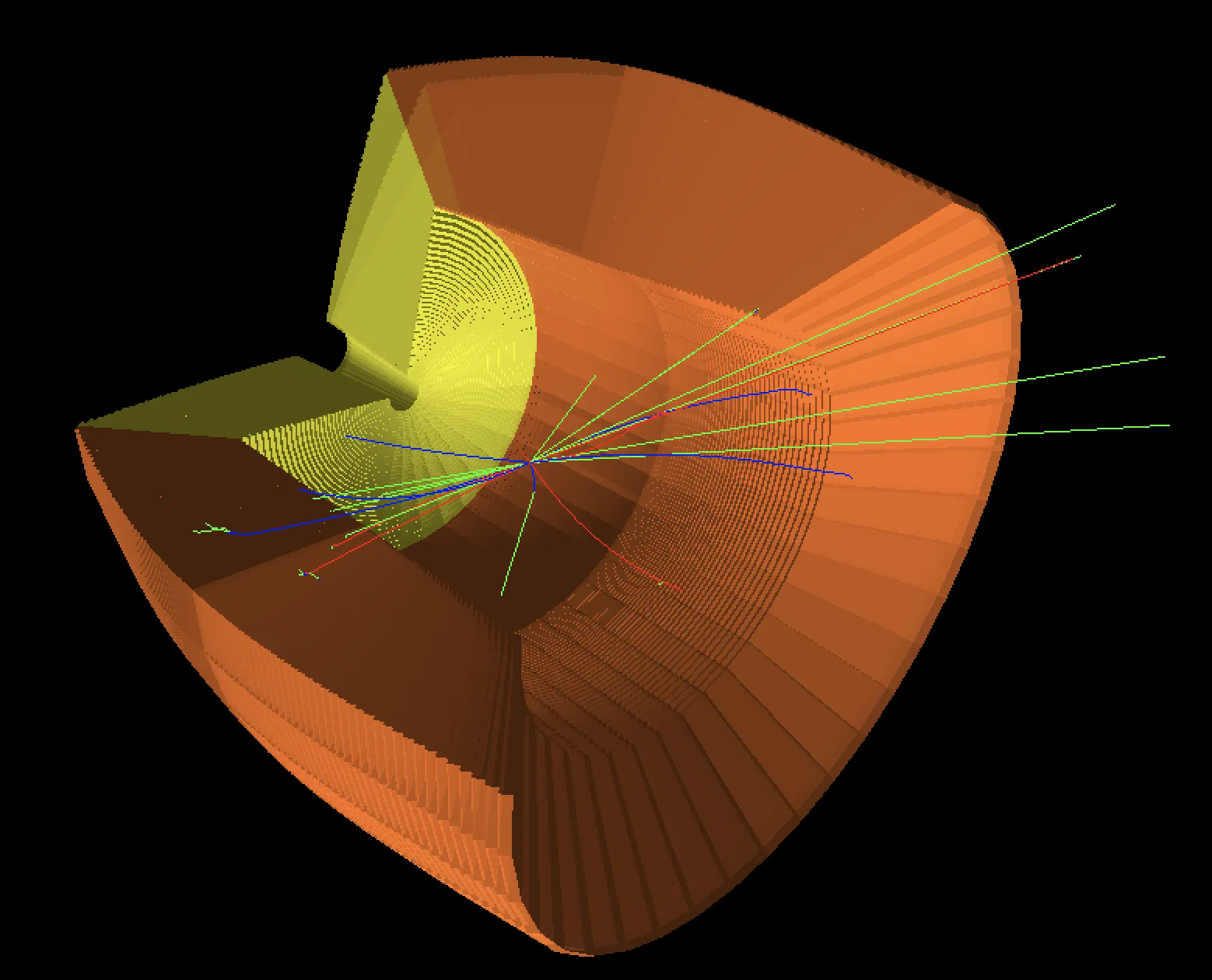
Geant4: a modern and versatile toolkit for detector simulations Like a good, lifelong friend who is accompanying you through all phases of life, the Geant4 detector simulation toolkit is widely used in particle physics experiments from their conception to their design, during construction and data taking, for physics analyses, until several years after the experiment's
-
The FELIX Project
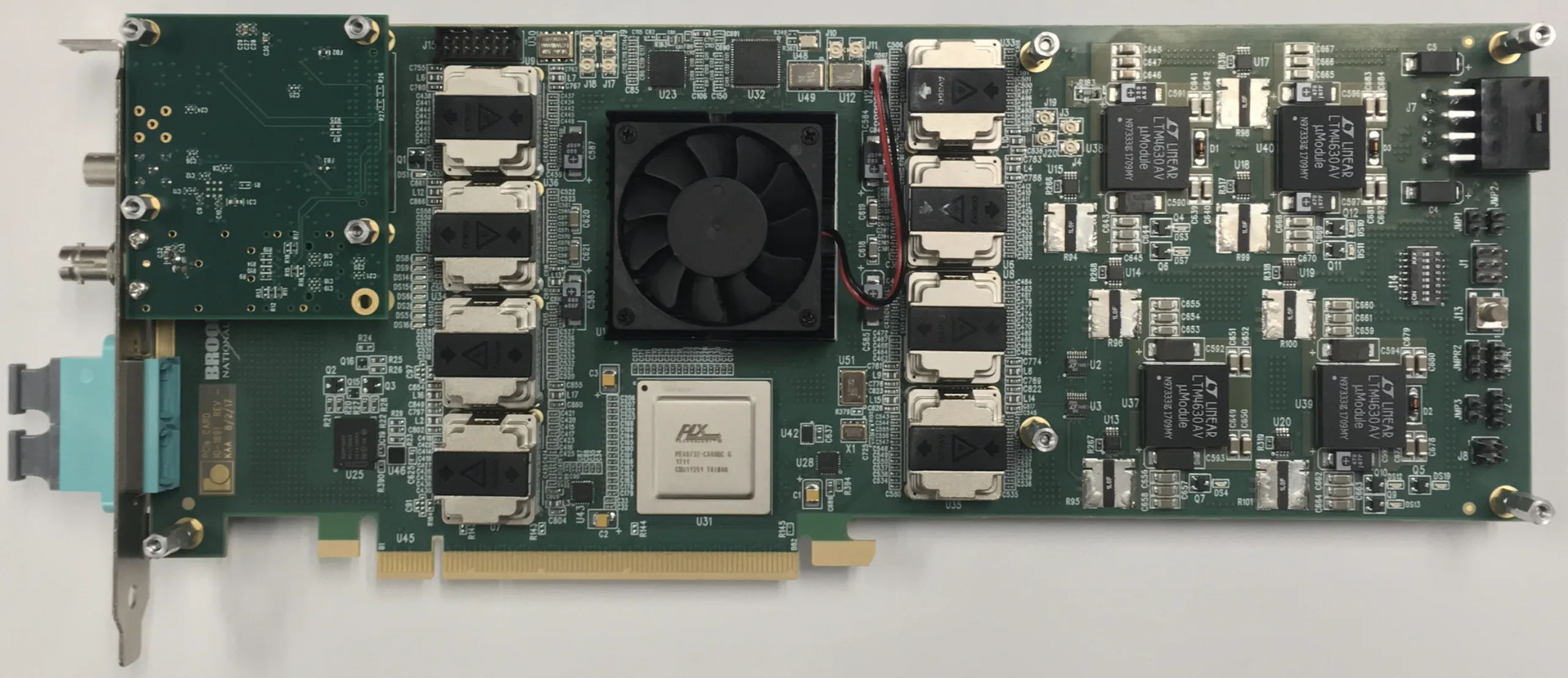
The FELIX Project If you are working on one of the ATLAS, DUNE or NA62 experiments you have surely participated to meetings in which people referred to “FELIX”, as if it were a widely-known brand. You probably guessed, after some time, that they were not referring to the 1919’s cat of the cartoon nor the
-
Data handling and processing for the FCC-ee
Data handling and processing for the FCC-ee Data handling and processing for the FCC-ee Introduction The integrated Future Circular Collider study will bring about giant steps forward in many technical and engineering fields. The operation at the Z-pole of the FCC-ee machine will deliver the highest possible instantaneous luminosities ever achieved with the goal of
-
Google Summer of Code brings Students to HEP Software Projects
Google Summer of Code brings Students to HEP Software Projects Google Summer of Code is a programme that brings together students wanting to code for Open Source software projects and mentors who can introduce them to exciting projects and the full software development cycle. As a major supporter of Open Source software the EP-SFT group
-

Tips for a better virtual experience
Tips for a better virtual experience A year ago, as the first reports of COVID-19 infections started to reach us from China, it was almost certain that none of us really foresaw the impact that the pandemic would have on our lives and on high-energy physics as a field in 2020. As things became more
-
Random Number Generators for Precision Monte Carlos
Random Number Generators for Precision Monte Carlos The Monte Carlo method is used primarily for calculations that are too difficult or even impossible to perform analytically, so that as our experiments and theories become more accurate, we become more dependent on the quality of our MC calculations and hence on the random numbers they use.
-

First SWAN workshop at CERN
First SWAN workshop at CERN The first SWAN (Service for Wab based ANalysis) and Jupyter Notebooks Users’ Workshop was held last October at CERN. One of the main goals of the meeting was to offer a space where users could openly share their experience and gather feedback for develpments that could improve the service to