
Tag: SME
-
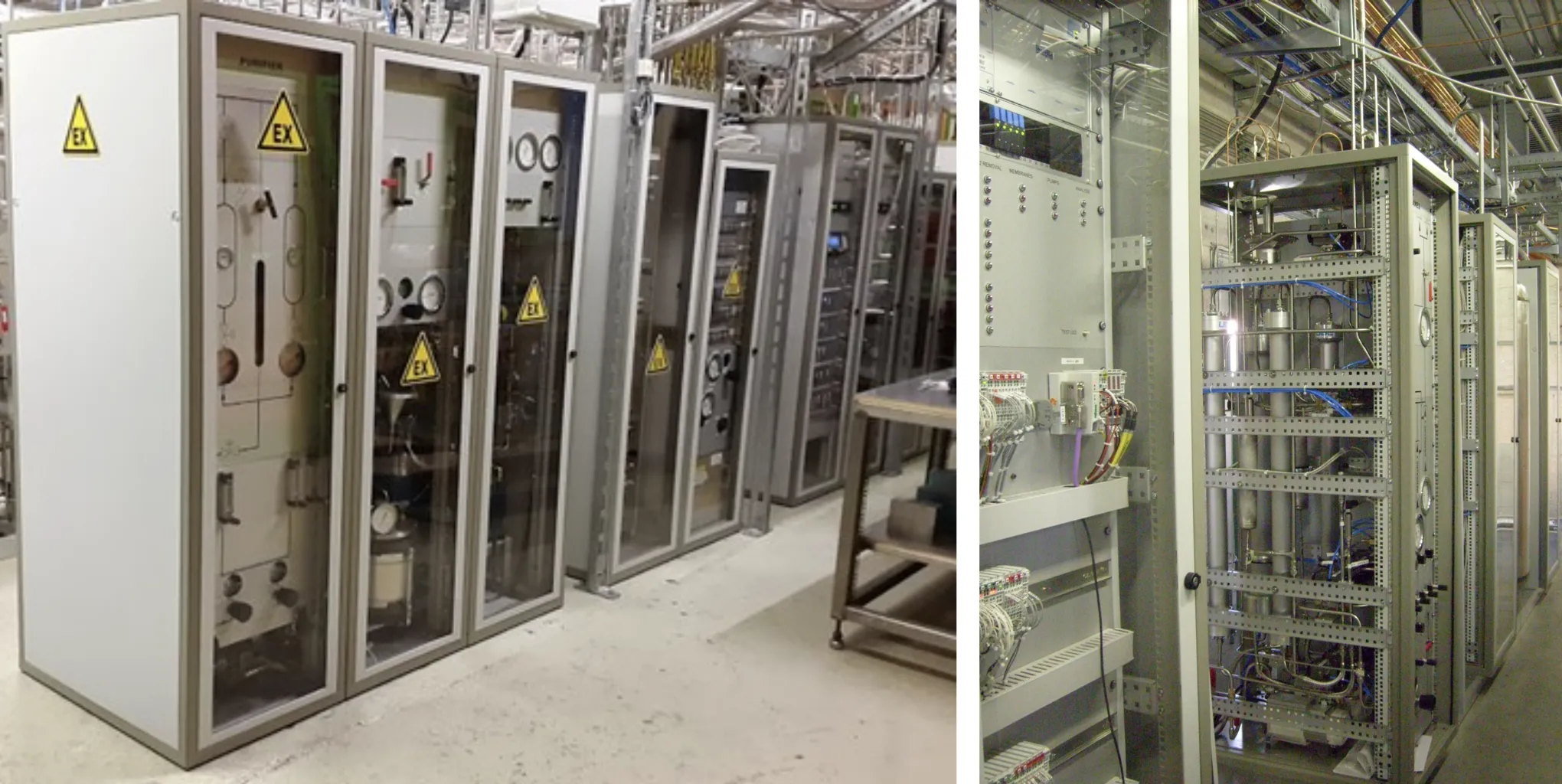
R&D on gas usage in the LHC particle detection systems.
R&D on gas usage in the LHC particle detection systems. A wide range of gas mixtures is used for the operation of different gaseous detectors for particle physics research. Among them there are greenhouse gases like C2H2F4 (R134a), CF4 (R14), C4F10 (R610) and SF6, which are needed because they allow to achieve specific detector performance
-
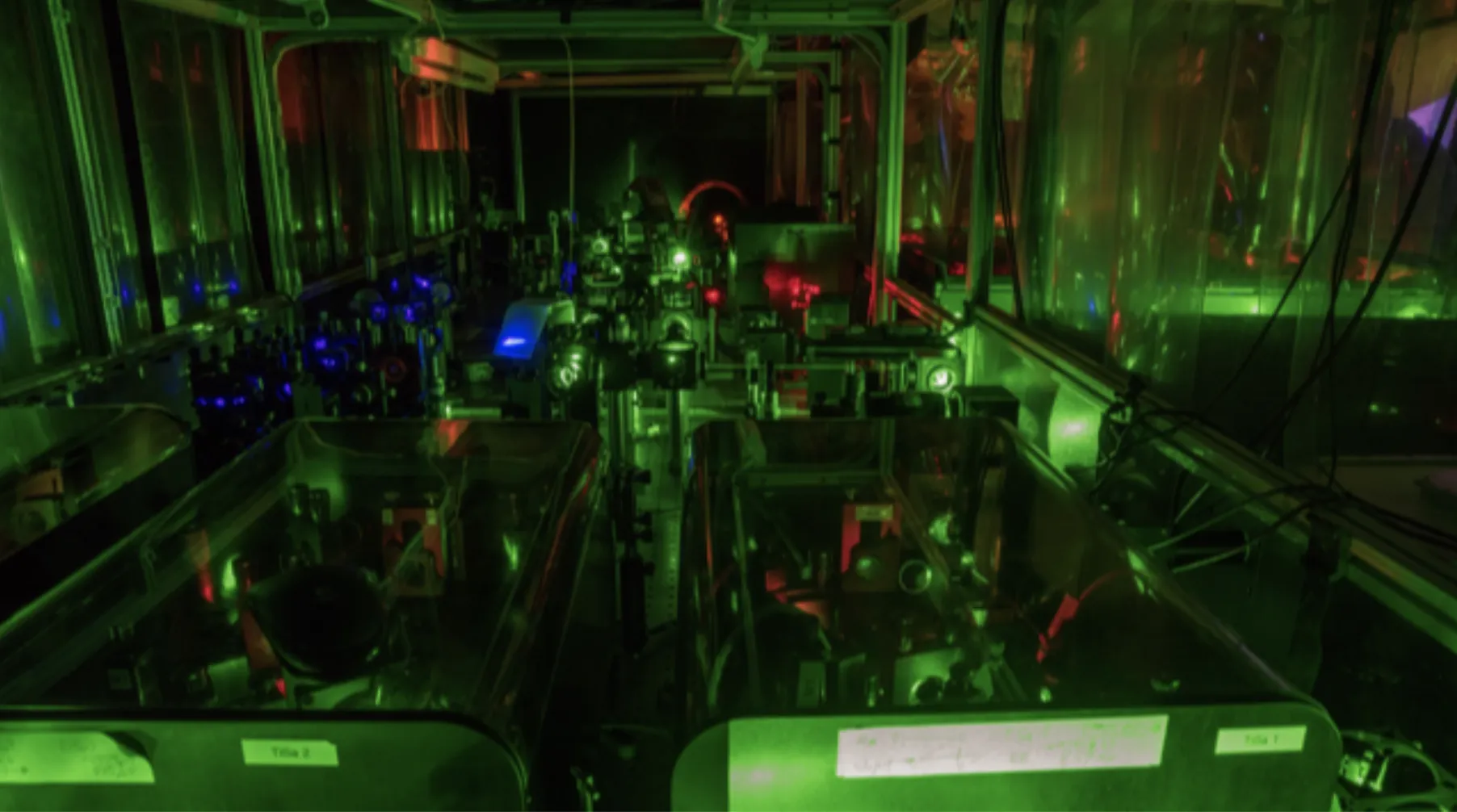
The LISA project at CERN-ISOLDE
The LISA project at CERN-ISOLDE The LISA (Laser Ionisation and Spectroscopy of Actinides) consortium aims to train a new generation of experts in radioactive ion beam research and applications, laser spectroscopy, scientific laser technologies and atomic theorists whilst they work towards the goal of vastly improving our understanding of the atomic and nuclear properties of
-
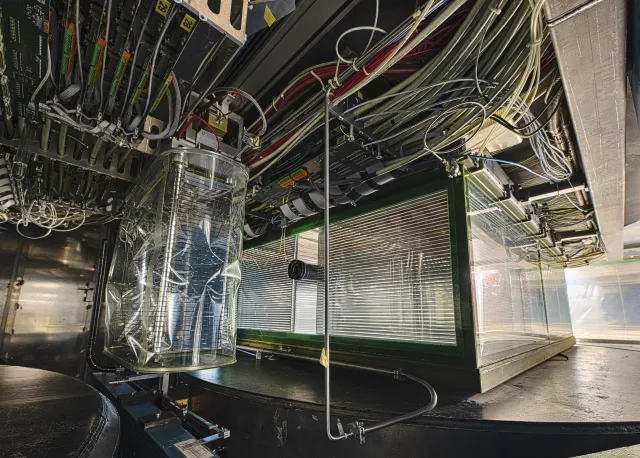
Hunting for charm with lead and SHINE
Hunting for charm with lead and SHINE SHINE (SPS Heavy Ion and Neutrino Experiment) [1] is a multi-purpose experiment studying hadron production in hadron-proton, hadron-nucleus and nucleus-nucleus collisions. The programme on strong interactions includes studying the properties of the onset of deconfinement [2] and searching for the critical point of strongly interacting matter [3]. Additionally,
-
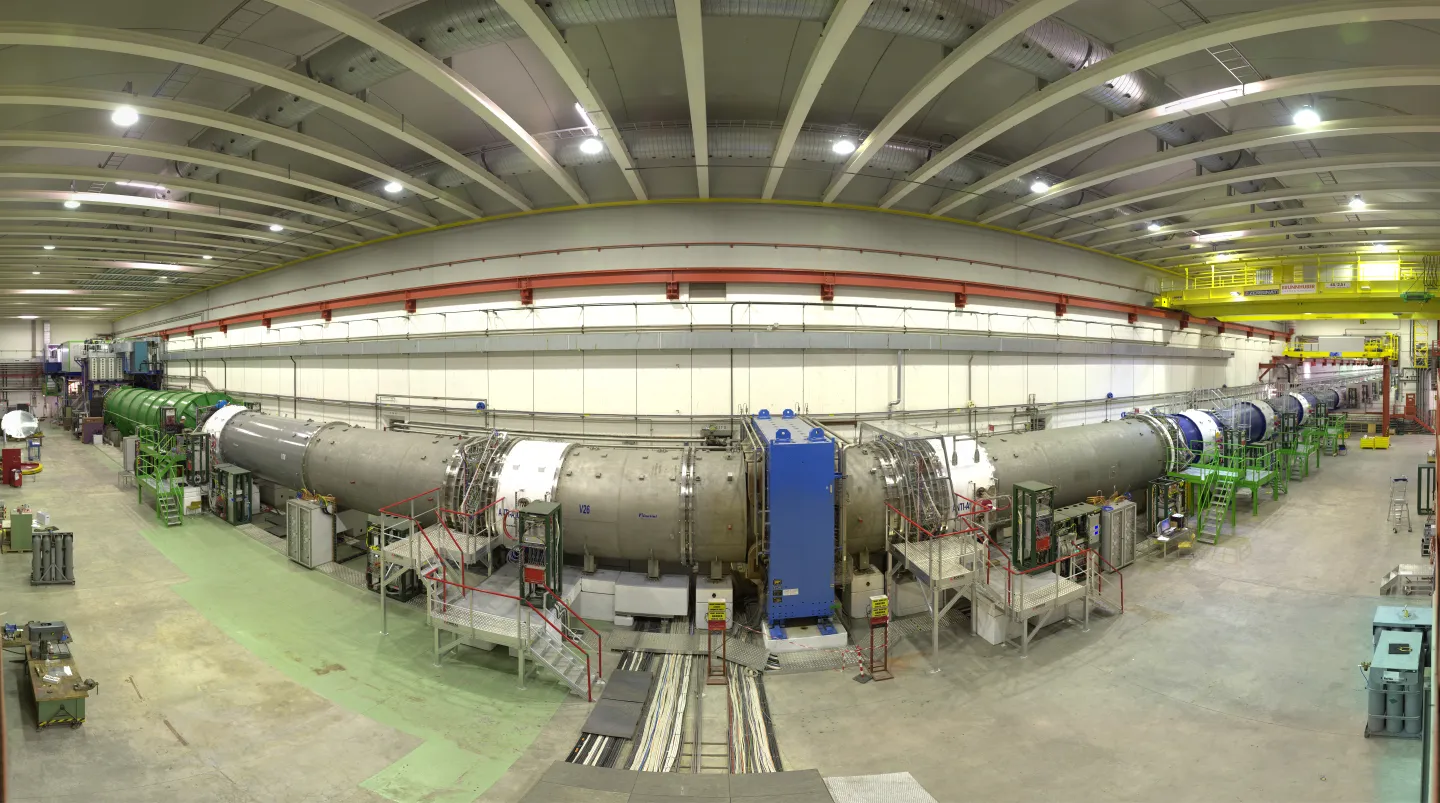
A new CEDAR for the NA62 experiment
A new CEDAR for the NA62 experiment The NA62 experiment at CERN studies kaon decays using a decay-in-flight technique, with the primary aim of the precise measurement of the K+ → π+νν branching fraction. The kaons are delivered to the experiment in a beam of 75 GeV/c positively-charged hadrons, with the beam composition dominated by
-
LHCf and cosmic ray investigation in run 3
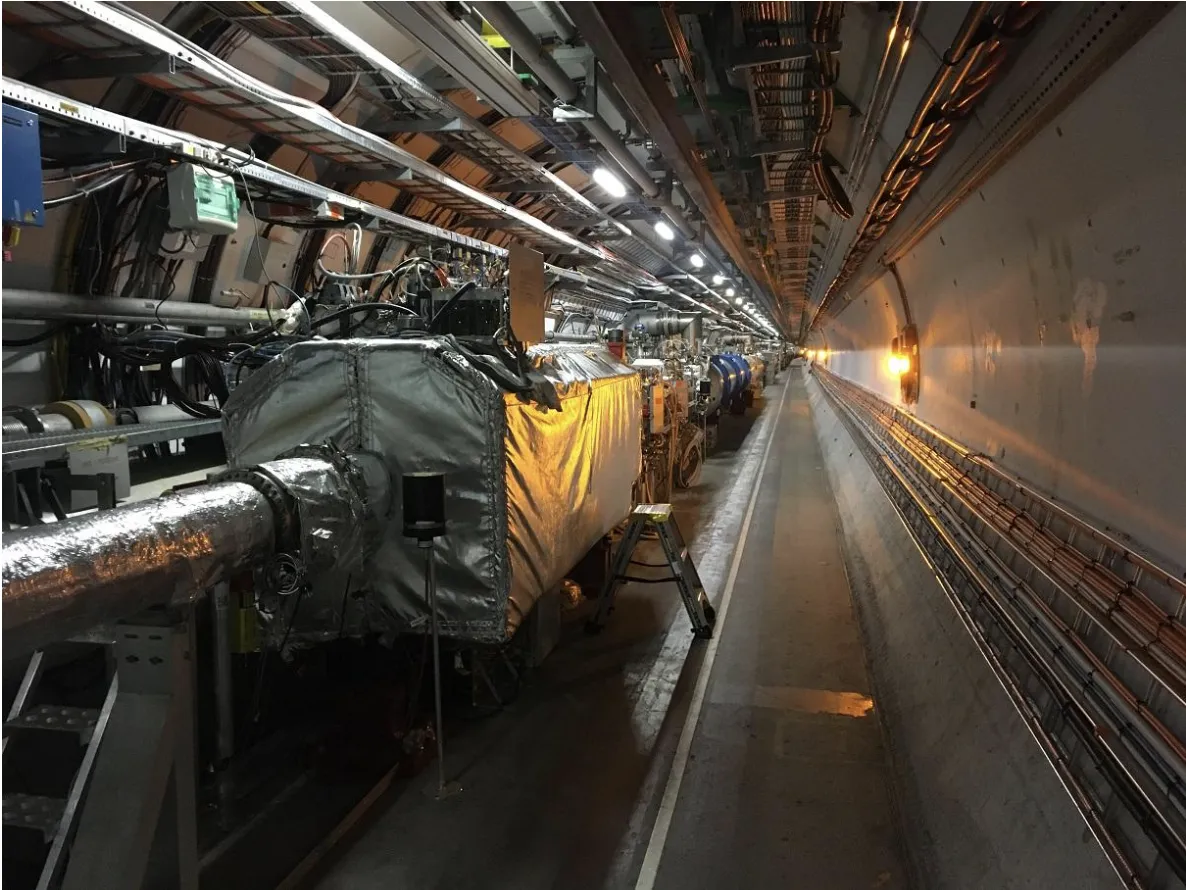
LHCf and cosmic ray investigation in run 3 Installation location of the LHCf Arm2 detector in the absorber region 140m right of the ATLAS interaction point The first LHCf special run of the LHC Run 3 was successfully completed in September 2022, with the LHC providing the highest collision energy ever reached by a particle
-
Casting light on the dark sector of the universe
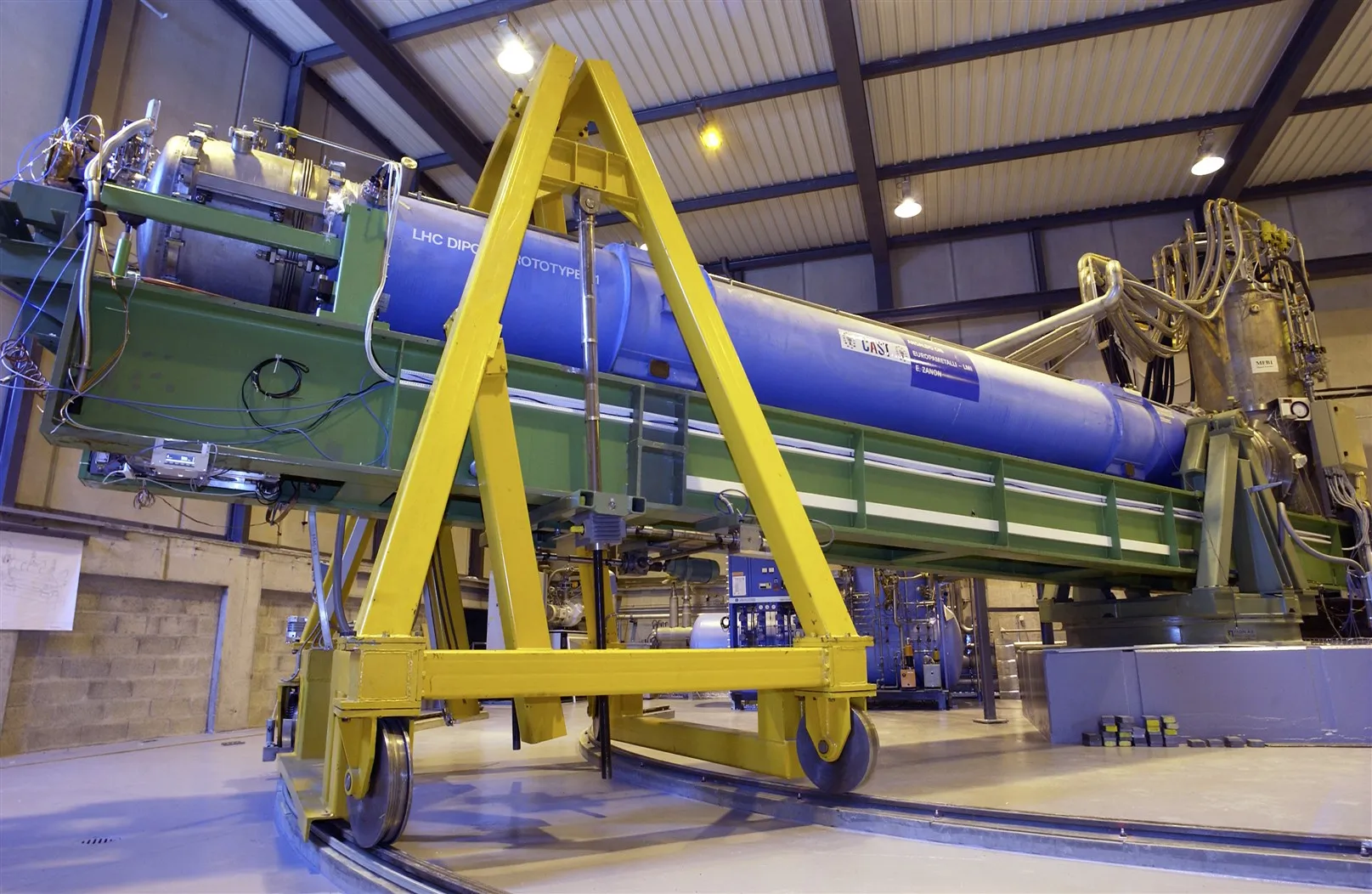
Casting light on the dark sector of the universe On axions The cosmologically established cold dark matter (CDM) makes about 84% of the Universe’s total mass. In the era of precision cosmology, the composition of the CDM remains a mystery. Among the proposed hypothetical particles which could address this fundamental question in physics, certainly, the
-
Highlights of the n_TOF 2022 data taking run
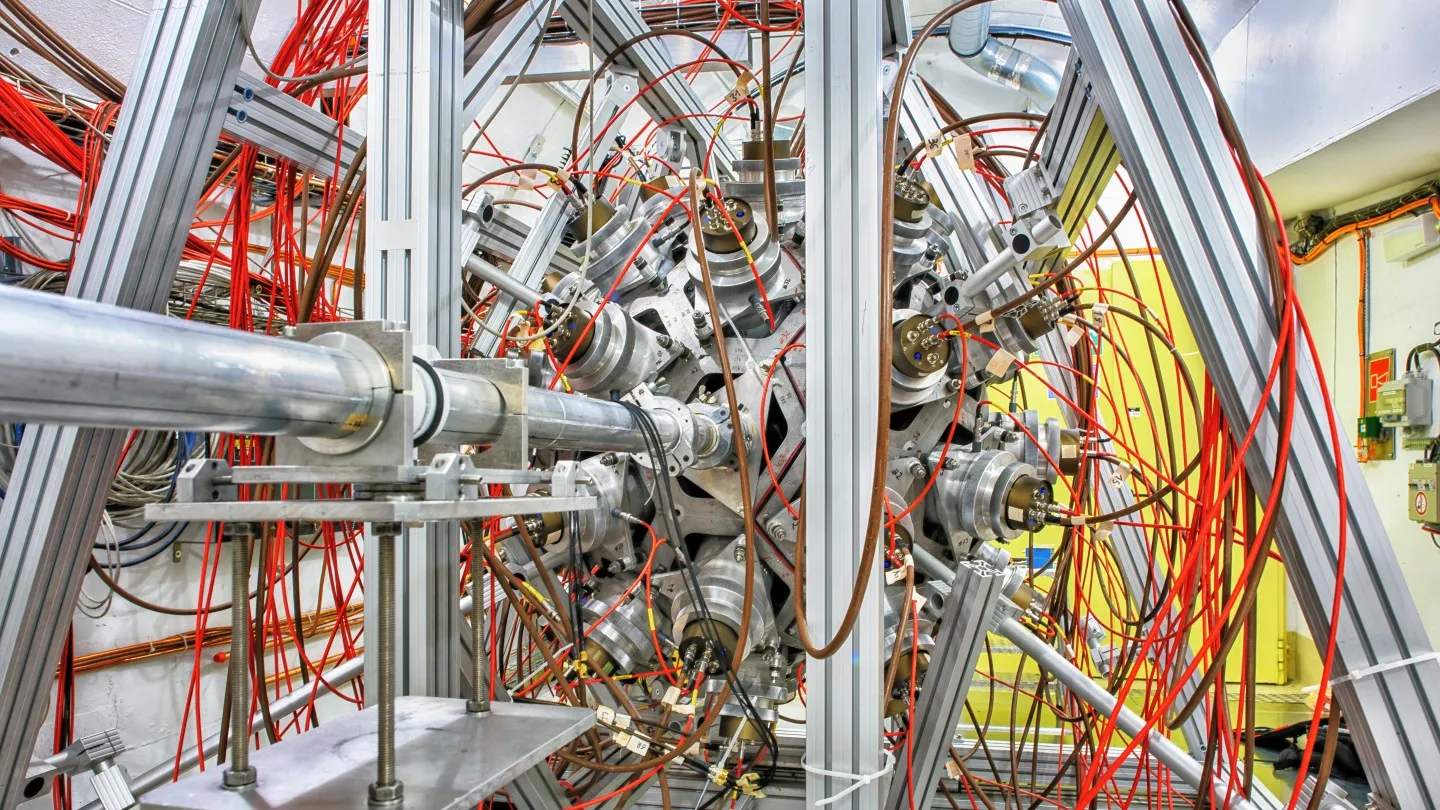
Highlights of the n_TOF 2022 data taking run The outcome of the first year of data-taking after LS2 [1] was fruitful for n_TOF. The long beam-on period, along with the establishment of a third experimental area, the NEAR Station, resulted in a wealth of new experimental data taken at the facility. Thanks to the excellent
-
10 Years of operating the Alpha Magnetic Spectrometer on the International Space Station
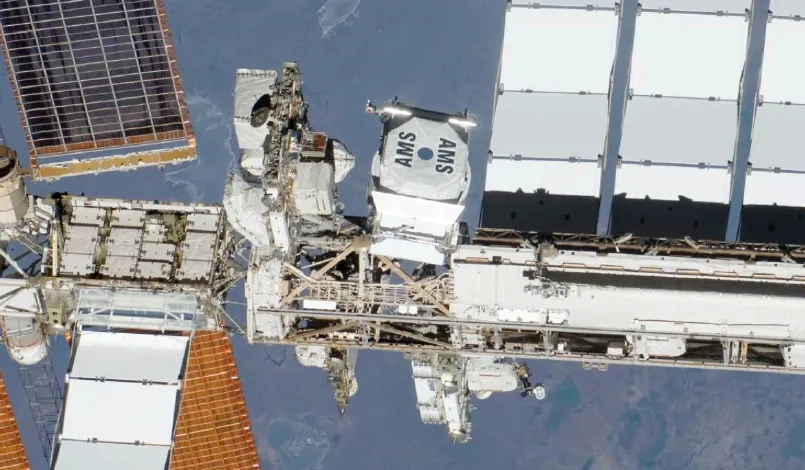
10 Years of operating the Alpha Magnetic Spectrometer on the International Space Station AMS, passed the milestone of its first 10 years of continuous operation on the International Space Station. AMS is a particle physics detector designed to measure antiparticles, particles, and nuclei of rigidity (momentum/charge) ranging from the GV to few TV (Figure 1).
-
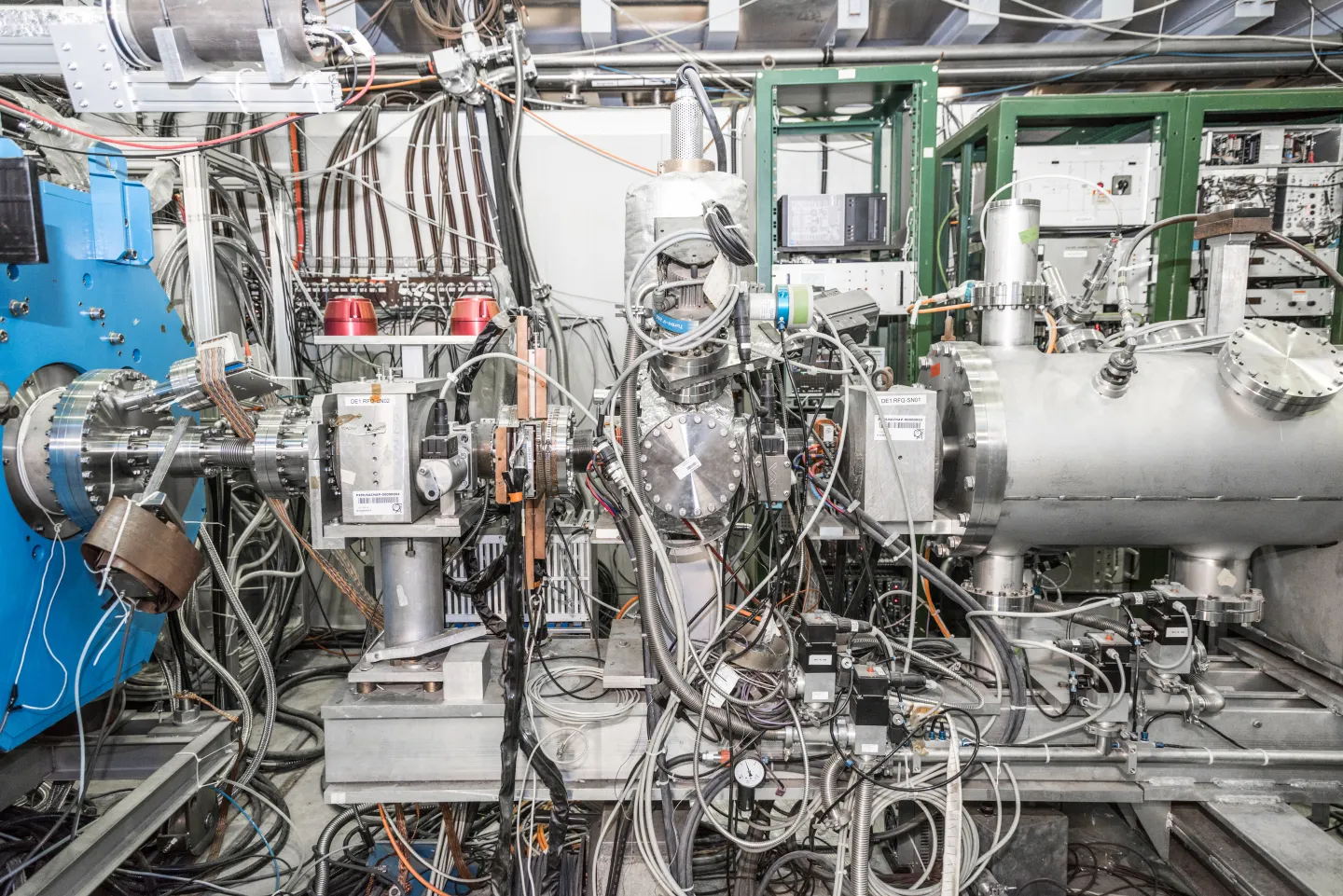
ASACUSA excites antimatter hybrid atoms immersed in superfluid helium
ASACUSA excites antimatter hybrid atoms immersed in superfluid helium When atoms are immersed into liquids, their atomic spectral lines at visible wavelengths become greatly broadened compared to those of single, isolated atoms. A million-fold increase in the linewidth is often observed, which obscures spectroscopic structures and prevents high-resolution optical spectroscopy. In fact, the distortions are
-
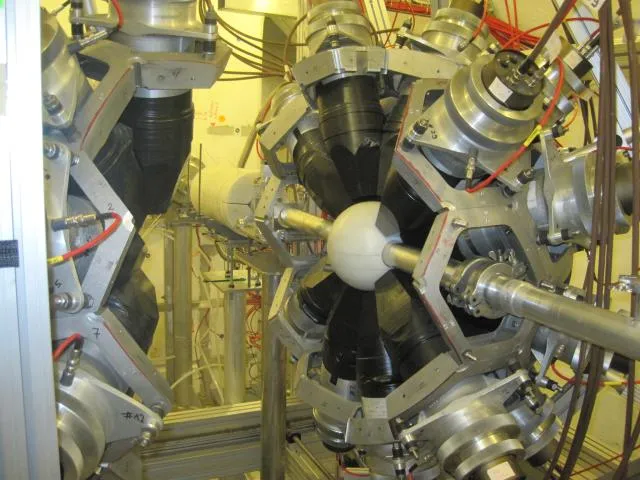
n_TOF restarts its experimental programme
n_TOF restarts its experimental programme Following the installation of the new spallation target during LS2 and the successful commissioning during the 2021 run [1,2], the n_TOF Collaboration started in March, this year, an intense experimental programme for all three experimental areas of the facility. The n_TOF core experimental programme is the measurement of neutron induced