
Tag: high-energy physics
-
New Staff Members and Fellows – Autumn 2026
New Staff Members and Fellows – Autumn 2026 Christian Appelt Hello, I’m Christian. I’ve joined EP-ATL-SO as a Research Fellow. I completed professional training as an electronics technician, worked in industry for 5 years, and studied electrical engineering (BEng) and physics (BSc, MSc, PhD). I’ve worked at several research institutes; in ATLAS, I’ve been involved in and am leading long-lived particle searches, the production
-
Key4hep: A software framework for future collider studies
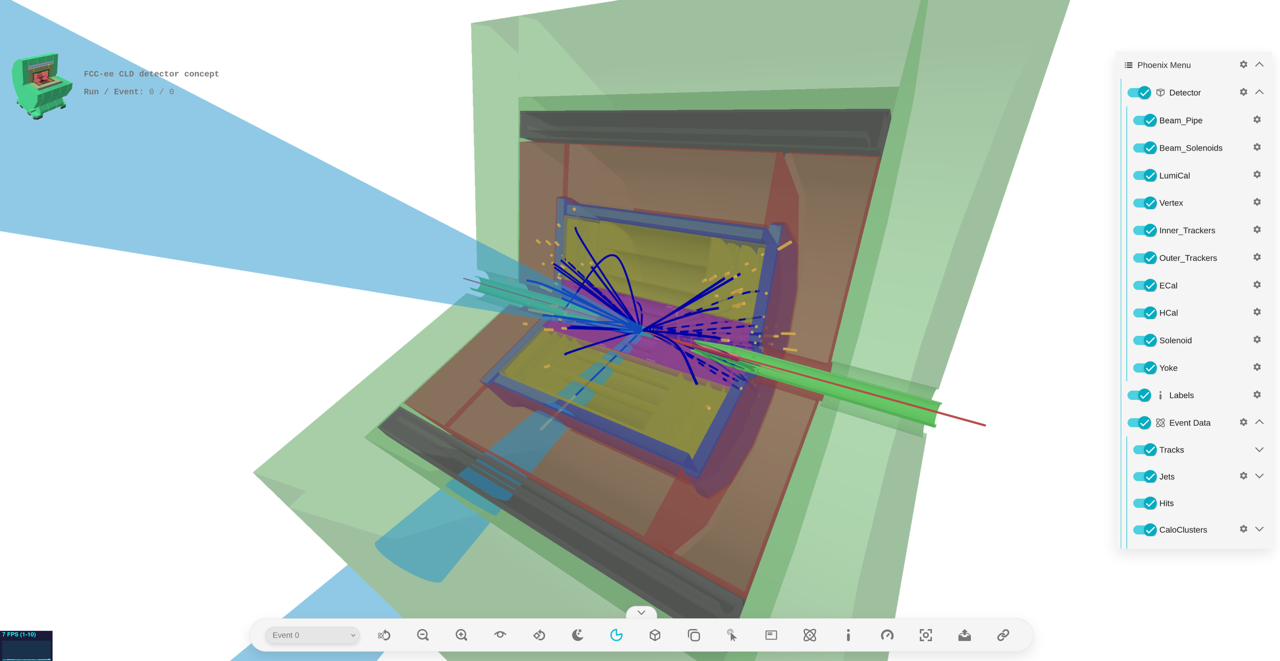
Key4hep brings future-collider communities together around a shared software framework for detector design and physics studies. By integrating tools for event generation, simulation, reconstruction and analysis, it reduces duplication, facilitates comparisons and allows each project to adapt the software to its own detector and scientific goals.
-
In discussion with John Ellis: The Higgs, Patience and Perseverance in Science
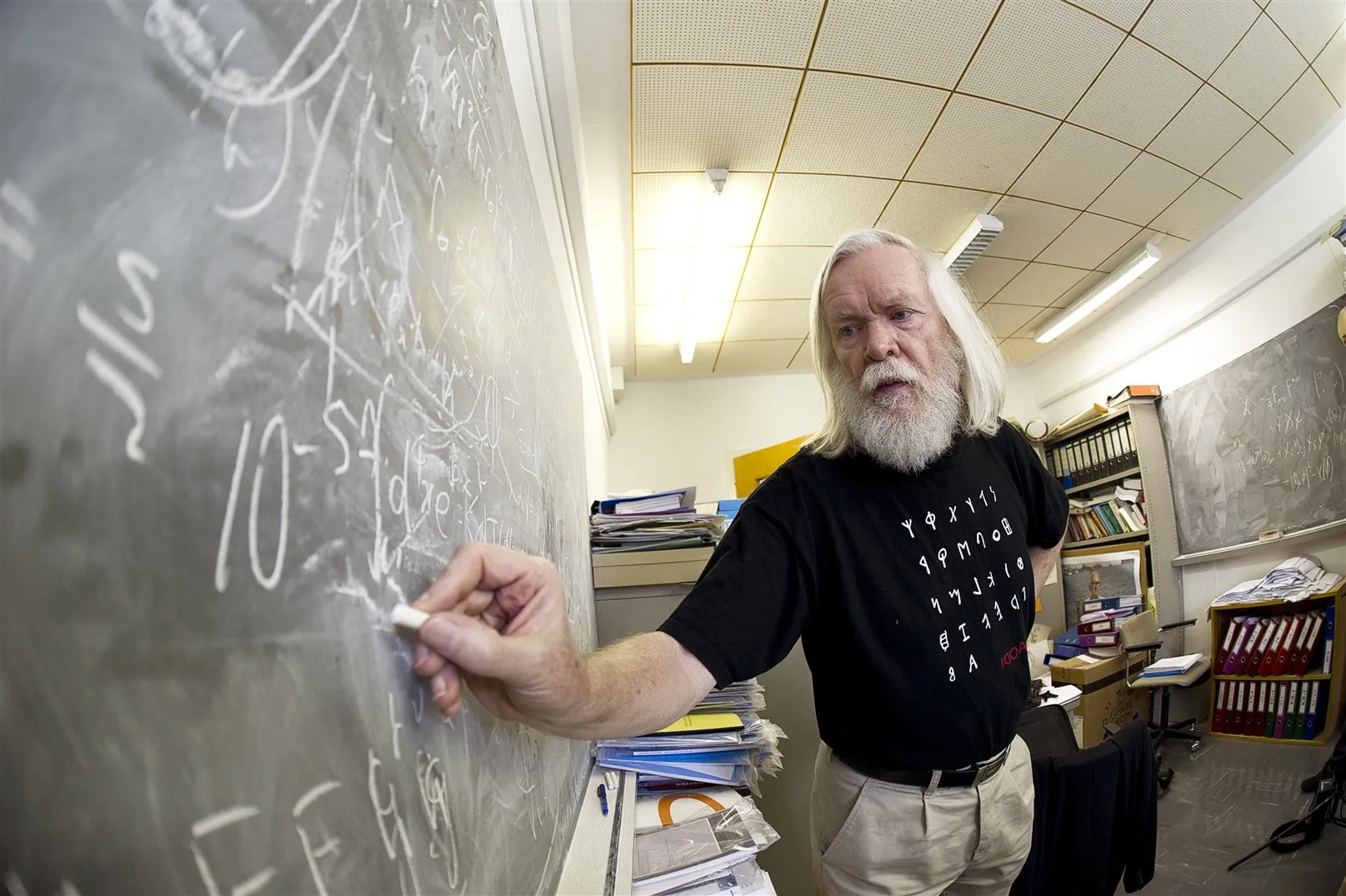
In discussion with John Ellis: The Higgs, Patience and Perseverance in Science by Panos Charitos For John Ellis, the history of the Higgs boson is not a neat, short story that begins with a theory paper and ends with a discovery announcement. It is a long intellectual adventure, beginning in superconductivity, moving through the construction
-
The ISOLDE Improvement Programme
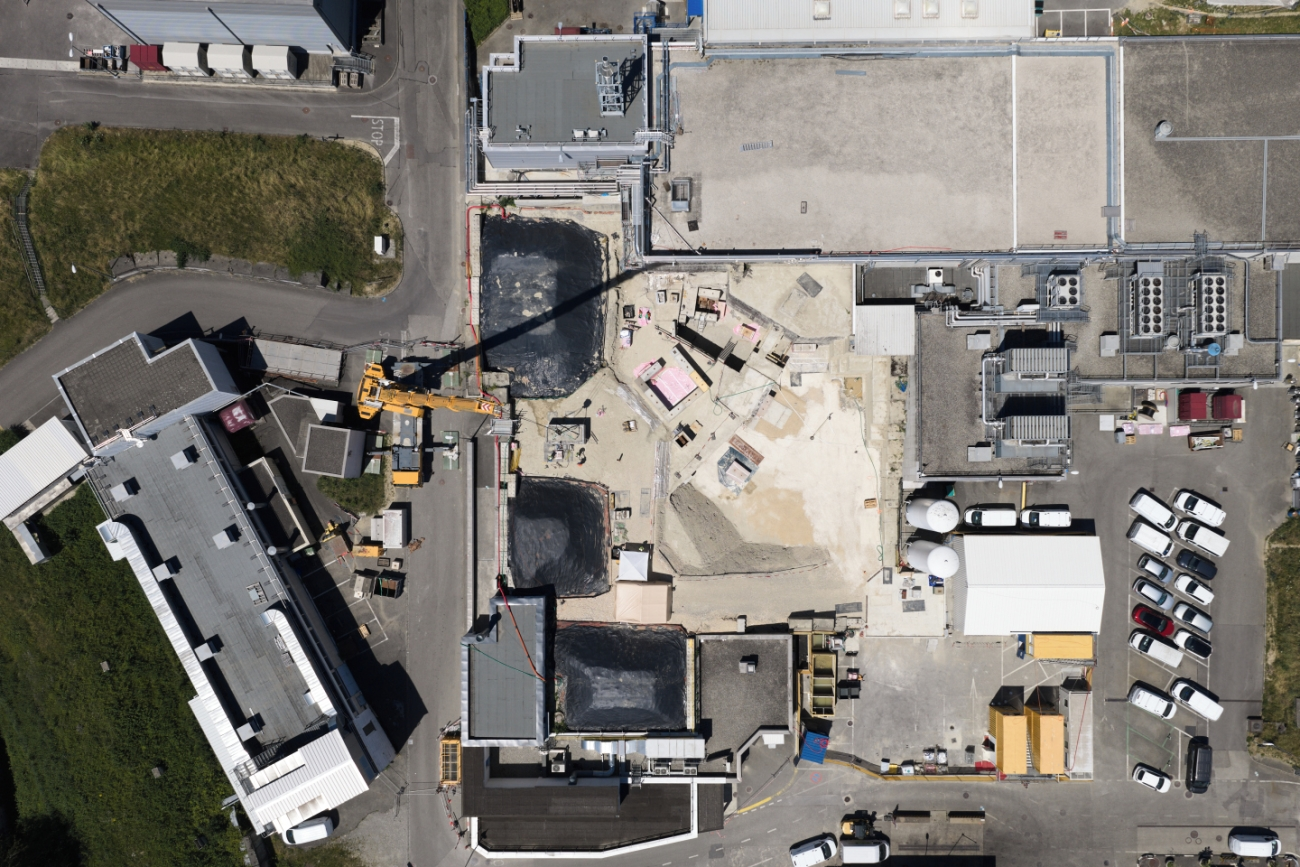
The ISOLDE Improvement Programme The ISOLDE Improvement Programme (IIP) brings together a series of upgrades and consolidation activities to maintain and further develop the ISOLDE facility. The programme includes projects addressing the accelerator infrastructure, beam production, and delivery systems, and experimental facilities, with the objective of improving operational flexibility, reliability, and long-term sustainability. Among the
-
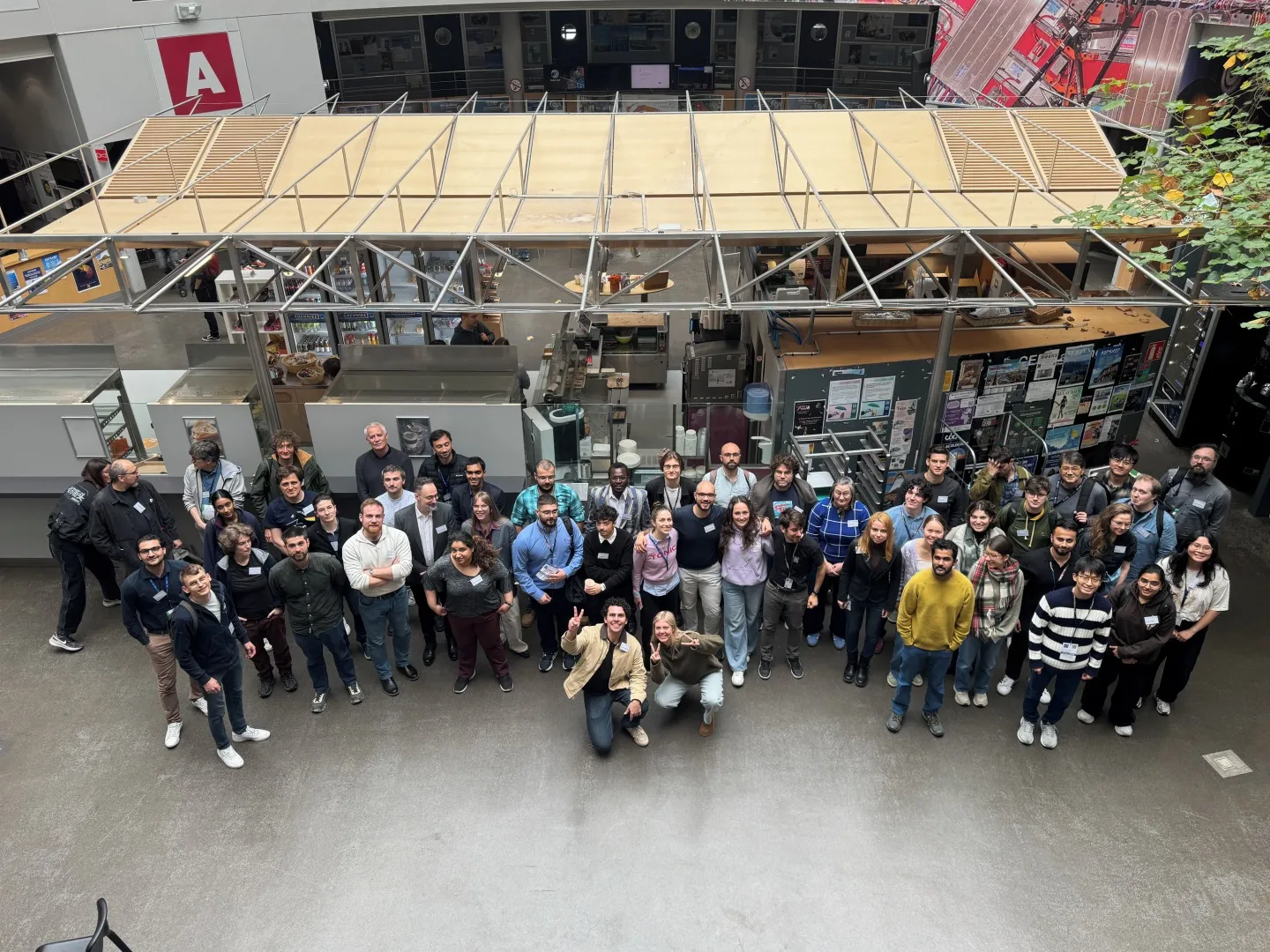
EP R&D Day 2026: technologies for the next generation of experiments
EP R&D Day 2026: technologies for the next generation of experiments On 29 April 2026, colleagues from across CERN’s Experimental Physics Department gathered for the annual meeting dedicated to the strategic EP R&D programme on technologies for future experiments. The programme offered a broad update on progress achieved over the past year, bringing together developments
-
AI for Gravitational Waves: Building Bridges Between Scientific Communities
AI for Gravitational Waves: Building Bridges Between Scientific Communities As gravitational-wave observatories enter a new phase of sensitivity, scale and scientific ambition, the challenge is no longer only to detect faint ripples in spacetime. It is also to analyse, interpret and respond to them fast enough to open new windows on the Universe. This was
-
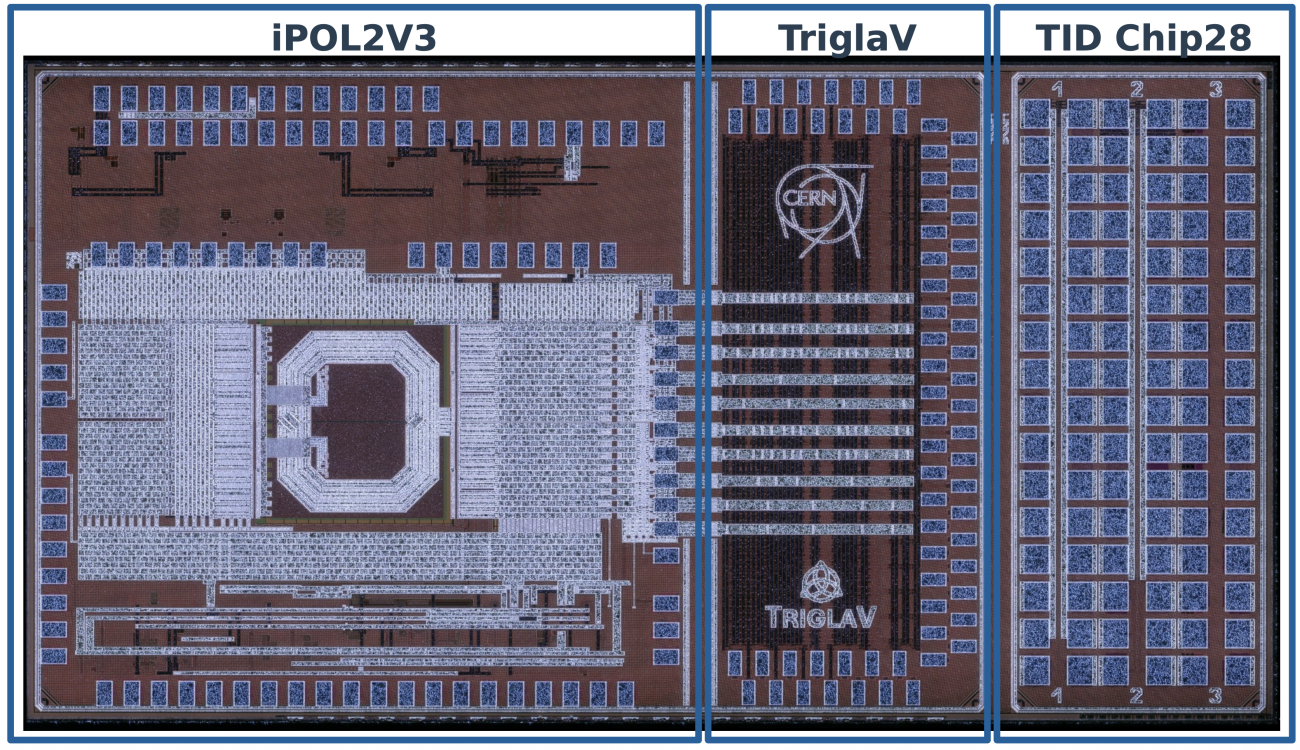
Building a Microelectronics Foundation for Tomorrow’s Detectors
Building a Microelectronics Foundation for Tomorrow’s Detectors The challenge: smarter chips in harsher places Particle physics detectors have always pushed electronics to their limits. The next generation of tracking systems and calorimeters will depend critically on dense, intelligent, low power and radiation-hard microelectronics: front-end ASICs that can survive for decades in harsh environments, having their
-
Rucio crosses the exabyte horizon
Rucio crosses the exabyte horizon When we last wrote in these pages about Rucio, ATLAS had just passed the half-exabyte mark and the community counted around thirty organisations. Six years on, a threshold that was then a distant projection has been crossed: both ATLAS and CMS, the two largest LHC experiments, now each manage more
-
Online use of AI within ALICE
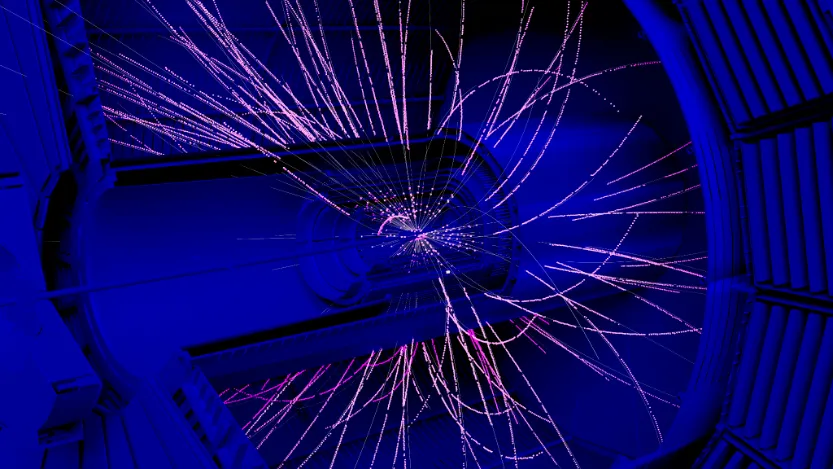
Online use of AI within ALICE A reconstructed event of particles in the ALICE TPC, with data taken with the neural network cluster finding algorithm. Pink dots are reconstructed clusters. AI applications have rapidly expanded in everyday life, and ALICE, among other high-energy physics experiments at CERN, is increasingly exploring their use in fundamental physics
-
New Staff Members and Fellows
New Staff Members and Fellows Maximilian Babeluk Hi, I’m Max. I recently joined the ALICE ITS3 team, where I work on sensor testing, functional verification, and in the future also chip design – particularly on MOSAIX. My main activities include testing and yield assessment across multiple integration levels (wafer probing to system tests), including data