
Tag: LHC
-
PUMA – Antiprotons as a precision probe for the tail of nuclear density
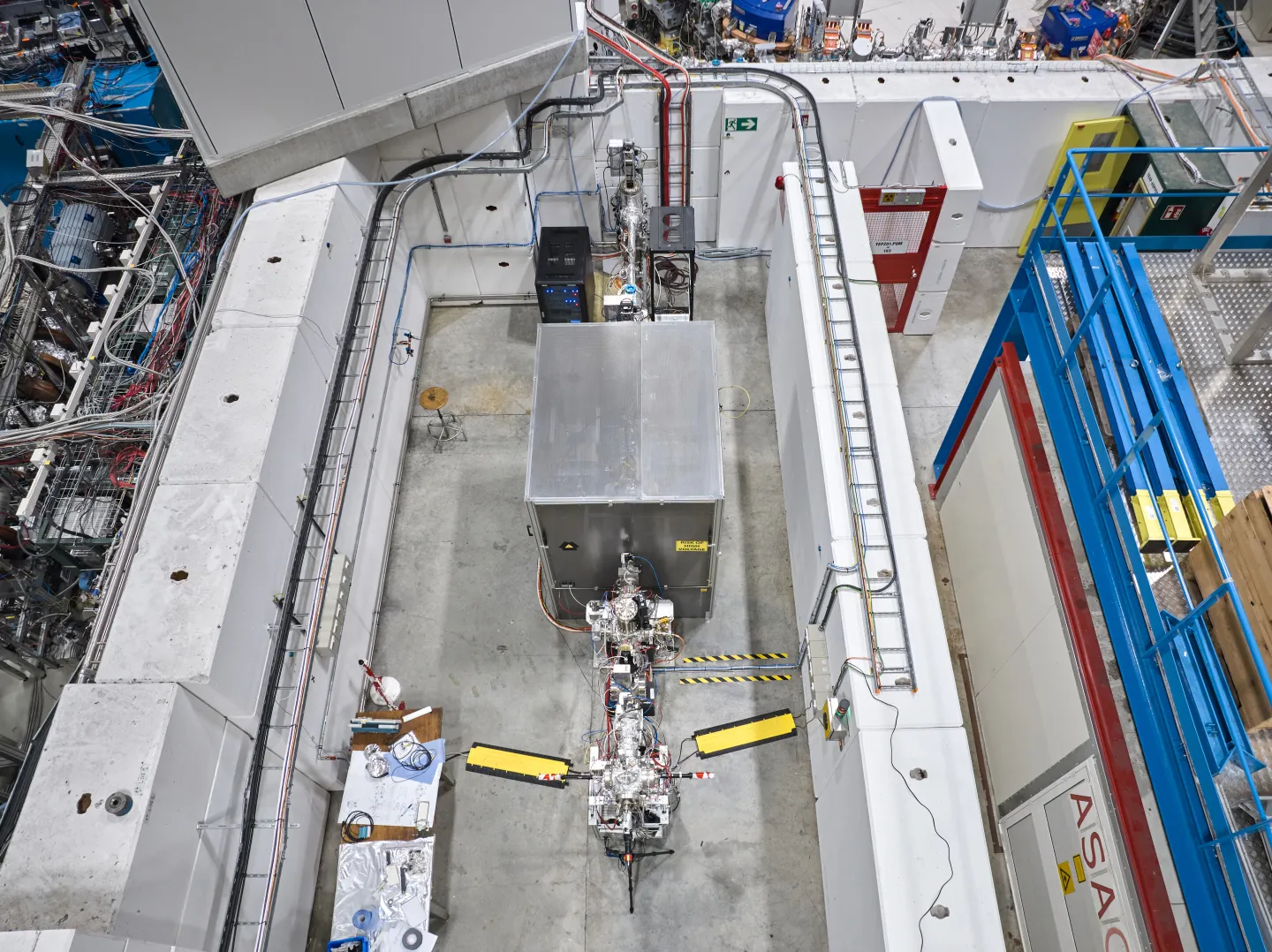
PUMA – Antiprotons as a precision probe for the tail of nuclear density Understanding the nuclear structure of atomic nuclei away from the valley of stability remains one of the central challenges of nuclear physics and astrophysics. In particular, the dilute outer regions of neutron-rich nuclei can exhibit phenomena such as neutron halos and neutron
-

A word from the EP Department Head – Spring 2026
A word from the EP Department Head – Spring 2026 Dear Colleagues, It is my pleasure to share the first 2026 edition of the EP newsletter with you, in my new role as EP Department Head. CERN’s new management took office in January, with a revised structure of Sectors and Departments. In EP, we reorganised
-

A word from the EP Department Head – Spring 2026
A word from the EP Department Head – Spring 2026 Dear Colleagues, It is my pleasure to share the first 2026 edition of the EP newsletter with you, in my new role as EP Department Head. CERN’s new management took office in January, with a revised structure of Sectors and Departments. In EP, we reorganised
-

New Staff Members and Fellows
New Staff Members and Fellows Maximilian Babeluk Hi, I’m Max. I recently joined the ALICE ITS3 team, where I work on sensor testing, functional verification, and in the future also chip design – particularly on MOSAIX. My main activities include testing and yield assessment across multiple integration levels (wafer probing to system tests), including data
-
From top quarks to Higgs bosons: LHCb’s expanding jet programme
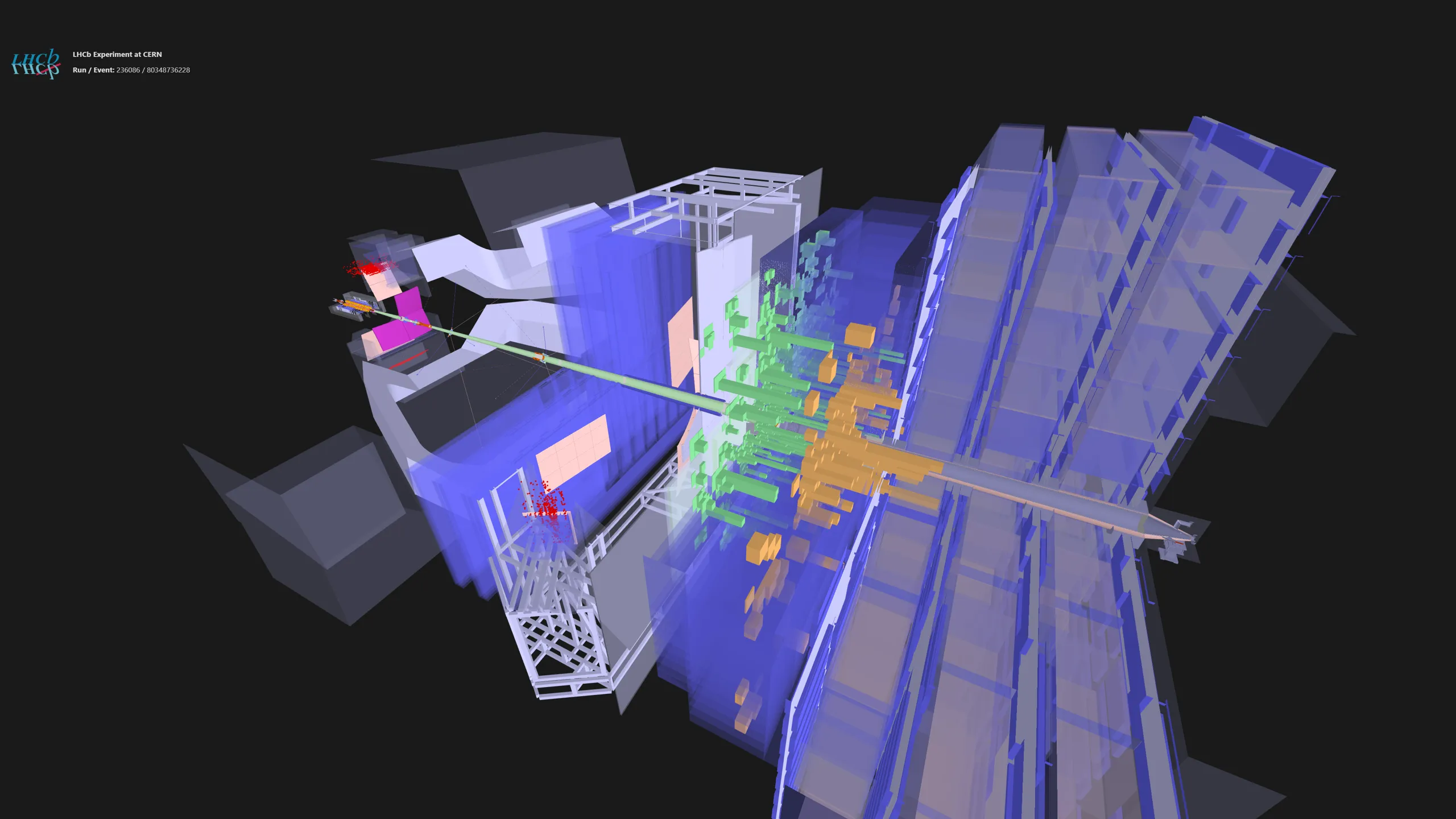
From top quarks to Higgs bosons: LHCb’s expanding jet programme Over the past decade, LHCb has steadily evolved from a detector primarily associated with heavy-flavour physics into a broader forward spectrometer able to address an increasingly diverse set of questions in Standard Model and beyond-the-Standard-Model physics. Two recent papers illustrate that evolution particularly well. One
-
LHC experiments restart
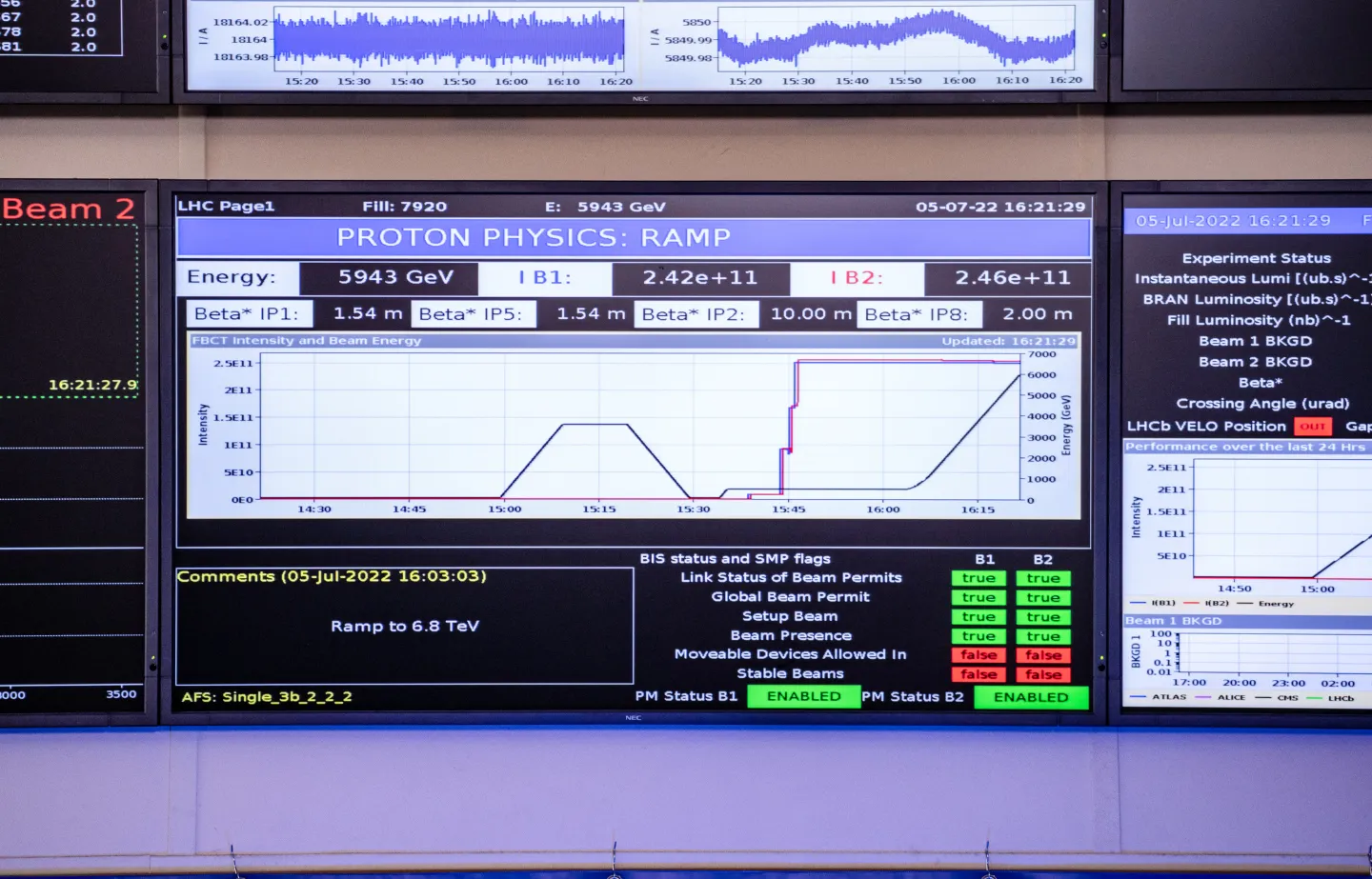
LHC experiments restart The LHC restarted this summer, after a period of upgrades (LS2) and is gearing up to probe new realms of physics during a third run, which will be its most powerful yet. Run 3 of the LHC will feature higher-energy particle beams and higher collision rates, allowing physicists to collect more data
-
Shaping the future of particle physics
Shaping the future of particle physics Τhe ongoing update of the European Strategy for Particle Physics aims to identify the potential opportunities and challenges of the proposed research programme through an inclusive and evidence-driven process. Discussions focus on the parameter space that can be explored and how future searches could guide theoretical developments along with
-
Exploring the Lifetime Frontier at the LHC and Beyond
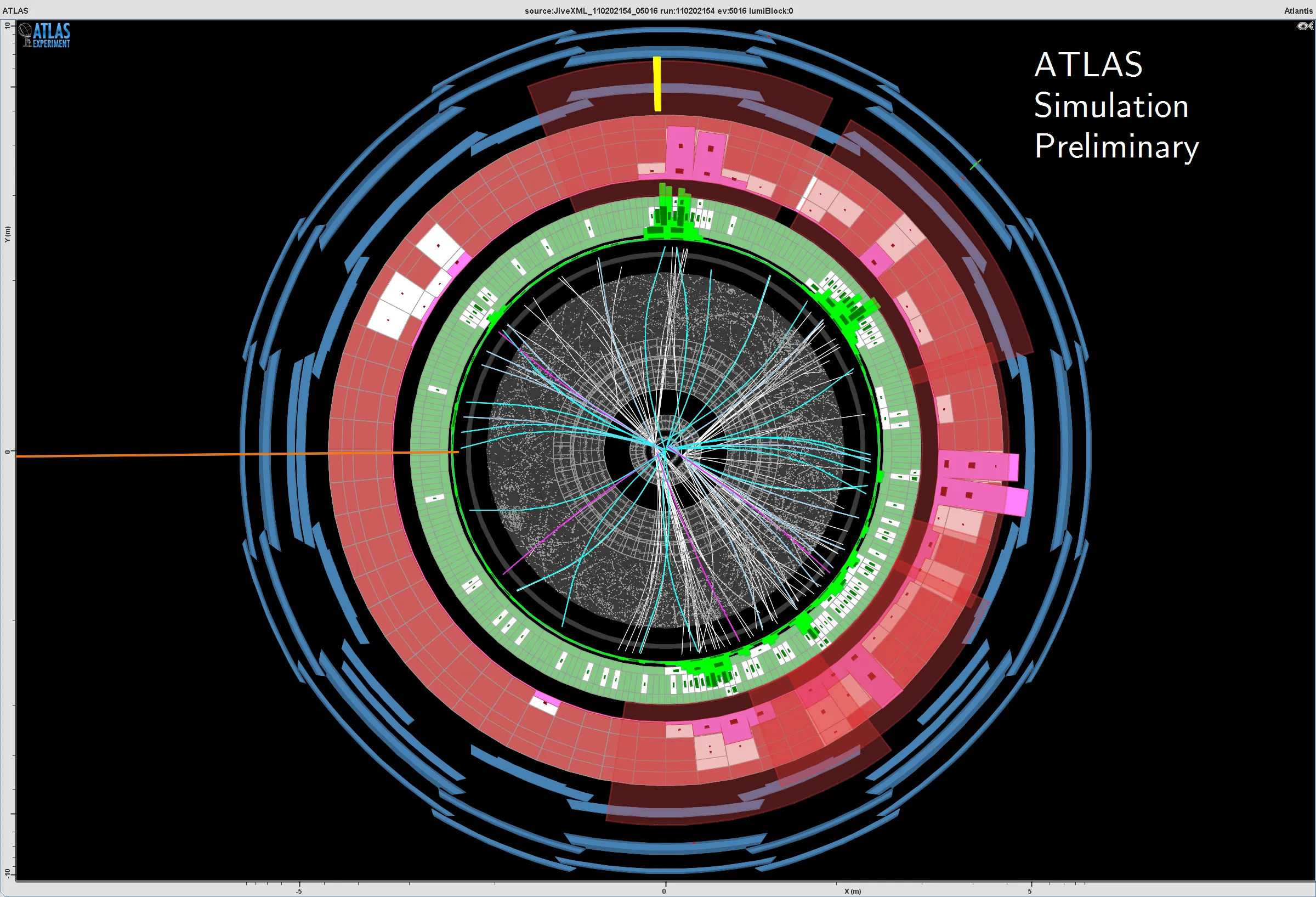
Exploring the Lifetime Frontier at the LHC and Beyond By any reasonable measure, the first ten years of the LHC have been an unmitigated success. But are we exploring everywhere in our data? The overwhelming majority of the searches for particles beyond the Standard Model (BSM) conducted at ATLAS and CMS, for example, assume that
-
Particle colliders join the quest for dark energy.
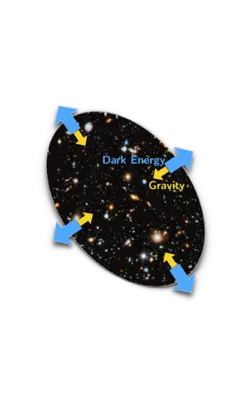
Particle colliders join the quest for dark energy. The birth of a new science The beginning of the twentieth century was marked by two of the greatest scientific discoveries: quantum mechanics and the theory of relativity, which became the driving forces behind an array of new scientific breakthroughs and technological leaps. Quantum mechanics led to
-
Axion-like particle searches at the LHC
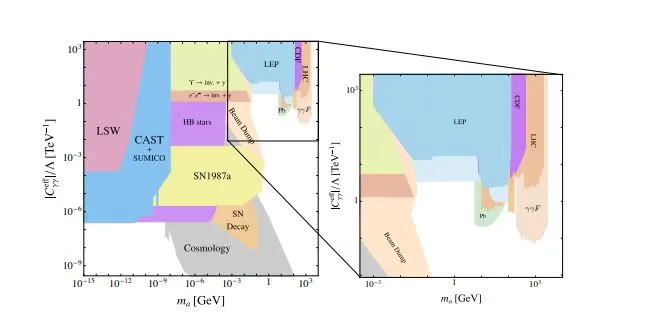
Axion-like particle searches at the LHC The Standard Model (SM) of Particle Physics is plagued by some longstanding conceptual and practical questions, and we have to go beyond the Standard Model to address them. A guiding principle of the Standard Model is that we should expect to see all processes which are consistent with its