
Category: Newsletter
-
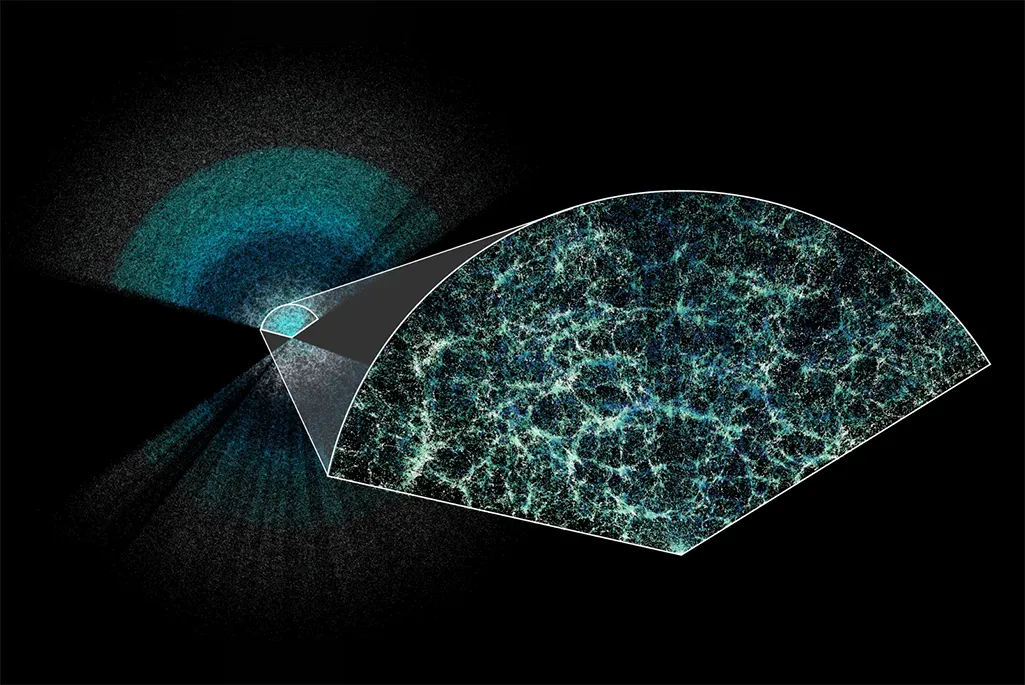
DESI may have initiated a paradigm shift in cosmology
DESI may have initiated a paradigm shift in cosmology DESI has made the largest 3D map of our universe to date. Earth is at the center of this thin slice of the full map. In the magnified section, it is easy to see the underlying structure of matter in our universe. Claire Lamman/DESI collaboration. The
-
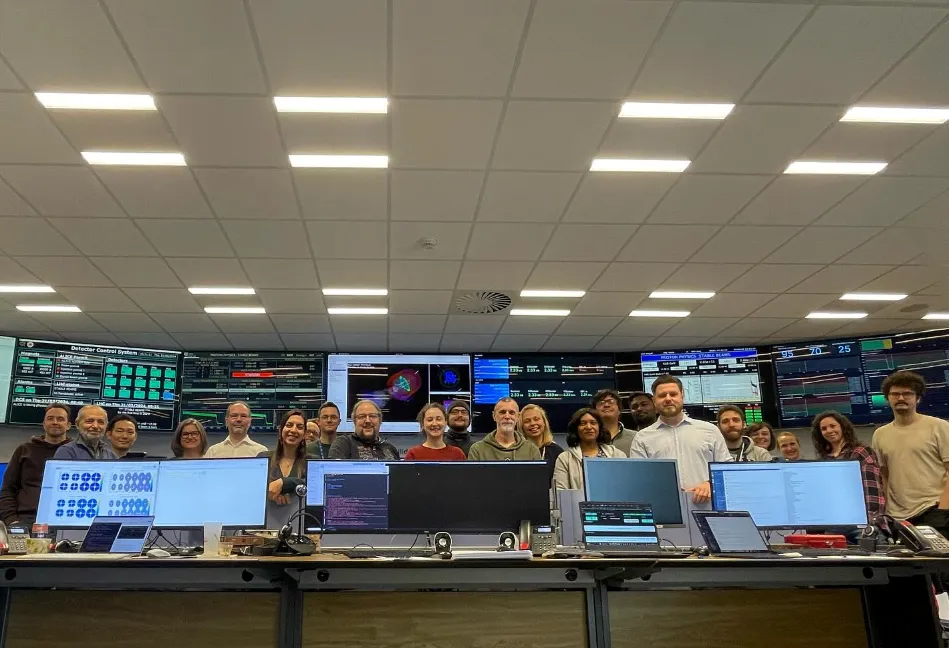
From Upgrade to Upsurge: ALICE Experiment Achieves Milestone Luminosity in Run 3
From Upgrade to Upsurge: ALICE Experiment Achieves Milestone Luminosity in Run 3 The ALICE experiment has successfully resumed physics data-taking in RUN 3 following a major upgrade of its detectors and data acquisition system during the LHC Long Shutdown 2 (LS2). While a portion of the delivered luminosity in 2022 was allocated to commissioning the
-
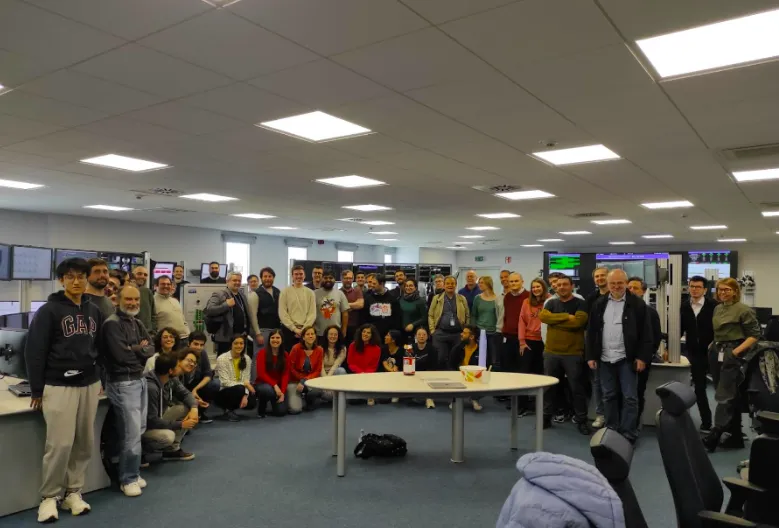
Navigating Challenges: LHCb’s Milestone Achievements and Intensive Data Collection in 2024
Navigating Challenges: LHCb's Milestone Achievements and Intensive Data Collection in 2024 Photo of LHCb collaboration members gathered in the control room in April 2024. The LHCb experiment achieved significant milestones by the end of 2023, despite the challenges related to the LHC vacuum incident in the Vertex Locator (VELO) volume and the premature stop of
-
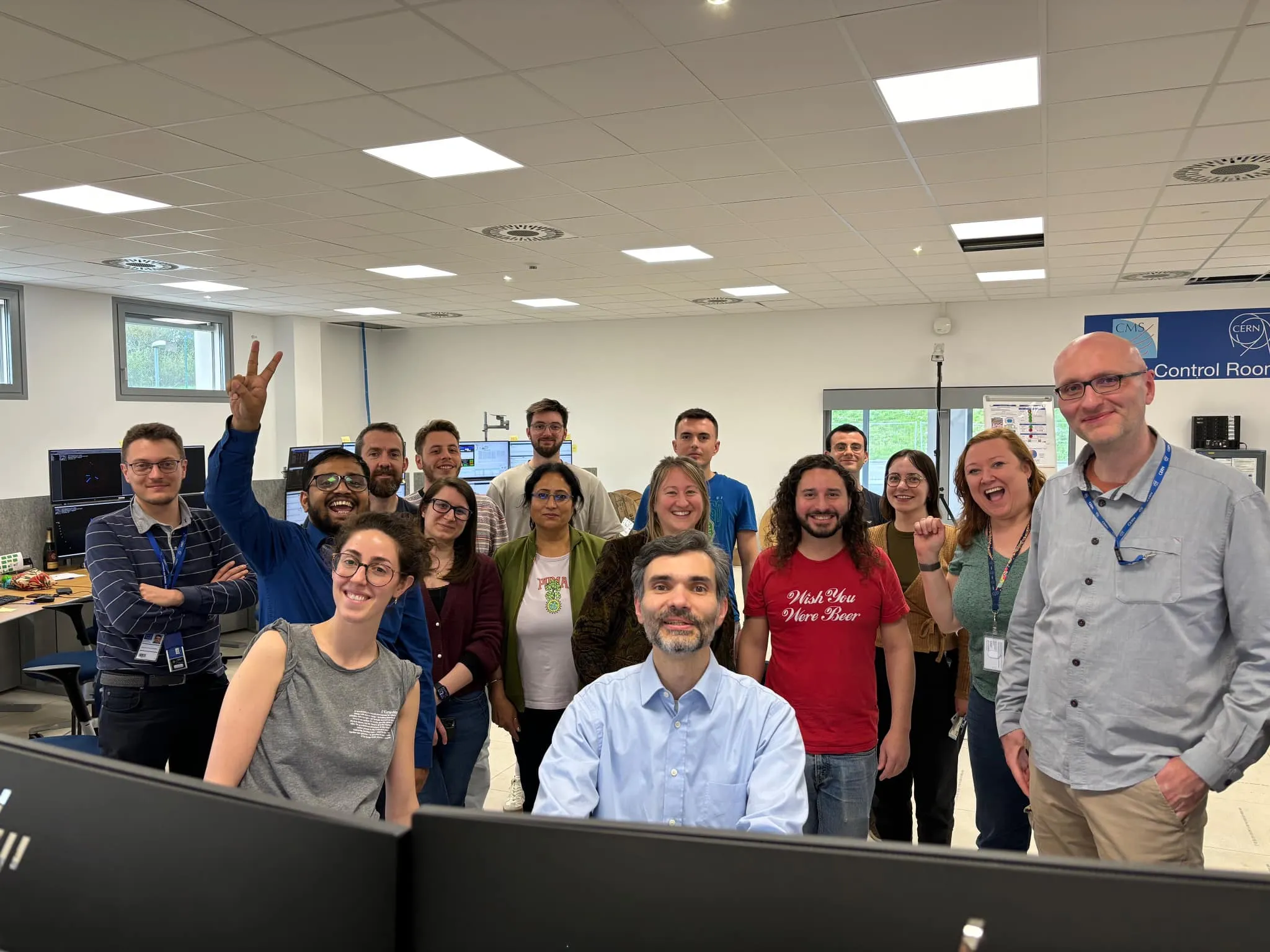
CMS Detector in 2024: Advancements in Data Collection and Detector Performance
CMS Detector in 2024: Advancements in Data Collection and Detector Performance On April 5th, 2024, stable beams returned to the LHC, marking the official start of the 2024 physics data-taking season. The photo captures CMS’ Run Coordination team in the newly upgraded CMS control center, ready to oversee the exciting season ahead. The CMS detector
-
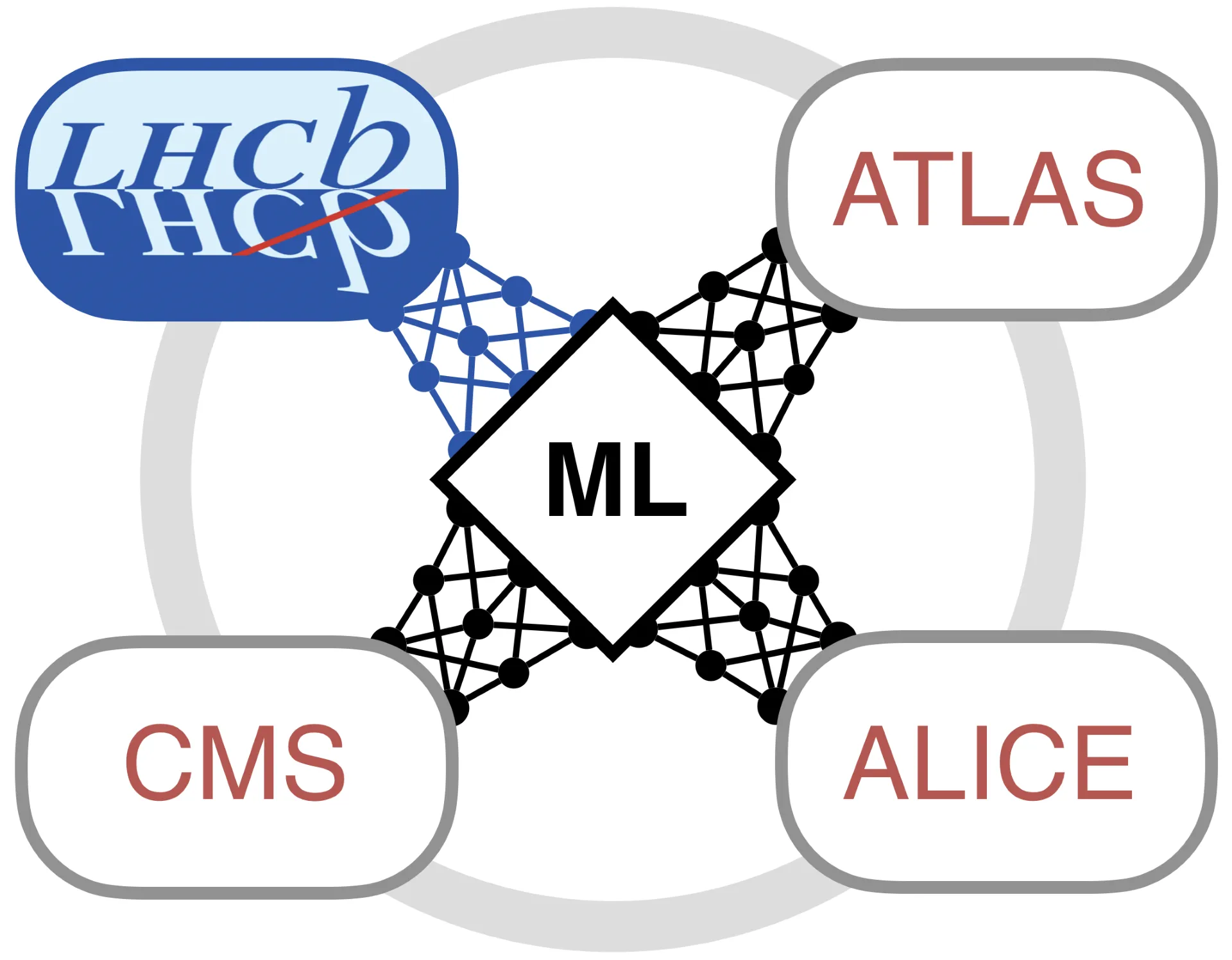
Machine Learning in action: shaping the future of LHCb and fostering cross-experiment collaboration
Machine Learning in action: shaping the future of LHCb and fostering cross-experiment collaboration Common challenges and the democratic nature of ML are building new bridges across experiments. The LHCb experiment is ramping up its R&D efforts in Machine Learning (ML), while also addressing the challenges of deploying ML in production and fostering multi-experiment collaborations. Why?
-
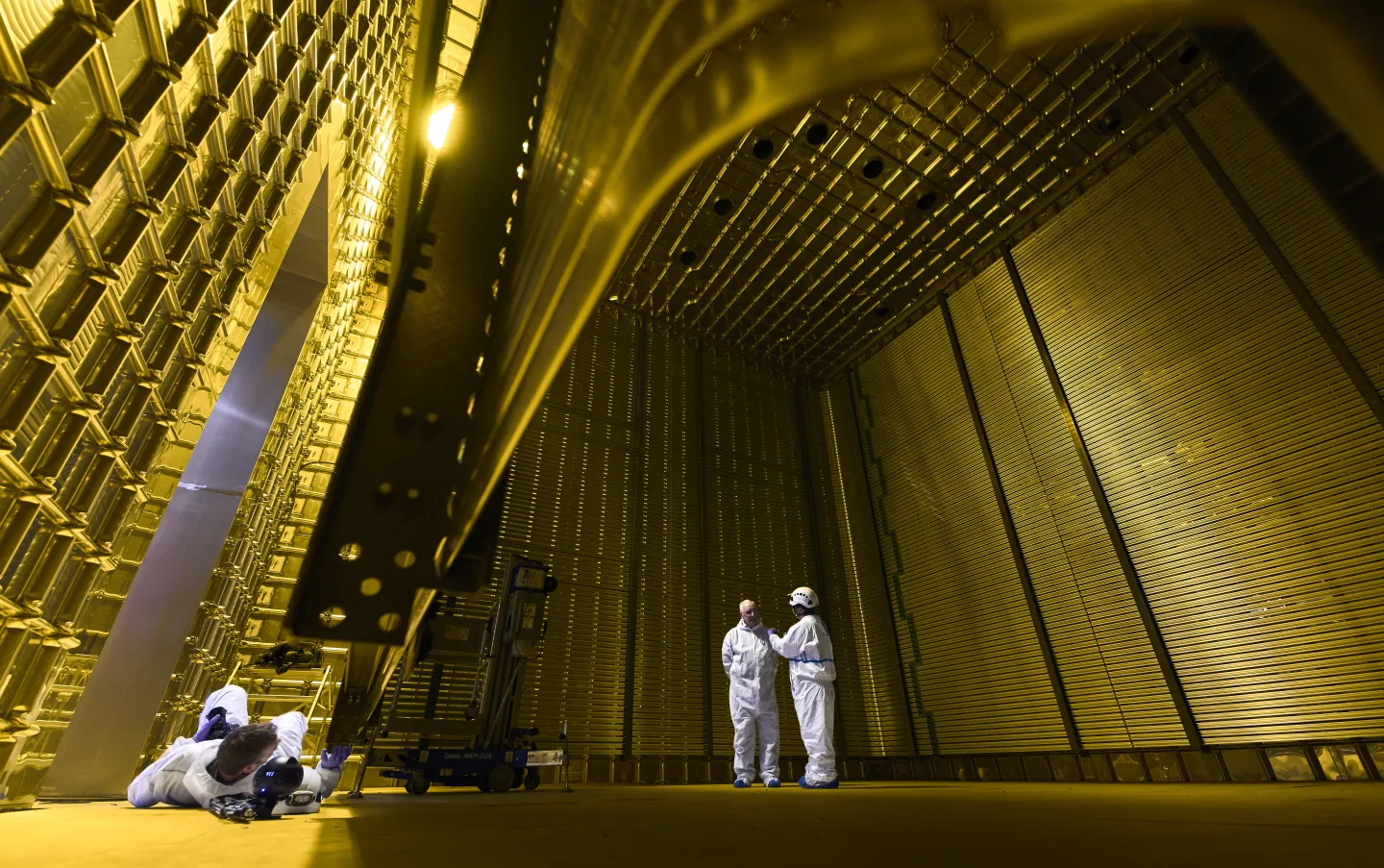
ProtoDUNE: Paving the Way for the Deep Underground Neutrino Experiment
ProtoDUNE: Paving the Way for the Deep Underground Neutrino Experiment The Deep Underground Neutrino Experiment (DUNE) at the Long-Baseline Neutrino Facility (LBNF) is a groundbreaking scientific initiative poised to elucidate the mysteries of neutrinos. Its progress has been marked by remarkable feats of engineering and scientific innovation. In February 2024 LBNF reached a critical milestone
-
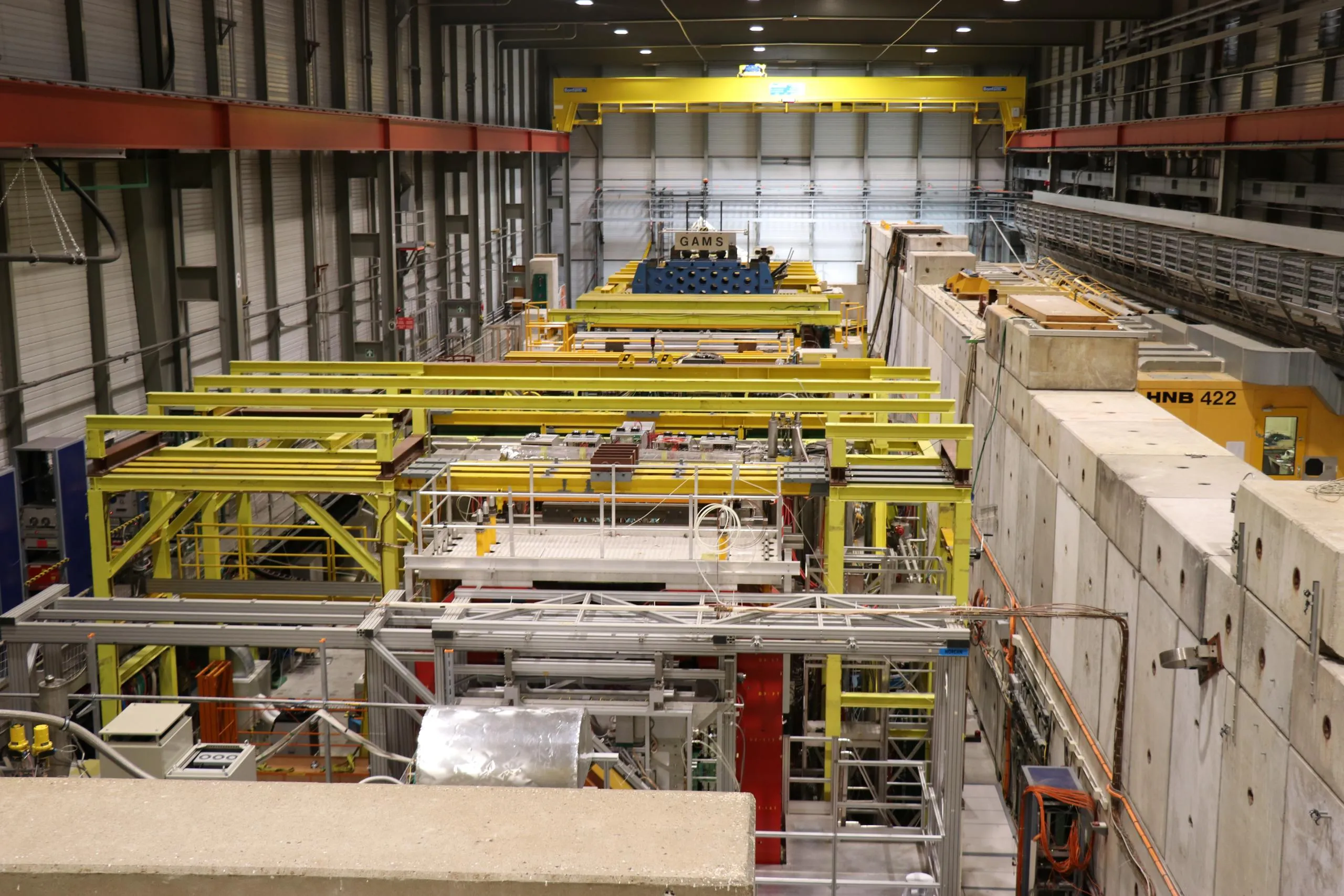
AMBER uncovers the universe’s mysteries
AMBER uncovers the universe’s mysteries The AMBER spectrometer. Credit: K Bernhard-Novotny/A Sargsyan Despite our extensive knowledge, the universe remains mysterious in many ways. To this day, questions prevail about the origin of the matter-antimatter asymmetry. The exact sources of antiprotons in our galaxy are largely unknown. Do they originate from cosmic ray collisions with the
-
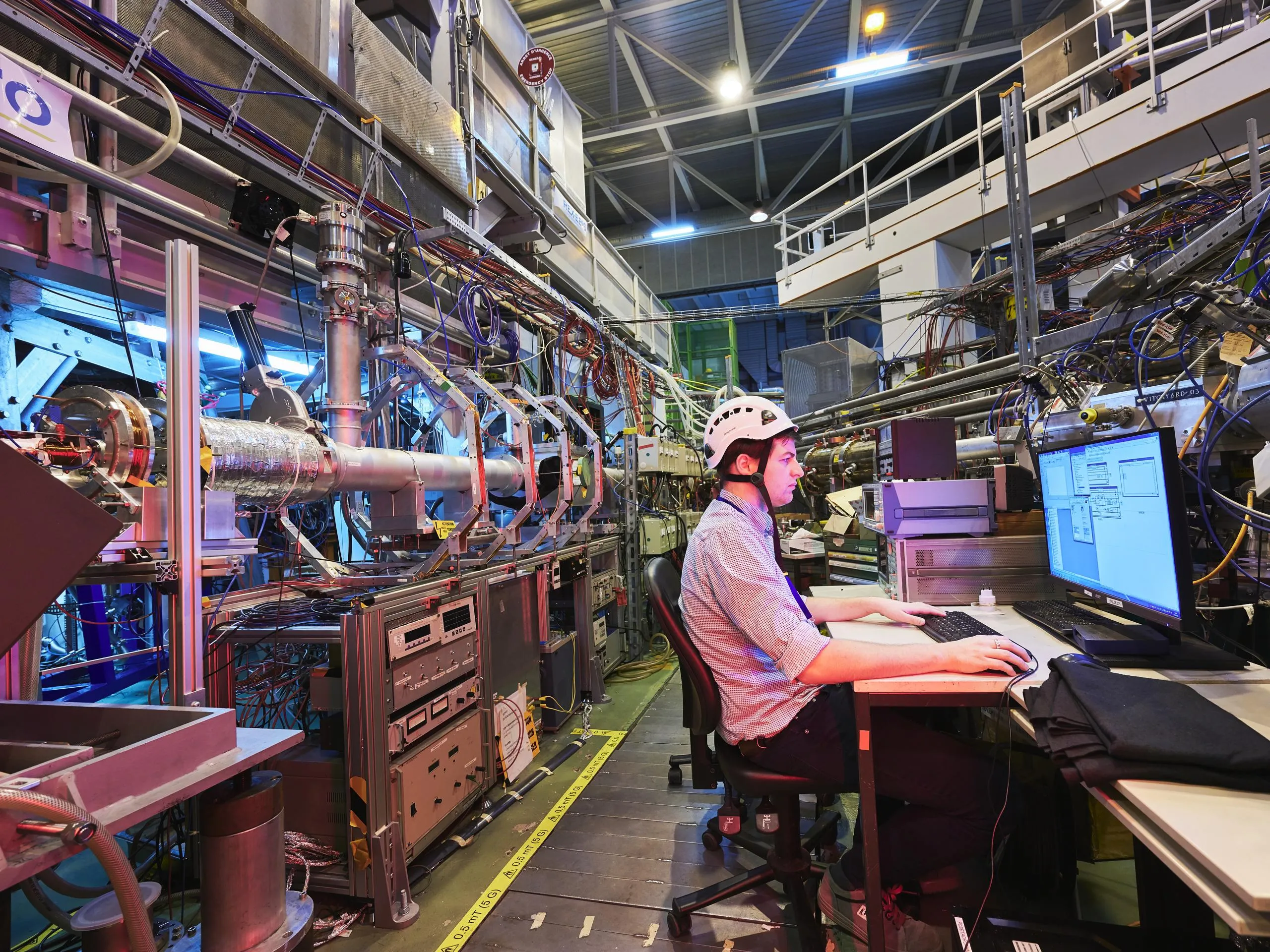
ISOLDE’s New Beta-Decay Station Unlocks Advanced Decay-Spectroscopy Experiments with Laser-Polarised Unstable Nuclei
ISOLDE’s New Beta-Decay Station Unlocks Advanced Decay-Spectroscopy Experiments with Laser-Polarised Unstable Nuclei Exciting new opportunities for experiments with beta-decaying atomic nuclei have arisen at the ISOLDE facility with the recently developed new spectroscopy station called DeVITO [1]. The novelty of the setup lies in its integration with the VITO beamline for laser-polarisation of radioactive beams
-
ATLAS releases 2015 and 2016 proton–proton datasets for public research use
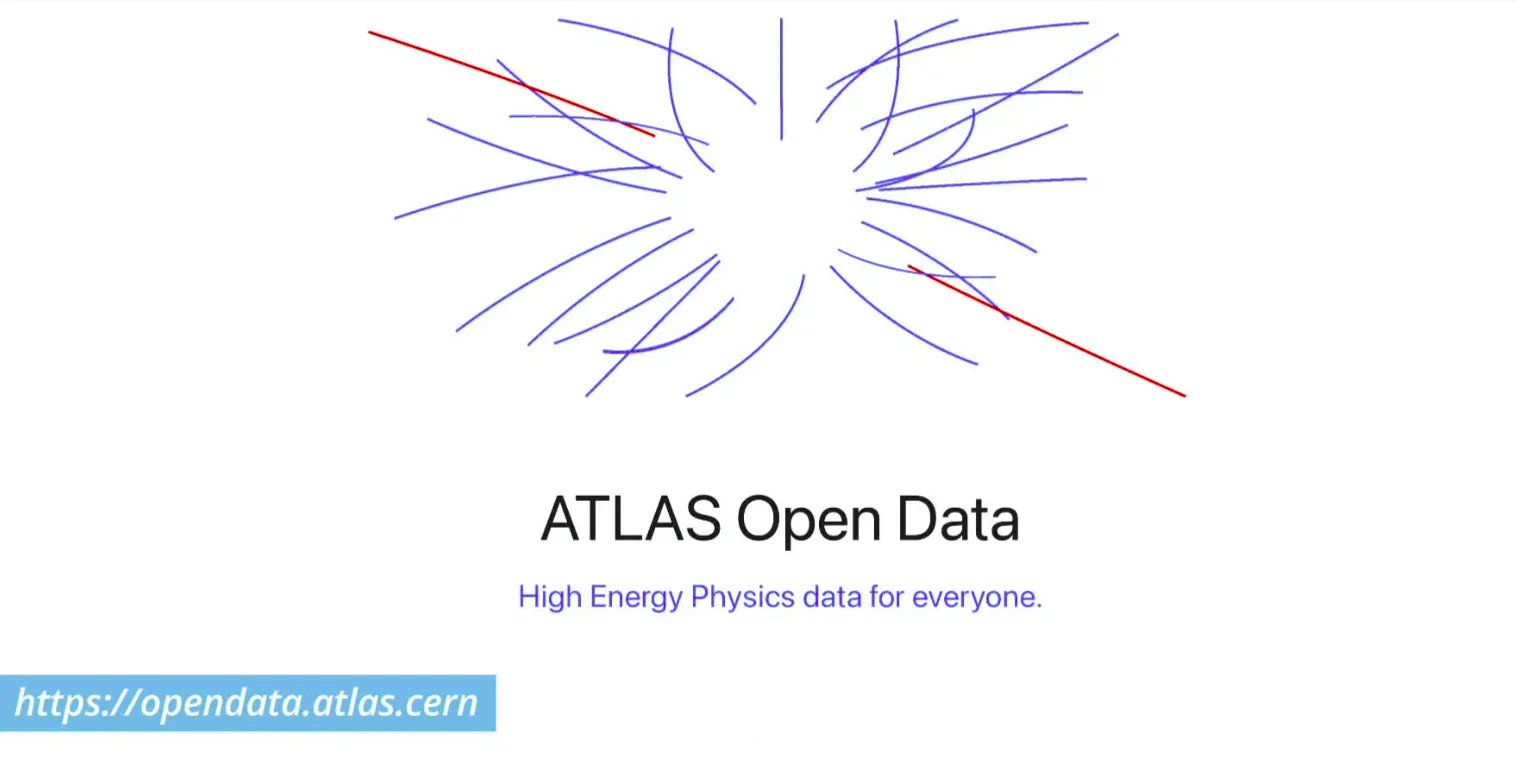
ATLAS releases 2015 and 2016 proton–proton datasets for public research use The ATLAS Collaboration has announced the release of 7 billion proton–proton collision events, alongside 2 billion simulated events, in the collaboration’s first release of open data for scientific research. The open data, available through CERN’s Open Data portal, comprise the entire 2015 and 2016
-
Charting the Future of Neutrino Experiments
Charting the Future of Neutrino Experiments The development of next-generation neutrino experiments is underway at CERN, which will shed light on the nature of these elusive particles. While the development of far and near detectors is advancing well, novel identification techniques for neutrino beams are vital to strongly reduce systematic uncertainties on key observables –