
Category: Newsletter
-

A word from the EP Deputy Department Head – December 2023
A word from the EP Deputy Department Head – December 2023 As we look back on 2023, we can reflect on a year with many challenges, but also many achievements, that you can read about in this December edition of the EP newsletter. The flagship CERN accelerator, the LHC, had a year of two halves,
-
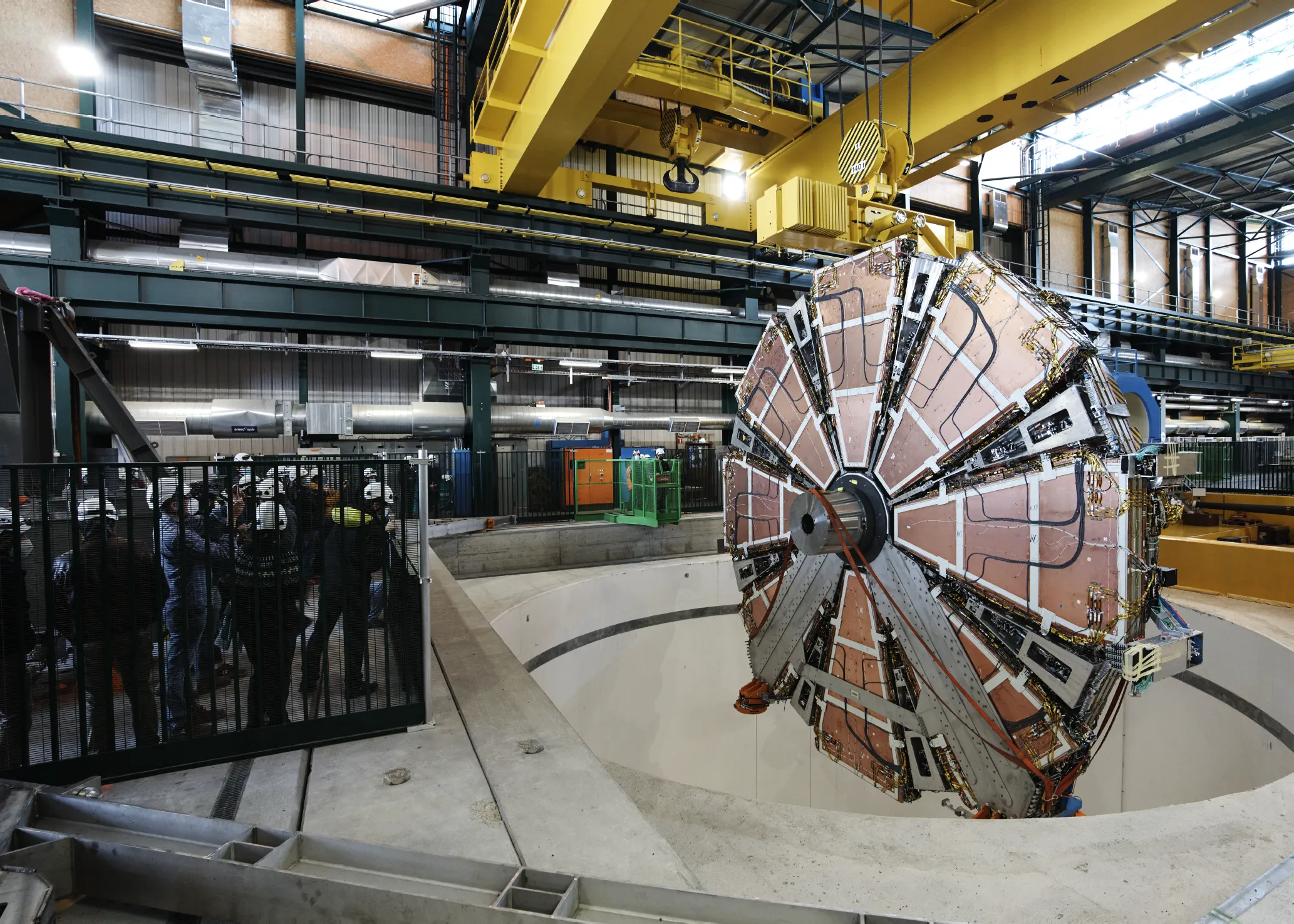
The ATLAS New Small Wheel – Triggering on muons and rejecting fakes
The ATLAS New Small Wheel – Triggering on muons and rejecting fakes The New Small Wheel (NSW) [1] has been the largest Phase-1 upgrade project of ATLAS. The two innermost stations of the Endcap Muon spectrometer have been replaced with two newly built detector systems based on small-strip Thin Gap Chambers (sTGC) and Micromegas (MM).
-
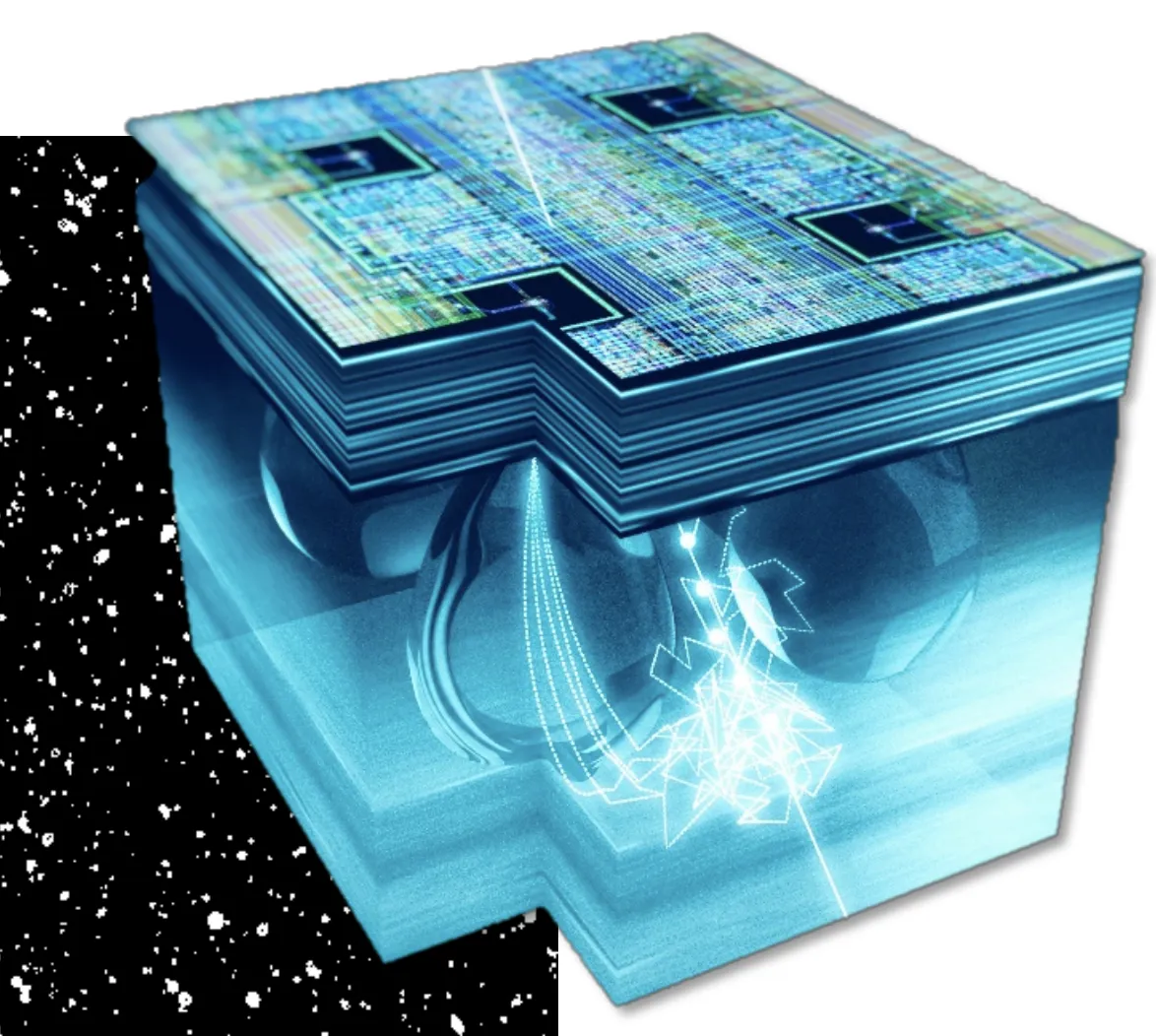
Pushing the boundaries of monolithic CMOS sensor technologies
Pushing the boundaries of monolithic CMOS sensor technologies Silicon solid state detectors have been developed over a long time to address the challenges of particle tracking and vertexing. At the LHC, when the machine reaches its full design regime, it collides proton bunches at a rate of 40 million times per second. To capture these
-

First analysis of Run 3 data with a new slim data format
First analysis of Run 3 data with a new slim data format The ATLAS Collaboration has just released a new measurement of the production cross-section of two Z bosons. This result examines data collected during Run 3 of the LHC – with protons colliding at a record energy of 13.6 TeV – and pioneers the
-

Asterix in Switzerland
Asterix in Switzerland This episode of the adventures of the winged-helmed Gaul was published in 1970 and foretold what would happen 28 years later, when the CERN microelectronics group (MIC at the time, now the ME section in EP-ESE) welcomed the arrival of its first X-ray irradiation system. The need for such equipment emerged with
-
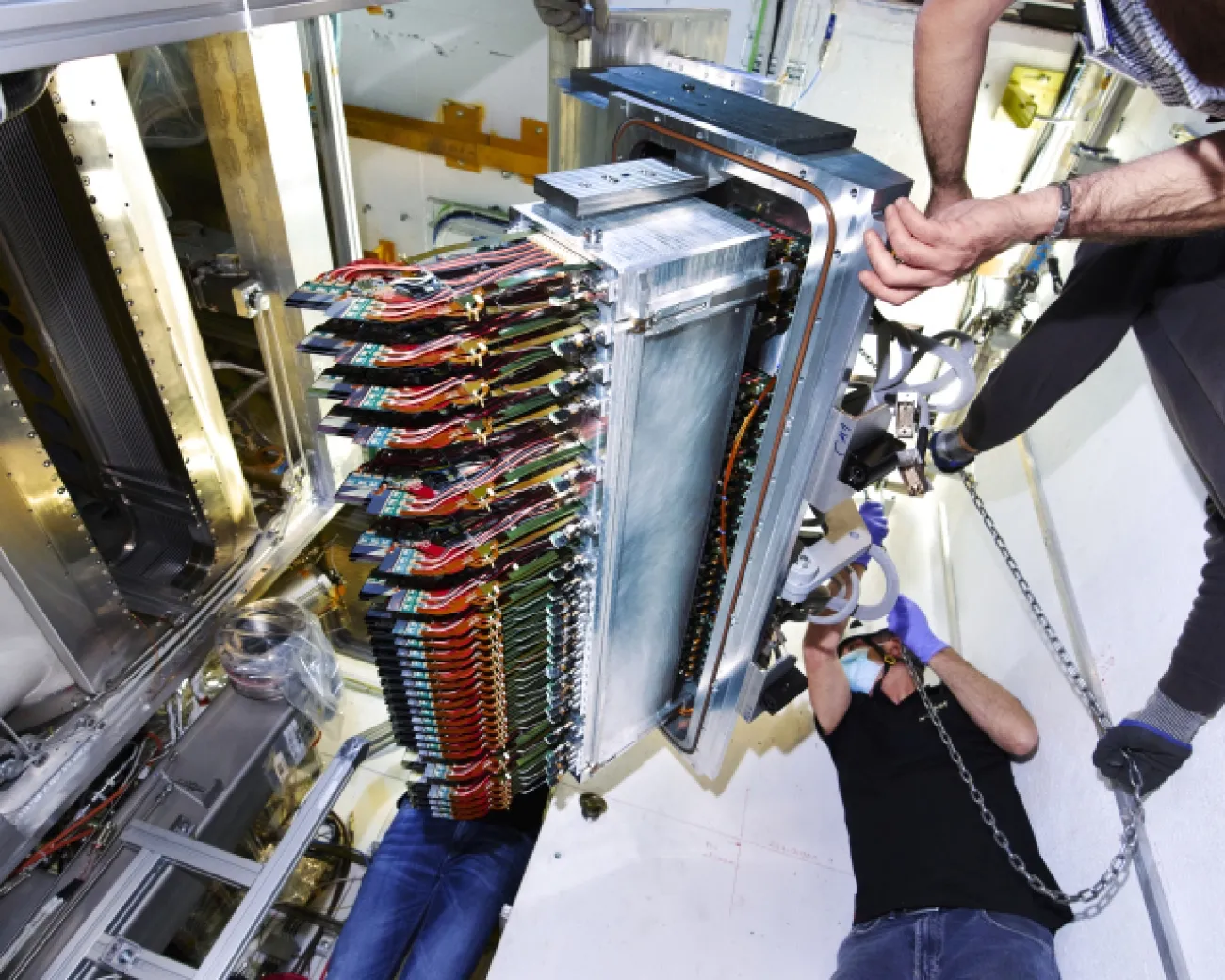
LHCb’s new VELO preparing to spring into action
LHCb's new VELO preparing to spring into action The replacement of the previous VErtex LOcator (VELO) detector with a new high-speed hybrid pixel detector was one of the key milestones for the LHCb collaboration in 2022 (see also previous EP newsletter article). The upgrade was part of an R&D programme that allows the LHCb detector
-
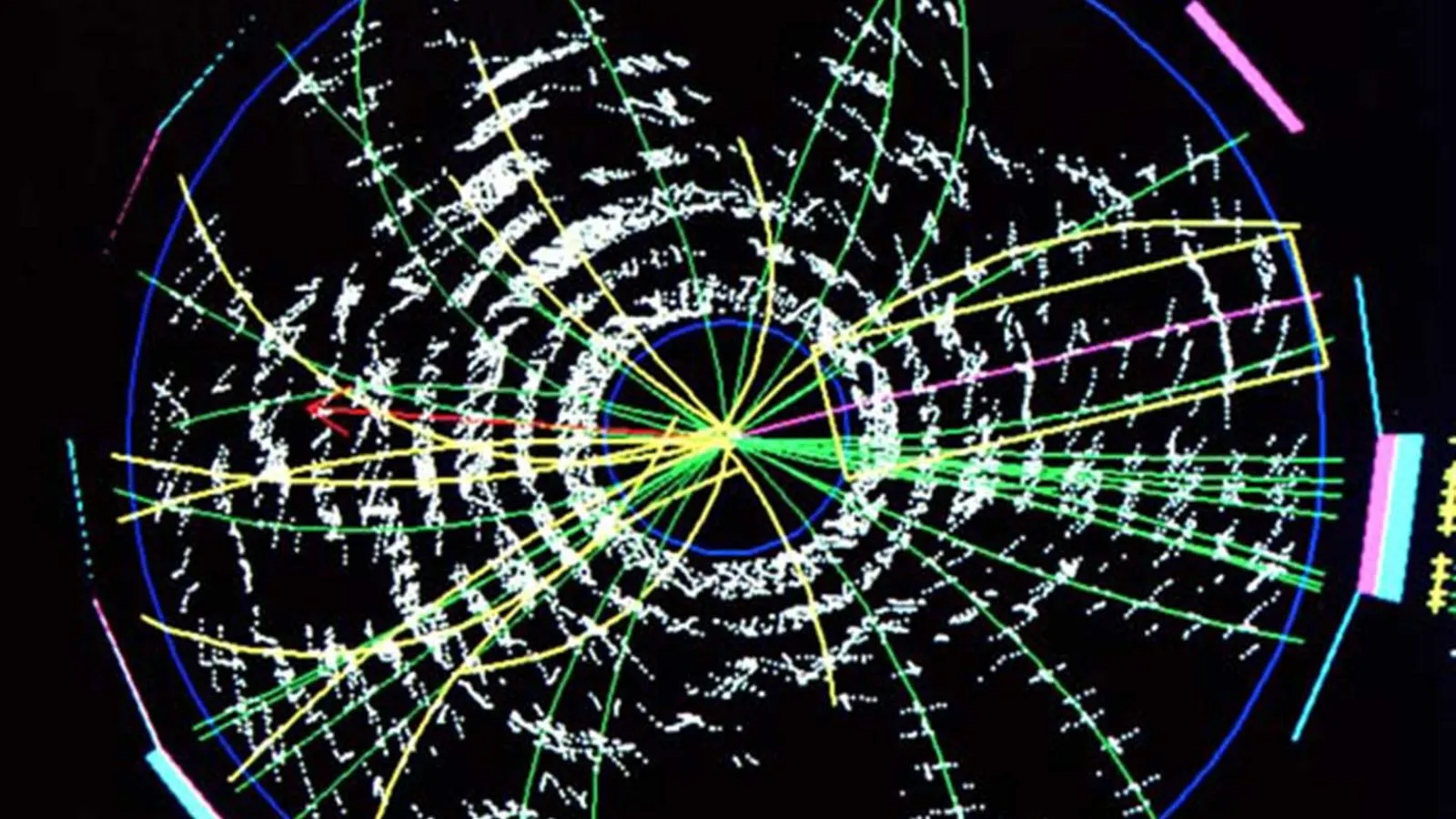
ATLAS and CMS unite to weigh in on the top quark
ATLAS and CMS unite to weigh in on the top quark The ATLAS and CMS Experiments at CERN have just released a new measurement of the mass of the top quark. The new result combines 15 previous measurements to give the most precise determination of the top-quark mass to date. Among the known fundamental particles
-
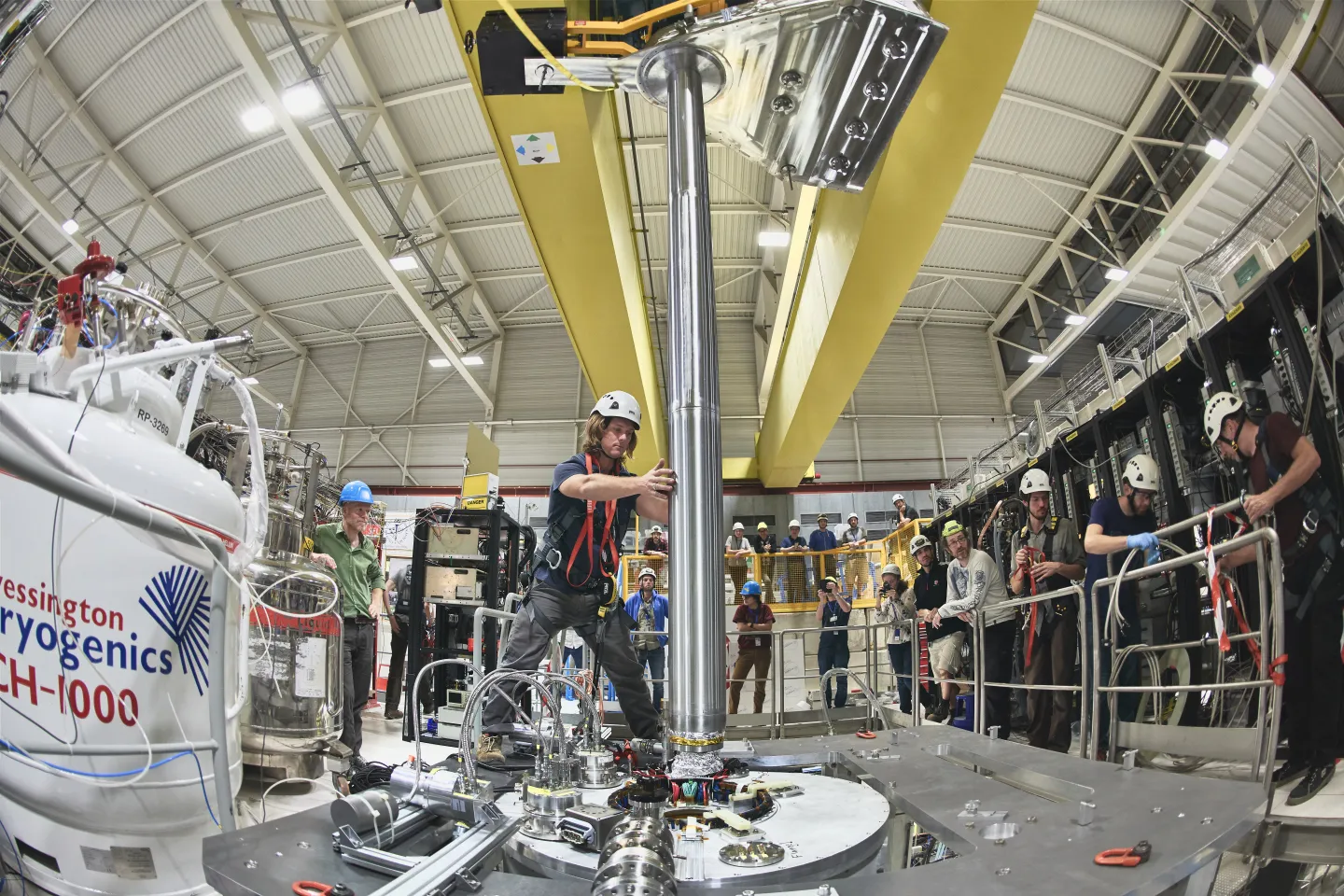
ALPHA experiment at CERN observes the influence of gravity on antimatter.
ALPHA experiment at CERN observes the influence of gravity on antimatter. In a paper published earlier this autumn in Nature, the ALPHA collaboration at CERN’s Antimatter Factory shows that, within the precision of their experiment, atoms of antihydrogen – a positron orbiting an antiproton – fall to Earth in the same way as their matter
-
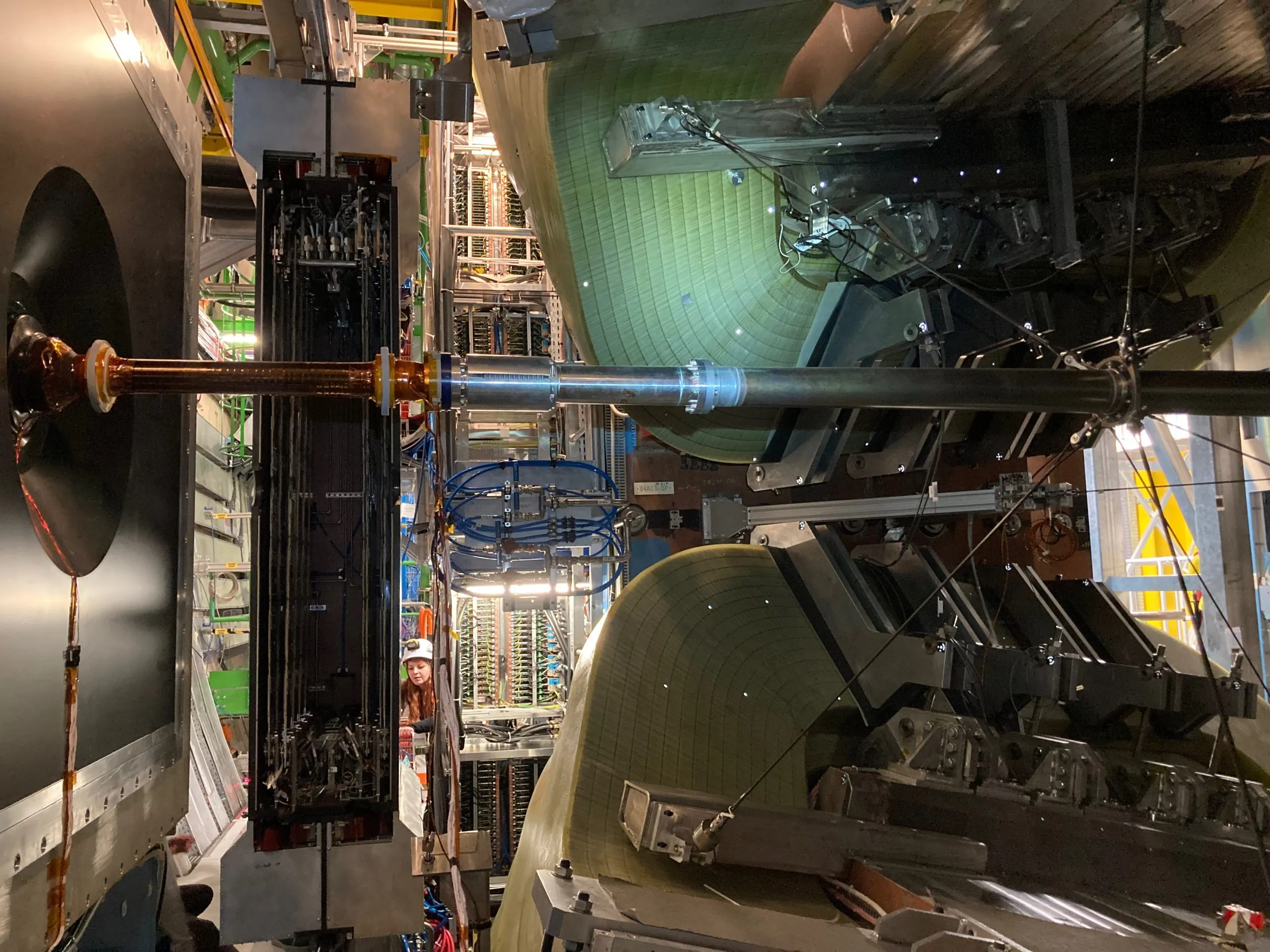
Upstream Tracker closing completes installation of the LHCb Upgrade detector
Upstream Tracker closing completes installation of the LHCb Upgrade detector The UT sub-detector is located in front of the LHCb dipole magnet. The images included in this news were taken during the UT closing process around the LHC beam pipe. The UT plays an essential role in achieving the desired processing speed in the innovative
-
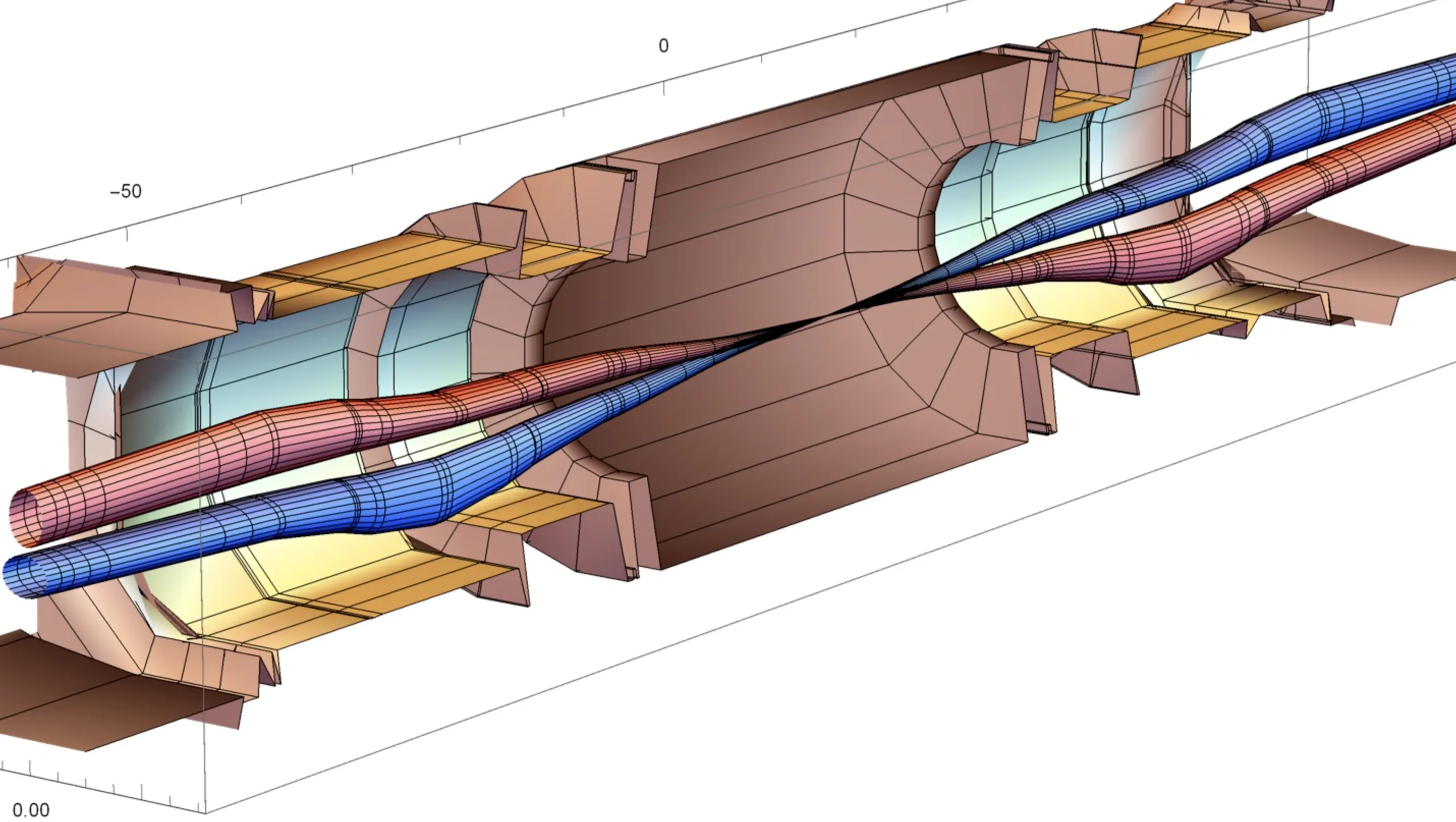
Ending the 2023 LHC run with heavy-ion collisions
Ending the 2023 LHC run with heavy-ion collisions The LHC schedule for 2023 has been revised following the emergence of a leak in mid-July. The decision was to stop the regular proton running this year and focus on the heavy ion physics that was already scheduled for the year-end. This was complemented by relatively brief