
Category: Newsletter
-
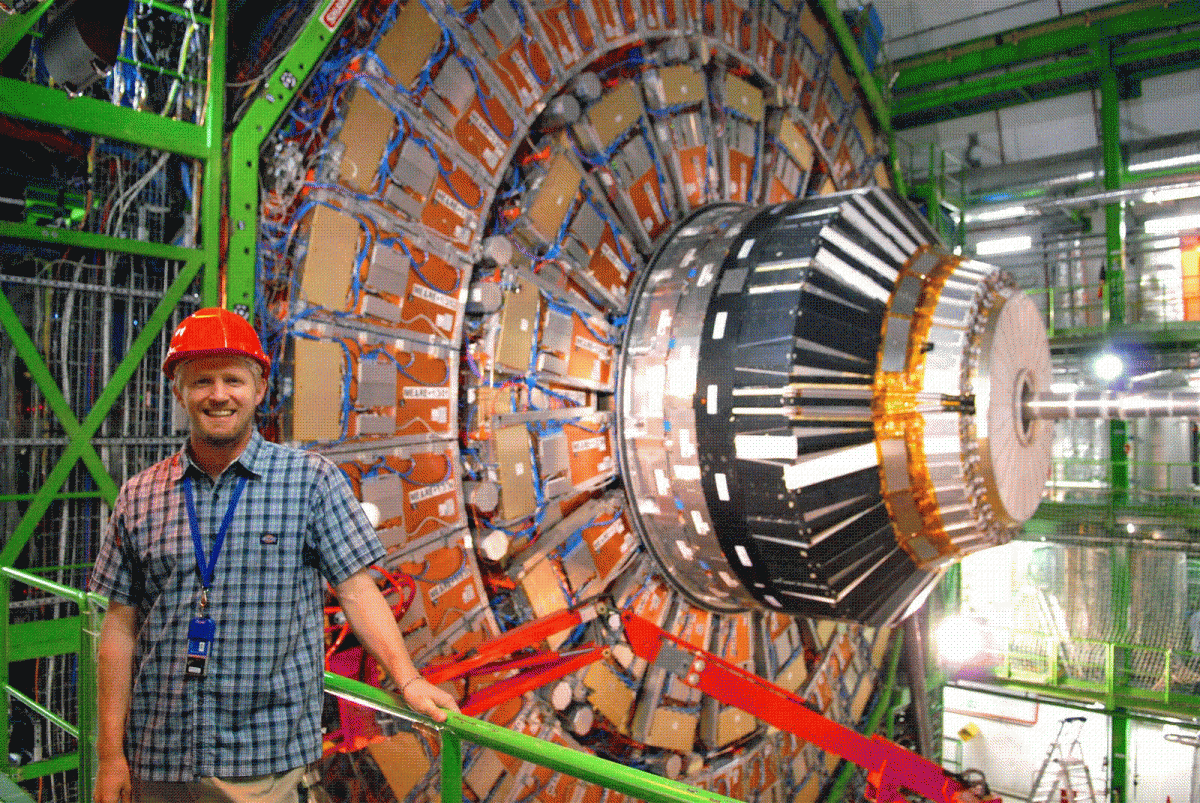
Focus on the Run Coordinators of the LHC Experiments
Focus on the Run Coordinators of the LHC Experiments As the preparations for Run2 are coming to an end, and the first collisions are scheduled to take place in a few weeks, the control rooms of the LHC experiments have become hives of activity, getting ready to record the first data. Run Coordinators are responsible
-
LHC restart update
LHC restart update LHC run 2 is coming ever closer. Seven of the machine’s eight sectors have successfully been commissioned to the 2015 operating energy of 6.5 TeV per beam, and the eighth is not far behind. There will, however, be no circulating beam in the LHC this week. An intermittent short circuit to ground
-

Editorial – March 2015
Editorial – March 2015 Dear Colleagues, Excitement is building as the restart of the LHC approaches, with first beam interactions seen during injection tests. But as you can read elsewhere in this edition of the newsletter, an intermittent short-circuit in one sector needs to be resolved before beams can circulate, which may result in a
-
Greg Rakness: CMS co-Run Coordinator
Greg Rakness: CMS co-Run Coordinator The CMS Run Coordination team is made up of three people: Christoph Schwick and myself as co-Run Coordinators and Silvia Goy Lopez as coordinator of the Detector Performance Groups. Together we manage the commissioning and operation of the CMS detector with the overarching goal to deliver physics quality data efficiently
-
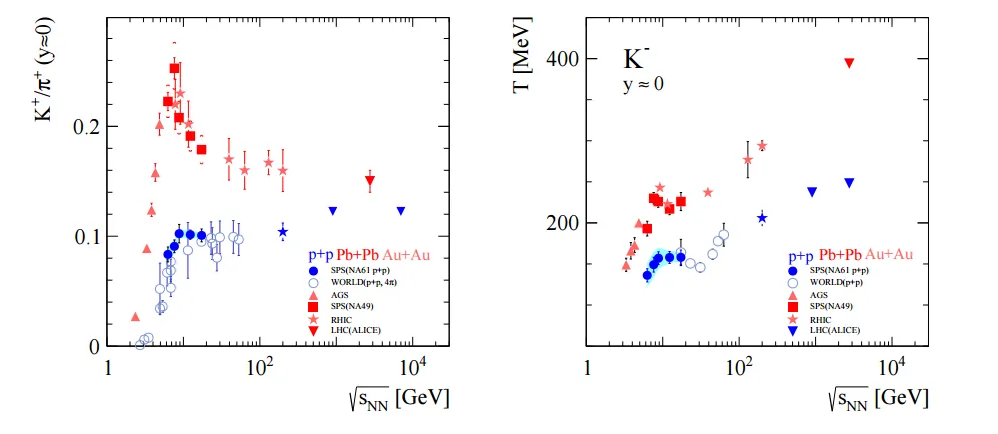
NA61/SHINE sheds light on strong Interactions
NA61/SHINE sheds light on strong Interactions The past several months were particularly important for the NA61/SHINE programme on strong interactions. This period was crowned by the ongoing beam energy scan with argon-scandium collisions. Here the key events are summarized, but first NA61/SHINE is briefly introduced. The NA61/SHINE experiment at CERN NA61/SHINE (SPS Heavy Ion and
-
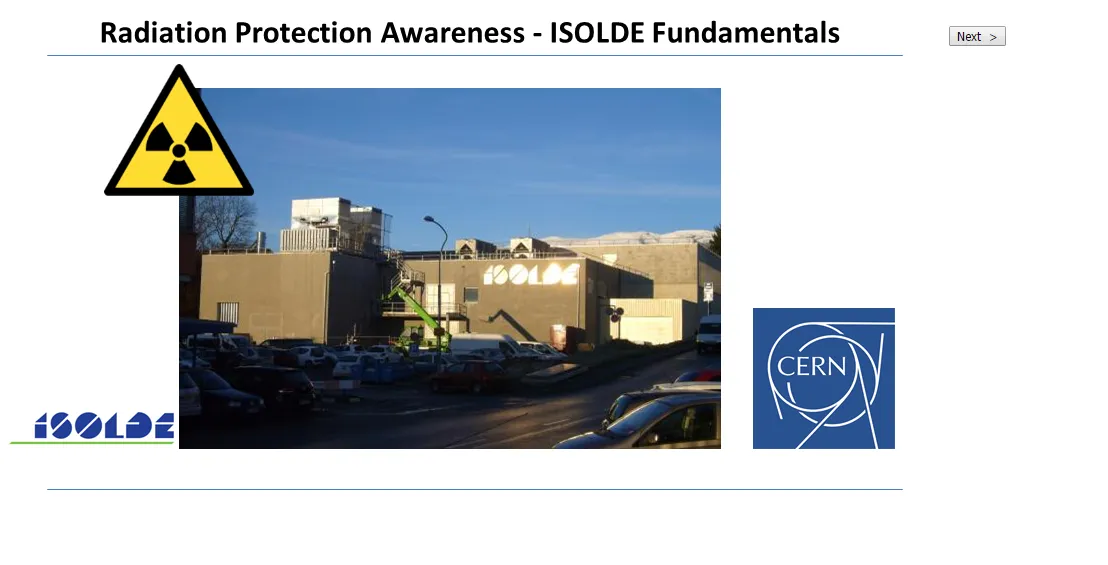
ISOLDE offers safety training courses
ISOLDE offers safety training courses One of the safety challenges faced by the PH Department is how to provide safety training and raise awareness for the large number of users. Most of them visit CERN only for short periods of time, thus they often do not have the chance to attend one of the scheduled
-
IdeaSquare opens its doors
IdeaSquare opens its doors IdeaSquare IdeaSquare (in short, Ideas) is a dedicated test facility at CERN that hosts detector R&D projects and facilitates related MSc student programs. While not fully occupied, it can also be used for special innovation-related events. Located in a technical hall (B3179) next to the Globe of Science and Innovation, it
-
Injection tests make a splash
Injection tests make a splash BROKEN IMAGE NOT MOVED (drupal url : https://ep-news.web.cern.ch//content/injection-tests-make-splash) On Saturday 7 March, two of the LHC experiments saw proton beams for the first time after a two-year stop. Beam 2 (anticlockwise) made it through LHCb at 10.30 and Beam 1 (clockwise) passed through ALICE at 17.00. The two experiments were
-
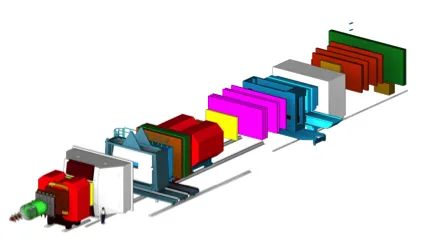
COMPASS paves the way to new discoveries
COMPASS paves the way to new discoveries COMPASS, a “COmmon Muon and Proton Apparatus for Structure and Spectroscopy”, is a multipurpose high-energy physics experiment at the Super Proton Synchrotron (SPS). Following the approval of the project in 1997 the spectrometer was installed in 1999 – 2000 and was commissioned during a technical run in 2001
-
Accelerating Argon Ions at the SPS
Accelerating Argon Ions at the SPS This year, the SPS accelerated argon ions for the first time, delivering beam to the NA61/SHINE experiment in the North Area. NA61/SHINE explores the phenomenon of deconfinement by studying the collisions of ions of different masses, at different energies. As argon ions are much lighter than lead ions that