
Category: Newsletter
-
ATLAS: Preparing for LHC Run2
ATLAS: Preparing for LHC Run2 The ATLAS teams are wrapping things up and prepare for Run 2, as Long Shutdown 1 is coming to an end. The collaboration has made major upgrades to increase the efficiency, safety, and environmental impact of the detector; 2014 was a really busy year. The ATLAS detector is now a
-
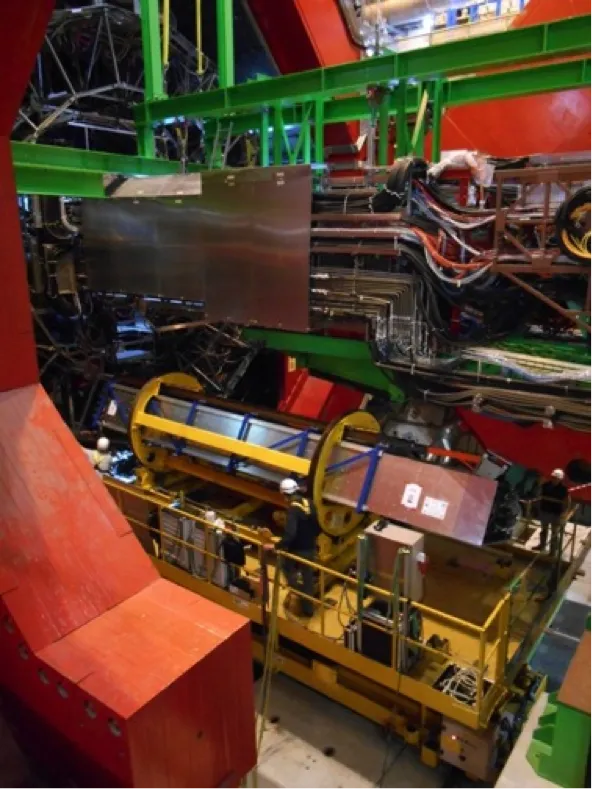
ALICE looking into the future
ALICE looking into the future Following a busy year, ALICE is now almost ready for the next run, as the teams make finishing touches before turning their focus towards re-commissioning and calibration. Thanks to the upgrades of the past year, Run2 will provide another in–depth look at the physics of the quark-gluon plasma, with the
-
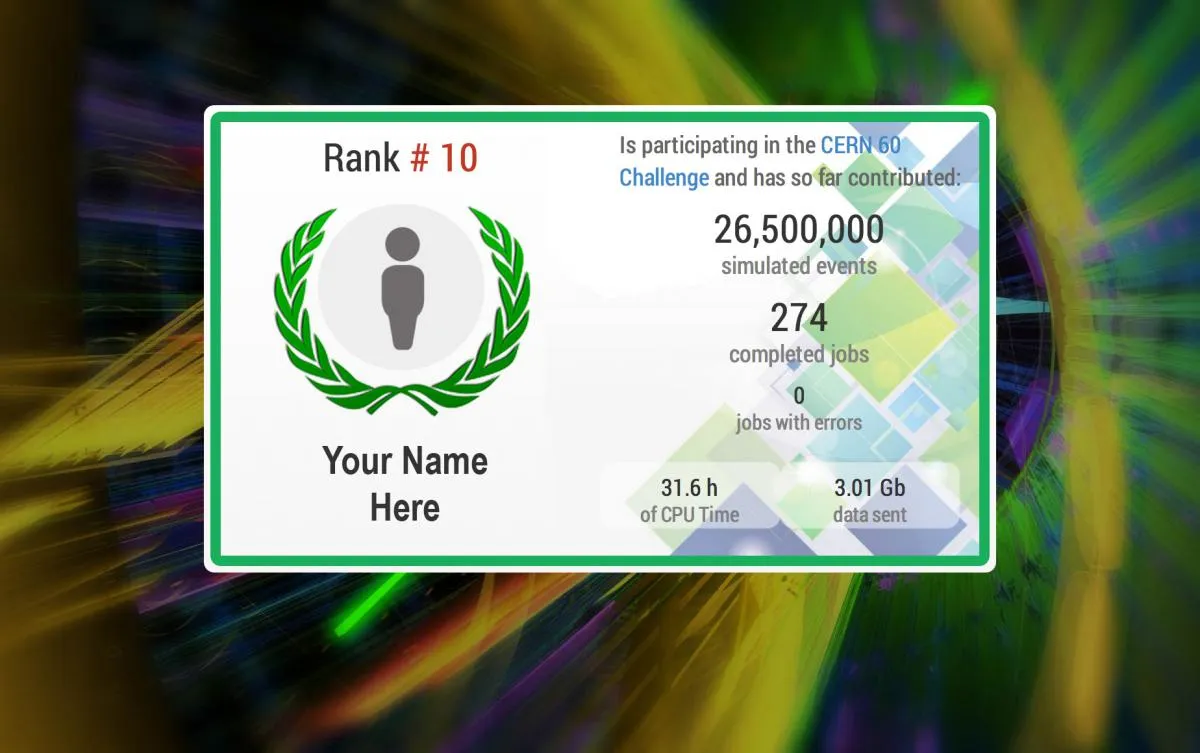
CERN 60: Public Computing Challenge
CERN 60: Public Computing Challenge On Monday 8 December, the CERN 60 Public Computing Challenge began. Volunteers from all over the world are helping the CERN scientists simulate particle collisions in accelerators that have been used over the 60 years of the Organization's existence, including the LHC. They are required to install a simple program
-
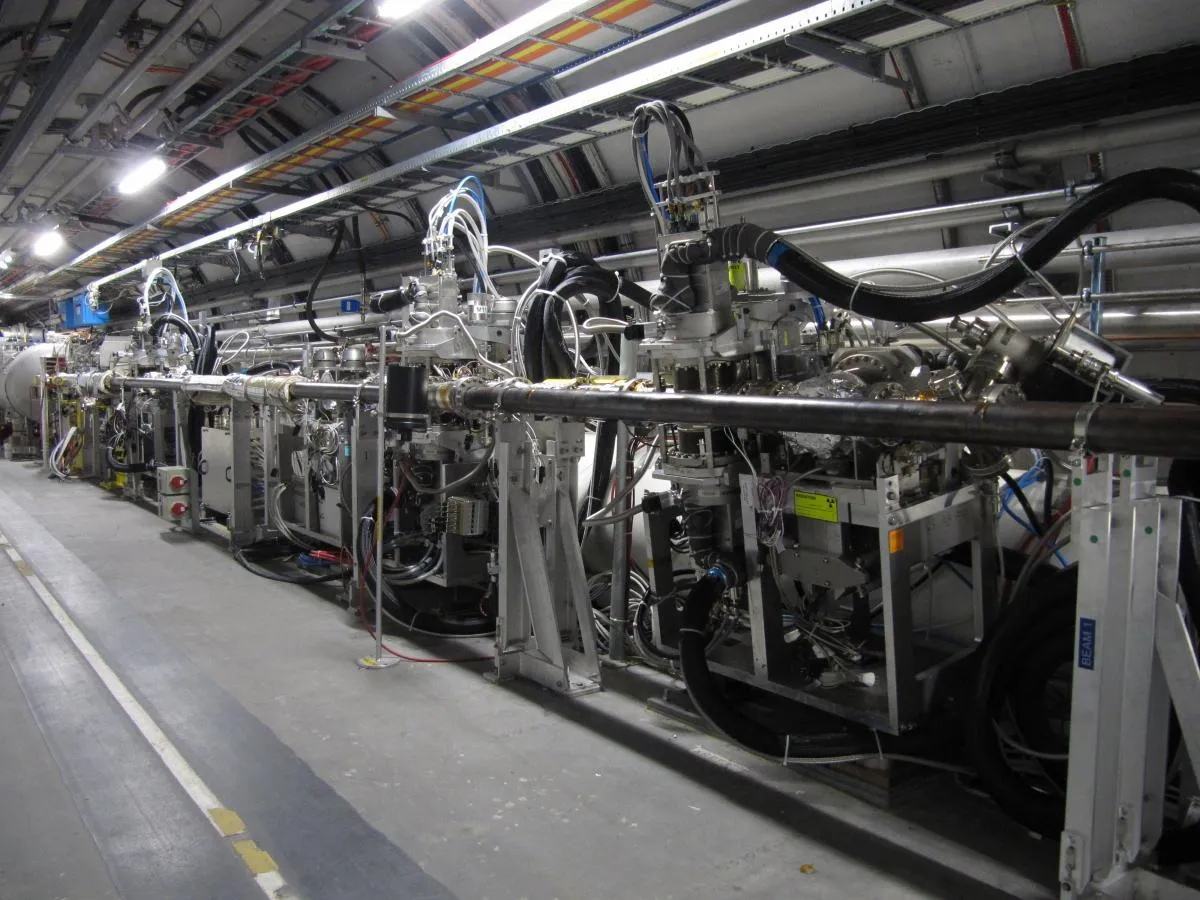
TOTEM Setting Out towards New Discovery Horizons
TOTEM Setting Out towards New Discovery Horizons With the first LHC long shutdown approaching its end, TOTEM is looking back on a busy year marked on one hand by Run-1 data analysis culminating in 3 publications and more in progress, and on the other hand by a major consolidation and upgrade of its Roman Pot
-
LHCb gears up for Run2
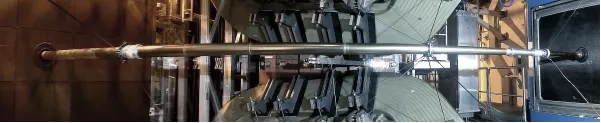
LHCb gears up for Run2 It is now 18 months that LHCb has not seen any particle beam passing through the experimental area, and the collaboration is eagerly waiting for the start-up of Run II in spring 2015. But before this, the LHCb detector and all its services required a comprehensive overhaul in preparation for
-
SFT Activities during 2014
SFT Activities during 2014 LS1 was an opportunity not only to upgrade detectors and accelerators but also the software used for analysis and data processing. The SFT team has worked closely throughout the year with software experts in the four LHC collaborations to prepare the software releases that will be used when data-taking resumes in
-
2014: A busy year for the ESE group
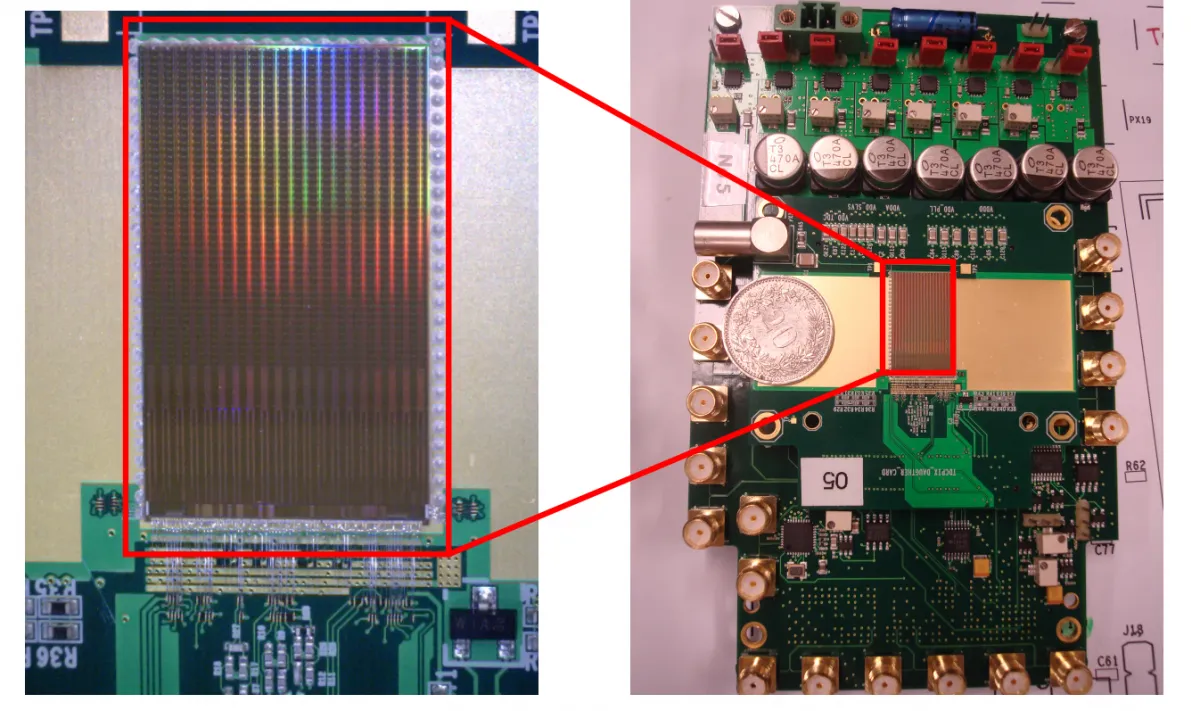
2014: A busy year for the ESE group The PH Electronic Systems for Experiments (ESE) group is involved in the development, construction and qualification of electronics for detector readout systems and for related infrastructure for CERN experiments; it also provides unique infrastructure and expertise for accessing some key technologies such as CMOS processes for chip
-
Understanding the Early Universe TH Institute: 6-16 January 2015
Understanding the Early Universe TH Institute: 6-16 January 2015 Our understanding of the early Universe has greatly increased in the past few years due to the high-quality observational data on the cosmic microwave background and large scale structure. The unprecedented precision of the Planck results enabled to significantly restrict the range of allowed inflationary models.
-
Upcoming TH institutes
Upcoming TH institutes In the following months, two TH Institutes will be organized: the CERN-CKC TH Institute on Numerical Holography, from 8 to 18 December, and Understanding the Early Universe, from 6 to 16 January. The CERN-CKC TH Institute on Numerical Holography aims at an in-depth exchange on the class of challenging problems that are
-

Editorial – November 2014
Editorial – November 2014 Dear Colleagues, As mentioned in the last newsletter, NA62 has just started to take data for the first time after years of hard work preparing the experiment. They will learn a lot from the data taken this year, ready to start the hunt for the extremely rare K+ → π+ν ̅ν