
Category: Newsletter
-
Workshop on exact results in SUSY gauge theories in various dimensions
Workshop on exact results in SUSY gauge theories in various dimensions The workshop on Exact Results in SUSY Gauge Theories in Various Dimensions took place from 11 to 22 August at CERN. It brought together leading experts in supersymmetric gauge theories from many universities and laboratories around the world to discuss recent progress on computing
-
EPS Lise Meitner Prize 2014 awarded to ALICE physicists
EPS Lise Meitner Prize 2014 awarded to ALICE physicists On 3rd September 2014, four ALICE physicists received the prestigious Lise Meitner Prize 2014 from the European Physics Society. Johanna Stachel, Peter Braun-Munzinger, Paolo Giubellino, and Jürgen Schukraft were awarded for their outstanding contributions to the development of heavy ion physics, as they have played an
-
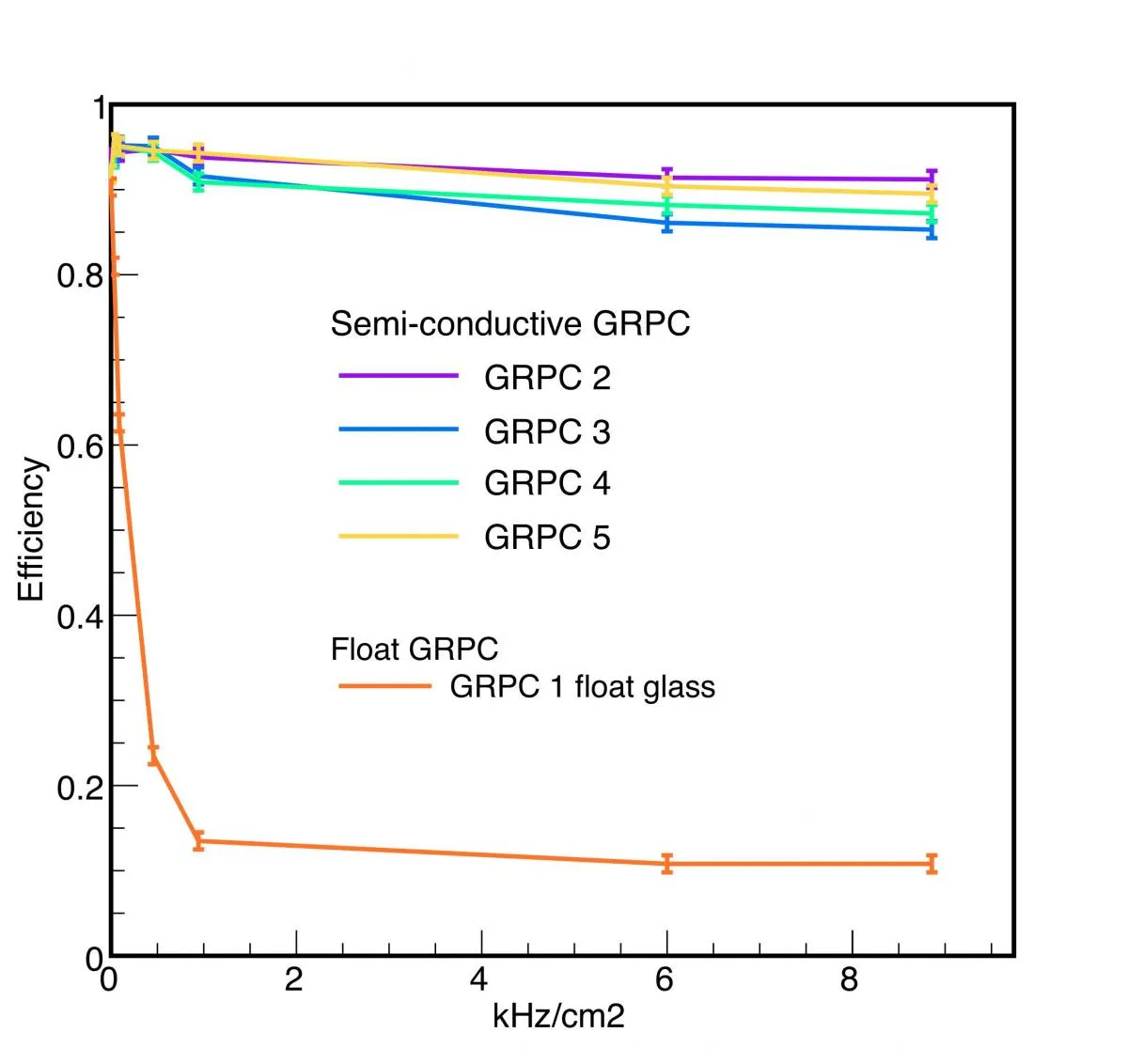
CMS tests new Resistive Plate Chambers
CMS tests new Resistive Plate Chambers With the increase of the LHC luminosity foreseen in the coming years many detectors currently used in the different LHC experiments will be dramatically impacted and some will have to be replaced. The new ones should be capable not only to support the high particle rate but also to
-
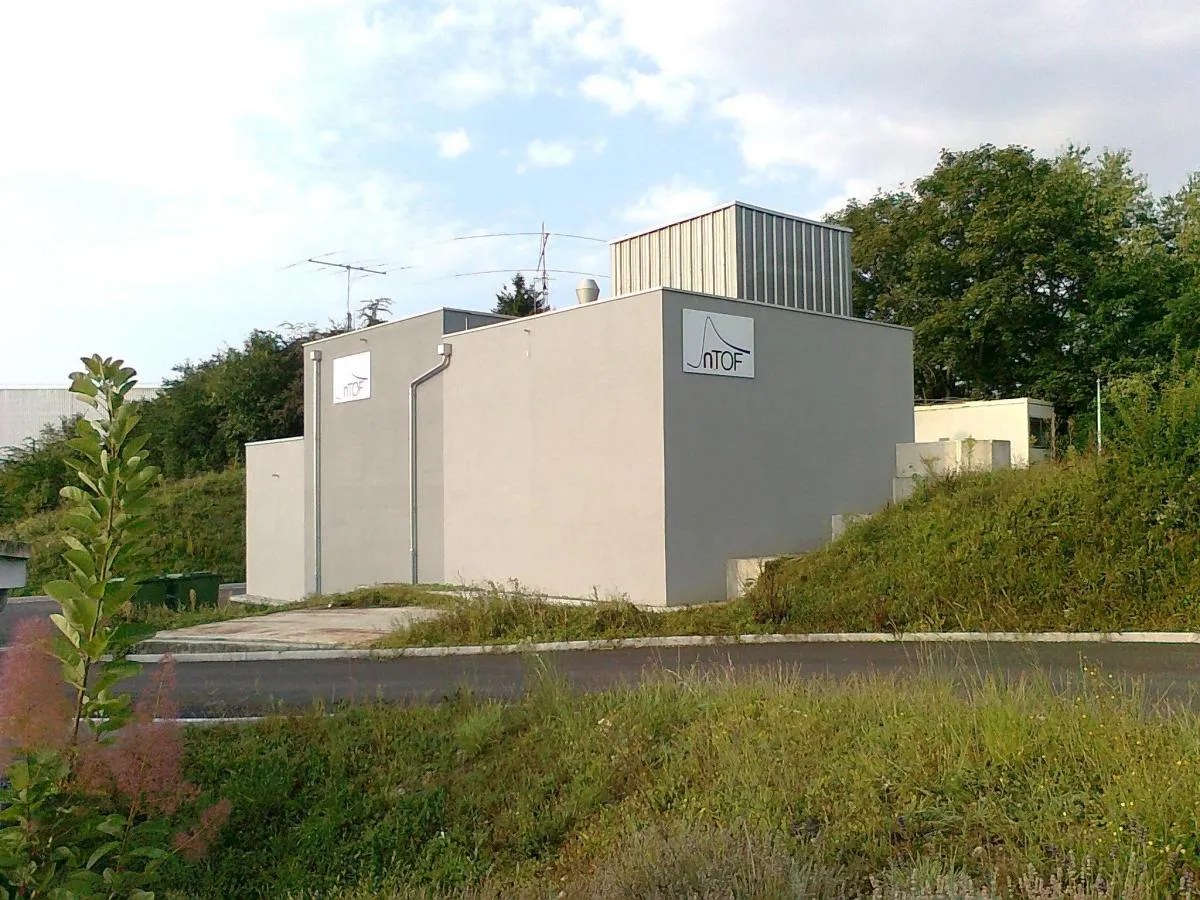
A bright future for neutrons at n_TOF
A bright future for neutrons at n_TOF After the long shutdown, the newly constructed second experimental area (EAR2) [1] of the n_TOF facility has received its first neutron beam on July 25 2014 [2]. The neutron beam in EAR2 complements, and runs in parallel with, the existing experimental area EAR1. The story of CERN’s neutron
-
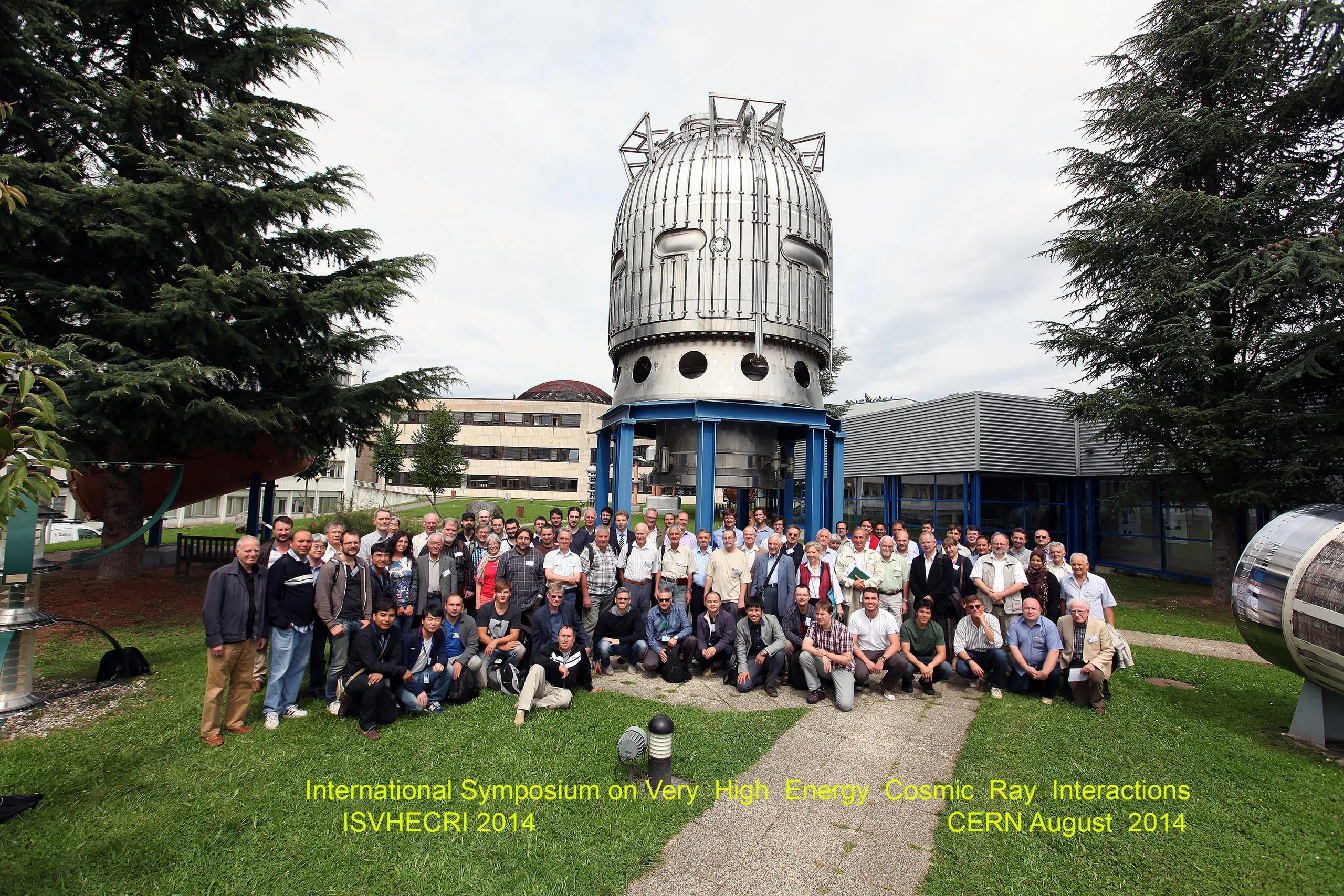
International Symposium on Very High Energy Cosmic Ray Physics
International Symposium on Very High Energy Cosmic Ray Physics Cosmic-ray and particle physicists got together to discuss the latest developments in the field of high energy hadron collisions of cosmic ray particles in the 18th International Symposium on Very High Energy Cosmic Ray Interactions (ISVHECRI). The Symposium took place at CERN, from 18 to 22
-
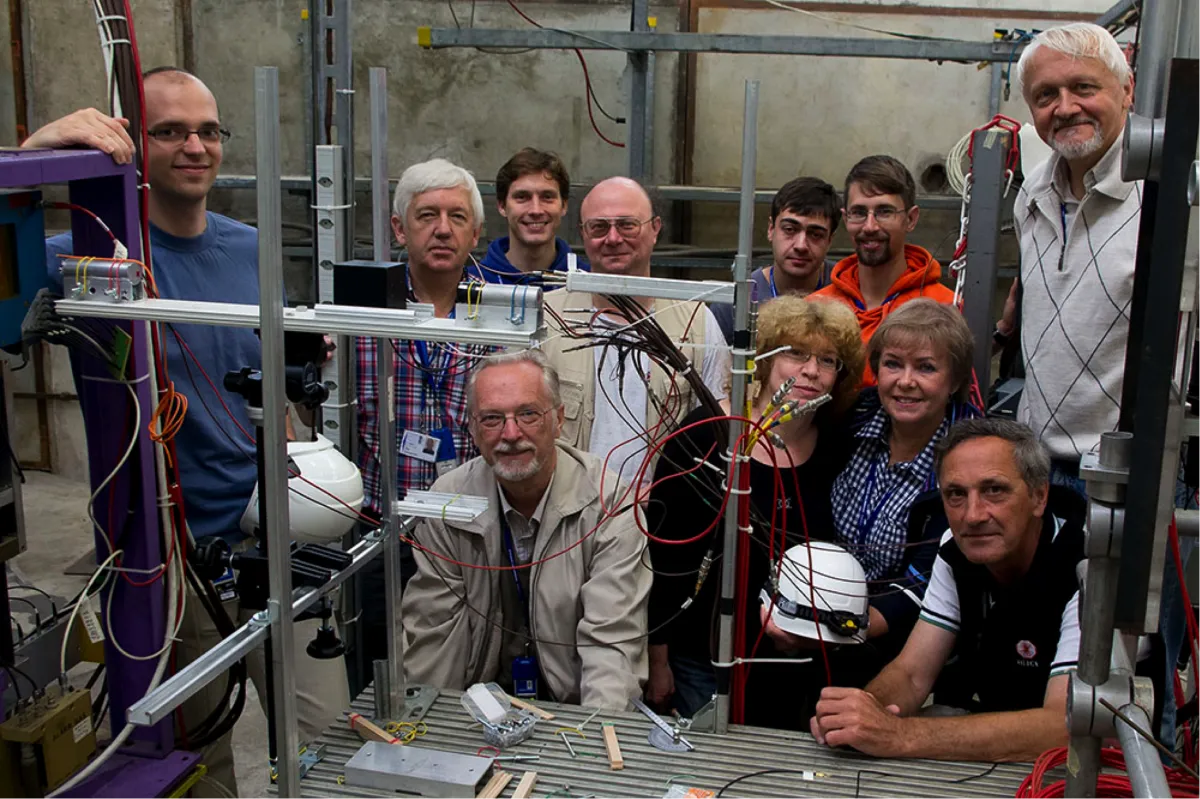
ALICE uses the T10 line to test its detectors
ALICE uses the T10 line to test its detectors After a long shutdown period, the PS has finally been put into operation and ALICE is making extensive use of it in the East Area. The main goal of these test beams is to qualify new protoypes, calibrate the detectors and to check its electronics, in
-
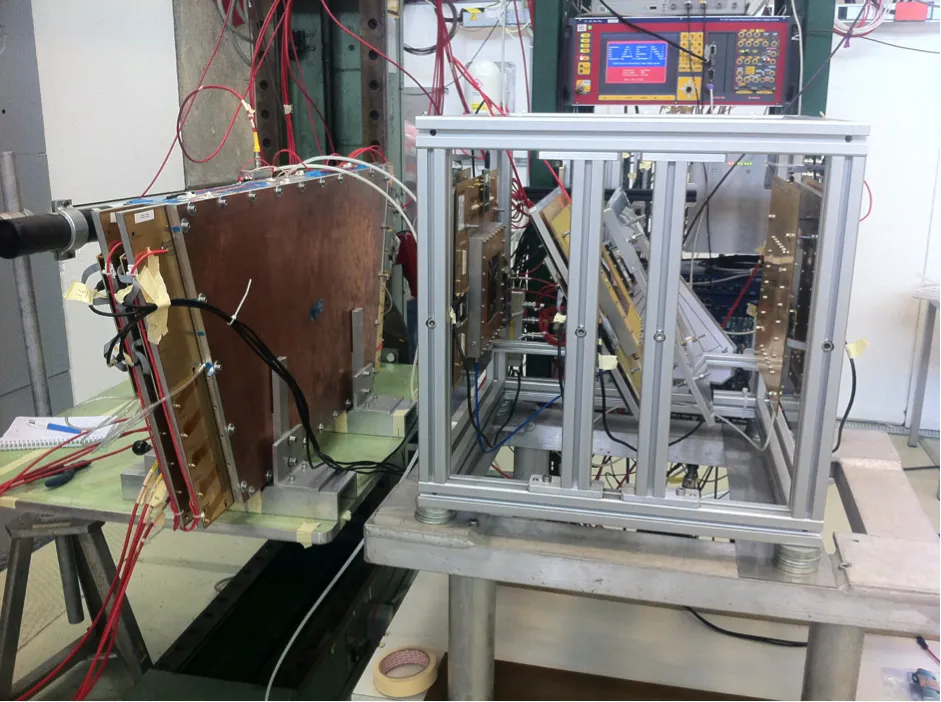
ATLAS micromegas detectors tested in T9
ATLAS micromegas detectors tested in T9 BROKEN IMAGE NOT MOVED (drupal url : https://ep-news.web.cern.ch//content/atlas-micromegas-detectors-tested-t9) The upgrade of the ATLAS detector calls for a new generation of muon detectors capable of operating in a flux of collision and background particles approximately ten times larger compared to today's conditions. The new technology of micromegas detectors is one
-
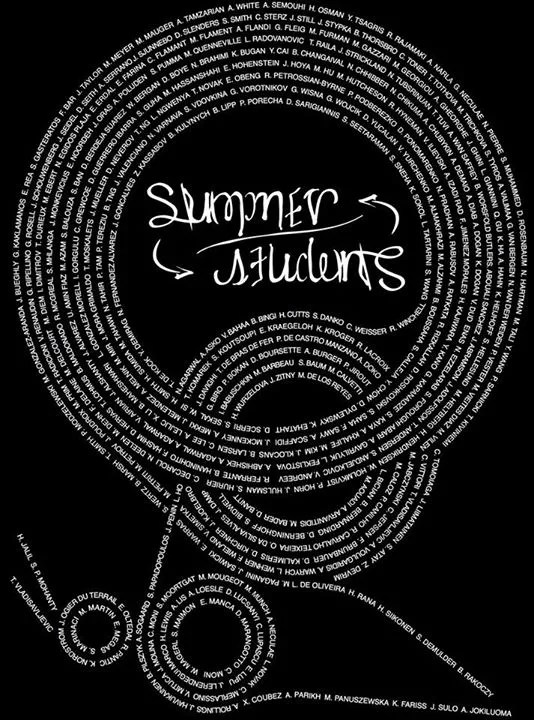
A world map of 2014 summer students
A world map of 2014 summer students During summer, CERN turns into one of the most international and lively places you could ever imagine as hundrends of Summer Students arrive every year from all over the world. Students with different backgrounds spend a few weeks working with their supervisors on numerous topics in scientific research.
-
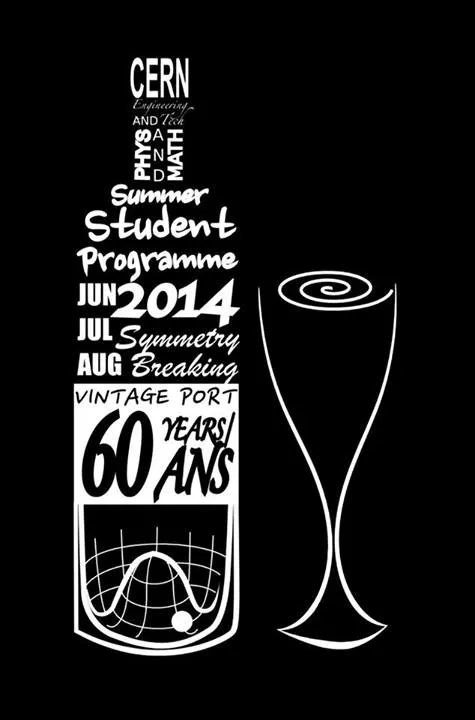
CERN brings research to students around the world!
CERN brings research to students around the world! Summer Students had the unique opportunity to get a glimpse of the life at CERN by attending fascinating lectures, visiting the underground facilities and working in the experimental teams. In addition, besides developing their academic skills, the summer school experience will help the participants establish useful contacts
-

Editorial – August 2014
Editorial – August 2014 Dear Colleagues, I hope that you have found time for a relaxing summer break with your family or friends. For those who have been at CERN over the last few weeks, you will have noticed that the average age has dropped significantly, as is always the case at this time of