
Tag: ATLAS
-

ATLAS and CMS experiments looking forward to Run 3
ATLAS and CMS experiments looking forward to Run 3 On the 4th of July of 2022 we celebrated the 10th anniversary of the end of decades-long search for an experimental confirmation of the BEH mechanism, and the start of a new era. With the discovery of the Higgs boson, the last unknown fundamental parameter of
-
LHC experiments restart
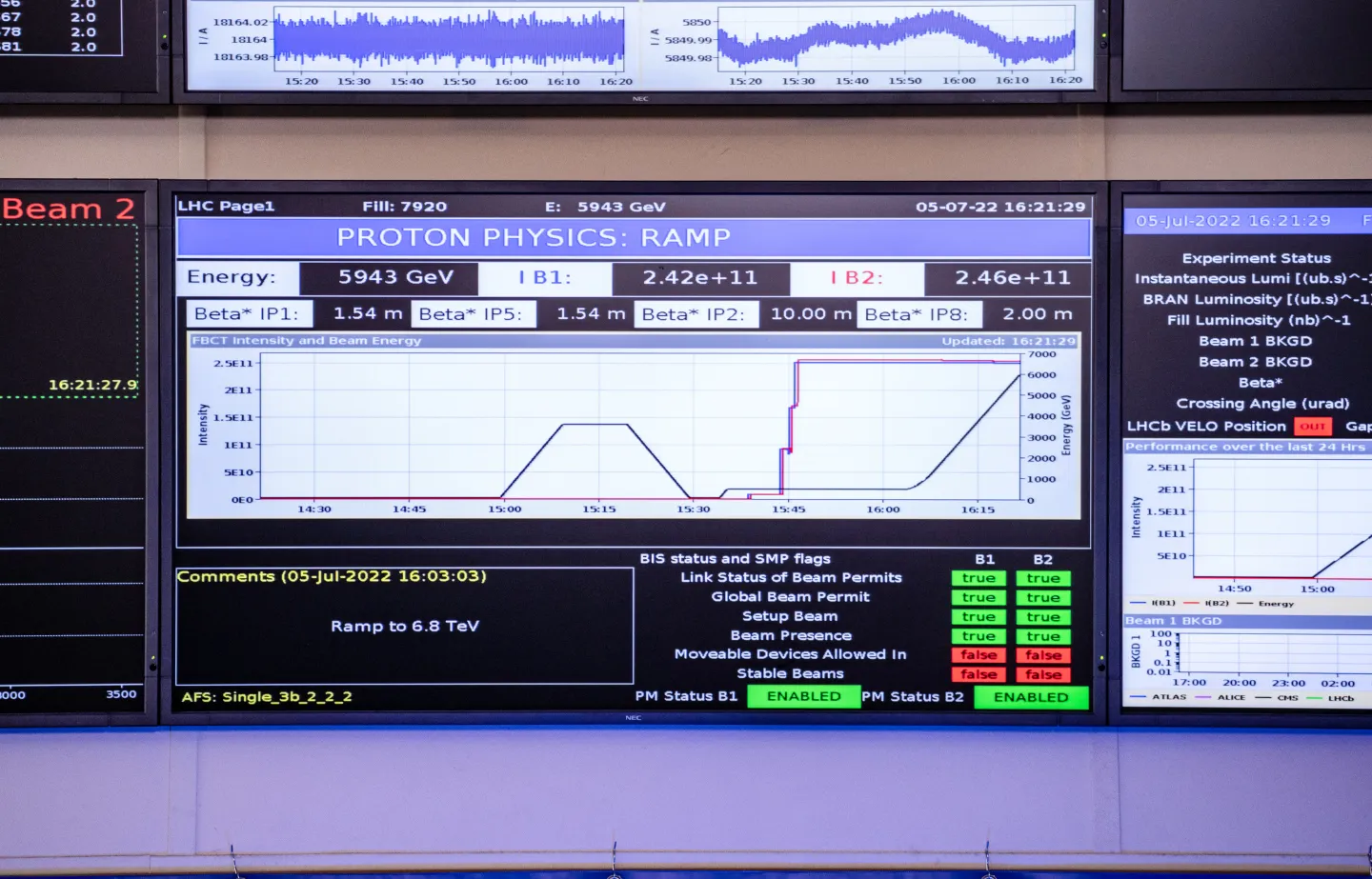
LHC experiments restart The LHC restarted this summer, after a period of upgrades (LS2) and is gearing up to probe new realms of physics during a third run, which will be its most powerful yet. Run 3 of the LHC will feature higher-energy particle beams and higher collision rates, allowing physicists to collect more data
-
Start up of the ATLAS and CMS magnets
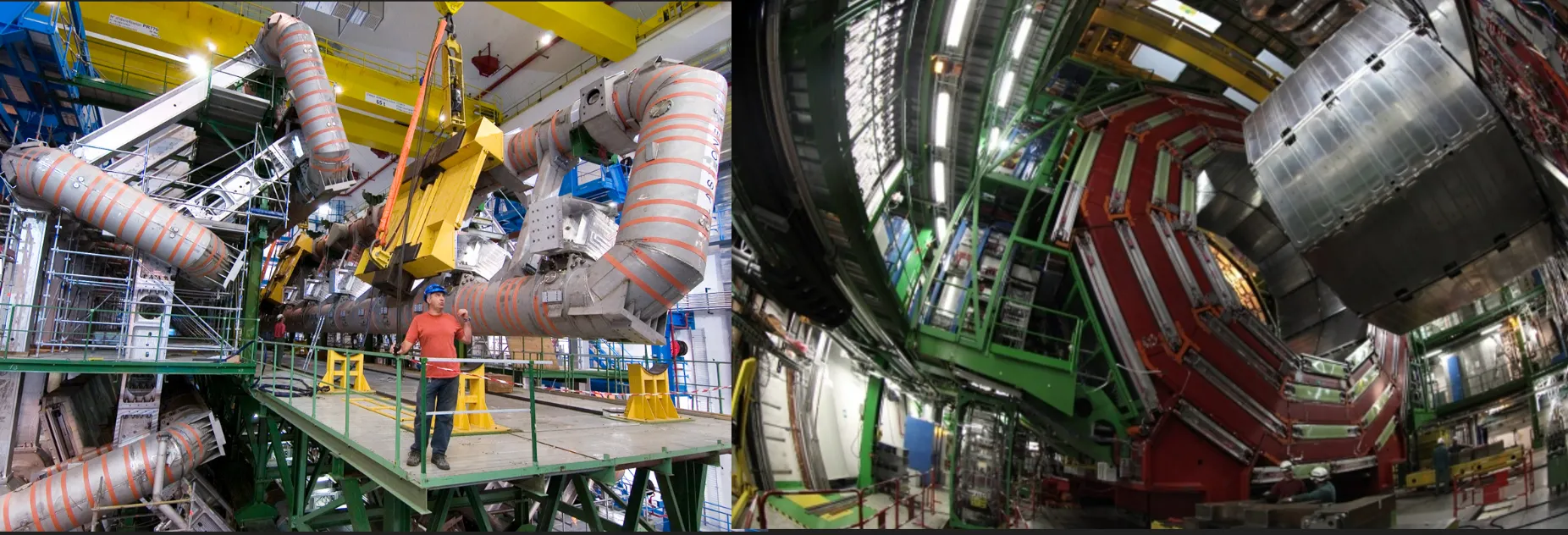
Start up of the ATLAS and CMS magnets LS2 works and commissioning of the ATLAS Superconducting Magnets In the last few years, the ATLAS superconducting magnets and associated systems have received extensive maintenance and upgrades. Following this, the magnets have recently been successfully commissioned and are now running at nominal current. During LS2, the ATLAS
-
What is the W boson mass trying to tell us?
What is the W boson mass trying to tell us? Introduction In April this year the CDF collaboration shocked the particle physics world with a new measurement of the mass of the W boson particle [1], with a precision better than all previous results combined, and a value of the W mass higher than the
-
ATLAS New Small Wheel upgrade advances
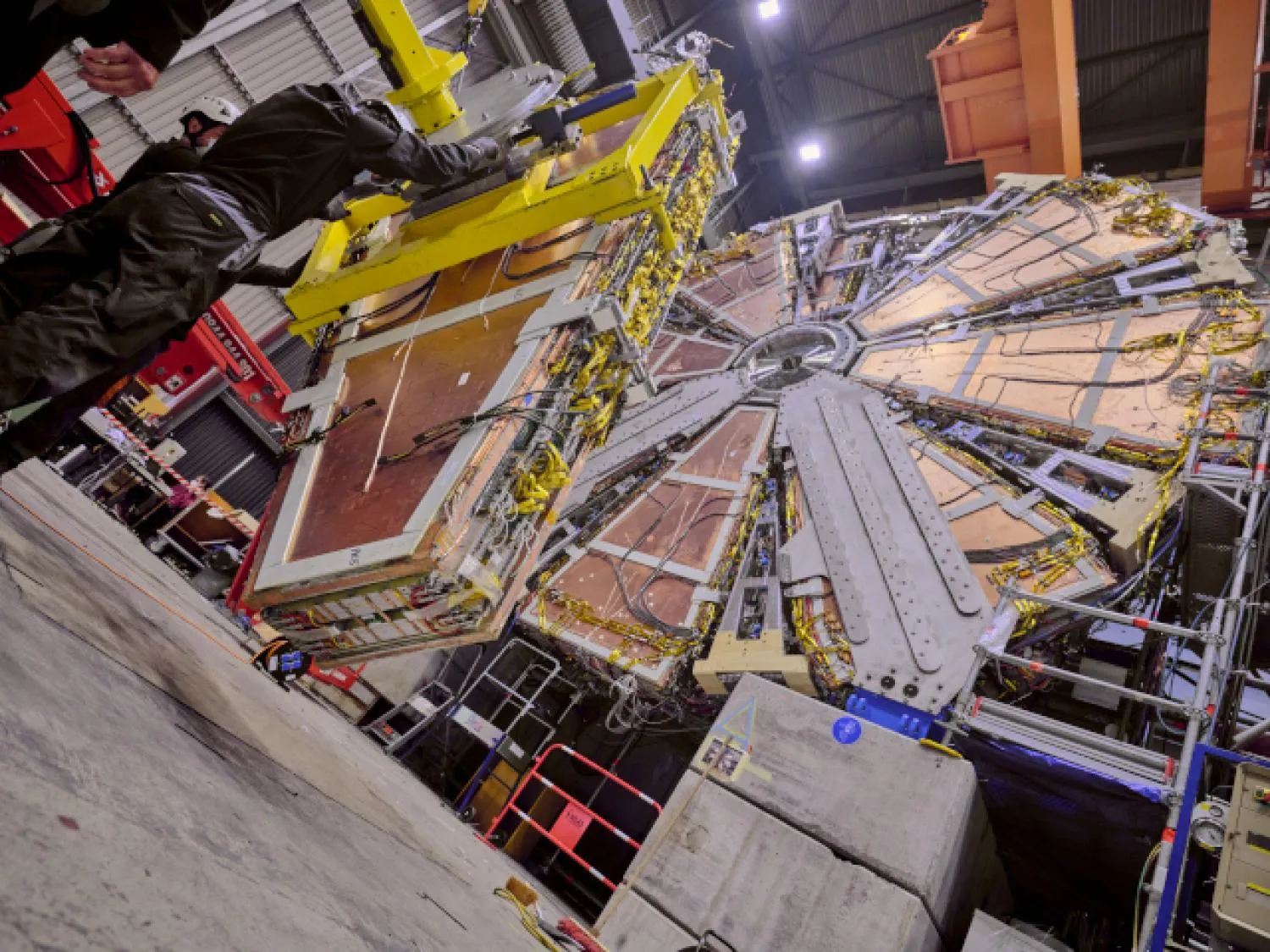
ATLAS New Small Wheel upgrade advances The ATLAS New Small Wheel (NSW) upgrade is an ambitious project that will allow exploiting the physics opportunities of the HL-LHC. Last November, the second -and final- NSW was installed in the ATLAS detector, marking the successful outcome of nearly ten years of design and development. The completion of
-
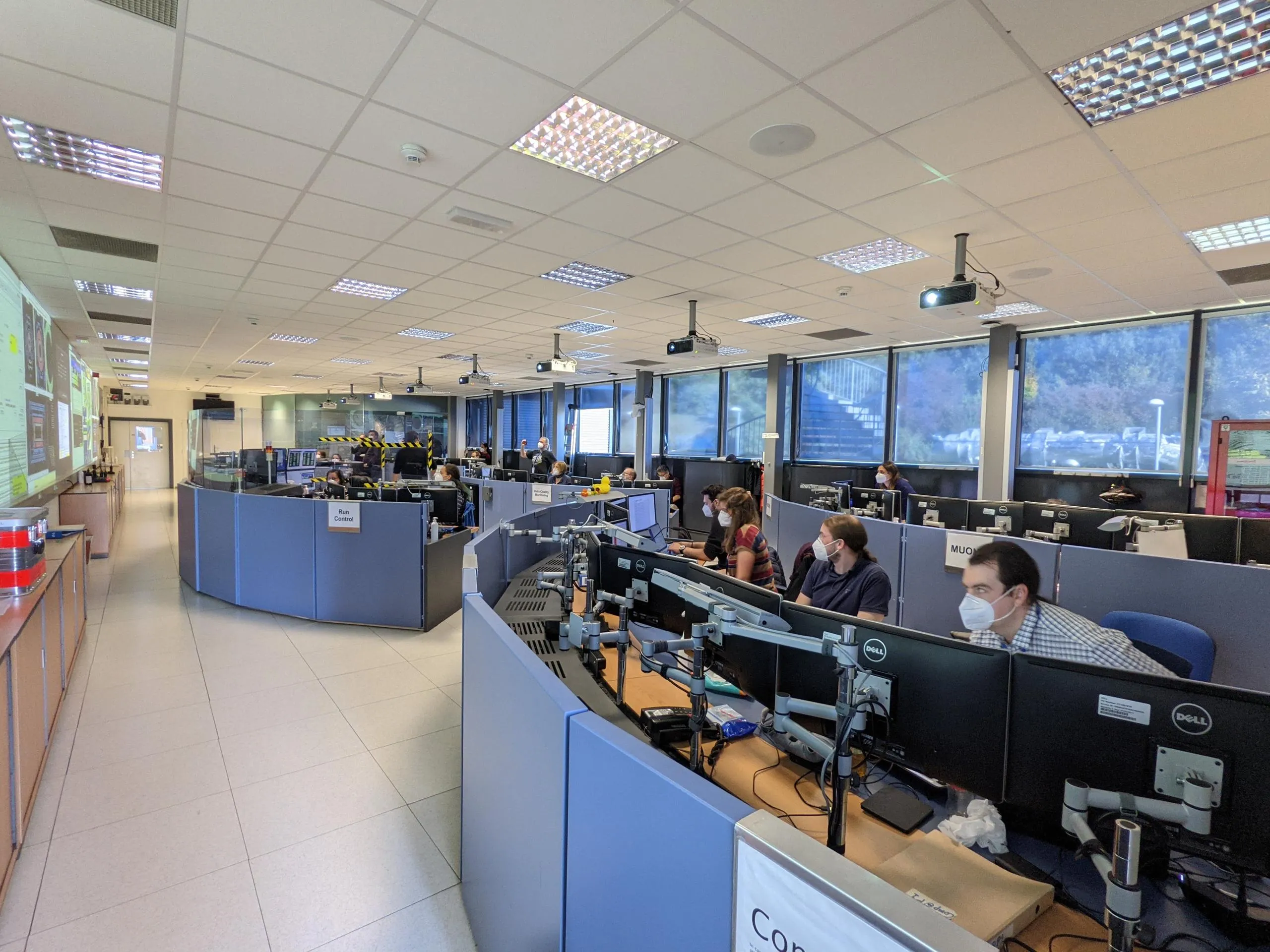
ATLAS prepares for Run 3 as protons are back in the LHC
ATLAS prepares for Run 3 as protons are back in the LHC Since the start of LS2, ATLAS has undergone an intense maintenance and consolidation programme to meet the challenges of Run 3 of the LHC, and fully exploit the available physics opportunities. This includes the installation and commissioning of new detectors and electronics thus
-
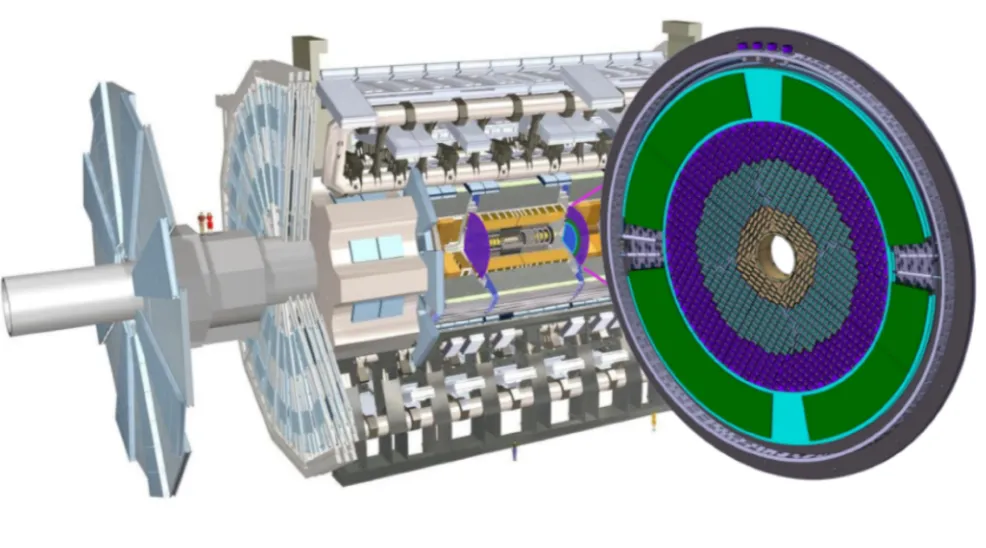
A High-Granularity Timing Detector for the ATLAS Phase-II Upgrade
A High-Granularity Timing Detector for the ATLAS Phase-II Upgrade A High-Granularity Timing Detector (HGTD) using Low Gain Avalanche Diodes (LGAD) silicon sensors is being constructed for the ATLAS phase-II upgrade program as a powerful way to address the challenges of the High-Luminosity LHC program [1]. The goal of the new silicon-based timing detector is to
-
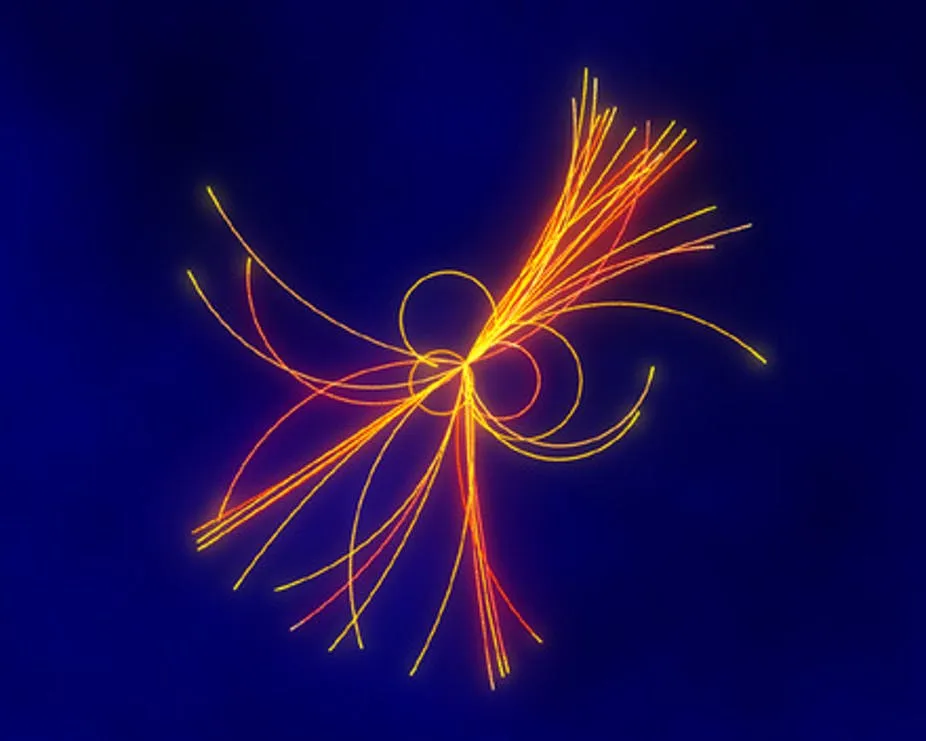
Higgs boson and the quest for new physics
Higgs boson and the quest for new physics The discovery of a new particle in 2012 by the ATLAS and CMS experiments at CERN was just the beginning in understanding the properties of this particle and its potential link to some of the most pressing fundamental questions in modern physics. Following its discovery, the LHC
-
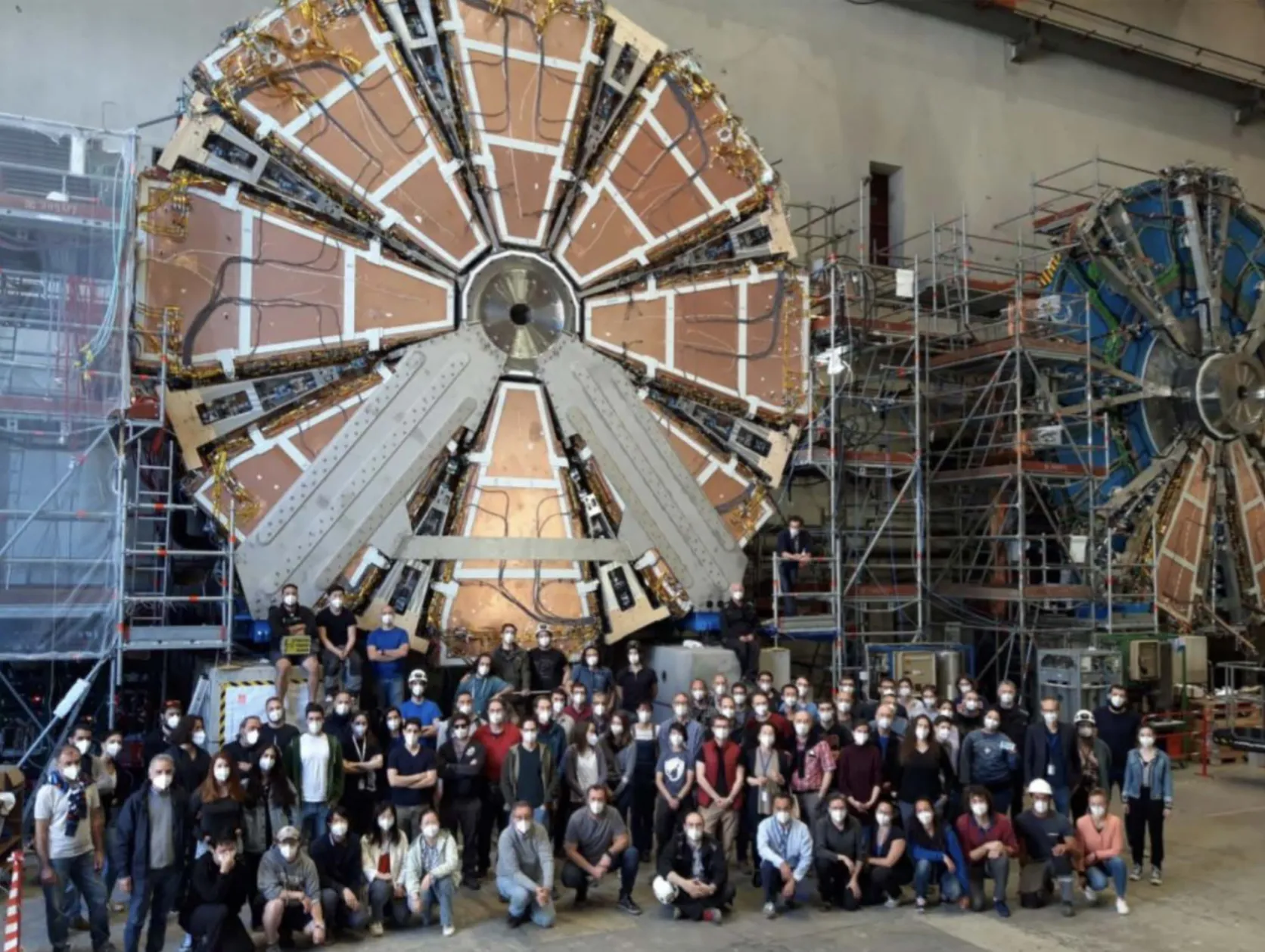
ATLAS New Small Wheel upgrade advances
ATLAS New Small Wheel upgrade advances Group photo after the installation of the last sector of NSW-A. On the right is NSW-C with the first three sectors installed at the time. The New Small Wheel (NSW) upgrade is an ambitious project that aims to allow, along with other upgrade projects, to track and record data
-
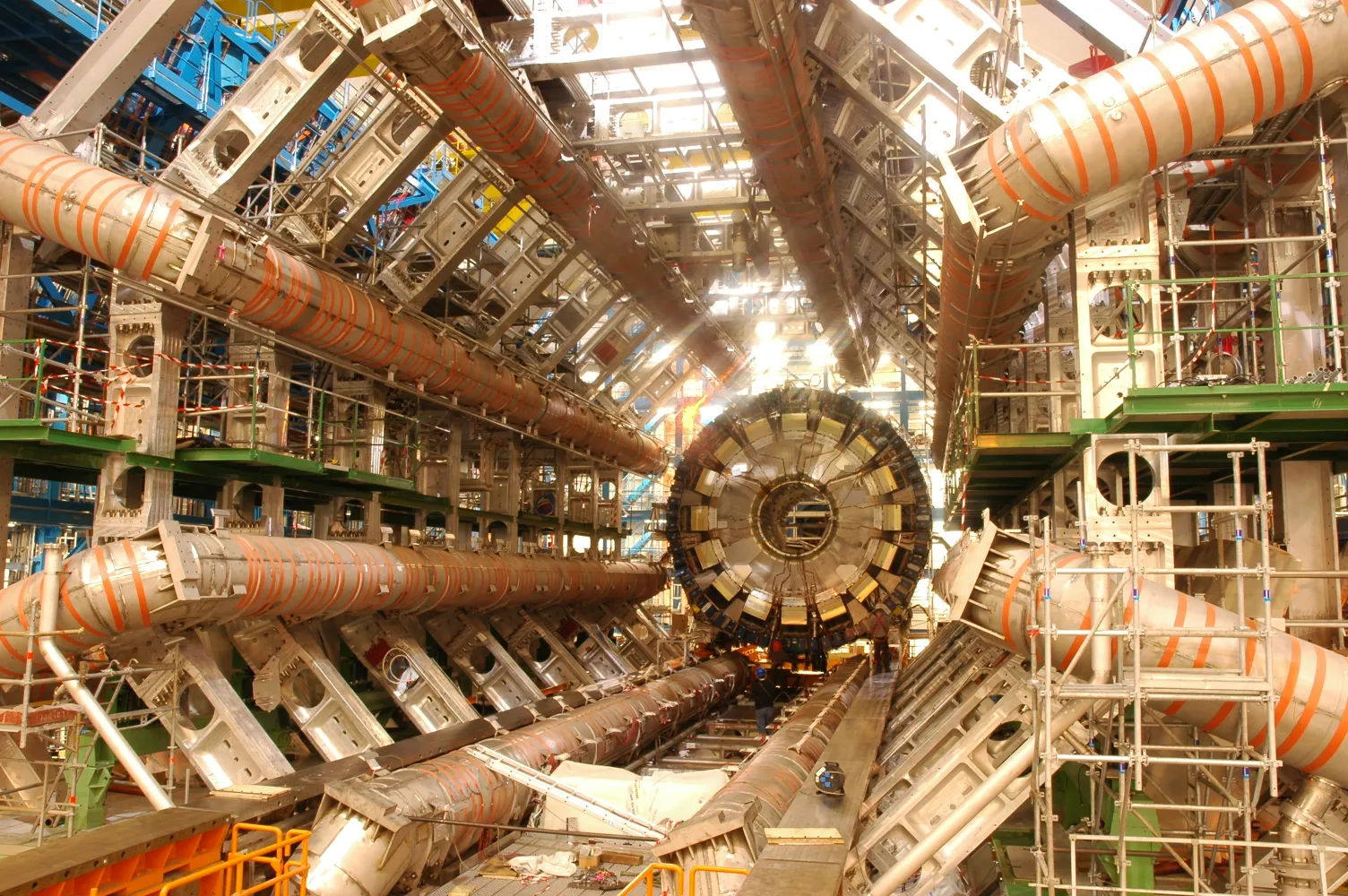
Mighty magnets for particle detectors
Mighty magnets for particle detectors The ATLAS Magnet Team, part of the EP-ADO-SO section, has the principal responsibility for the maintenance and operation of the ATLAS Superconducting Magnets. This effort is supported by a large number of colleagues, in particular from EP-DT, TE-CRG, EP-ADO, SY-EPC, EN-CV, EN-EL, and the institutes IHEP-Protvino (arranged by TE-MPE) and