
Tag: ATLAS
-
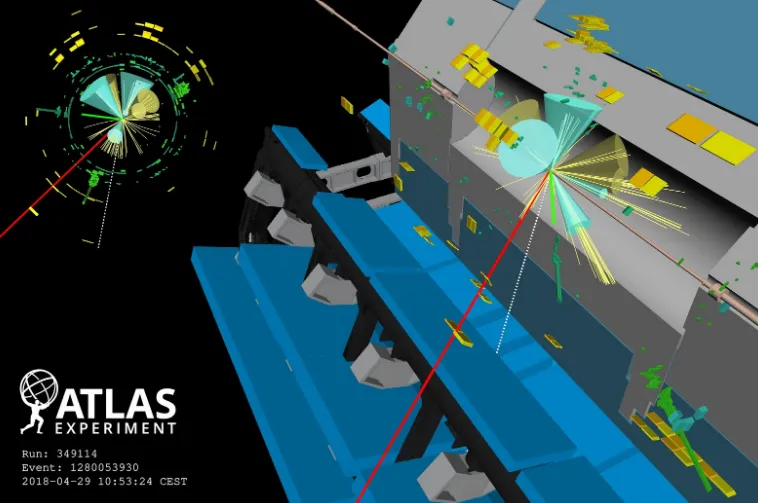
ATLAS results: from precision to rarity
ATLAS results: from precision to rarity Two recent ATLAS results that showcase the full range of the ATLAS physics potential, from precision to rarity, were shown at LHCP and presented at a recent CERN LHC seminar. A test of the universality of τ and μ lepton couplings in W boson decays from tt̅ events [1]
-
ATLAS results: from precision to rarity
ATLAS results: from precision to rarity Two recent ATLAS results that showcase the full range of the ATLAS physics potential, from precision to rarity, were shown at LHCP and presented at a recent CERN LHC seminar. A test of the universality of τ and μ lepton couplings in W boson decays from tt̅ events [1]
-
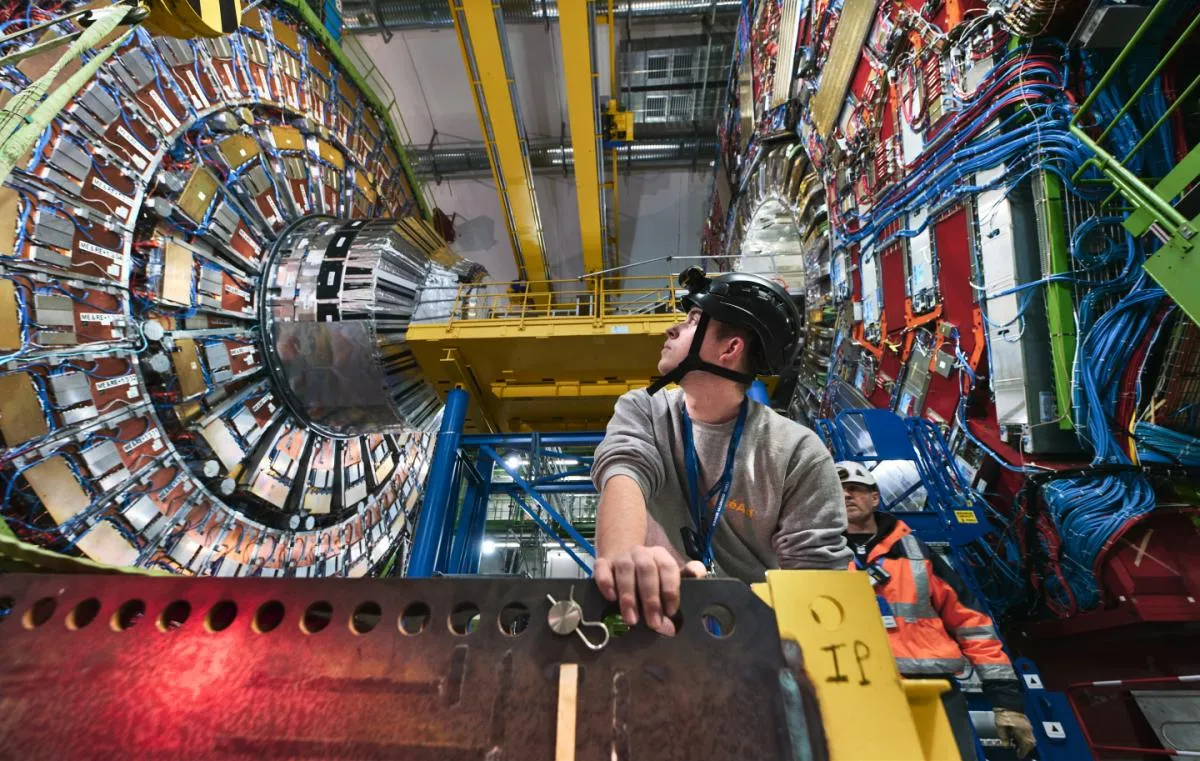
LHC experiments ramp-up activities
LHC experiments ramp-up activities Around the world,research centres, laboratories and universities have closed as a response to the COVID-19 pandemic — forcing an increasing number of researchers to work from home. Researchers teleworking coordinated with colleagues who had to continue working in the lab to ensure continuation of critical activities as well as a smooth
-
How to search for new physics without knowing about it?
How to search for new physics without knowing about it? BSM searches at the LHC increasingly profit from ML techniques since this approach allows more general searches that minimise the probability of missing evidence of new physics. Very recently, the ATLAS collaboration has published a novel approach [1], based on weakly unsupervised ML techniques, to
-
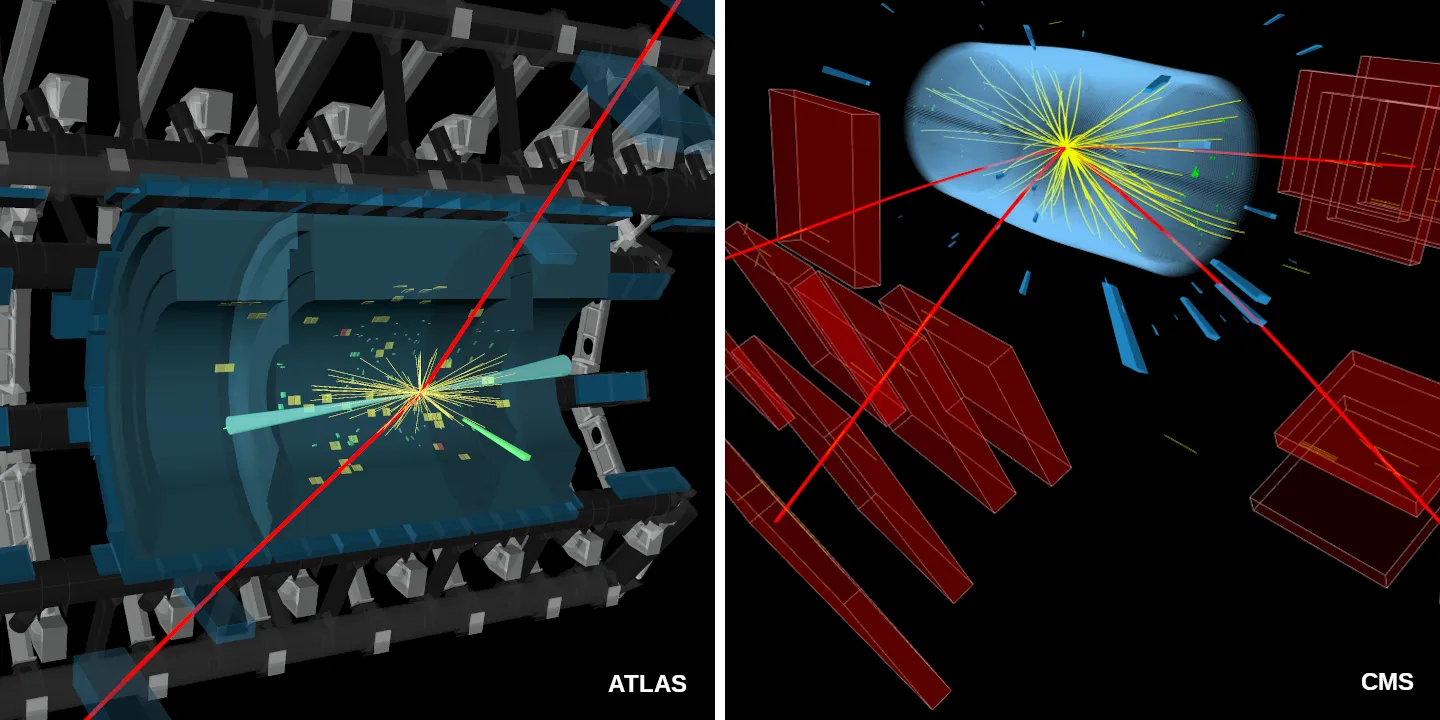
Exploring new ways to see the Higgs boson
Exploring new ways to see the Higgs boson The ATLAS and CMS collaborations presented their latest results on new signatures for detecting the Higgs boson at CERN’s Large Hadron Collider. These include searches for rare transformations of the Higgs boson into a Z boson – which is a carrier of one of the fundamental forces
-
New physics opportunities with heavy-ion collisions at the LHC
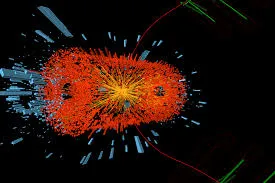
New physics opportunities with heavy-ion collisions at the LHC The LHC is the latest scientific tool in a long line of increasingly sophisticated machines built over the last 70 years to study the inner workings of our Universe and the laws governing its microscopic structure and evolution. Decades-long experimental and theoretical efforts have given rise
-
ATLAS experiment revamps activities
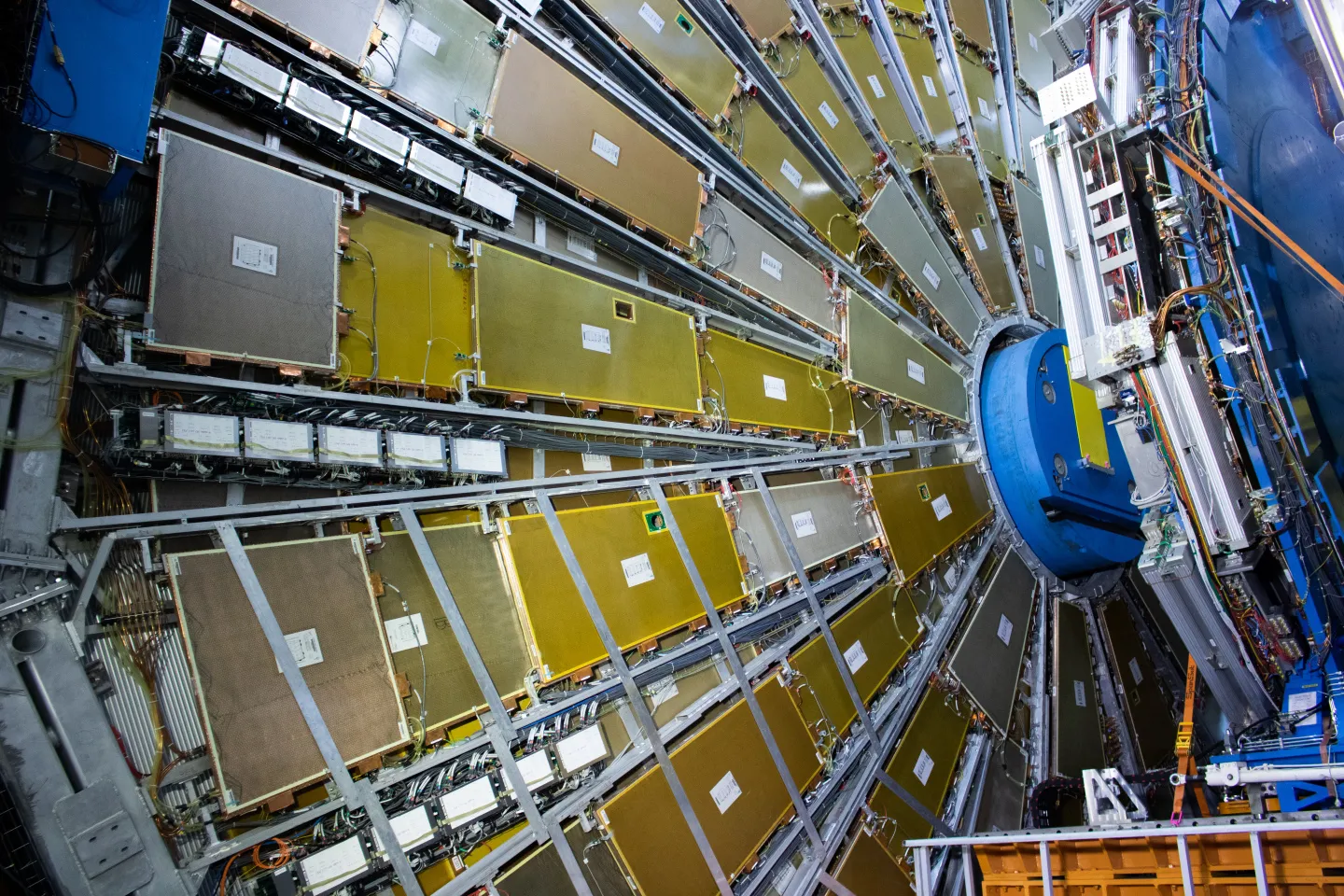
ATLAS experiment revamps activities ATLAS entered the COVID-19 lock down on the 17th of March 2020; the closing of the activities was very fast and efficient. During the lock down, still many activities were performed remotely, among them the development of the firmware for two of the major Phase-I upgrade projects: the New Small Wheel
-
Artificial neural networks shed light on rare SM processes.
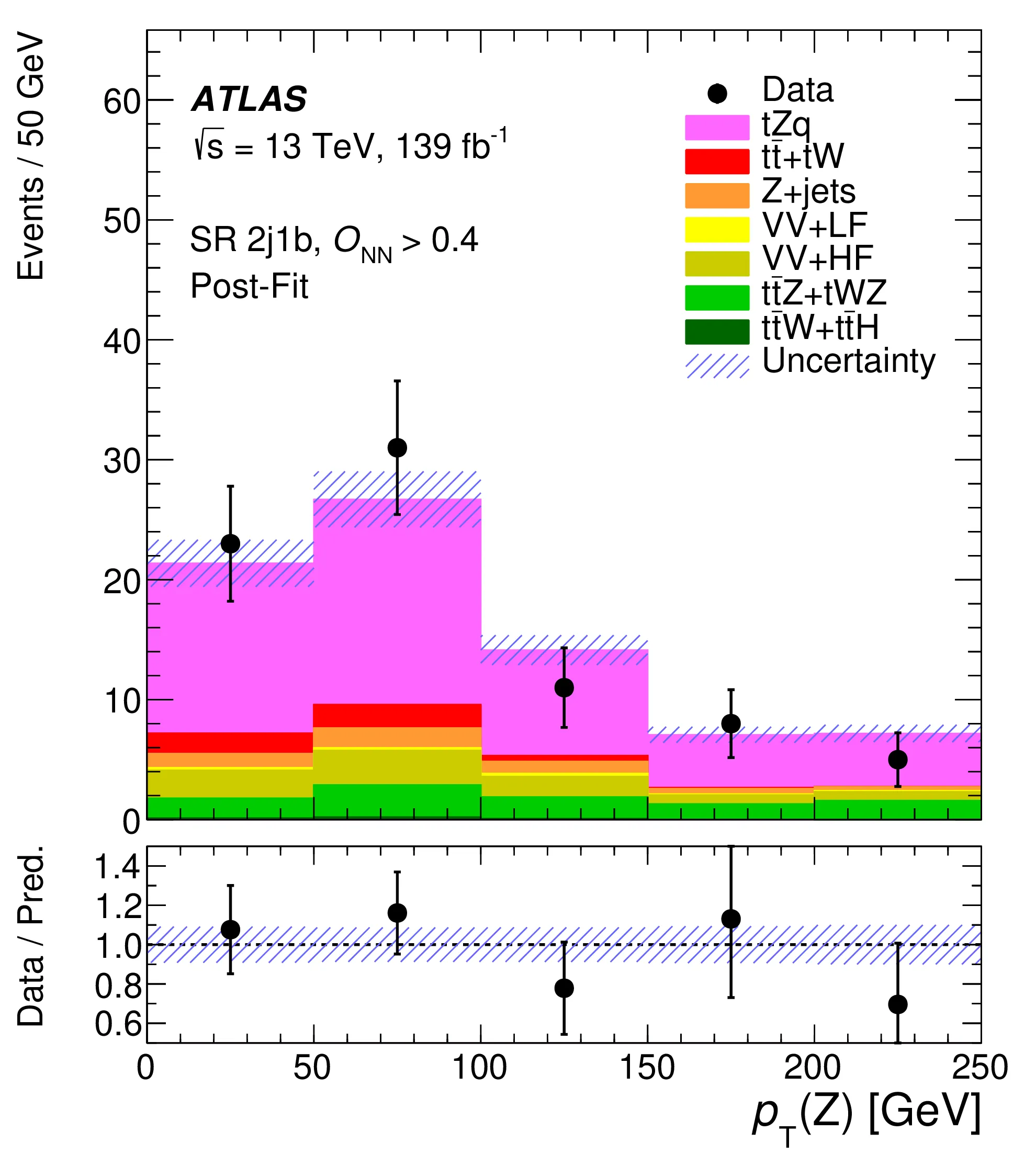
Artificial neural networks shed light on rare SM processes. In a new paper released last month, the ATLAS Collaboration reported the observation of a single top quark produced in association with a Z boson (tZq) using the full Run-2 dataset, thereby confirming earlier results by ATLAS and CMS using smaller datasets. As reported in an
-
Heterogeneous computing efforts for high-energy physics experiments
Heterogeneous computing efforts for high-energy physics experiments Substantial improvements to the current experiments at the LHC are underway, and new experiments are being proposed or discussed at future energy-frontier accelerators to answer fundamental questions in particle physics. At future hadron colliders, complex silicon vertex trackers (3D and 4D) and highly granular calorimeters must operate in
-
ATLAS and CMS joint bootcamp for analysis preservation
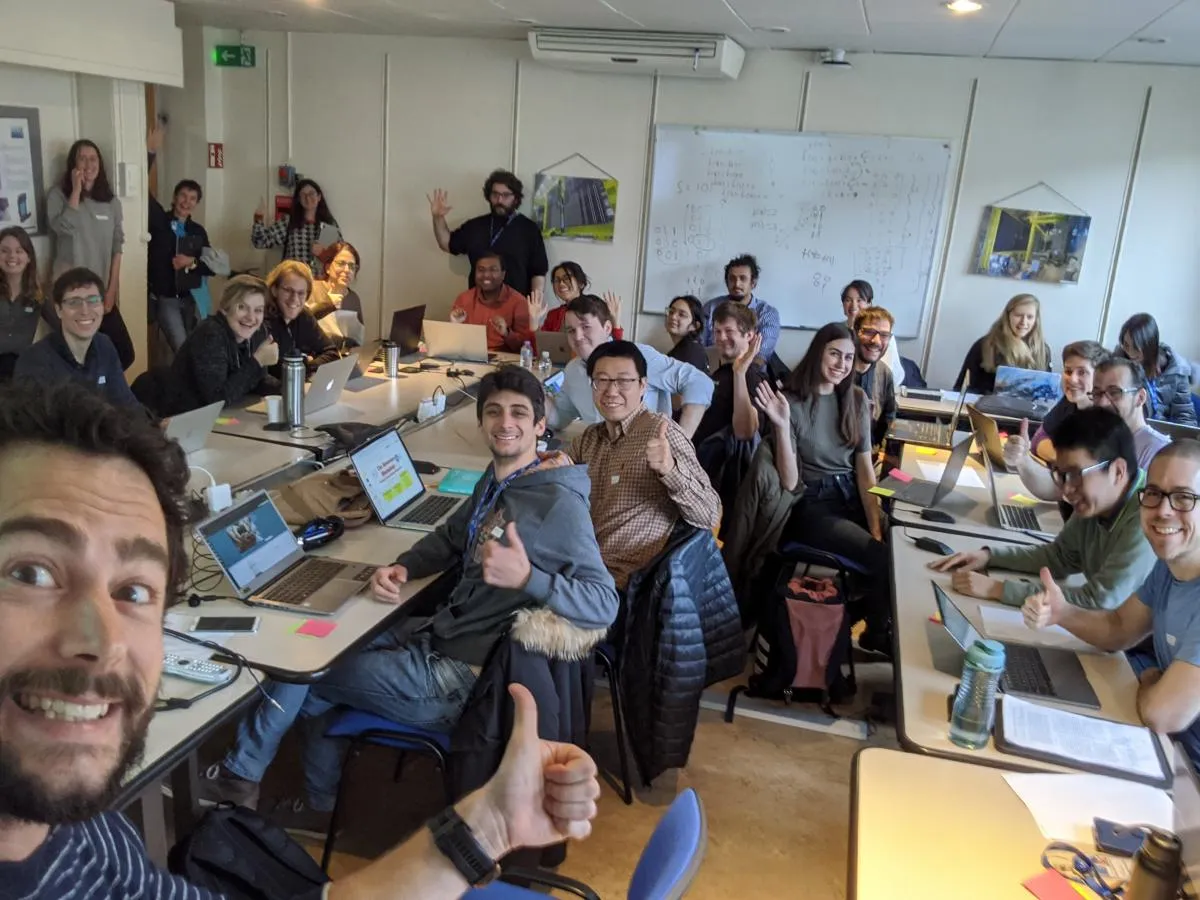
ATLAS and CMS joint bootcamp for analysis preservation Last month, 30 young graduate students and postdocs gathered at CERN to attend the first joint ATLAS+CMS analysis preservation bootcamp, organised by Sam Meehan, Clemens Lange, Lukas Heinrich (CERN), and Savannah Thais (Princeton). Over the course of three days, the workshop participants learnt through hands-on tutorials and