
Tag: DT
-
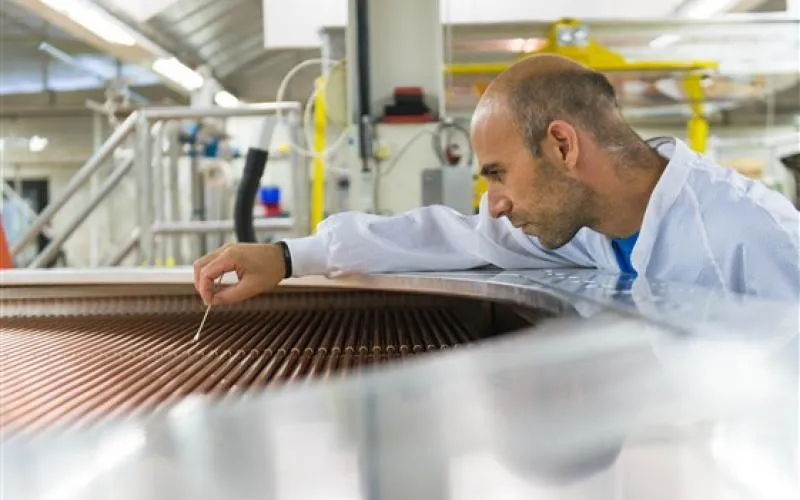
A Day of Innovation: EP R&D 2025 in Focus
A Day of Innovation: EP R&D 2025 in Focus May 7th 2025, 8:15 AM. Many colleagues from all EP groups are gathering in front of the main auditorium. Colourful posters are being exhibited in the lobby. People who don’t see each other often profit from the occasion to chat a bit. It is the 2025
-
Shaping Detector Innovation: Highlights from CERN’s EP-DT Group Annual Report
Shaping Detector Innovation: Highlights from CERN’s EP-DT Group Annual Report The Detector Technologies (EP-DT) group has played a vital role in 2024 in advancing experimental capabilities across CERN’s LHC and non-LHC programmes. As outlined in the group’s recently published annual report, their contributions span from detector construction and integration to critical R&D on enabling technologies,
-
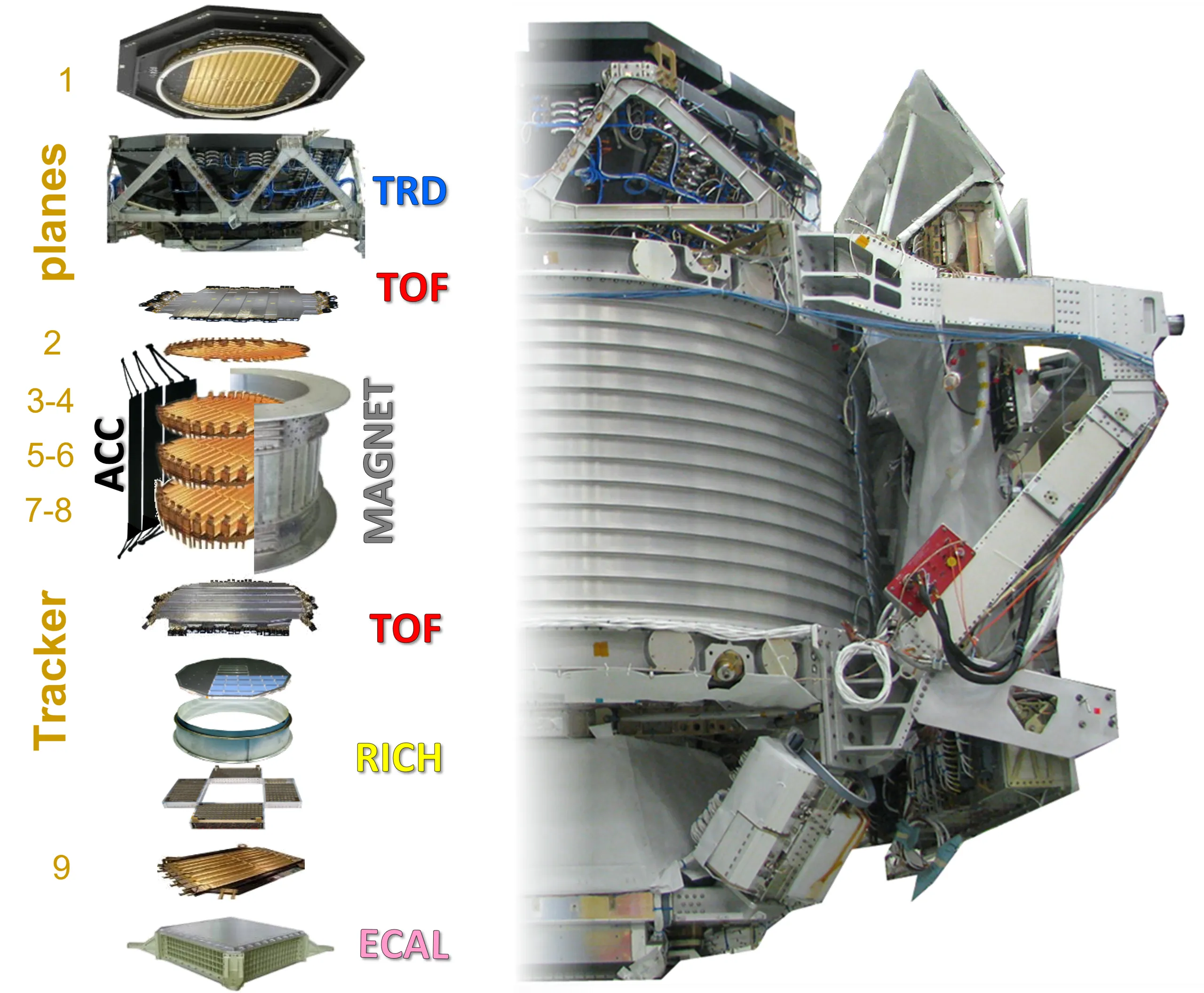
AMS-02: A New Chapter in Orbit to Probe the Nature of Cosmic Rays
AMS-02: A New Chapter in Orbit to Probe the Nature of Cosmic Rays Since its launch aboard the International Space Station (ISS) in May 2011, the Alpha Magnetic Spectrometer (AMS-02) has recorded more than 250 billion cosmic-ray events, offering precision measurements of the composition and energy spectra of protons, nuclei, electrons, and positrons across an
-
Pushing the Frontiers of Detector Innovation: EP R&D Programme
Pushing the Frontiers of Detector Innovation: EP R&D Programme The Experimental Physics (EP) R&D programme at CERN continues to serve as a cornerstone for technological innovation in particle physics, developing the next generation of detector systems that will empower future discoveries. Launched in 2020, the programme supports the long-term vision of high-energy physics, contributing to
-
Gaseous detector technologies for future experiments
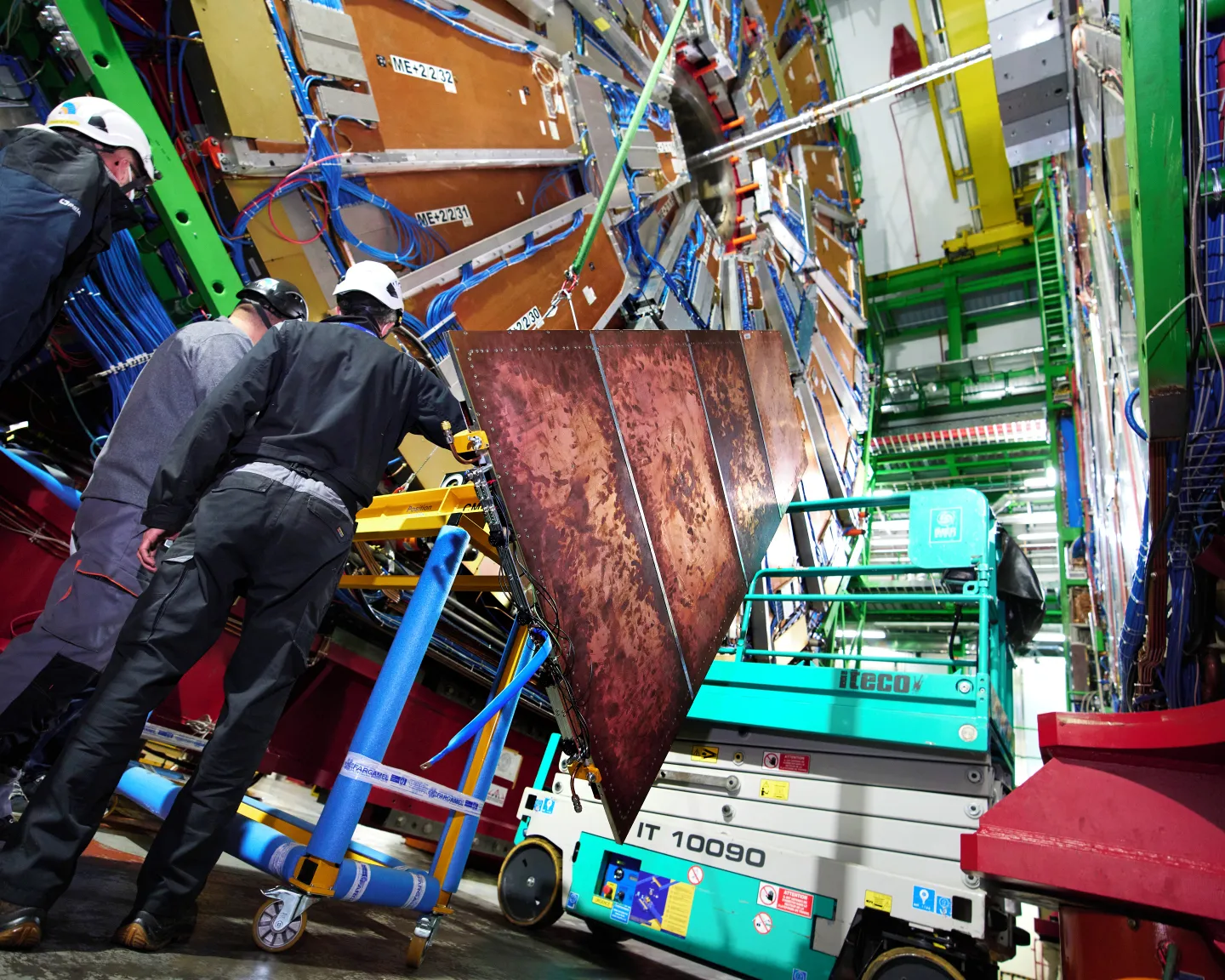
Gaseous detector technologies for future experiments Within the strategic EP R&D programme [1], WP2 covers developments of gaseous detector technologies for addressing the challenging needs of future experiments. The main research lines within WP2 cover the following activities: New structures and large-area gaseous detector systems New detection concepts and structures suitable for large-area gaseous detector
-
Advancing CERN’s Frontiers: The Role of Irradiation Facilities in Experimentation and R&D
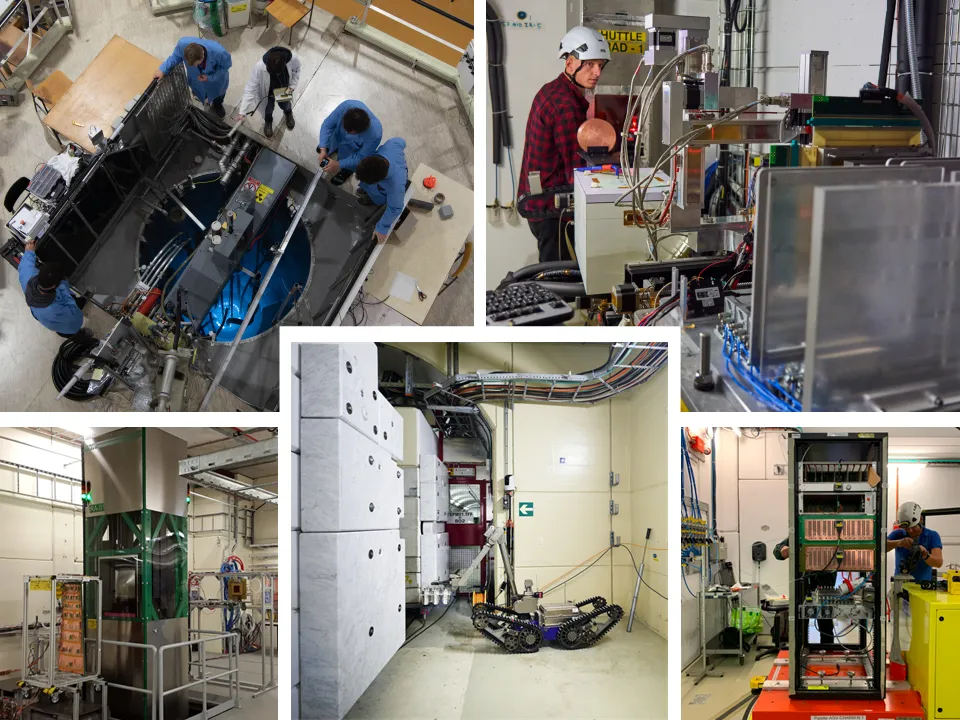
Advancing CERN’s Frontiers: The Role of Irradiation Facilities in Experimentation and R&D Irradiation is the process by which a material sample is exposed to radiation. This broad term encompasses various activities, from systematic qualification of components and materials following international standards to experimental research on particle detector and accelerator technologies aiming to develop devices and
-
Optical fibre link to assist in ultra-high precision spectroscopy of antihydrogen
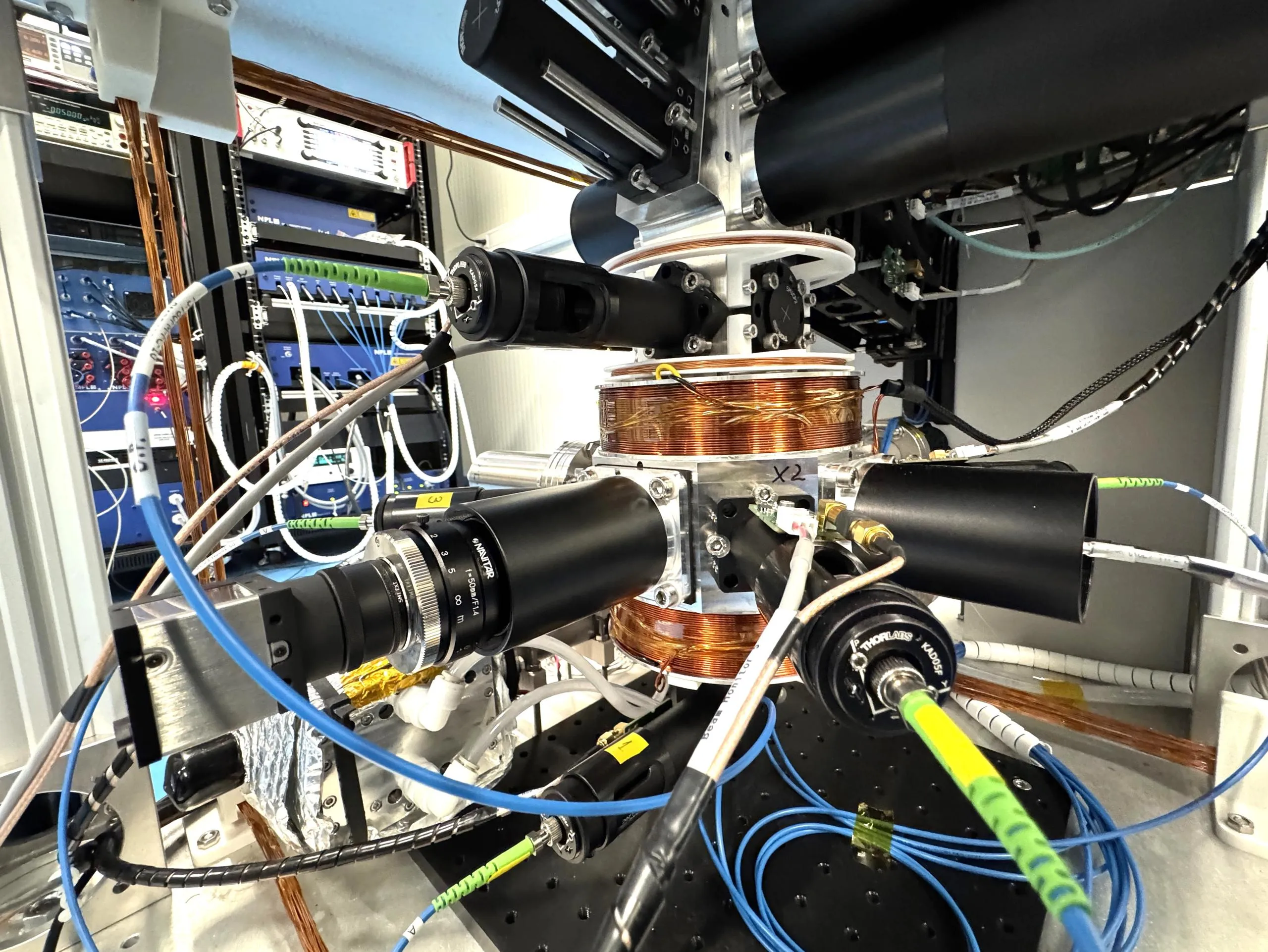
Optical fibre link to assist in ultra-high precision spectroscopy of antihydrogen Figure 1: Atoms in this part of the Cs fountain clock are trapped and laser cooled in preparation of their vertical launch. Experiments at CERN’s Antimatter Factory test fundamental principles such as CPT invariance by studying the properties and behaviour of antimatter and comparing
-
Theory and practice join at the DRD1 Gaseous Detectors School
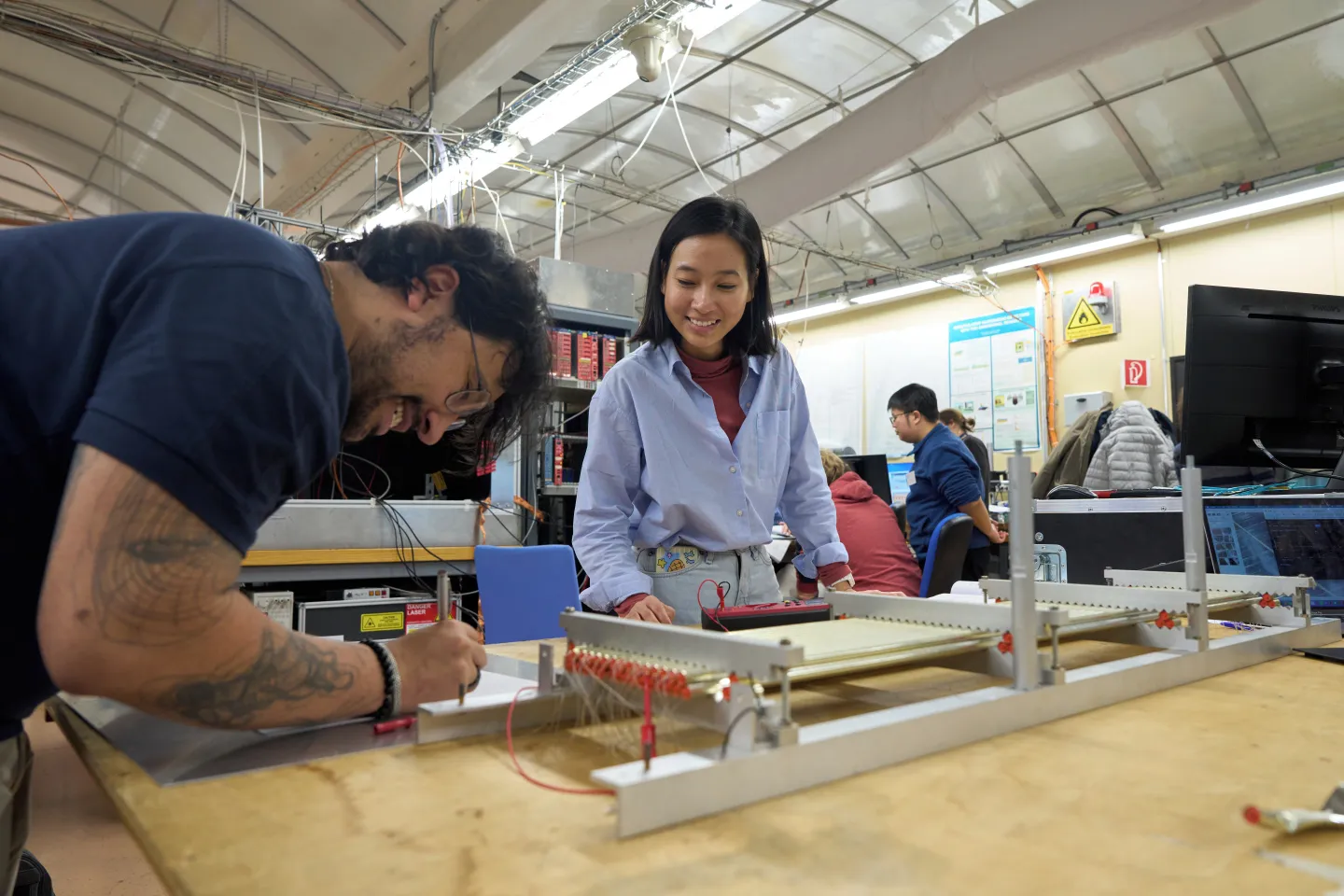
Theory and practice join at the DRD1 Gaseous Detectors School How do wire-based detectors compare to Resistive Plate Chambers? What are the performances of MicroPattern Gaseous Detectors? Which gas mixtures should be chosen for optimised operation? How will detectors face the challenges of future, more powerful accelerators? 32 students learned about these and many other
-
Third DAQ@LHC workshop
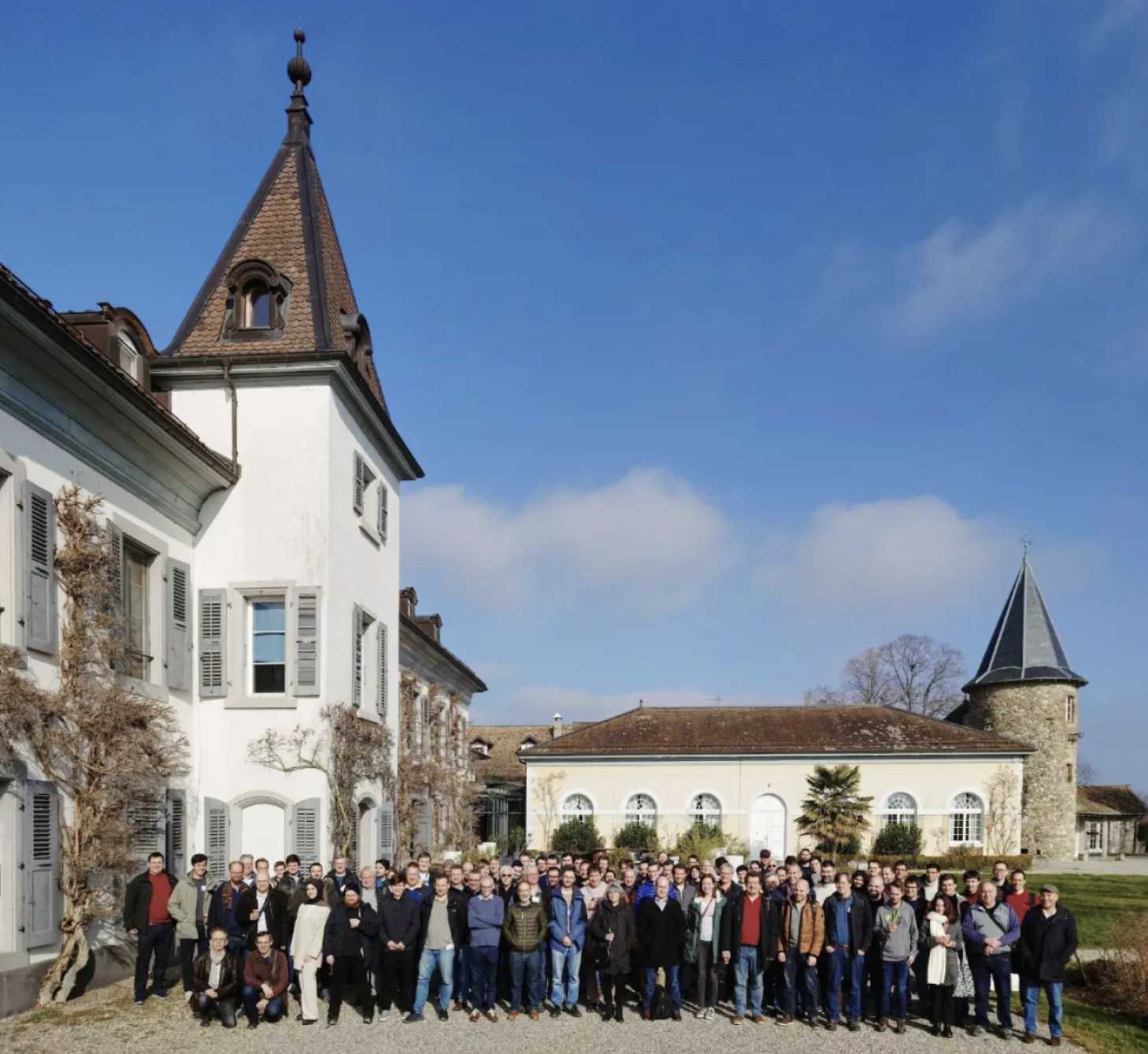
Third DAQ@LHC workshop After a (too) long hiatus the LHC DAQ teams found themselves together for three days in the beautiful and study-friendly atmosphere of Chateau de Bossey to discuss experiences in Run3, plans for the post-LS3 systems and technological developments relevant for DAQ in general. The 120 participants (see Group Photo above) came from
-
Development of Radiation Tolerant Silicon Detectors for the LHC and HL-LHC
Development of Radiation Tolerant Silicon Detectors for the LHC and HL-LHC Introduction The potential of semiconductor-based detectors for particle detection in nuclear and high-energy physics (HEP) has been identified as early as 1960. However, it took two more decades of development to transform these detectors into reliable, fully operational systems. Silicon-based tracking detectors made their