
Tag: ALPs
-
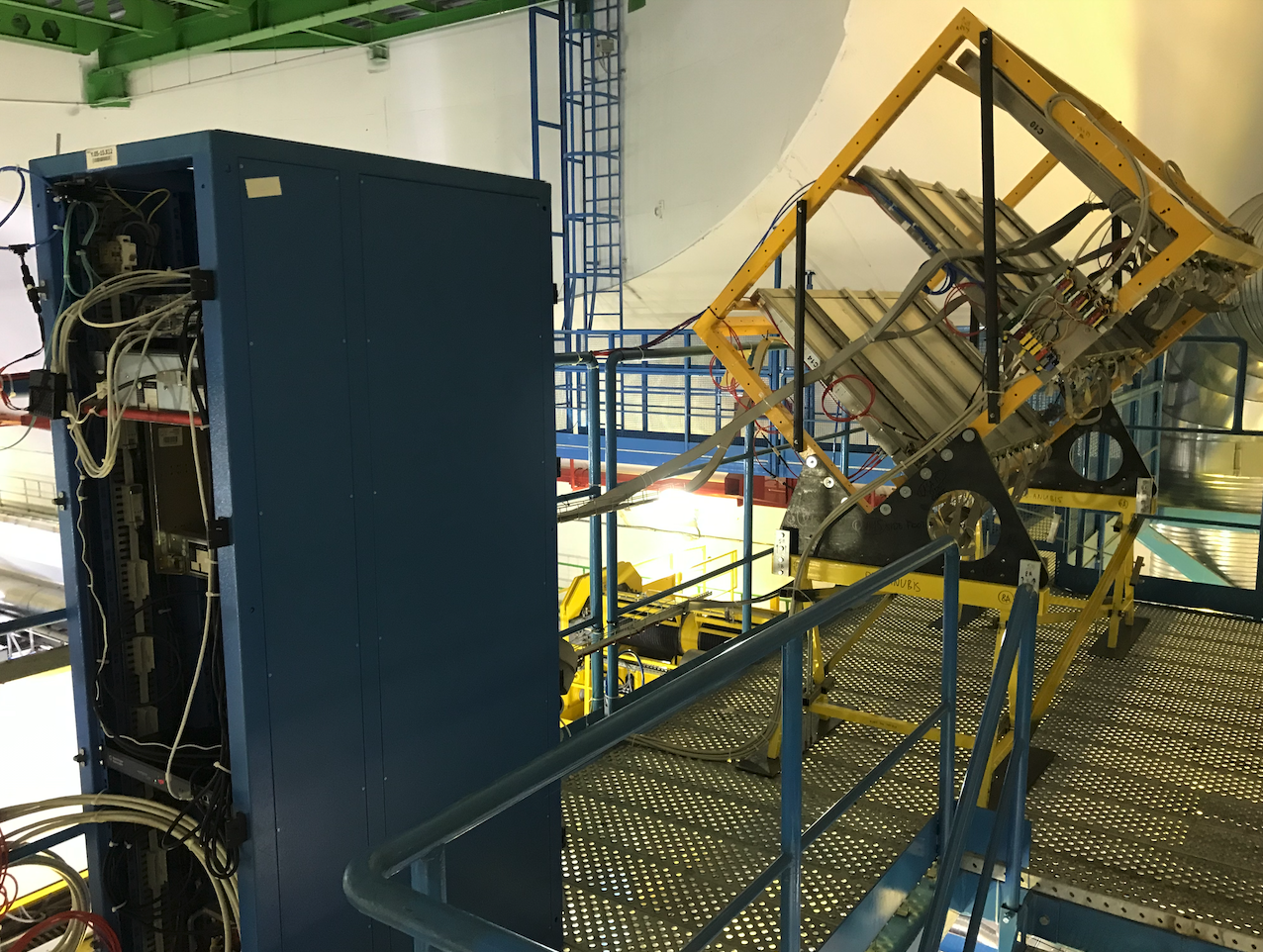
ANUBIS: from prototype to Letter of Intent
The proANUBIS demonstrator has completed data taking in the ATLAS cavern, showing that its detector technology delivers the efficiency and timing precision required to search for long-lived particles. These results strengthen the case for the full ANUBIS experiment, which would extend ATLAS’s reach into a largely unexplored region of new physics.
-
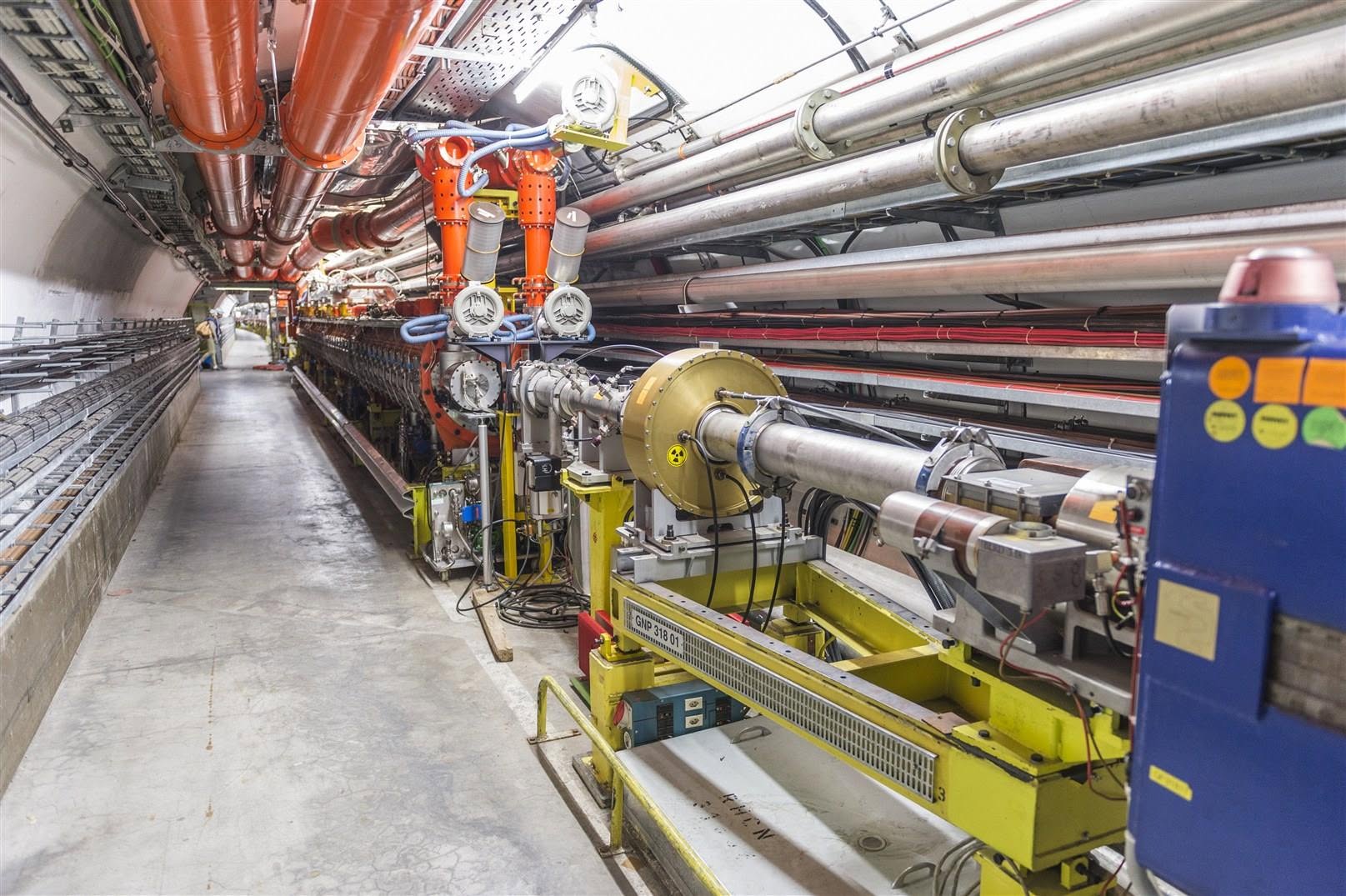
From beam dumps to missing energy: the SPS search for hidden particles
For more than four decades, CERN’s Super Proton Synchrotron has served as a testing ground for new ways to search for particles that interact only feebly with ordinary matter. In a recent lecture, NA64 co-spokesperson Paolo Crivelli traced the evolution of this programme – from the first beam-dump experiments to missing-energy and missing-momentum searches, precision…
-
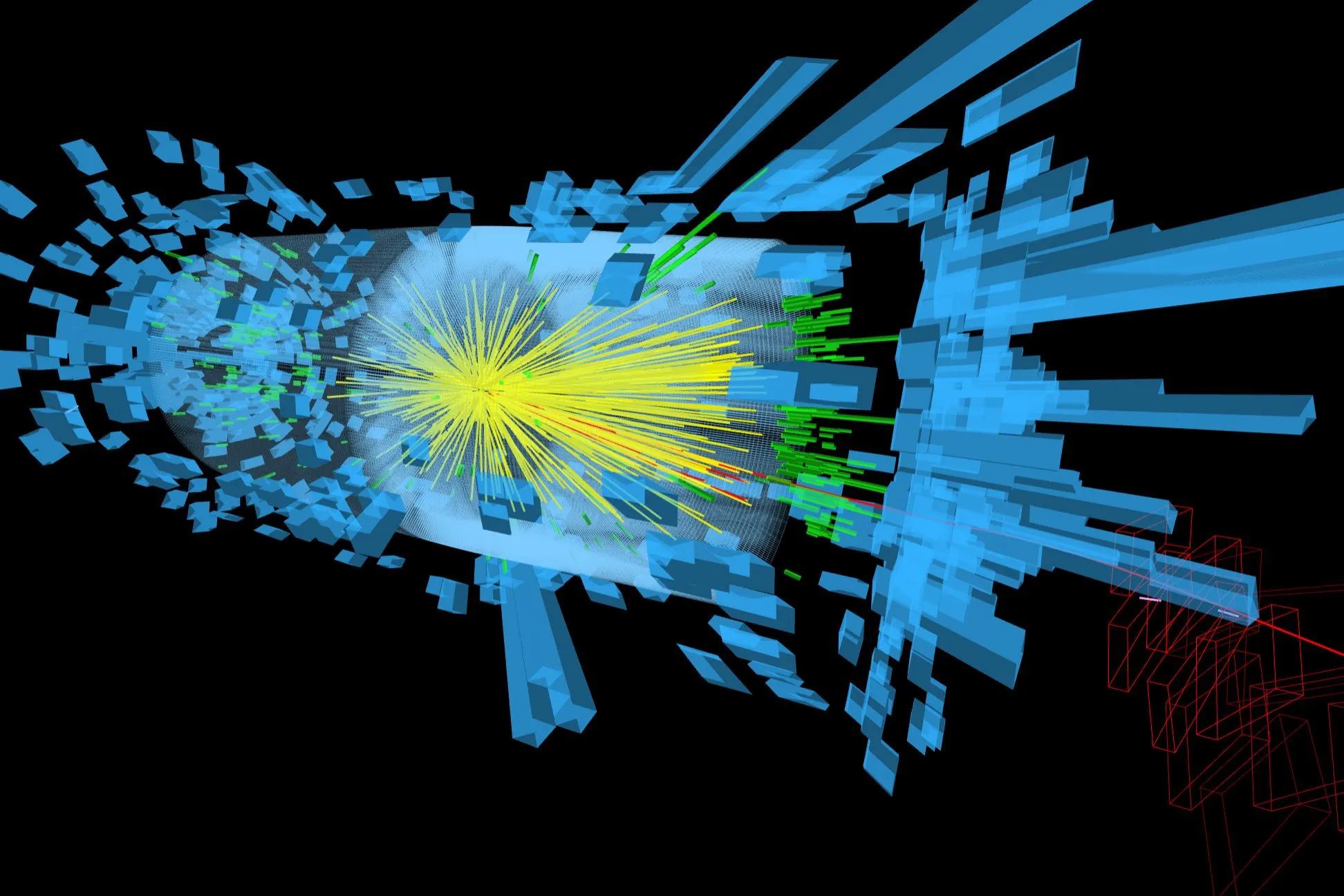
Non-resonant searches open new avenues in the hunt for axion-like particles
Non-resonant searches open new avenues in the hunt for axion-like particles Axion-like-particles (ALPs) are a vast family of hypothetical particles. They are among the most compelling candidates for physics beyond the Standard Model (SM), because their existence is associated to broken symmetries, which are ubiquitous in theories addressing any of the big open questions, from
-

Hunting for axion-like particles at neutrino detectors
Hunting for axion-like particles at neutrino detectors Although neutrinos were discovered more than 60 years ago, they are the most mysterious particles in the Standard Model (SM). While the present data collected at the neutrino experiments can explain several neutrino properties, there are still at least several unanswered fundamental questions in the neutrino sector that
-
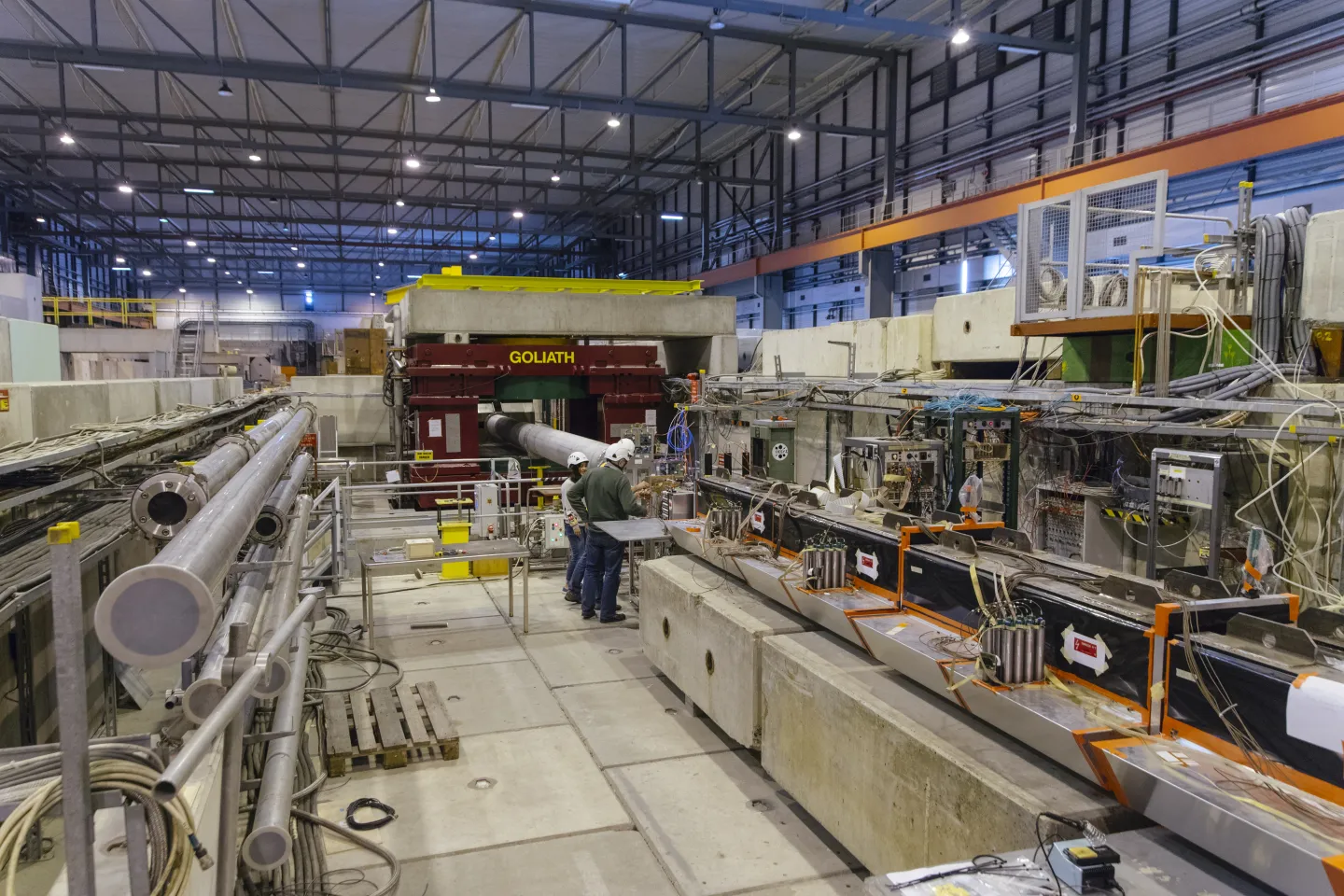
Closing the gap between beam dump and colliders ALPs searches with NA64
Closing the gap between beam dump and colliders ALPs searches with NA64 The axion was postulated to provide a solution to the “strong CP” problem. This pseudo-scalar particle emerges as a consequence of the breaking of the Peccei-Quinn (PQ) symmetry [1,2,3] (link to EP article on Axions). Typically, models of QCD axions predict a specific