
Tag: ATLAS
-
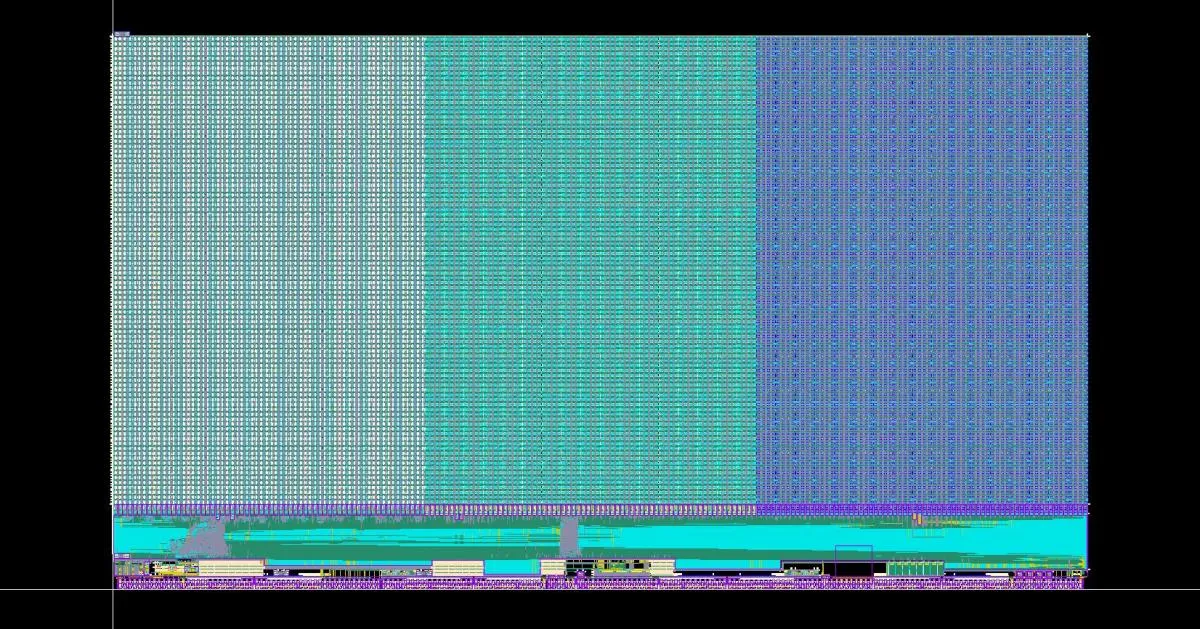
RD53: a large scale demonstrator pixel chip for the phase 2 upgrades of ATLAS and CMS
RD53: a large scale demonstrator pixel chip for the phase 2 upgrades of ATLAS and CMS The RD53 collaboration presented the RD53A large scale pixel chip demonstrator in 65nm CMOS technology as a vital milestone to make viable pixel detectors for the ATLAS and CMS phase 2 upgrades. The RD53 collaboration has during the last
-
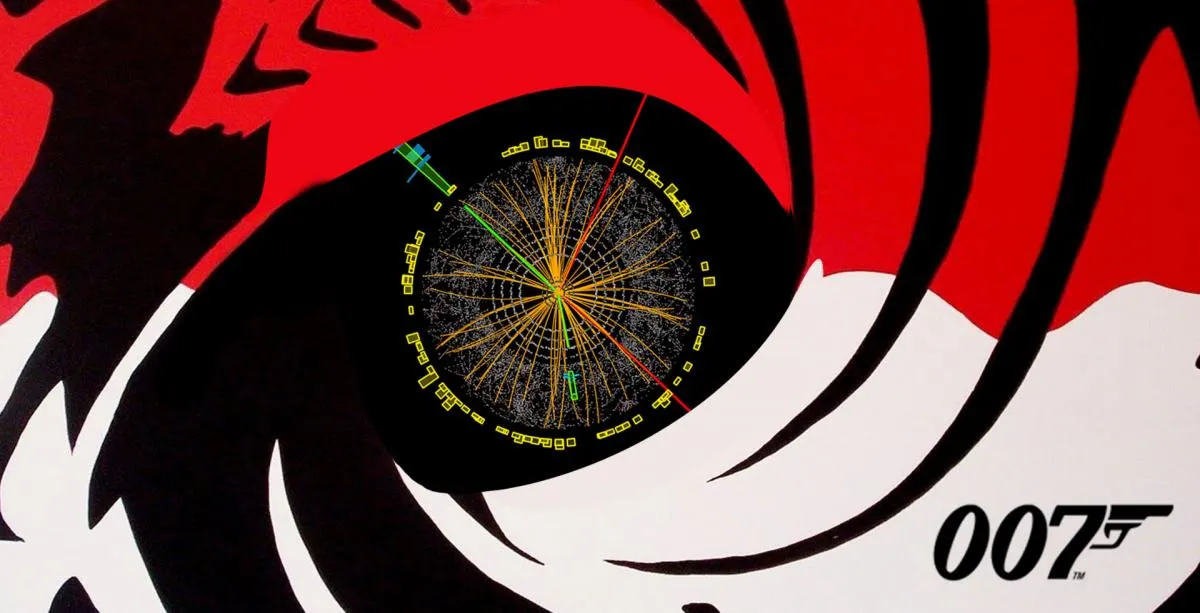
007 reasons for physics beyond the Standard Model
007 reasons for physics beyond the Standard Model The 5th of July marks the fifth anniversary since the discovery of a Higgs boson at the LHC. Summarizing notes for a recent set of lectures at the Asia-Europe-Pacific School of High-Energy Physics, John Ellis reviews events leading to the discovery of the Higgs boson and what
-
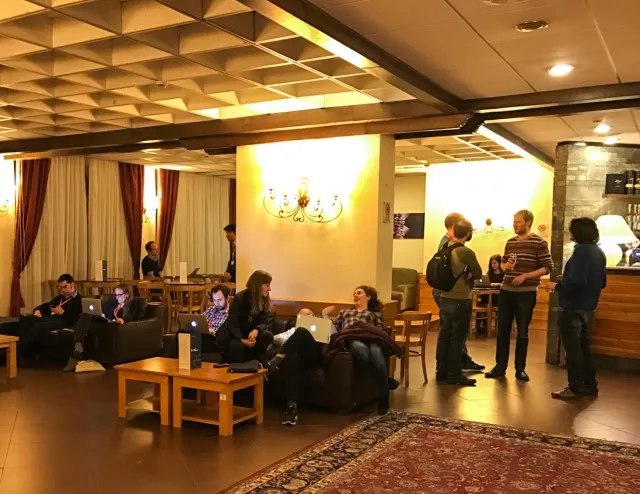
A Moriond Retrospective: New Results from the LHC Experiments
A Moriond Retrospective: New Results from the LHC Experiments Every March, particle physicists around the world take two weeks to promote results, share opinions and do a bit of skiing in-between. This is the Moriond tradition and the 52nd iteration of the conference took place this year in La Thuile, Italy. Each of the four
-
Wealth of new results in Quark Matter 2017
Wealth of new results in Quark Matter 2017 BROKEN IMAGE NOT MOVED (drupal url : https://ep-news.web.cern.ch//content/wealth-new-results-quark-matter-2017) Last month, the LHC experiment collaborations presented their latest results at the Quark Matter 2017 conference on how matter behaved in the very early moments of the universe. The programme includes a plethora of presentations on a variety of
-
ATLAS and CMS physicists awarded 2017 Panofsky Prize
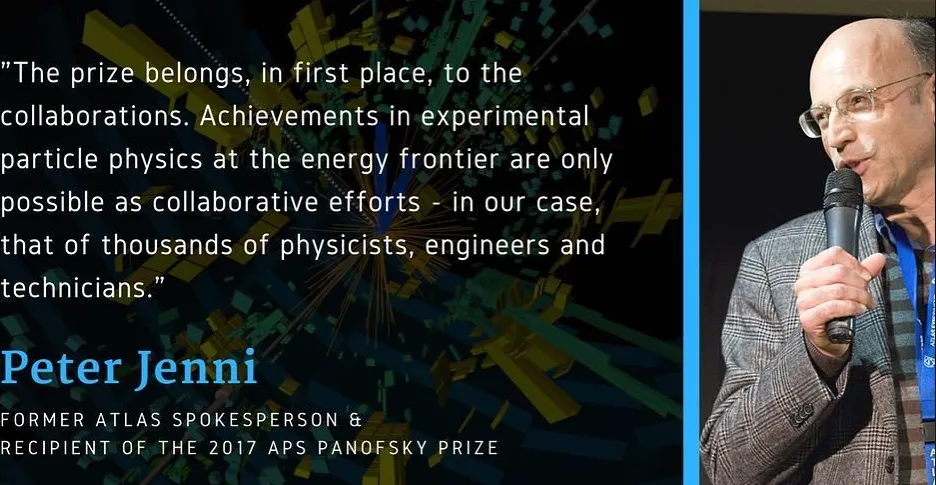
ATLAS and CMS physicists awarded 2017 Panofsky Prize BROKEN IMAGE NOT MOVED (drupal url : https://ep-news.web.cern.ch//content/atlas-and-cms-physicists-awarded-2017-panofsky-prize) On Tuesday, 11 October 2016, the American Physical Society (APS) announced the award of the 2017 W.K.H. Panofsky Prize in Experimental Particle Physics to Michel Della Negra (Imperial College London and, previously, CERN), Peter Jenni (Albert-Ludwigs-University Freiburg and, previously,
-
Searching for dark energy with particle colliders
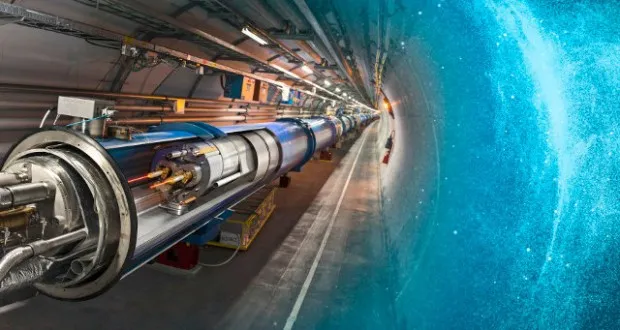
Searching for dark energy with particle colliders 2 GeV. For one type of coupling this is eleven orders of magnitude more stringent than constraints obtained from cosmological and solar system tests, and excludes previously popular models that require the coupling scale to lie close to the dark energy scale, Λ ~ 10 -3 eV. These
-
Where is Supersymmetry?
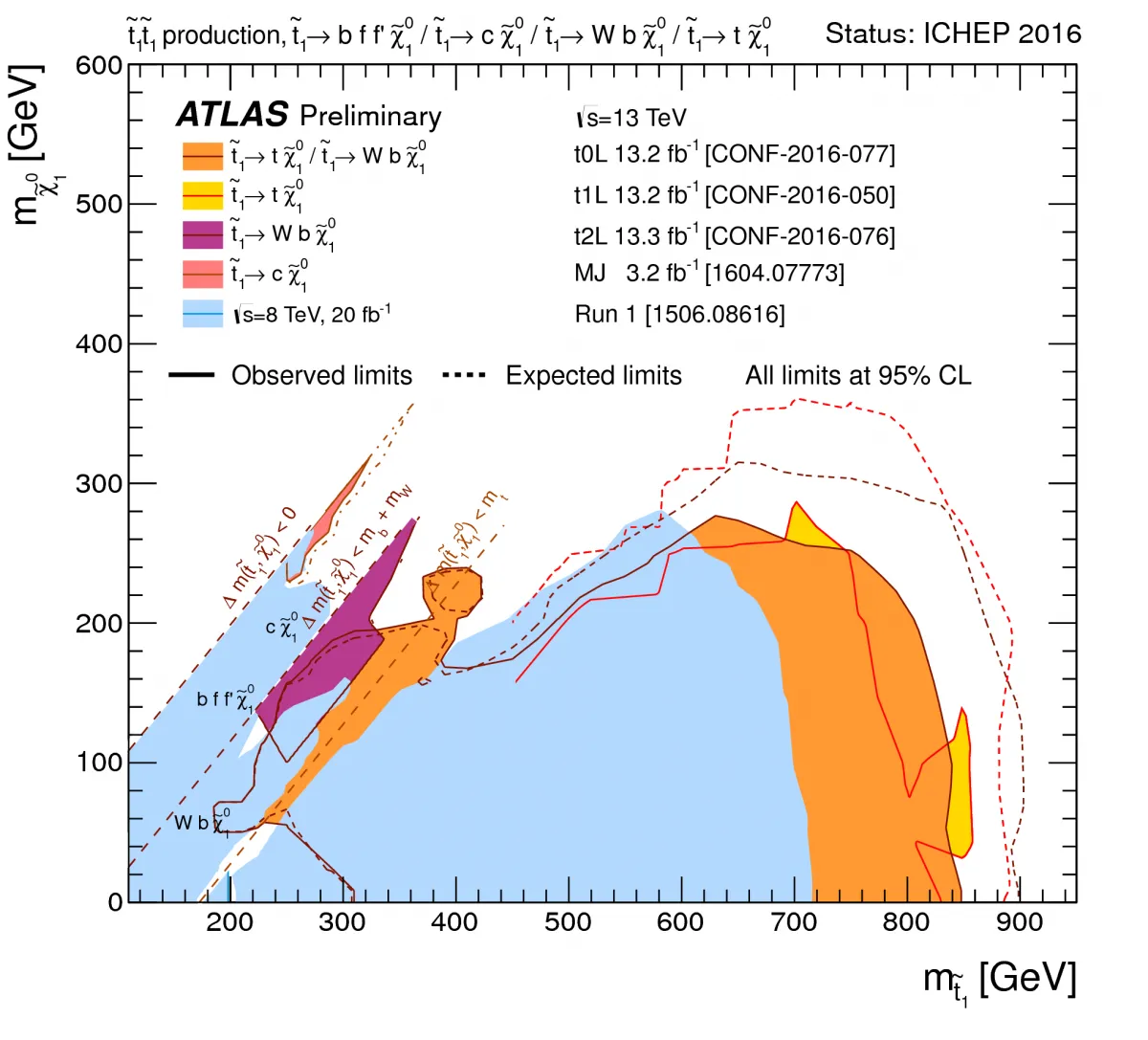
Where is Supersymmetry? The original ideas The original ideas for introducing supersymmetry dates back in the 1960s when, in the context of hadron physics that was found to be approximately spin-flavour independent, a symmetry between mesons and baryons was proposed. These ideas, largely ignored at the time, found their way through mathematical investigations related to
-

New measurement of the W boson mass by the ATLAS collaboration
New measurement of the W boson mass by the ATLAS collaboration The W electroweak gauge boson was discovered in 1983 at the CERN SPS collider. Although the properties of the W boson have been studied for more than 30 years, precise measurement of its mass remains a major challenge. BROKEN IMAGE NOT MOVED (drupal url
-
Become a Higgs Hunter
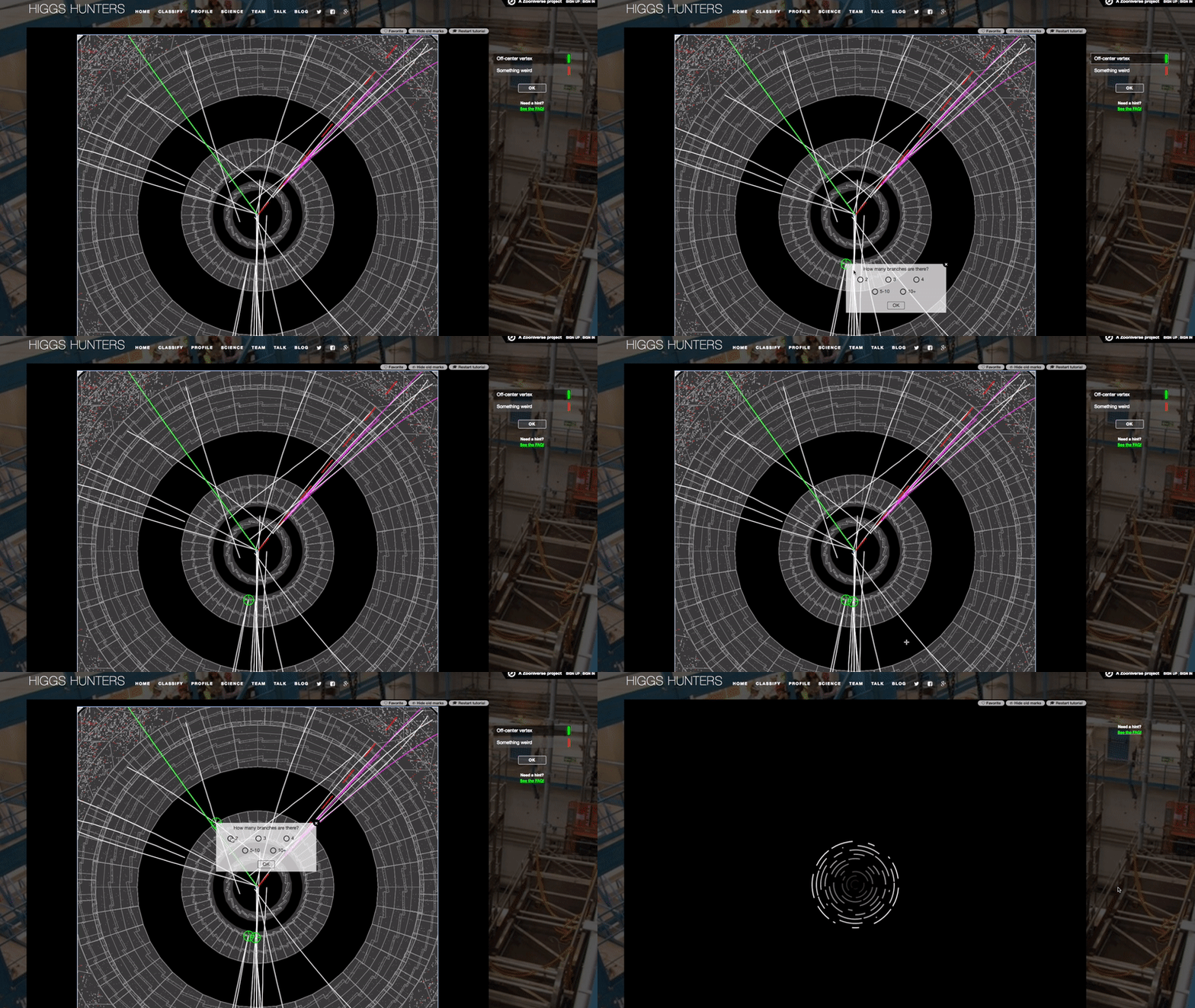
Become a Higgs Hunter HiggsHunters is the first mass-participation citizen science project for the Large Hadron Collider, allowing non-experts to get directly involved in physics analysis. Since its launch in 2014 on the Zooniverse platform, over 30,000 people from 179 countries have participated in the project. Their work has led to the project’s first publication
-
LHC experiments present latest results in ICHEP16
LHC experiments present latest results in ICHEP16 BROKEN IMAGE NOT MOVED (drupal url : https://ep-news.web.cern.ch//content/lhc-experiments-present-latest-results-ichep16) New results from the LHC experiments were presented during the 38th International Conference on High Energy Physics (ICHEP 2016) that took place in Chicago, USA. The collaborations of the LHC experiments can now dive in and explore at the new