
Tag: ATLAS
-
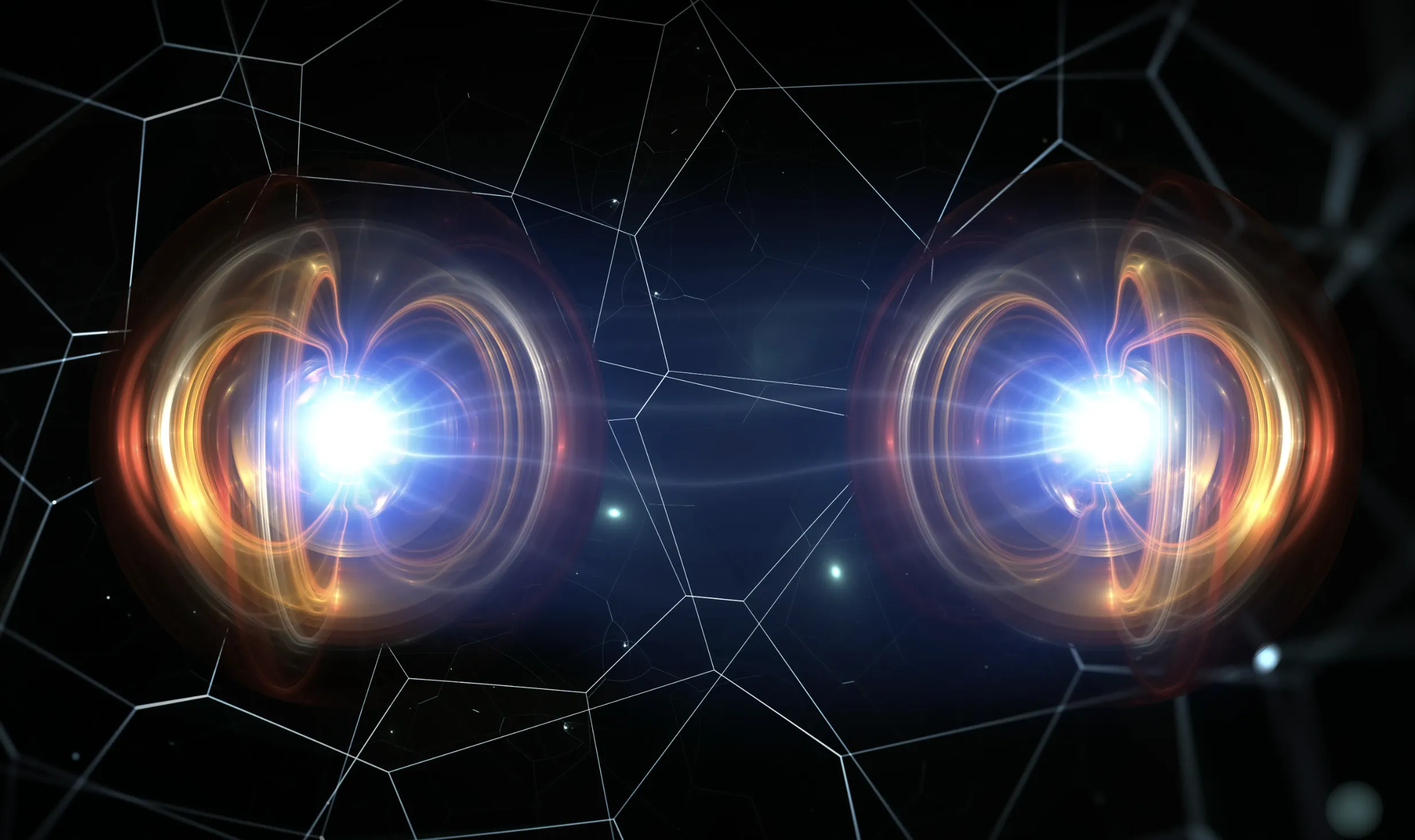
Groundbreaking Observation of Quantum Entanglement in Top Quarks at the LHC
Groundbreaking Observation of Quantum Entanglement in Top Quarks at the LHC Researchers using the ATLAS detector at CERN's Large Hadron Collider (LHC) have achieved a breakthrough: the first observation of quantum entanglement in top quark pairs. This discovery, analyzing proton-proton collisions at incredibly high energies, marks a significant step forward in understanding the quantum world
-
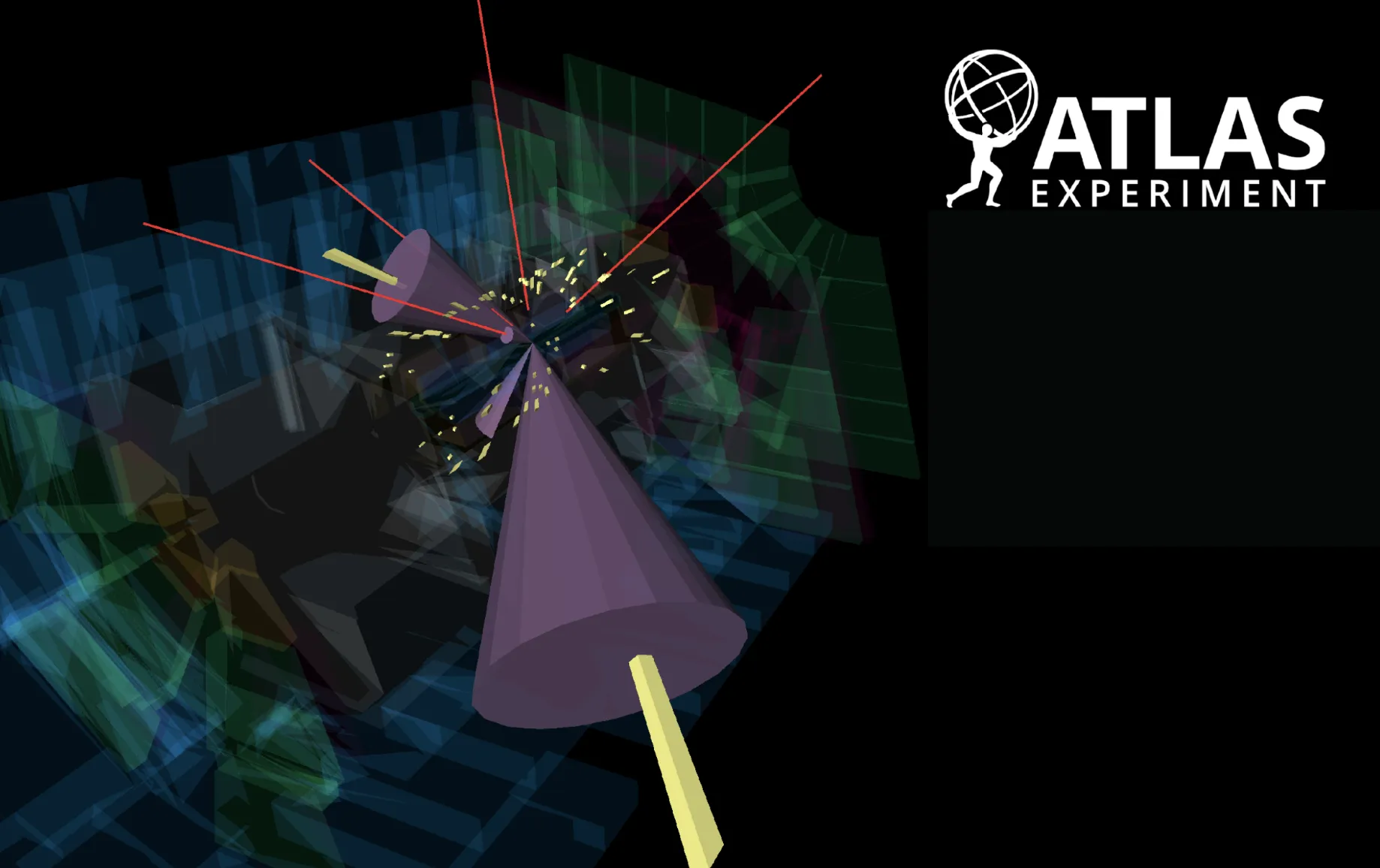
A high-dimensional jet-powered measurement of the strong force
A high-dimensional jet-powered measurement of the strong force Top image: An event display of a high-momentum Z boson event in the ATLAS detector associated with a number of “jets”, which are complex clusters of particles created via interactions mediated by the strong force. Precise measurements of fundamental particles at the Large Hadron Collider (LHC) are
-
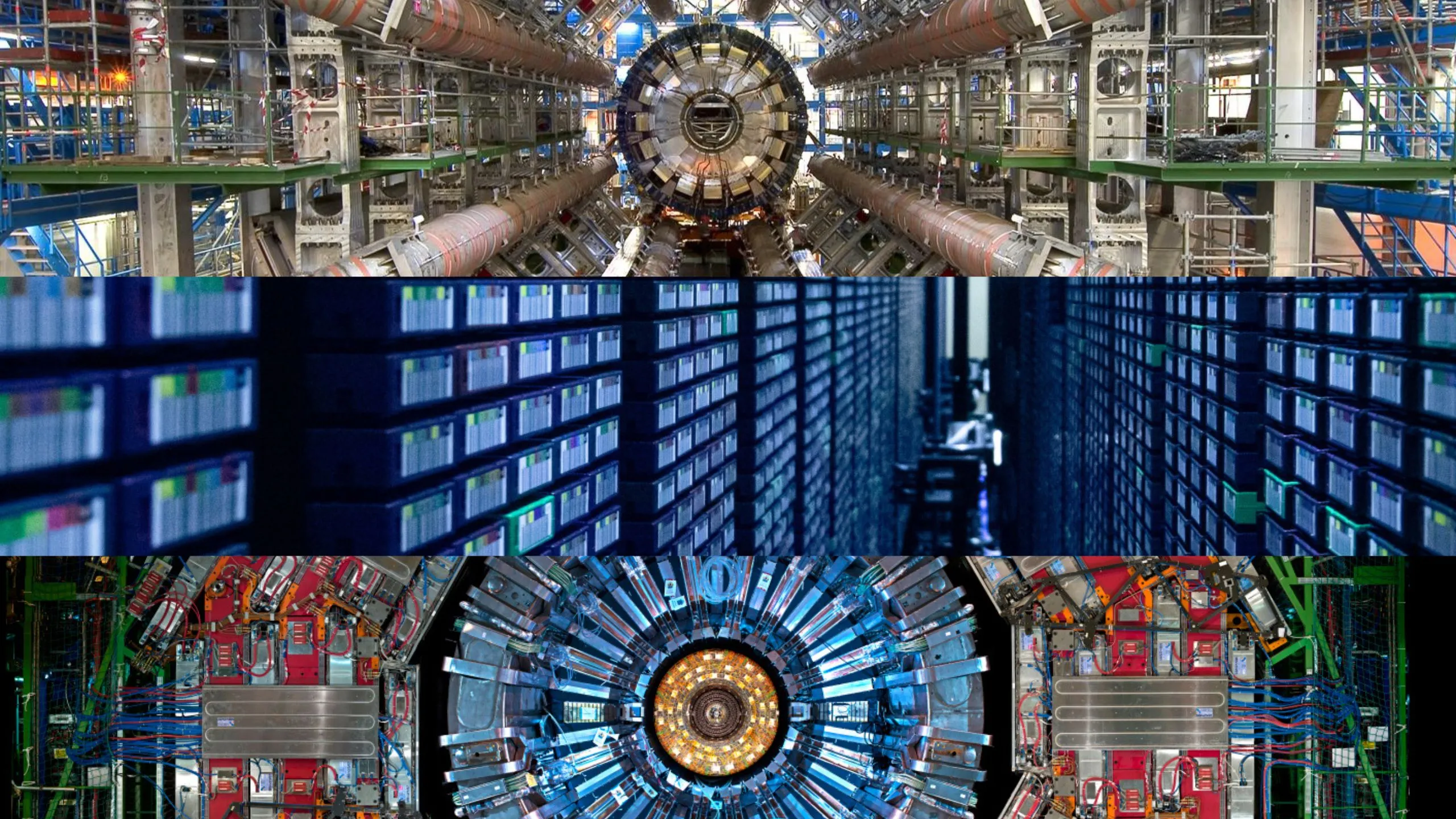
NextGen Triggers: Pioneering R&D for HL-HC Data Acquisition and Event Processing
NextGen Triggers: Pioneering R&D for HL-HC Data Acquisition and Event Processing The High-Luminosity LHC upgrade will provide an unprecedented challenge to the data acquisition and online event processing capabilities of ATLAS and CMS. Both experiments are currently undergoing major upgrades to prepare their detectors to cope with the expected threefold increase in event level pile-up
-

Edge SpAIce: Leveraging CERN’s AI for Real-Time Ocean Plastic Tracking from Space
Edge SpAIce: Leveraging CERN's AI for Real-Time Ocean Plastic Tracking from Space Earth Observation (EO) and particle physics research have more in common than you might think. In both environments, whether capturing fleeting particle collisions or detecting transient traces of ocean plastics, rapid and accurate data analysis is paramount. We are excited to present a
-
Extending ATLAS Physics Reach with Analysis Reuse Technology
Extending ATLAS Physics Reach with Analysis Reuse Technology In August 2023, the ATLAS Collaboration presented the most comprehensive results to date of searches for electroweak production of supersymmetric particles interpreted within the Phenomenological Minimal Supersymmetric Standard Model (pMSSM) theoretical framework. This result was a tour de force from ATLAS’s supersymmetry physics group, pulling together results
-
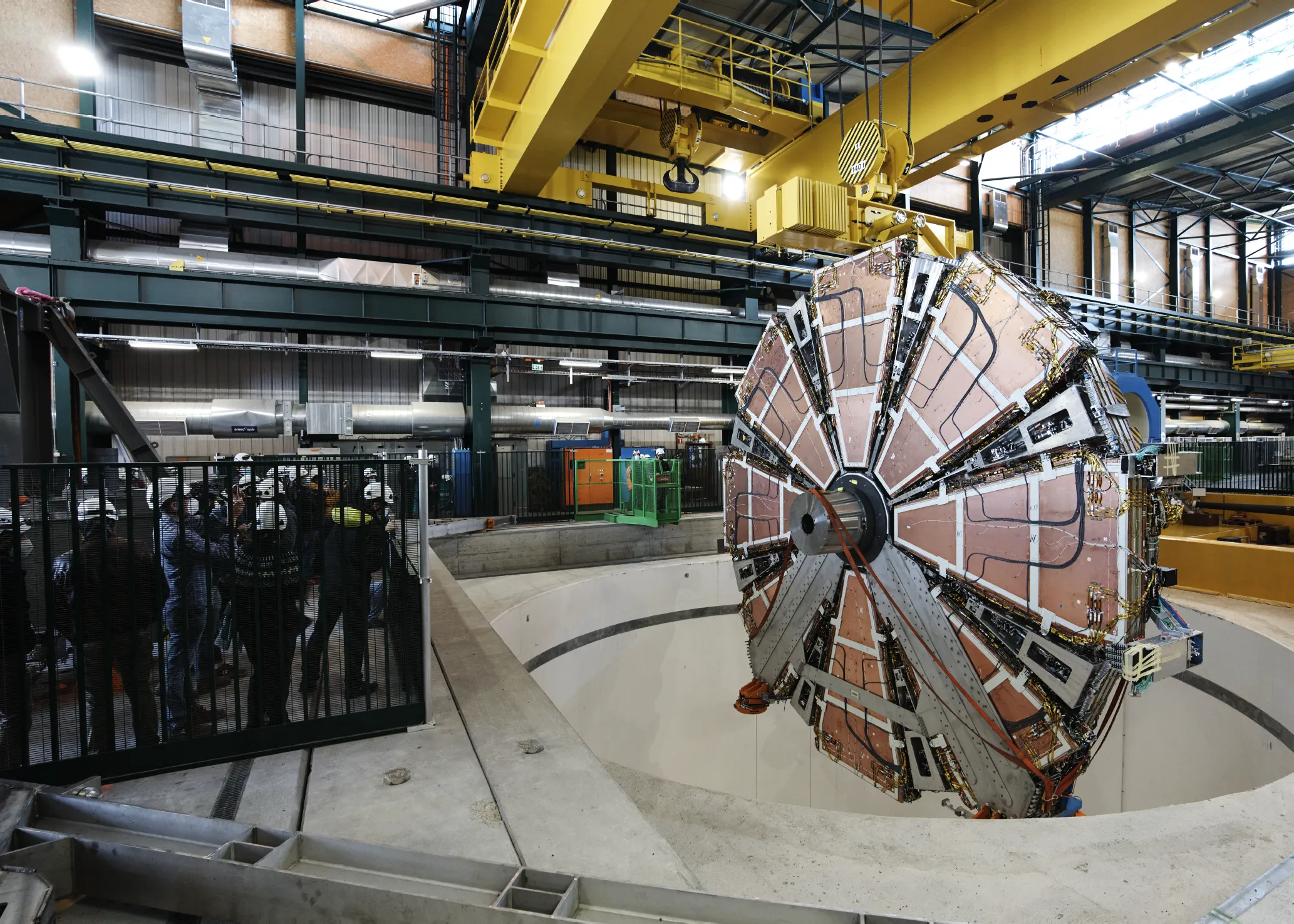
The ATLAS New Small Wheel – Triggering on muons and rejecting fakes
The ATLAS New Small Wheel – Triggering on muons and rejecting fakes The New Small Wheel (NSW) [1] has been the largest Phase-1 upgrade project of ATLAS. The two innermost stations of the Endcap Muon spectrometer have been replaced with two newly built detector systems based on small-strip Thin Gap Chambers (sTGC) and Micromegas (MM).
-

First analysis of Run 3 data with a new slim data format
First analysis of Run 3 data with a new slim data format The ATLAS Collaboration has just released a new measurement of the production cross-section of two Z bosons. This result examines data collected during Run 3 of the LHC – with protons colliding at a record energy of 13.6 TeV – and pioneers the
-
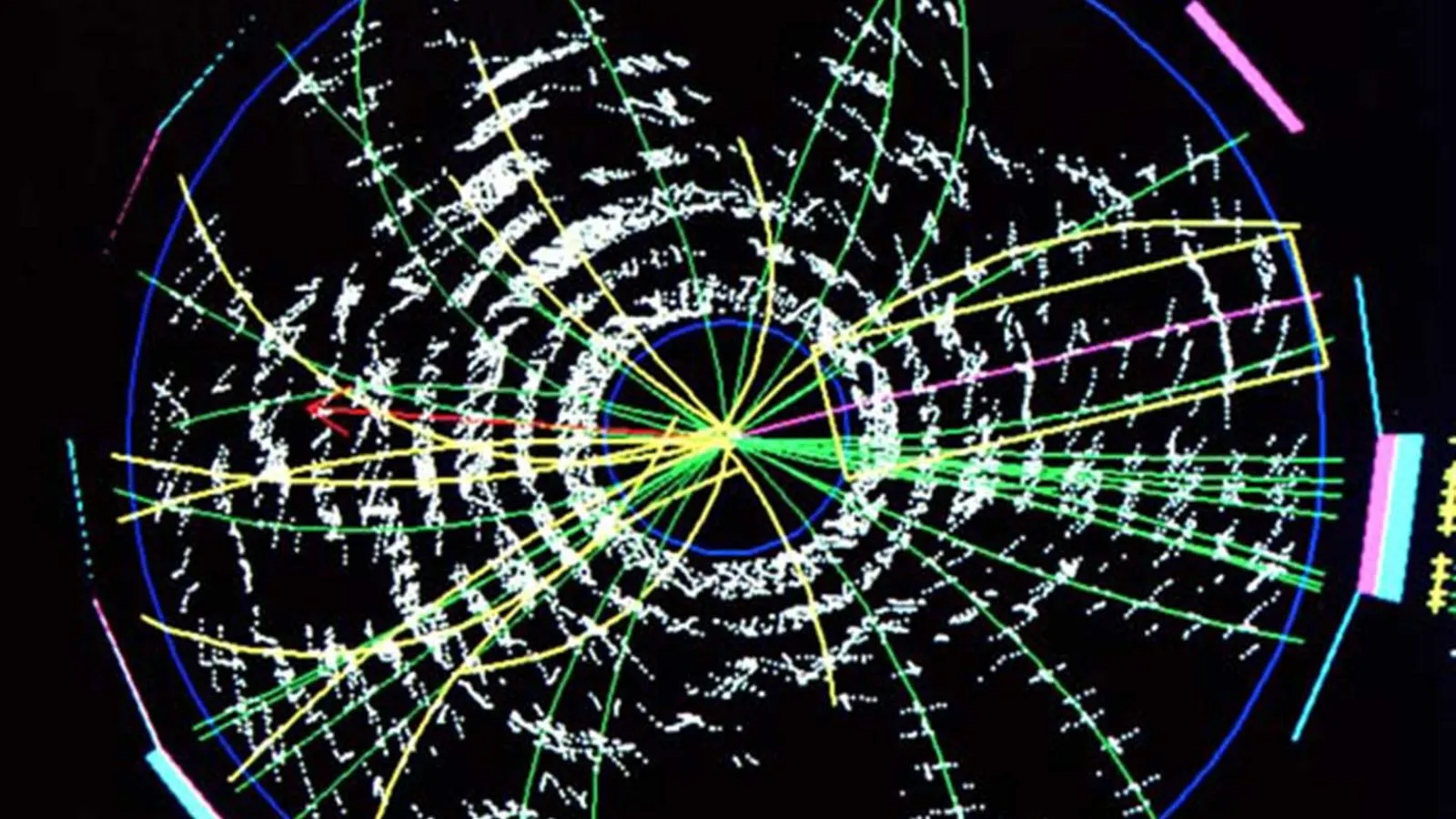
ATLAS and CMS unite to weigh in on the top quark
ATLAS and CMS unite to weigh in on the top quark The ATLAS and CMS Experiments at CERN have just released a new measurement of the mass of the top quark. The new result combines 15 previous measurements to give the most precise determination of the top-quark mass to date. Among the known fundamental particles
-
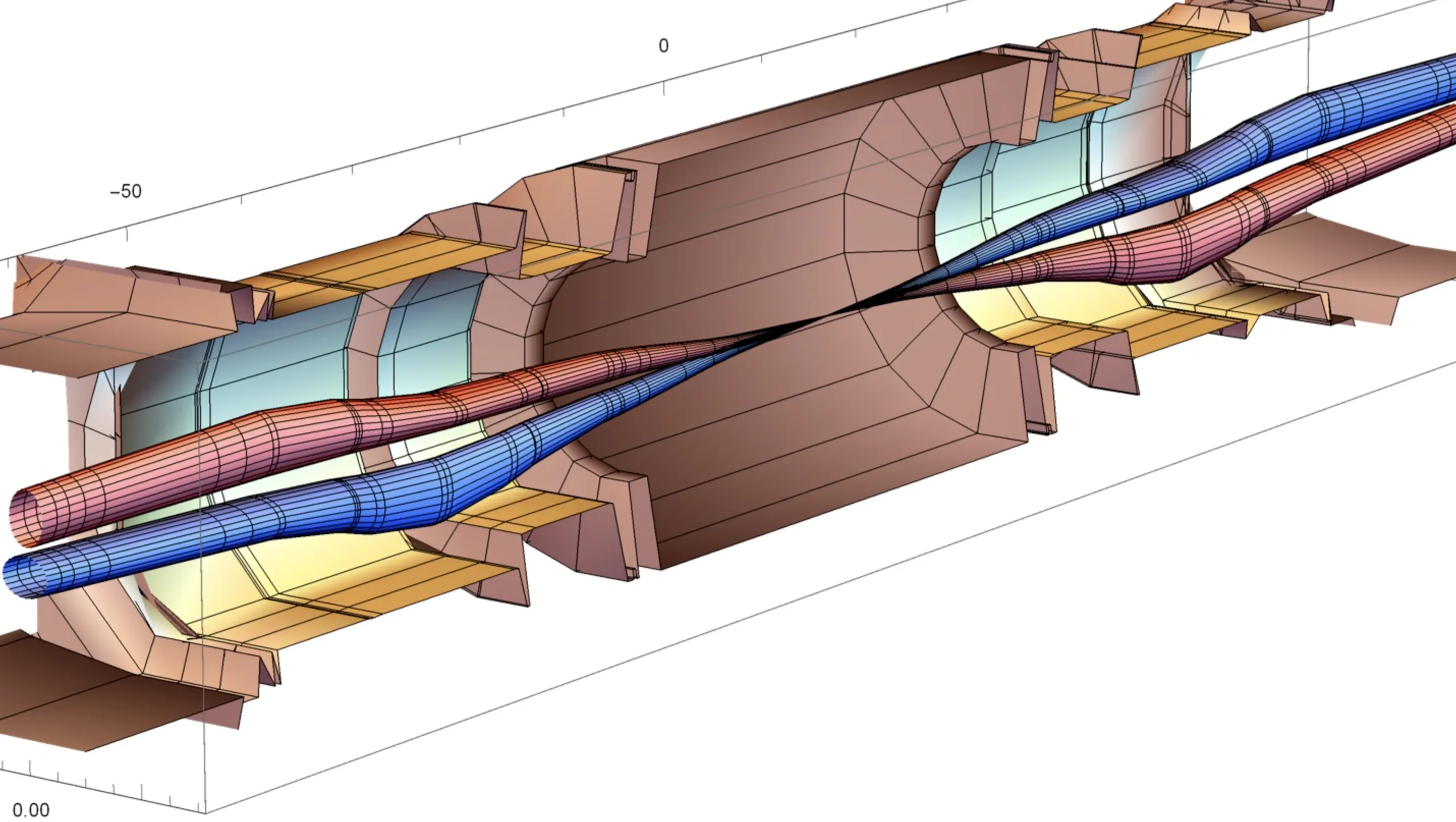
Ending the 2023 LHC run with heavy-ion collisions
Ending the 2023 LHC run with heavy-ion collisions The LHC schedule for 2023 has been revised following the emergence of a leak in mid-July. The decision was to stop the regular proton running this year and focus on the heavy ion physics that was already scheduled for the year-end. This was complemented by relatively brief
-
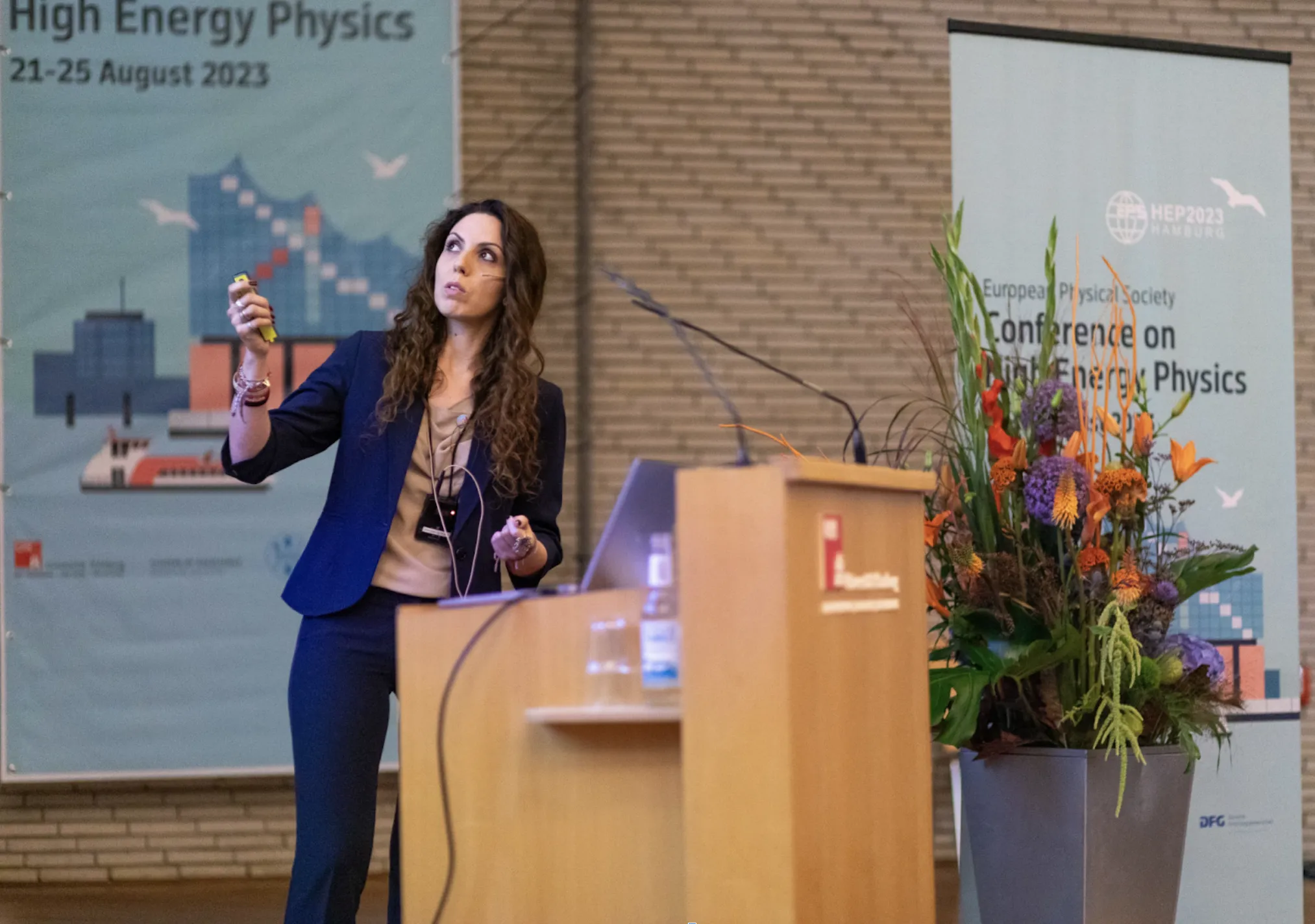
In discussion with Valentina Cairo
In discussion with Valentina Cairo Earlier this summer, the 2023 Young Experimental Physicist Prize of the High Energy and Particle Physics Division of the European Physical Society – for early career experimental physicists – was awarded to CERN staff physicist Valentina Cairo for her outstanding contributions to the ATLAS experiment: from the construction of the