
Tag: CMS
-
New paradigms for the CMS Phase-2 Upgrades
New paradigms for the CMS Phase-2 Upgrades The CMS Phase-2 Upgrade projects will replace or improve detector systems to provide the necessary physics performance under the challenging conditions of high luminosity at the HL-LHC. Installation of the upgraded detector systems starts in LS2 and is planned to be completed in LS3, presently scheduled for 2024
-
Searching for leptoquarks at the LHC
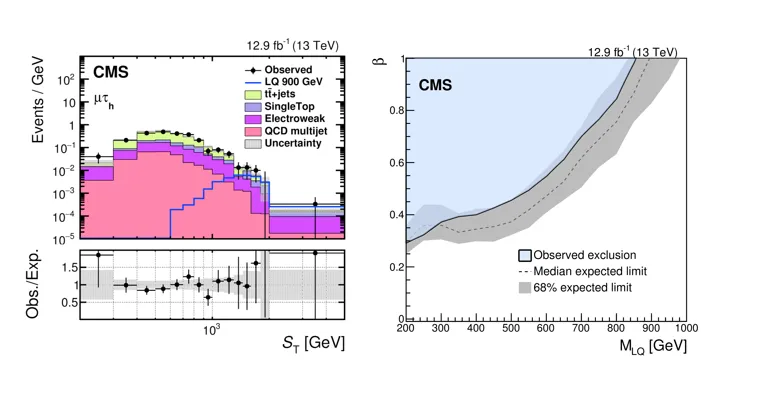
Searching for leptoquarks at the LHC Last month, Admir Greljo (University of Mainz) and Abdollah Mohammad (Kansas State University, US) during the Collider Cross Talk, gave a comprehensive overview of the theoretical and experimental aspects in leptoquarks searches. Leptoquarks are hypothetical particles that can turn quarks into leptons and vice versa and they can be
-
Electroweak boson pairs offer new approach to searches for New Physics
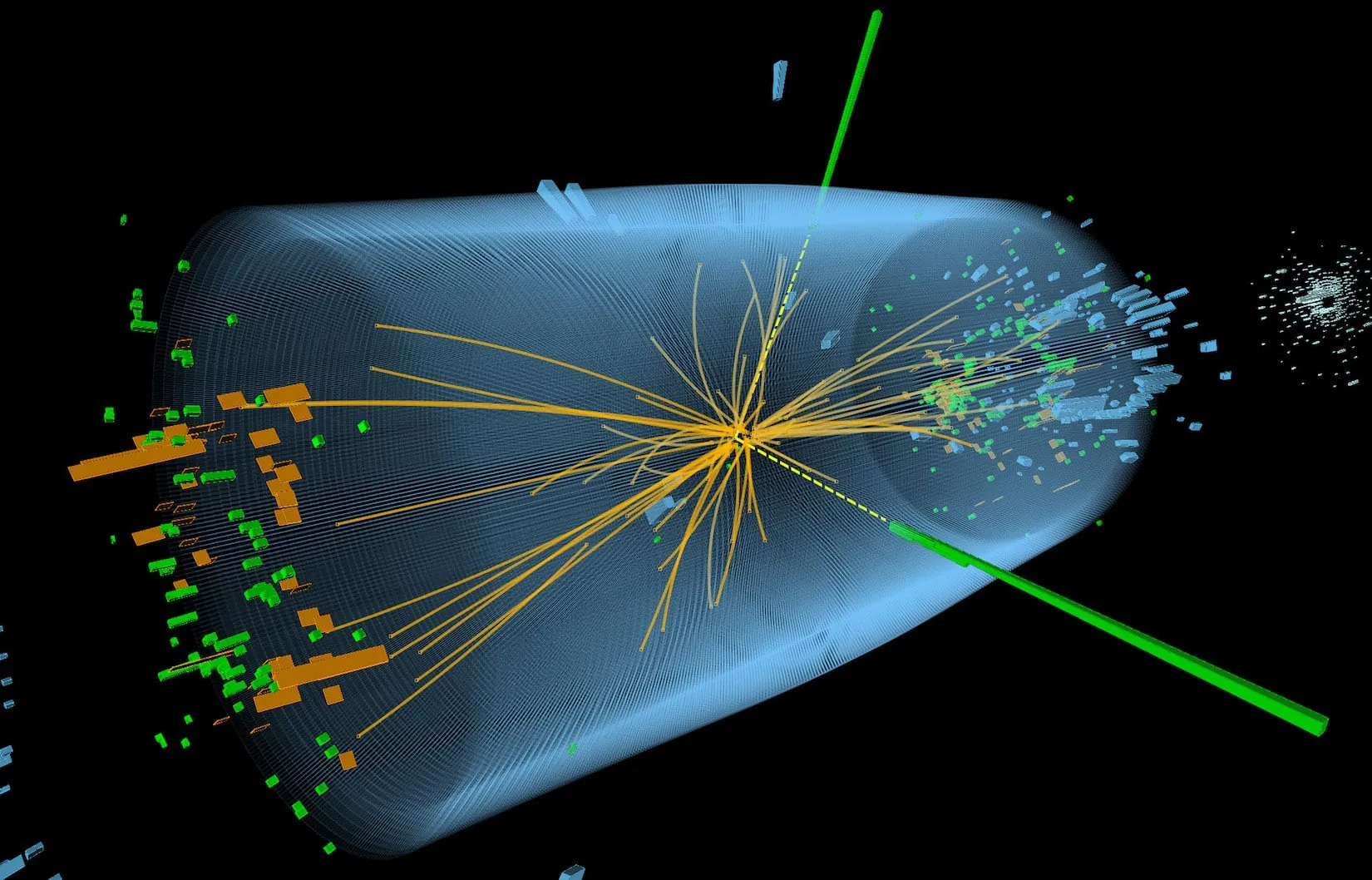
Electroweak boson pairs offer new approach to searches for New Physics During the past decades, the Standard Model (SM) of particle physics that explains how the basic building blocks of matter interact is scrutinised by high energy physics experiments. Along with the remarkable success of the SM, there are compelling reasons to consider that at
-
New LHC results presented at EPS-HEP 2017
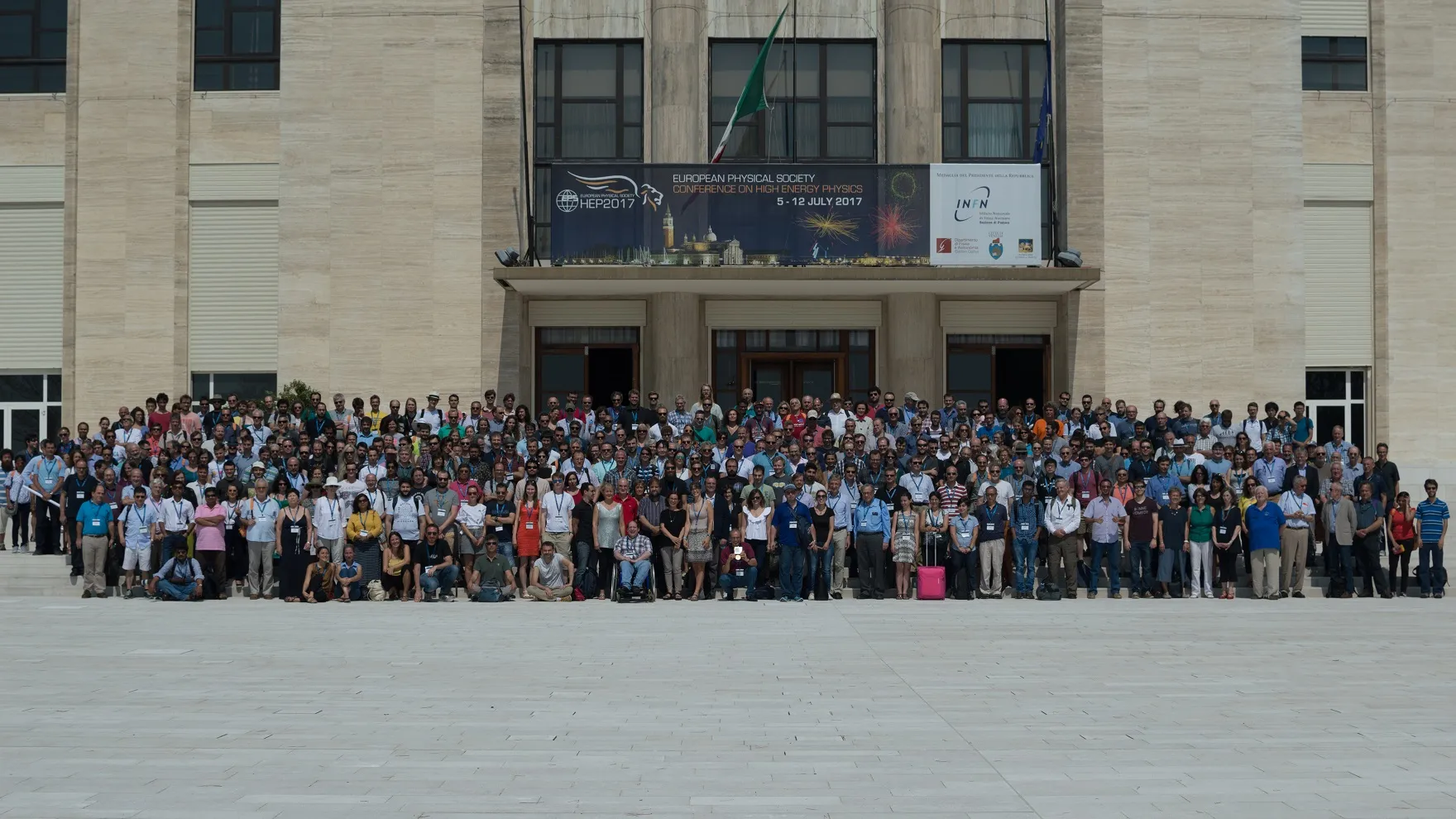
New LHC results presented at EPS-HEP 2017 Over 700 physicists coming from 50 countries met in Venice to discuss the newest results in their field at EPS 2017, one of the world’s most important conferences on particle physics. The conference was co-organized by the European Physical Society, the Istituto Nazionale di Fisica Nucleare (INFN) and
-
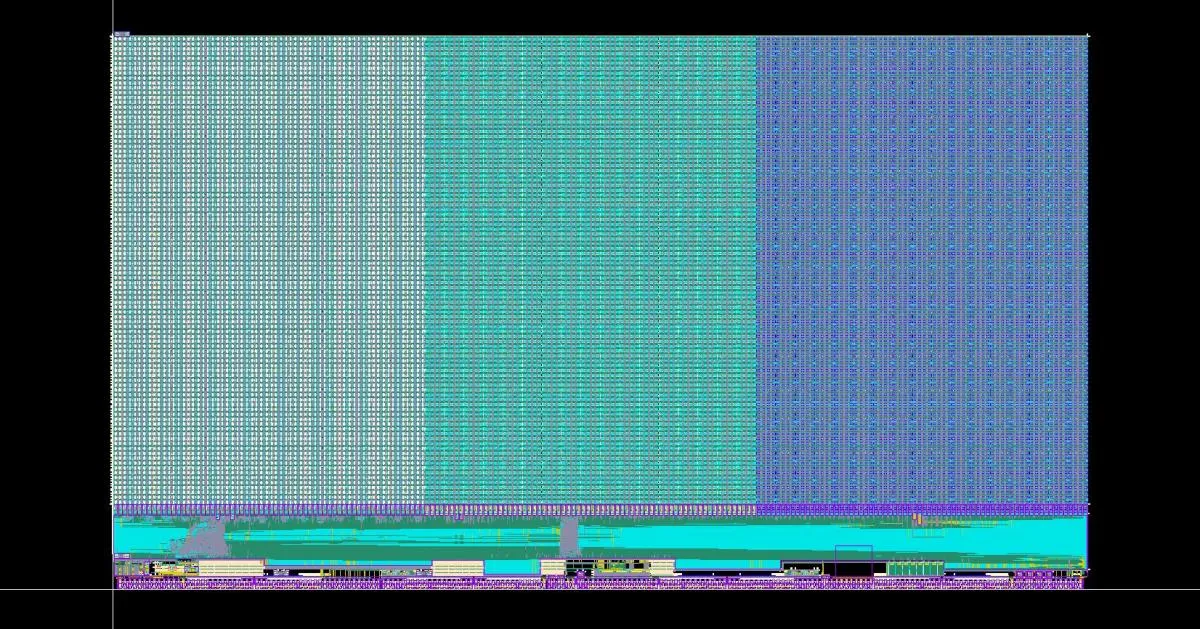
RD53: a large scale demonstrator pixel chip for the phase 2 upgrades of ATLAS and CMS
RD53: a large scale demonstrator pixel chip for the phase 2 upgrades of ATLAS and CMS The RD53 collaboration presented the RD53A large scale pixel chip demonstrator in 65nm CMOS technology as a vital milestone to make viable pixel detectors for the ATLAS and CMS phase 2 upgrades. The RD53 collaboration has during the last
-
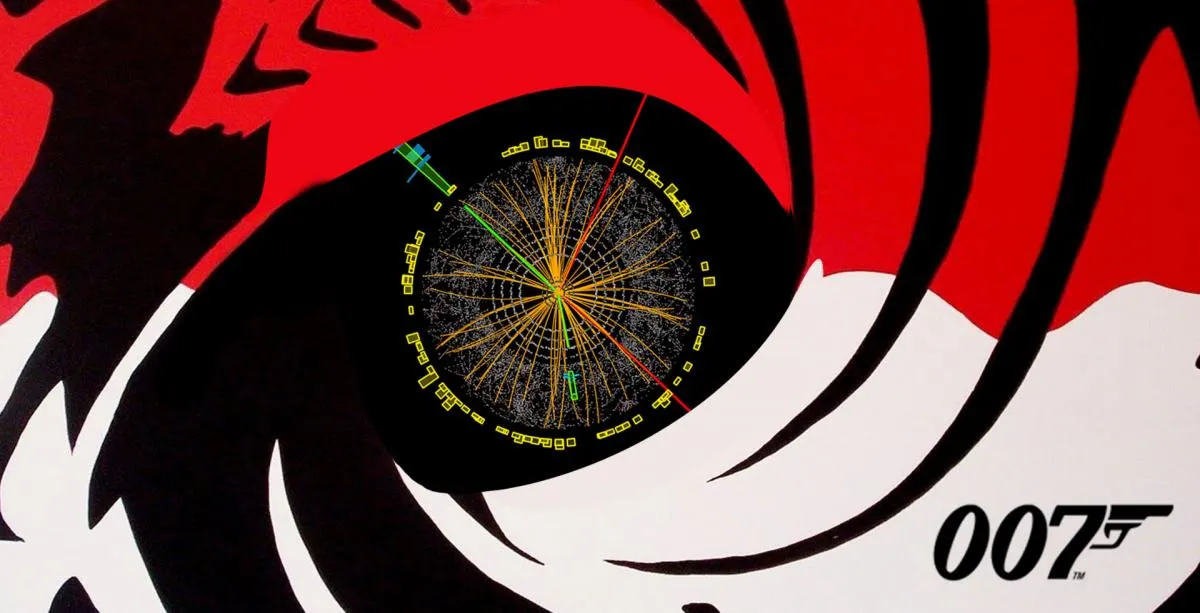
007 reasons for physics beyond the Standard Model
007 reasons for physics beyond the Standard Model The 5th of July marks the fifth anniversary since the discovery of a Higgs boson at the LHC. Summarizing notes for a recent set of lectures at the Asia-Europe-Pacific School of High-Energy Physics, John Ellis reviews events leading to the discovery of the Higgs boson and what
-
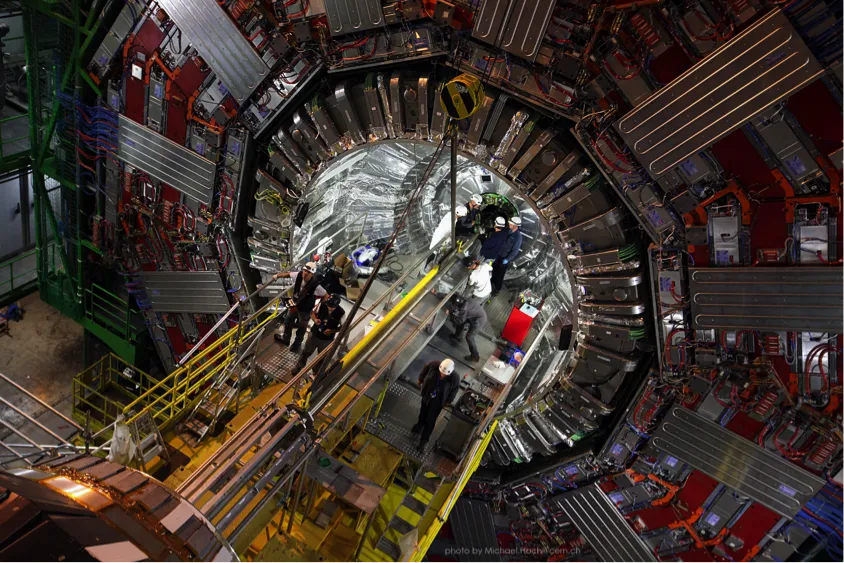
CMS pixel upgrade: a truly global endeavor
CMS pixel upgrade: a truly global endeavor A new and upgraded pixel detector has just been installed in the heart of CMS in this extended year end technical stop (EYETS 2016-17), marking the end of a five year long construction project. The CMS pixel detector that was replaced was performing very well. However, the upgrade
-
A Moriond Retrospective: New Results from the LHC Experiments
A Moriond Retrospective: New Results from the LHC Experiments Every March, particle physicists around the world take two weeks to promote results, share opinions and do a bit of skiing in-between. This is the Moriond tradition and the 52nd iteration of the conference took place this year in La Thuile, Italy. Each of the four
-
Wealth of new results in Quark Matter 2017
Wealth of new results in Quark Matter 2017 BROKEN IMAGE NOT MOVED (drupal url : https://ep-news.web.cern.ch//content/wealth-new-results-quark-matter-2017) Last month, the LHC experiment collaborations presented their latest results at the Quark Matter 2017 conference on how matter behaved in the very early moments of the universe. The programme includes a plethora of presentations on a variety of
-
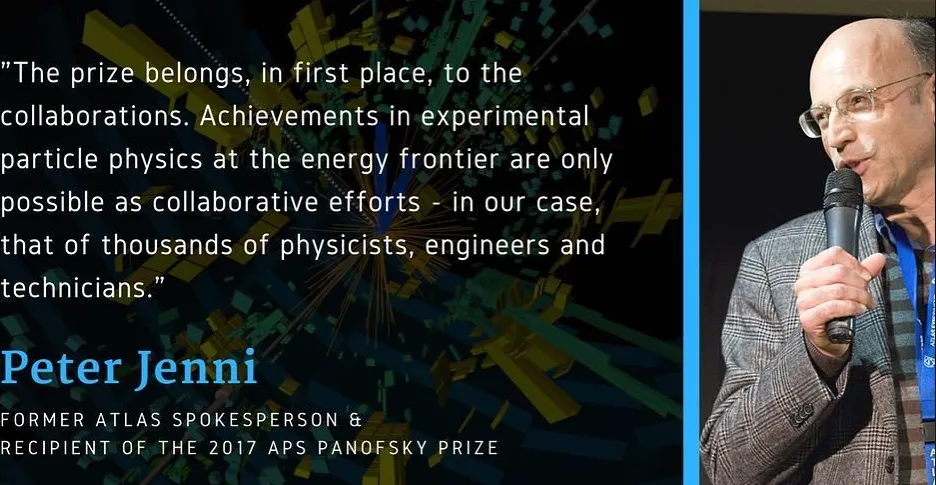
ATLAS and CMS physicists awarded 2017 Panofsky Prize
ATLAS and CMS physicists awarded 2017 Panofsky Prize BROKEN IMAGE NOT MOVED (drupal url : https://ep-news.web.cern.ch//content/atlas-and-cms-physicists-awarded-2017-panofsky-prize) On Tuesday, 11 October 2016, the American Physical Society (APS) announced the award of the 2017 W.K.H. Panofsky Prize in Experimental Particle Physics to Michel Della Negra (Imperial College London and, previously, CERN), Peter Jenni (Albert-Ludwigs-University Freiburg and, previously,