
Tag: CMS
-
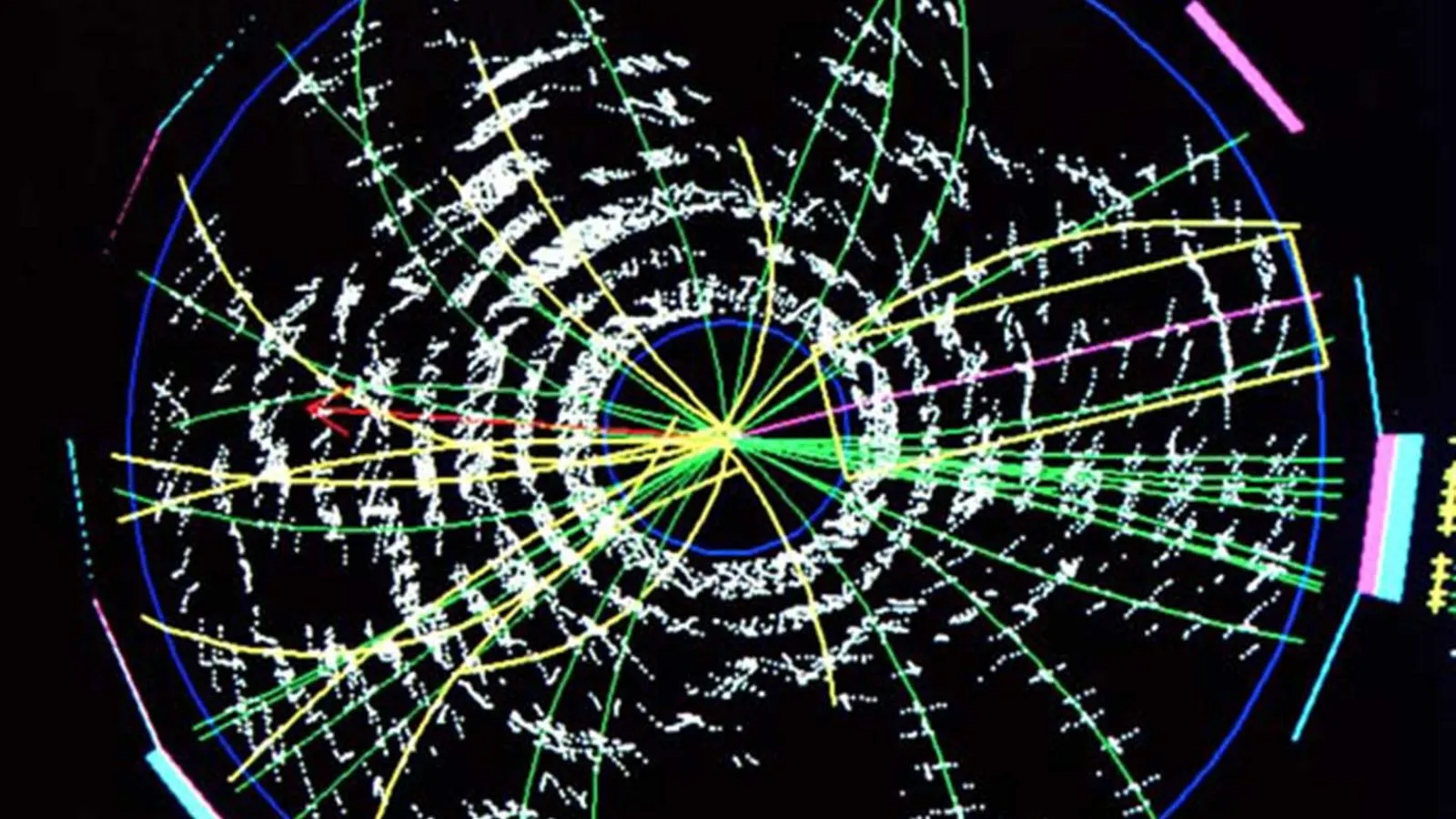
ATLAS and CMS unite to weigh in on the top quark
ATLAS and CMS unite to weigh in on the top quark The ATLAS and CMS Experiments at CERN have just released a new measurement of the mass of the top quark. The new result combines 15 previous measurements to give the most precise determination of the top-quark mass to date. Among the known fundamental particles
-
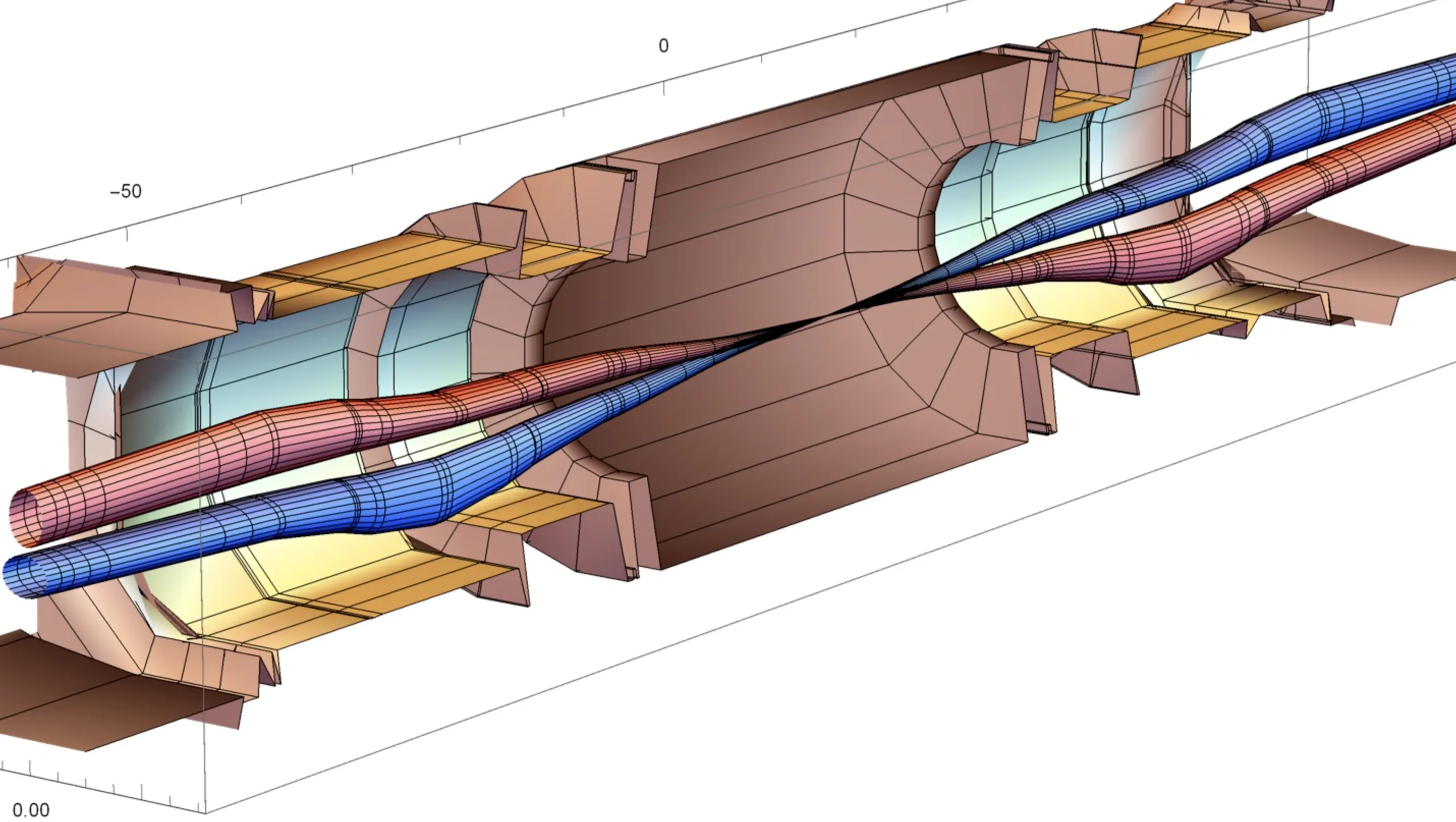
Ending the 2023 LHC run with heavy-ion collisions
Ending the 2023 LHC run with heavy-ion collisions The LHC schedule for 2023 has been revised following the emergence of a leak in mid-July. The decision was to stop the regular proton running this year and focus on the heavy ion physics that was already scheduled for the year-end. This was complemented by relatively brief
-
The CMS Trigger System for Run 3
The CMS Trigger System for Run 3 Before the start of the LHC Run 3, CMS improved many aspects of its trigger system in order to boost the physics reach of the experiment. To select events of potential physics interest, the CMS trigger system divides the processing into two levels: the Level-1 trigger (L1T), implemented
-
A word from the DIRAC and Rucio Workshop 2023
A word from the DIRAC and Rucio Workshop 2023 DIRAC and Rucio are two software projects used for scientific computing. Both projects are led by CERN, and the EP department is one of the major contributors to both. DIRAC is used by CERN experiments such as LHCb, CLIC, FCC, NA62, and non-CERN experiments like Belle
-
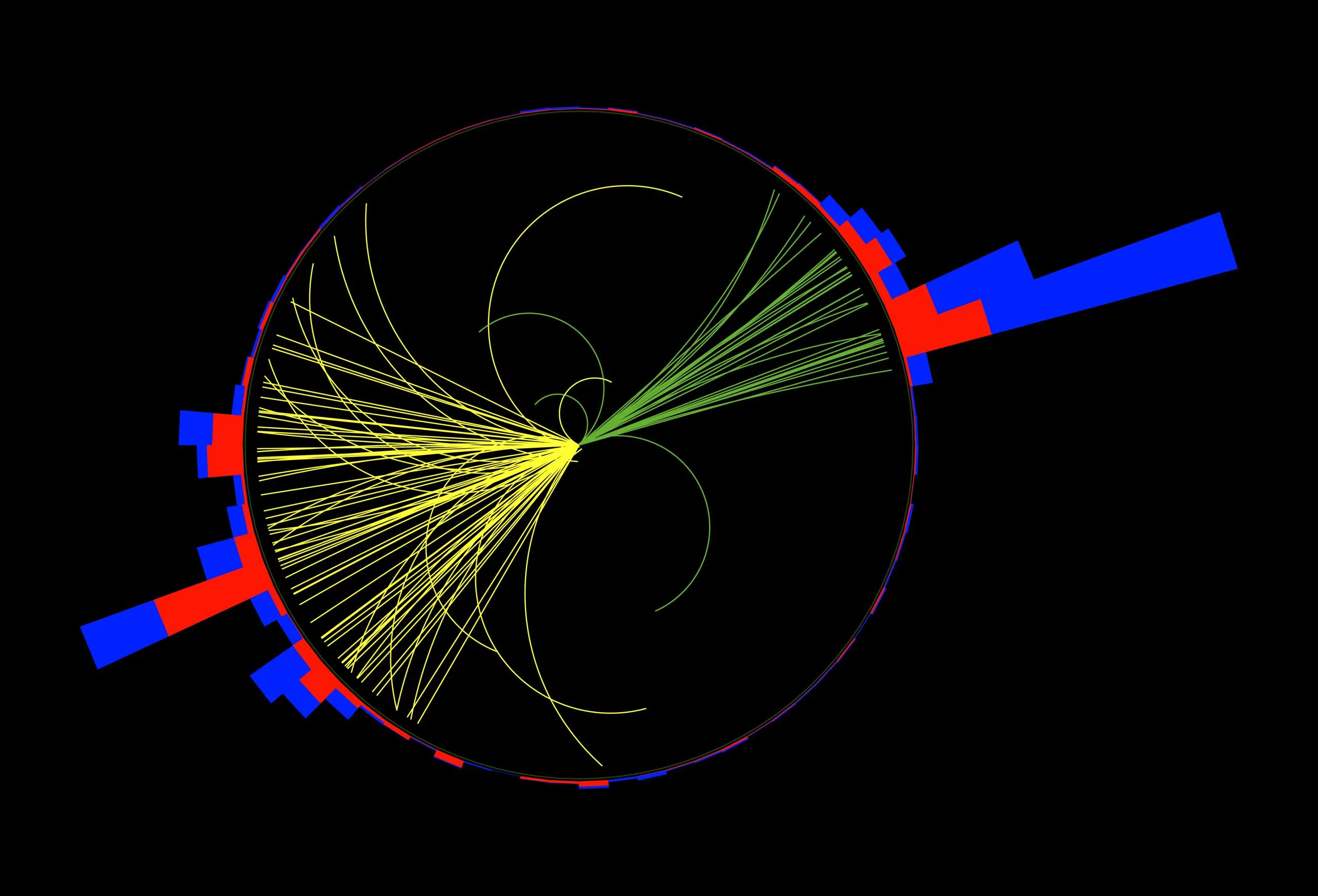
Jet Substructure as a powerful probe of Quantum Chromodynamics
Jet Substructure as a powerful probe of Quantum Chromodynamics Jet substructure (JSS) has emerged as a powerful framework for studying the Standard Model (SM) and provides a key set of tools for probing nature at the highest energy scales accessible by terrestrial experiments. While not an experimental or theoretical consideration of the design of the
-
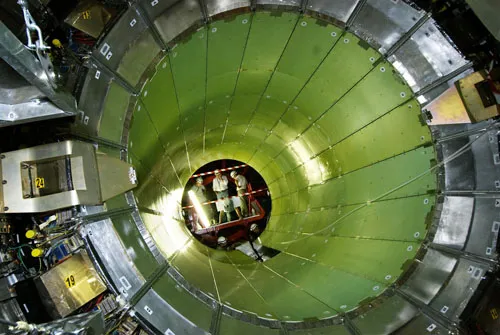
Problems and Solutions: The CMS ECAL lessons
Problems and Solutions: The CMS ECAL lessons The story starts in September 2022 while, during the ECAL Operations meeting our veteran electronics expert, Evgueni Vlassov reported that the voltage in one of the control cards was unstable. He prophetically proposed that the cause might be water in the circuits. A few days later, an alarm
-
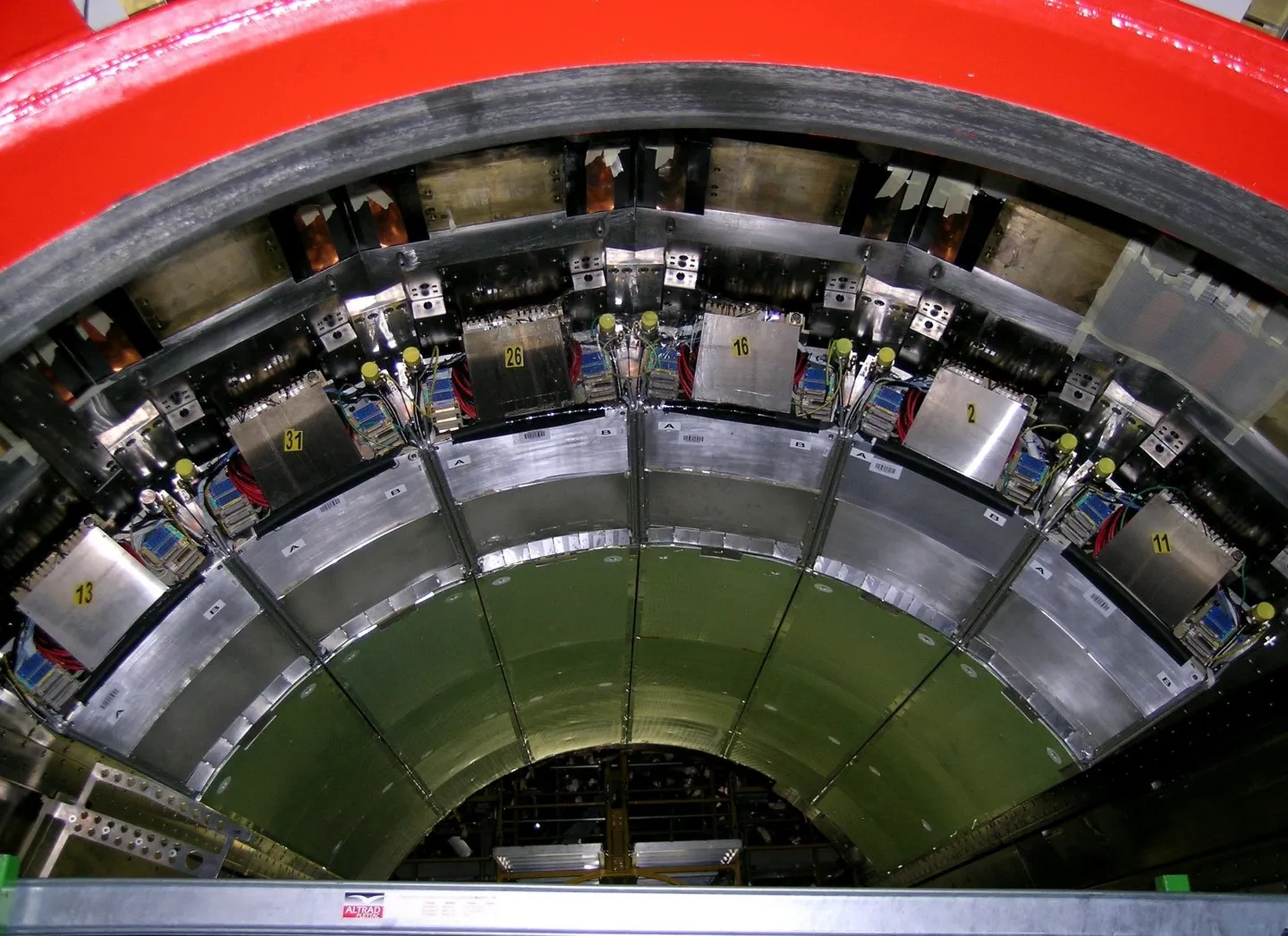
Upgrading the CMS Electromagnetic Calorimeter Readout Electronics for Phase-2
Upgrading the CMS Electromagnetic Calorimeter Readout Electronics for Phase-2 The CMS electromagnetic calorimeter (ECAL) was designed to provide excellent energy resolution for electrons and photons in the challenging, high-radiation environment of the Large Hadron Collider [1]. In particular, the excellent design energy resolution of the CMS ECAL was aimed at the discovery of the Higgs
-
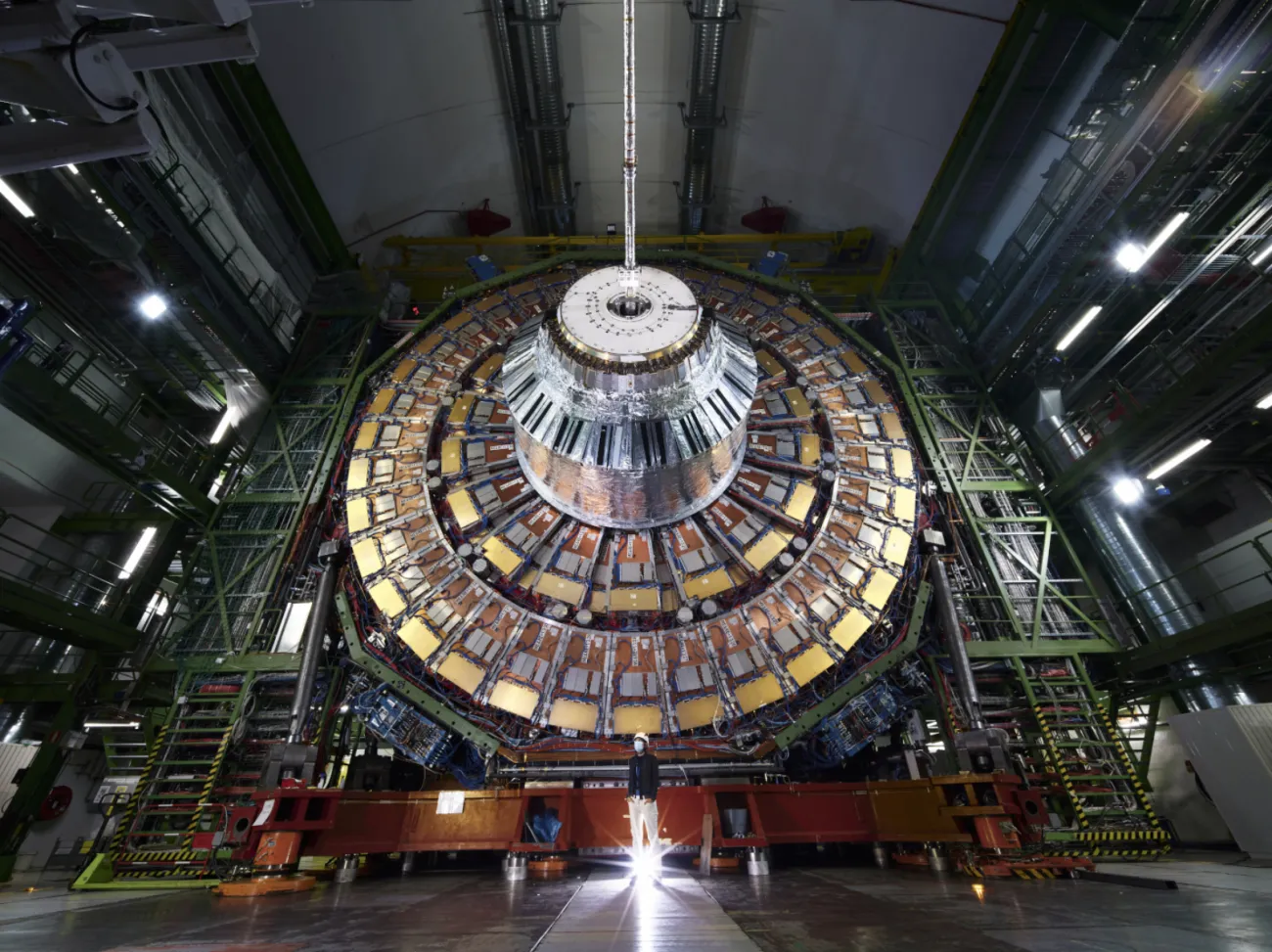
Testing silicon sensors for the CMS Endcap Calorimeter Upgrade
Testing silicon sensors for the CMS Endcap Calorimeter Upgrade Introduction The upcoming upgrade of the LHC to the HL-LHC will pose significant challenges to the detectors due to the enhanced radiation levels and the increase in the number of pile-up interactions. To meet the increased demands, CMS has undertaken an extensive R&D program to upgrade
-
MILLIQAN gets ready to have a look at the dark
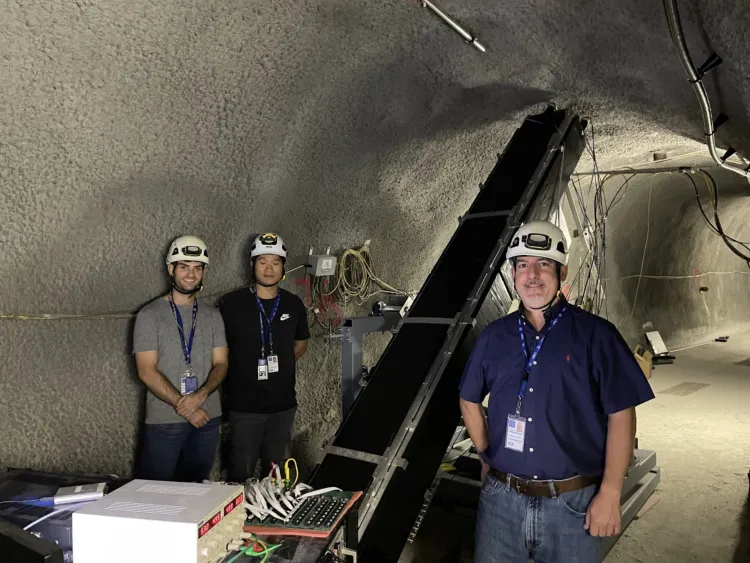
MILLIQAN gets ready to have a look at the dark The milliQan collaboration is on track to finish the installation and commissioning of their Run 3 detector before the end of the YETS, Components of both the “bar” and “slab” detectors have been placed in a tunnel above the CMS experimental cavern over the last
-
The Phase-2 Upgrade of the CMS Data Acquisition system
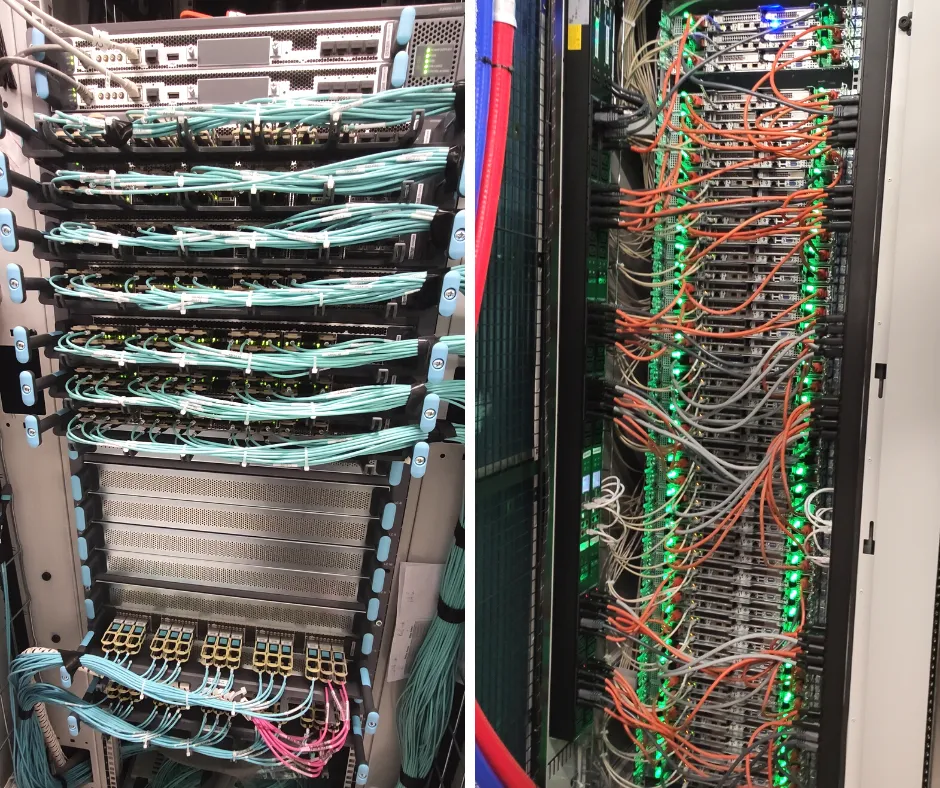
The Phase-2 Upgrade of the CMS Data Acquisition system Even though Run-3 data taking has only just started, the preparations for the next phase of the LHC physics programme are well under way. Just like the LHC, during LS3 many of the LHC experiments will receive significant upgrades. In order to maintain its excellent physics