
Tag: FCC-ee
-
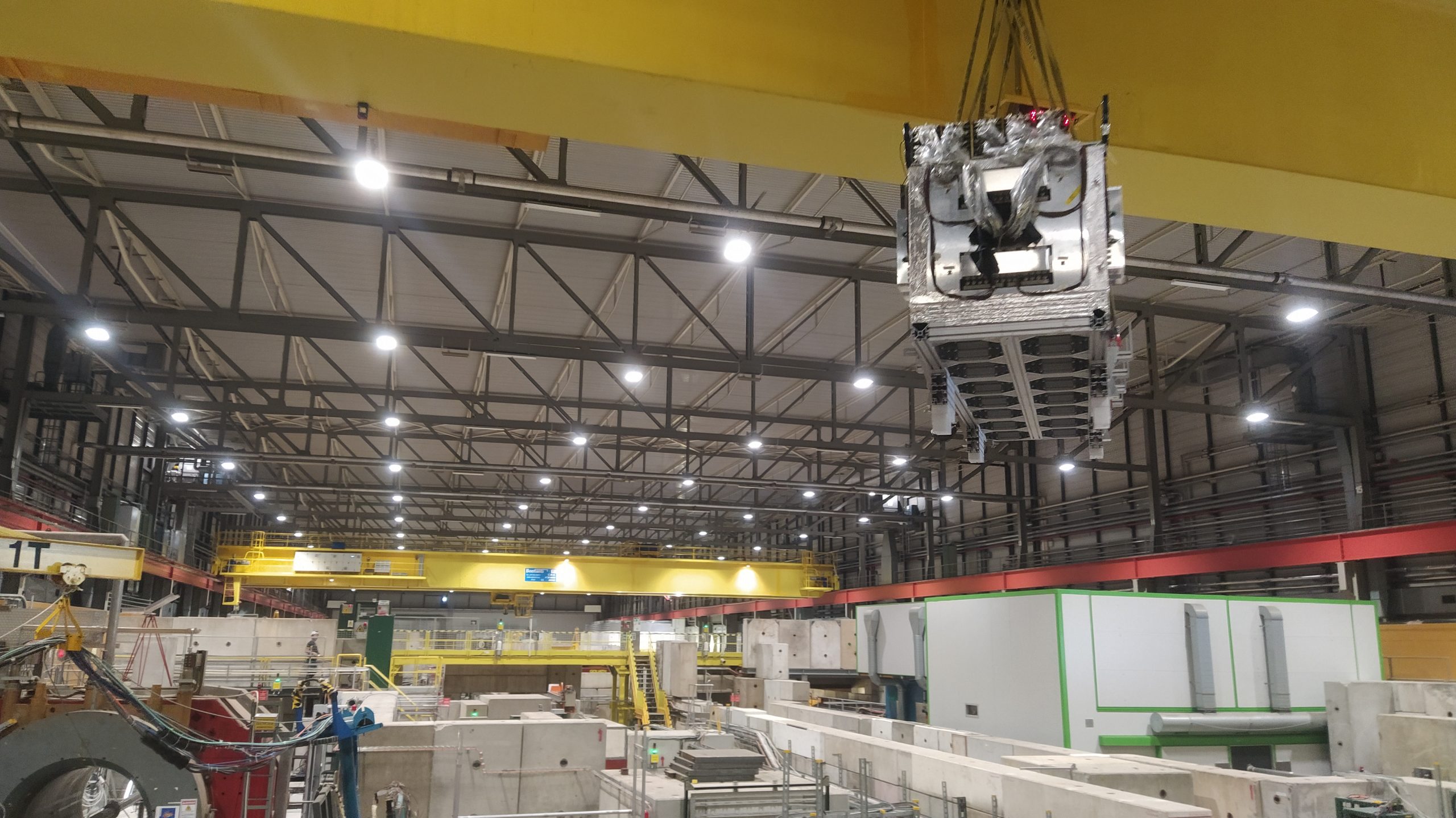
The last beam tests before LS3 boost FCC-ee detector technologies
The last beam tests before LS3 boost FCC-ee detector technologies by Hector Garcia Morales (CERN, FCC-PED group) In one of the last opportunities to test detector prototypes before CERN’s accelerator complex enters Long Shutdown 3, a beam test campaign brought together different teams from across the world to test FCC-ee detector technologies. To date, six
-
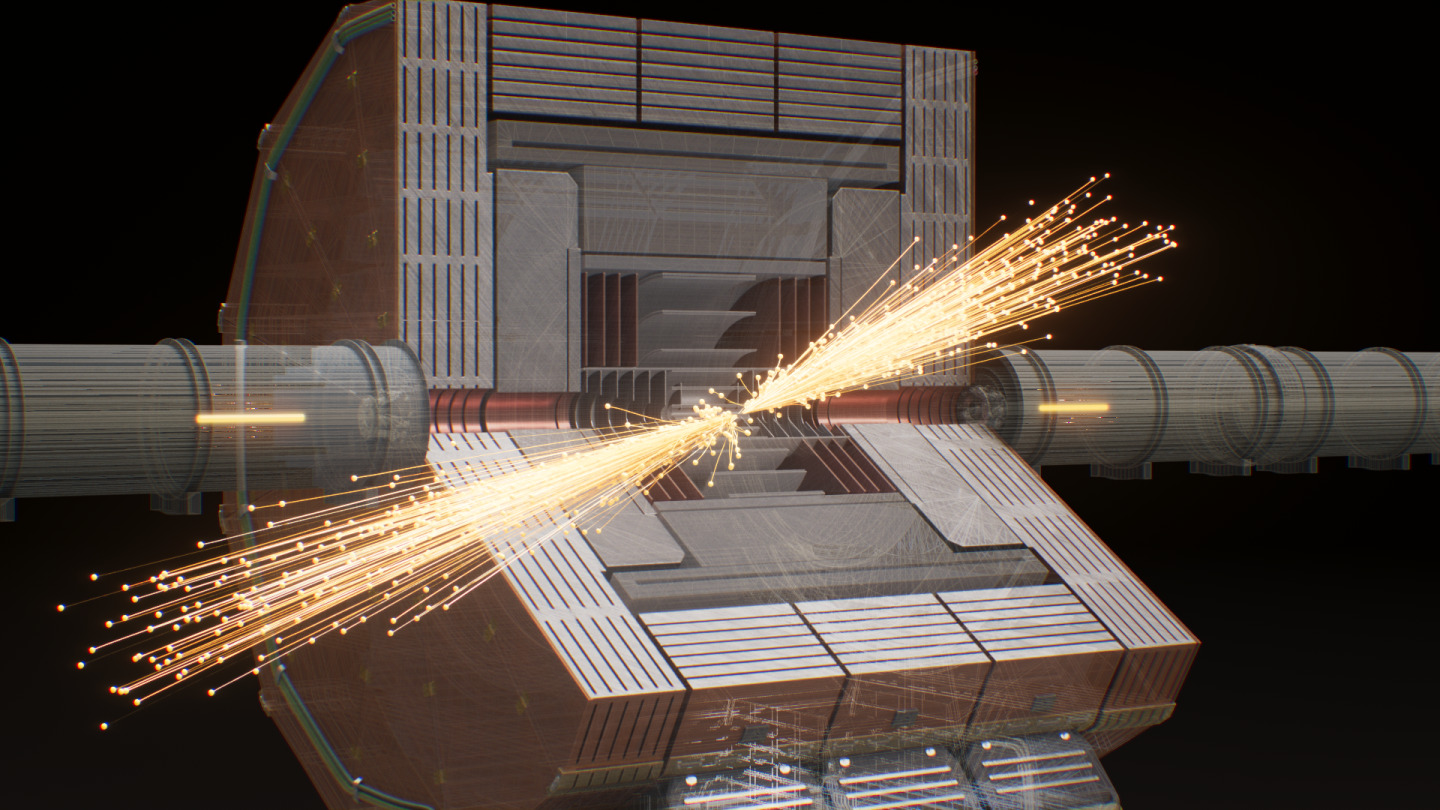
FCC Physics, Experiments and Detectors: from Strategy Update to Project Preparation
From detector concepts to future experiment collaborations, the FCC Physics, Experiments and Detectors programme is entering a new phase. Patrick Janot outlines how the Reference Design Phase will bring together physics ambitions, detector R&D and international collaboration to prepare FCC-ee for project approval and delivery.
-
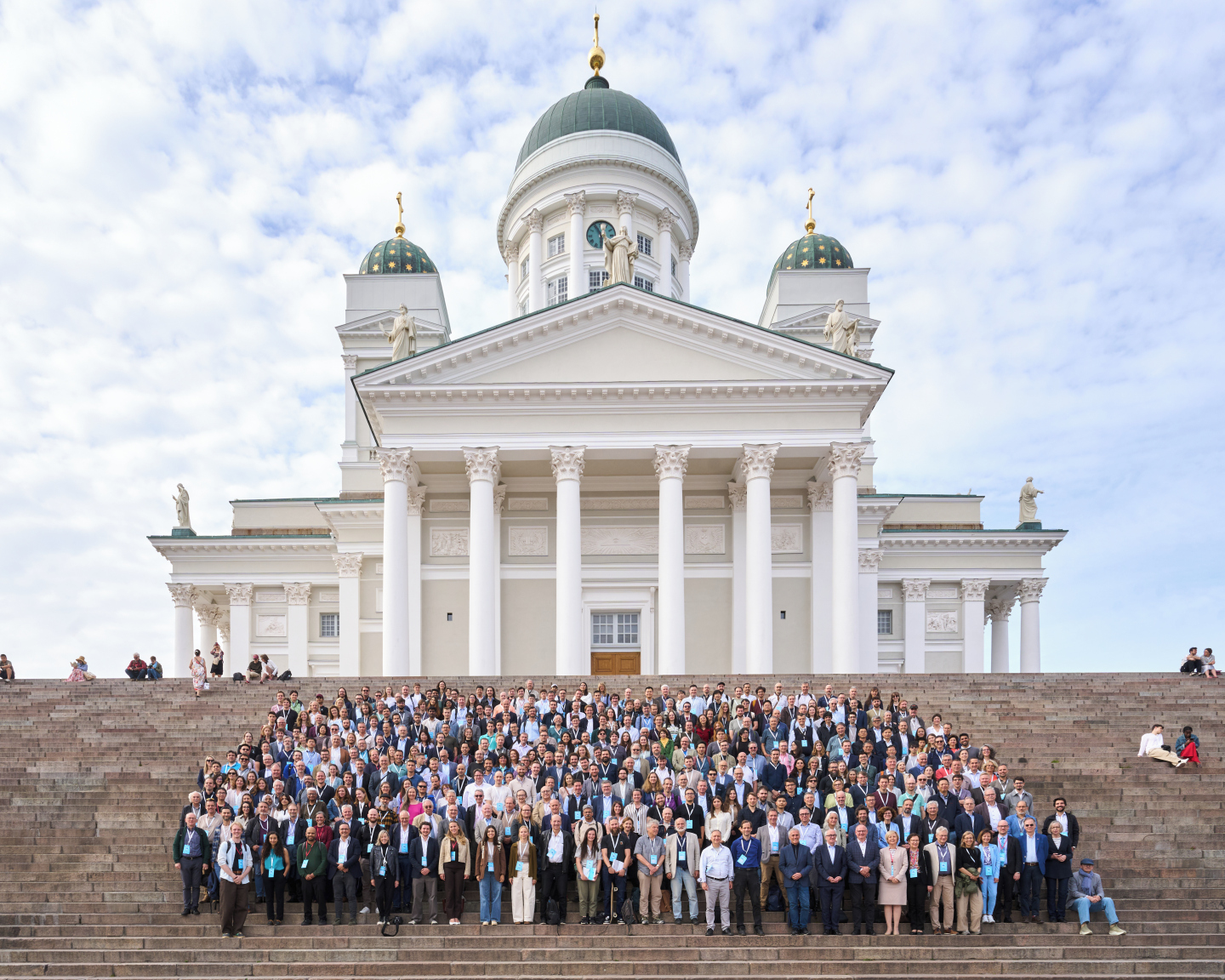
FCC Week 2026: from scientific ambition to an integrated design
FCC Week 2026: from scientific ambition to an integrated design by Panos Charitos (CERN) This year’s annual conference brought together 656 participants in Helsinki to examine how the Future Circular Collider study can move from feasibility demonstration towards a coherent reference design. With its primary focus on FCC-ee, the meeting presented a project in which
-
New Staff Members and Fellows – Autumn 2026
New Staff Members and Fellows – Autumn 2026 Christian Appelt Hello, I’m Christian. I’ve joined EP-ATL-SO as a Research Fellow. I completed professional training as an electronics technician, worked in industry for 5 years, and studied electrical engineering (BEng) and physics (BSc, MSc, PhD). I’ve worked at several research institutes; in ATLAS, I’ve been involved in and am leading long-lived particle searches, the production
-
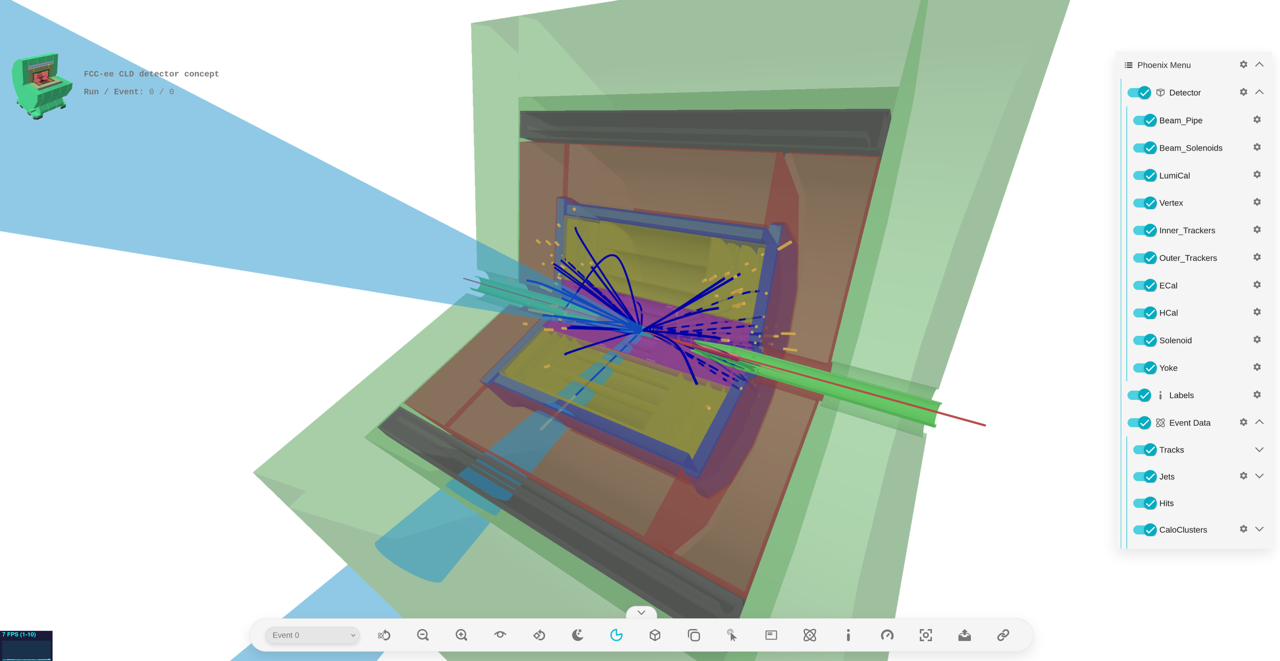
Key4hep: A software framework for future collider studies
Key4hep brings future-collider communities together around a shared software framework for detector design and physics studies. By integrating tools for event generation, simulation, reconstruction and analysis, it reduces duplication, facilitates comparisons and allows each project to adapt the software to its own detector and scientific goals.
-
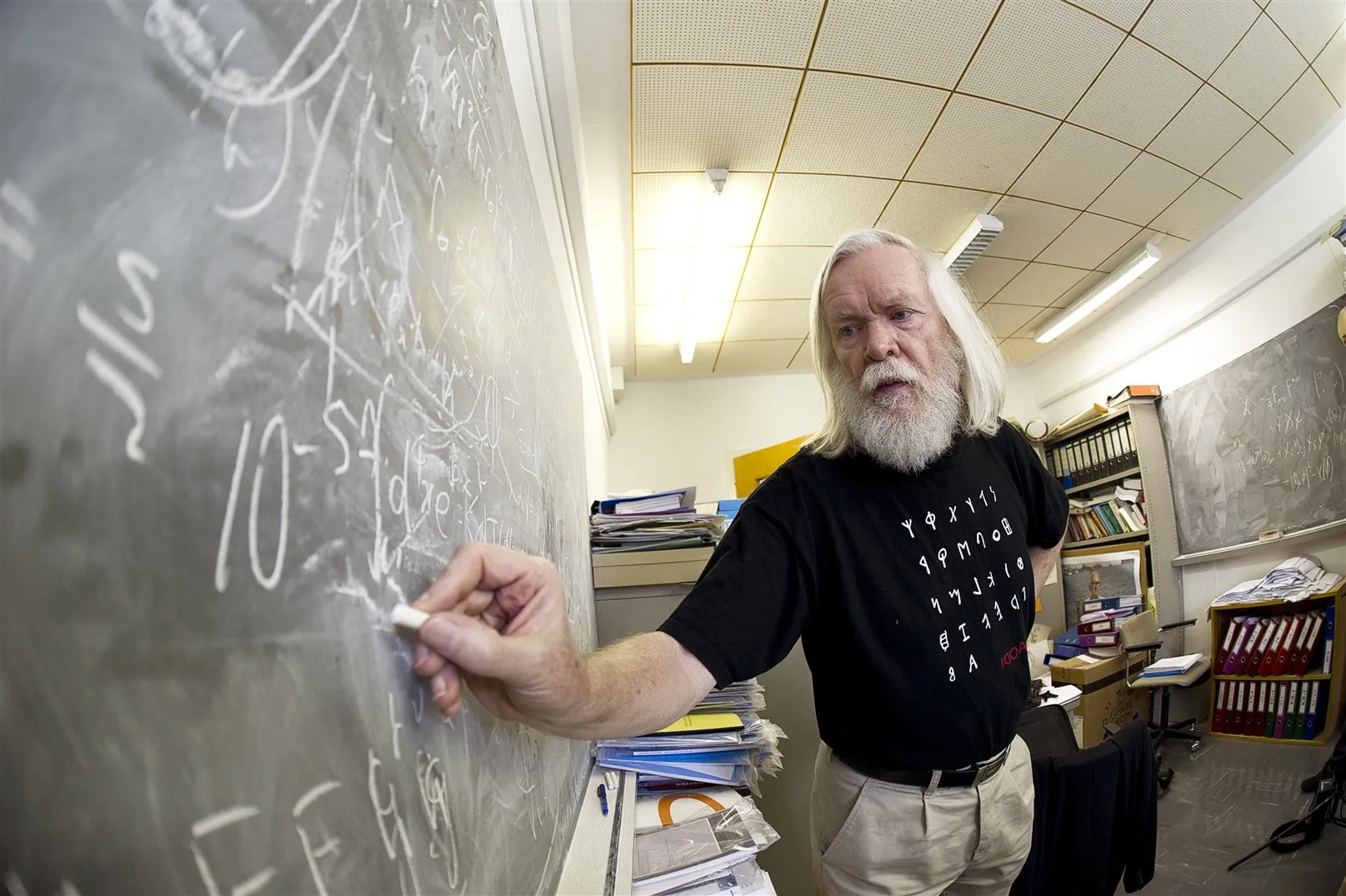
In discussion with John Ellis: The Higgs, Patience and Perseverance in Science
In discussion with John Ellis: The Higgs, Patience and Perseverance in Science by Panos Charitos For John Ellis, the history of the Higgs boson is not a neat, short story that begins with a theory paper and ends with a discovery announcement. It is a long intellectual adventure, beginning in superconductivity, moving through the construction
-
EP R&D Day 2026: technologies for the next generation of experiments
EP R&D Day 2026: technologies for the next generation of experiments On 29 April 2026, colleagues from across CERN’s Experimental Physics Department gathered for the annual meeting dedicated to the strategic EP R&D programme on technologies for future experiments. The programme offered a broad update on progress achieved over the past year, bringing together developments
-
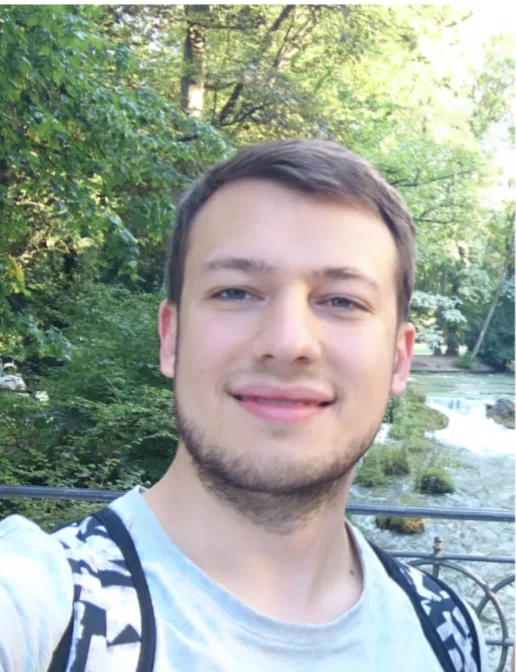
New Staff Members and Fellows
New Staff Members and Fellows Maximilian Babeluk Hi, I’m Max. I recently joined the ALICE ITS3 team, where I work on sensor testing, functional verification, and in the future also chip design – particularly on MOSAIX. My main activities include testing and yield assessment across multiple integration levels (wafer probing to system tests), including data
-
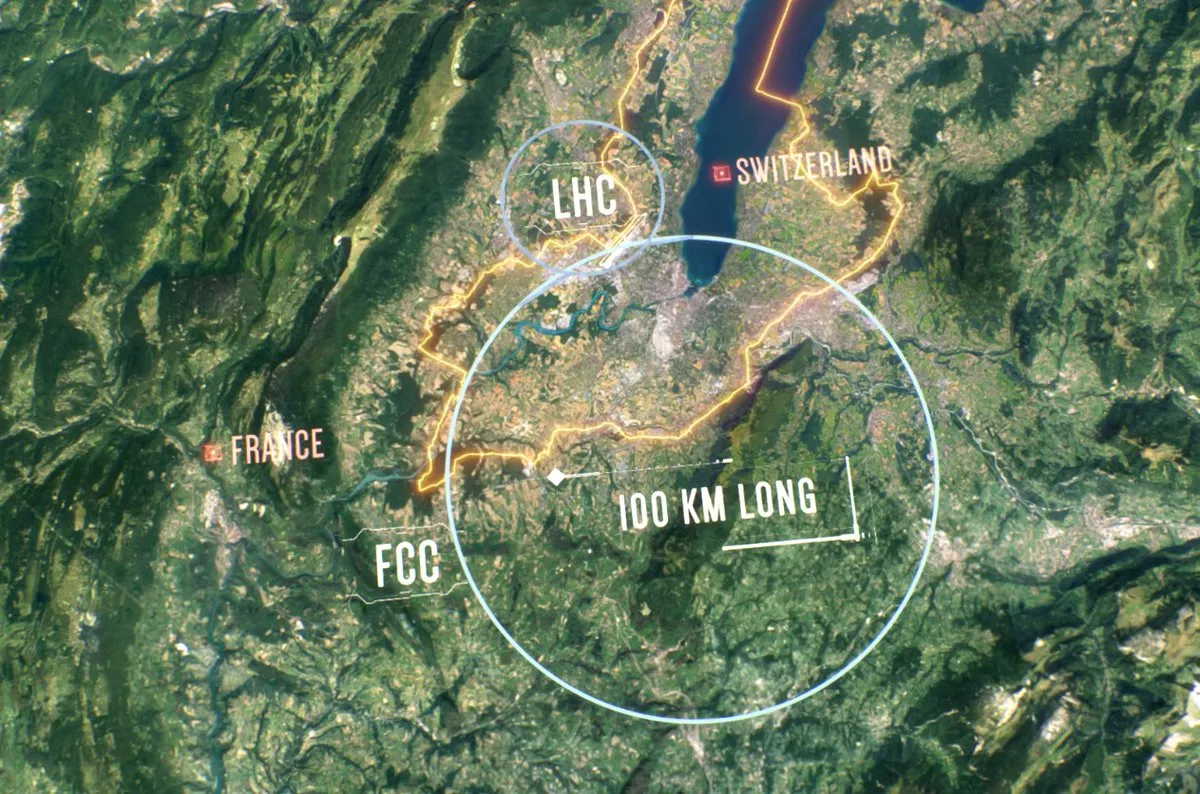
Theory goes forward to meet the FCC-ee strong experimental demands.
Theory goes forward to meet the FCC-ee strong experimental demands. The remarkable precision of LEP and other lepton colliders in the past has been instrumental in testing and understanding the Standard Model. In particular it was able to predict, by their effect on quantum corrections (a.k.a. ’loops’), the masses of the top quark and Higgs