
Tag: FCC-hh
-
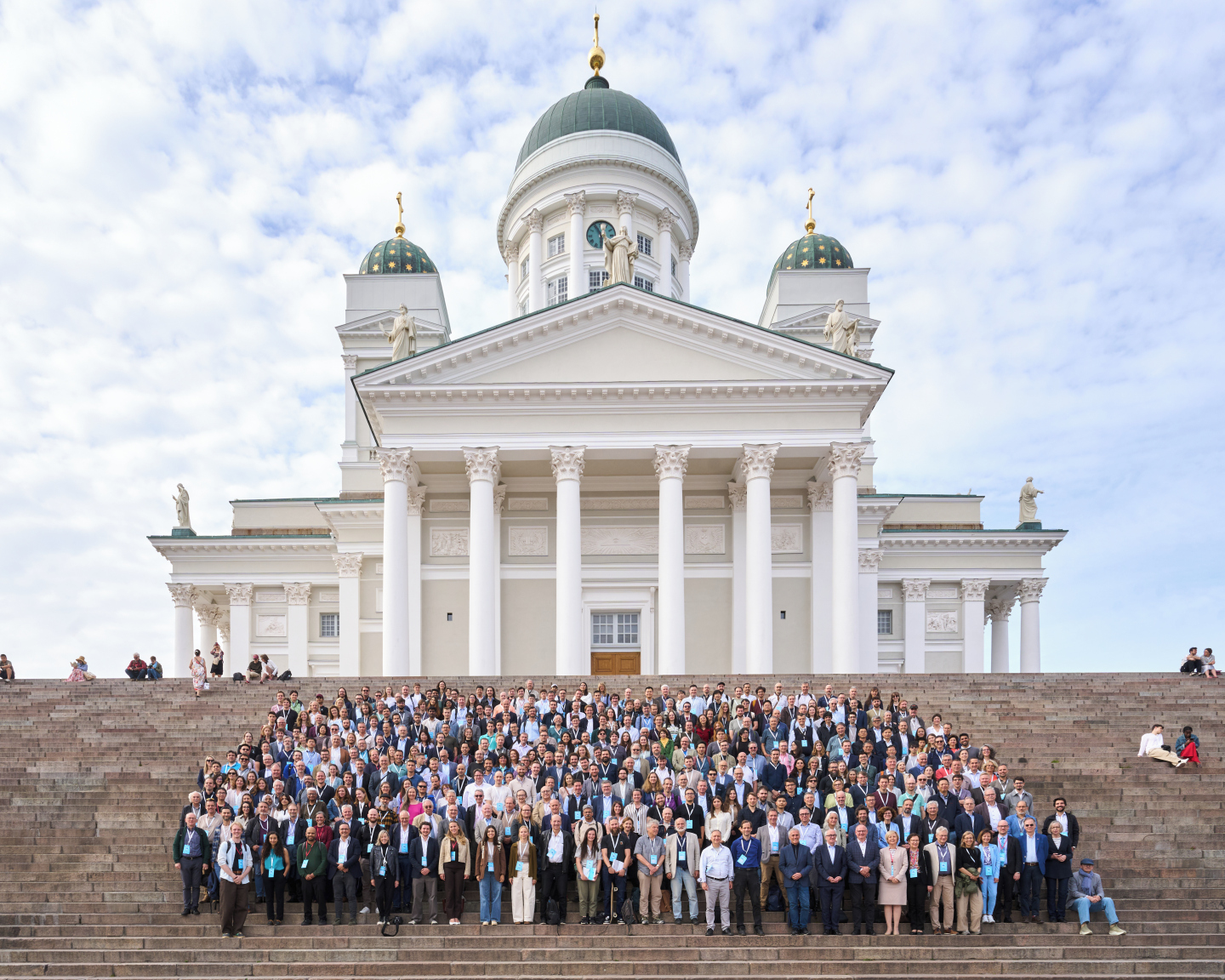
FCC Week 2026: from scientific ambition to an integrated design
FCC Week 2026: from scientific ambition to an integrated design by Panos Charitos (CERN) This year’s annual conference brought together 656 participants in Helsinki to examine how the Future Circular Collider study can move from feasibility demonstration towards a coherent reference design. With its primary focus on FCC-ee, the meeting presented a project in which
-
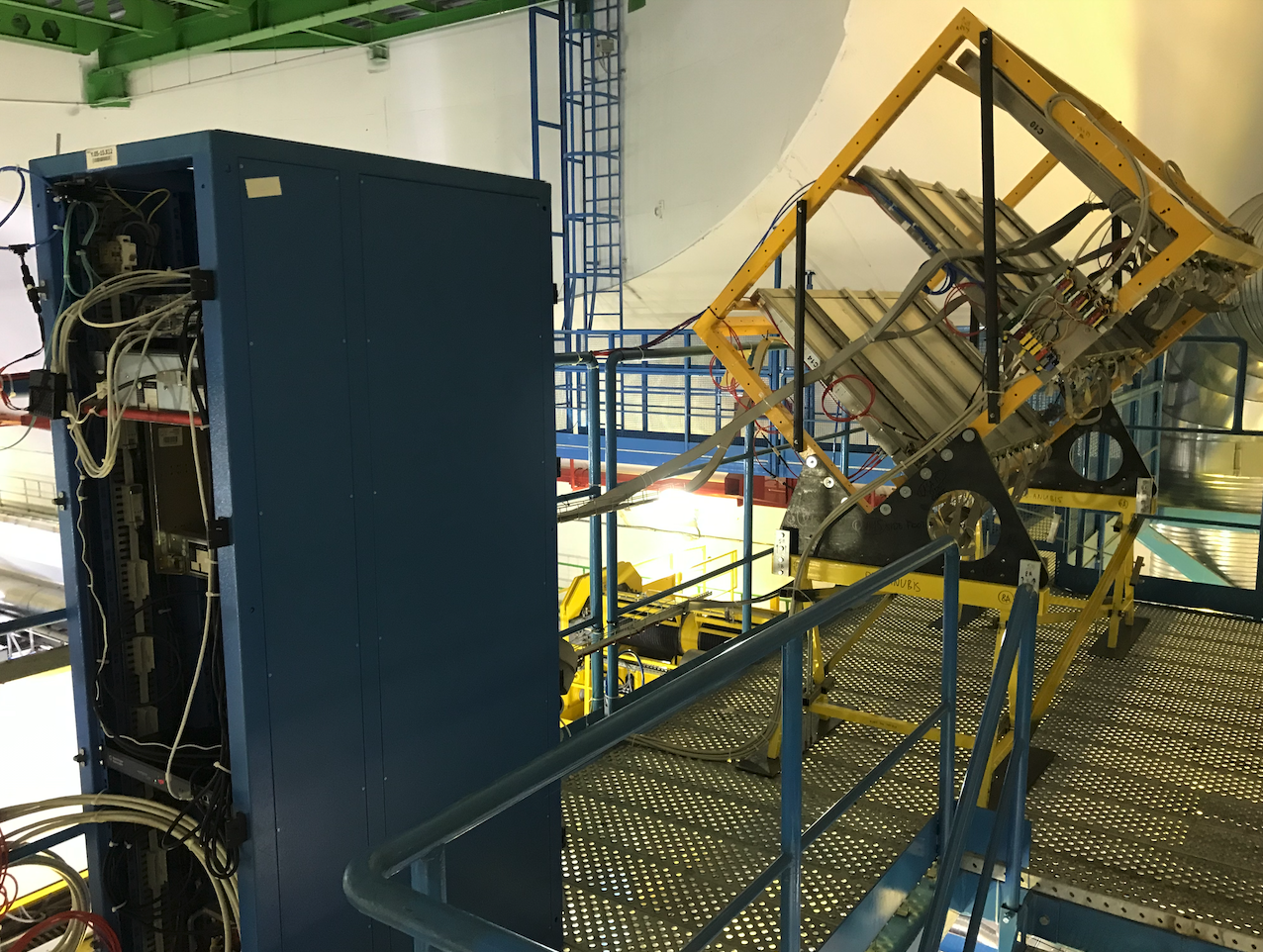
ANUBIS: from prototype to Letter of Intent
The proANUBIS demonstrator has completed data taking in the ATLAS cavern, showing that its detector technology delivers the efficiency and timing precision required to search for long-lived particles. These results strengthen the case for the full ANUBIS experiment, which would extend ATLAS’s reach into a largely unexplored region of new physics.
-
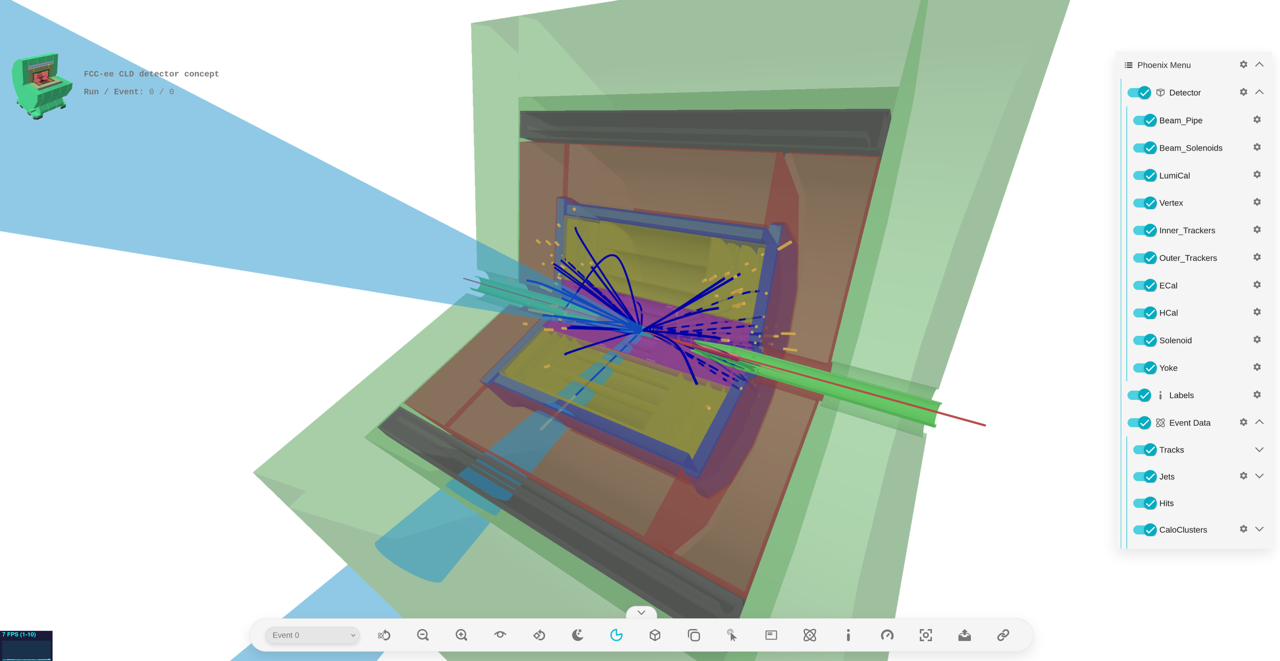
Key4hep: A software framework for future collider studies
Key4hep brings future-collider communities together around a shared software framework for detector design and physics studies. By integrating tools for event generation, simulation, reconstruction and analysis, it reduces duplication, facilitates comparisons and allows each project to adapt the software to its own detector and scientific goals.
-

EP R&D Day 2026: technologies for the next generation of experiments
EP R&D Day 2026: technologies for the next generation of experiments On 29 April 2026, colleagues from across CERN’s Experimental Physics Department gathered for the annual meeting dedicated to the strategic EP R&D programme on technologies for future experiments. The programme offered a broad update on progress achieved over the past year, bringing together developments
-
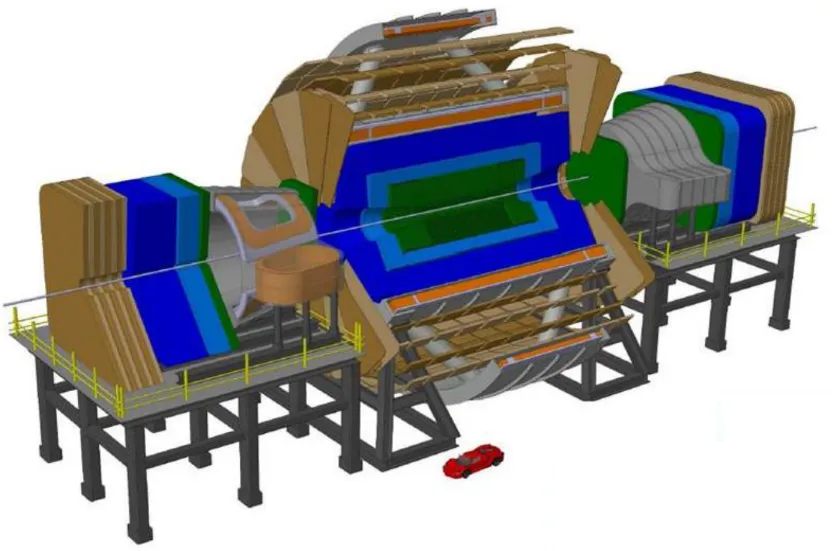
Design study of a twin solenoid and dipoles detector magnet system for the FCC study
Design study of a twin solenoid and dipoles detector magnet system for the FCC study The Future Circular Collider study for hadron-hadron collisions (FCC-hh) foresees a collision energy of 100 TeV, which is about 7 times higher than the LHC. For the detectors this means that in order to determine the properties of the particles