
Tag: International Space Station
-
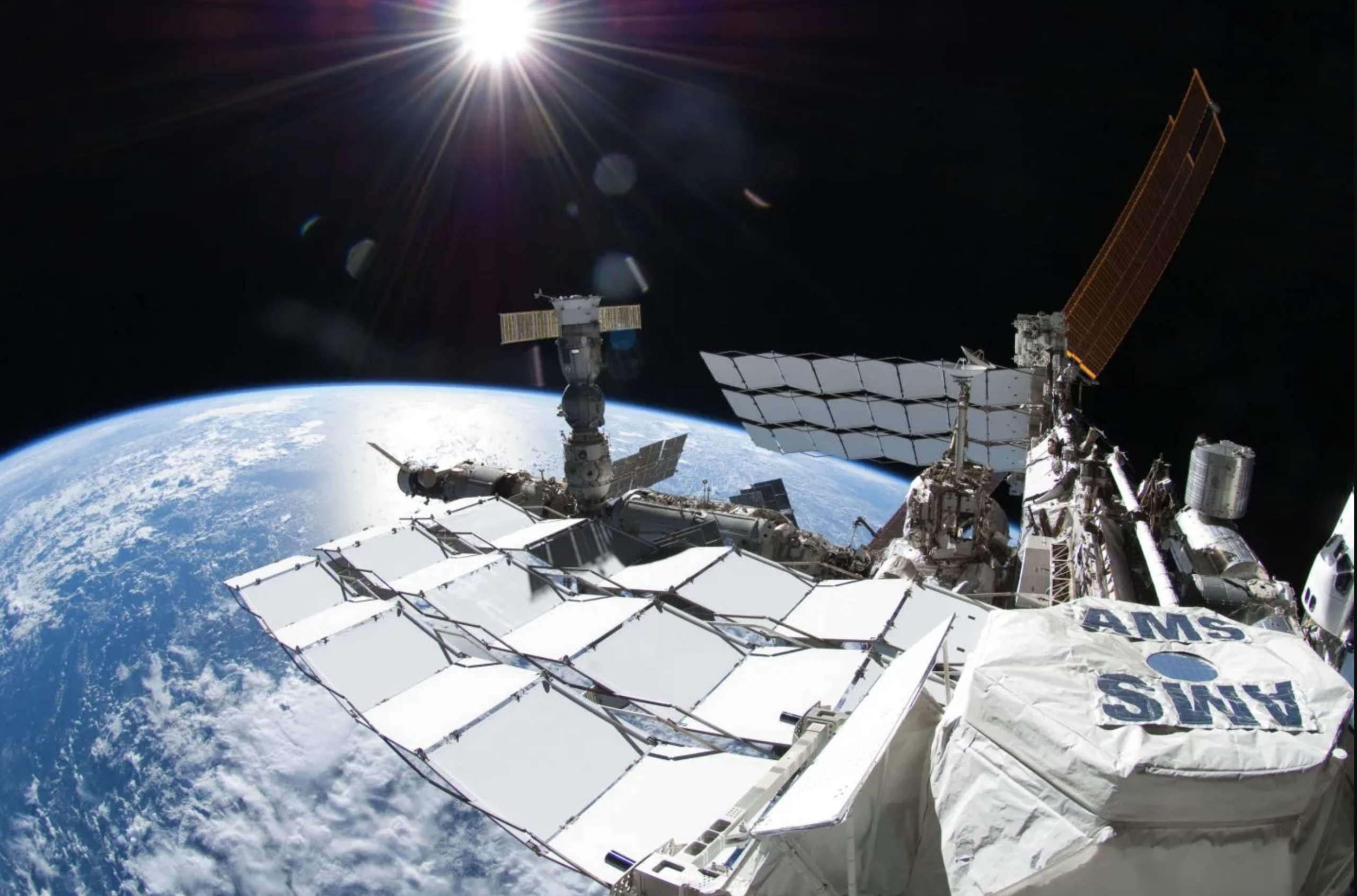
Investigating the origin of elements with the AMS on the International Space Station
Drawing on 15 years of observations and more than 260 billion cosmic-ray events, the Alpha Magnetic Spectrometer is helping scientists investigate how elements are produced and propagate through our Galaxy. Its latest measurements of phosphorus, chlorine, argon, potassium and calcium reveal distinct patterns among primary and secondary cosmic-ray nuclei, contributing to a more comprehensive model…
-
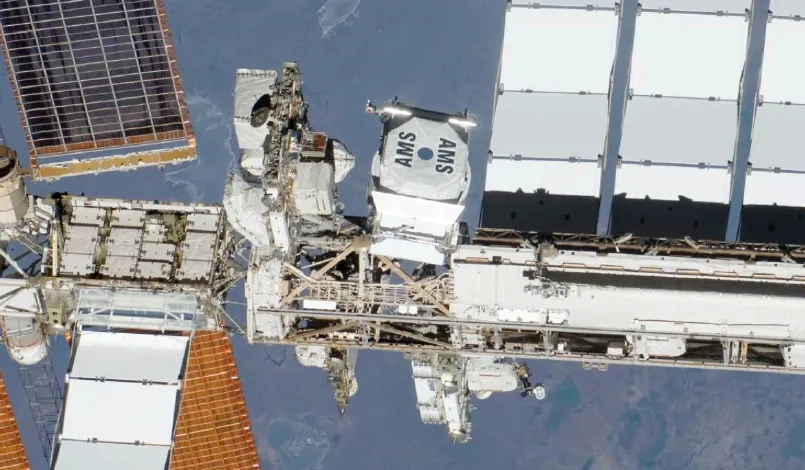
10 Years of operating the Alpha Magnetic Spectrometer on the International Space Station
10 Years of operating the Alpha Magnetic Spectrometer on the International Space Station AMS, passed the milestone of its first 10 years of continuous operation on the International Space Station. AMS is a particle physics detector designed to measure antiparticles, particles, and nuclei of rigidity (momentum/charge) ranging from the GV to few TV (Figure 1).
-
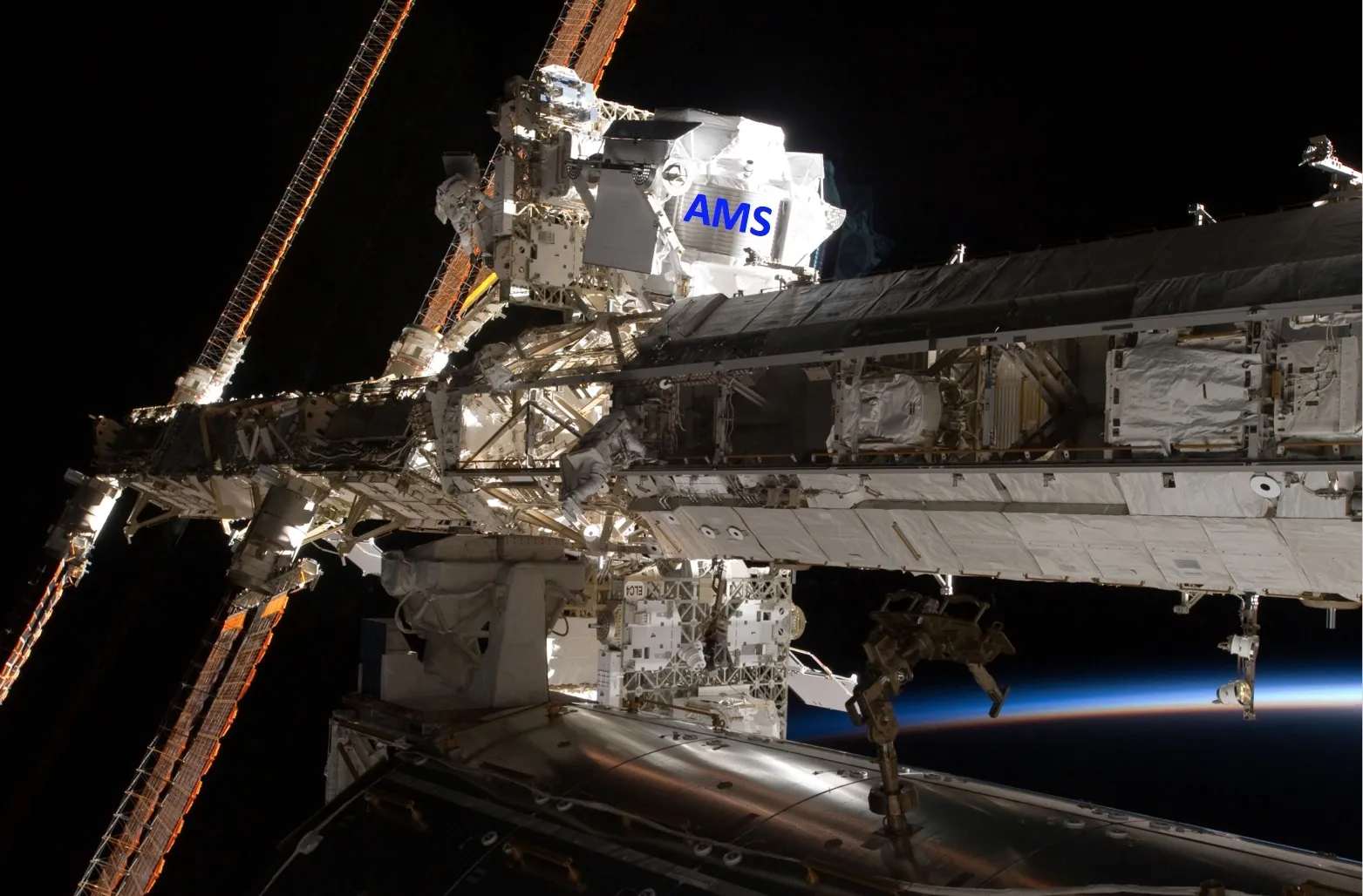
Latest Results from the AMS on the International Space Station
Latest Results from the AMS on the International Space Station The Alpha Magnetic Spectrometer, AMS, is a particle physics detector operating on the International Space Station (Figure 1) since May 2011 with the aim to address long-standing open questions in fundamental physics, such as the matter-antimatter asymmetry, the nature of dark matter, the existence of