
Tag: ISOLDE
-
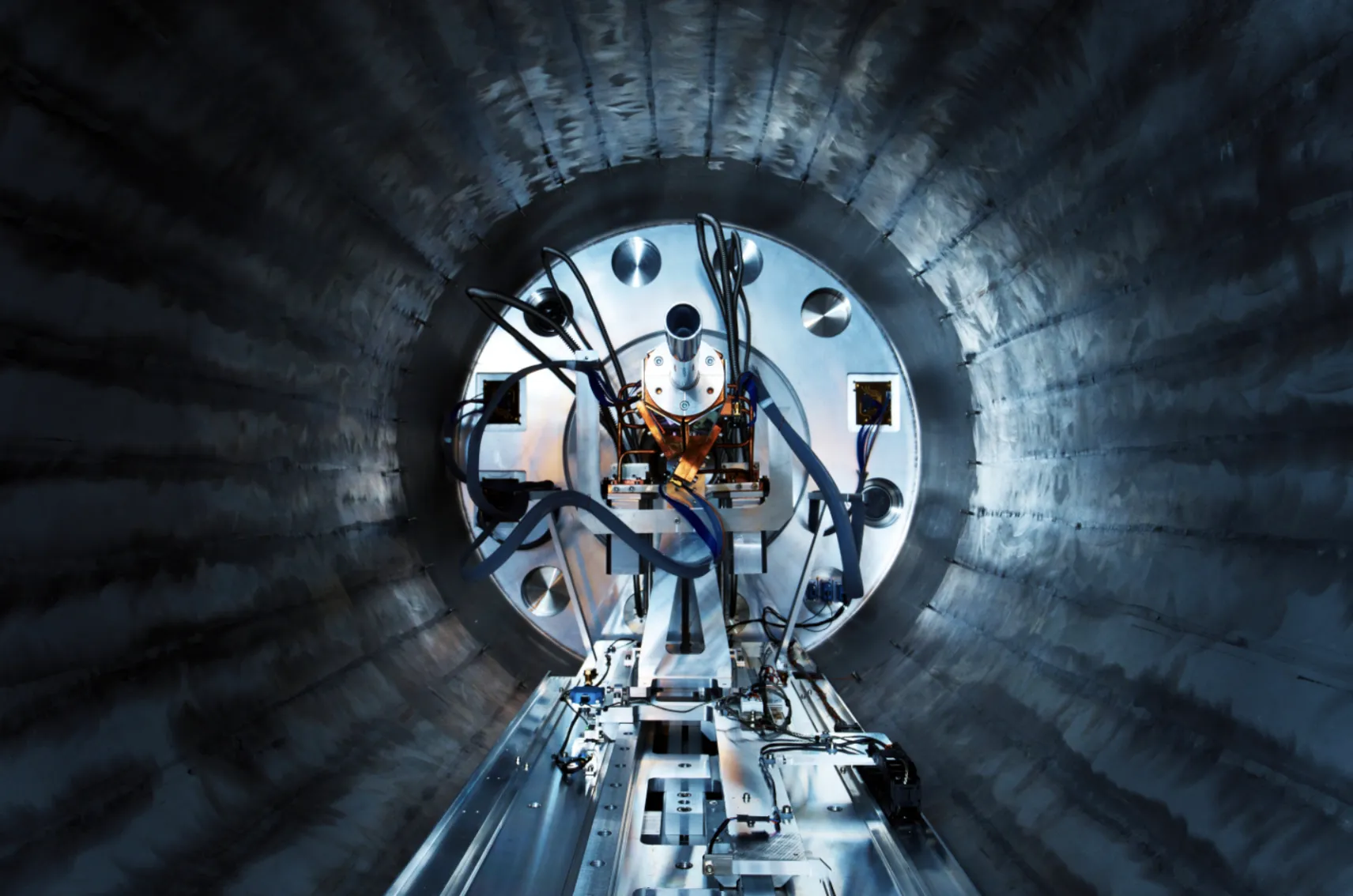
Updates from the ISOLDE Solenoidal Spectrometer
Updates from the ISOLDE Solenoidal Spectrometer The field of nuclear physics is well into its second century. From its initial experiment bombarding a gold foil with alpha particles, experimental techniques have become more sophisticated to keep pace with the technology and innovation that has allowed more detailed probes of the nucleus. Of particular interest to
-
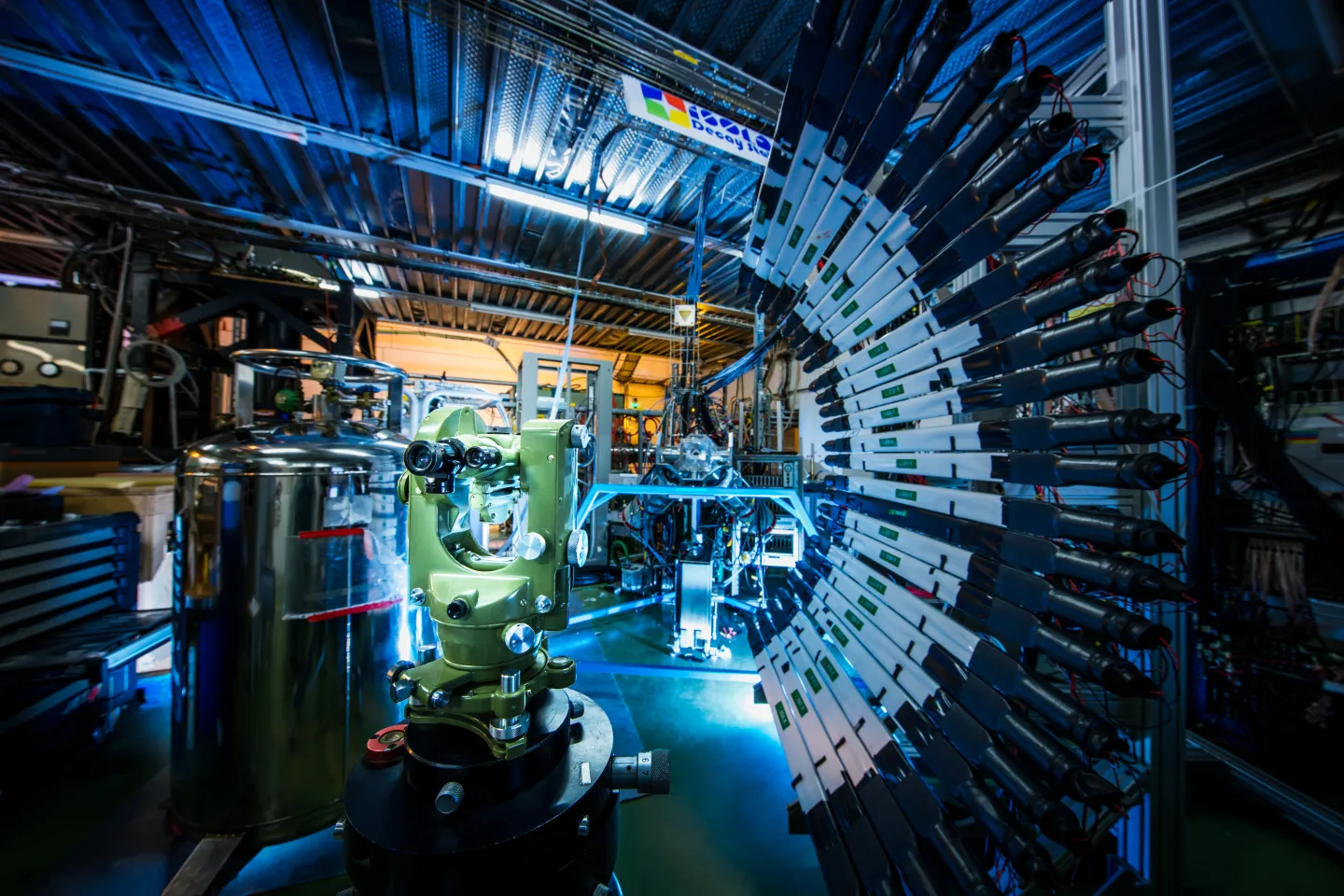
Perturbed angular correlations at ISOLDE
Perturbed angular correlations at ISOLDE Solid state physics and biophysics research has been conducted at ISOLDE-CERN for almost 50 years [JOH2017]. Our role in supporting experimental equipment and manpower has enabled the development of on-site laboratories. This has several advantages, from nuclear physics studies to the applications for society. Being part of the in-house group
-
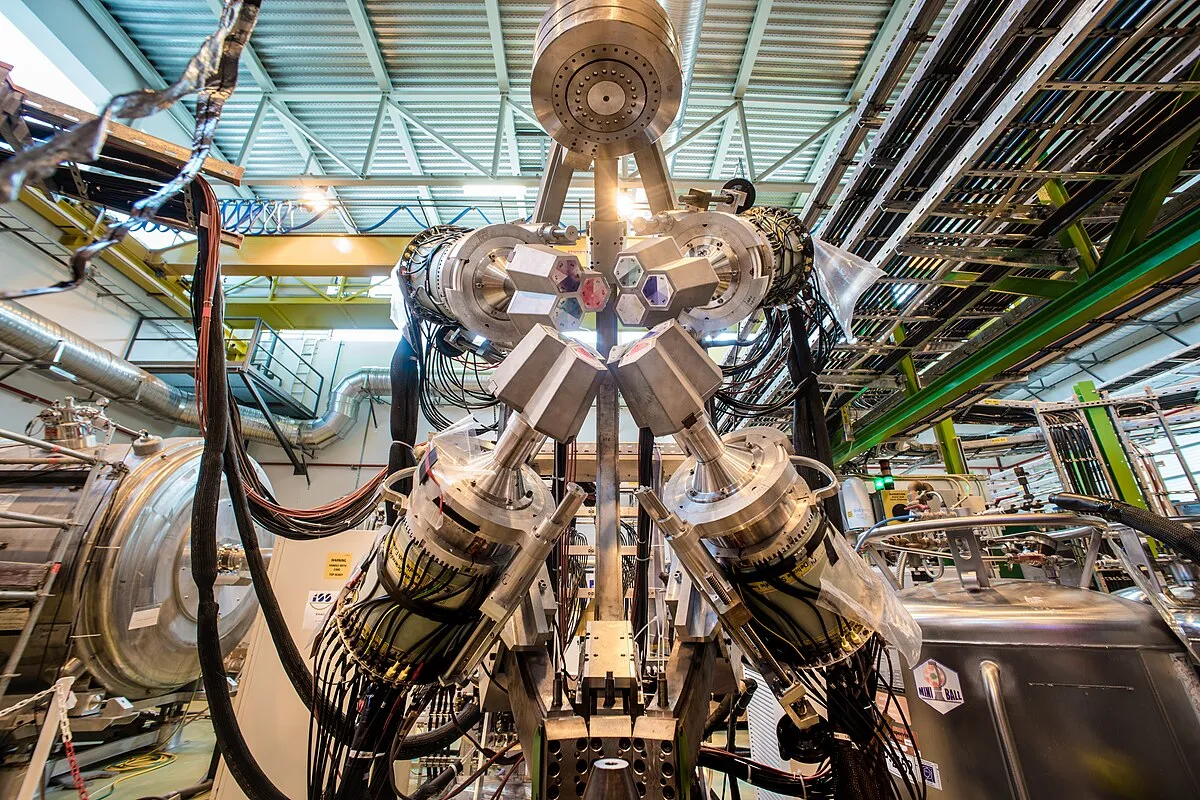
Investigating exotic structures of exotic nuclei with Miniball
Investigating exotic structures of exotic nuclei with Miniball Atomic nuclei come in all manner of shapes and sizes, sometimes at the same time! The reason behind this diversity lies in poorly understood nuclear forces. Many features of these forces only came to light when studying very unstable nuclei, which do not occur terrestrially. At CERN,
-
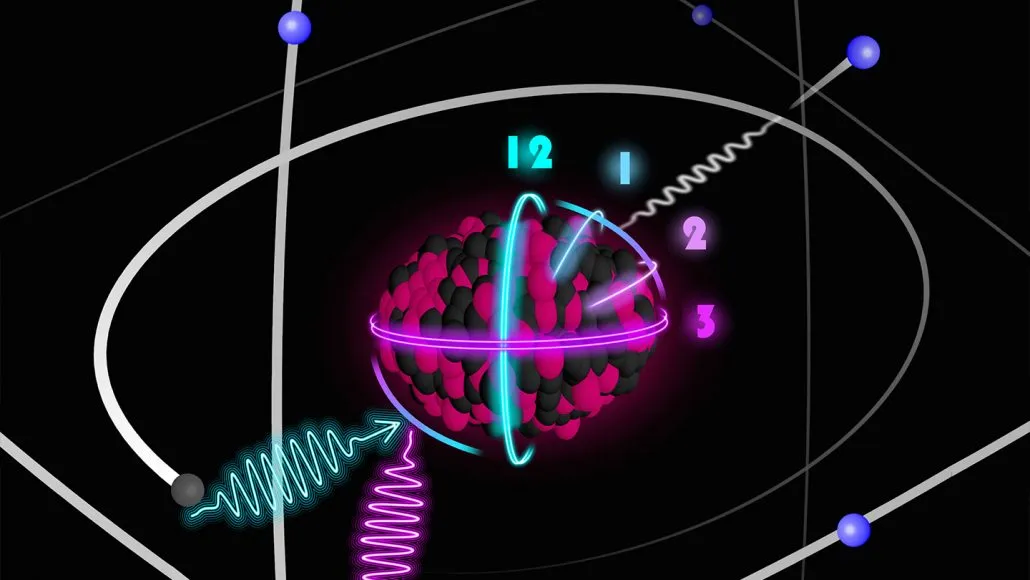
Radioactive ion beams at ISOLDE bring the nuclear clock a tick closer
Radioactive ion beams at ISOLDE bring the nuclear clock a tick closer The precise measurement of time and frequencies has always played an important role in the history of science. Since the adoption of the caesium-133 standard as the definition of the second within the Système International (SI) in 1967, a network of atomic clocks
-
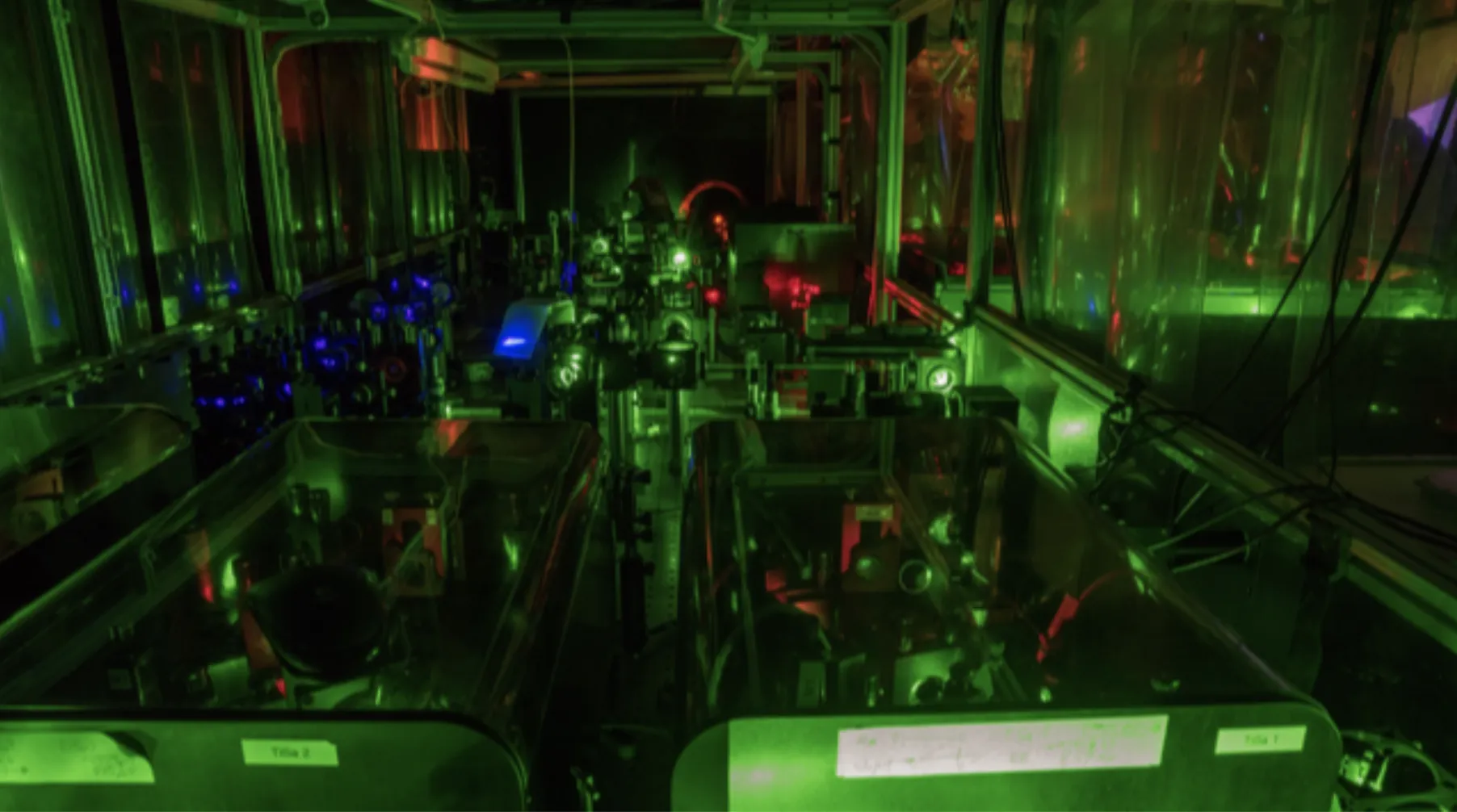
The LISA project at CERN-ISOLDE
The LISA project at CERN-ISOLDE The LISA (Laser Ionisation and Spectroscopy of Actinides) consortium aims to train a new generation of experts in radioactive ion beam research and applications, laser spectroscopy, scientific laser technologies and atomic theorists whilst they work towards the goal of vastly improving our understanding of the atomic and nuclear properties of
-
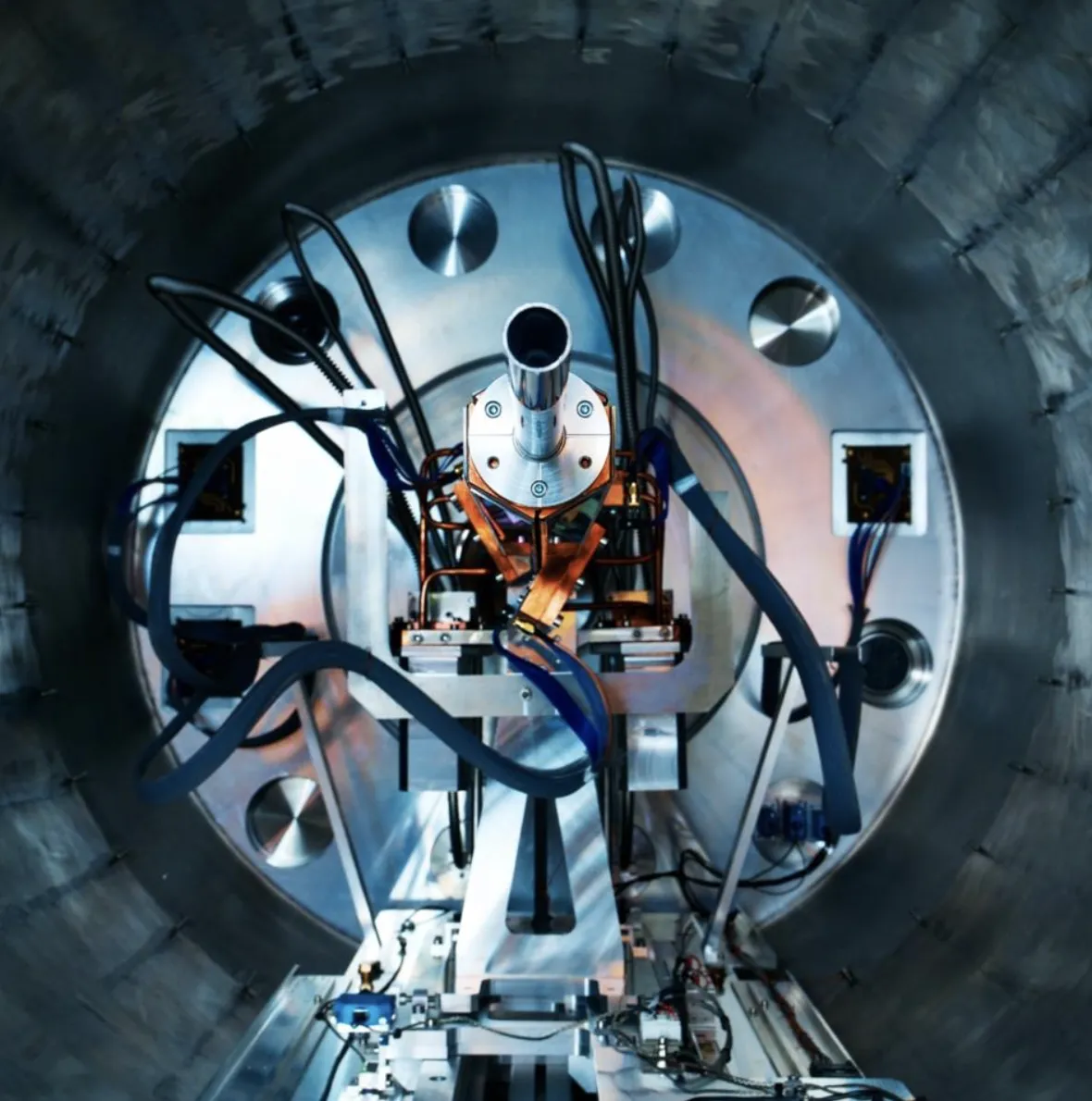
ISOLDE’s Solenoidal Spectrometer (ISS): a new tool for studying exotic nuclei
ISOLDE's Solenoidal Spectrometer (ISS): a new tool for studying exotic nuclei The majority of atomic nuclei exist away from the valley of beta-stability, so it is perhaps unsurprising that in studying them nuclear physicists have discovered emerging phenomena not seen in stable nuclei. Changing shell structure, evolving nuclear shapes, and weak-binding phenomena such as halo
-
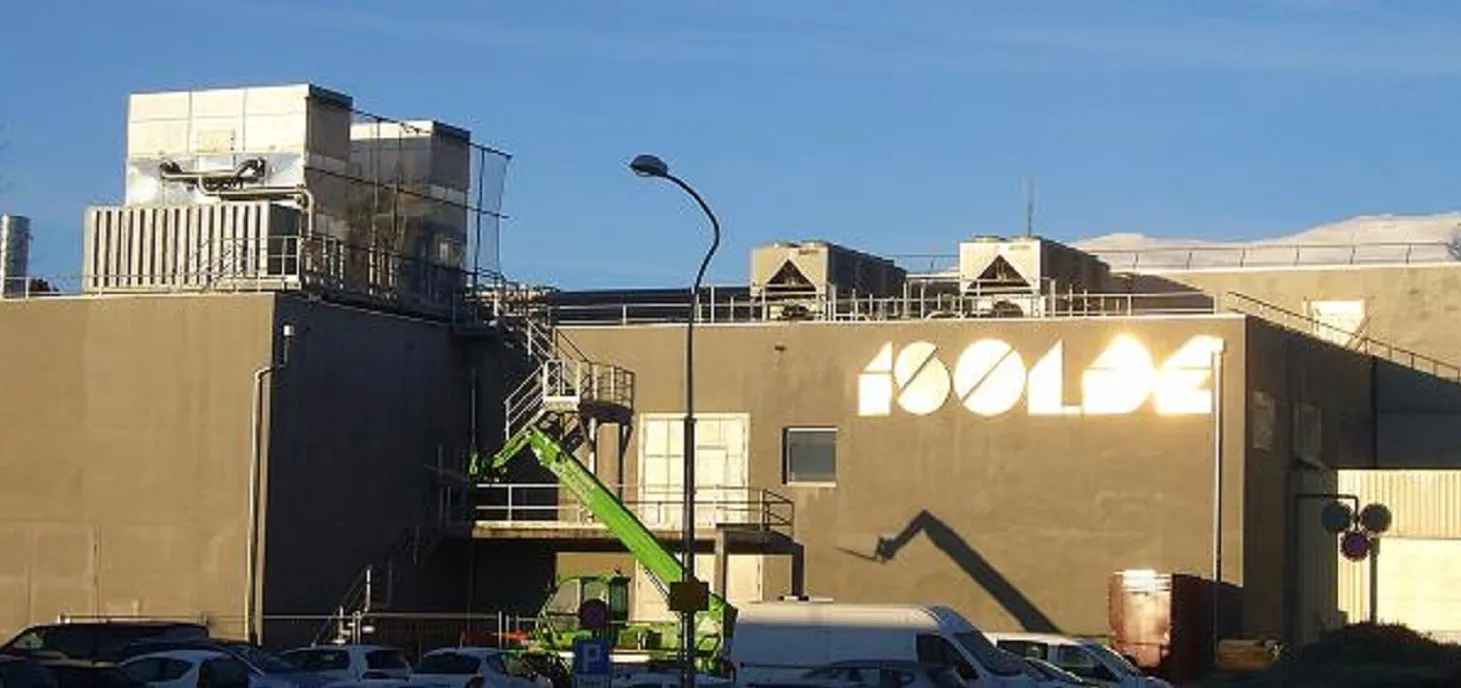
The many faces of ISOLDE
The many faces of ISOLDE You will stand across the street from the ISOLDE facility, when visiting CERN’s medical center, fire fighters, raw materials store, transport teams, or goods reception service. Located centrally at the Meyrin site (https://videos.cern.ch/record/2243399), ISOLDE has been the longest running CERN research facility, approved in 1964, connected to the synchrocyclotron (SC)
-
ISOLDE determines precise nuclear moments by devising novel experimental technique
ISOLDE determines precise nuclear moments by devising novel experimental technique Nuclear quadrupole moments (Q), a measure of charge asymmetry in nuclei, are experimentally accessible via the quadrupole interaction frequency νQ=eQVzz/h. To extract Q from this information one needs to know Vzz, the electric-field gradient at the nuclear site. This must come from theory, to date
-
Secrets of beta decay unraveled at ISOLDE
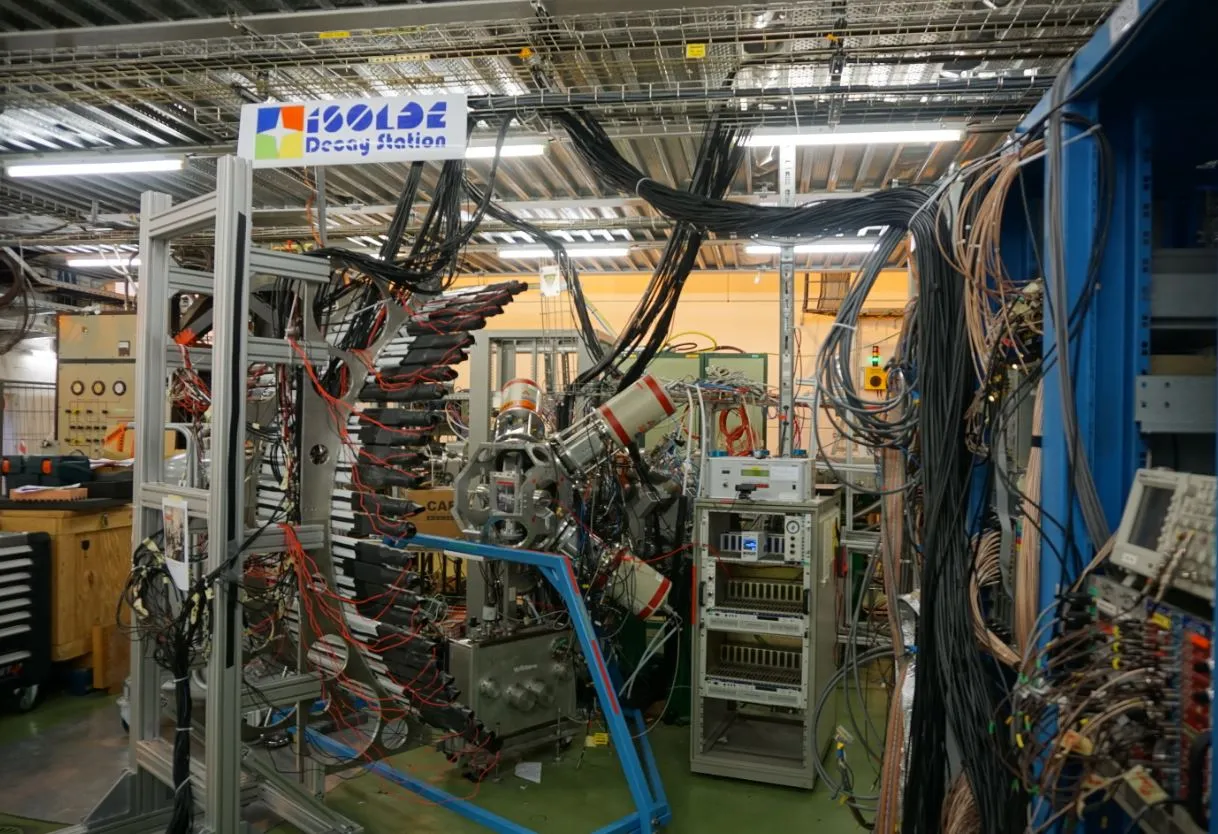
Secrets of beta decay unraveled at ISOLDE Ernest Rutherford, in 1899, separated radioactive emissions into two types: alpha and beta. Becquerel, in 1900, measured the mass-to-charge ratio of beta particles and identified them as electrons. The theory of β decay was developed by Fermi in 1934. However, even now predicting the half-life of beta decaying
-
Pinpointing the structure of the SnV centre in diamond using emission channelling at ISOLDE
Pinpointing the structure of the SnV centre in diamond using emission channelling at ISOLDE Diamond – beyond its allure as a jewel – exhibits an array of unique physical characteristics such as its hardness, the highest room thermal conductivity of any material (while being electrically insulating when undoped); it can also be doped to produce