
Tag: ISOLDE
-
Exotic radioactive molecules could reveal physics beyond the Standard Model
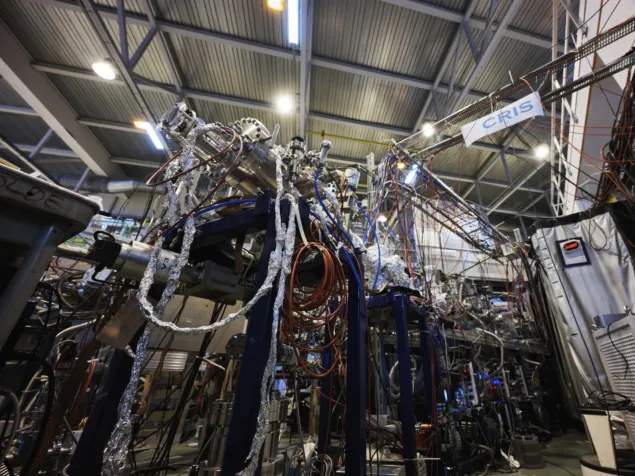
Exotic radioactive molecules could reveal physics beyond the Standard Model The first spectroscopic study of radium monofluoride (RaF) suggests that these radioactive molecules can be used to perform high precision tests of the Standard Model of particle physics. The study was done at ISOLDE, CERN’s radioactive beam facility, by an international team of physicists and
-

ISOLDE dives deeper in the mystery of the odd-even staggering effect
ISOLDE dives deeper in the mystery of the odd-even staggering effect In a recent paper, to appear in Nature Physics in the next weeks (arXiv:1911.08765v3), the CRIS collaboration, located at the ISOLDE facility in CERN, presents measurements of charge radii of exotic copper isotopes that shed further light on one of the most pertinent open
-
PUMA: Exploring exotic nuclear phenomena with antimatter
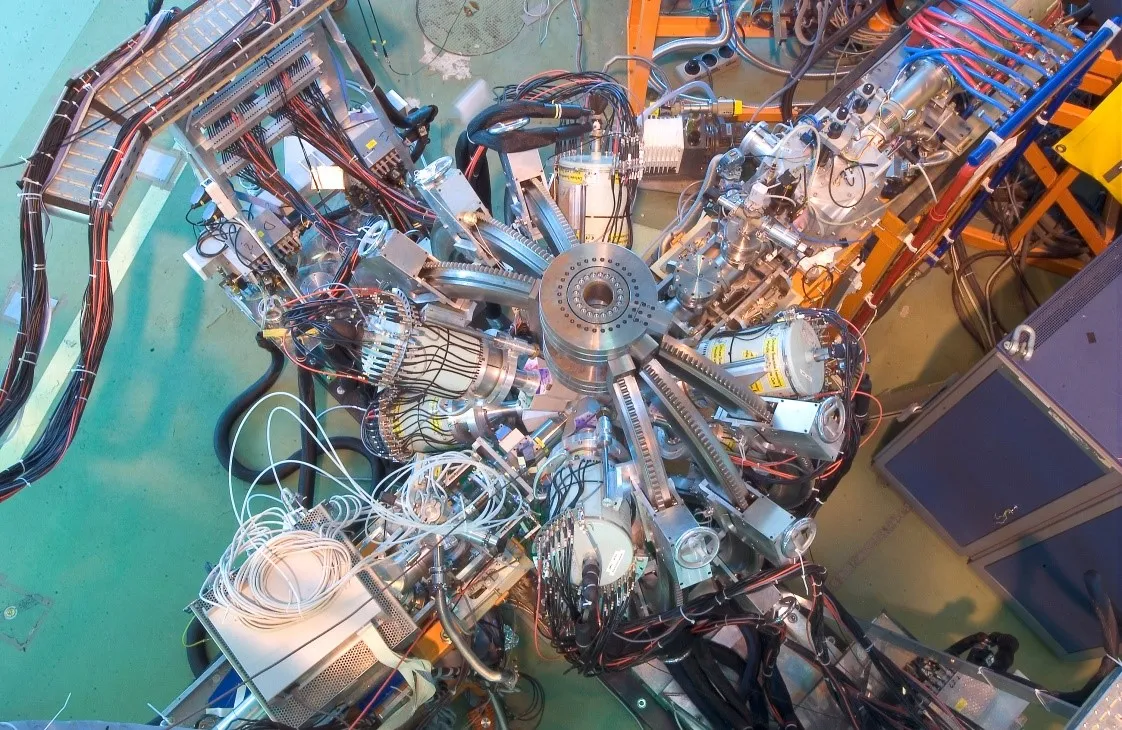
PUMA: Exploring exotic nuclear phenomena with antimatter PUMA is a new experiment proposed at both the CERN AD and ISOLDE facilities, that would for the first time transport antiprotons trapped at AD/ELENA to ISOLDE, by carrying them in a trap loaded onto a truck. The antiprotons would then be used for nuclear physics experiments at
-
Finding the best candidates for atomic EDM searches
Finding the best candidates for atomic EDM searches The search for hints of new physics Beyond the Standard Model (BSM) calls for a combination of experimental strategies including both direct searches but also a number of very high-precision measurements of certain quantities looking for deviations that could be interpreted in the framework of BSM physics.
-
MEDICIS: a new CERN facility can help medical research into cancer
MEDICIS: a new CERN facility can help medical research into cancer BROKEN IMAGE NOT MOVED (drupal url : https://ep-news.web.cern.ch//content/medicis-new-cern-facility-can-help-medical-research-cancer) Last week, the new CERN-MEDICIS facility has produced radioisotopes for medical research for the first time. MEDICIS (Medical Isotopes Collected from ISOLDE) aims to provide a wide range of radioisotopes, some of which can be produced
-
HIE-ISOLDE celebrates the end of the first stage of the energy upgrade and the great physics outcome.
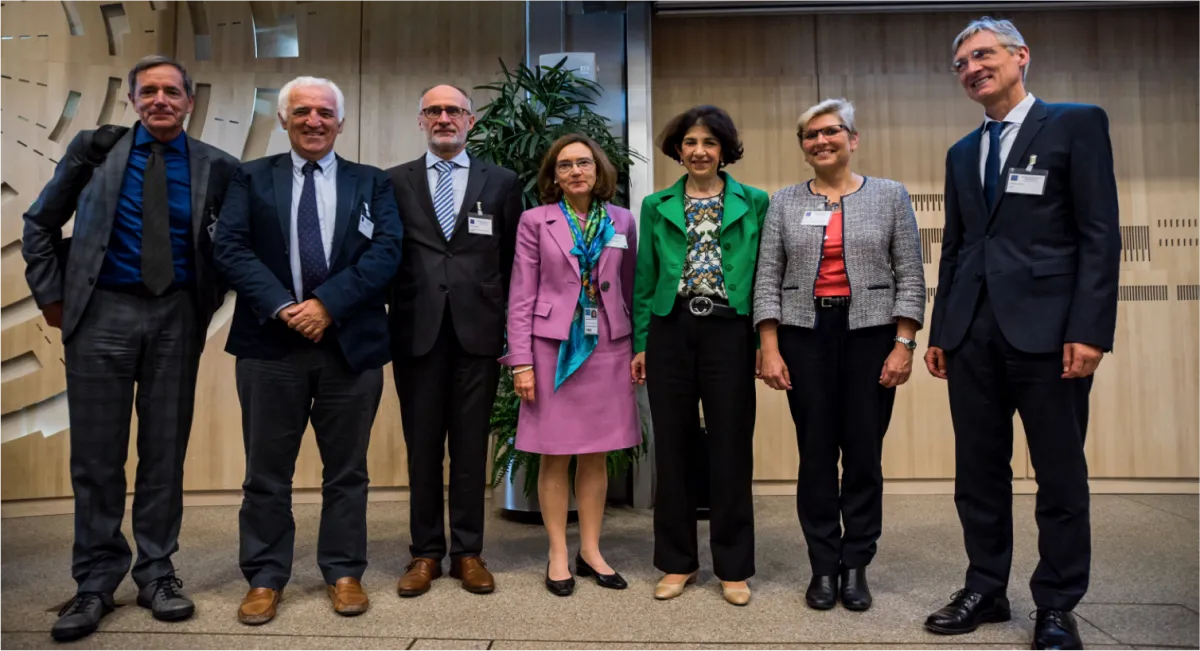
HIE-ISOLDE celebrates the end of the first stage of the energy upgrade and the great physics outcome. There was an air of celebration at CERN on Wednesday 28th September as nearly 100 invited guests gathered to mark the successful completion of phase 1 of the HIE-ISOLDE project, which aims to provide higher intensity and energy
-

ISOLDE sheds light to the nature of the proposed magic number N = 32
ISOLDE sheds light to the nature of the proposed magic number N = 32 The most intuitive properties of the nucleus are its mass and size. Both properties can be precisely studied with dedicated experiments at ISOLDE. Most of the nuclei are deformed, i.e. shaped like a rugby ball or like a pancake, only a
-
Two distinctions for ISOLDE scientists
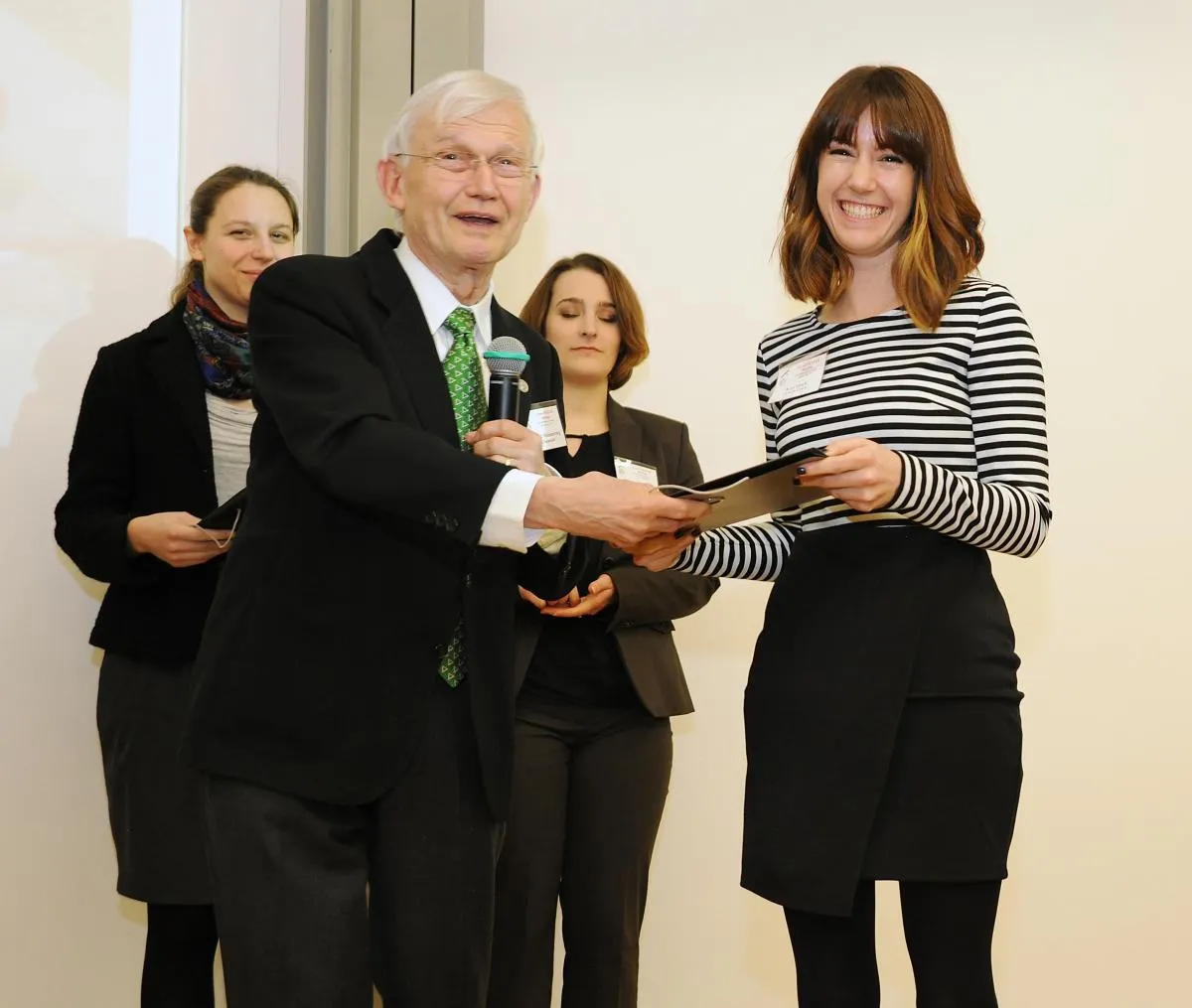
Two distinctions for ISOLDE scientists Two ISOLDE scientists have received prestigious awards this year for their research in the field of nuclear and particle physics. Kara Marie Lynch was honoured with the GENCO Young Scientist award, which recognizes outstanding achievements of young scientists in the field of exotic nuclei and super-heavy elements. The GENCO prize
-
ISOLDE offers safety training courses
ISOLDE offers safety training courses One of the safety challenges faced by the PH Department is how to provide safety training and raise awareness for the large number of users. Most of them visit CERN only for short periods of time, thus they often do not have the chance to attend one of the scheduled
-

ISOLDE first to produce physics after the LS1
ISOLDE first to produce physics after the LS1 ISOLDE, CERN’s nuclear physics facility started physics the 1st of August. Several experiments have already been completed thanks to the wonderful job done by Magdalena Kowalska, our beam coordinator, the technical CERN team and all the users that worked intensively to produce the best physics possible. Up