
Tag: Neutrino
-
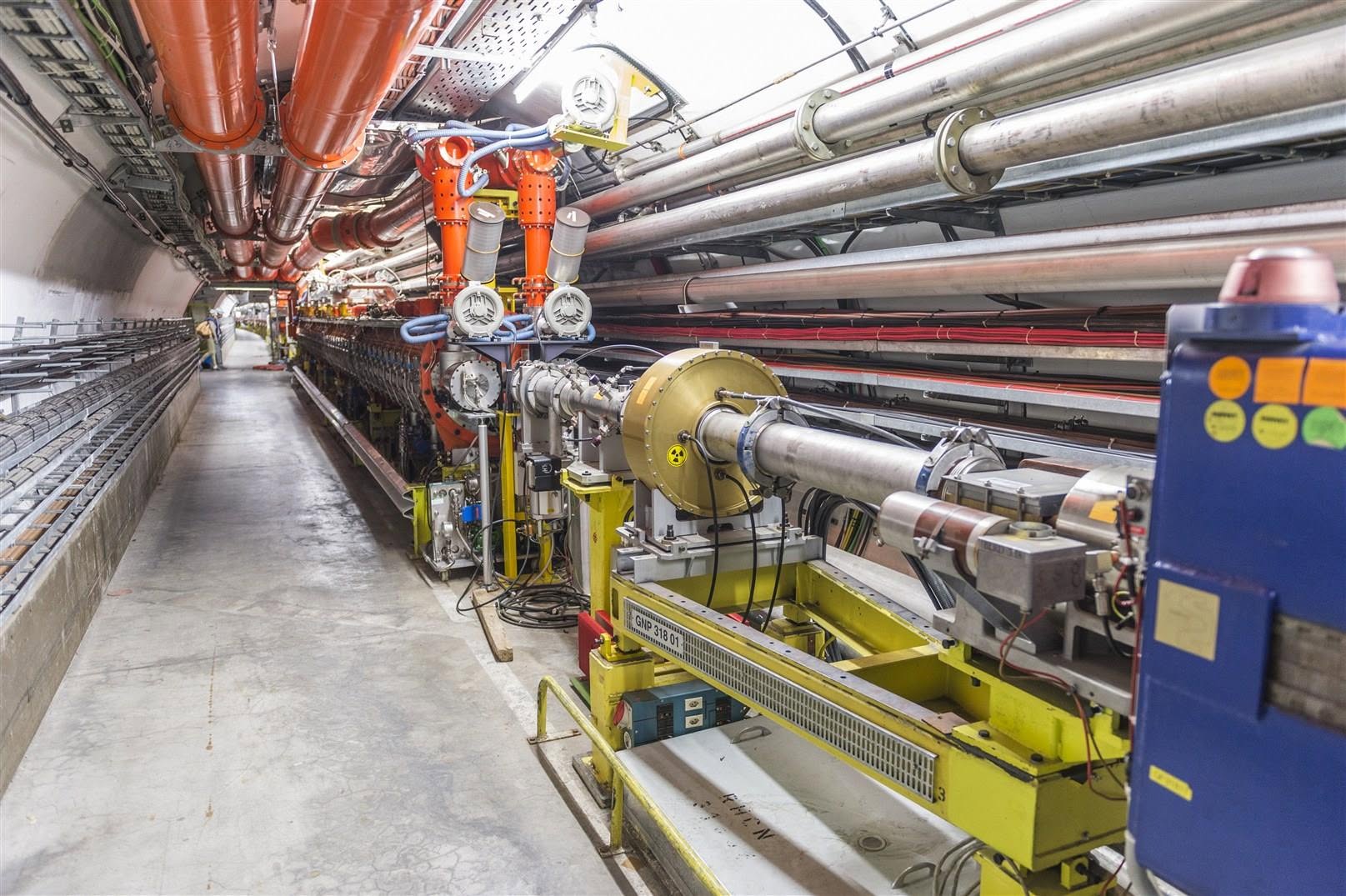
From beam dumps to missing energy: the SPS search for hidden particles
For more than four decades, CERN’s Super Proton Synchrotron has served as a testing ground for new ways to search for particles that interact only feebly with ordinary matter. In a recent lecture, NA64 co-spokesperson Paolo Crivelli traced the evolution of this programme – from the first beam-dump experiments to missing-energy and missing-momentum searches, precision…
-
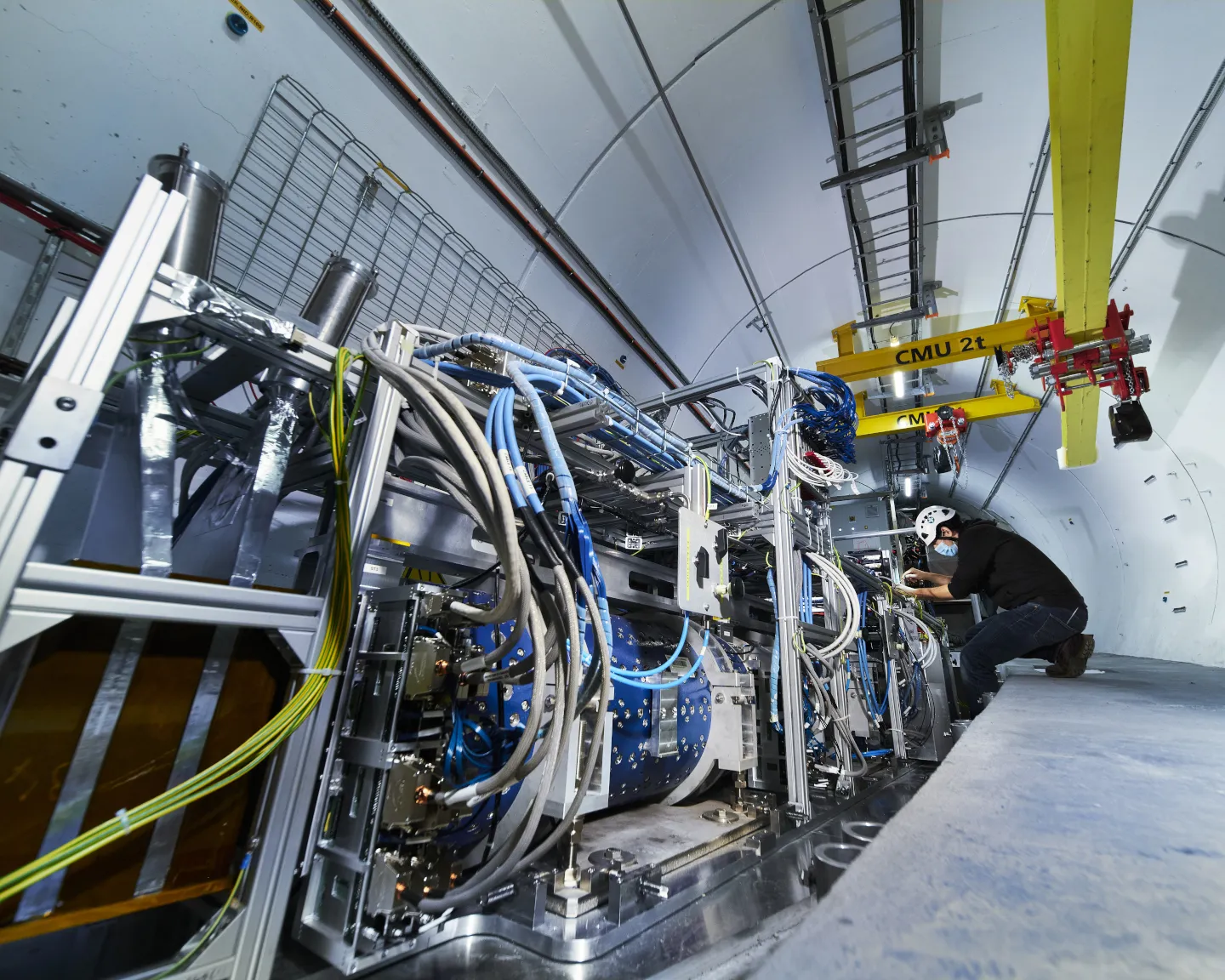
FASER opens new windows on dark sectors and TeV neutrino physics
FASER opens new windows on dark sectors and TeV neutrino physics The FASER experiment has presented a series of new results that highlight the growing breadth of its physics programme at the LHC. These include a search for dark photons with the main FASER detector, a first search for neutrino-induced charm production with FASERν, and
-
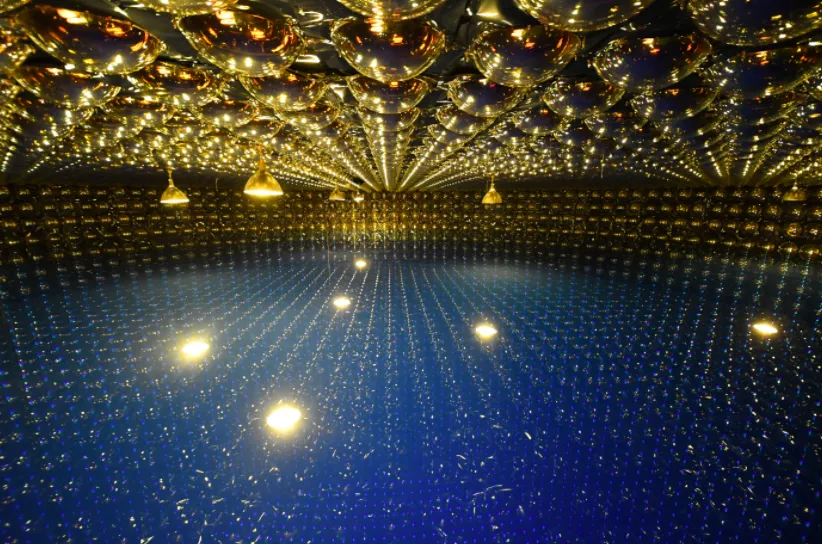
T2K Neutrino Oscillation Results
T2K Neutrino Oscillation Results The T2K collaboration studies neutrino oscillations. These oscillations arise from quantum mechanical interference caused by the fact that every neutrino of the type electron, muon, or tau is a combination of three neutrino mass states. The neutrino type is determined by the associated heavy lepton (electron, muon, or tau) in the
-
Proto-DUNE at CERN: New technologies for new discoveries
Proto-DUNE at CERN: New technologies for new discoveries Following many years of R&D work, recent results from ProtoDUNE-SP, the single-phase DUNE Far Detector prototype at the CERN Neutrino Platform, now validate the Liquid Argon Time Projection Chamber (LArTPC) technology choice for DUNE providing the necessary information for the DUNE Technical Design Report (TDR) [https://arxiv.org/abs/2002.03010] recently
-
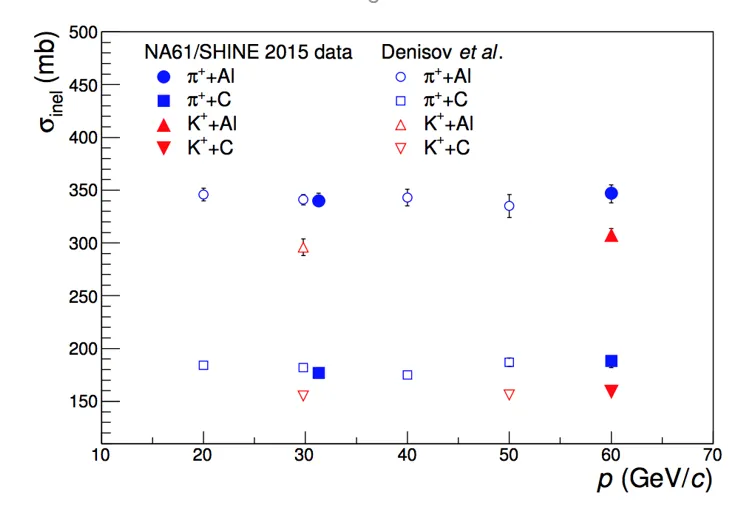
Nuclear Physics Meets Neutrinos
Nuclear Physics Meets Neutrinos Neutrino beams, such as those currently operating at Fermilab in the USA and J-PARC in Japan, are typically produced by colliding high-energy proton beams with long, thin solid targets. These collisions result in a spray of particles including short-lived hadrons such as pions or kaons. The hadrons are focused using magnetic
-
Baby MIND prepares for first physics run with WAGASCI at T2K
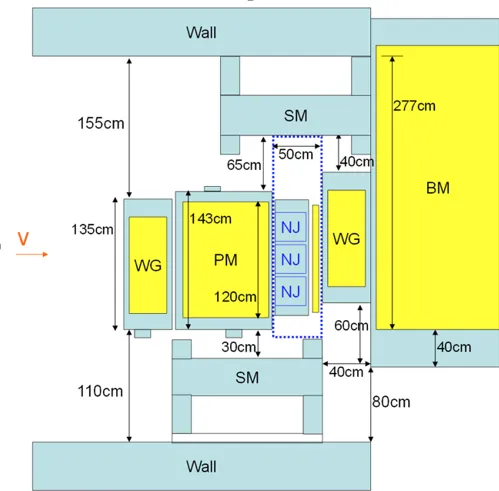
Baby MIND prepares for first physics run with WAGASCI at T2K Extracting ever more precise information from long-baseline neutrino oscillation experiments calls for a better understanding of neutrino production and neutrino interactions with their target detectors, through experimental programmes dedicated to neutrino cross-section measurements and validation of neutrino interaction models. The challenge is in the
-
Data acquisition challenges for the ProtoDUNE-SP experiment at CERN
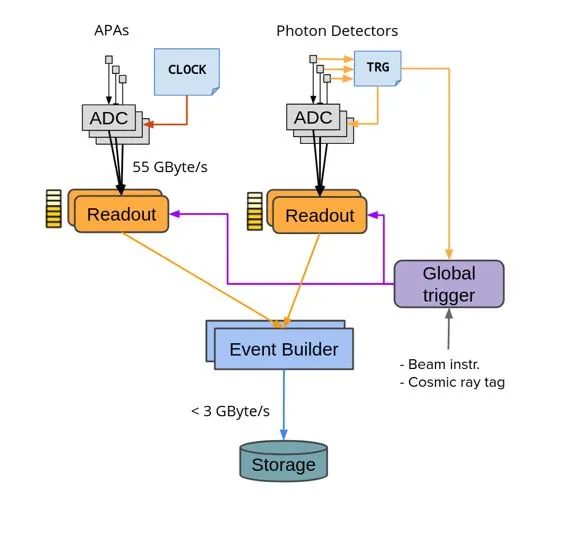
Data acquisition challenges for the ProtoDUNE-SP experiment at CERN The ProtoDUNE Single-Phase (SP) experiment at the Neutrino Platform at CERN (read more) is taking data after about two years of construction and commissioning. Its primary goal is to validate the design principles, construction procedures, detector technologies, and long term stability in view of DUNE (Deep
-
PHYSTAT-nu 2019 held at CERN
PHYSTAT-nu 2019 held at CERN Statistics is a topic that has gained increasing importance and underwent significant developments in particle physics over the past 25 years. More sophisticated methods have been developed to extract the maximum of information from the recorded data, and to make reliable predictions of the significance of measurements and observations. The
-
ProtoDUNE sees first particle tracks
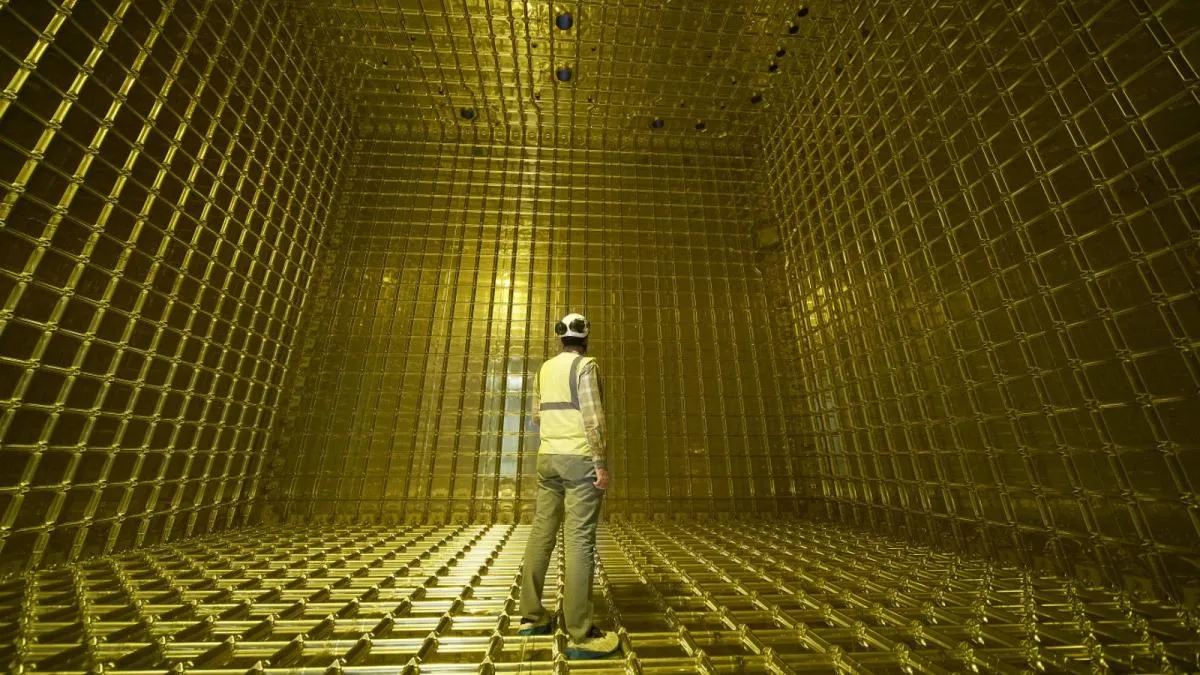
ProtoDUNE sees first particle tracks Introduction The CERN Neutrino Platform was installed in 2014 following the recommendation of the European Strategy Group for CERN to engage in the worldwide experimental neutrino program. The platform engaged from the start in the future Deep Underground Neutrino Experiment (DUNE) in the US, which plans for its far detector
-

First particle tracks seen in prototype for international neutrino experiment
First particle tracks seen in prototype for international neutrino experiment The largest liquid-argon neutrino detector in the world has just recorded its first particle tracks, signaling the start of a new chapter in the story of the international Deep Underground Neutrino Experiment (DUNE). DUNE’s scientific mission is dedicated to unlocking the mysteries of neutrinos, the
