
Tag: SME
-
SHiP Experiment: Charting New Territory in Particle Physics
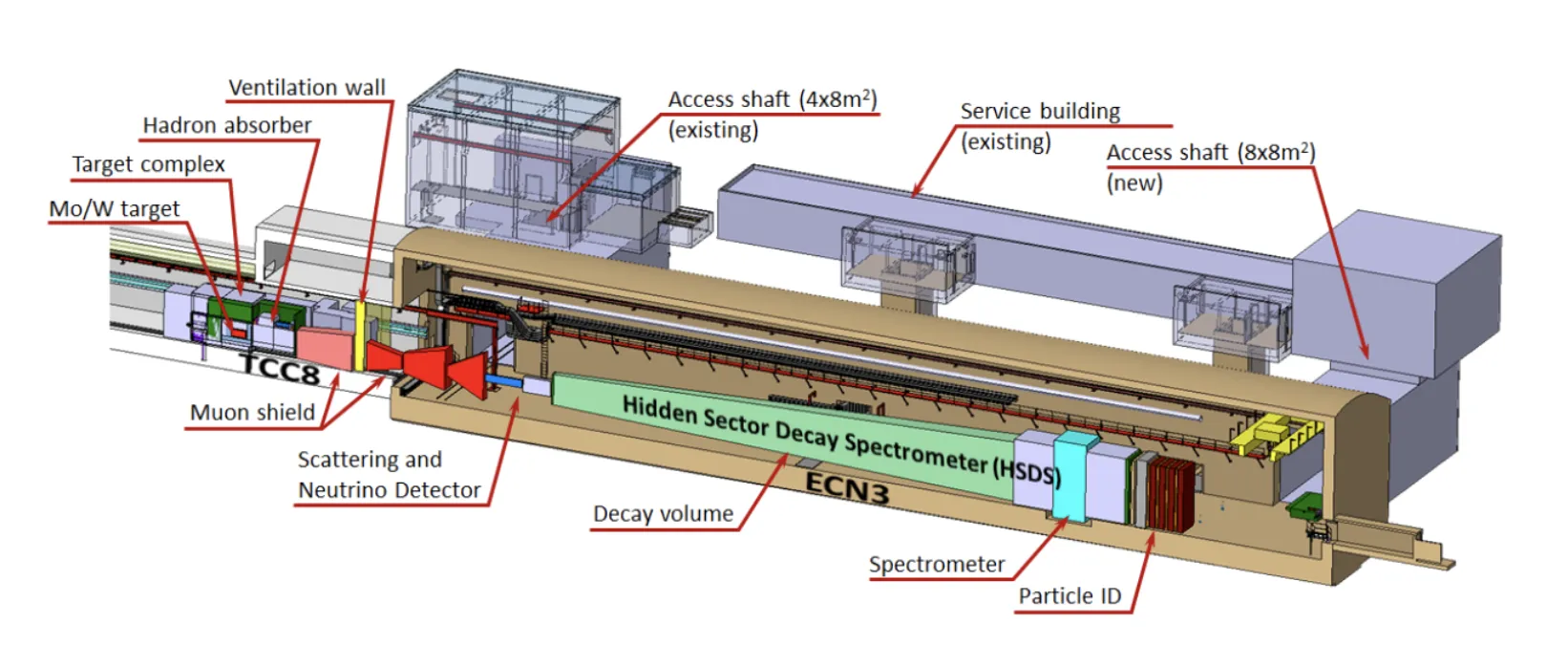
SHiP Experiment: Charting New Territory in Particle Physics Full speed ahead Layout of the SHiP experiment, with the target on the left and the experiment in the ECN3 hall. Credit: SHiP collaboration. In a significant step forward for particle physics, CERN’s Research Board recently approved the SHiP (Search for Hidden Particles) experiment, slated to begin
-
Truly non-destructive: Antimatter under the microscope during the 2024-YETS
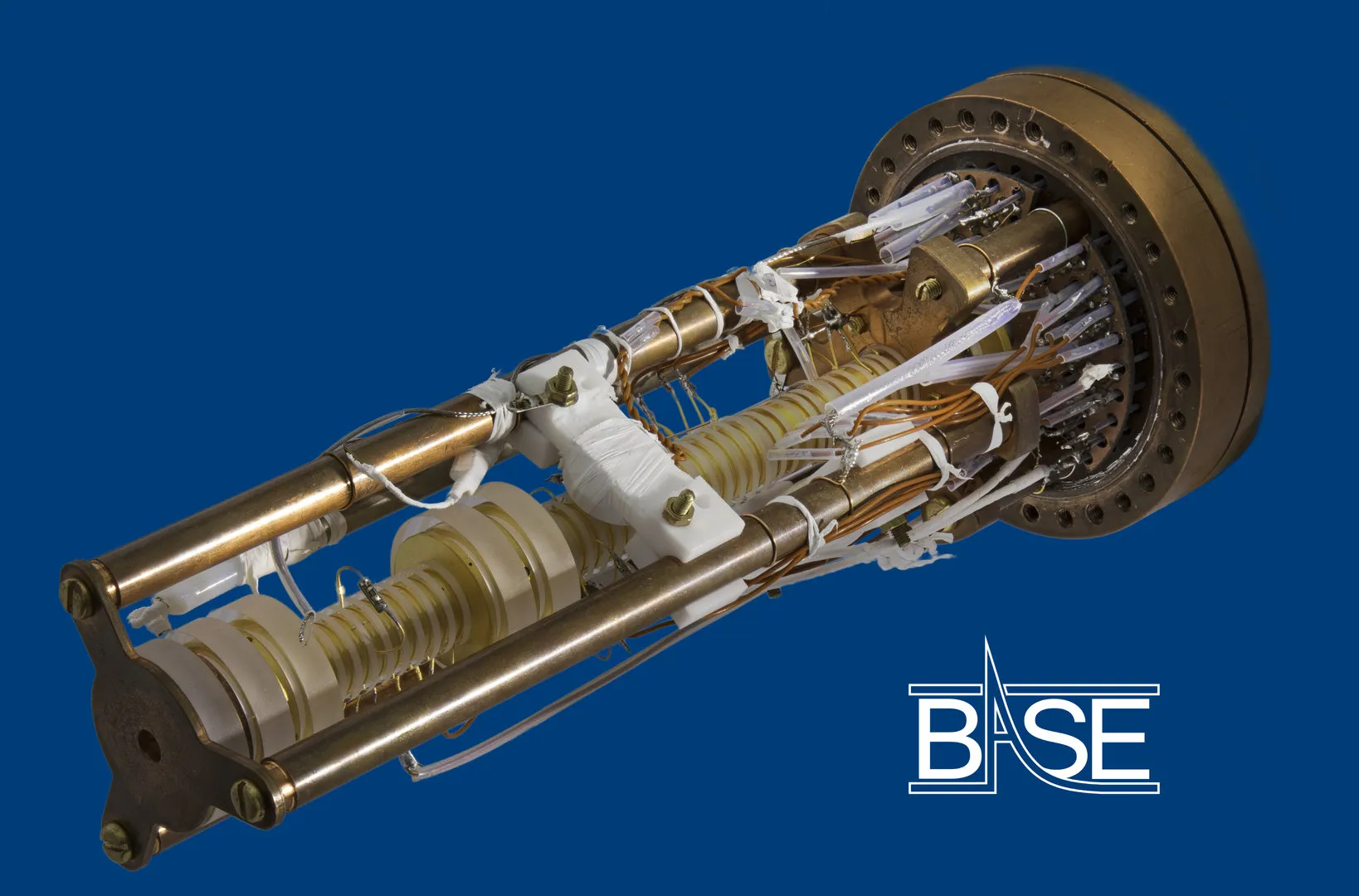
Truly non-destructive: Antimatter under the microscope during the 2024-YETS Early in the morning, on the 13th of November 2023, the AD/ELENA facility delivered its final antiproton bunch to the users at the antimatter factory. Most of the particles annihilated a few minutes later in antihydrogen formation and its spectroscopy, and most of the AD/ELENA users
-
AEgIS Experiment Breakthrough: Laser Cooling Opens Door to New Antimatter Studies
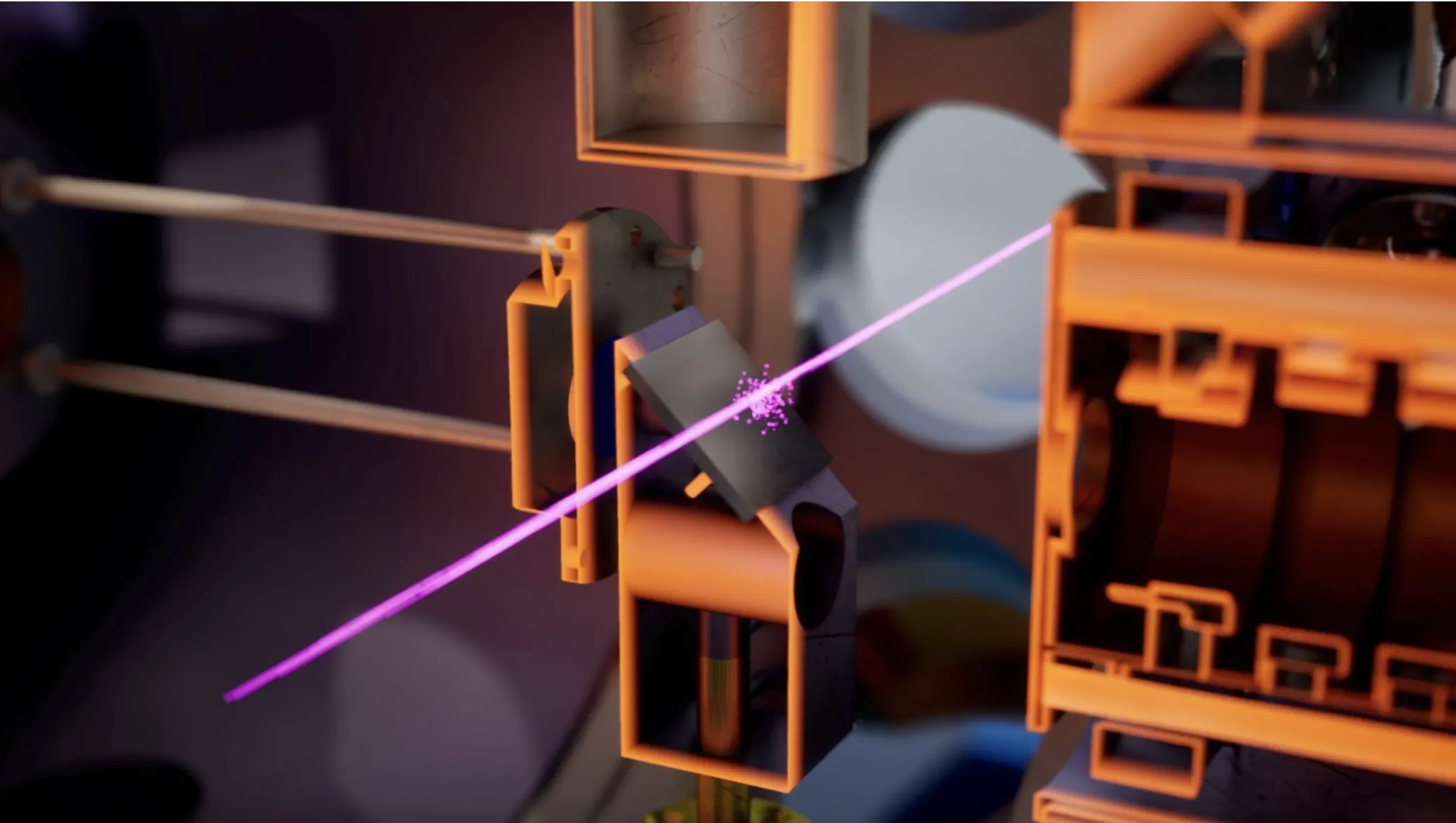
AEgIS Experiment Breakthrough: Laser Cooling Opens Door to New Antimatter Studies A significant breakthrough has been achieved at CERN by the AEgIS experiment. Researchers successfully cooled a sample of positronium using a laser, paving the way for a new era in antimatter research. This accomplishment, reported in Physical Review Letters, holds promise not only for
-

Champion in laser ionisation of unstable nuclei, justice and diversity at work, and climbing.
Champion in laser ionisation of unstable nuclei, justice and diversity at work, and climbing. On January 27th, at the Maison des Amis Montagnards in Geneva, friends, colleagues from CERN, and numerous ISOLDE users said the last goodbye to Bruce Marsh, who has been one of the main innovators of the laser ion sources at ISOLDE
-
Revolutionizing Particle Detection: 3D-Printed Scintillating Detectors for Tracking and Calorimetry
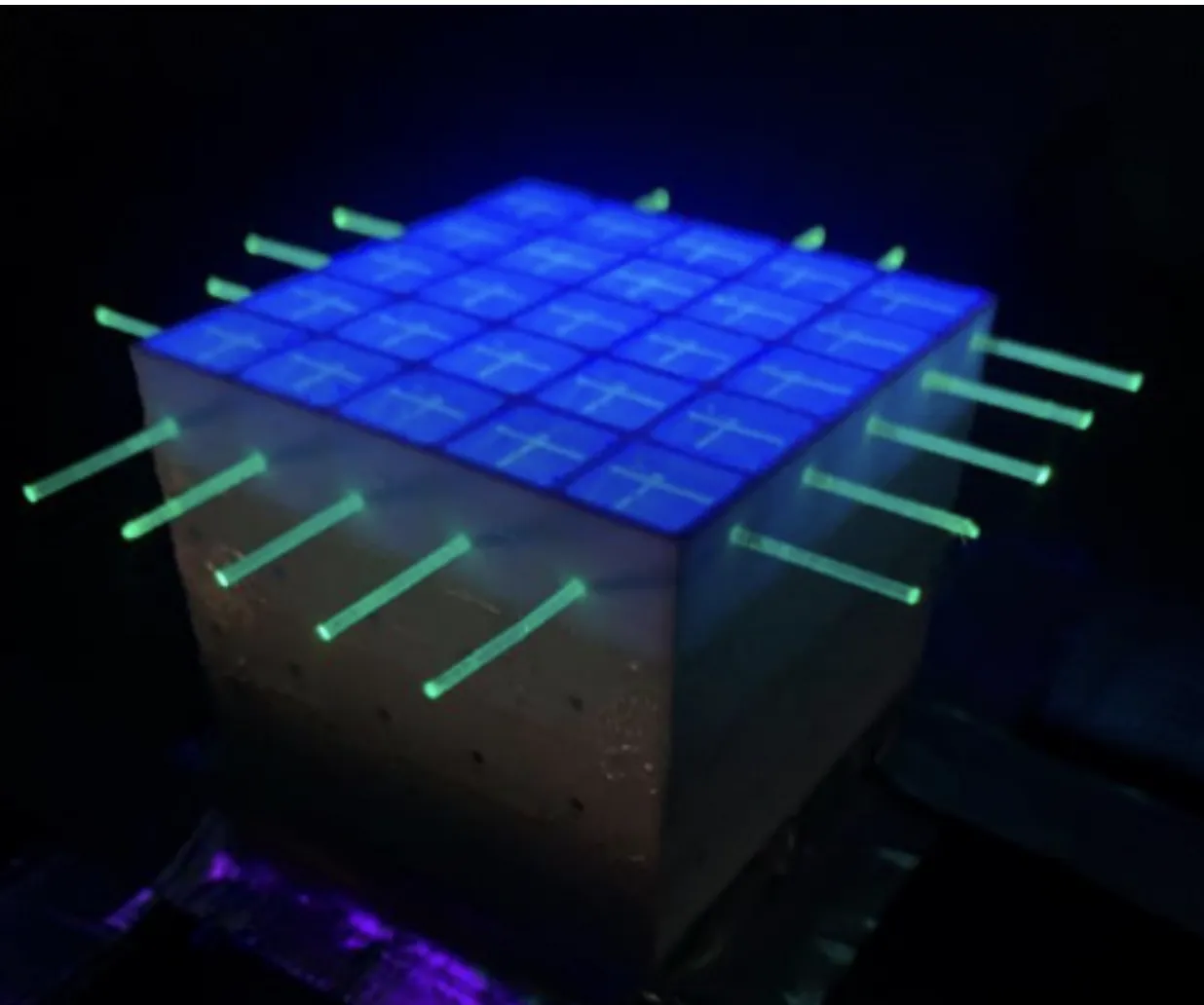
Revolutionizing Particle Detection: 3D-Printed Scintillating Detectors for Tracking and Calorimetry Plastic scintillator detectors, which are cost-effective due to the affordability of plastic materials, are extensively employed in high-energy physics experiments. They play a crucial role in identifying and tracking particles, conducting time-of-flight measurements, and, when combined with dense materials, are used in sampling calorimeters. The
-
ISOLDE: On the frontiers of materials science for a sustainable future
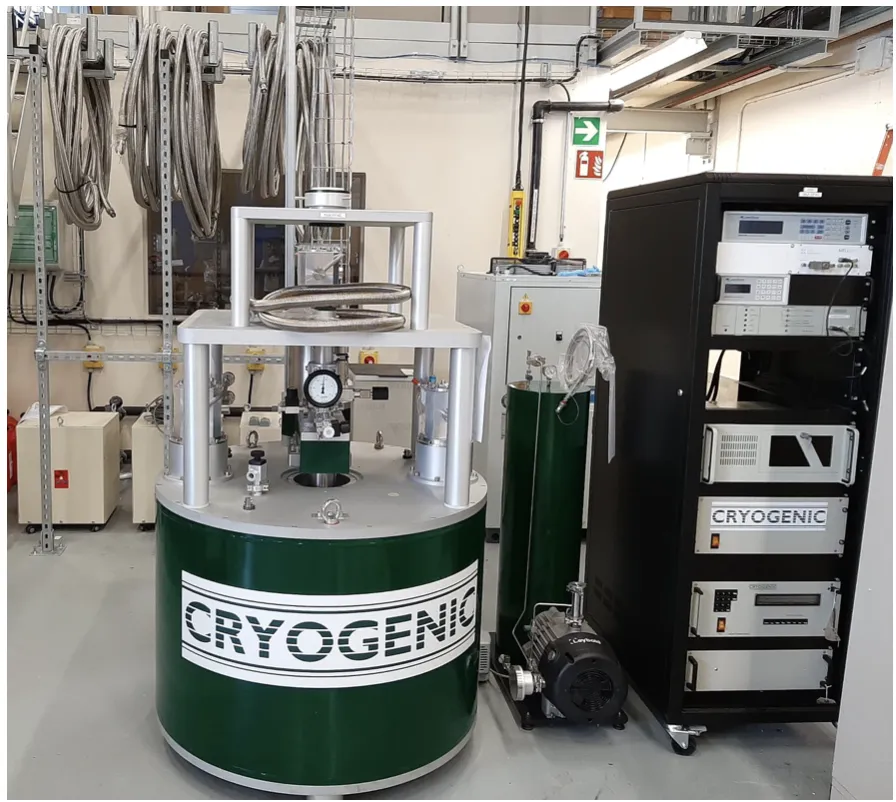
ISOLDE: On the frontiers of materials science for a sustainable future Nowadays, one of the most important issues that human beings are facing is the fact that reducing carbon emission is extremely necessary. New materials for a sustainable future are required for the world to become climate neutral. The huge demand for innovative hard magnetic
-
Investigating exotic structures of exotic nuclei with Miniball
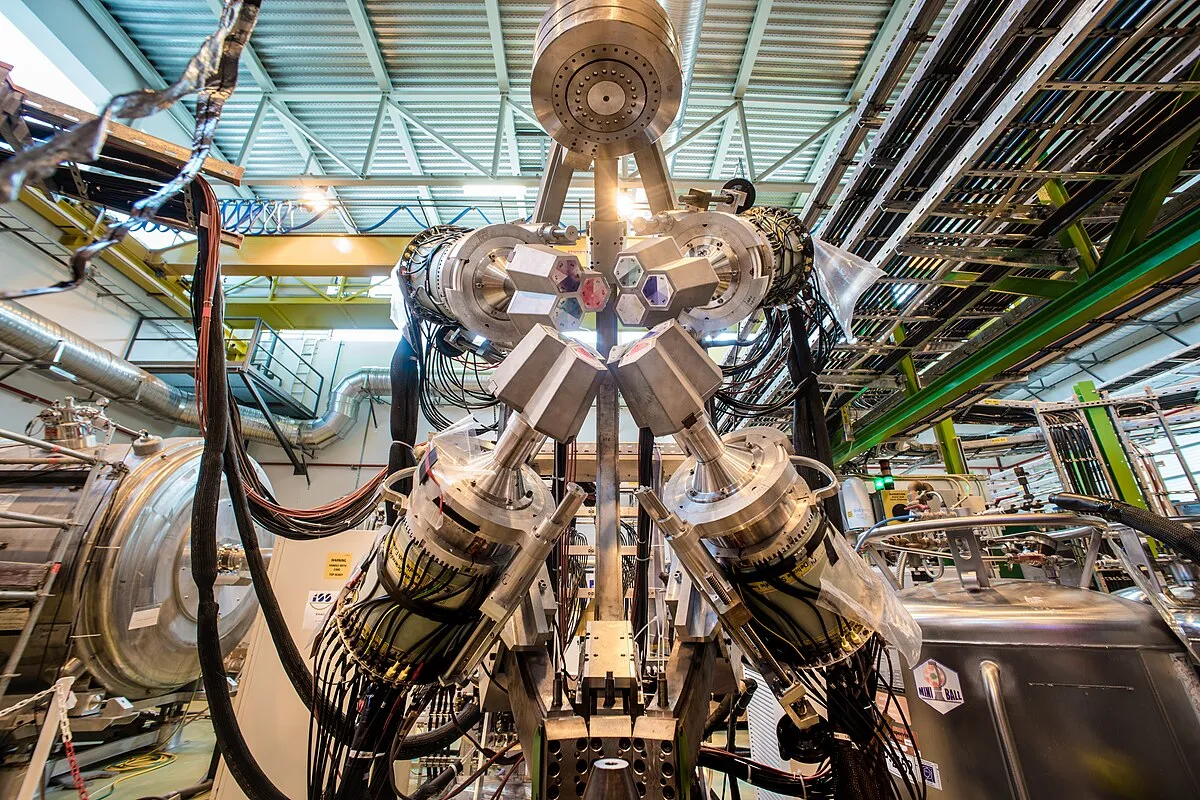
Investigating exotic structures of exotic nuclei with Miniball Atomic nuclei come in all manner of shapes and sizes, sometimes at the same time! The reason behind this diversity lies in poorly understood nuclear forces. Many features of these forces only came to light when studying very unstable nuclei, which do not occur terrestrially. At CERN,
-
SHADOWS of New Physics in the CERN North Area
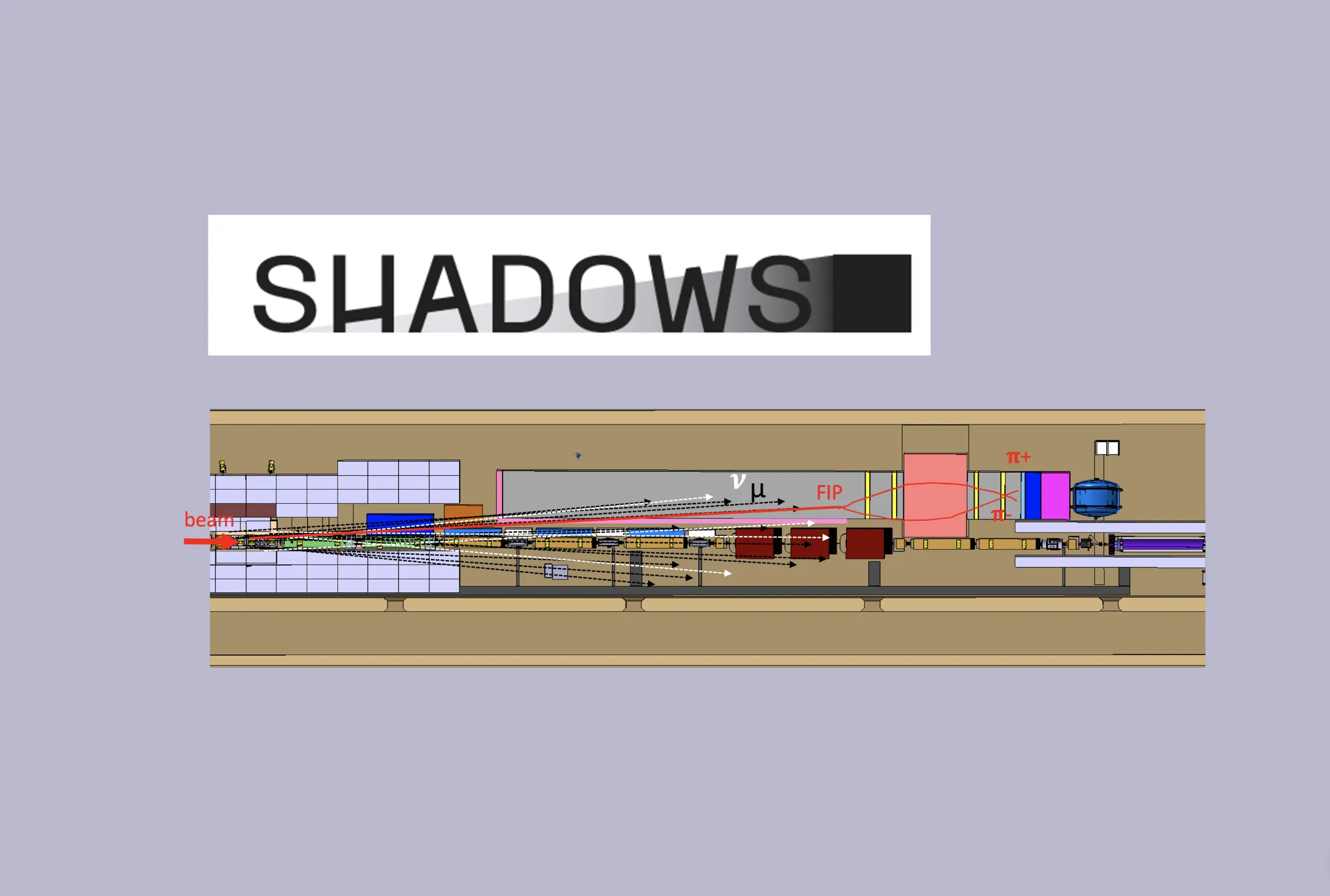
SHADOWS of New Physics in the CERN North Area In recent years, the physics of feebly-interacting particles (FIPs) has received considerable and growing attention from the broad HEP community, motivated by both existing data, and by the appeal of simple extensions of the Standard Model to address long-standing puzzles in which FIPs play an important
-

CLOUD experiments show that trees can make their own clouds.
CLOUD experiments show that trees can make their own clouds. Atmospheric aerosols are tiny solid or liquid droplets suspended in the air. They are all around us, emitted from a variety of natural and anthropogenic sources. Although aerosol particles are too small to be seen with the human eye, they have a significant impact on
-
ALPHA experiment at CERN observes the influence of gravity on antimatter.
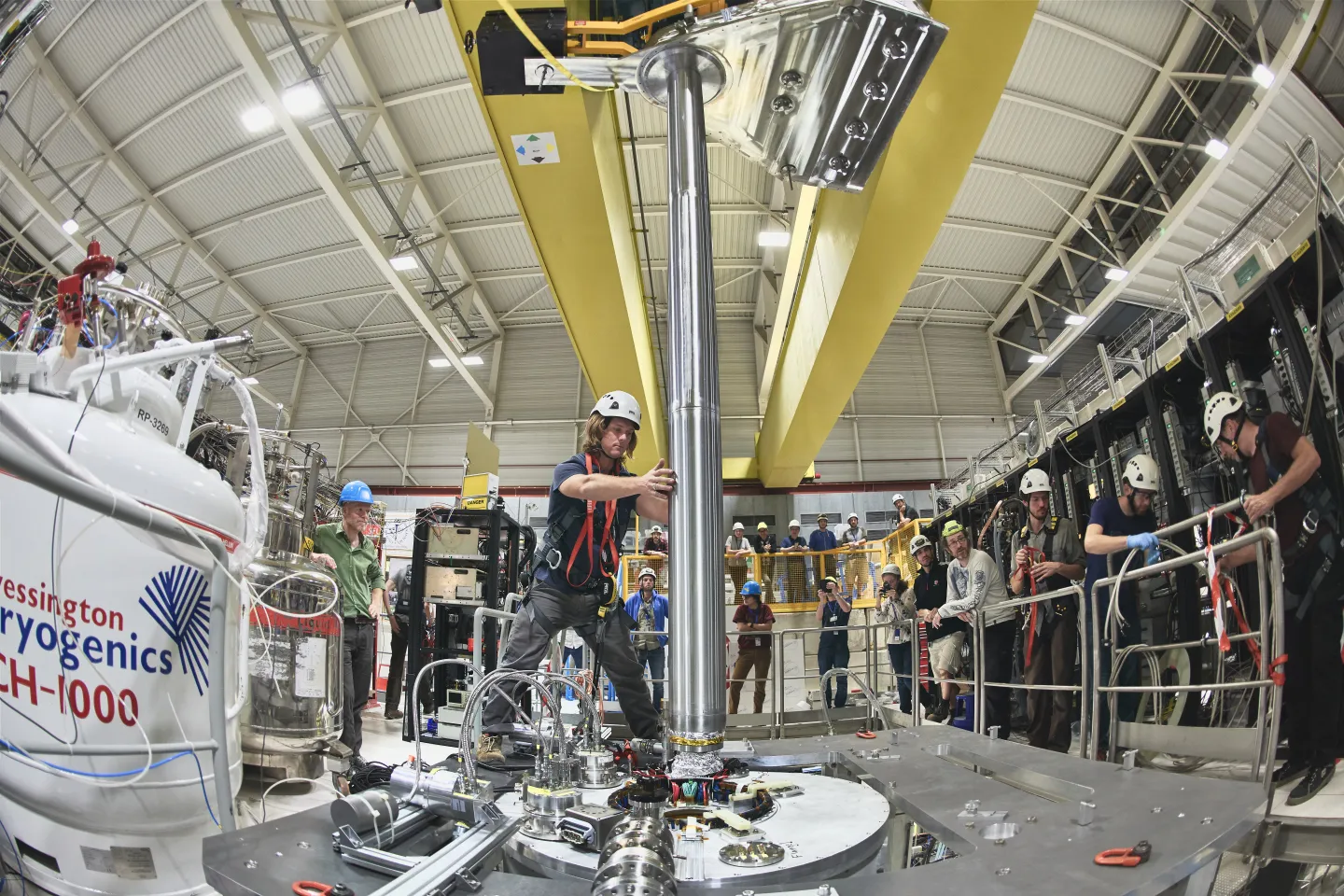
ALPHA experiment at CERN observes the influence of gravity on antimatter. In a paper published earlier this autumn in Nature, the ALPHA collaboration at CERN’s Antimatter Factory shows that, within the precision of their experiment, atoms of antihydrogen – a positron orbiting an antiproton – fall to Earth in the same way as their matter