
Category: Newsletter
-
Lighting the dark with NA64: news from Light Dark Matter searches
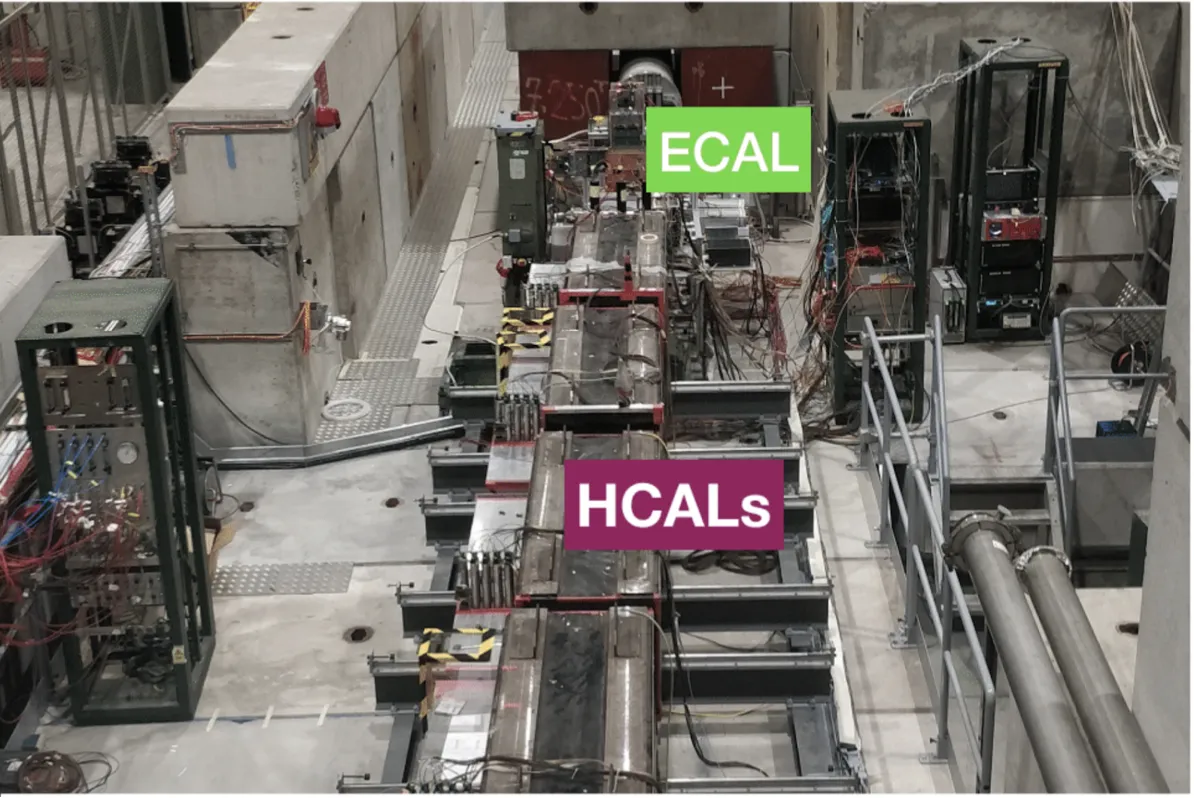
Lighting the dark with NA64: news from Light Dark Matter searches The existence of Dark Matter (DM) has been inferred by Cosmology and Astrophysics through its gravitational effects. However, its microscopic nature remains one of the most pressing questions in particle physics. Scenarios in which the DM is a thermal relic from the early universe
-
lpGBT ASIC Production
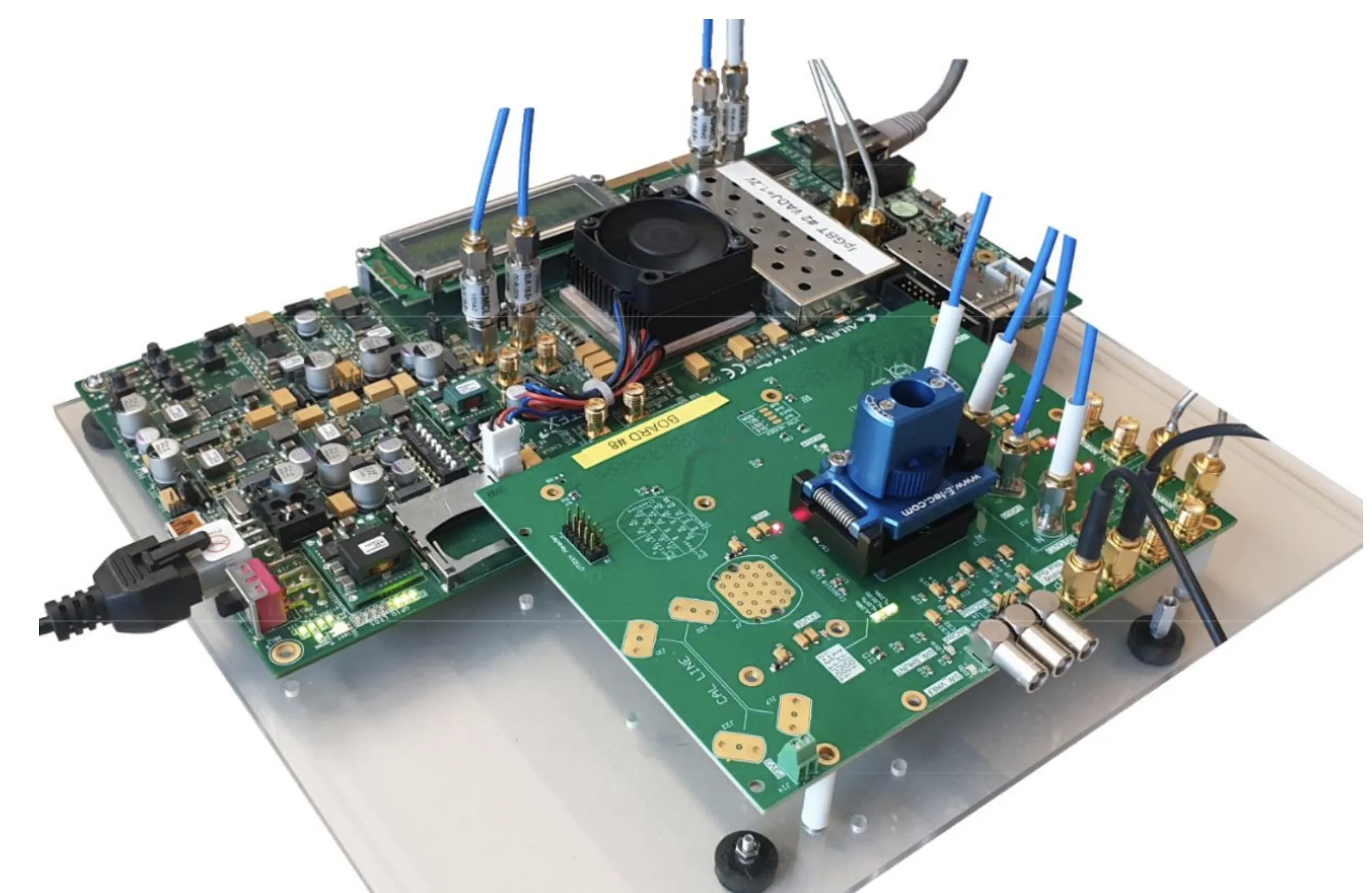
lpGBT ASIC Production What is the lpGBT ASIC ? Figure 1: The lpGBT silicon die on the package substrate (left) and the finished product with overmold (right) The Low Power Giga Bit Transceiver (lpGBT) is a reliable, radiation-tolerant ASIC designed for use in multiple detector systems of the Large Hadron Collider (LHC) (see Figure 1).
-
Update on CernVM-FS
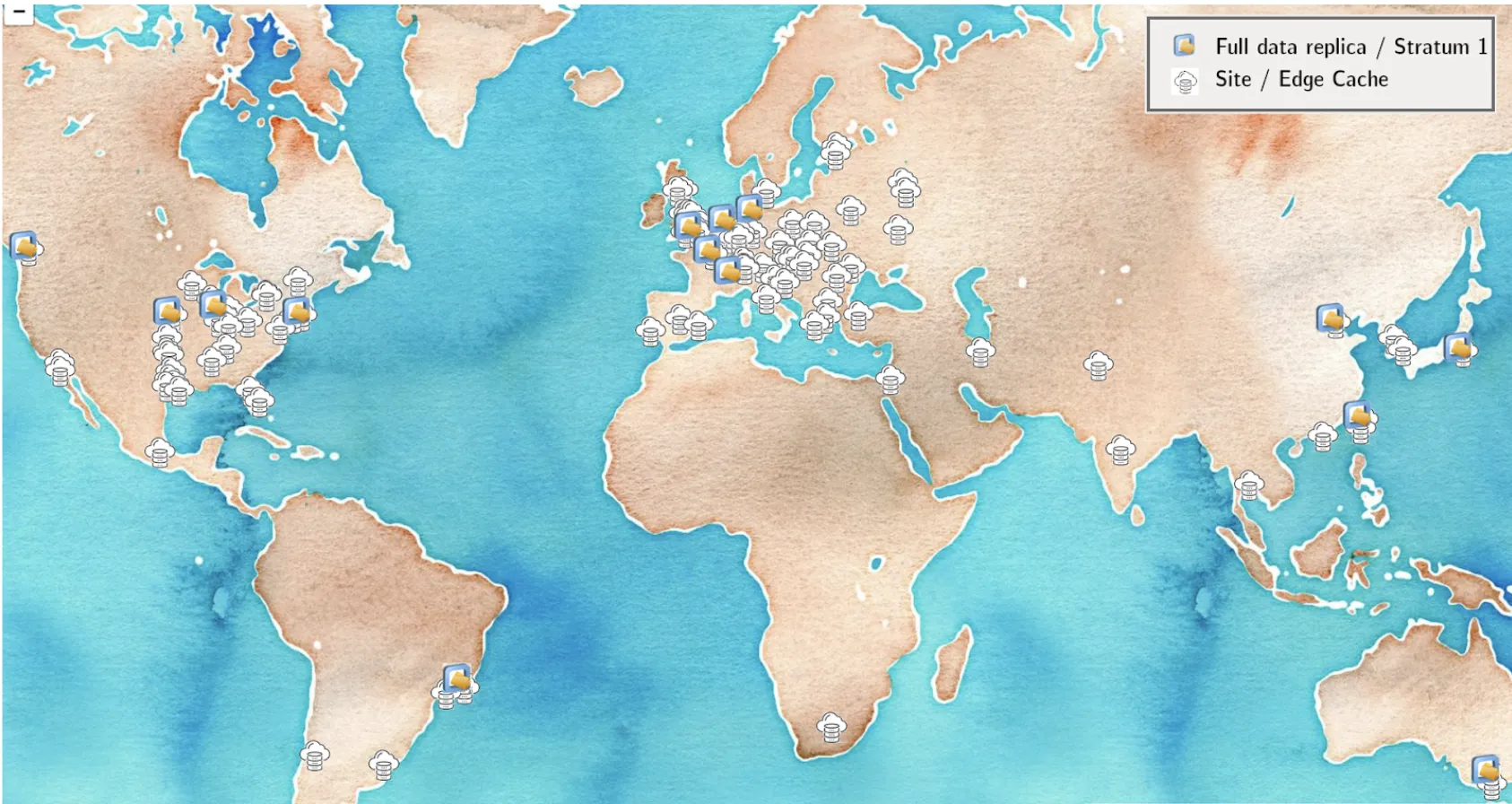
Update on CernVM-FS Fig. 1: Map of CVMFS cache instances. The tiered cache model is one of the techniques that helps to efficiently deploy software on /cvmfs to computing sites all over the world. Anyone who has ever used experimental software on CERN's computing infrastructure is likely to be familiar with CernVM-FileSystem (CVMFS) – even
-
Report from the 6th Workshop on the LHCb Upgrade II
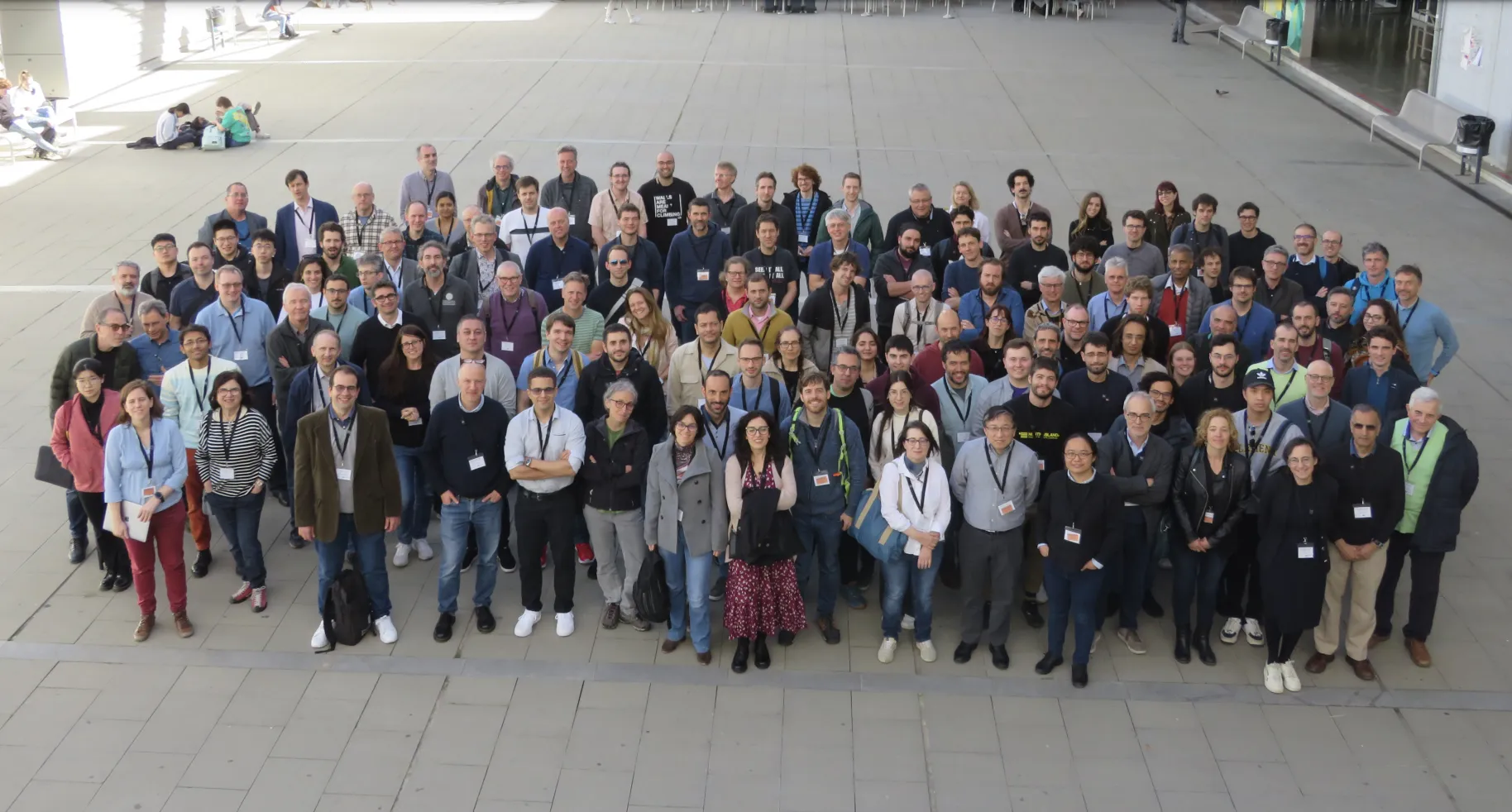
Report from the 6th Workshop on the LHCb Upgrade II From March 29 until 31, the LHCb collaboration held its 6th Upgrade II workshop in the Faculty of Physics in Barcelona with 147 participants. It was the first time the collaboration gathered in-person after the pandemic to discuss plans for the Upgrade II of the
-
B anomalies: hopes, disillusions, and future prospects.
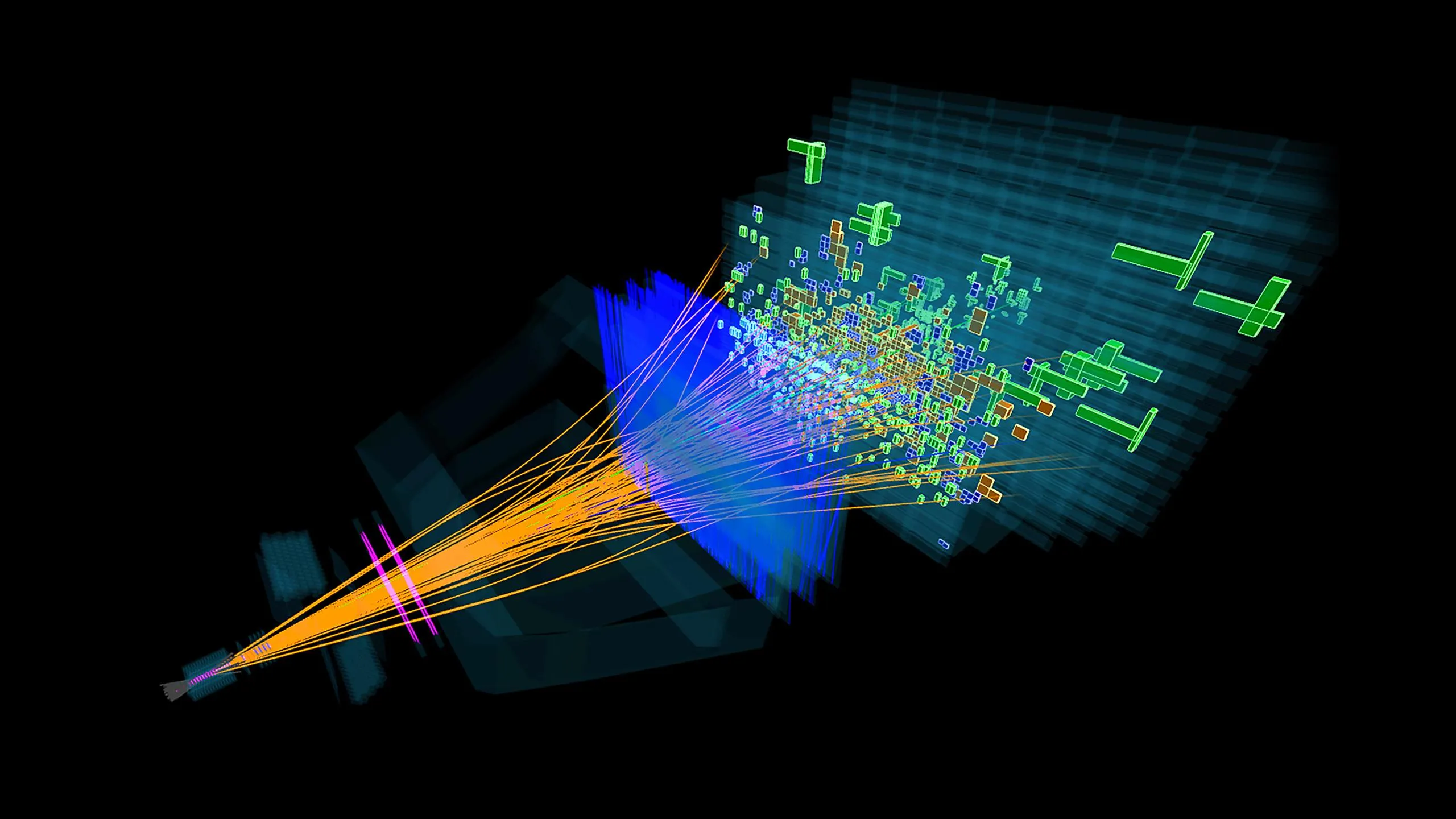
B anomalies: hopes, disillusions, and future prospects. Within the Standard Model (SM) the basic constituents of matter are the three “families” (two quarks and two leptons) with different quantum numbers, that completely determine the properties of these particles under the three fundamental forces relevant at the microscopic level (strong, weak and electromagnetic interactions). Ordinary matter
-

A word from the Deputy Head of the EP department – March 2023
A word from the Deputy Head of the EP department – March 2023 Dear Colleagues, dear Members of the EP Department and CERN Users, It’s my pleasure to invite you to the reading of the spring edition of the EP Newsletter. The way this fantastic wealth of results and achievement is springing forth really reminds
-
The Higgs boson and the prospects for elementary particle physics
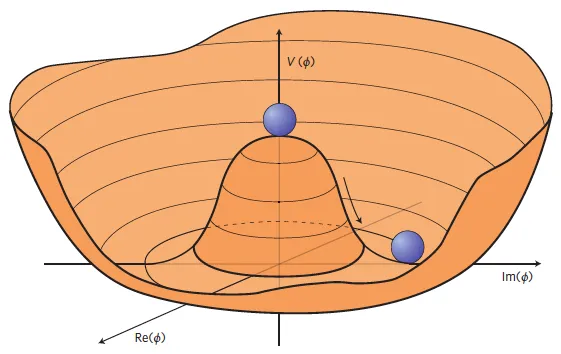
The Higgs boson and the prospects for elementary particle physics Particle physics has expanded its scope to include a wide range of topics from very low to very high energies. Its core questions, though, remain the same: to identify the fundamental interactions that govern the universe, and to demonstrate that these are described by well-motivated
-
New ATLAS result weighs in on the W boson
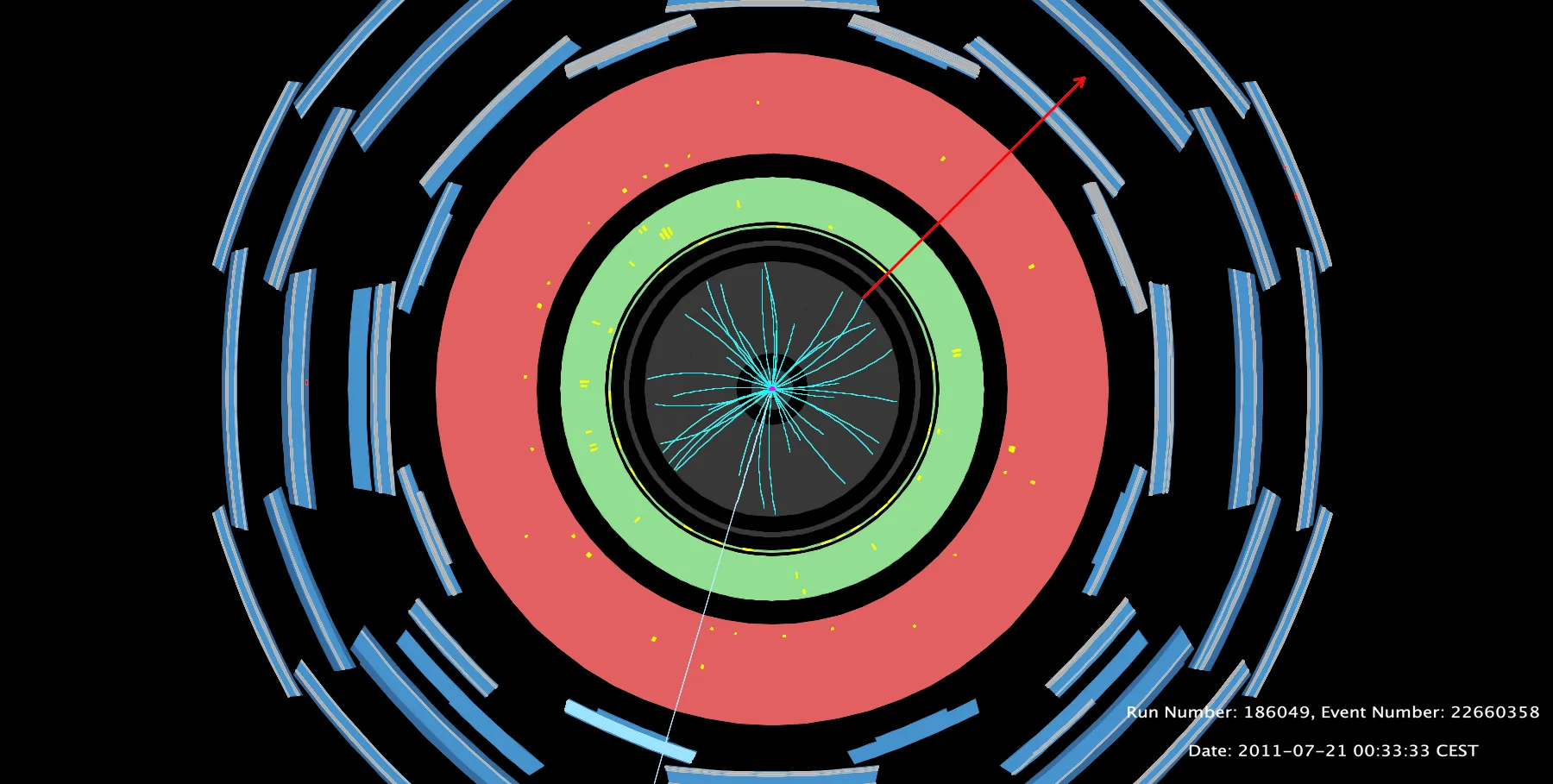
New ATLAS result weighs in on the W boson For the past 40 years, the W boson has been making headlines. In the 1980s, the announcement of its discovery helped confirm the theory of the electroweak interaction – a unified description of electromagnetic and weak forces. Today, measurements of its mass (mW) are testing the
-
LHCb’s unique approach to real-time data processing
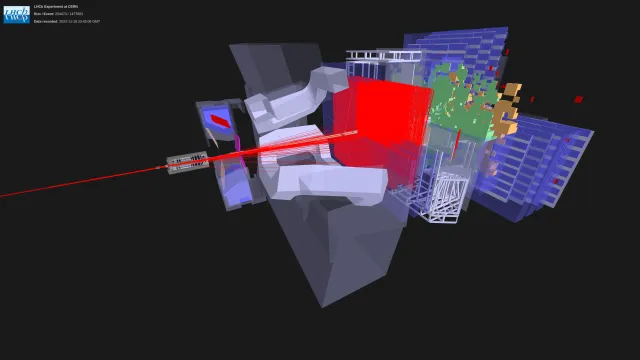
LHCb’s unique approach to real-time data processing The LHCb collaboration is currently enhancing its unique system of data filtering, Real Time Analysis, by installing a 2nd set of Graphics Processing Units (GPUs) in the trigger system. Current technology does not allow all LHC proton-proton collision data to be stored and analyzed. A fast event selection
-
Upgrading the CMS Electromagnetic Calorimeter Readout Electronics for Phase-2
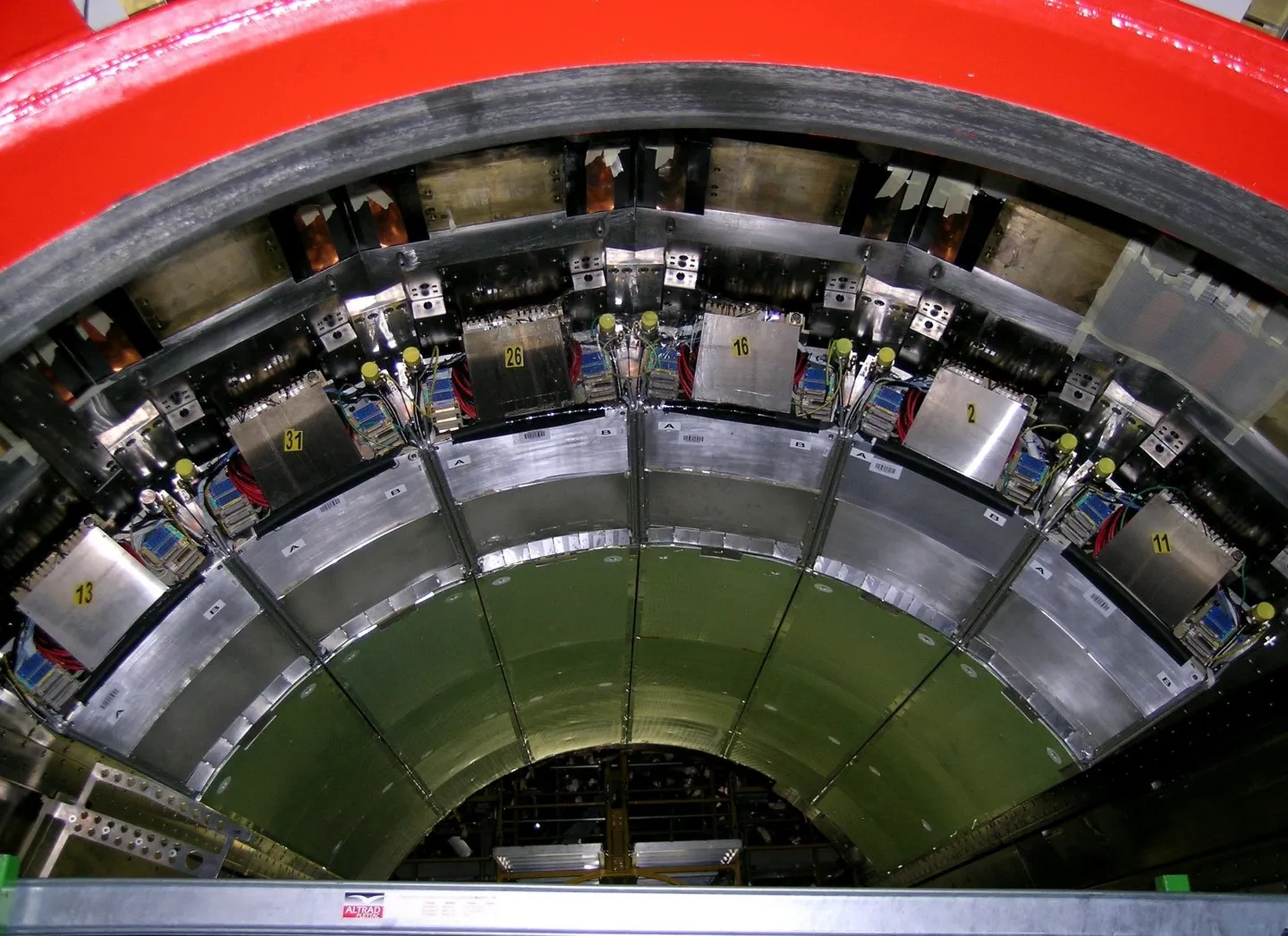
Upgrading the CMS Electromagnetic Calorimeter Readout Electronics for Phase-2 The CMS electromagnetic calorimeter (ECAL) was designed to provide excellent energy resolution for electrons and photons in the challenging, high-radiation environment of the Large Hadron Collider [1]. In particular, the excellent design energy resolution of the CMS ECAL was aimed at the discovery of the Higgs