
Category: Newsletter
-
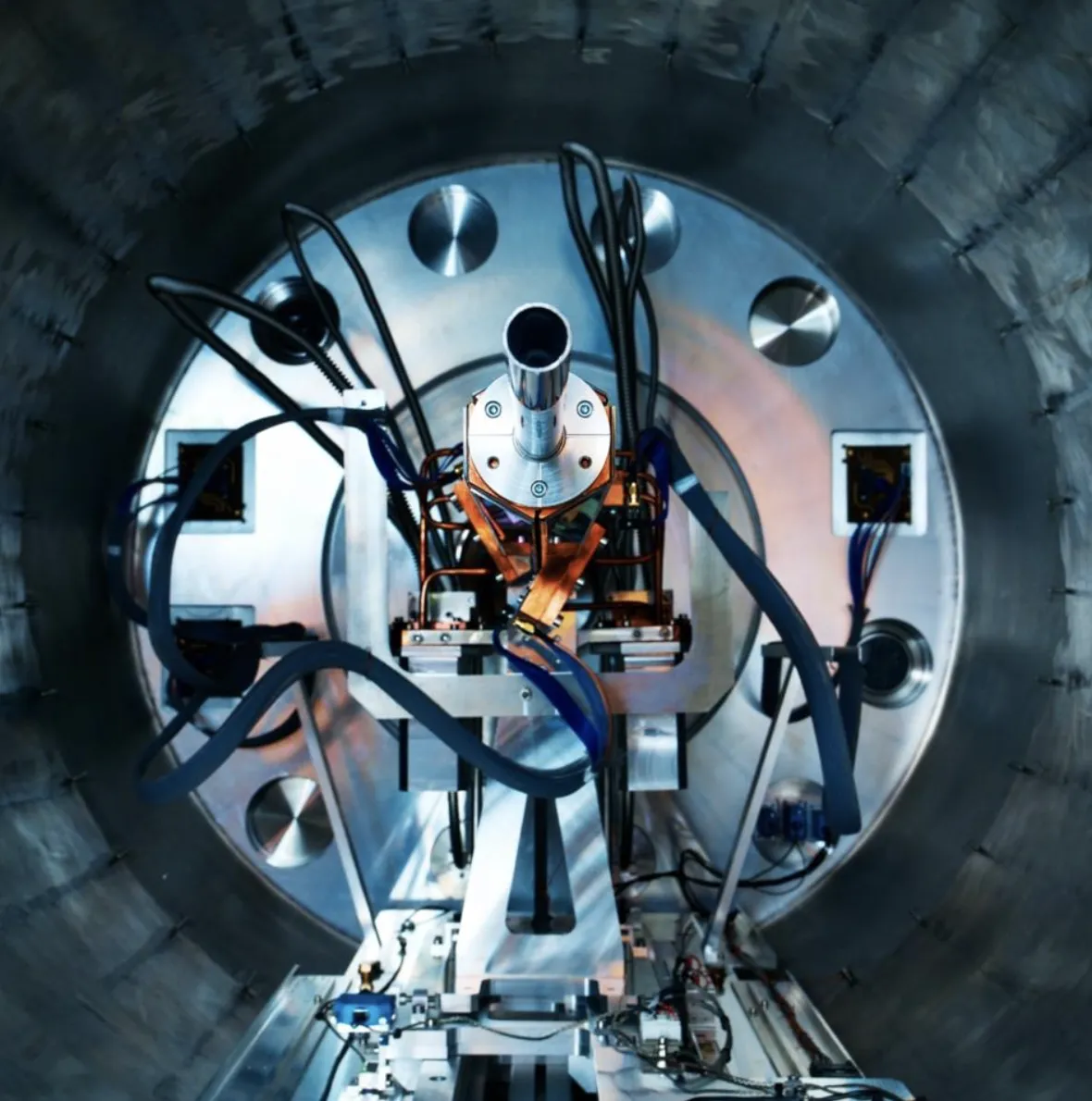
ISOLDE’s Solenoidal Spectrometer (ISS): a new tool for studying exotic nuclei
ISOLDE's Solenoidal Spectrometer (ISS): a new tool for studying exotic nuclei The majority of atomic nuclei exist away from the valley of beta-stability, so it is perhaps unsurprising that in studying them nuclear physicists have discovered emerging phenomena not seen in stable nuclei. Changing shell structure, evolving nuclear shapes, and weak-binding phenomena such as halo
-
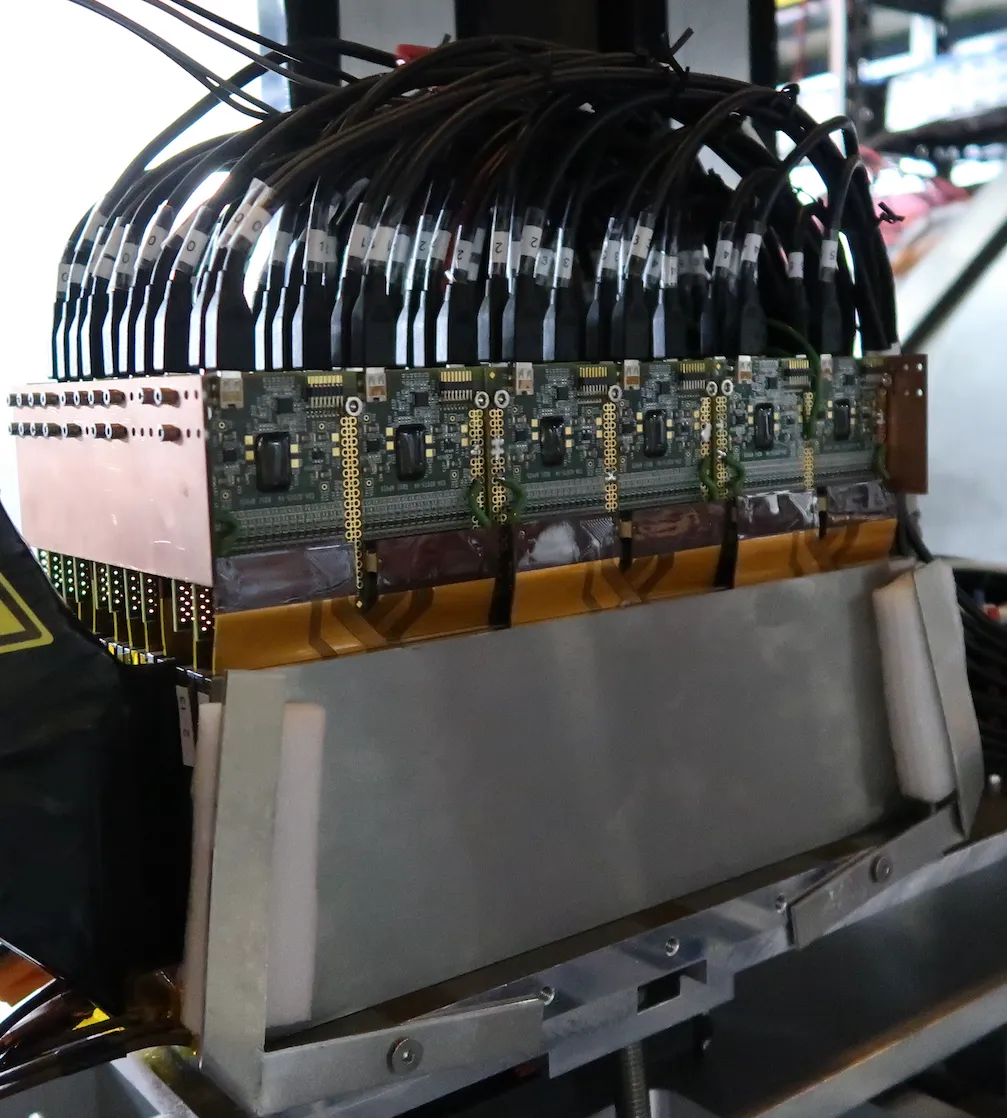
Towards a FoCal for the ALICE experiment
Towards a FoCal for the ALICE experiment A new forward high-resolution calorimeter, called FoCal (Forward Calorimeter) is being planned [1,2] as one of the two upgrade projects for the ALICE experiment that are aiming for installation during the LS3 (2026-2028) for physics data taking in LHC Run-4 (2029-2032). The letter of Intent of FoCal [3]
-

Data handling and processing for the FCC-ee
Data handling and processing for the FCC-ee Data handling and processing for the FCC-ee Introduction The integrated Future Circular Collider study will bring about giant steps forward in many technical and engineering fields. The operation at the Z-pole of the FCC-ee machine will deliver the highest possible instantaneous luminosities ever achieved with the goal of
-
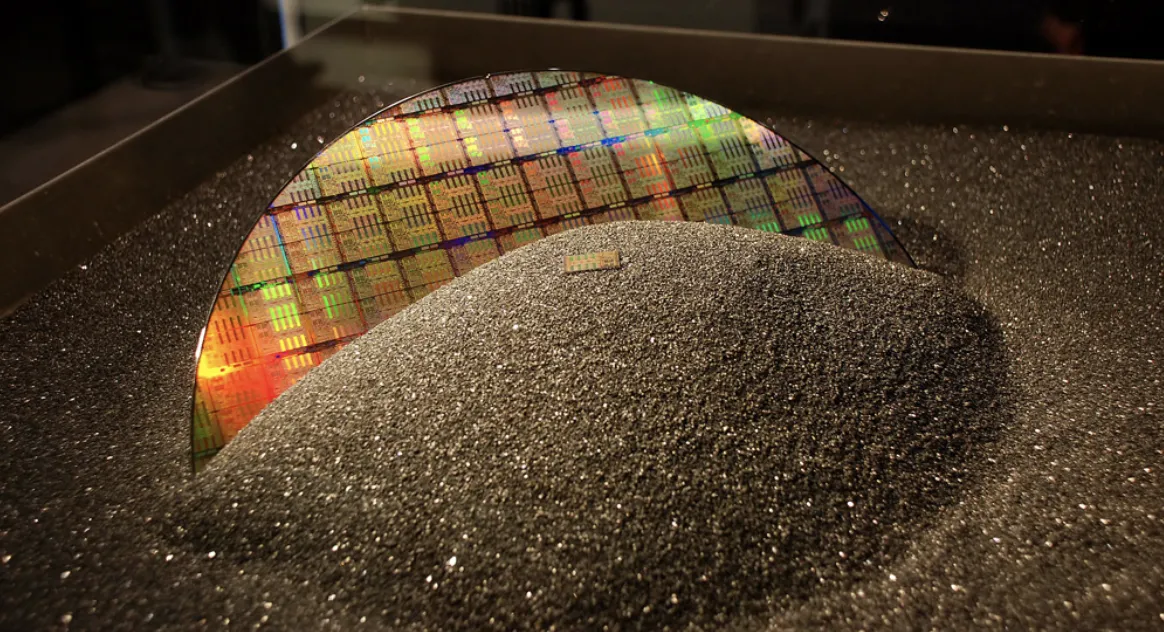
HEP responds to the global chips crisis
HEP responds to the global chips crisis Over the past year, semiconductor prices have been surging in Europe as demand increases globally. While this is happening with most products, it's been a larger problem given the role of semiconductors in most electronics, such as consumer electronics (smartphones, laptops, gaming consoles), automotive industry and home appliances.
-
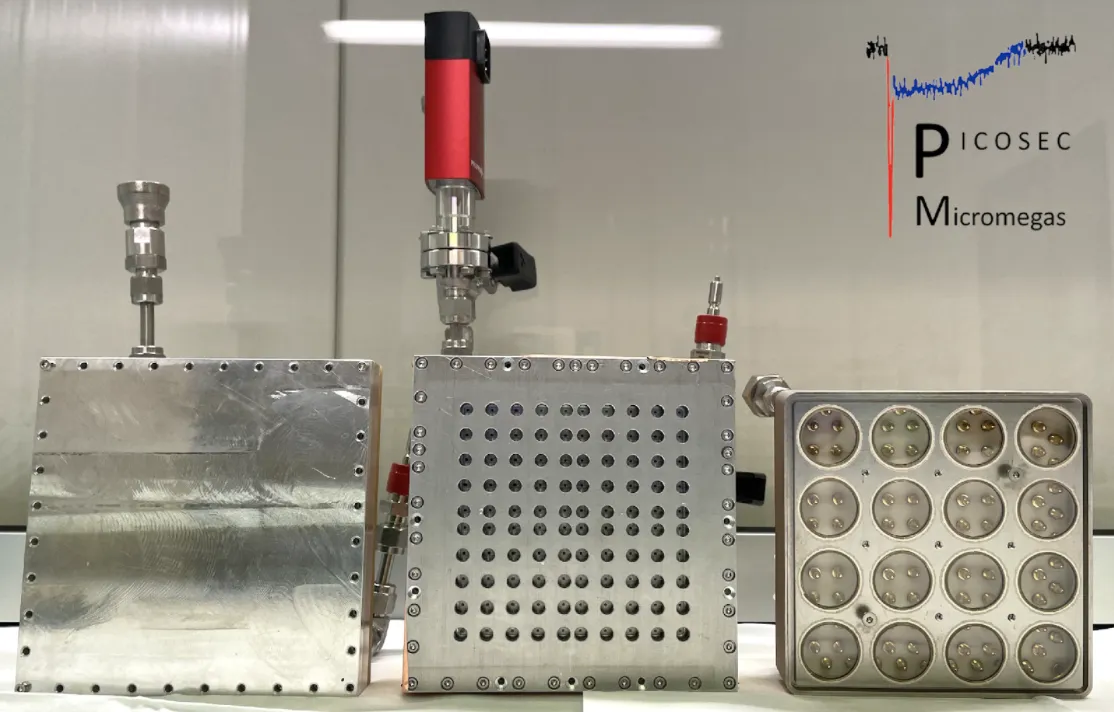
Sub 25-ps timing with PICOSEC Micromegas gaseous detectors
Sub 25-ps timing with PICOSEC Micromegas gaseous detectors Precise timing systems are central to many ongoing and planned detector upgrades and tens of ps timing resolution will play an important role to meet detection challenges in future high-luminosity environments. Large area detection systems achieving such timing resolution can offer unprecedented precision in particle tagging and
-
ATLAS New Small Wheel upgrade advances
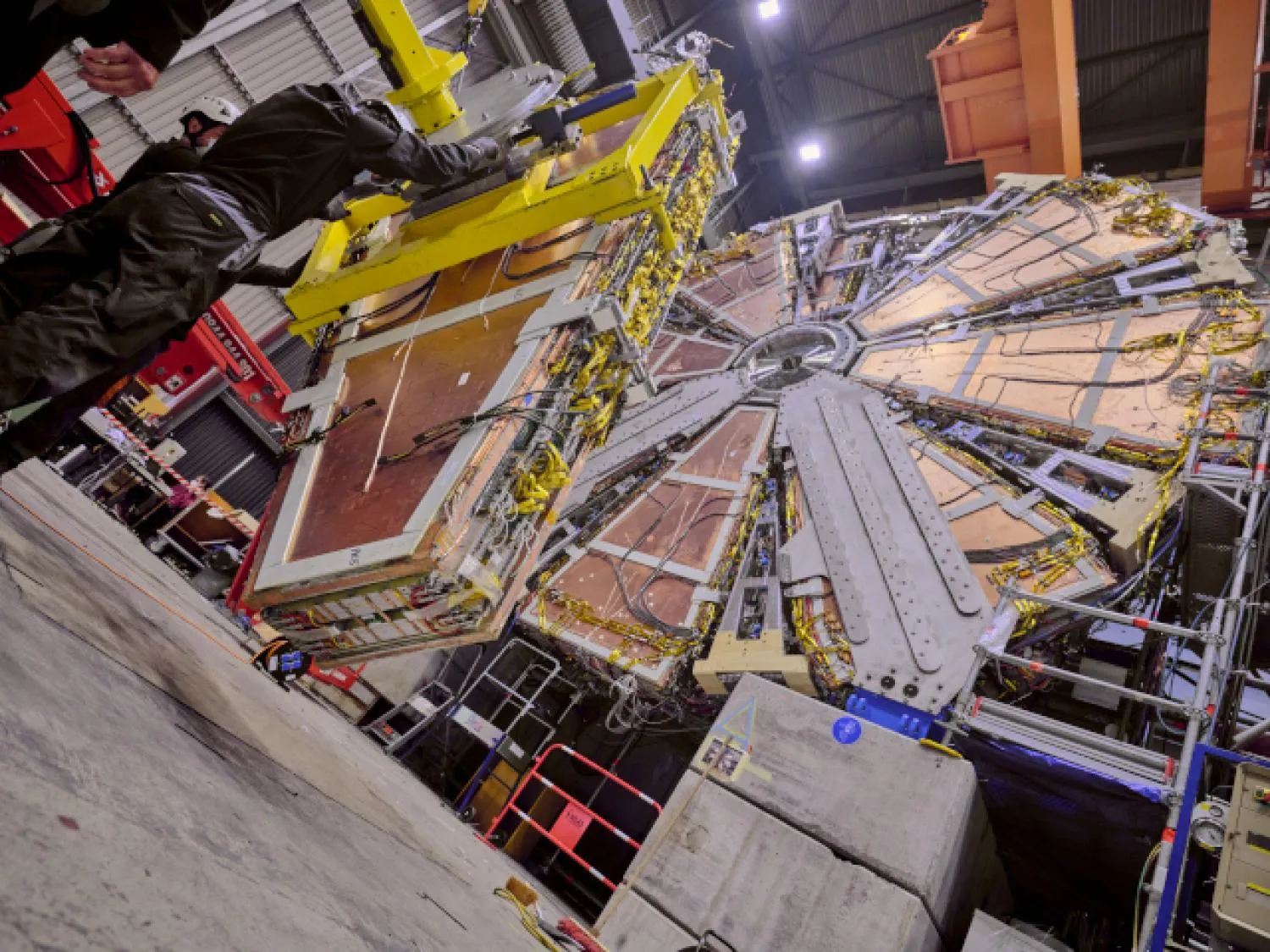
ATLAS New Small Wheel upgrade advances The ATLAS New Small Wheel (NSW) upgrade is an ambitious project that will allow exploiting the physics opportunities of the HL-LHC. Last November, the second -and final- NSW was installed in the ATLAS detector, marking the successful outcome of nearly ten years of design and development. The completion of
-
ALICE ITS3 clears major milestone
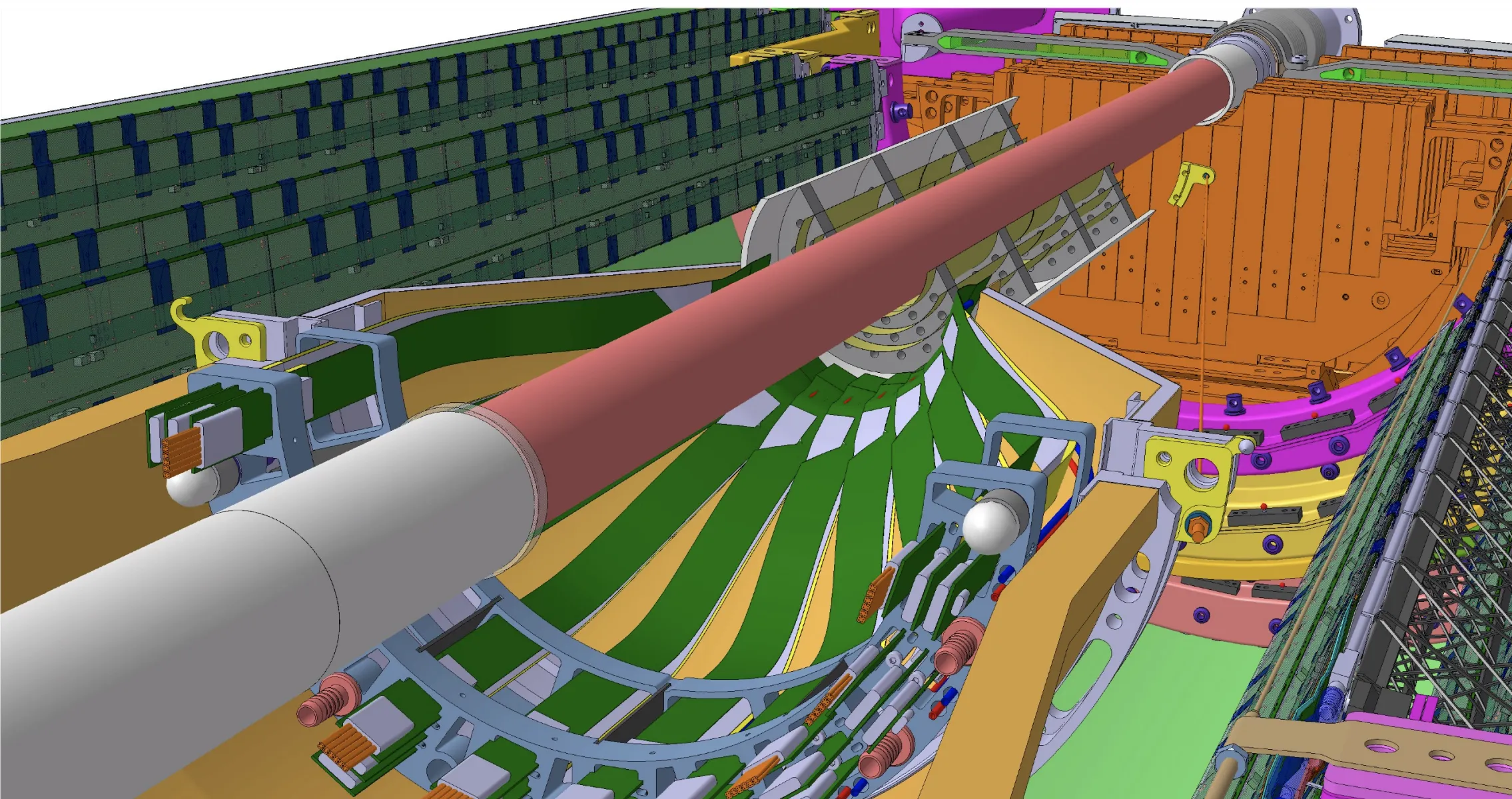
ALICE ITS3 clears major milestone With the R&D for the first truly cylindrical detectors based on ultra-thin, bent, wafer-scale monolithic silicon sensors, the ALICE collaboration aims at installing new vertex layers (“ITS3”) in LHC Long Shutdown 3. The envisioned setup comprises 6 Monolithic Active Pixel Sensors (MAPS) of more than 20 cm lengths arranged in
-
The Gamma Irradiation Facility GIF++ during and beyond Run 3
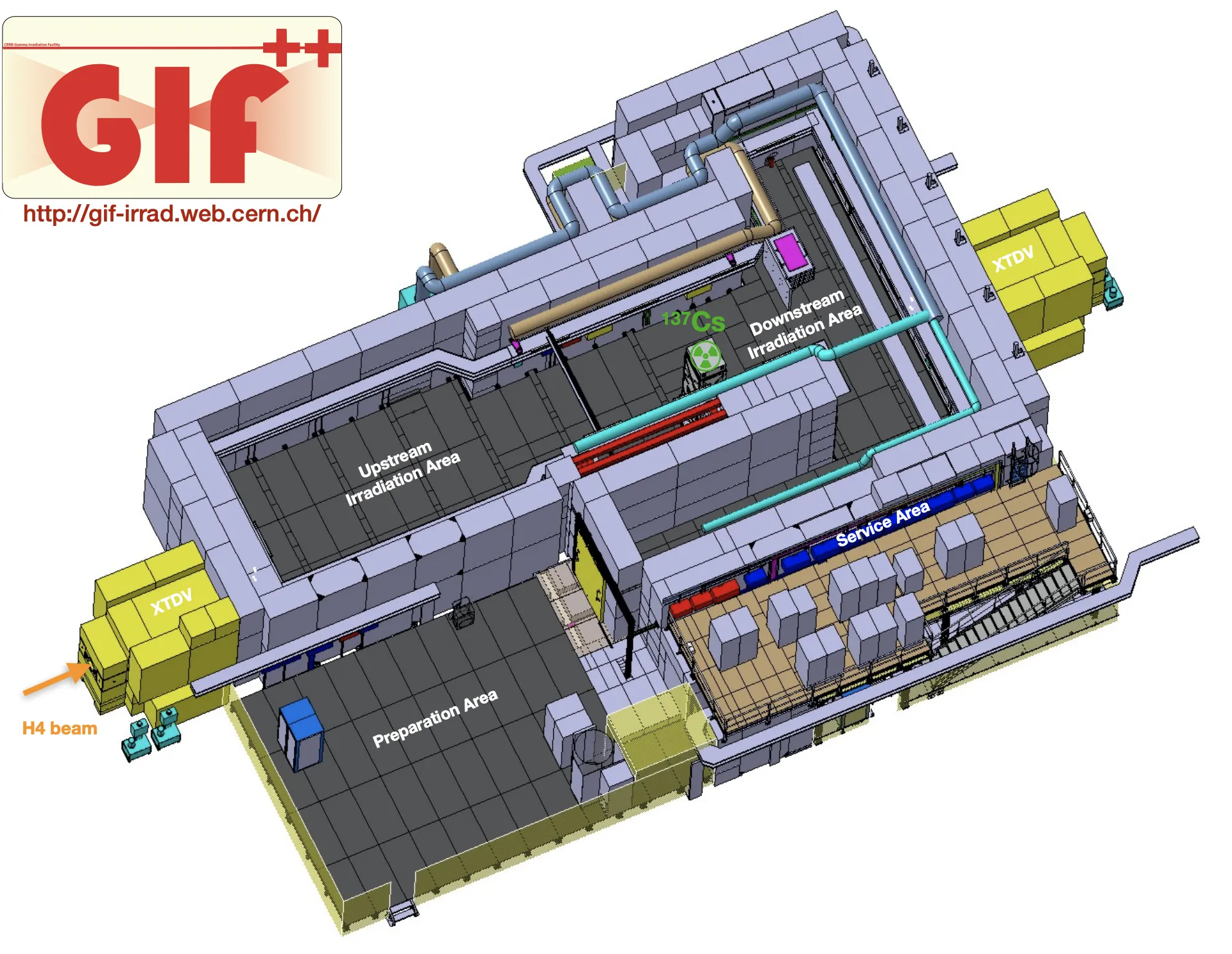
The Gamma Irradiation Facility GIF++ during and beyond Run 3 The two CERN Irradiation facilities operated by EP-DT – the IRRAD in the PS East Area and the GIF++ in the SPS North Area – deliver essential services to the HEP community, with the focus on validating and optimising detector technologies for the High-Luminosity upgrade
-
Flavour anomalies tracking attention
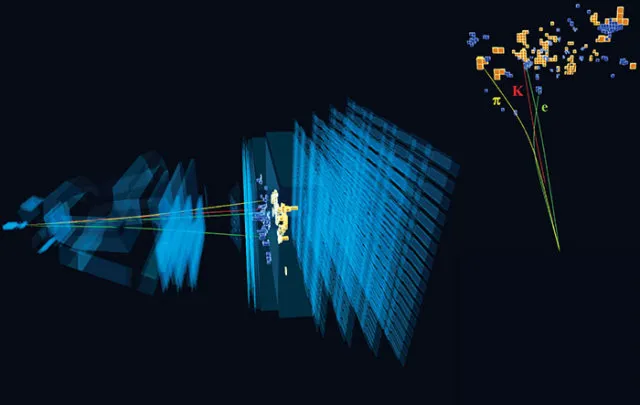
Flavour anomalies tracking attention The Flavour Anomaly workshop took place in a successful hybrid format at the main Auditorium at CERN and the virtual world on 20th October. Pass sanitaire and workshop badge in hand, more than 80 participants could attend the event in person, while 500 more followed it by Zoom with lively interaction
-
New prospects for the Physics Beyond Colliders programme
New prospects for the Physics Beyond Colliders programme Particle physics is often equated with high energy collider experiments. However, over recent years it has become increasingly clear that high intensity and high precision experiments offer significant, complementary opportunities to explore physics beyond the Standard Model. CERN’s accelerator complex offers an unprecedented variety of beams and