
Category: Newsletter
-
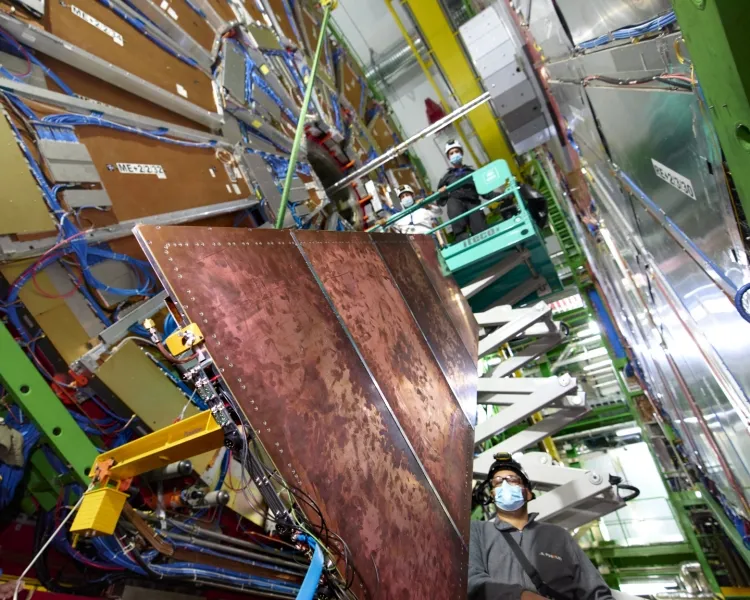
Demonstrating the capabilities of a new GEM
Demonstrating the capabilities of a new GEM During the LHC Long Shutdown 2 (2019-2021), many subsystems of the CMS experiment are being upgraded including its muon system. This is located on the outer part of the experiment and consists of various types of gaseous chambers. The muon system should identify and precisely measure high momentum
-
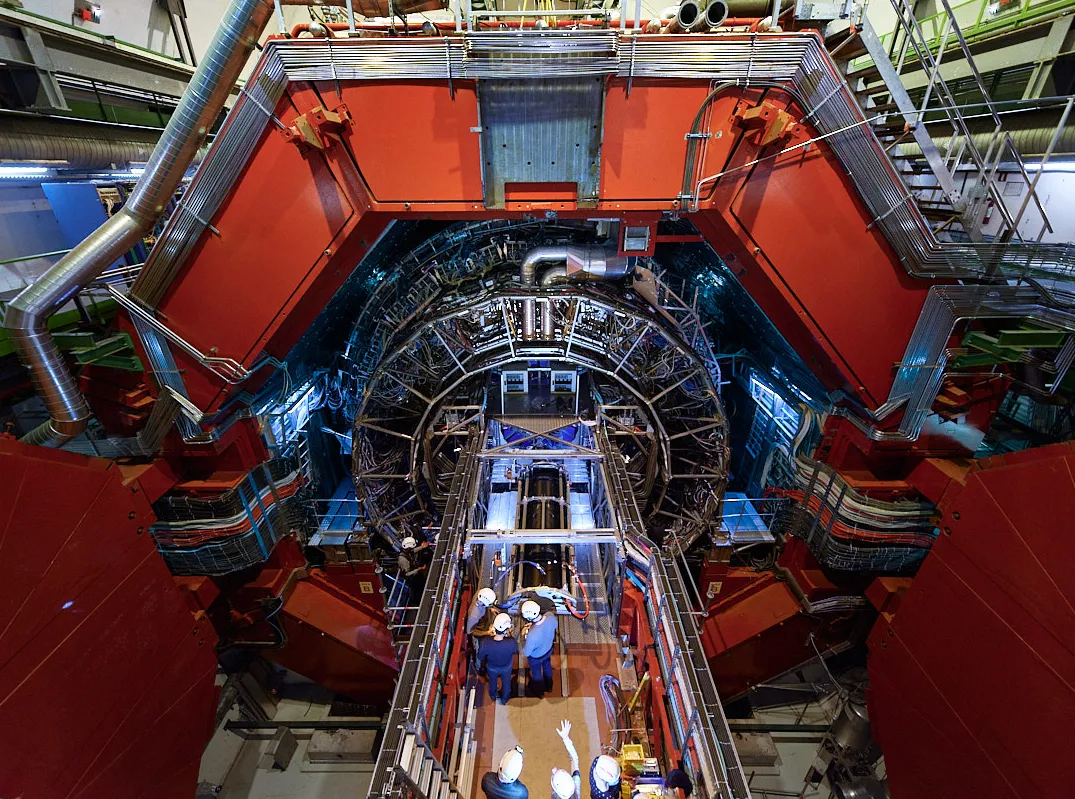
A busy time at the ALICE Control Room as preparations gear up for 2022
A busy time at the ALICE Control Room as preparations gear up for 2022 After three years of challenging and intense upgrade activities and installation campaigns of LHC Long Shutdown 2 [1], ALICE started global commissioning in July to embark on a new data-taking period. Upgraded detectors and their new readouts were integrated into the
-
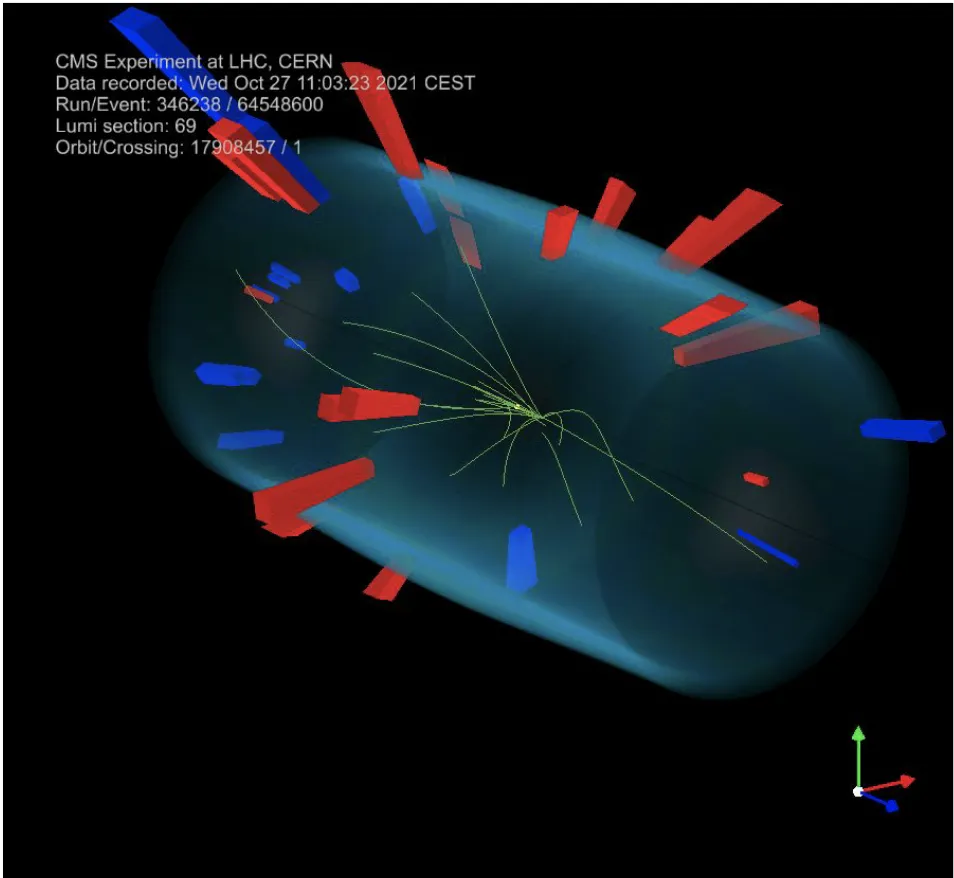
Proton beams recorded at CMS pave the way for next LHC run
Proton beams recorded at CMS pave the way for next LHC run The Long Shutdown 2 (LS2) is almost over and CERN, along with the experiments at the Large Hadron Collider (LHC), is preparing to welcome the Run 3 next year. As part of the preparation for Run 3, during the last two weeks of
-
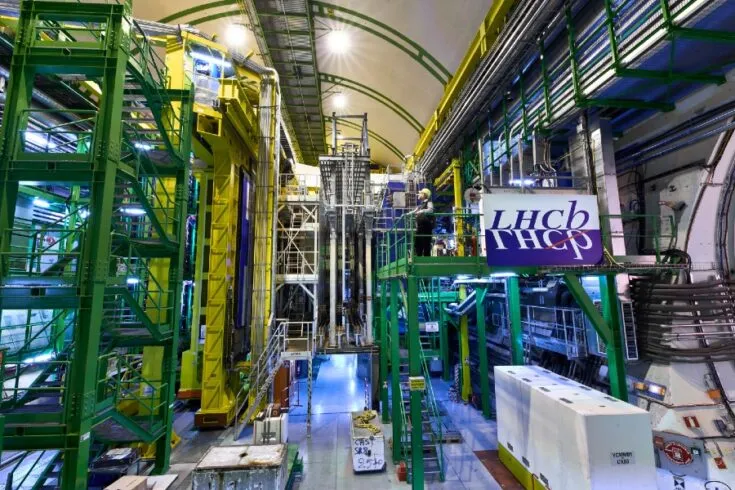
The LHC pilot beam at LHCb in preparation for Run 3 start
The LHC pilot beam at LHCb in preparation for Run 3 start During the second long shutdown of the LHC, the LHCb experiment is undergoing a full metamorphosis to be able to collect an unprecedented data sample starting from next year [1]. This upgrade of LHCb has been designed to be able to operate at
-
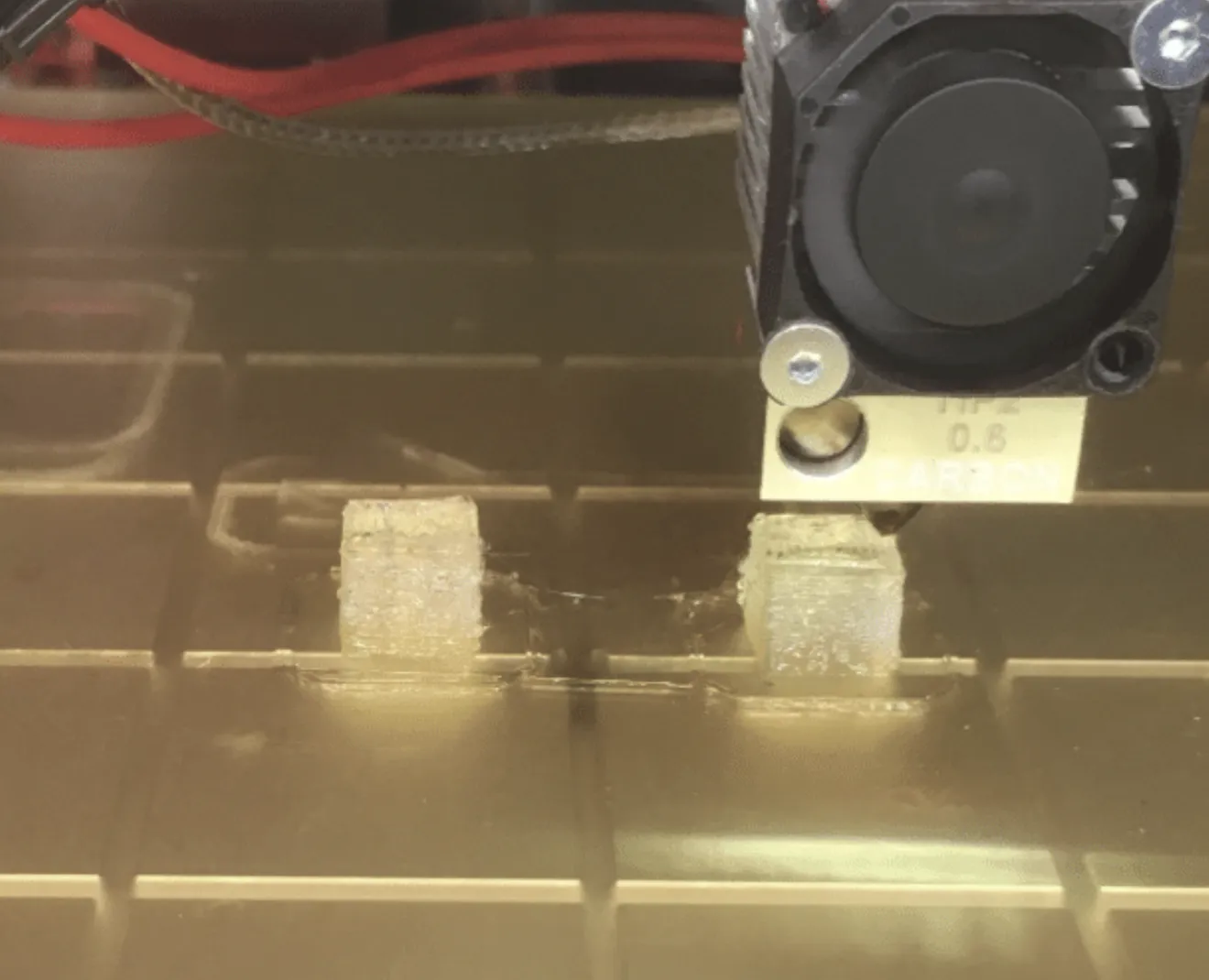
The 3D printed Detector (3DET) Project
The 3D printed Detector (3DET) Project Plastic scintillator is one of the most used active materials in high-energy physics. The “3D printed Detectors” (3DET) collaboration was formed in 2019 with the goal of investigating and developing additive manufacturing as a new production technique for future scintillator-based particle detectors. The 3DET collaboration includes research institutes and
-
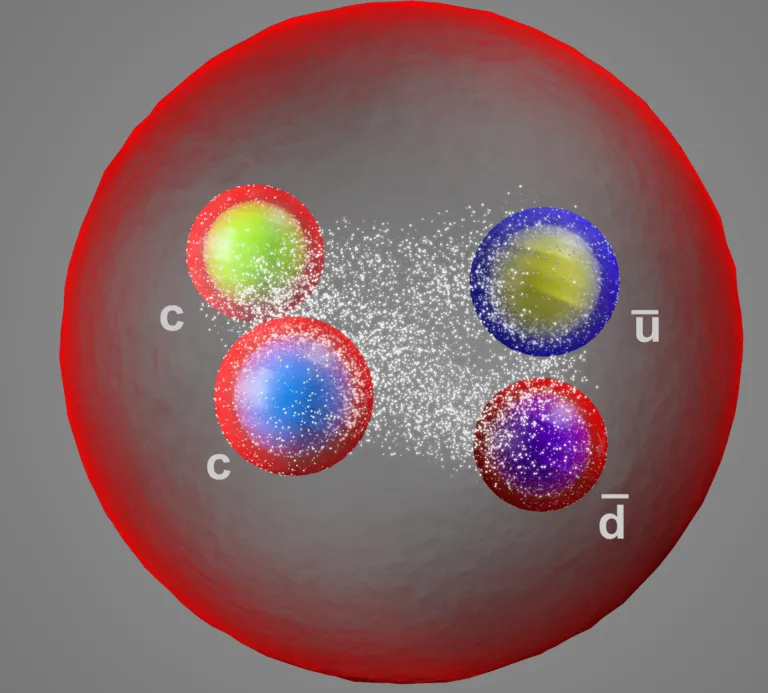
LHCb discovers a double-charm tetraquark
LHCb discovers a double-charm tetraquark Conventional mesons and baryons consist of a quark-antiquark and three quarks respectively. However, particles with an alternative quark content, known as exotic states, have been actively discussed since the birth of the constituent quark model in 1964. This discussion has been recently revived by observations of numerous tetraquark and pentaquark
-
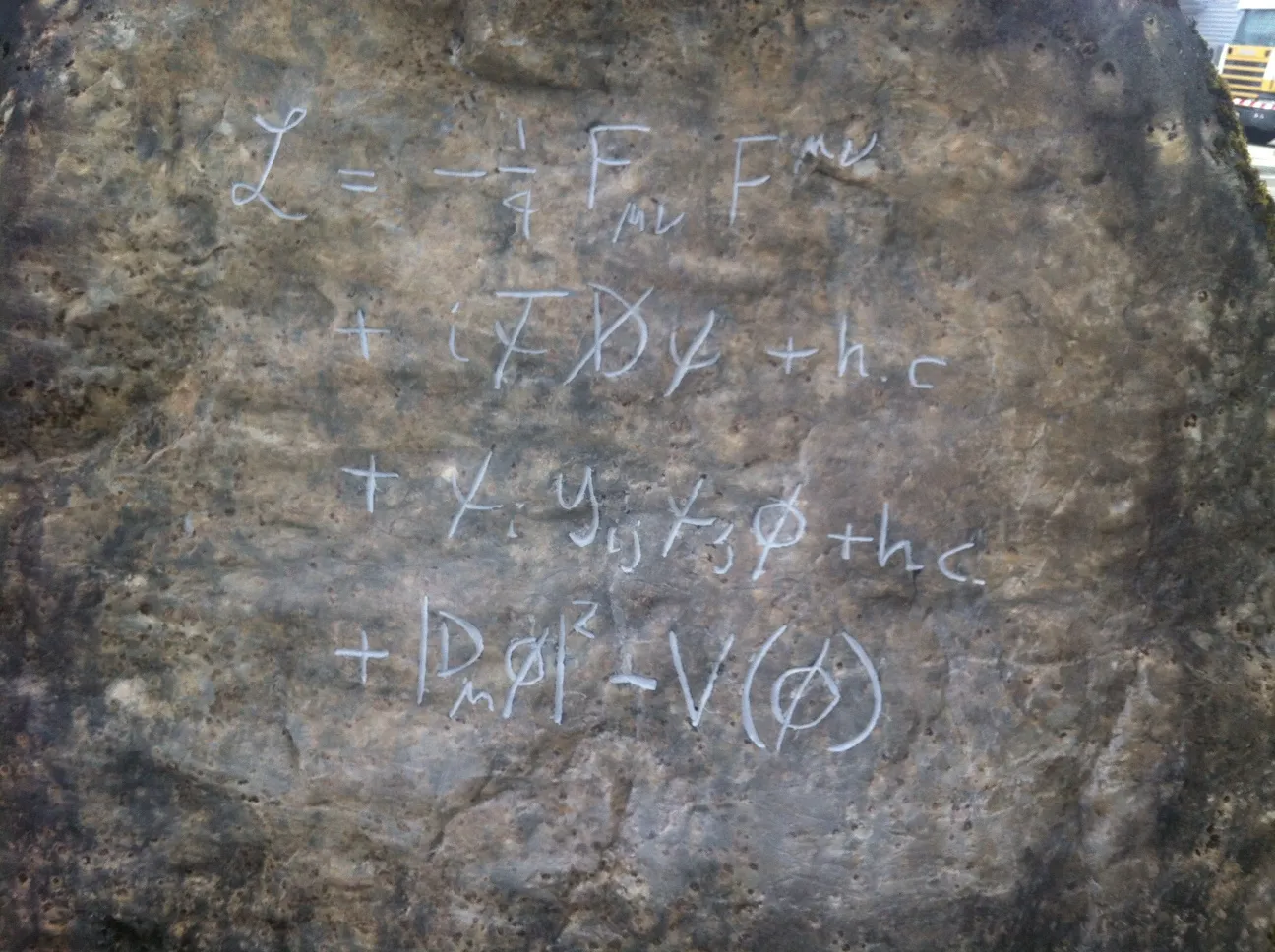
Departed giants of theoretical physics
Departed giants of theoretical physics July 23rd 2021 was a sad day for the world of theoretical physics, which witnessed the passing of three giants of the field: Steven Weinberg, Toshihide Maskawa and Miguel Virasoro. Weinberg and Maskawa were awarded Nobel Prizes for their contributions to the Standard Model of particle physics, while Virasoro was
-
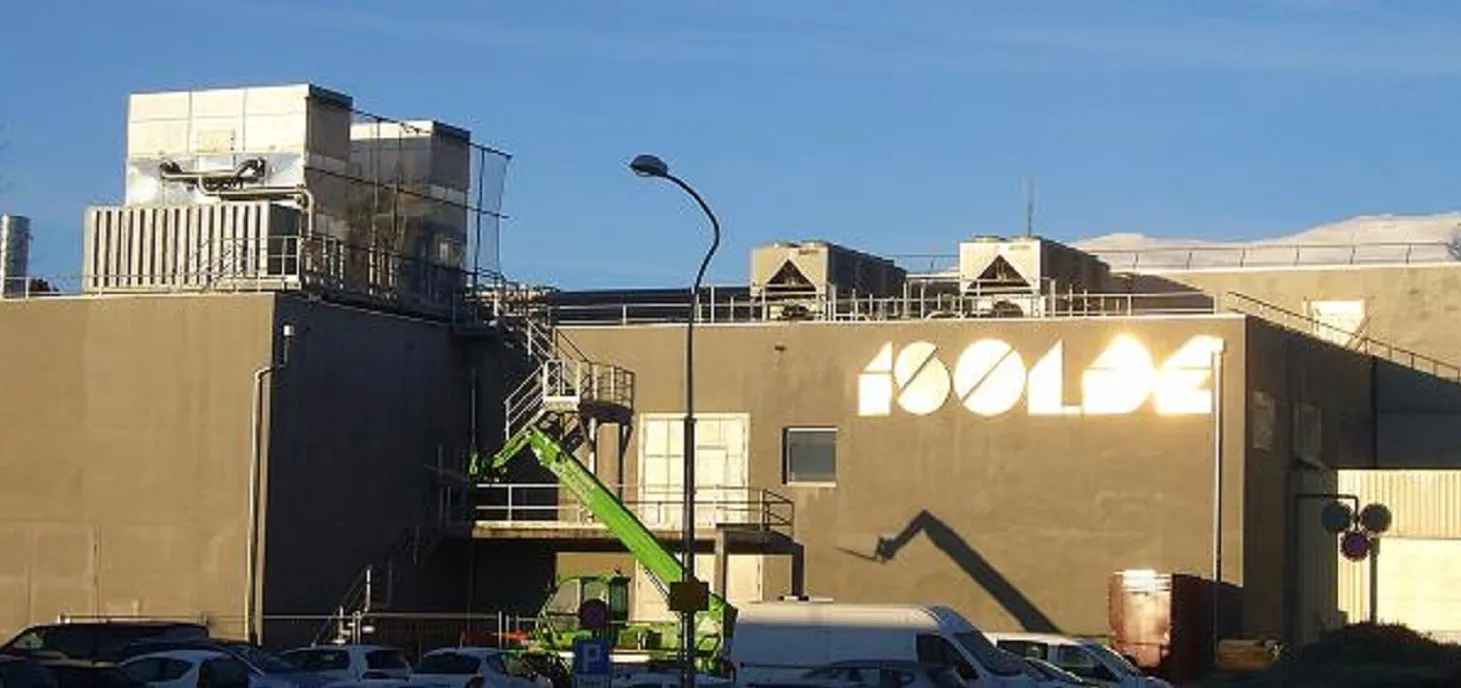
The many faces of ISOLDE
The many faces of ISOLDE You will stand across the street from the ISOLDE facility, when visiting CERN’s medical center, fire fighters, raw materials store, transport teams, or goods reception service. Located centrally at the Meyrin site (https://videos.cern.ch/record/2243399), ISOLDE has been the longest running CERN research facility, approved in 1964, connected to the synchrocyclotron (SC)
-
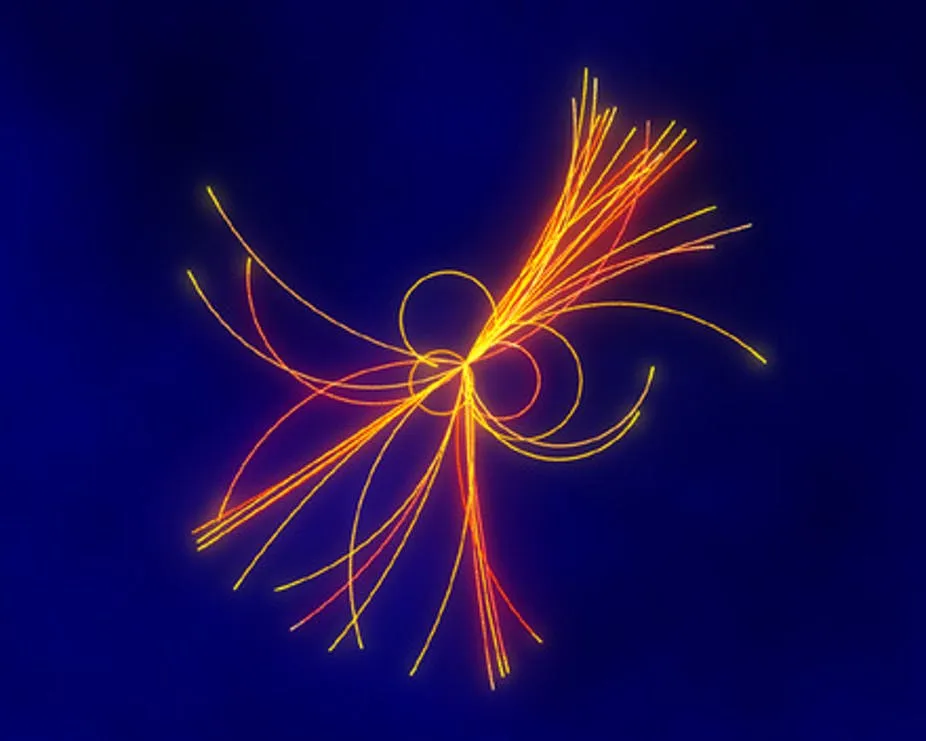
Higgs boson and the quest for new physics
Higgs boson and the quest for new physics The discovery of a new particle in 2012 by the ATLAS and CMS experiments at CERN was just the beginning in understanding the properties of this particle and its potential link to some of the most pressing fundamental questions in modern physics. Following its discovery, the LHC
-
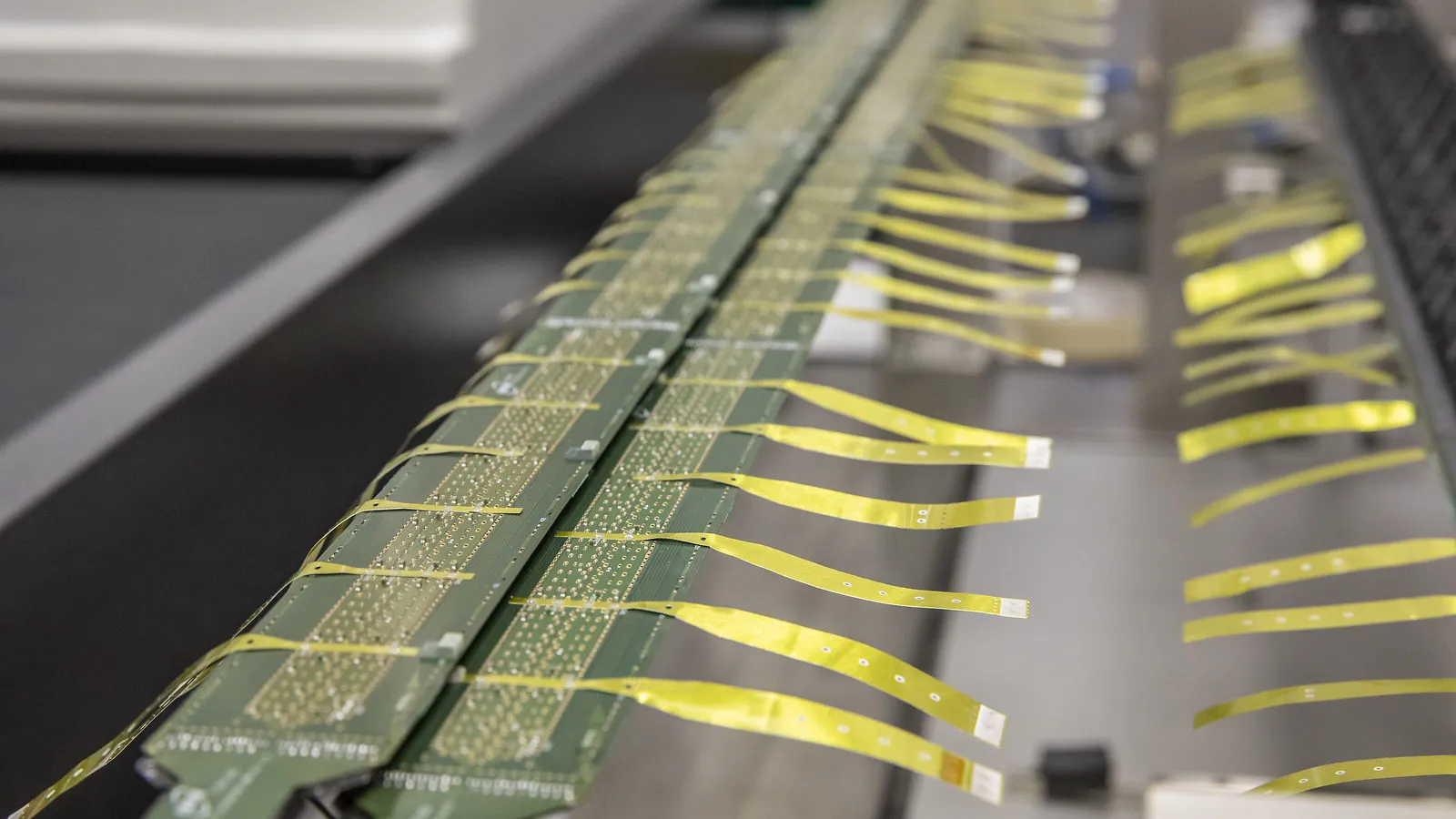
Update on the ECFA Roadmap for R&D on Detector Technologies
Update on the ECFA Roadmap for R&D on Detector Technologies It was reported in the previous edition of the EP Newsletter (1) that the European Strategy for Particle Physics Update (EPPSU (2) recommended that “Organised by ECFA, a roadmap should be developed by the community to balance the detector R&D efforts in Europe, taking into