
Category: Newsletter
-
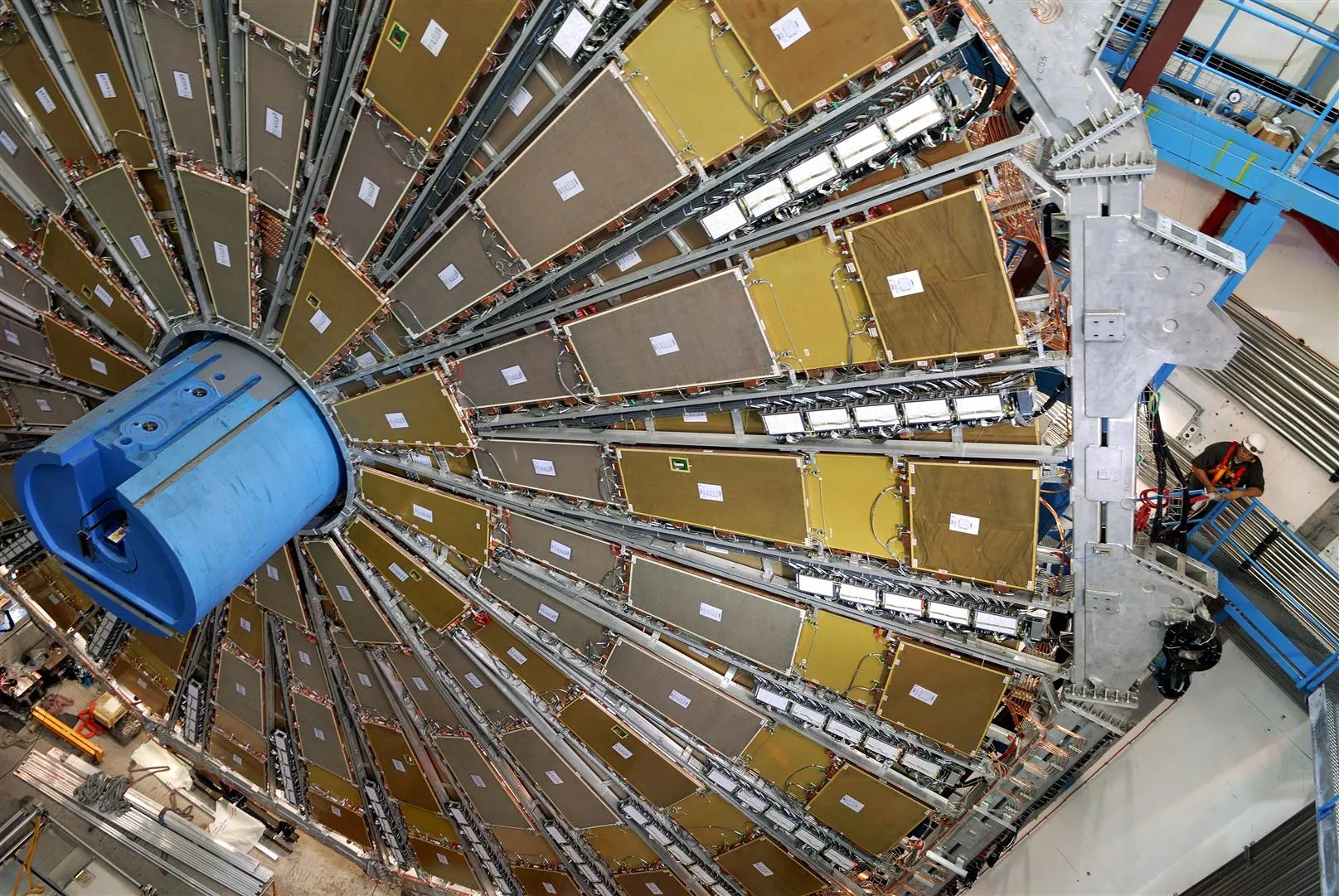
Aligning the ATLAS muon spectrometer
Aligning the ATLAS muon spectrometer If you visit the ATLAS experimental cavern, the first thing you’ll see is the muon spectrometer: several thousand chambers that make up the outermost layer of the experiment (see image above). As muons fly out of the collision point, their tracks curve due to a surrounding toroidal magnetic field. By
-
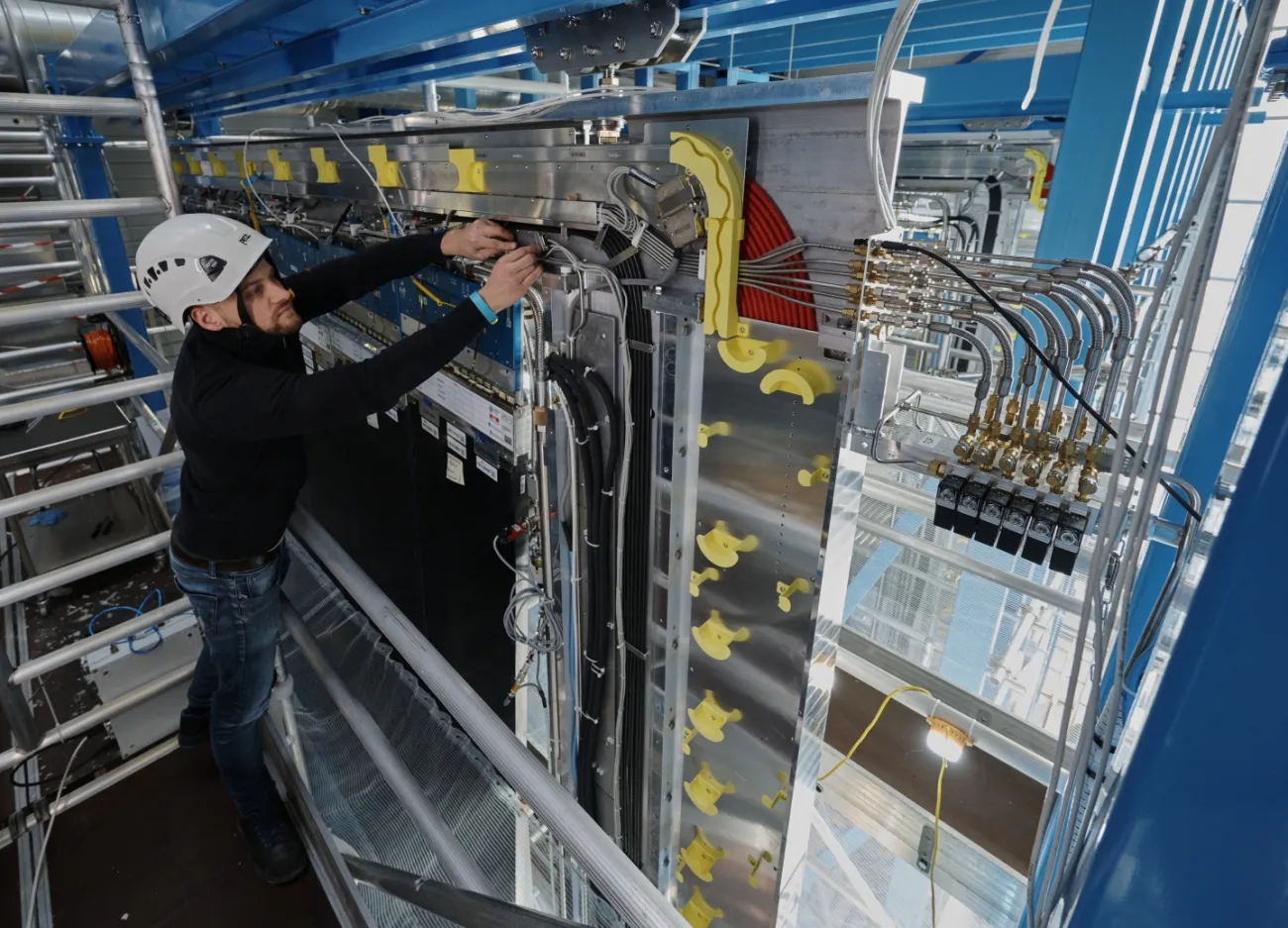
DT group publishes 2020 annual report
DT group publishes 2020 annual report Last week, CERN's EP-DT group published their annual report for 2020; a detailed accound of the group activities at CERN conducted over the year in collaboration with the LHC and non-LHC experimental groups along with their academic and industrial partners worldwide. These activities are part of the group's mandate
-
ISOLDE determines precise nuclear moments by devising novel experimental technique
ISOLDE determines precise nuclear moments by devising novel experimental technique Nuclear quadrupole moments (Q), a measure of charge asymmetry in nuclei, are experimentally accessible via the quadrupole interaction frequency νQ=eQVzz/h. To extract Q from this information one needs to know Vzz, the electric-field gradient at the nuclear site. This must come from theory, to date
-
LHC takes on the SMEFT challenge
LHC takes on the SMEFT challenge The quest for new physics at the LHC is entering a new phase: the experiments are designing new strategies to target potential deviations from the Standard Model (SM) predictions in a systematic way, to complement the traditional “bump hunts” and, potentially, extend their sensitivity to mass regions beyond the
-

Colliding Particles meet Gravitational Waves
Colliding Particles meet Gravitational Waves Gravitational waves contain crucial information on the structure and on the history of the Universe. They can give us access to unique insights on particle physics at very high energies and astrophysics in extreme regimes. The detection of gravitational waves and the measurement of their properties is arguably one of
-
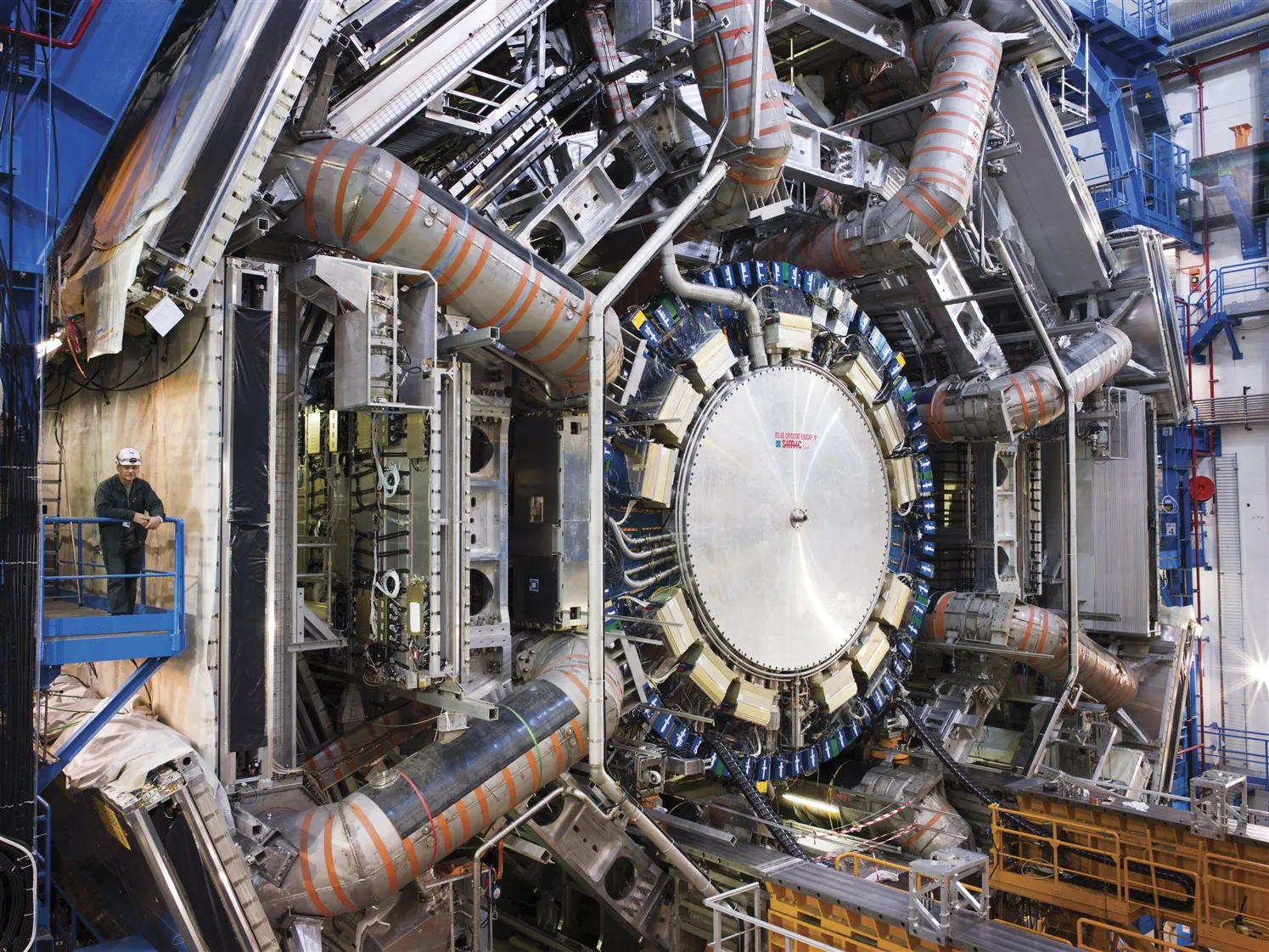
ATLAS faces the challenge of Run 3
ATLAS faces the challenge of Run 3 The ATLAS experiment is a general-purpose particle detector operating at the LHC. It consists of several concentric layers of particle detectors occupying a cylindrical volume 46m long and 25m in diameter. The innermost detectors reconstruct the trajectories of charged particles produced in the beam collisions with high precision.
-
A word from the EP Deputy Department Head – March 2021
A word from the EP Deputy Department Head – March 2021 Dear Colleagues in EP, We are in the second year of a global pandemic. Safety measures and travel restrictions are impacting our work, communication and social life. Despite all the difficulties, the new issue of the EP Newsletter demonstrates that scientific life at CERN
-

Joining CERN’s Alumni Network matters
Joining CERN’s Alumni Network matters It has been almost four years since the launch of the CERN Alumni Network in June 2017 as a strategic objective of the CERN management. It is very easy to lose track of most CERN’s members of personnel and associates after they embark on their various career paths – even
-
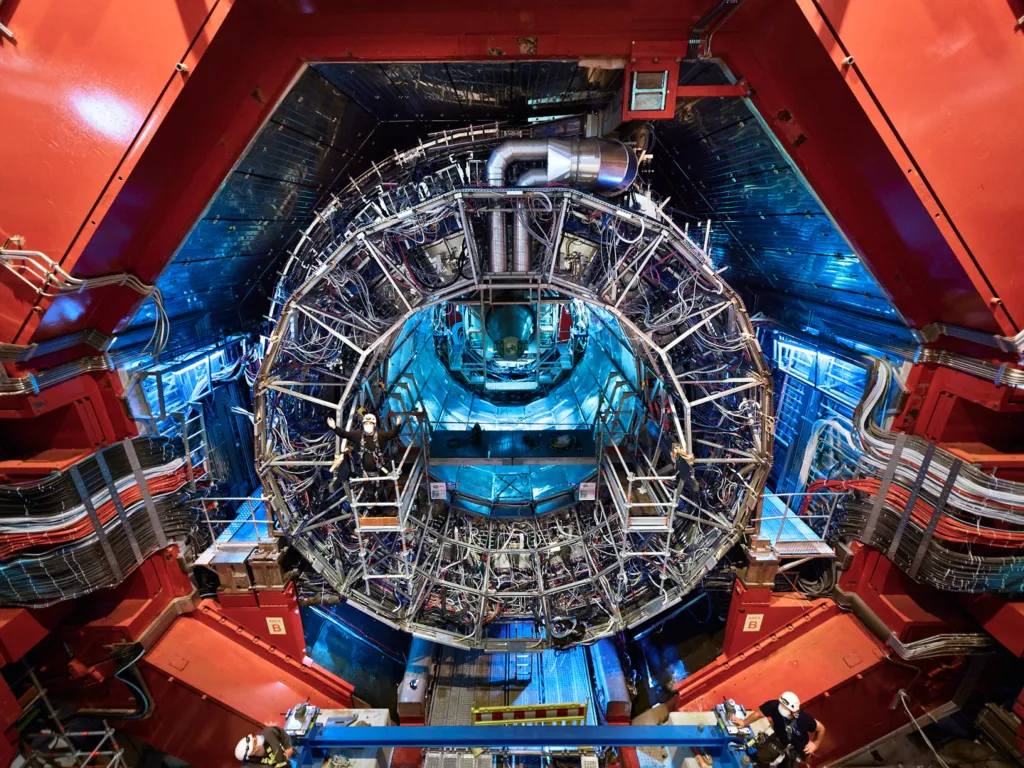
ALICE gears up towards a rich Run 3 QCD programme
ALICE gears up towards a rich Run 3 QCD programme Quantum Chromodynamics (QCD), the theory of strong interactions, is characterised by a rich phase diagram. The elementary coloured degrees of freedom of the theory, quarks and gluons, under ordinary conditions are confined in colour-neutral hadrons and get free to propagate over distances larger than the
-
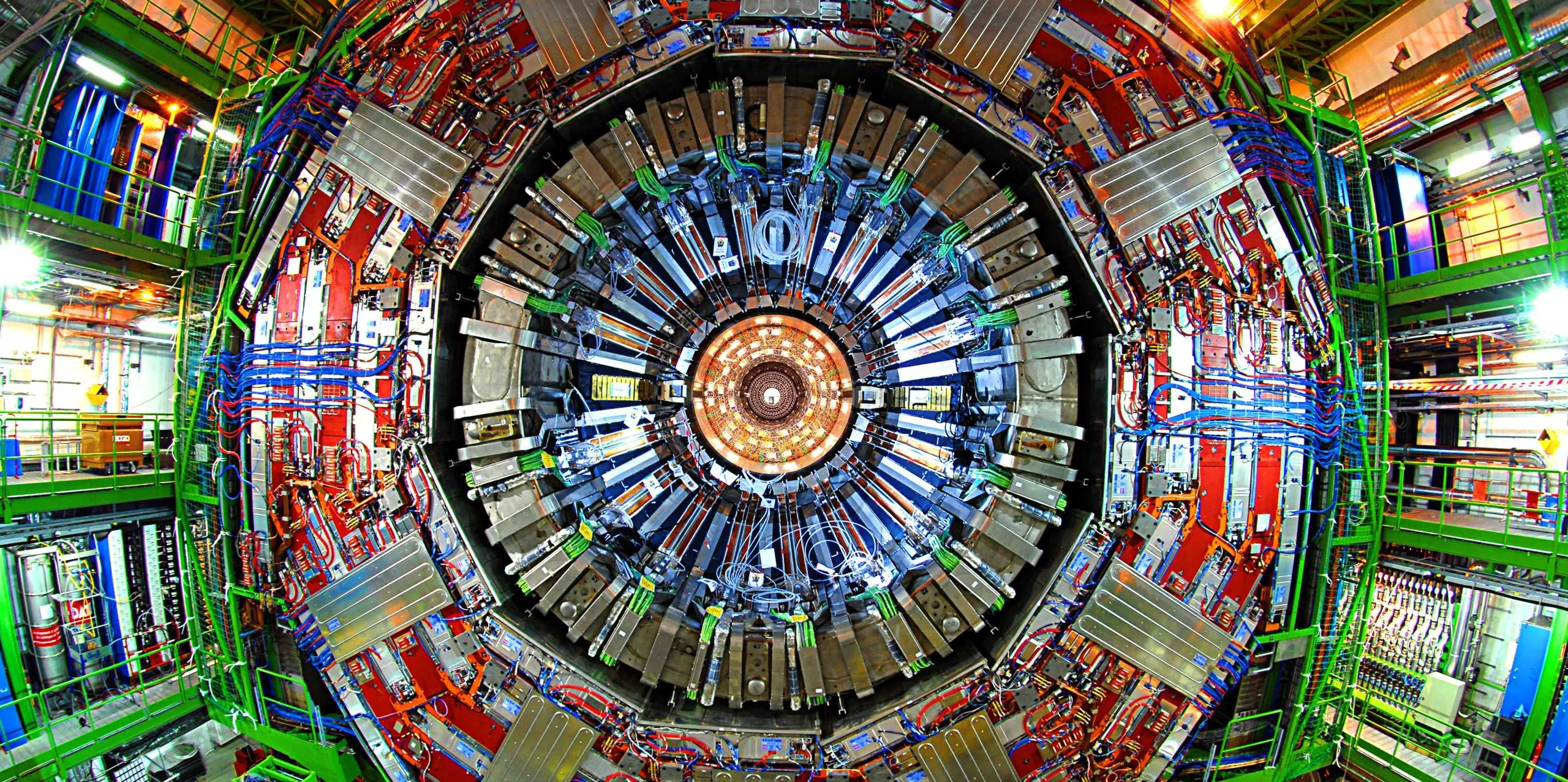
CMS experiment prepares for Run 3
CMS experiment prepares for Run 3 The CMS experiment is one of the four large experiments at the LHC and a detailed description of the detector’s inner and outer layers can be found here. The detector successfully operated with LHC collisions since 2010 leading to the Higgs boson discovery in 2012 by the CMS and