
Category: Newsletter
-
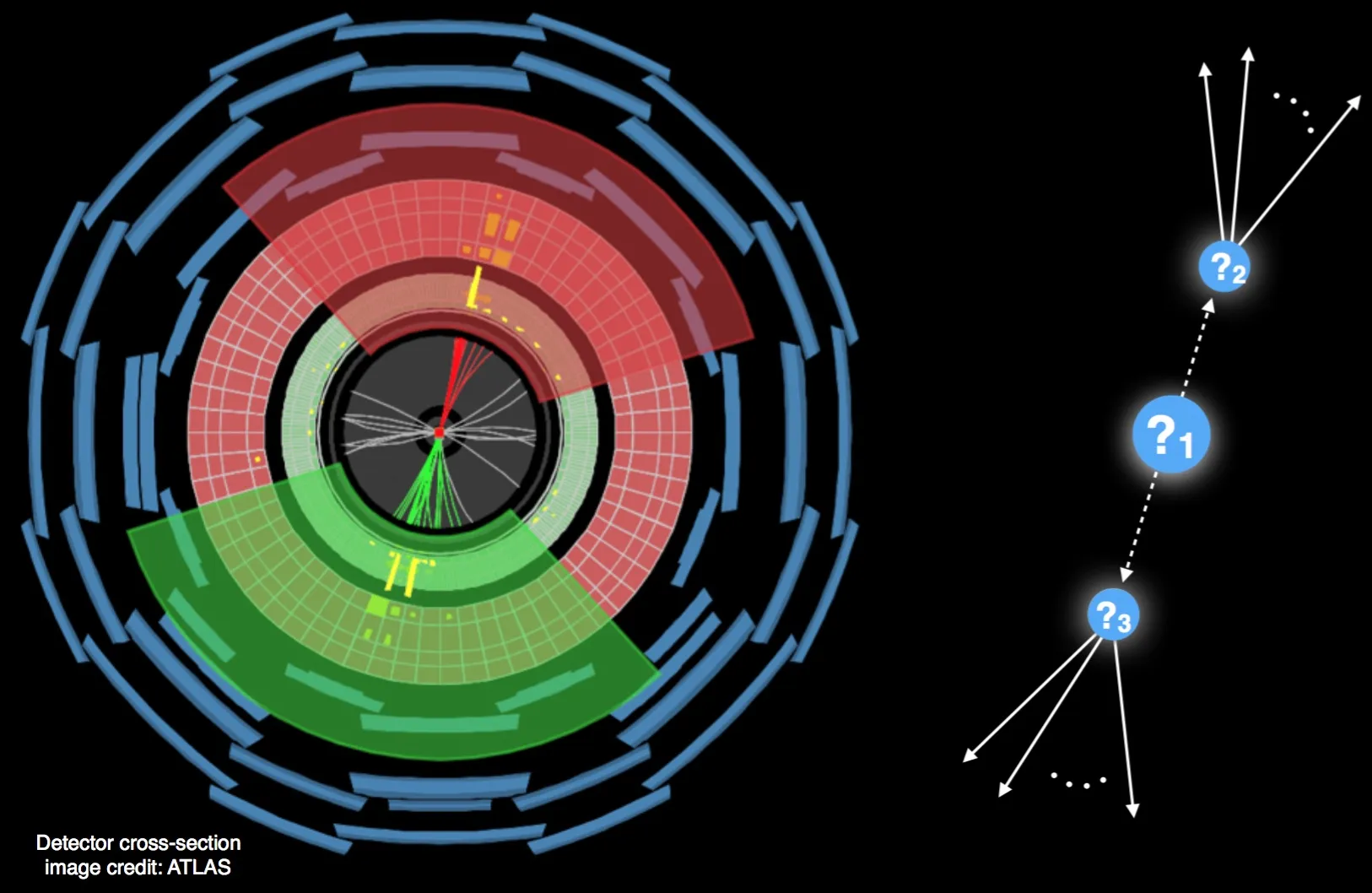
Machine learning ushers in a new paradigm for particle searches at the LHC
Machine learning ushers in a new paradigm for particle searches at the LHC Searching for physics beyond the Standard Model (BSM) is a major part of the research programme at the LHC experiments. Nearly all of these searches pick a signal model that addresses one or more of the experimental (e.g., dark matter) or theoretical
-

The Curious Cryogenic Fish
The Curious Cryogenic Fish The idea of the Curious Cryogenic Fish dates back to 2017. While observing the complex detectors and instrumentation being assembled for the ProtoDUNE experiments at the CERN Neutrino Platform, I started thinking that it would have been great to have a small robot able to move inside those large cryostats for
-
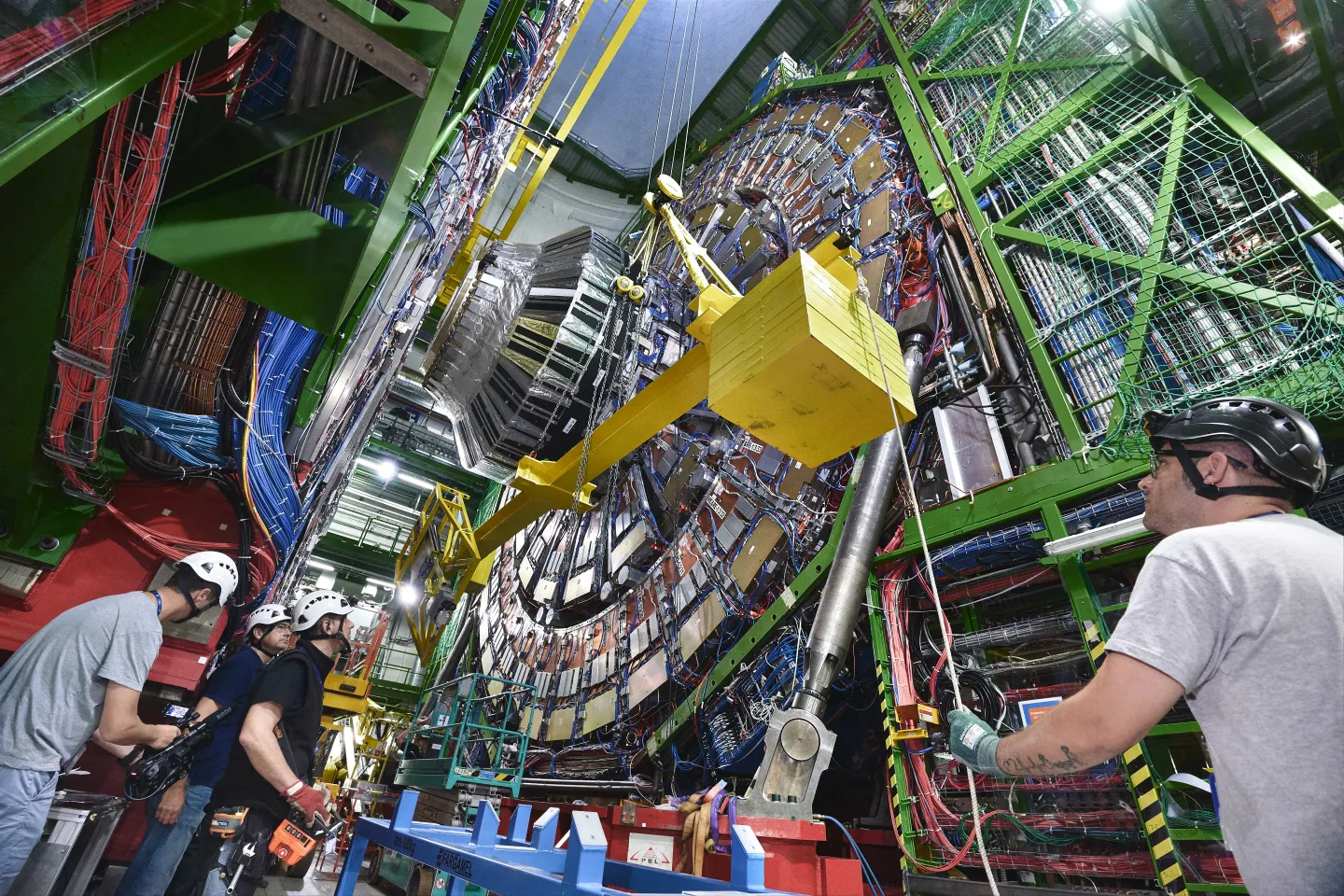
CMS GEMs are changing gear
CMS GEMs are changing gear It can be called the achievement of the year for the CMS Muon GEM group, culminating on a decade-long effort and development of knowhow. The Gas Electron Multiplier (GEM) is a Micro Pattern Gaseous Detector (MPGD) widely used in particle physics. They have been introduced into CMS by the author
-
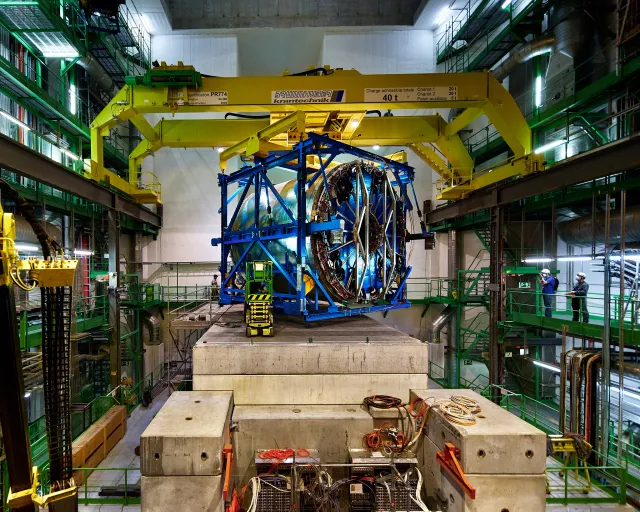
The upgraded ALICE TPC
The upgraded ALICE TPC The ALICE time projection chamber (TPC) is a big, gas-filled cylinder (with a hole in the centre to accommodate the silicon tracker), where the charge produced by ionising radiation is projected onto detectors arranged in the two endplates. Therefore, it is a true 3-dimensional tracking device which also, by recording many
-
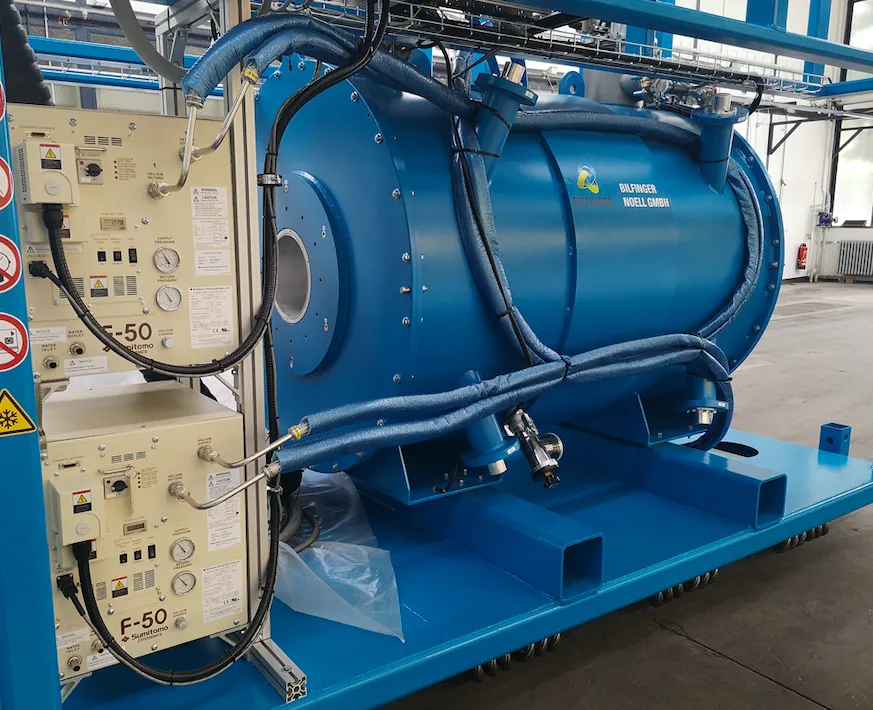
PUMA: antiprotons to probe the surface of radioactive nuclei
PUMA: antiprotons to probe the surface of radioactive nuclei Antiprotons as a probe to study short-lived isotopes remain unexploited despite past pioneering works with stable nuclei. In particular, low-energy antiprotons offer a unique prospect in terms of sensitivity to the neutron and proton densities at the annihilation site, i.e. in the tail of the nuclear
-
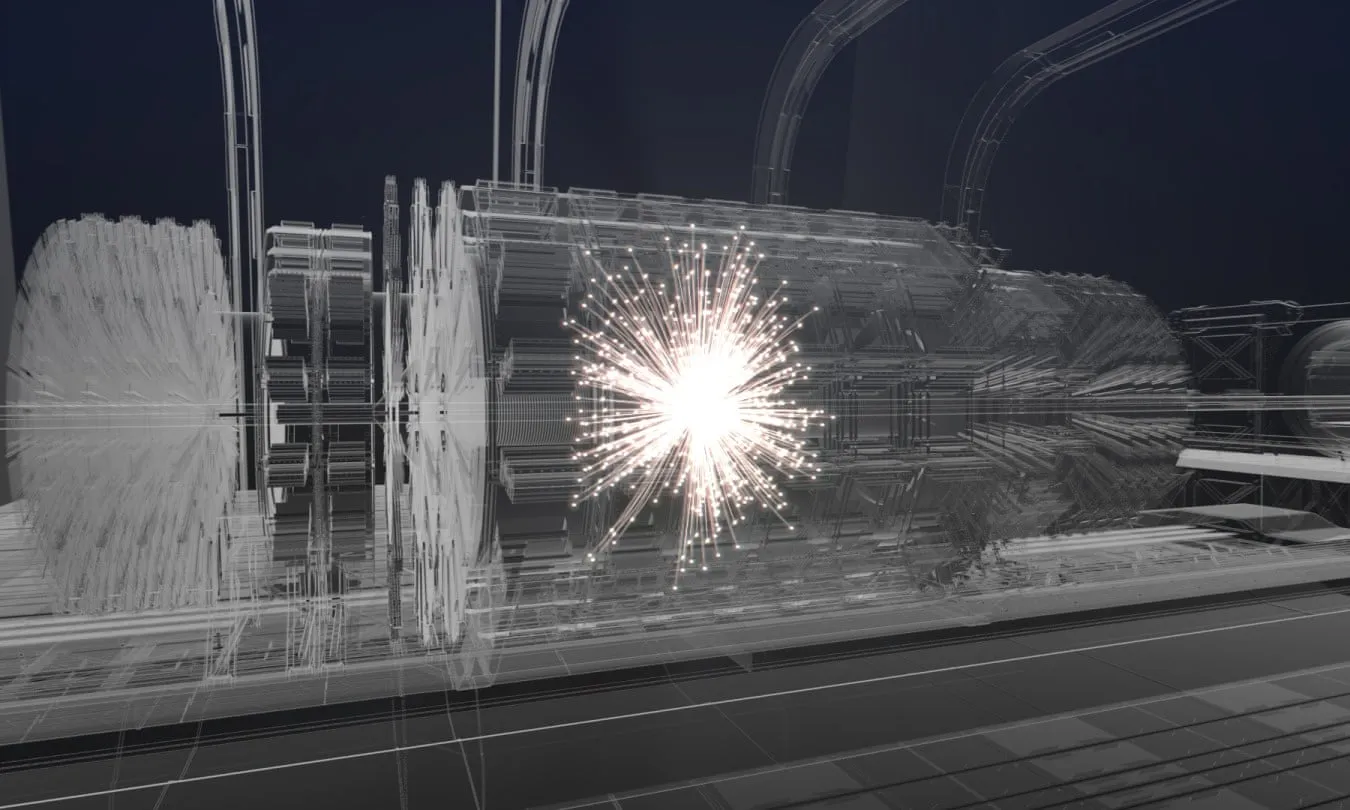
Higgs physics at future colliders
Higgs physics at future colliders In her article, Caterina Vernieri, reviews the potential of proposed future colliders to study the Higgs boson and further explore the electroweak sector beyond the LHC following her presentation on the Higgs 2020 conference. Caterina, is a member of the ATLAS collaboration (previously CMS 2012-2018) and co-convener of the Higgs
-
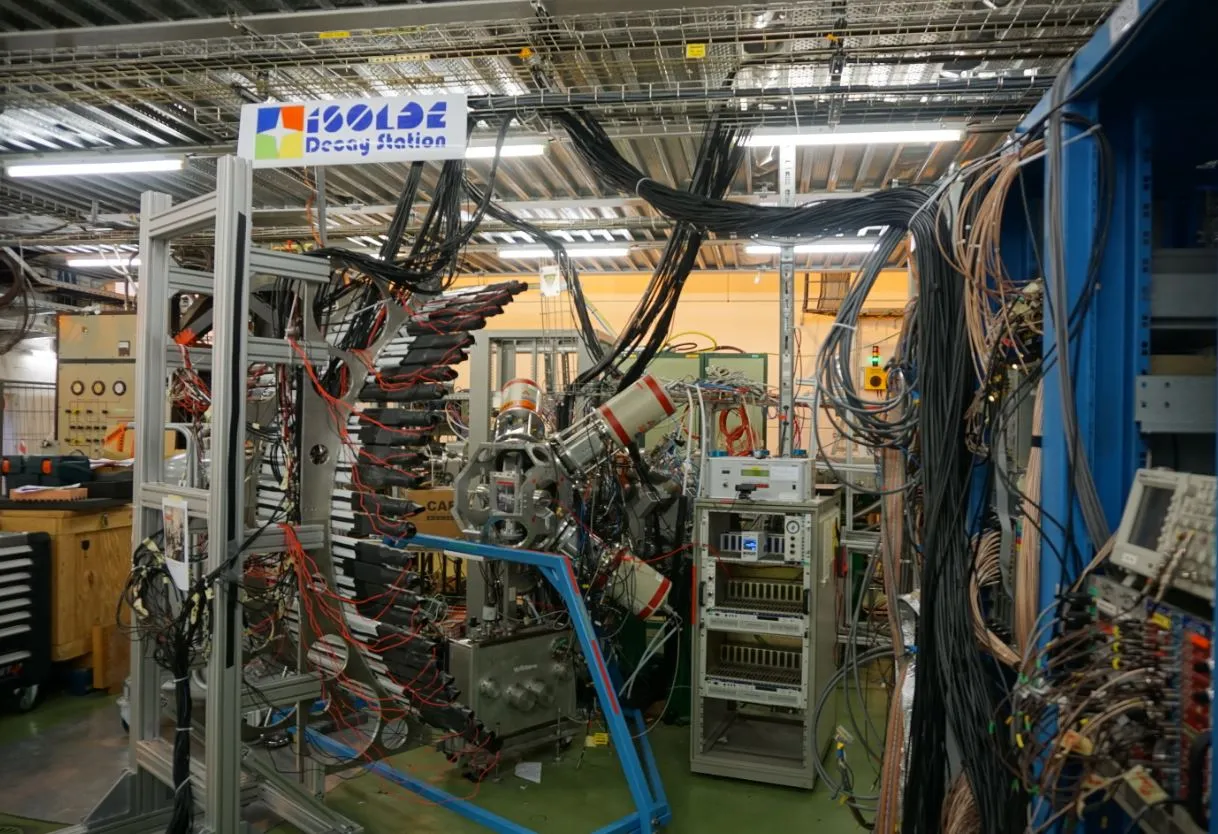
Secrets of beta decay unraveled at ISOLDE
Secrets of beta decay unraveled at ISOLDE Ernest Rutherford, in 1899, separated radioactive emissions into two types: alpha and beta. Becquerel, in 1900, measured the mass-to-charge ratio of beta particles and identified them as electrons. The theory of β decay was developed by Fermi in 1934. However, even now predicting the half-life of beta decaying
-
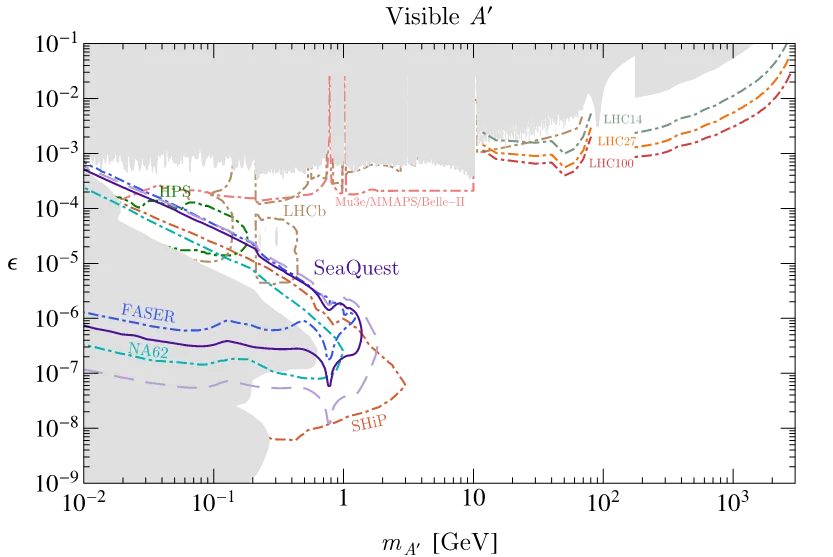
Accelerating for dark discoveries
Accelerating for dark discoveries Cosmological and astrophysical observations indicate that the Standard Model (SM) particles account for less than 5% of the total energy density of our Universe, while the remaining unknown 95% arises from the so-called dark energy and dark matter (DM). The existence of dark matter is inferred from its gravitational effects, but
-

Random Number Generators for Precision Monte Carlos
Random Number Generators for Precision Monte Carlos The Monte Carlo method is used primarily for calculations that are too difficult or even impossible to perform analytically, so that as our experiments and theories become more accurate, we become more dependent on the quality of our MC calculations and hence on the random numbers they use.
-
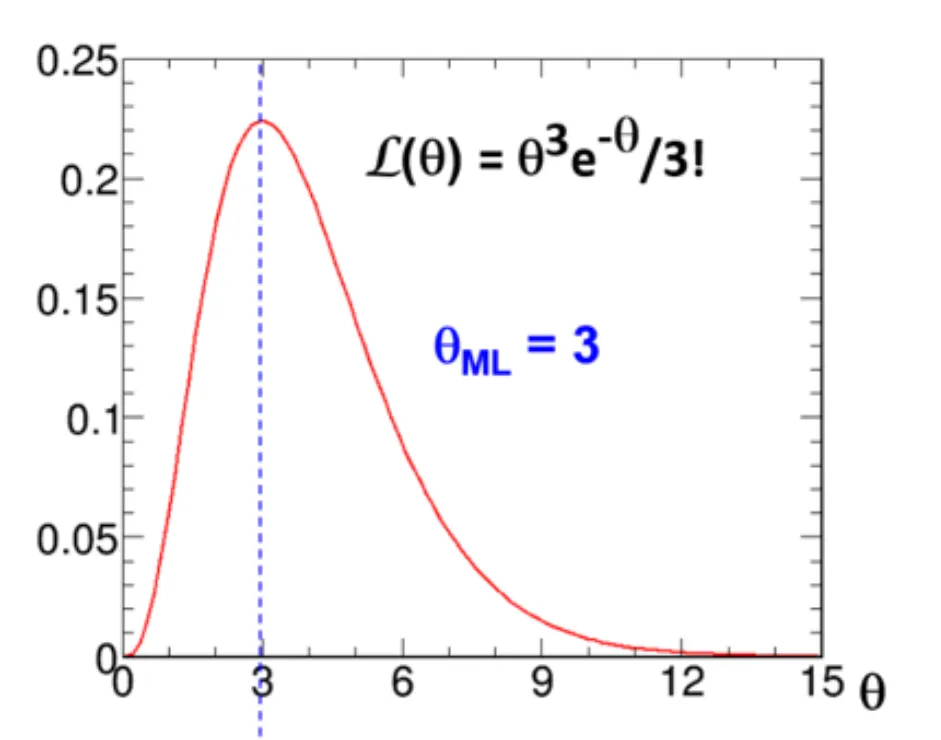
What is the likelihood function, and how is it used in particle physics?
What is the likelihood function, and how is it used in particle physics? In statistical data analysis, “likelihood” is a key concept that is closely related to, but crucially distinct from, the concept of “probability”, which is often a synonym in everyday English. In this article, I first lay some necessary foundations for defining likelihood,