
Category: Newsletter
-
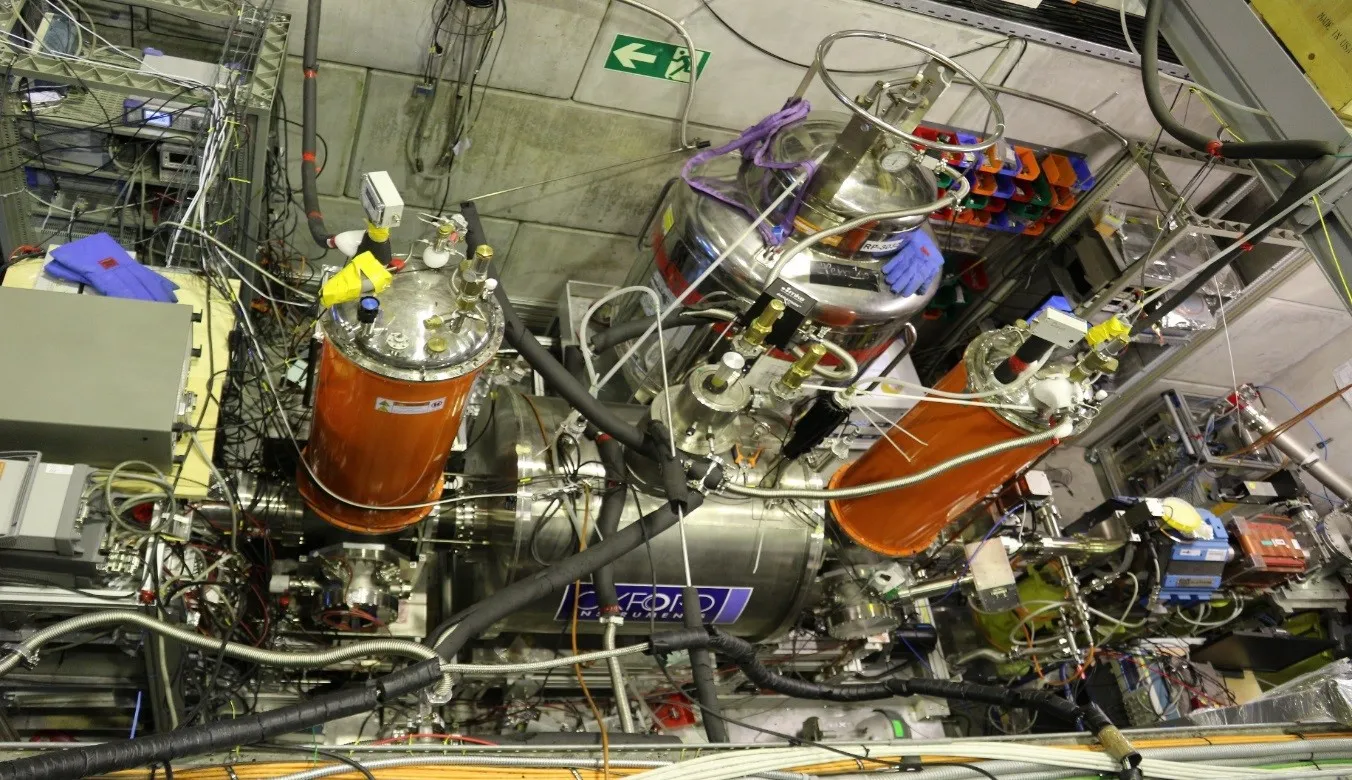
A mobile antiproton reservoir for precision measurements
A mobile antiproton reservoir for precision measurements The BASE collaboration has performed the most precise measurements of the fundamental properties of the antiproton in order to test CPT invariance as fundamental symmetry of the Standard Model [1, 2] and to search for dark matter-antimatter couplings [3]. The course of continuing this journey is set towards
-
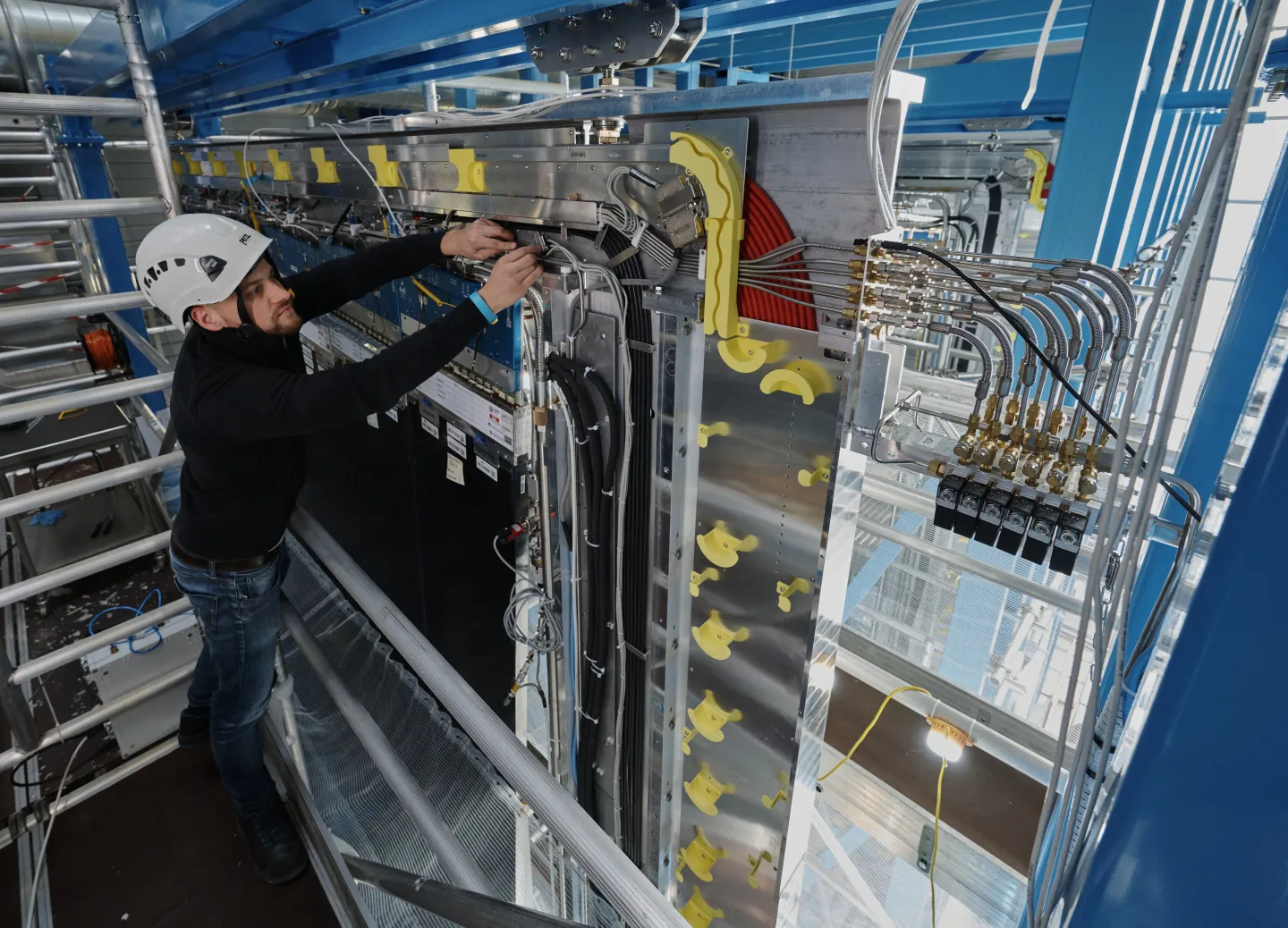
DT group publishes annual report
DT group publishes annual report The mandate of the Detector Technologies (DT) group in the Experimental Physics department covers development, construction, operation and maintenance of particle detectors for the experiments at CERN. Recently, the group published its 2019 annual report reporting the progress on several detector projects for LHC and non-LHC experiments, the operating services
-

Exploring the physics opportunities of FCCs
Exploring the physics opportunities of FCCs The 4th FCC Physics and Experiments workshop is part of the FCC Innovation Study Kickoff event, which will address the mandate issued by the update of the European Strategy for Particle Physics: “Europe, together with its international partners, should investigate the technical and financial feasibility of a future hadron
-
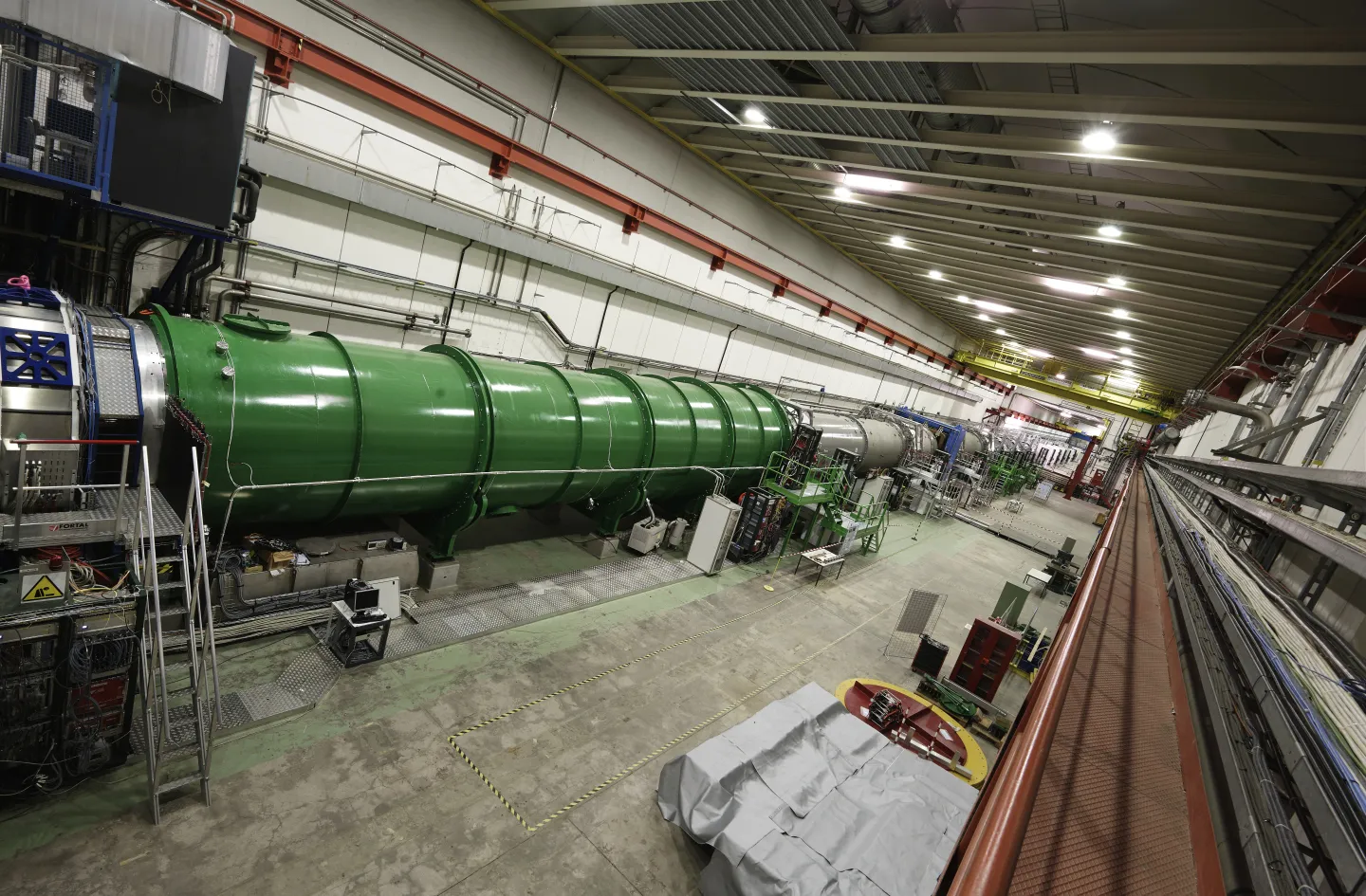
NA62 experiment at CERN reports first evidence for ultra-rare process sensitive to new physics
NA62 experiment at CERN reports first evidence for ultra-rare process sensitive to new physics The CERN NA62 collaboration presented at the ICHEP 2020 conference the first significant experimental evidence for the ultra-rare decay of the charged kaon into a charged pion and two neutrinos (K+ -> π+νν). The decay process is very sensitive to deviations
-
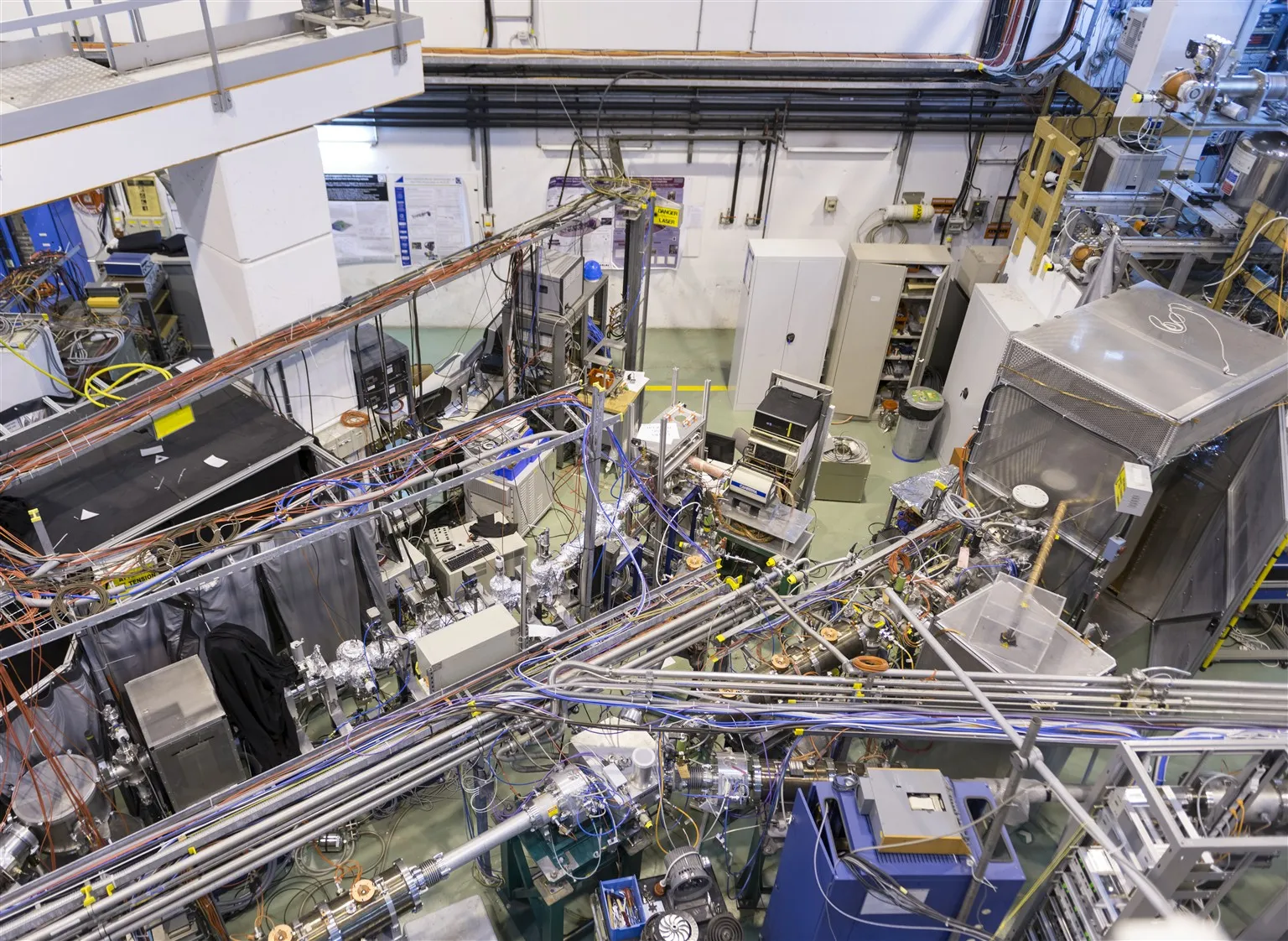
Pinpointing the structure of the SnV centre in diamond using emission channelling at ISOLDE
Pinpointing the structure of the SnV centre in diamond using emission channelling at ISOLDE Diamond – beyond its allure as a jewel – exhibits an array of unique physical characteristics such as its hardness, the highest room thermal conductivity of any material (while being electrically insulating when undoped); it can also be doped to produce
-
CERN experiments find first evidence for rare Higgs boson decay
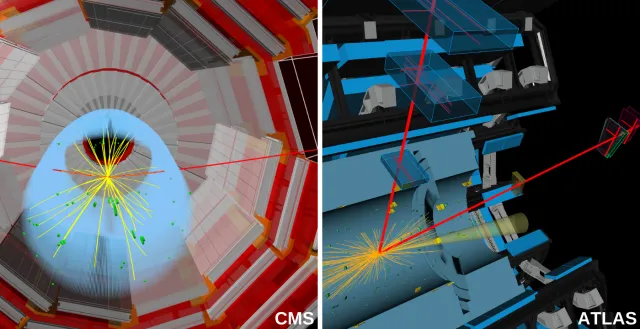
CERN experiments find first evidence for rare Higgs boson decay The strength of the interaction between the Higgs field and a particle determines the mass it obtains from the Higgs and it is a mystery why the interaction strength is different for different particles. This puzzle is exacerbated as the leptons, quarks and neutrinos appear
-

How to search for new physics without knowing about it?
How to search for new physics without knowing about it? BSM searches at the LHC increasingly profit from ML techniques since this approach allows more general searches that minimise the probability of missing evidence of new physics. Very recently, the ATLAS collaboration has published a novel approach [1], based on weakly unsupervised ML techniques, to
-
ATLAS results: from precision to rarity
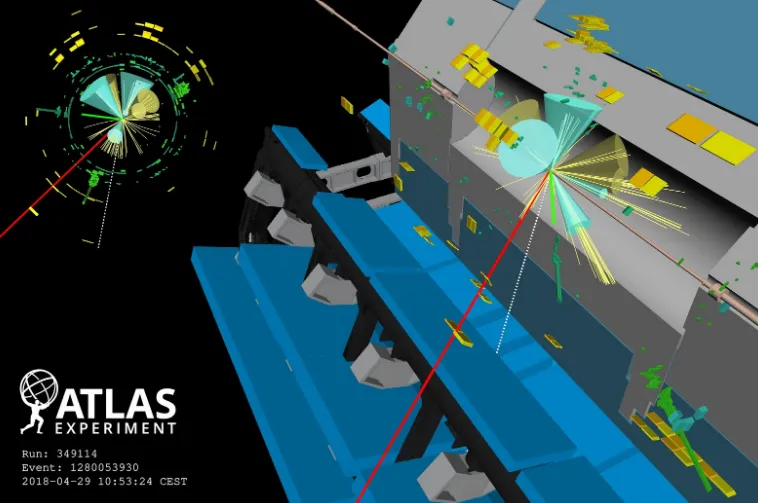
ATLAS results: from precision to rarity Two recent ATLAS results that showcase the full range of the ATLAS physics potential, from precision to rarity, were shown at LHCP and presented at a recent CERN LHC seminar. A test of the universality of τ and μ lepton couplings in W boson decays from tt̅ events [1]
-
ATLAS results: from precision to rarity
ATLAS results: from precision to rarity Two recent ATLAS results that showcase the full range of the ATLAS physics potential, from precision to rarity, were shown at LHCP and presented at a recent CERN LHC seminar. A test of the universality of τ and μ lepton couplings in W boson decays from tt̅ events [1]
-
Interview with Andrei Linde
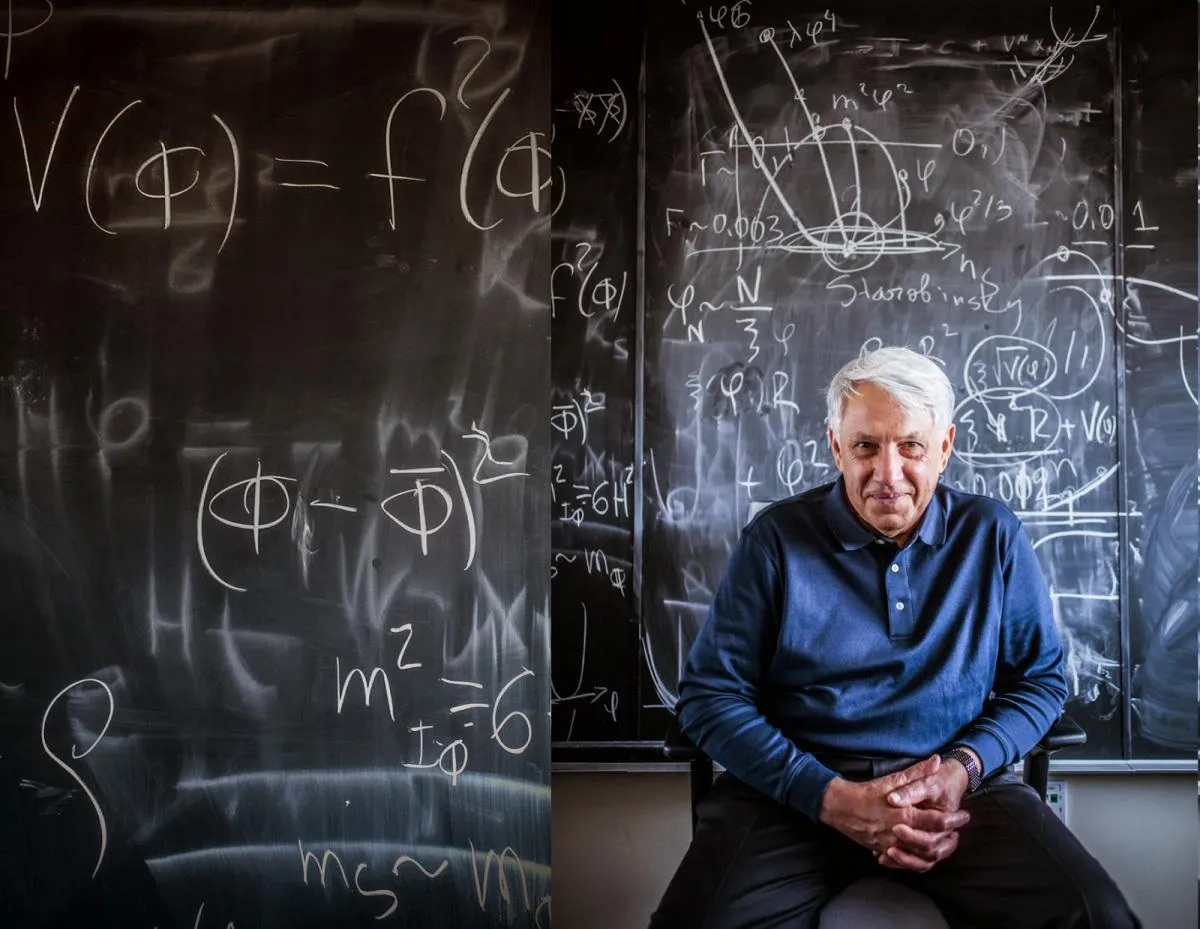
Interview with Andrei Linde Andrei Linde is Harold Trap Friis Professor of Physics at Stanford University and one of the most influential cosmologists of our time. Linde is one of the authors of the inflationary universe scenario, which is gradually becoming the standard paradigm of modern cosmology, replacing the previous versions of the big bang