
Tag: CMS
-
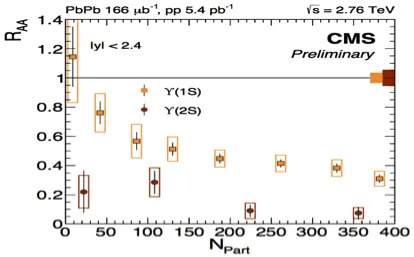
CMS results in Hard Probes 2015
CMS results in Hard Probes 2015 CMS has delivered a comprehensive set of differential RAA measurements, quantifying the jet quenching effect for hard probes of various flavors. Profound suppression of strongly interacting probes in 2.76 TeV PbPb collisions is established with high precision for inclusive charged hadrons, spanning the wide range of transverse momenta from
-
LHC experiments present latests results from heavy-ion runs (old)
LHC experiments present latests results from heavy-ion runs (old) The 7th edition of the Hard Probes International Conference series was hosted by McGill University in Montréal, Québec, Canada, from 29 June to 3 July. During the last two decades, high-energy nuclear physics has seen a tremendous progress; thanks to the combined efforts of CERN SPS,
-
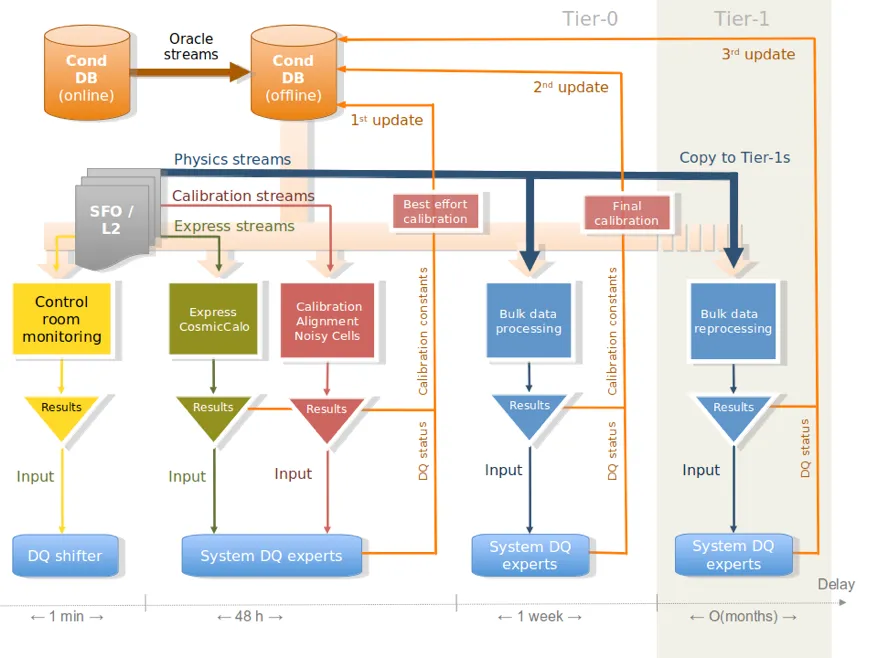
Data Quality Monitoring: An important step towards new physics
Data Quality Monitoring: An important step towards new physics Data Quality Monitoring (DQM) is an important aspect of every high-energy physics experiment. In the era of LHC, when the detectors are extremely sophisticated devices, an online feedback on the quality of the data recorded is needed to avoid taking low quality data and to guarantee
-
LHC experiment release data in CERN’s Open Data Portal
LHC experiment release data in CERN's Open Data Portal On 20 November 2014, CERN launched the Open Data Portal, making data from real collision events at the LHC experiments available for the first time to the general public. This project is part of the Organisation's policy of openness, which is enshrined in its founding convention
-
EPS announces the 2015 prizes in the field of high energy physics.
EPS announces the 2015 prizes in the field of high energy physics. Last month, the High Energy and Particle Physics division of the European Physical Society announced the 2015 prizes for outstanding contributions in the field of high energy physics. The 2015 Young Experimental Physicist Prize was awarded to Jan Fiete Grosse-Oetringhaus and Giovanni Petrucciani,
-
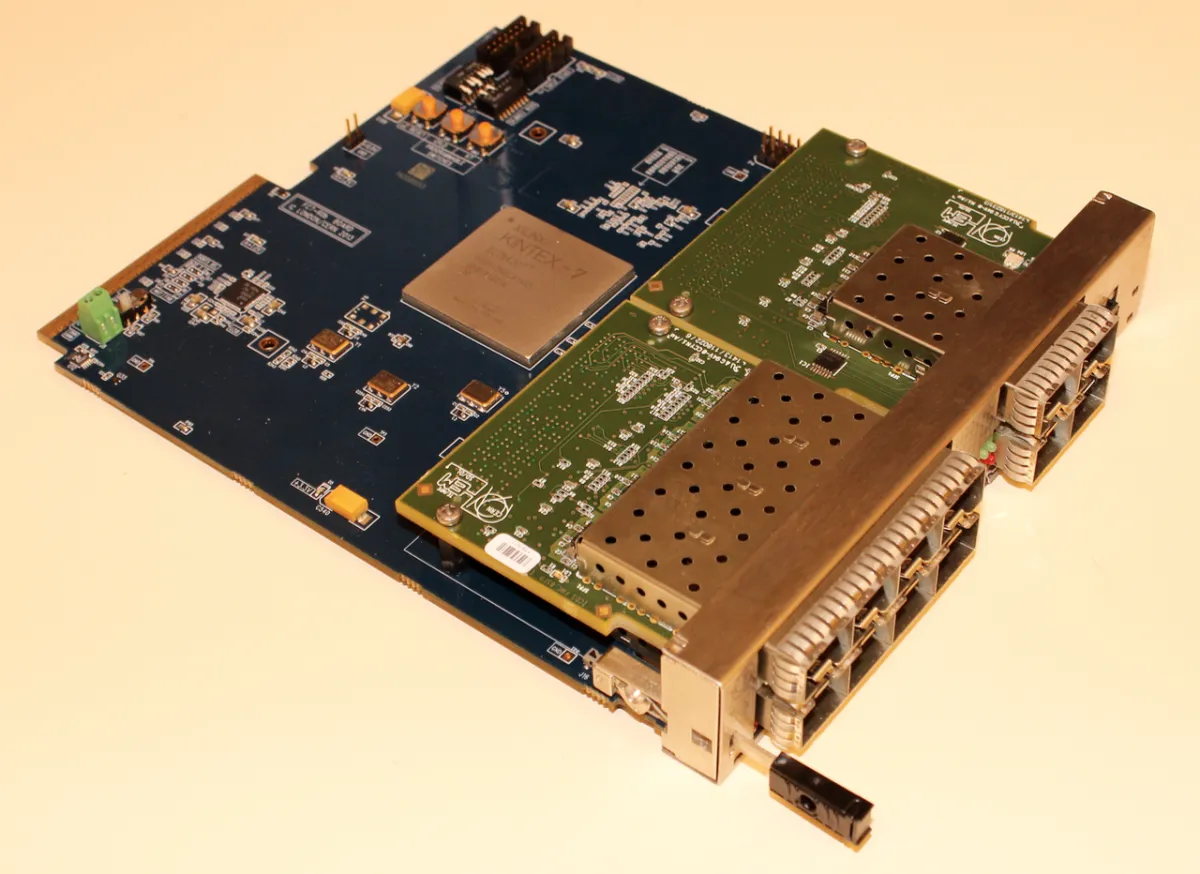
The new CMS Timing and Control Distribution System
The new CMS Timing and Control Distribution System It is of paramount importance that all parts of an LHC experiment are synchronized to each other and to the passage of particles in the centre of the experiment. The original CMS Timing, Trigger, and Control (TTC) system made this possible during the first period of data-taking
-
LHC experiments back in business at record energy
LHC experiments back in business at record energy BROKEN IMAGE NOT MOVED (drupal url : https://ep-news.web.cern.ch//content/lhc-experiments-back-business-record-energy) The Large Hadron Collider (LHC) started delivering physics data on 3rd of June for the first time in 27 months. After an almost two year shutdown and several months re-commissioning, the LHC is now providing collisions to all of
-
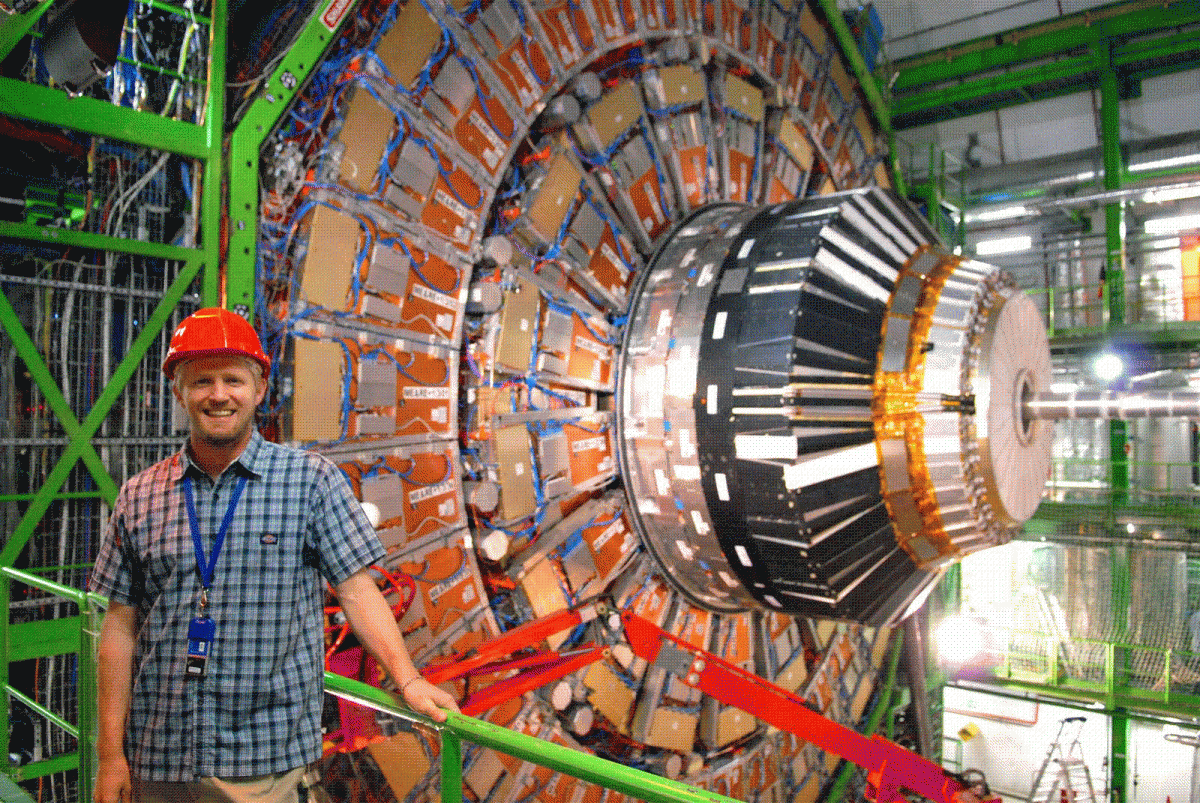
Focus on the Run Coordinators of the LHC Experiments
Focus on the Run Coordinators of the LHC Experiments As the preparations for Run2 are coming to an end, and the first collisions are scheduled to take place in a few weeks, the control rooms of the LHC experiments have become hives of activity, getting ready to record the first data. Run Coordinators are responsible
-
Greg Rakness: CMS co-Run Coordinator
Greg Rakness: CMS co-Run Coordinator The CMS Run Coordination team is made up of three people: Christoph Schwick and myself as co-Run Coordinators and Silvia Goy Lopez as coordinator of the Detector Performance Groups. Together we manage the commissioning and operation of the CMS detector with the overarching goal to deliver physics quality data efficiently
-
CMS: LS1 – A Short Summary and an Outlook to the Endgame
CMS: LS1 – A Short Summary and an Outlook to the Endgame After almost two years of shutdown, all planned upgrades of CMS have been performed. The endcap muon system now has a complete forth layer with additional Cathode Strip Chambers (CSC) and Restive Plate Chambers (RPC), enclosed by two new 120t shielding disks made