
Tag: data acquisition
-
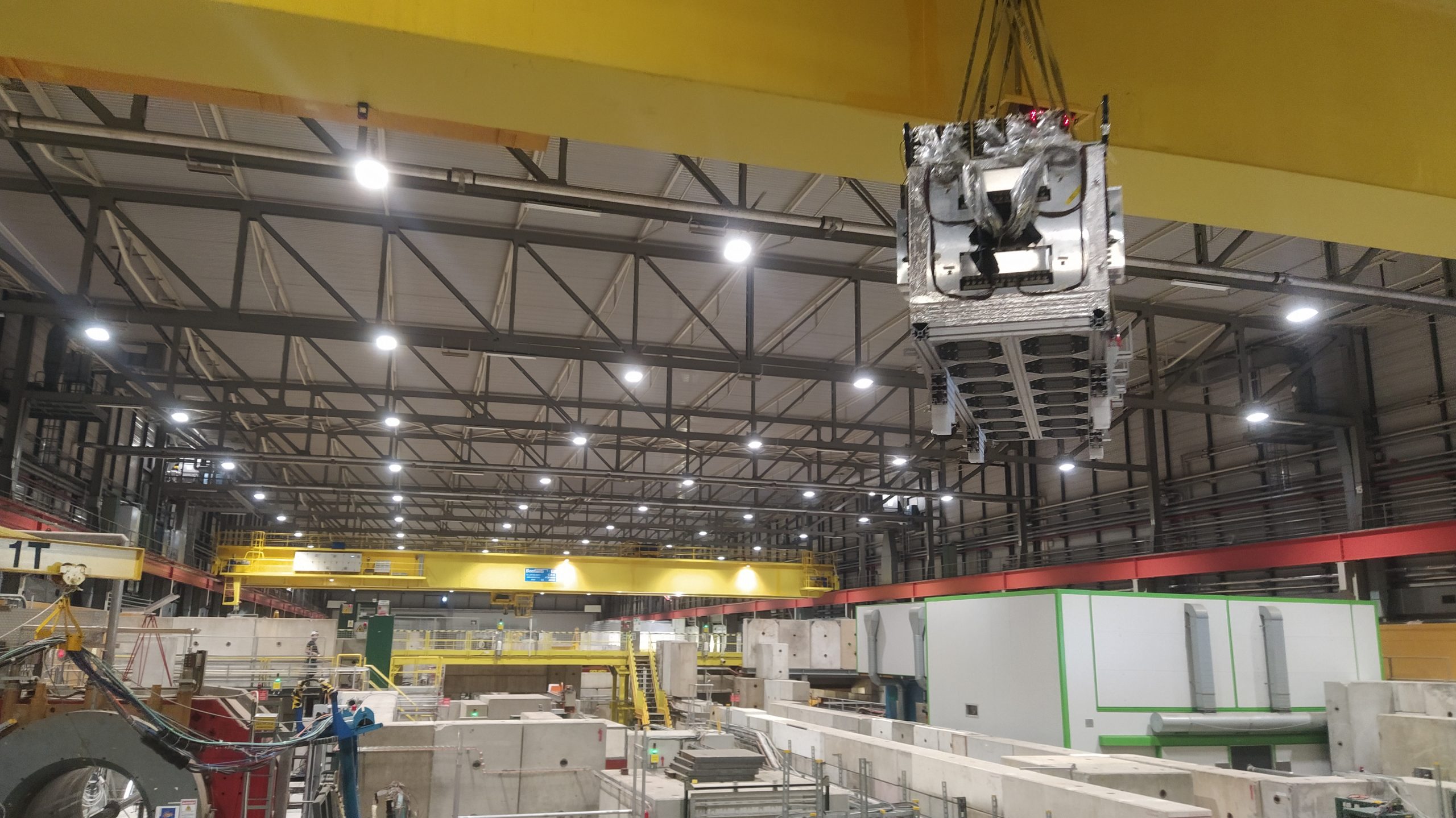
The last beam tests before LS3 boost FCC-ee detector technologies
The last beam tests before LS3 boost FCC-ee detector technologies by Hector Garcia Morales (CERN, FCC-PED group) In one of the last opportunities to test detector prototypes before CERN’s accelerator complex enters Long Shutdown 3, a beam test campaign brought together different teams from across the world to test FCC-ee detector technologies. To date, six
-
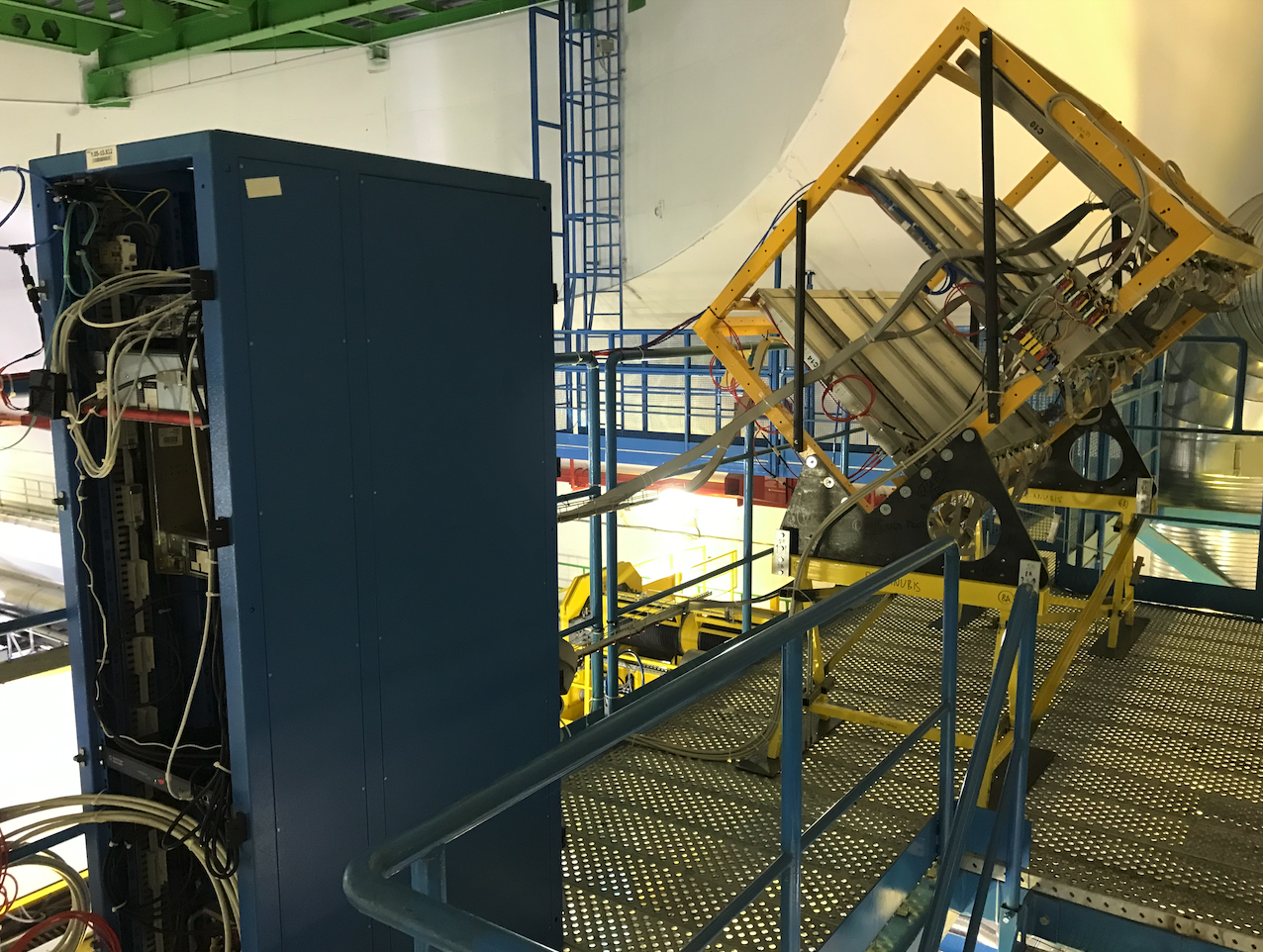
ANUBIS: from prototype to Letter of Intent
The proANUBIS demonstrator has completed data taking in the ATLAS cavern, showing that its detector technology delivers the efficiency and timing precision required to search for long-lived particles. These results strengthen the case for the full ANUBIS experiment, which would extend ATLAS’s reach into a largely unexplored region of new physics.
-
colibri: CERN VHDL Common Library released for Everyone to Use
CERN has released colibri, an open-source library designed to make FPGA gateware more portable, reliable and independent of individual vendors. Developed with support from the CERN EP R&D programme, it provides more than 100 verified VHDL components and is already used by over ten projects within and beyond CERN.
-
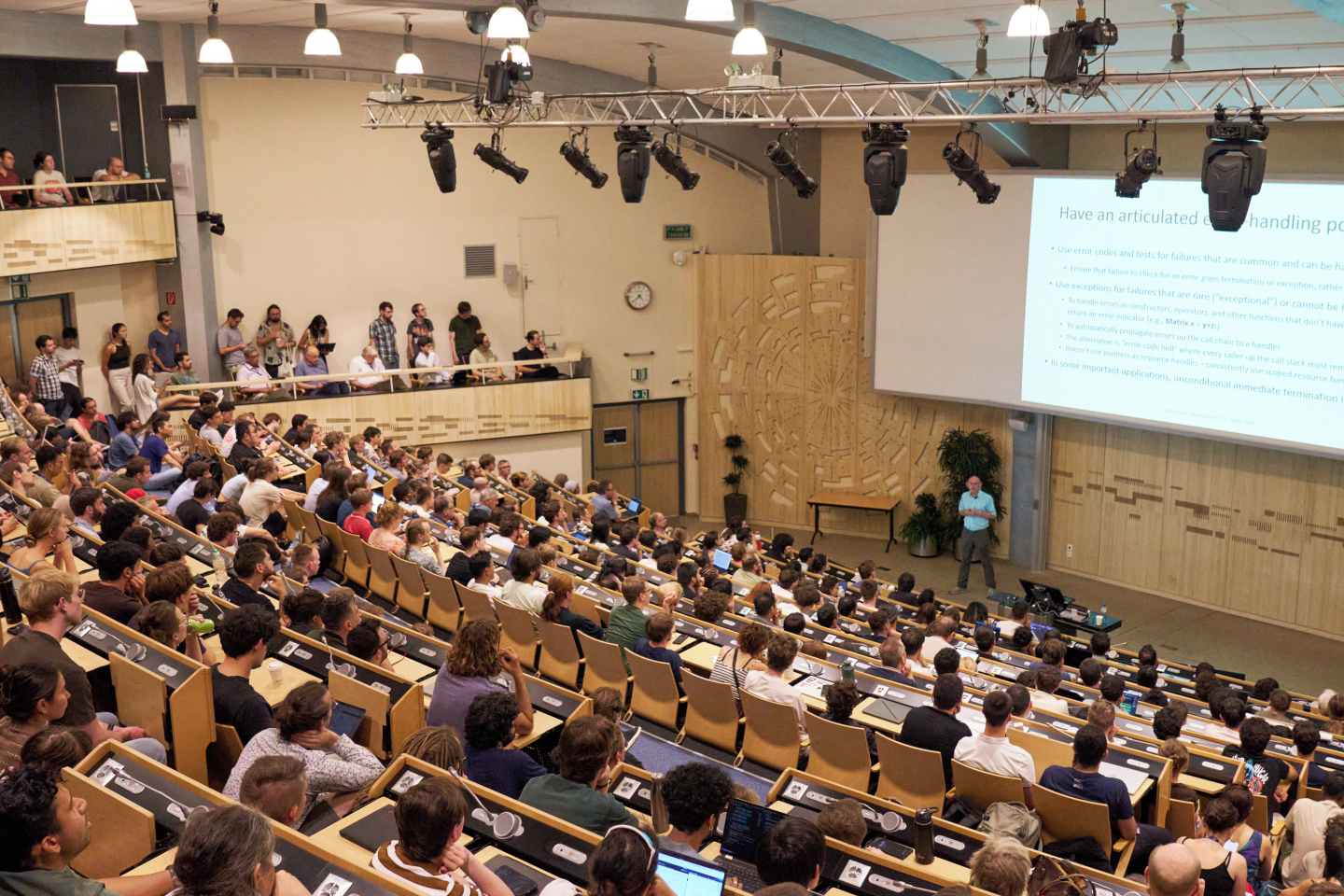
CERN STEAM Academy puts the future of scientific software centre stage
C++ creator Bjarne Stroustrup returned to CERN for a packed STEAM Academy seminar on the future of scientific software. From safer programming and simpler code to new language features and the demands of long-lived research infrastructure, he explored how C++ can continue to evolve alongside the computing challenges of modern science.
-
From beam dumps to missing energy: the SPS search for hidden particles
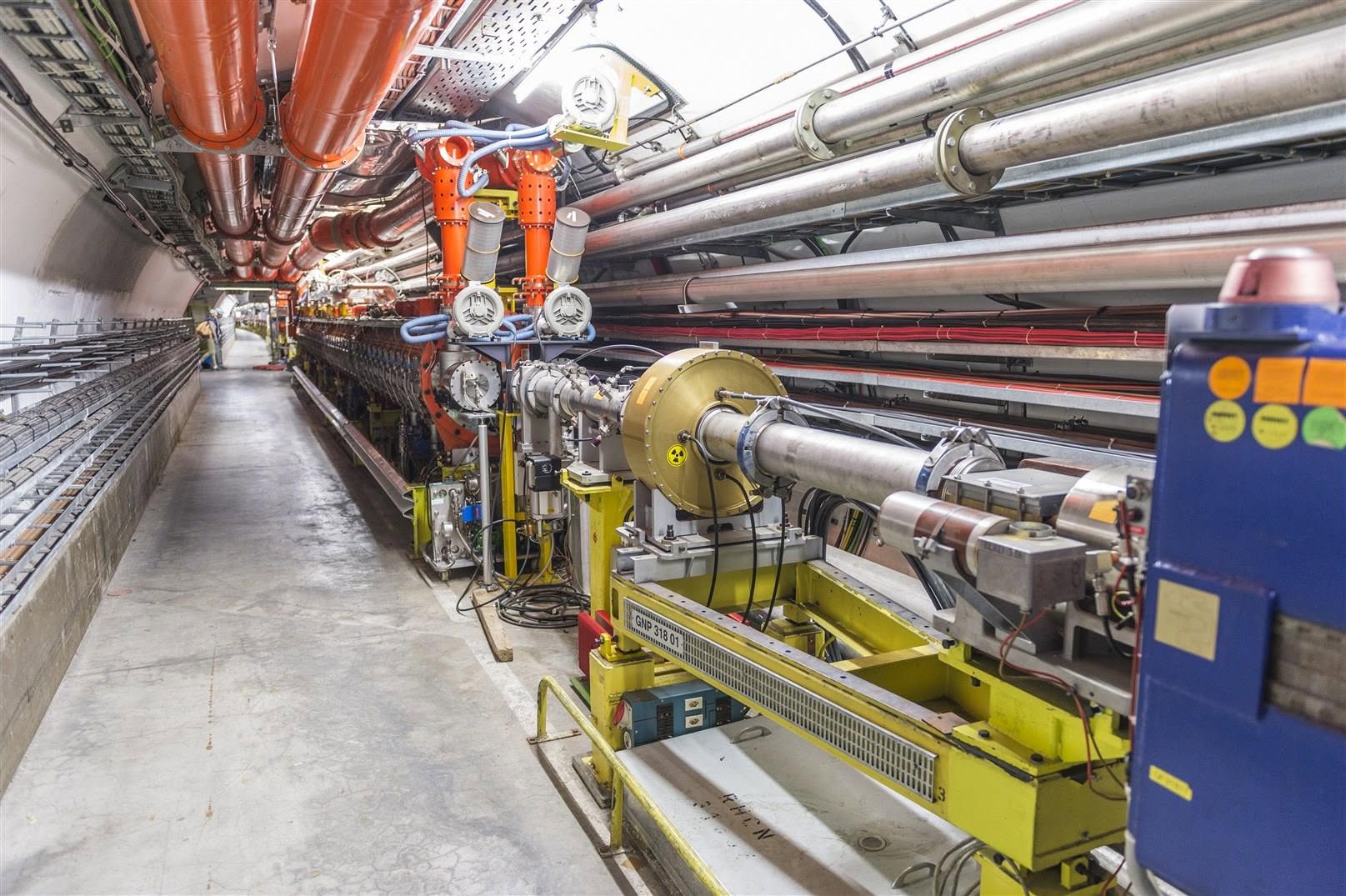
For more than four decades, CERN’s Super Proton Synchrotron has served as a testing ground for new ways to search for particles that interact only feebly with ordinary matter. In a recent lecture, NA64 co-spokesperson Paolo Crivelli traced the evolution of this programme – from the first beam-dump experiments to missing-energy and missing-momentum searches, precision…
-
One summer, a world of possibilities: CERN’s Summer Student Programme 2026
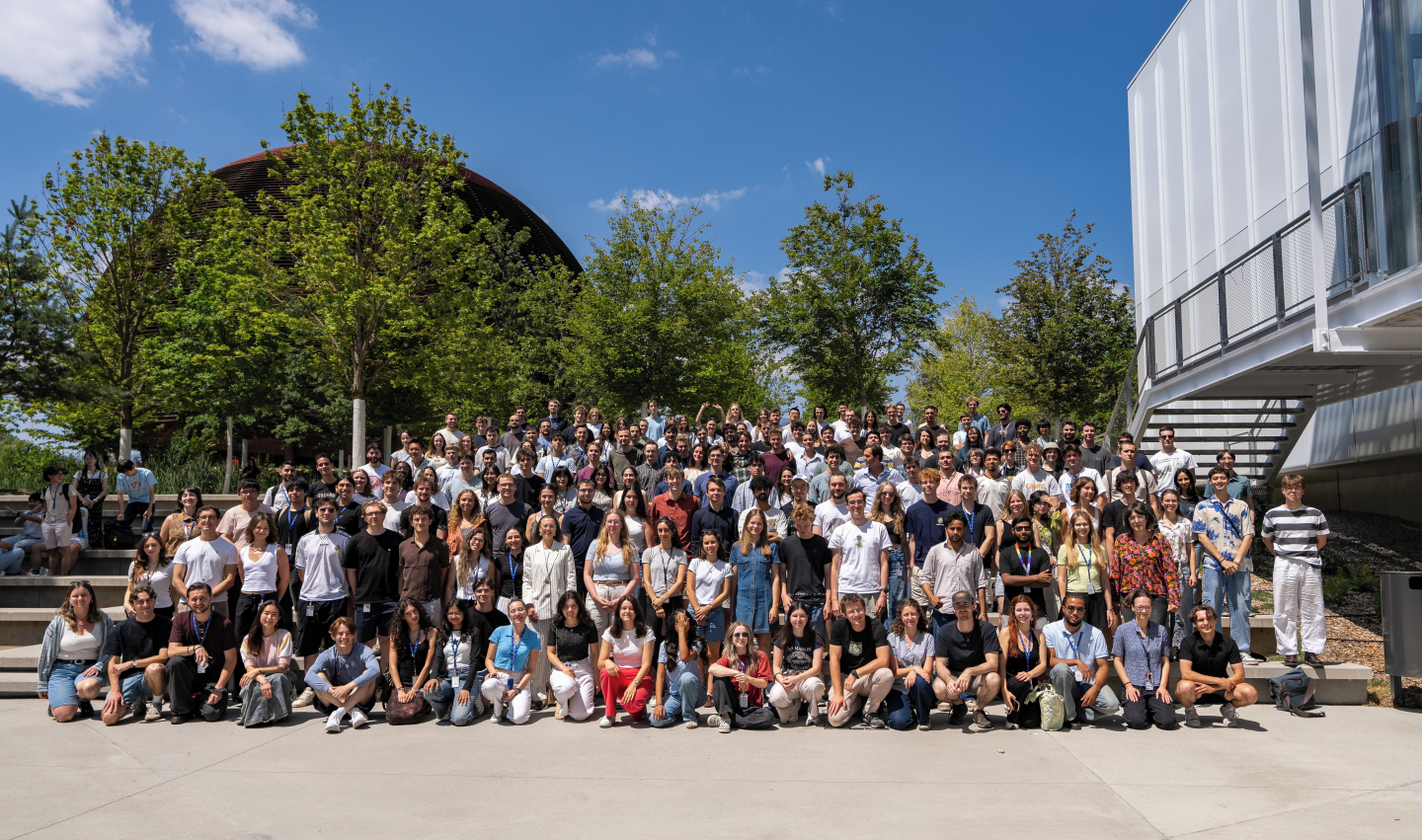
More than 320 students from over 90 nationalities spent the summer at CERN, contributing to research, exploring new ideas and building friendships. As the 2026 Summer Student Programme concludes, discover the people, projects and experiences behind an unforgettable summer of science.
-
EP R&D Day 2026: technologies for the next generation of experiments
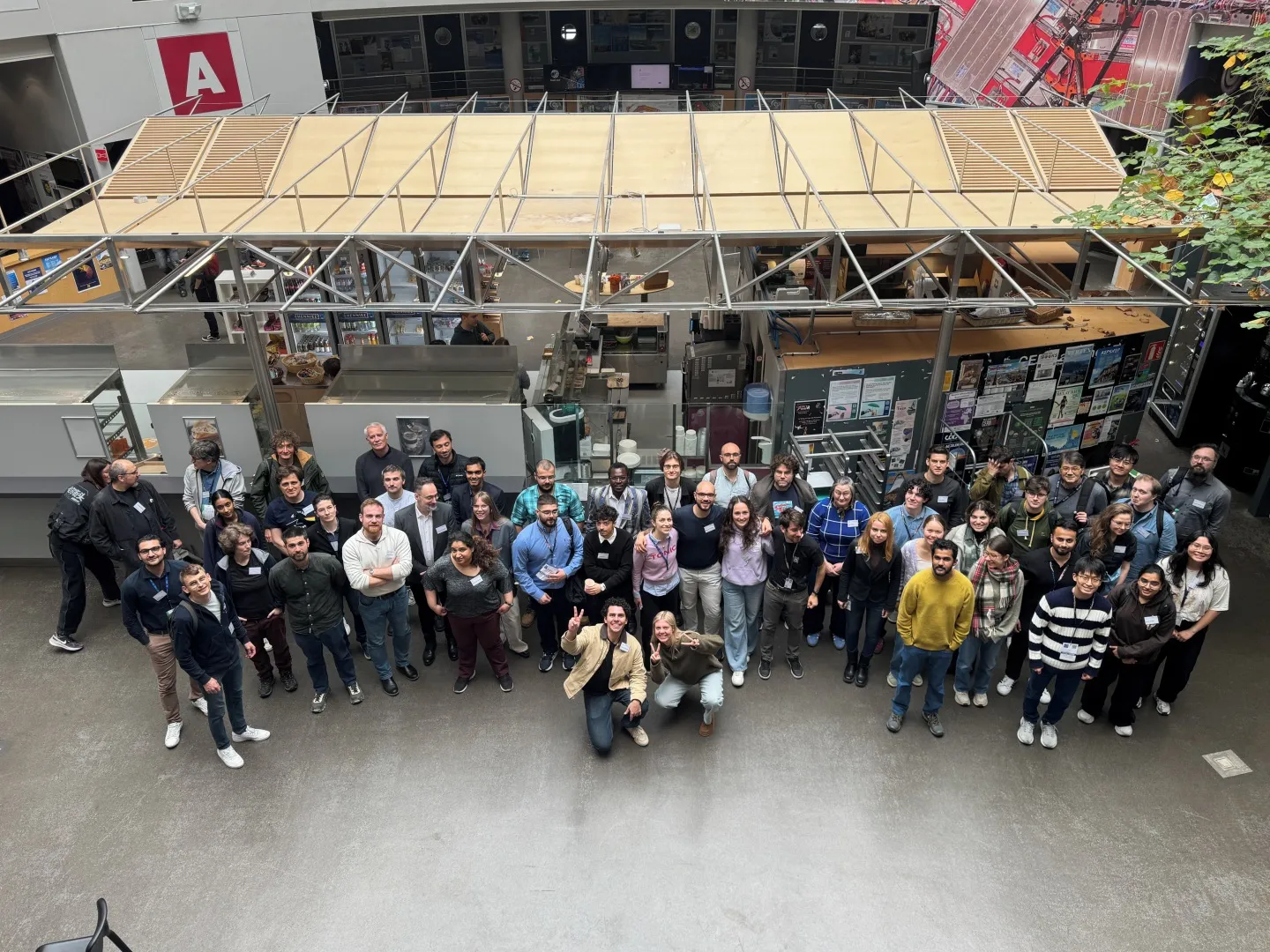
EP R&D Day 2026: technologies for the next generation of experiments On 29 April 2026, colleagues from across CERN’s Experimental Physics Department gathered for the annual meeting dedicated to the strategic EP R&D programme on technologies for future experiments. The programme offered a broad update on progress achieved over the past year, bringing together developments
-
AI for Gravitational Waves: Building Bridges Between Scientific Communities
AI for Gravitational Waves: Building Bridges Between Scientific Communities As gravitational-wave observatories enter a new phase of sensitivity, scale and scientific ambition, the challenge is no longer only to detect faint ripples in spacetime. It is also to analyse, interpret and respond to them fast enough to open new windows on the Universe. This was
-
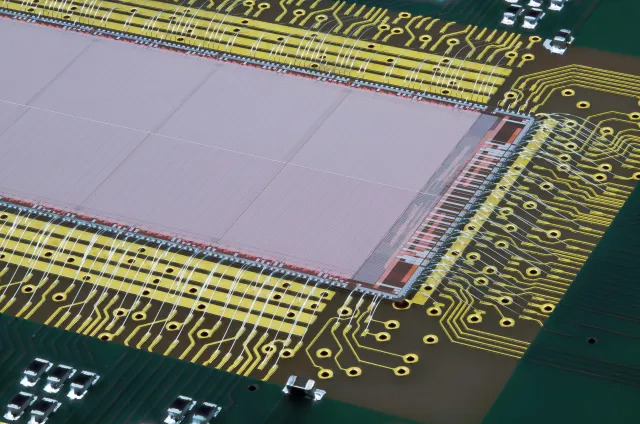
MOSAIX: Designing bent wafer-scale monolithic pixel sensors for the ALICE ITS3 upgrade
MOSAIX: Designing bent wafer-scale monolithic pixel sensors for the ALICE ITS3 upgrade The ALICE detector is preparing a major upgrade to its Inner Tracking System (ITS) during LHC long shutdown 3 (2026-2030). This upgrade, called ITS3, will replace the three innermost tracking layers with three layers of cylindrical, 50 µm thick, 27 cm long, silicon
-
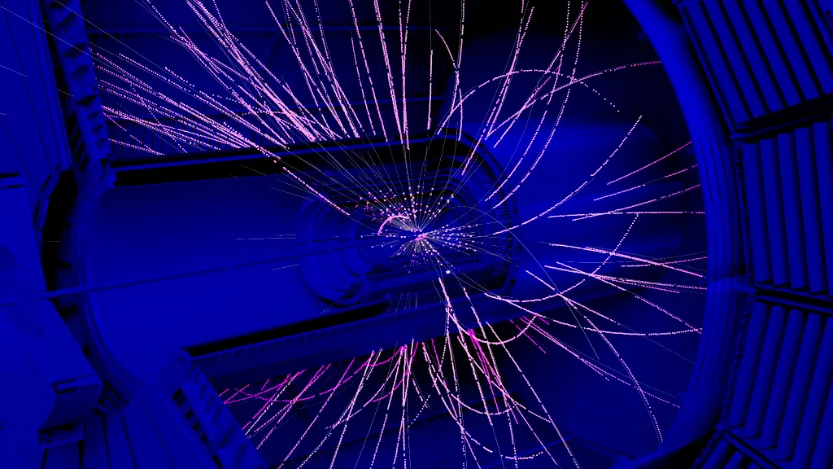
Online use of AI within ALICE
Online use of AI within ALICE A reconstructed event of particles in the ALICE TPC, with data taken with the neural network cluster finding algorithm. Pink dots are reconstructed clusters. AI applications have rapidly expanded in everyday life, and ALICE, among other high-energy physics experiments at CERN, is increasingly exploring their use in fundamental physics