
Tag: nuclei
-
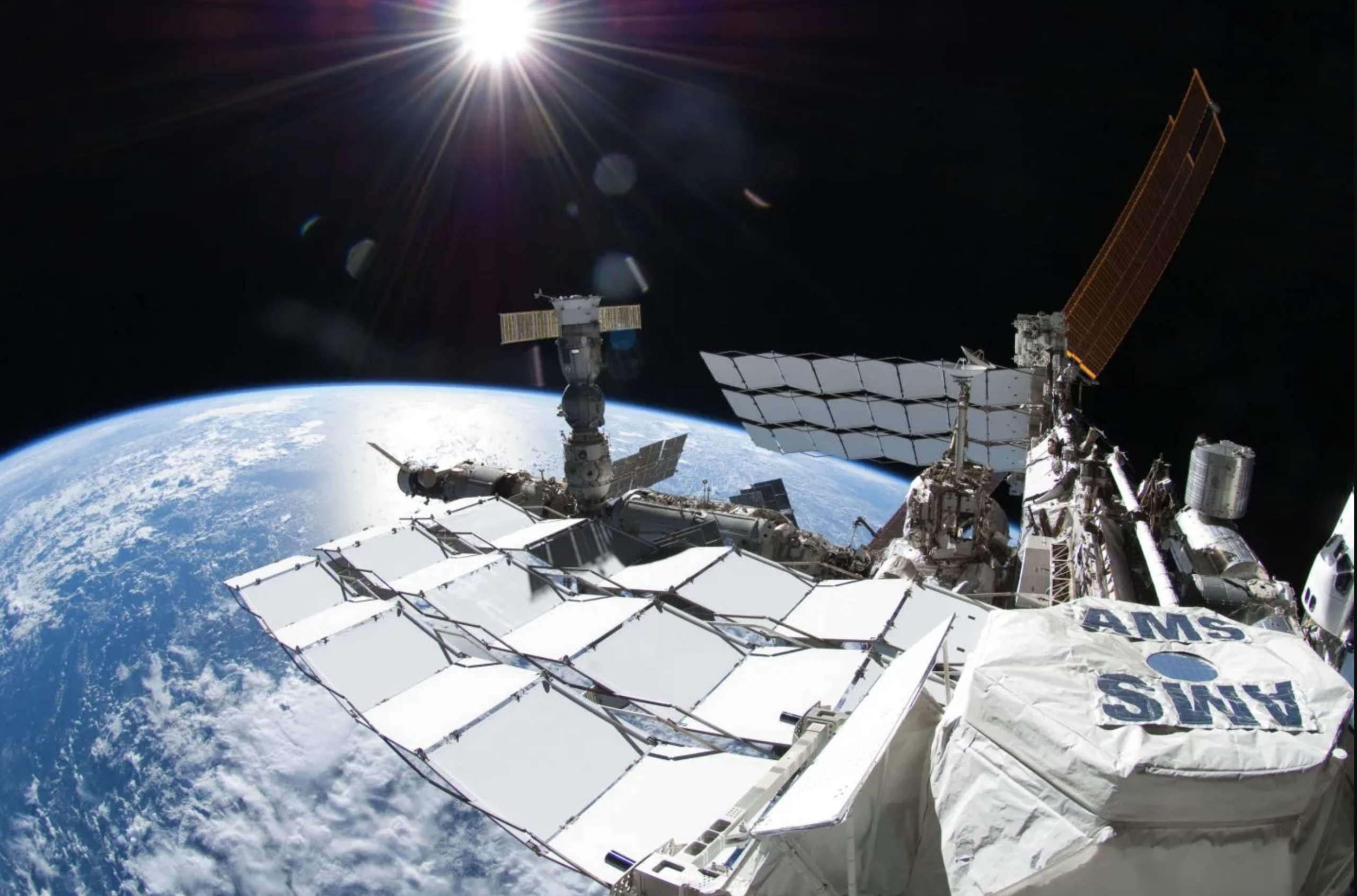
Investigating the origin of elements with the AMS on the International Space Station
Drawing on 15 years of observations and more than 260 billion cosmic-ray events, the Alpha Magnetic Spectrometer is helping scientists investigate how elements are produced and propagate through our Galaxy. Its latest measurements of phosphorus, chlorine, argon, potassium and calcium reveal distinct patterns among primary and secondary cosmic-ray nuclei, contributing to a more comprehensive model…
-
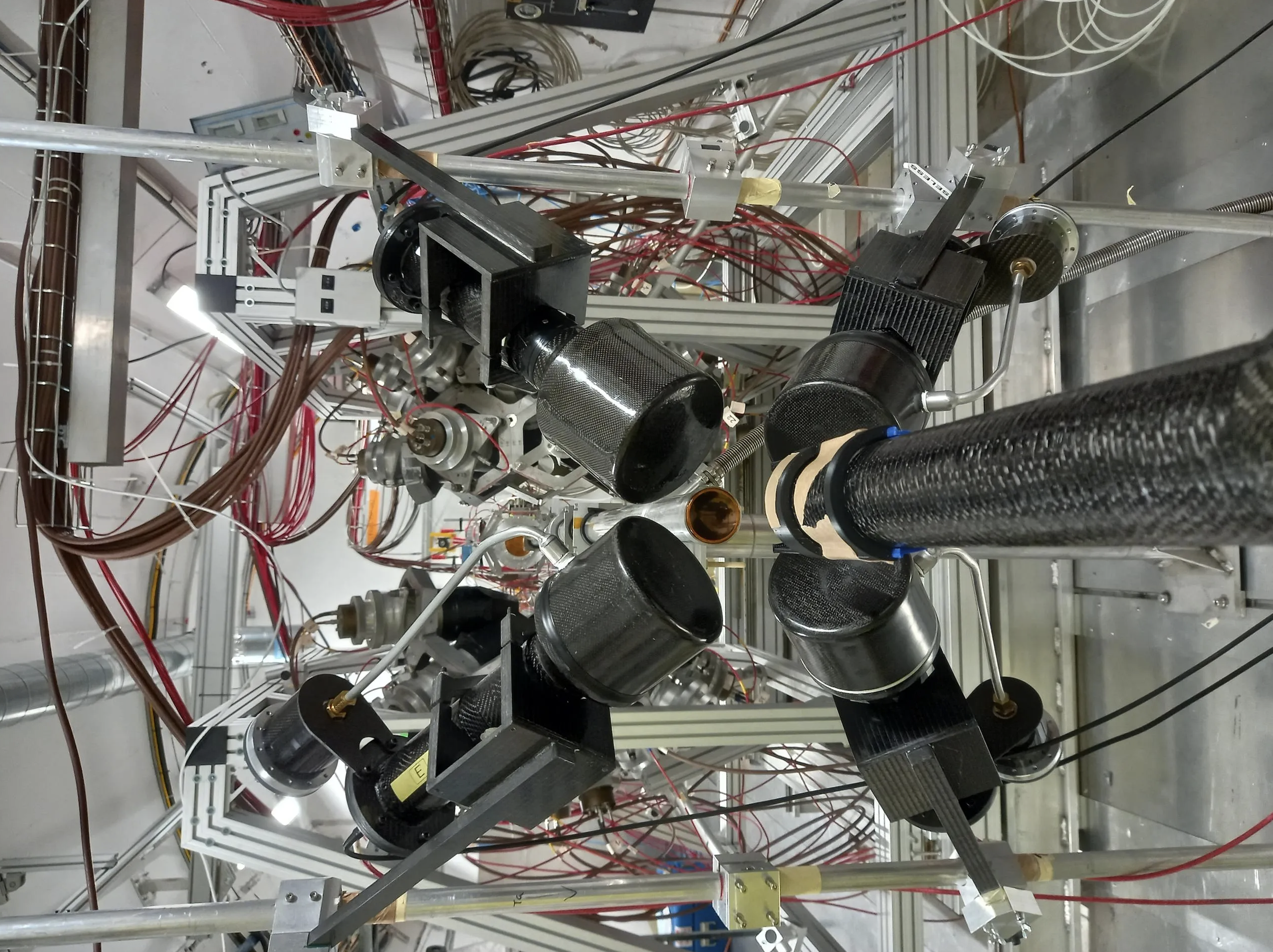
A radioactive crossroads: n_TOF measurement validates a key reaction in the molybdenum-94 puzzle
The first experimental determination of neutron capture by niobium-94 at energies relevant to stellar nucleosynthesis confirms the scale of earlier theoretical predictions, rules out this reaction as the source of a longstanding discrepancy and strengthens our understanding of molybdenum production in ageing stars.
-
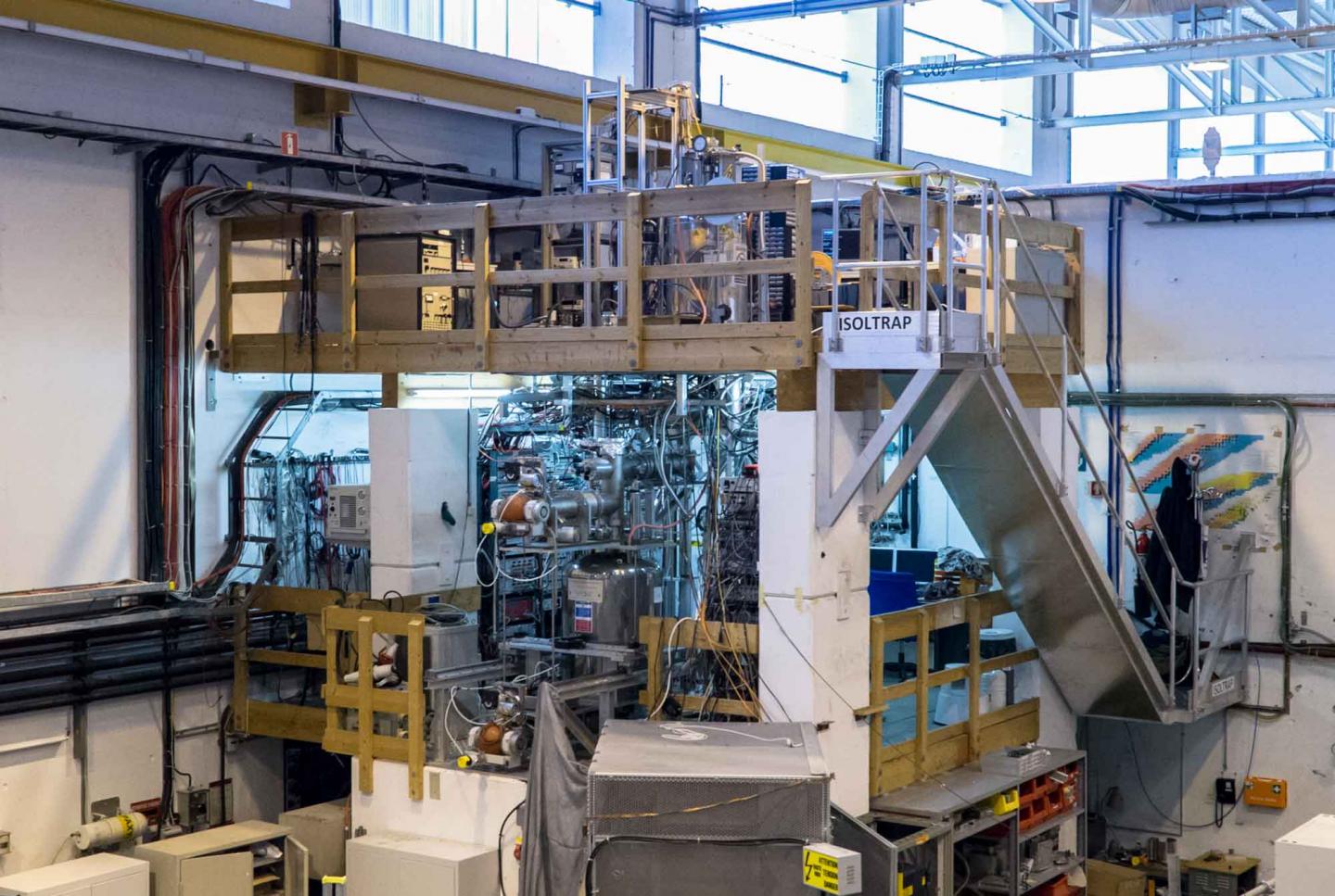
ISOLTRAP measures cadmium isotope masses for the first time, probing a key nuclear shell gap
With only about 40 detected ions, ISOLTRAP has measured the mass of cadmium-96 for the first time. Together with improved measurements of cadmium-97 and cadmium-98, the results shed light on nuclear shell structure near the doubly magic nucleus tin-100 and provide new benchmarks for nuclear theory.
-

New Staff Members and Fellows – Autumn 2026
New Staff Members and Fellows – Autumn 2026 Christian Appelt Hello, I’m Christian. I’ve joined EP-ATL-SO as a Research Fellow. I completed professional training as an electronics technician, worked in industry for 5 years, and studied electrical engineering (BEng) and physics (BSc, MSc, PhD). I’ve worked at several research institutes; in ATLAS, I’ve been involved in and am leading long-lived particle searches, the production
-
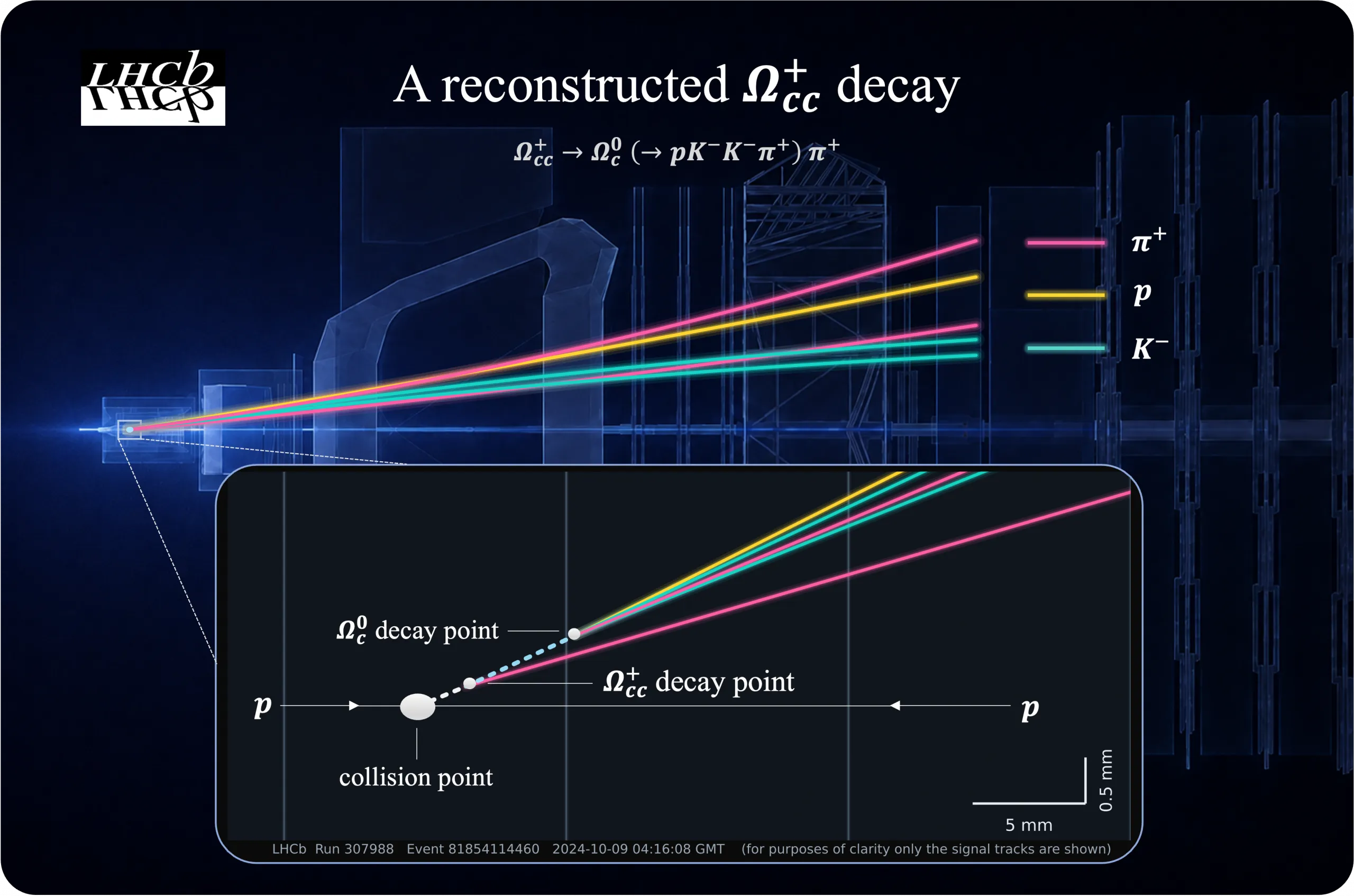
LHCb completes a long-awaited family of doubly charmed baryons
LHCb completes a long-awaited family of doubly charmed baryons More than sixty years ago, particle physics was facing a problem of abundance. New subatomic particles were appearing in experiments, but there was not yet a clear organising principle to explain their relationships. In the early 1960s, Murray Gell-Mann and Yuval Ne’eman independently proposed the “Eightfold
-
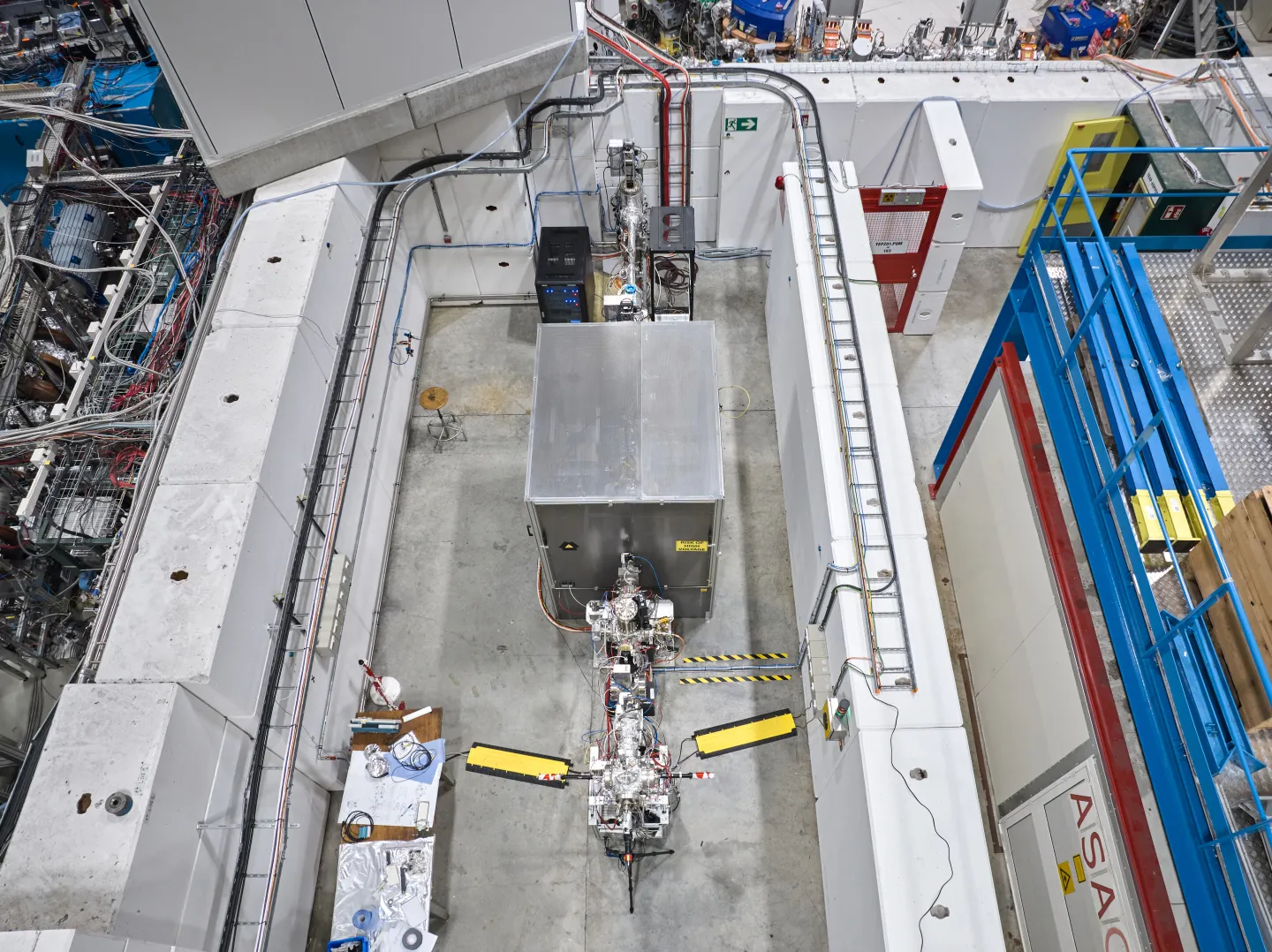
PUMA – Antiprotons as a precision probe for the tail of nuclear density
PUMA – Antiprotons as a precision probe for the tail of nuclear density Understanding the nuclear structure of atomic nuclei away from the valley of stability remains one of the central challenges of nuclear physics and astrophysics. In particular, the dilute outer regions of neutron-rich nuclei can exhibit phenomena such as neutron halos and neutron
-

A word from the EP Department Head – Spring 2026
A word from the EP Department Head – Spring 2026 Dear Colleagues, It is my pleasure to share the first 2026 edition of the EP newsletter with you, in my new role as EP Department Head. CERN’s new management took office in January, with a revised structure of Sectors and Departments. In EP, we reorganised
-

A word from the EP Department Head – Spring 2026
A word from the EP Department Head – Spring 2026 Dear Colleagues, It is my pleasure to share the first 2026 edition of the EP newsletter with you, in my new role as EP Department Head. CERN’s new management took office in January, with a revised structure of Sectors and Departments. In EP, we reorganised
-

New Staff Members and Fellows
New Staff Members and Fellows Maximilian Babeluk Hi, I’m Max. I recently joined the ALICE ITS3 team, where I work on sensor testing, functional verification, and in the future also chip design – particularly on MOSAIX. My main activities include testing and yield assessment across multiple integration levels (wafer probing to system tests), including data
-
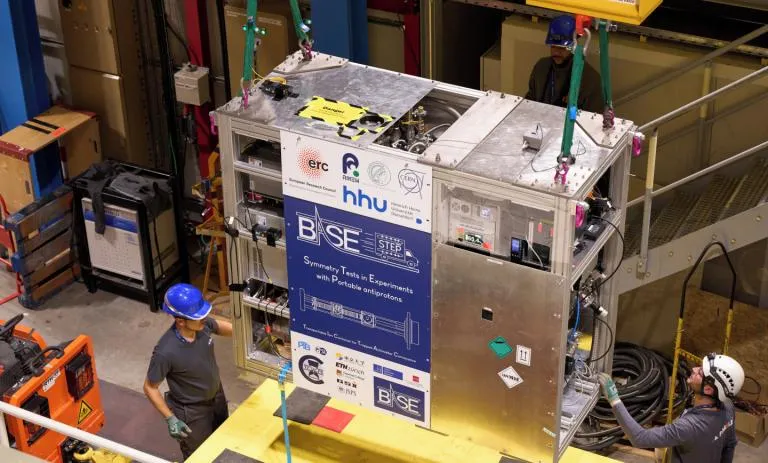
Moving antimatter beyond the lab
Moving antimatter beyond the lab For decades, antimatter experiments have been bound to a single place: the laboratory in which the particles are produced and trapped. At CERN’s Antimatter Factory, antiprotons are routinely produced, decelerated and confined in Penning traps, where electric and magnetic fields are used to store charged particles for high-precision studies. Yet