
Category: Newsletter
-
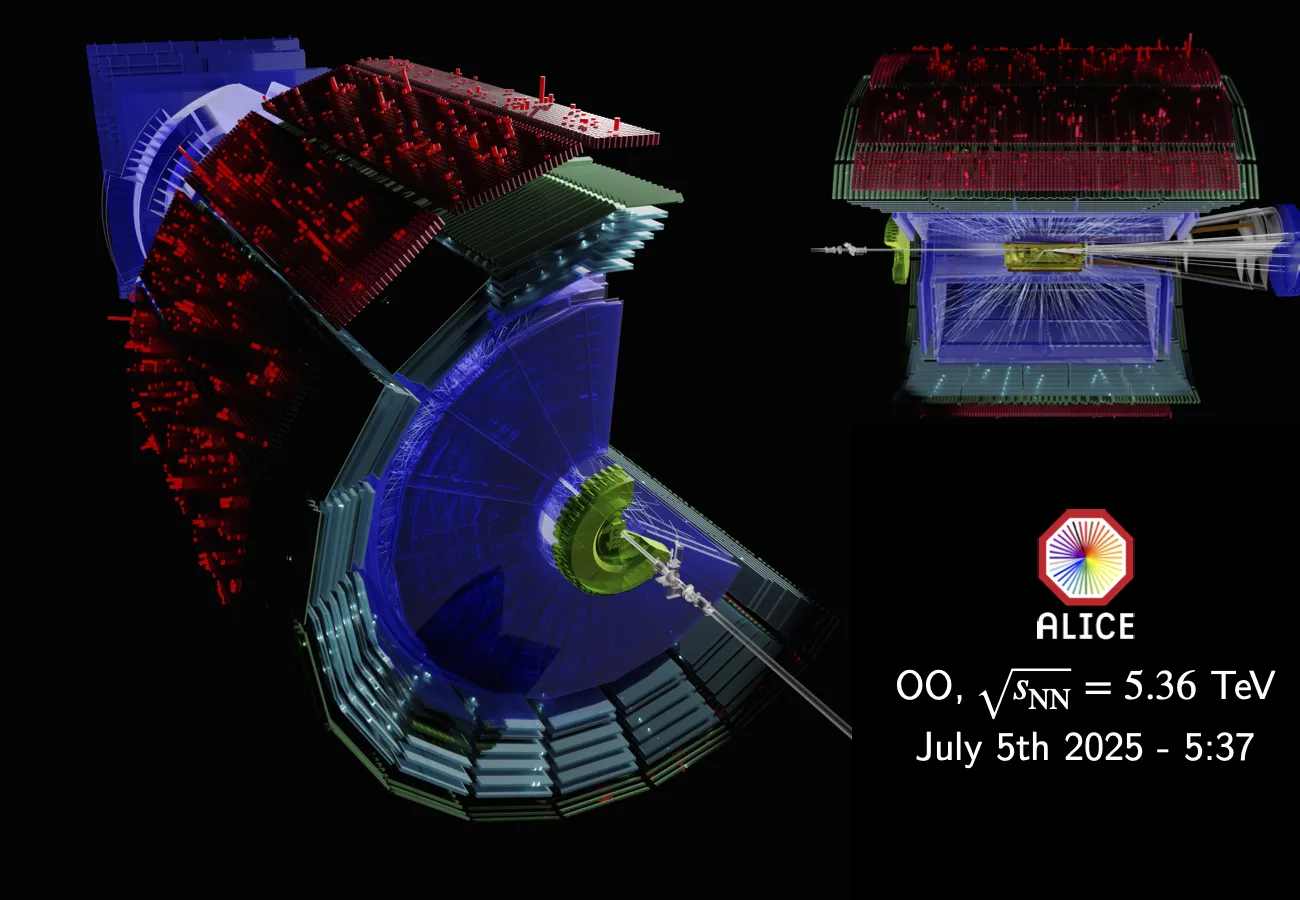
ALICE reveals quark-gluon plasma energy loss in OO collisions
ALICE reveals quark-gluon plasma energy loss in OO collisions A new state of matter Colliding heavy ions, such as lead, at nearly the speed of light in the LHC allows the creation of a new state of matter called the quark-gluon plasma (QGP). This near-perfect liquid of quarks and gluons is created because the extreme
-
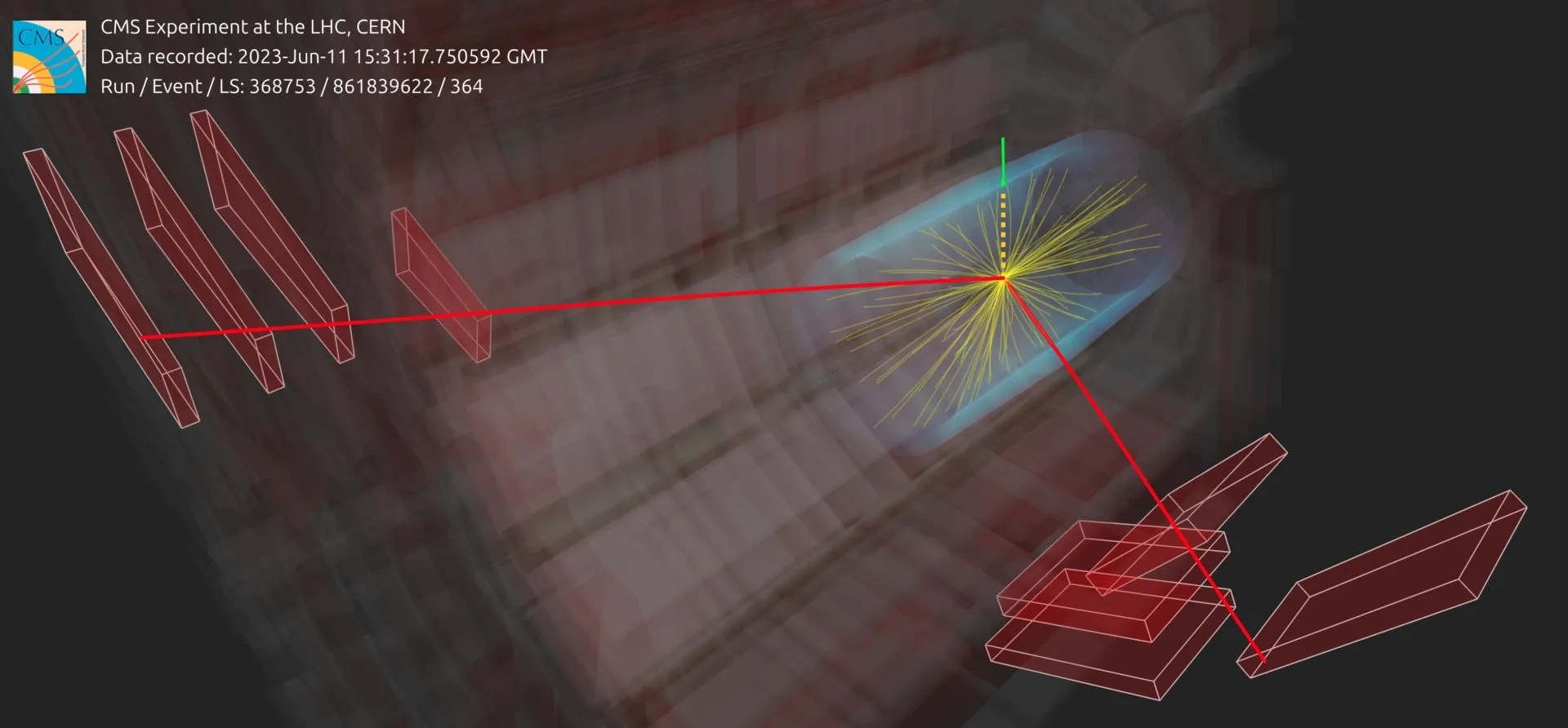
Out of the loop: CMS advances in the search for a rare Higgs boson decay
Out of the loop: CMS advances in the search for a rare Higgs boson decay Completing the Higgs boson’s profile requires probing some of its rarest decay modes. Among the few still awaiting observation is the decay into a Z boson and a photon (H → Zγ), which occurs in only about one out of
-

Opportunities in CERN’s Experimental Physics (EP) Department
Opportunities in CERN’s Experimental Physics (EP) Department New opportunities are currently open in the EP Department. You are invited to consult the latest vacancies: HERE.
-

A word from the EP Department Head – Spring 2026
A word from the EP Department Head – Spring 2026 Dear Colleagues, It is my pleasure to share the first 2026 edition of the EP newsletter with you, in my new role as EP Department Head. CERN’s new management took office in January, with a revised structure of Sectors and Departments. In EP, we reorganised
-

A word from the EP Department Head – Spring 2026
A word from the EP Department Head – Spring 2026 Dear Colleagues, It is my pleasure to share the first 2026 edition of the EP newsletter with you, in my new role as EP Department Head. CERN’s new management took office in January, with a revised structure of Sectors and Departments. In EP, we reorganised
-
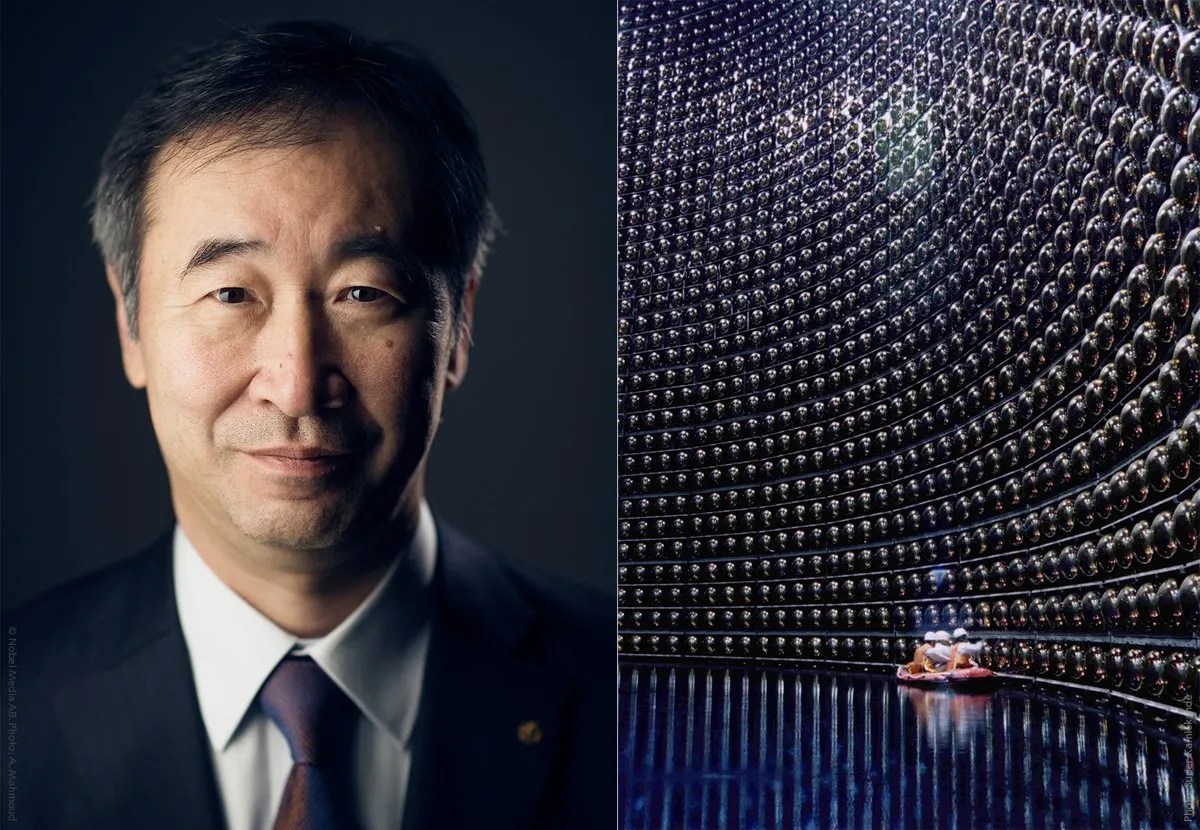
Neutrino Oscillations and Beyond: A Conversation with Takaaki Kajita
Neutrino Oscillations and Beyond: A Conversation with Takaaki Kajita 2015 physics laureate Takaaki Kajita is affiliated with Super-Kamiokande (pictured right) and received the Nobel Prize for his neutrino oscillations research which proves that neutrinos have mass. Few discoveries in modern particle physics have reshaped our understanding of nature as profoundly as the discovery of neutrino
-
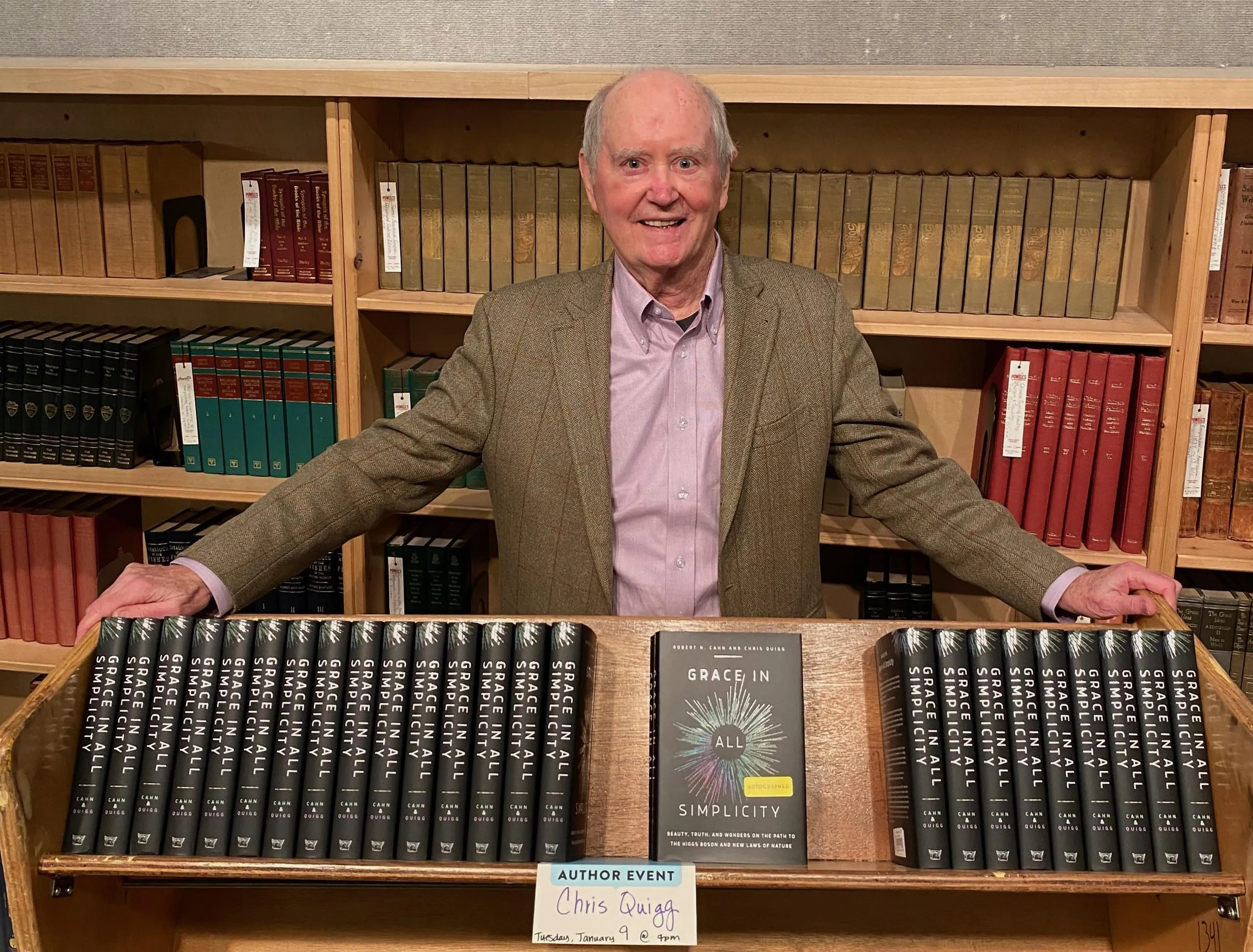
Chris Quigg: Grace in All Simplicity and the Unfinished Business of the Standard Model
Chris Quigg: Grace in All Simplicity and the Unfinished Business of the Standard Model Panos Charitos: More than half a century has passed since the “November Revolution” — the 1974 discovery of the J/ψ that reshaped particle physics. In your recent keynote, you revisited that moment. Why is it so vital to remember 1974 today?
-
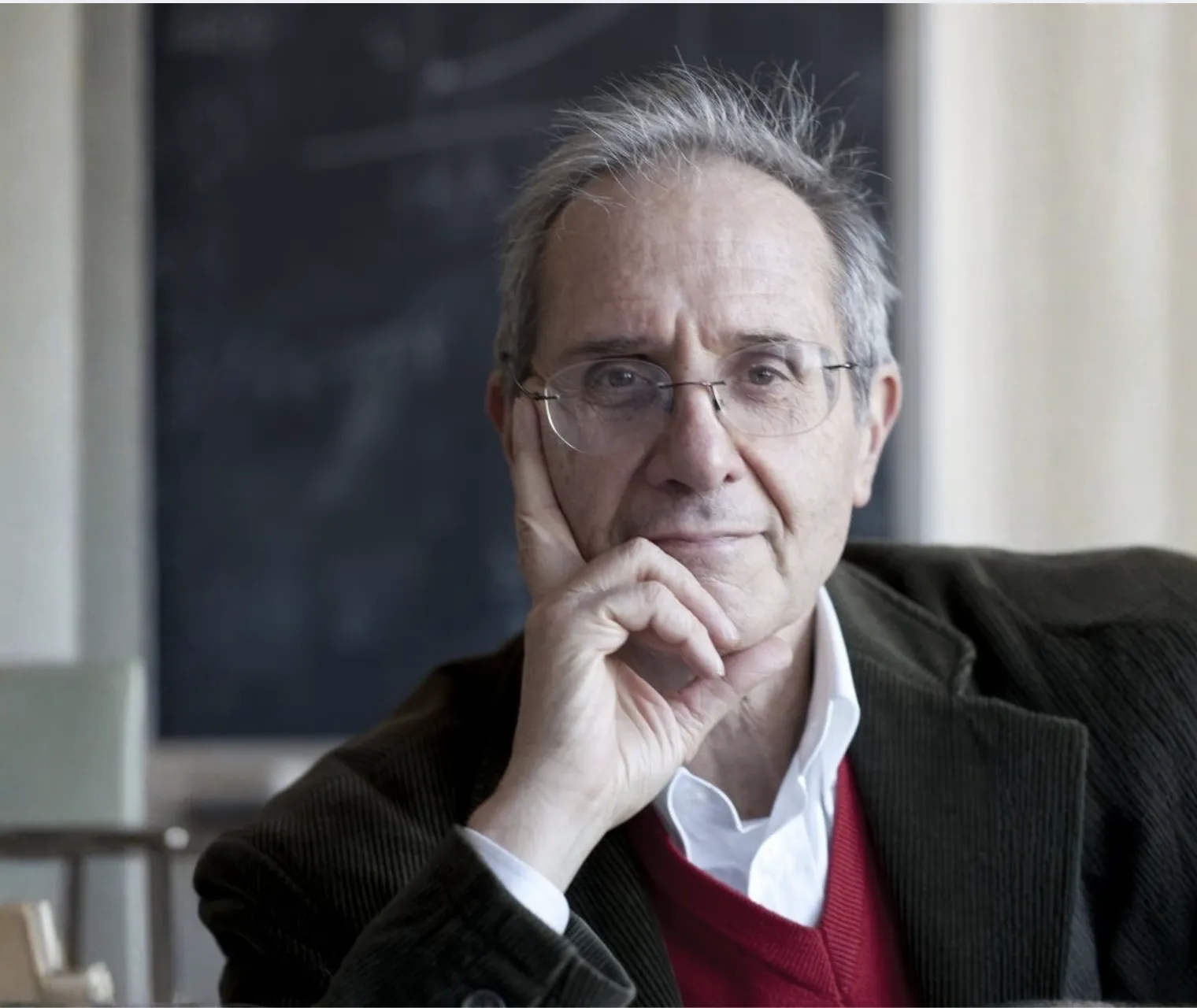
Riccardo Barbieri: On naturalness, supersymmetry and the unfinished story of the Standard Model
Riccardo Barbieri: On naturalness, supersymmetry and the unfinished story of the Standard Model Riccardo Barbieri has spent more than five decades at the forefront of theoretical particle physics, contributing to key developments in quantum field theory, electroweak precision physics and the exploration of physics beyond the Standard Model. A longtime professor at the Scuola Normale
-
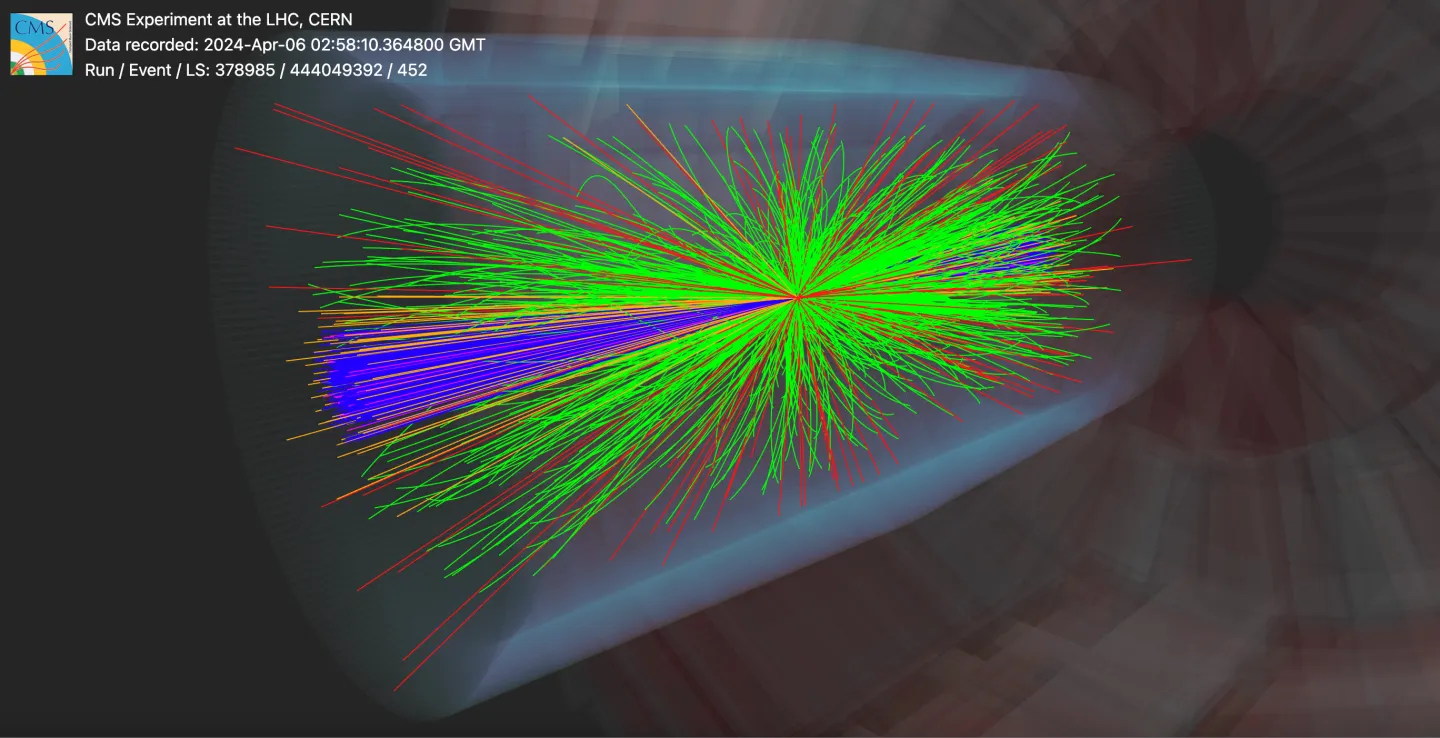
From particle flow to learned reconstruction at CMS
From particle flow to learned reconstruction at CMS An interactive version of the above event display can be found on this page. For more than a decade, particle-flow reconstruction has been at the core of CMS event interpretation. It was instrumental in the discovery of the Higgs boson and remains foundational for virtually every analysis
-
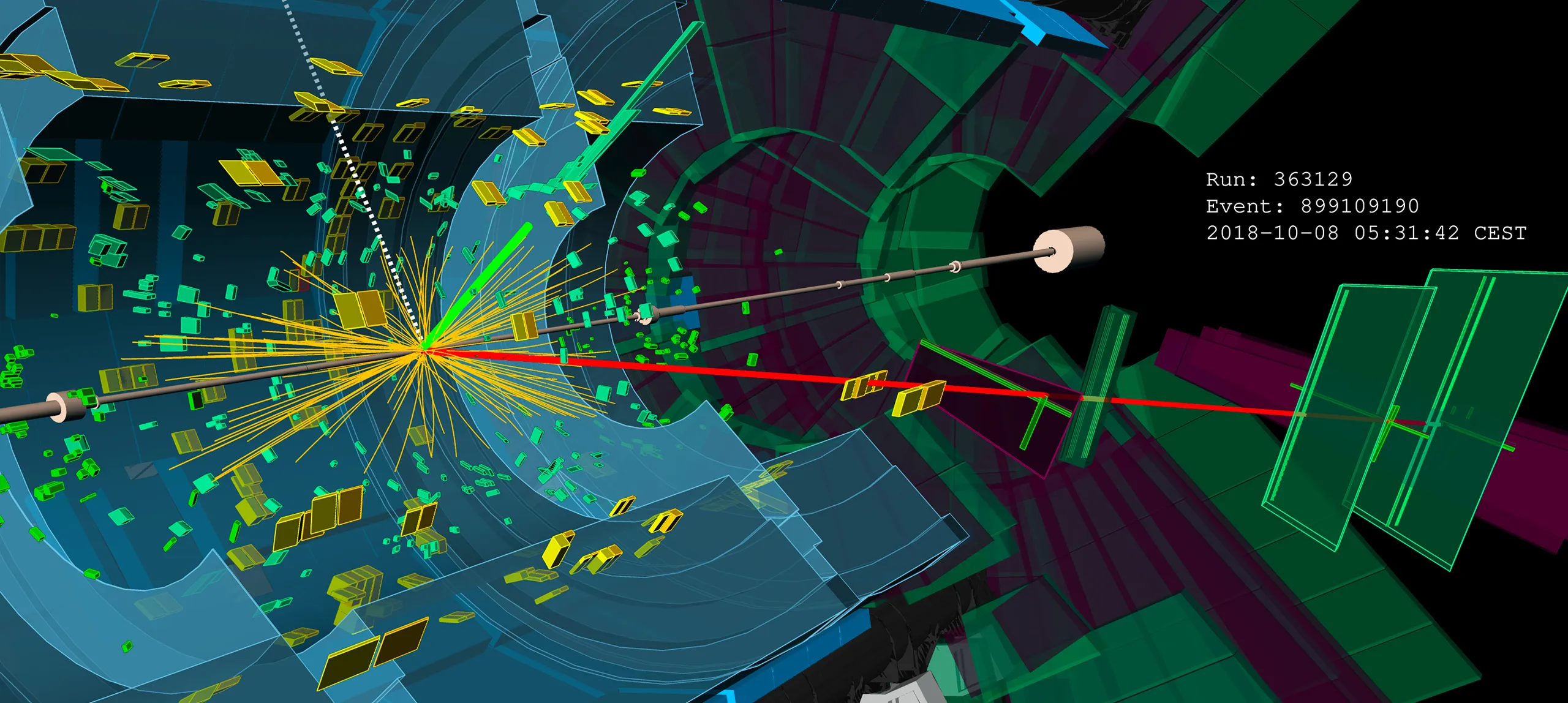
Probing flavour violations of the Standard Model with ATLAS
Probing flavour violations of the Standard Model with ATLAS Every aspect of our world – from atomic nuclei and molecular chemistry to biology and astrophysics – emerges from the interactions of particles so small they are considered point-like. While some particles, like the electron, were discovered over a century ago, most remained hidden until the