
Category: Newsletter
-
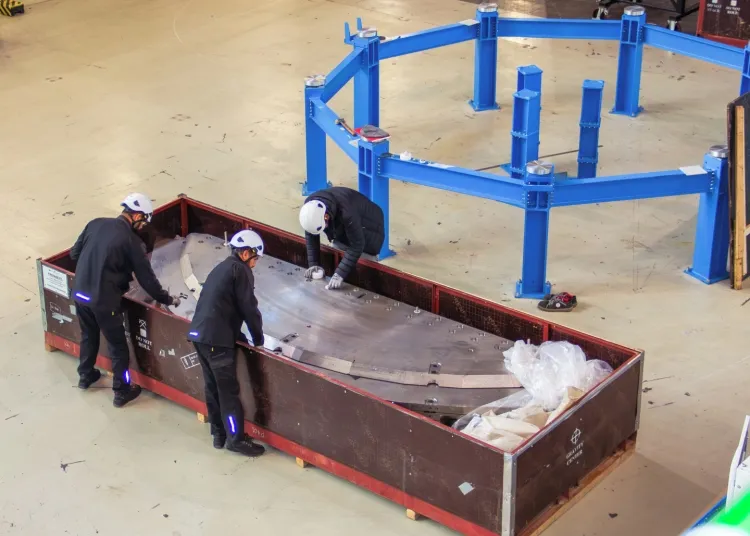
First HGCAL absorber structure delivered to CERN for assembly
First HGCAL absorber structure delivered to CERN for assembly After an eight-week journey, the first HGCAL absorber structure (CE-H1) was delivered to CERN and is ready to be assembled, just 100 metres above the location where the detector will eventually be installed. Seventeen enormous boxes were delivered at the CMS experimental site at the beginning
-
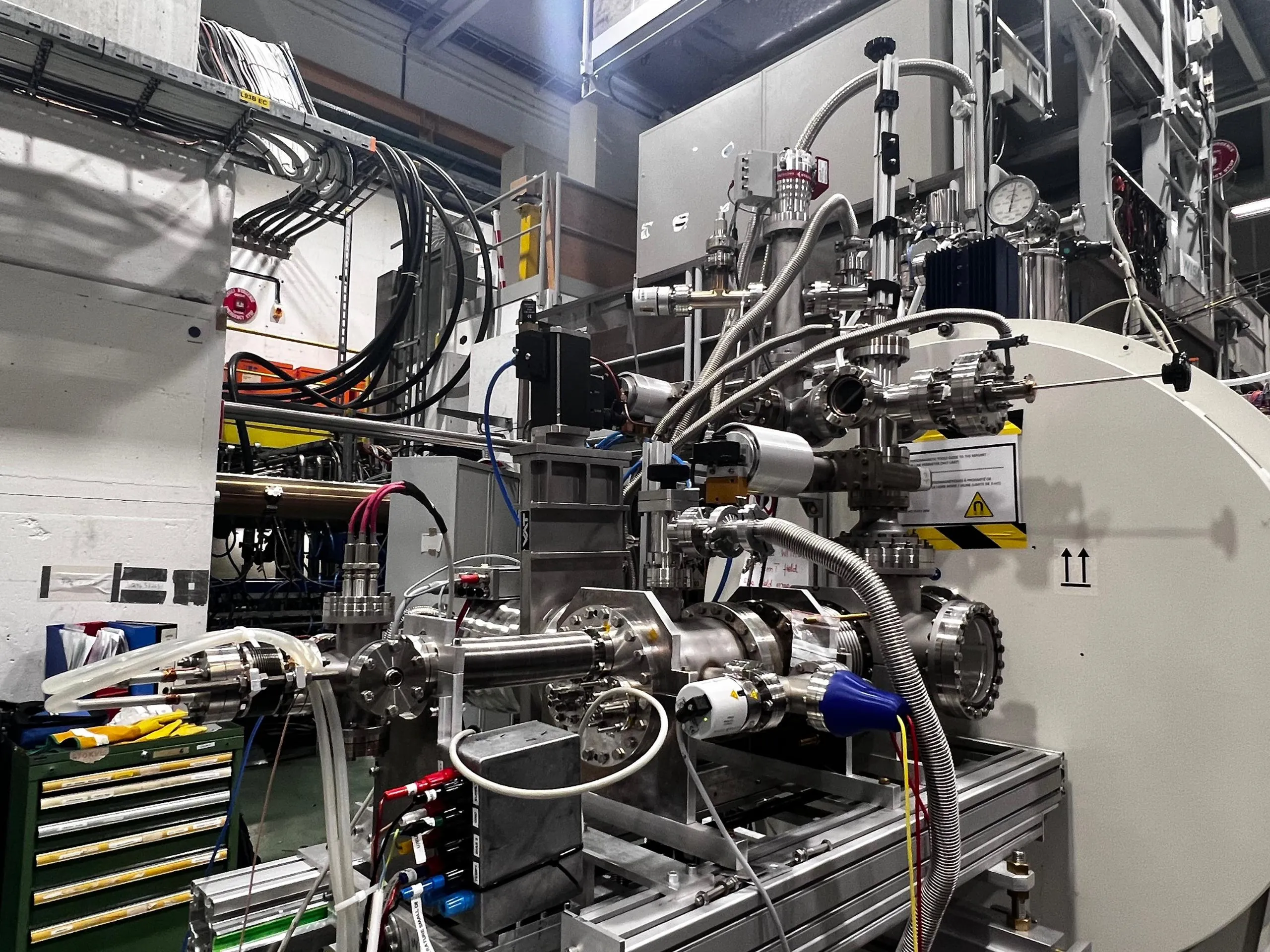
Probing lithium dynamics at buried interfaces with β-detected NMR at ISOLDE
Probing lithium dynamics at buried interfaces with β-detected NMR at ISOLDE Spin-polarised probes have been central to nuclear and particle physics since the discovery of parity violation by Chien-Shiung Wu in 1956, who detected asymmetric emission of β-radiation from low-temperature 60Co in a magnetic field. The directional distribution of radiation from aligned spins provides access
-
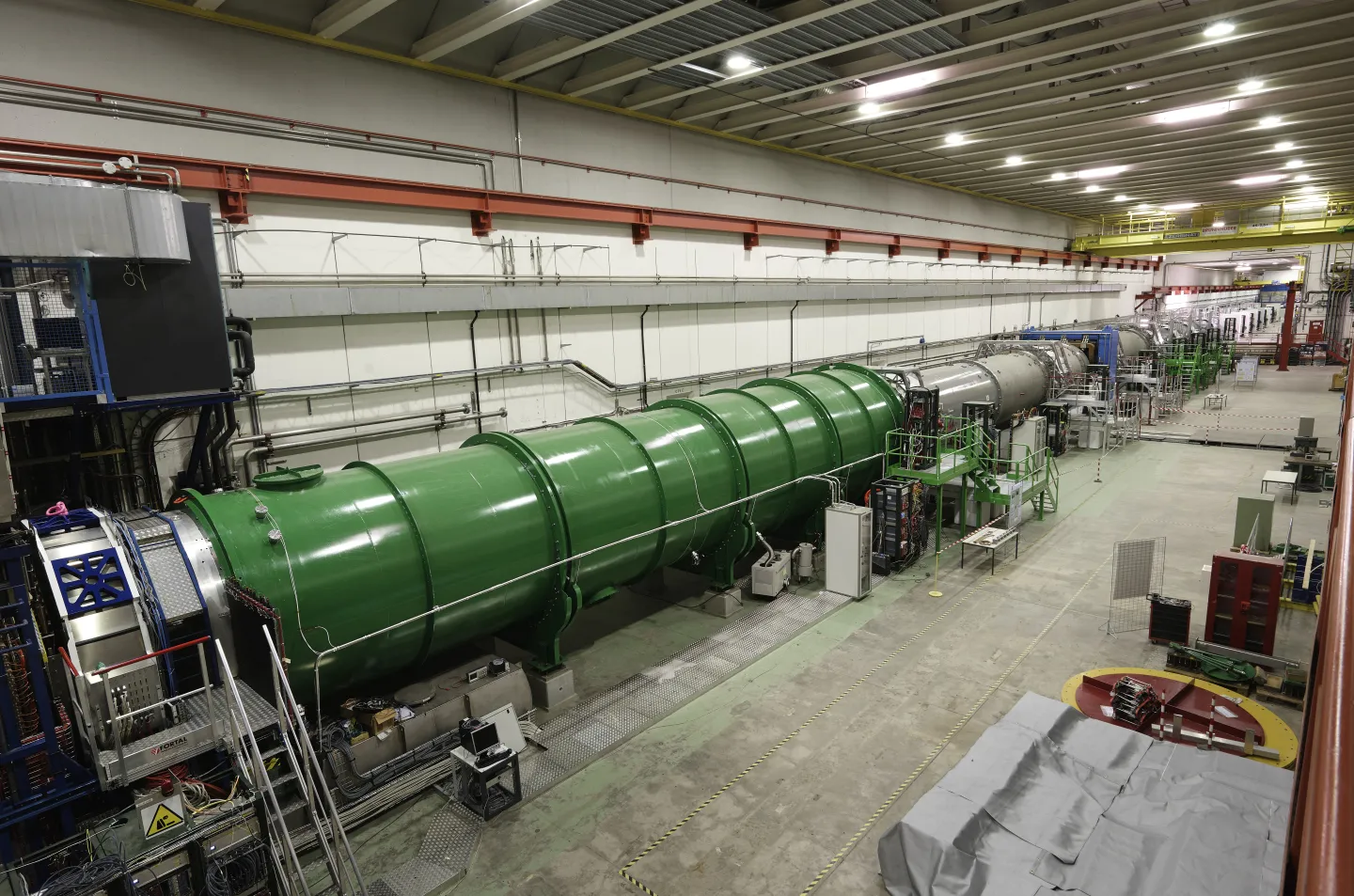
NA62 sharpens the picture of one of nature’s rarest particle decays
NA62 sharpens the picture of one of nature’s rarest particle decays The NA62 experiment at CERN has achieved a major milestone in flavour physics with the first observation of one of the rarest particle decays ever measured. The process — the decay of a positively charged kaon into a pion and a neutrino–antineutrino pair —
-

ROOT Users Workshop 2025
ROOT Users Workshop 2025 ROOT is a software framework at the heart of HEP’s Software Ecosystem. It is an open source project, hosted on GitHub. Laboratories such as GSI, FNAL, CERN, as well as several universities contribute to it. Moreover, many talented and motivated individuals develop ROOT: during 2025, more than 90 distinct contributors made
-
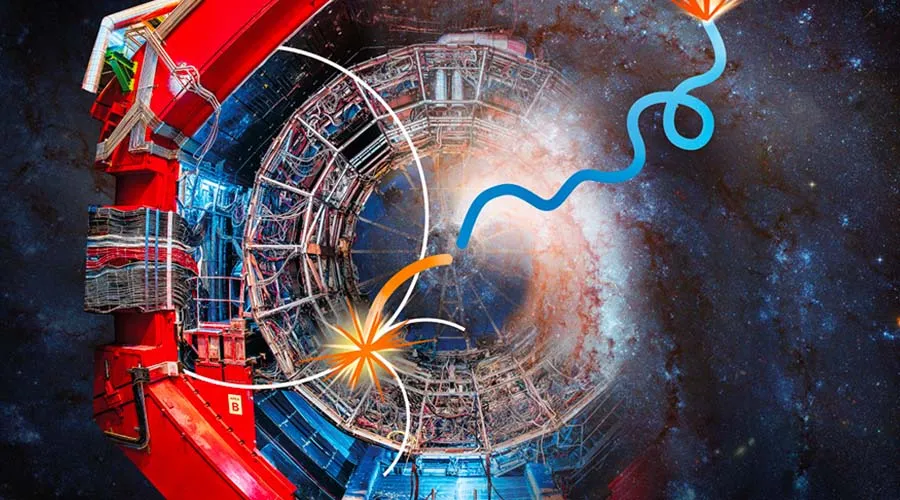
Understanding the formation of fragile light nuclei with ALICE
Understanding the formation of fragile light nuclei with ALICE Light nuclei such as the deuteron are surprisingly fragile. A deuteron is bound by only a few mega-electronvolts, yet at the Large Hadron Collider it is produced in environments that are tens of trillions of degrees – about 100,000 times hotter than the centre of the
-
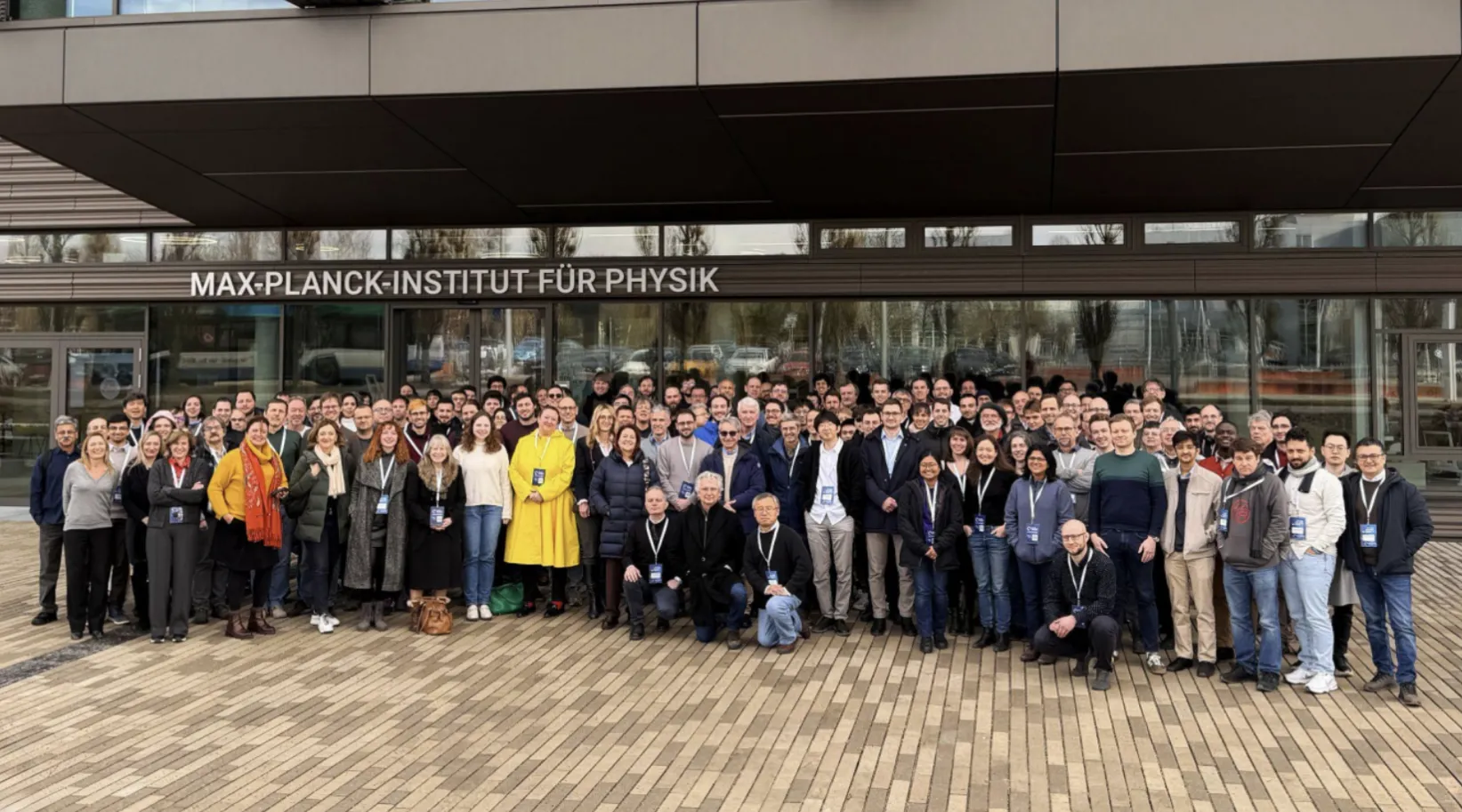
Momentum Builds for the Future Circular Collider at the 9th FCC Physics Workshop in Munich
Momentum Builds for the Future Circular Collider at the 9th FCC Physics Workshop in Munich From 26 to 30 January 2026, the Max Planck Institute for Physics in Garching, near Munich, hosted the 9th FCC Physics Workshop, a major gathering of theorists and experimentalists advancing the physics case, solving the experimental challenges, and developing detector
-
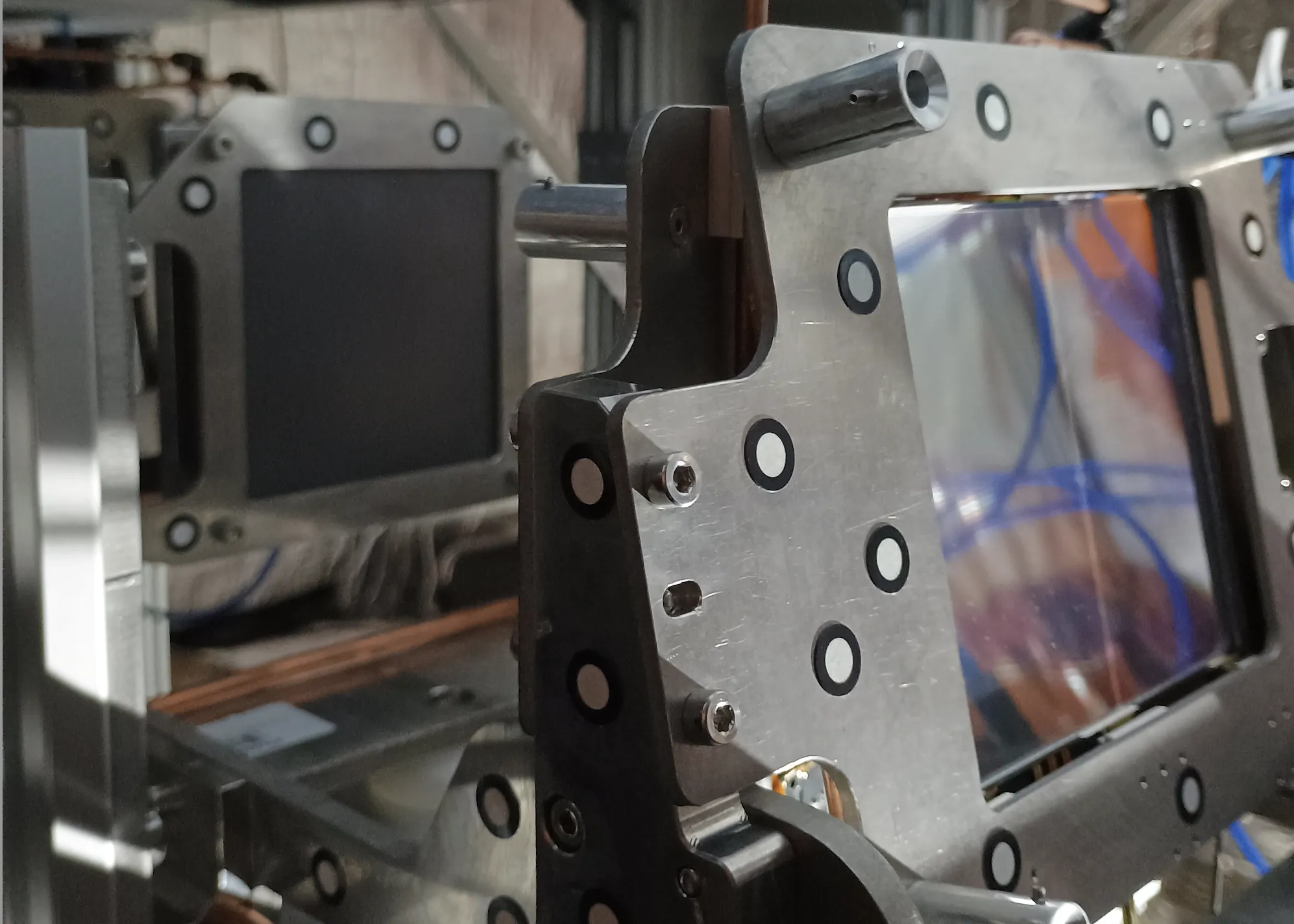
MUonE: A new path to hadronic vacuum polarization and the running of α
MUonE: A new path to hadronic vacuum polarization and the running of α The MUonE Collaboration [1] is making excellent progress towards developing a final proposal for an experiment that will measure the running of the electromagnetic coupling (alpha) by mapping out the differential cross section for muon–electron elastic scattering. The effective coupling strength increases
-

European Strategy update reaches key milestone
European Strategy update reaches key milestone At its 225th session on 12 December 2025, the CERN Council received the recommendations for the update of the European Strategy for Particle Physics (ESPP), marking a major milestone in the process of defining a common vision for the future of the field. The recommendations will now be reviewed
-
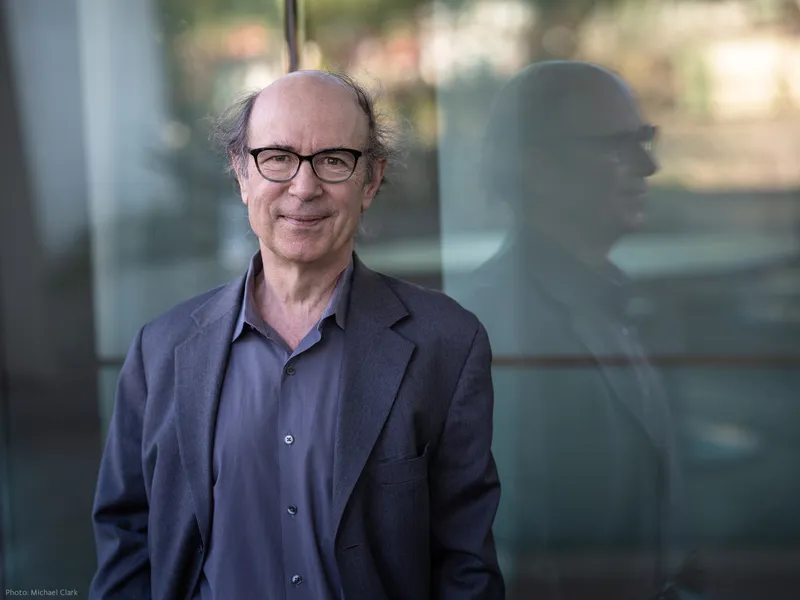
Frank Wilczek in Conversation: The Beauty of Fundamental Physics
Frank Wilczek in Conversation: The Beauty of Fundamental Physics Photo Cretis: Michael Clark In this wide-ranging interview, Nobel Prize–winning physicist Frank Wilczek reflects on the discoveries that shaped his career and the ideas that continue to orient his work. He recalls his collaboration with David Gross and the emergence of quantum chromodynamics; he turns to
-
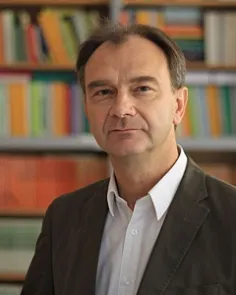
A word from the EP Department Head – December 2025
A word from the EP Department Head – December 2025 Dear colleagues in EP, I hope this message finds you all well. You have opened the last EP Newsletter of this year. At the same time, this is the last newsletter which appears under the auspices of the present EP management. After ten years serving