
Category: Newsletter
-
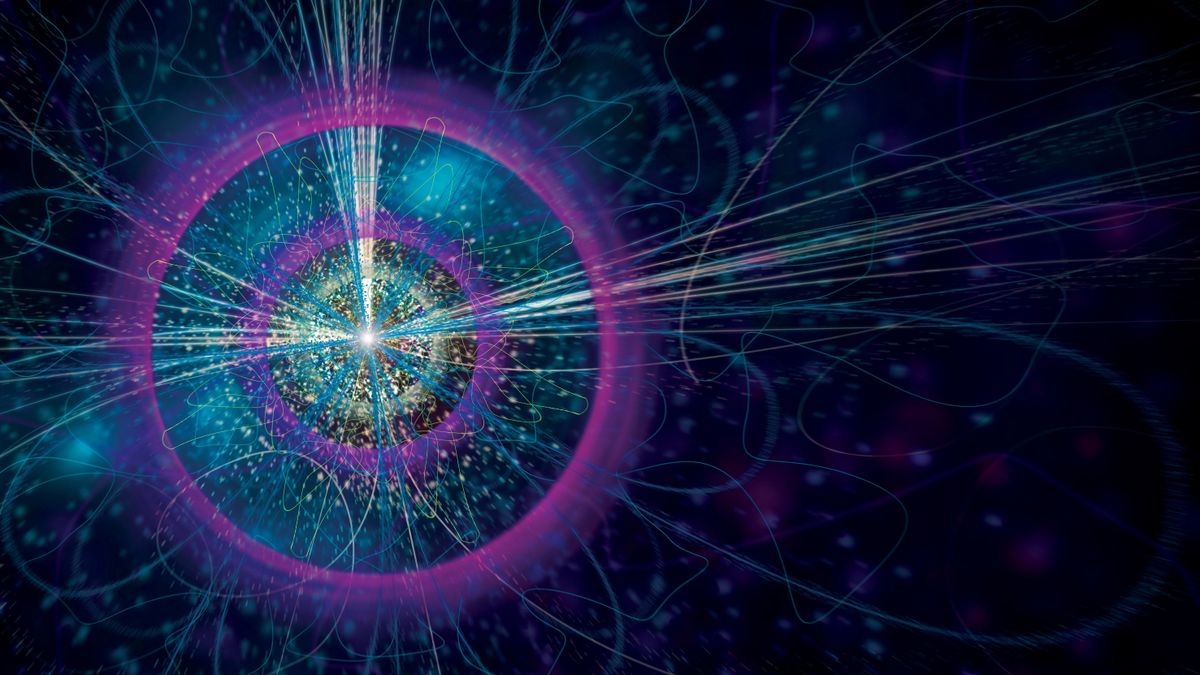
Four of a kind: exploring quadruple-Higgs boson production at the HL-LHC
Four Higgs bosons from a single LHC collision would be a remarkable sight. The Standard Model puts an observation out of reach at the High-Luminosity LHC. Yet events containing four Higgs bosons could still matter for today’s experimental search strategies—and become much more abundant if new scalar particles exist.
-
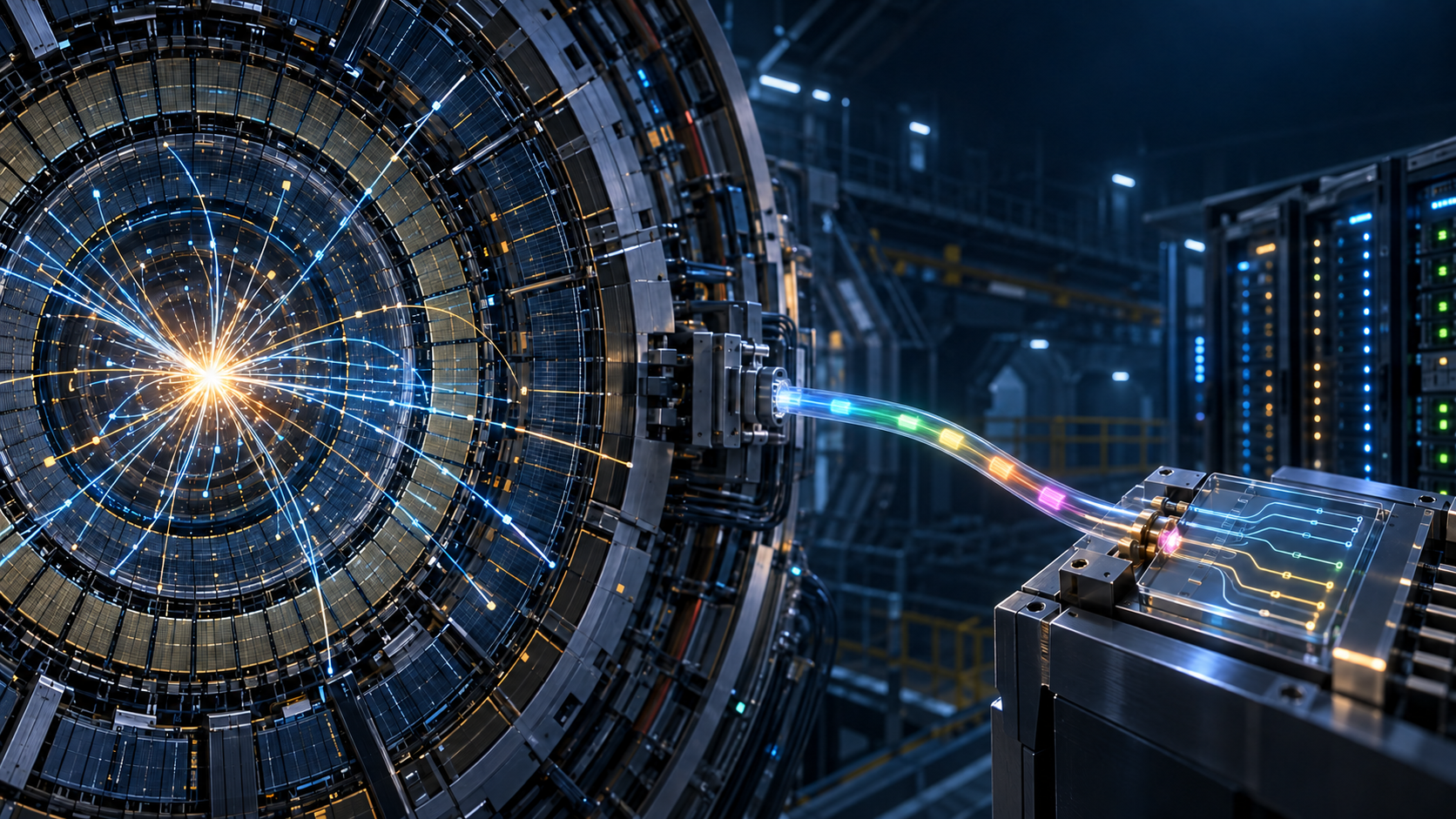
A Hundred Gigabits per Fibre: Silicon Photonics Links for the Detectors of Tomorrow
The High-Speed Links Work Package (WP6) of the EP R&D programme is developing the radiation-tolerant, high-bandwidth optical links needed for future particle detectors. Combining custom ASICs, Silicon Photonics and FPGA-based back-end systems, the team is now moving towards integrated demonstrations in an experimental context.
-
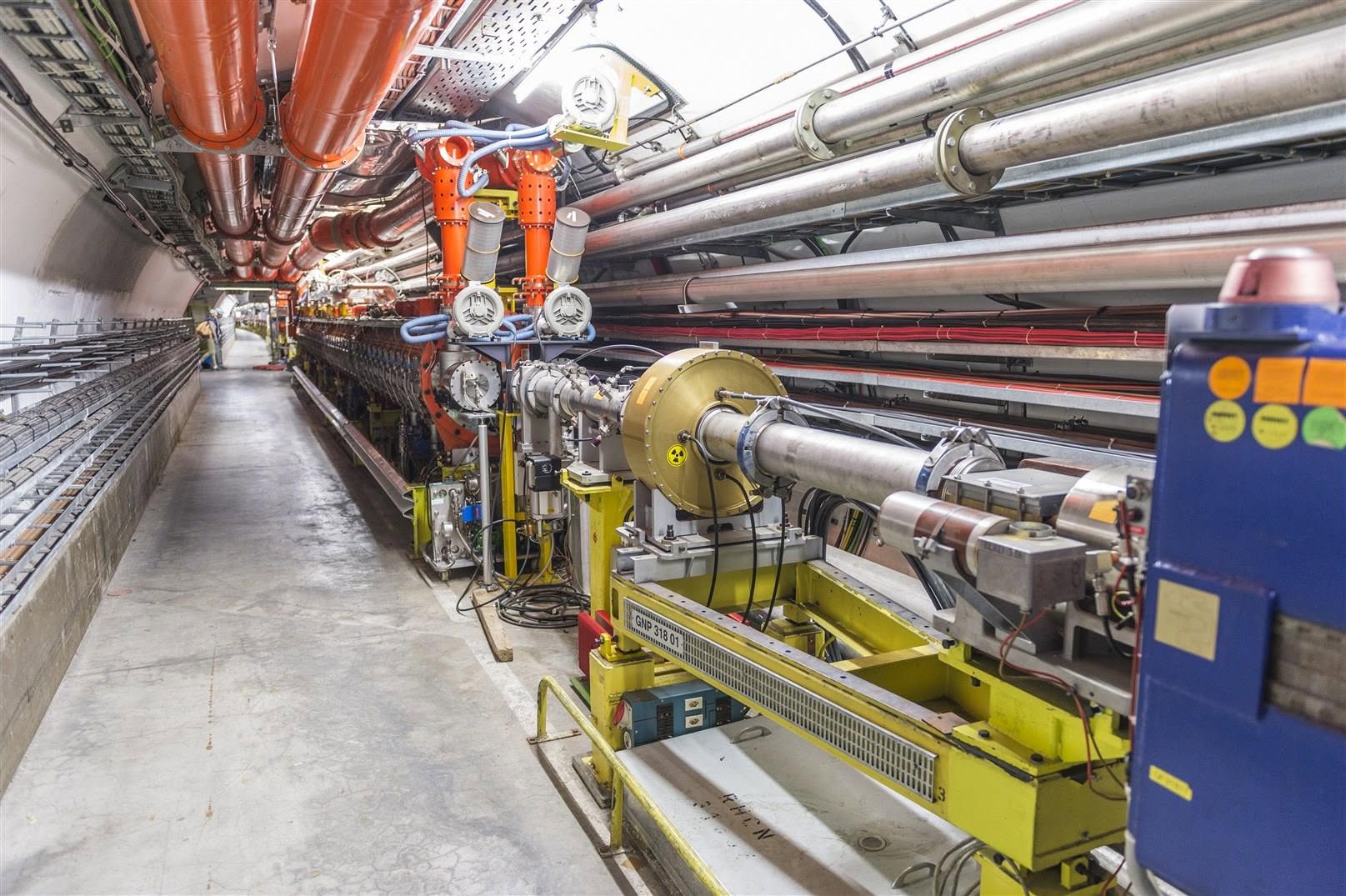
From beam dumps to missing energy: the SPS search for hidden particles
For more than four decades, CERN’s Super Proton Synchrotron has served as a testing ground for new ways to search for particles that interact only feebly with ordinary matter. In a recent lecture, NA64 co-spokesperson Paolo Crivelli traced the evolution of this programme – from the first beam-dump experiments to missing-energy and missing-momentum searches, precision…
-
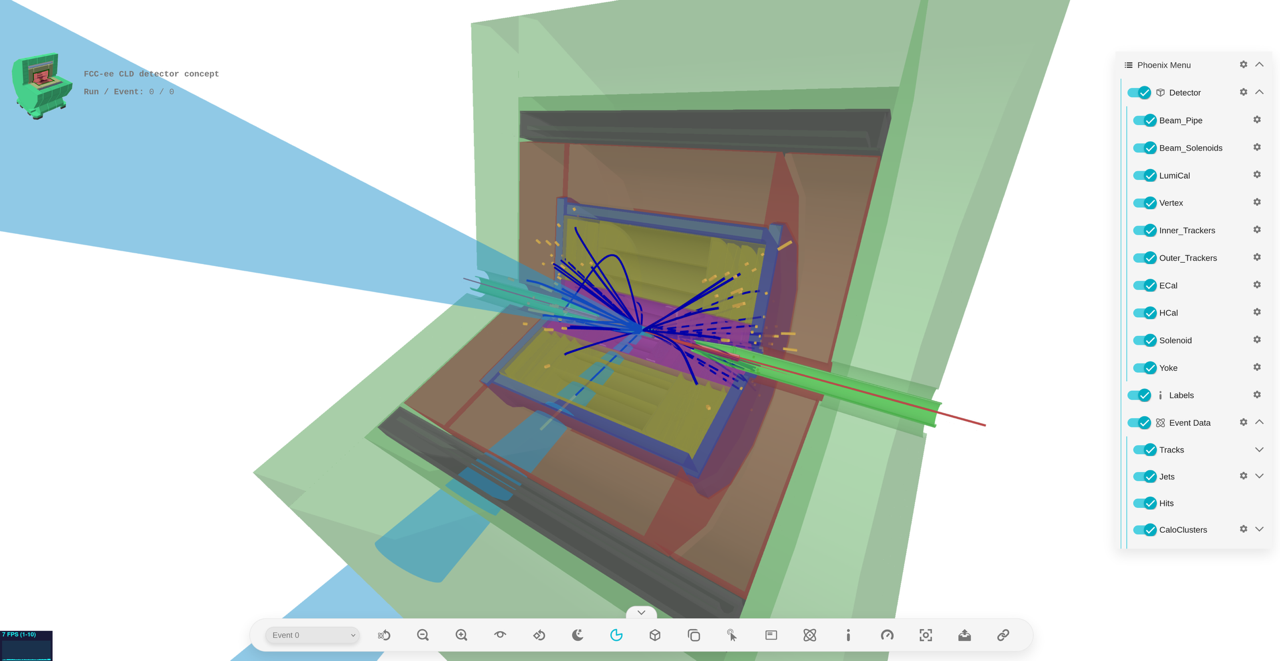
Key4hep: A software framework for future collider studies
Key4hep brings future-collider communities together around a shared software framework for detector design and physics studies. By integrating tools for event generation, simulation, reconstruction and analysis, it reduces duplication, facilitates comparisons and allows each project to adapt the software to its own detector and scientific goals.
-
Bundling Forces for Future Online Computing: Introducing the CDO Projec
Discover the Control Acquisition and Online Computing (CDO) Project, an initiative of the Experimental Physics Department that brings together diverse expertise, ideas and perspectives to strengthen collaboration across the community.
-
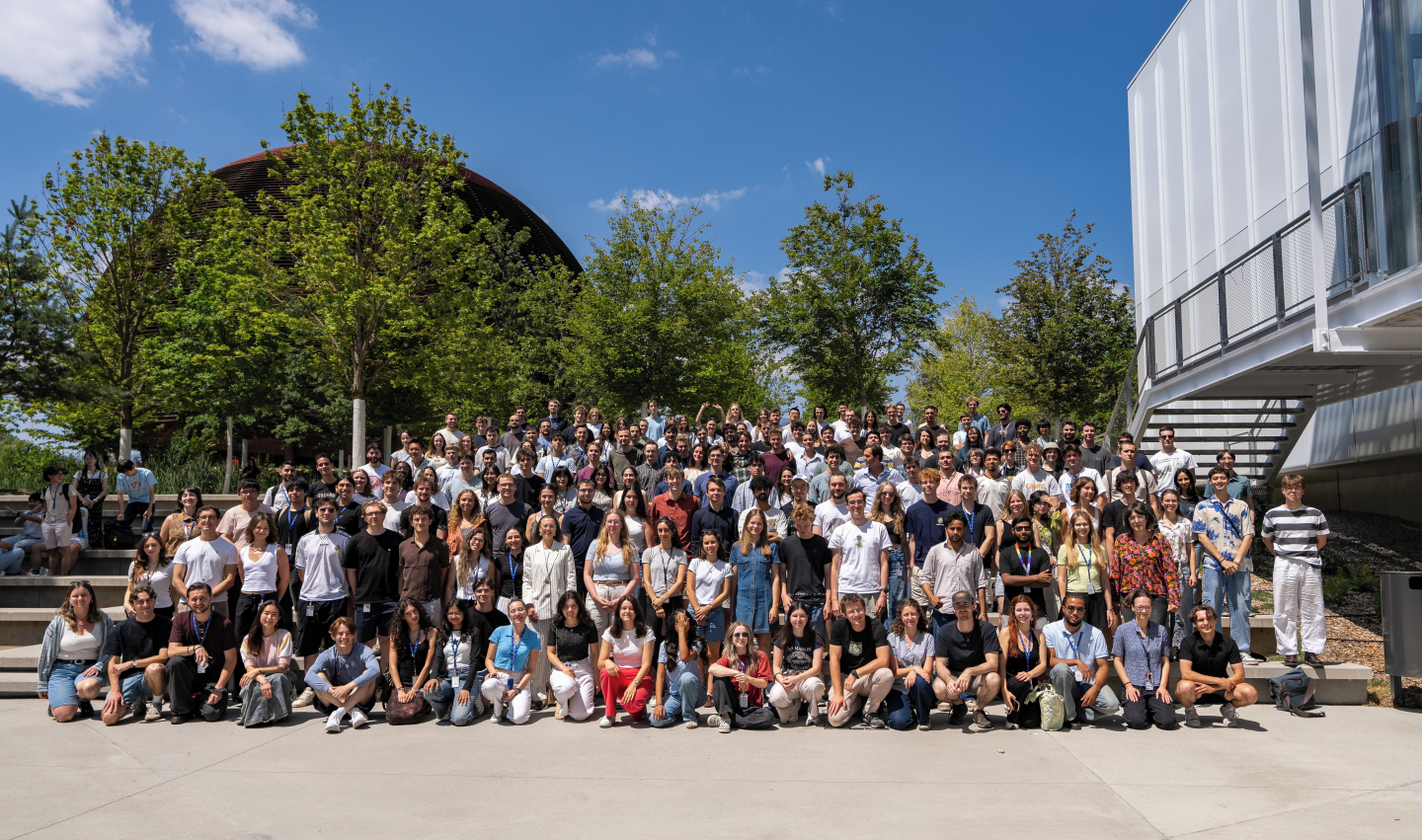
One summer, a world of possibilities: CERN’s Summer Student Programme 2026
More than 320 students from over 90 nationalities spent the summer at CERN, contributing to research, exploring new ideas and building friendships. As the 2026 Summer Student Programme concludes, discover the people, projects and experiences behind an unforgettable summer of science.
-
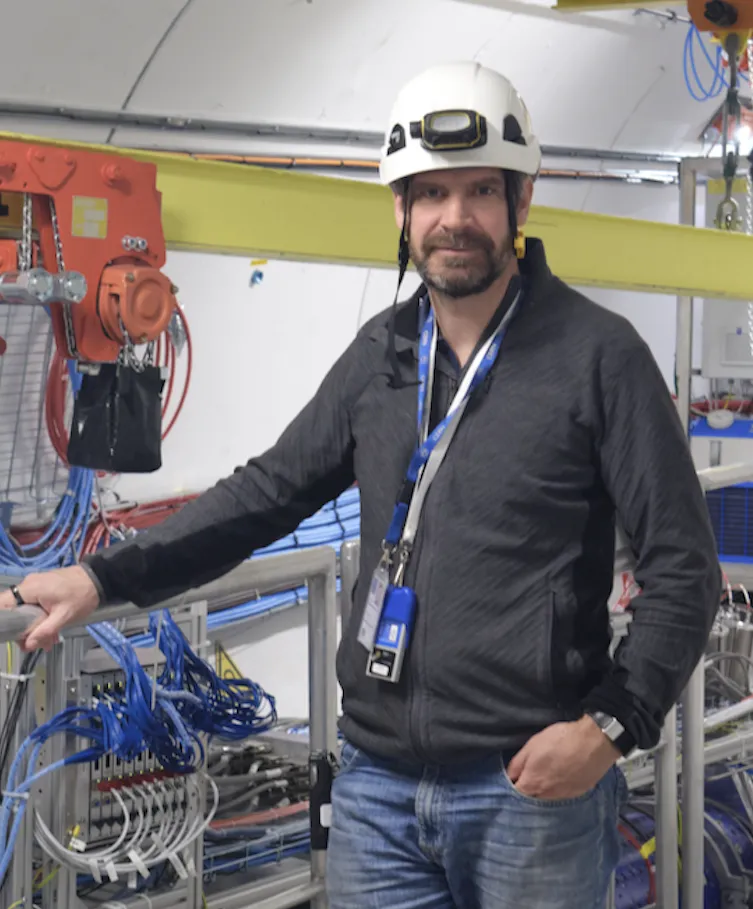
A word from the EP Department Deputy Head – Summer 2026
A word from the EP Department Deputy Head – Summer 2026 Firstly, allow me to briefly introduce myself. I have started as the deputy department head of EP at the beginning of this year. Before that I have been a long-standing research physicist on the ATLAS experiment, and more recently I have been co-leading the
-
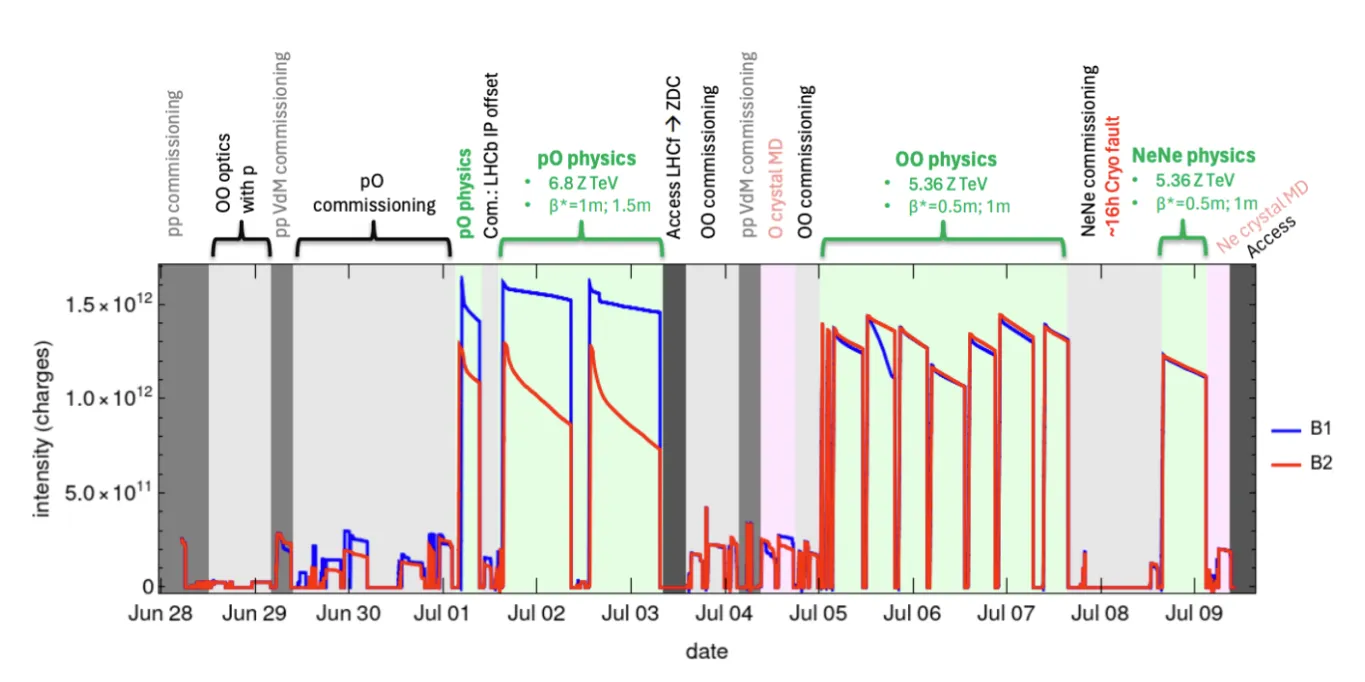
LHCb explores new light-ion territory with special LHC runs
LHCb explores new light-ion territory with special LHC runs In summer 2025, the LHC entered new territory. For the first time, the machine delivered proton–oxygen, oxygen–oxygen and neon–neon collisions to its experiments, as part of a short but technically demanding special ion run. For LHCb, the run provided a rare opportunity to explore heavy-ion physics
-
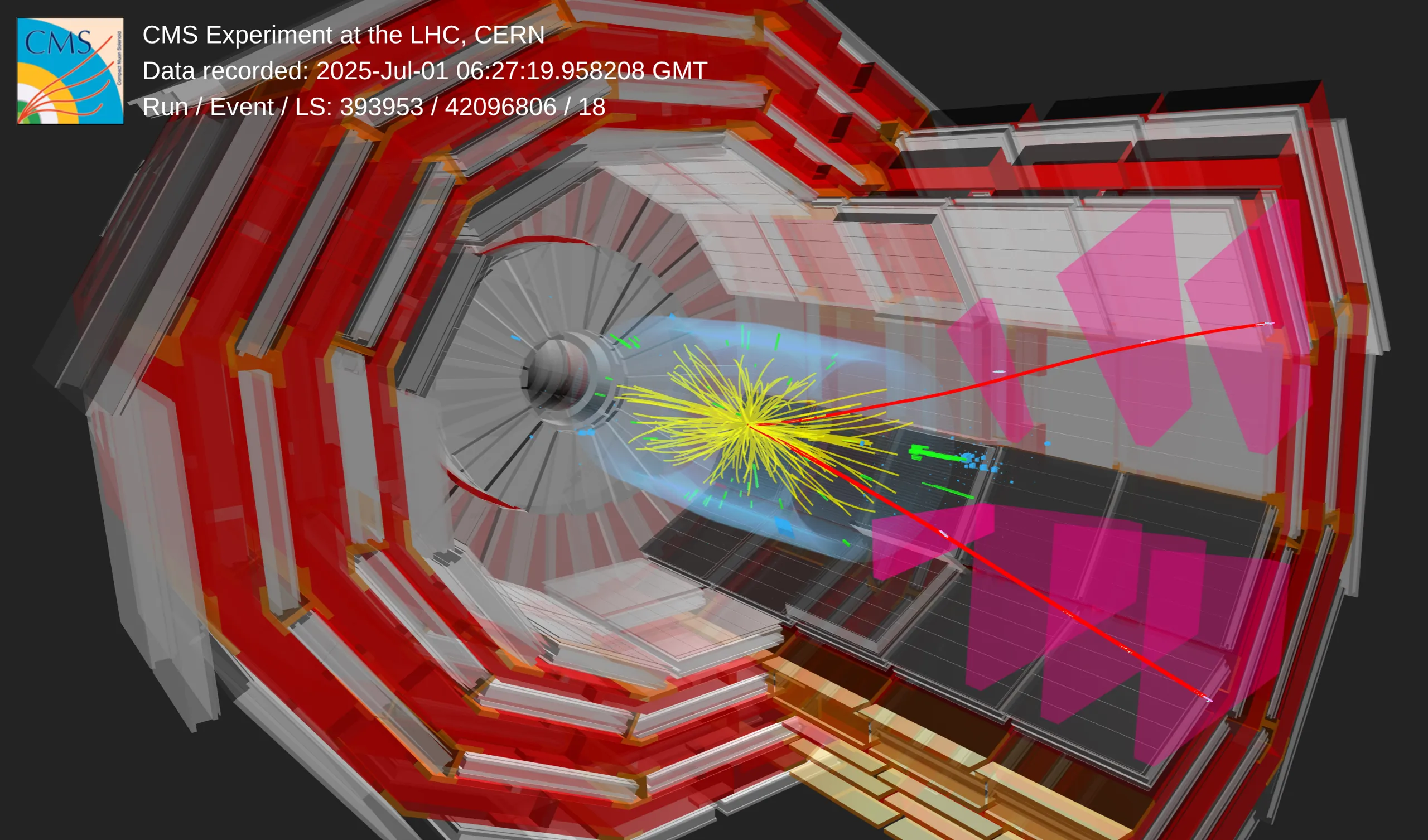
Light ions bring CMS closer to the onset of QGP-like behaviour
Light ions bring CMS closer to the onset of QGP-like behaviour What are the smallest droplets of strongly interacting matter that exhibit colour deconfinement? This question has become one of the most intriguing frontiers in heavy-ion physics. At very high temperatures and densities, quantum chromodynamics predicts that quarks and gluons are no longer confined inside
-
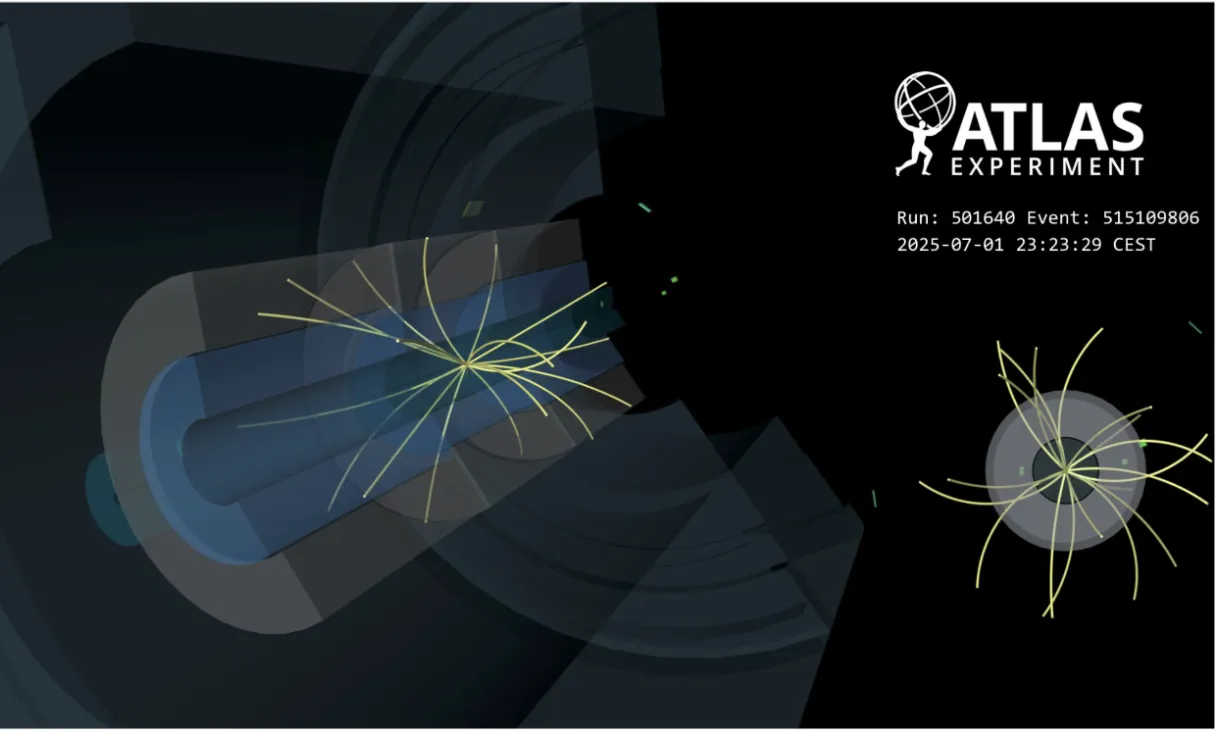
ATLAS Turns Into a Precision Cosmic Ray Laboratory
ATLAS Turns Into a Precision Cosmic Ray Laboratory Event display of a proton-oxygen collision recorded in ATLAS Run 501640 on 1st July 2025 at 23:23:29 CEST. The event contains 19 reconstructed tracks (yellow lines) satisfying pT > 500 MeV with at least one Pixel hit and at least six SCT hits. Every second, roughly one