
Category: Newsletter
-
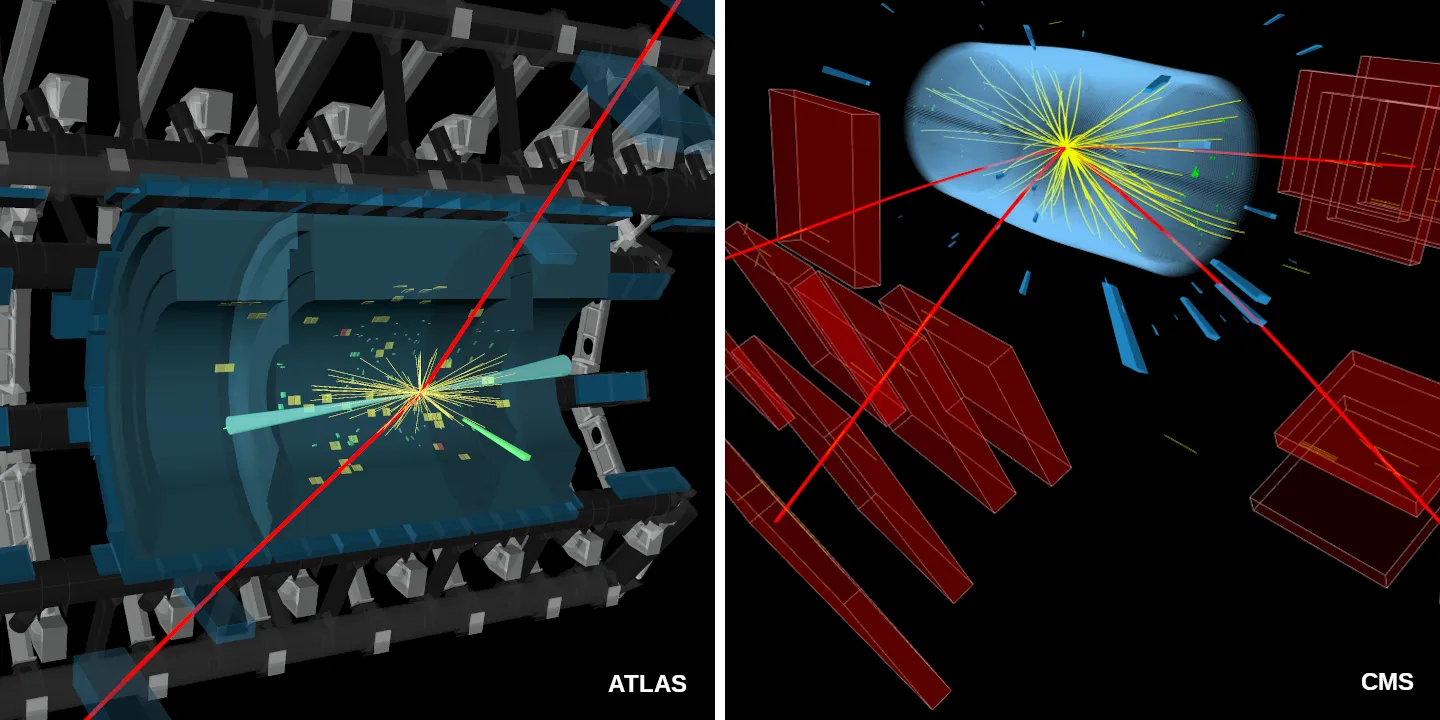
Exploring new ways to see the Higgs boson
Exploring new ways to see the Higgs boson The ATLAS and CMS collaborations presented their latest results on new signatures for detecting the Higgs boson at CERN’s Large Hadron Collider. These include searches for rare transformations of the Higgs boson into a Z boson – which is a carrier of one of the fundamental forces
-
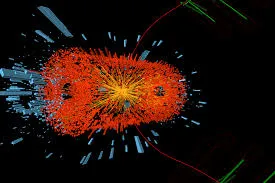
New physics opportunities with heavy-ion collisions at the LHC
New physics opportunities with heavy-ion collisions at the LHC The LHC is the latest scientific tool in a long line of increasingly sophisticated machines built over the last 70 years to study the inner workings of our Universe and the laws governing its microscopic structure and evolution. Decades-long experimental and theoretical efforts have given rise
-
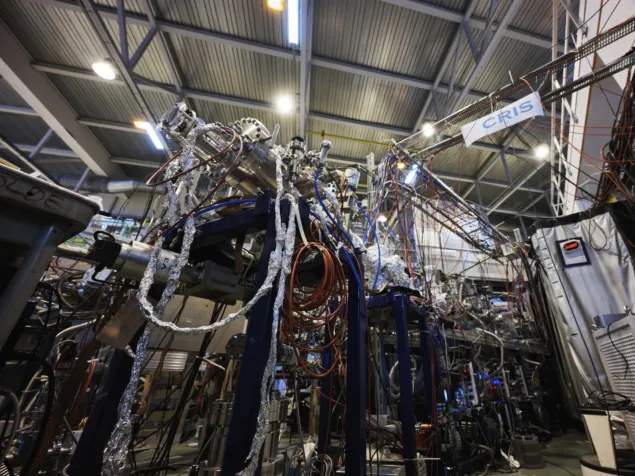
Exotic radioactive molecules could reveal physics beyond the Standard Model
Exotic radioactive molecules could reveal physics beyond the Standard Model The first spectroscopic study of radium monofluoride (RaF) suggests that these radioactive molecules can be used to perform high precision tests of the Standard Model of particle physics. The study was done at ISOLDE, CERN’s radioactive beam facility, by an international team of physicists and
-
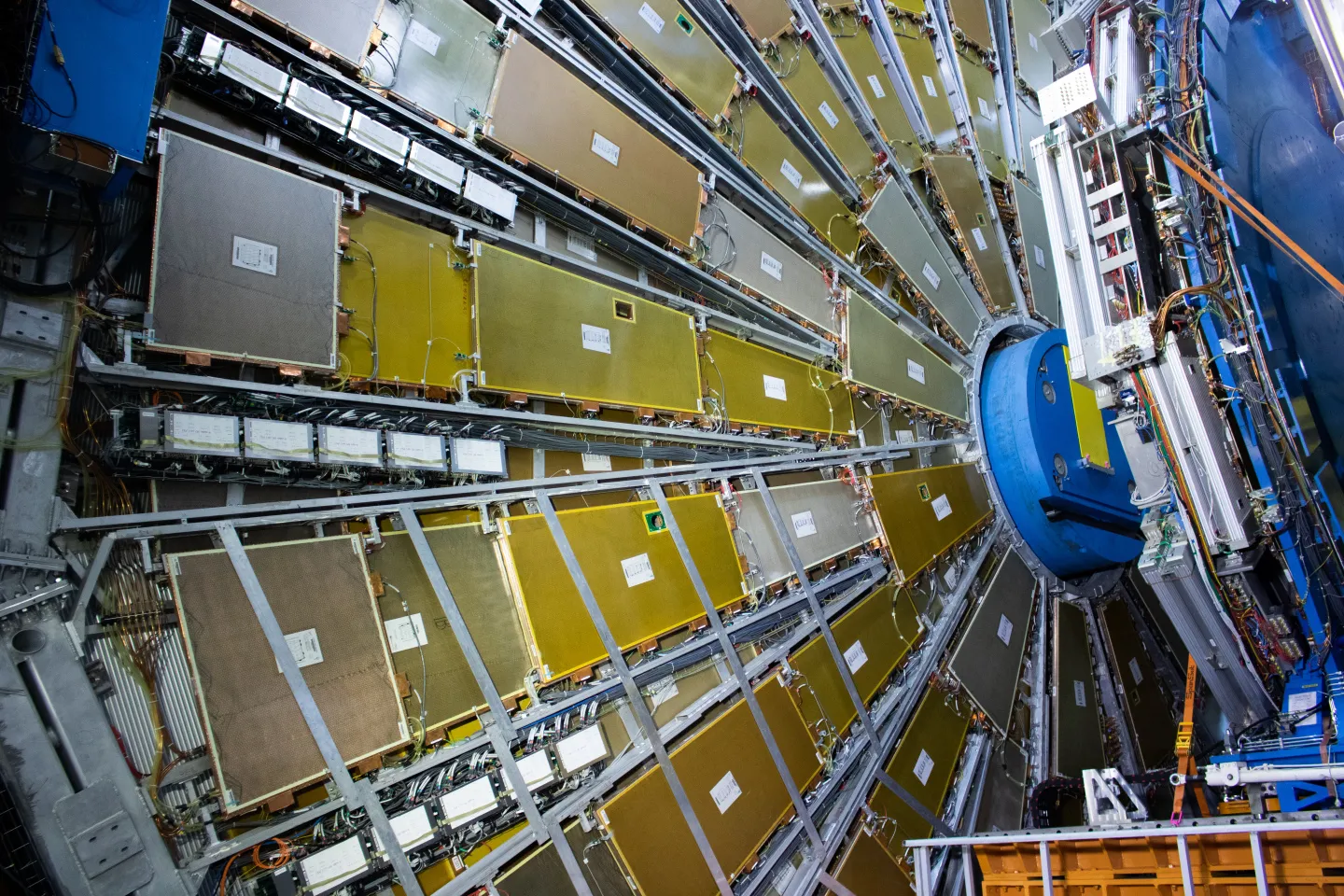
ATLAS experiment revamps activities
ATLAS experiment revamps activities ATLAS entered the COVID-19 lock down on the 17th of March 2020; the closing of the activities was very fast and efficient. During the lock down, still many activities were performed remotely, among them the development of the firmware for two of the major Phase-I upgrade projects: the New Small Wheel
-
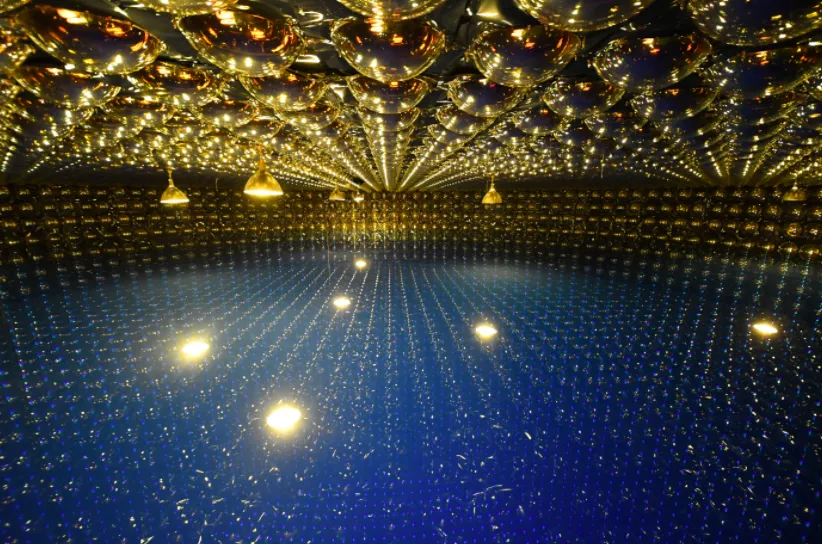
T2K Neutrino Oscillation Results
T2K Neutrino Oscillation Results The T2K collaboration studies neutrino oscillations. These oscillations arise from quantum mechanical interference caused by the fact that every neutrino of the type electron, muon, or tau is a combination of three neutrino mass states. The neutrino type is determined by the associated heavy lepton (electron, muon, or tau) in the
-
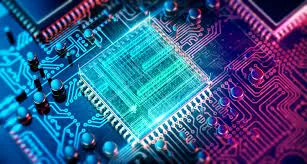
FastIC and FastICpix developments
FastIC and FastICpix developments Precise time tagging is a hot topic in High Energy Physics and in other fields. A number of detector technologies are available but there are few multi-channel front-end ASICs capable of providing time tagging in the region of 10ps. This article describes two developments that are going on within the microelectronics
-
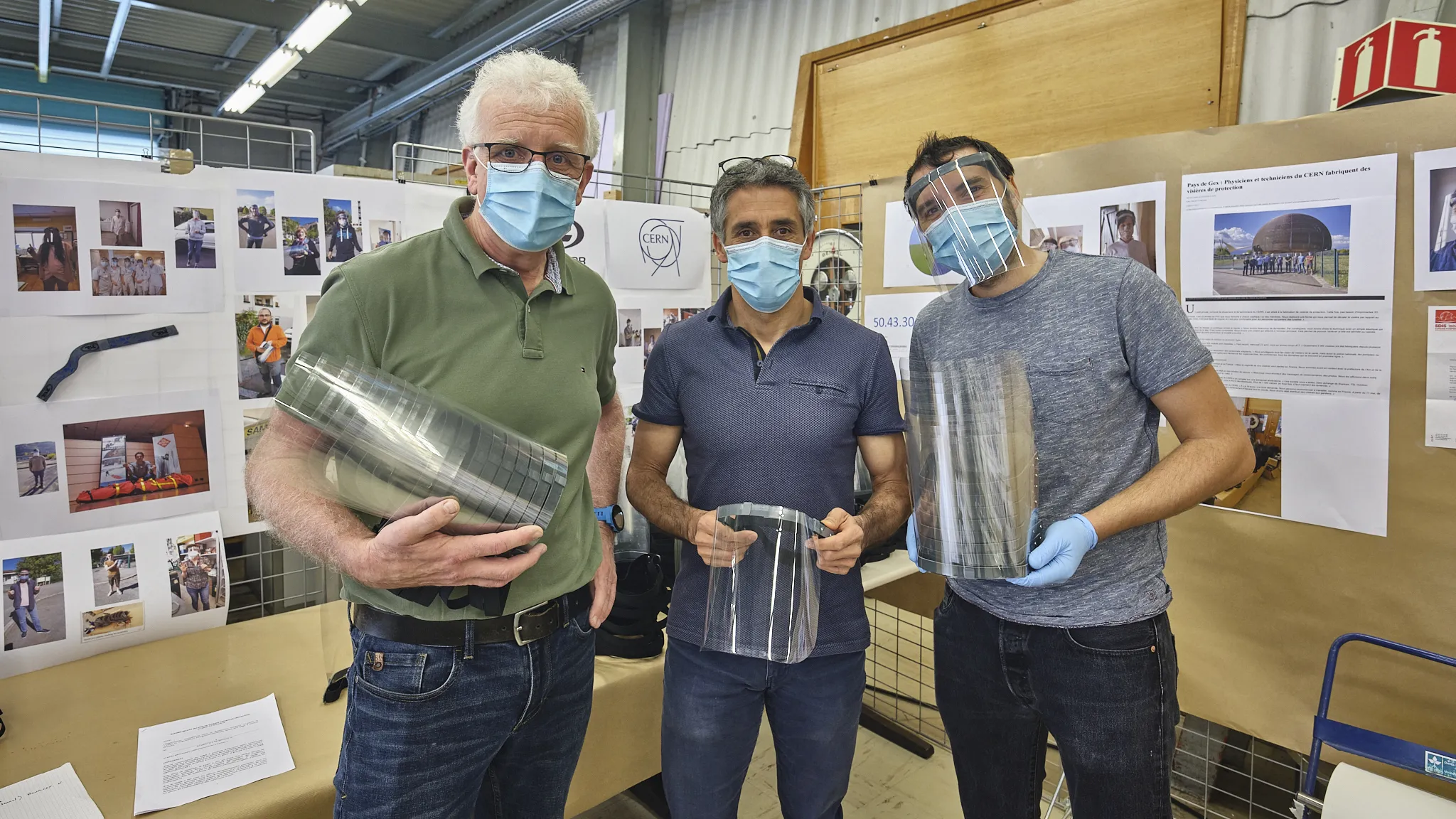
Face-Shield Production in EP-DT
Face-Shield Production in EP-DT With the COVID-19 pandemic, all our lives and routines have changed, at both the personal and professional level. Worklife at CERN has been impacted by an important lockdown, where we all had to face new challenges in terms of work reorganization. Despite all the difficulties however, CERN managed to go well
-
Proto-DUNE at CERN: New technologies for new discoveries
Proto-DUNE at CERN: New technologies for new discoveries Following many years of R&D work, recent results from ProtoDUNE-SP, the single-phase DUNE Far Detector prototype at the CERN Neutrino Platform, now validate the Liquid Argon Time Projection Chamber (LArTPC) technology choice for DUNE providing the necessary information for the DUNE Technical Design Report (TDR) [https://arxiv.org/abs/2002.03010] recently
-
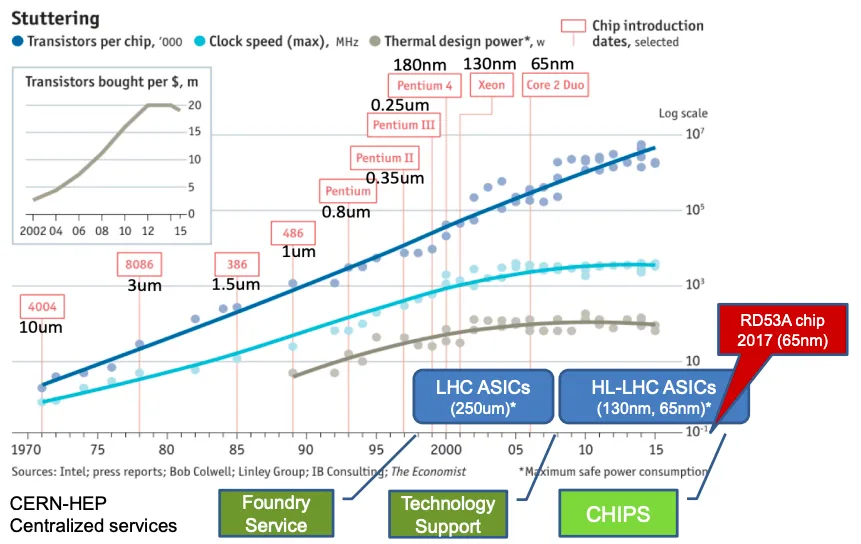
CHIPS: A new EP-ESE service for the HEP community
CHIPS: A new EP-ESE service for the HEP community ASIC technology and designs are becoming increasingly complex but bring potentially huge benefits to HEP experiments (see also previous EP article “A bright future for microelectronics“). Figure 1 summarises the evolution of CMOS technologies in the last decades, and their increasingly delayed adoption in HEP. Each
-

A word from the Head of the EP department – April 2020
A word from the Head of the EP department – April 2020 Dear Colleagues, dear Members of the EP Department and CERN Users, I am writing this editorial while on telework from home. We are in an unprecedented situation, which would have been unimaginable only one month ago. In this month we have seen the
