
Category: Newsletter
-
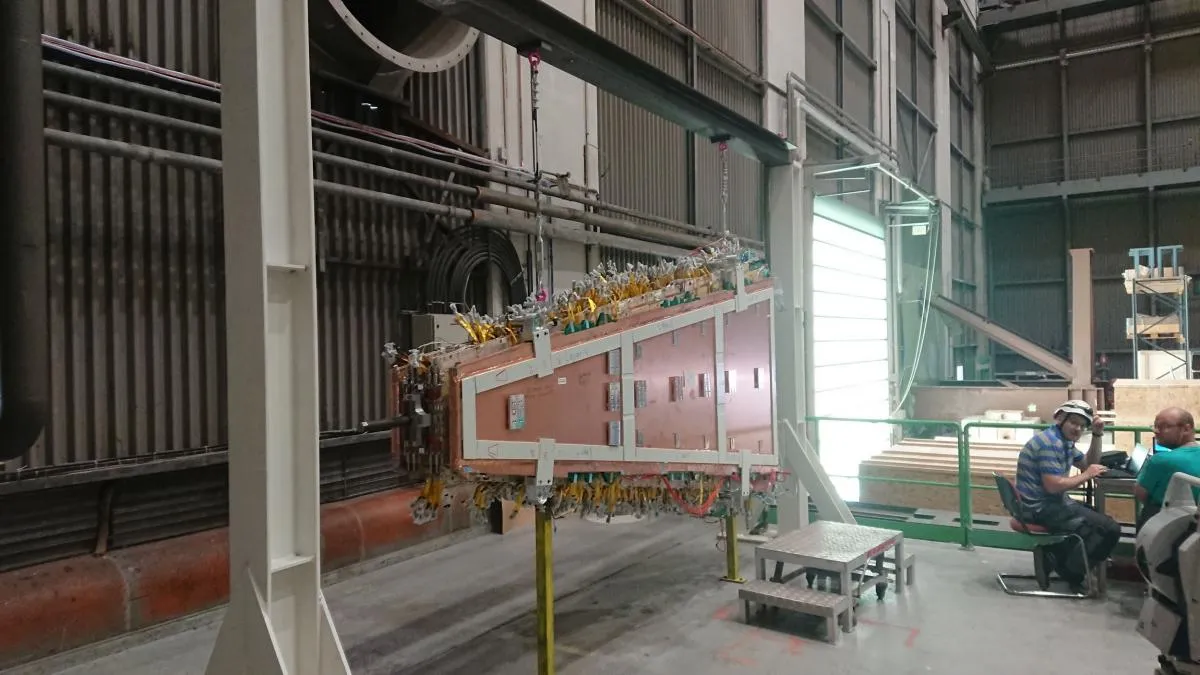
ATLAS NSW Upgrade: preparing installation and commission of its first sector
ATLAS NSW Upgrade: preparing installation and commission of its first sector The New Small Wheel (NSW) Upgrade it the most complex and challenging Phase-1 Upgrade project of ATLAS. As all the other upgrade projects for the LHC experiments, the goal is to meet the challenges of the High-Luminosity LHC era and to cope with the
-
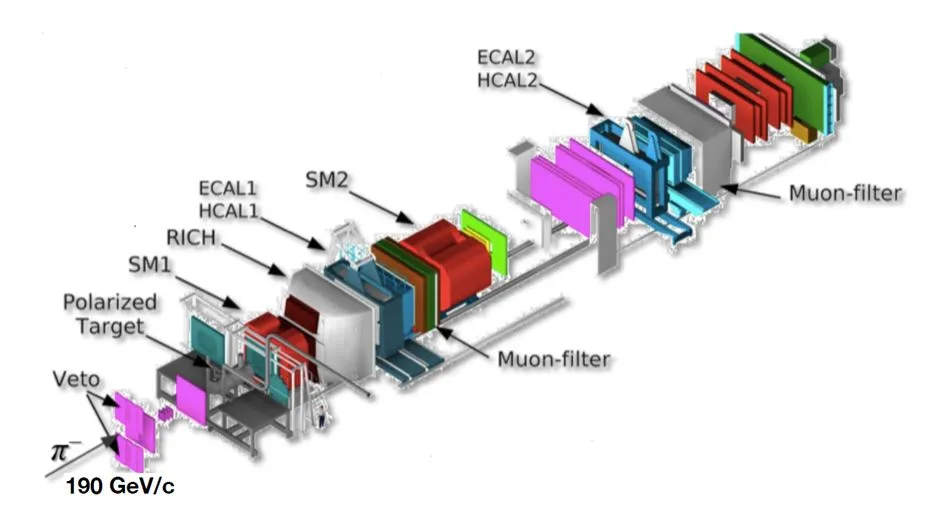
COMPASS results guiding future exploration of hadron structure in CERN’s North Area.
COMPASS results guiding future exploration of hadron structure in CERN’s North Area. The COMPASS (COmmon Muon and Proton Apparatus for Structure and Spectroscopy) Collaboration at CERN is the most recent one in pursuing the more than 40-years old objective to experimentally elucidate the nucleon’s internal structure, in particular its spin dependence. It uses the M2
-
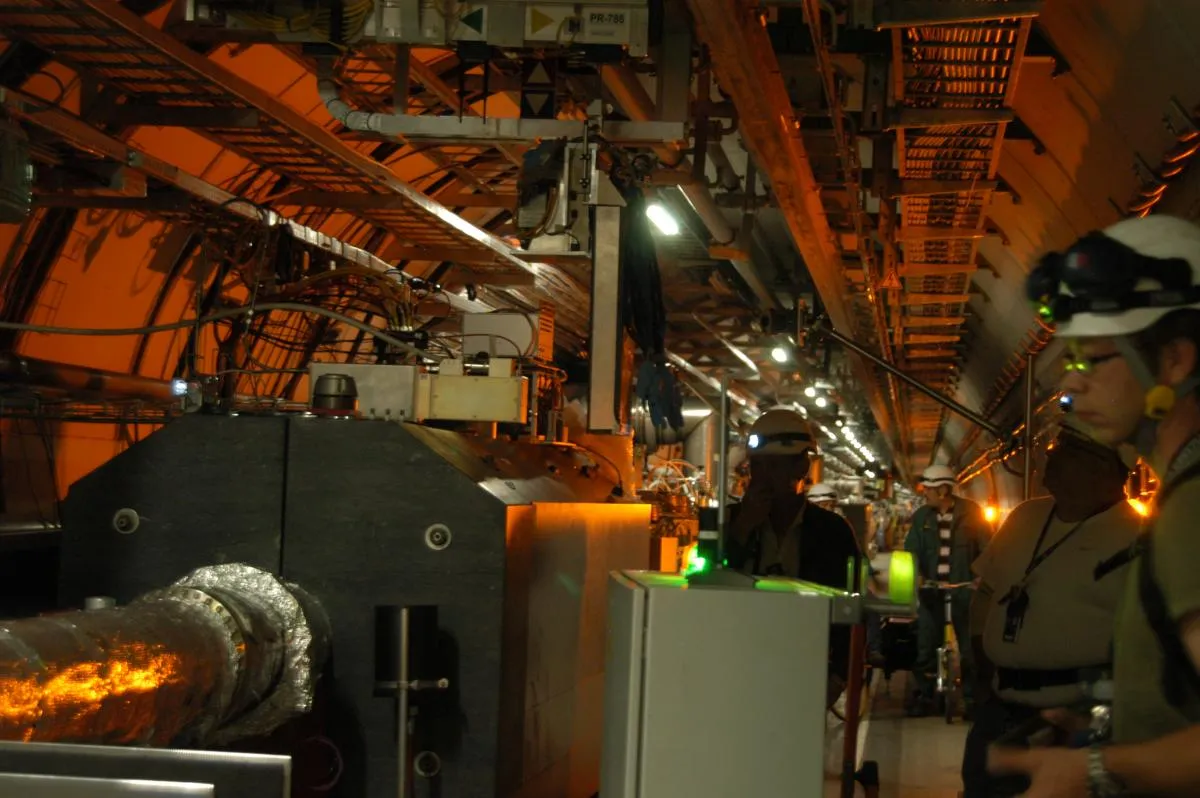
LHCf sheds light on hadronic interaction models
LHCf sheds light on hadronic interaction models The experience of the small LHCf collaboration, matured within the cosmic ray physics community, began in 2004 with the idea of designing a very thin detector to be installed along the LHC beam line, in such a way to cover the so called “very forward region” of the
-
Machine learning for new Detector Technologies
Machine learning for new Detector Technologies I have spent a considerable amount of my time as Master student in Physics in the late 70’s performing a fairly prosaic function that nevertheless required the presence of humans (physics professors, trained technicians and of course students): scanning thousands of BEBC pictures with (occasional) neutrino events, a task
-
An interview with Nobel Laureate Adam Riess
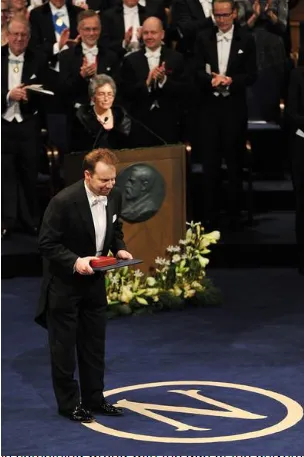
An interview with Nobel Laureate Adam Riess An interview with Nobel Laureate Adam Riess (Professor of Astronomy and Physics at the Johns Hopkins University) who was jointly awarded the 2011 Nobel Prize for Physics, with Saul Perlmutter and Brian P. Schmidt, for discovering the accelerated expansion of the Universe. The acceleration of the universe is
-
Nuclear Physics Meets Neutrinos
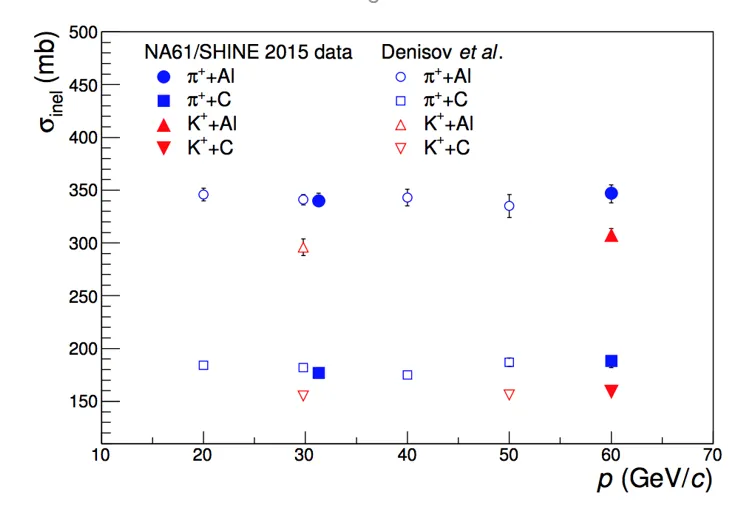
Nuclear Physics Meets Neutrinos Neutrino beams, such as those currently operating at Fermilab in the USA and J-PARC in Japan, are typically produced by colliding high-energy proton beams with long, thin solid targets. These collisions result in a spray of particles including short-lived hadrons such as pions or kaons. The hadrons are focused using magnetic
-
News about the lepton universality anomalies in B decays
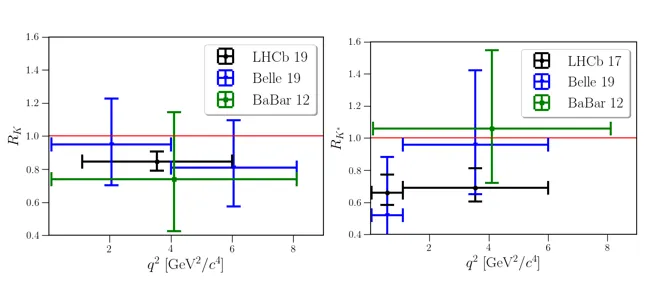
News about the lepton universality anomalies in B decays In the Standard Model all leptons are equal. The W and Z bosons as well as the photon couple equally to electrons (e), muons (μ) and taus (τ), a rule that is known as lepton universality. The only exception is the Higgs boson, that couples according
-
Baby MIND prepares for first physics run with WAGASCI at T2K
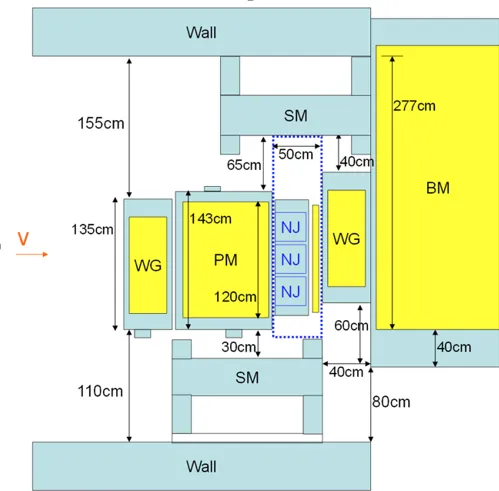
Baby MIND prepares for first physics run with WAGASCI at T2K Extracting ever more precise information from long-baseline neutrino oscillation experiments calls for a better understanding of neutrino production and neutrino interactions with their target detectors, through experimental programmes dedicated to neutrino cross-section measurements and validation of neutrino interaction models. The challenge is in the
-
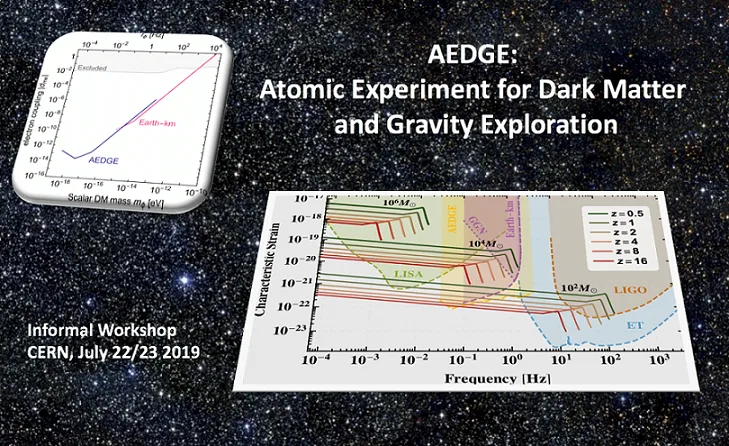
Atomic Experiments for Dark Matter and Gravity Exploration
Atomic Experiments for Dark Matter and Gravity Exploration A workshop on “Atomic Experiments for Dark Matter and Gravity Exploration” was held at CERN on 22nd and 23rd of July, More than 130 participants met at CERN to review the landscape of cold atom experiments for exploring dark sector physics, gravitational effects and new fundamental interactions.
-
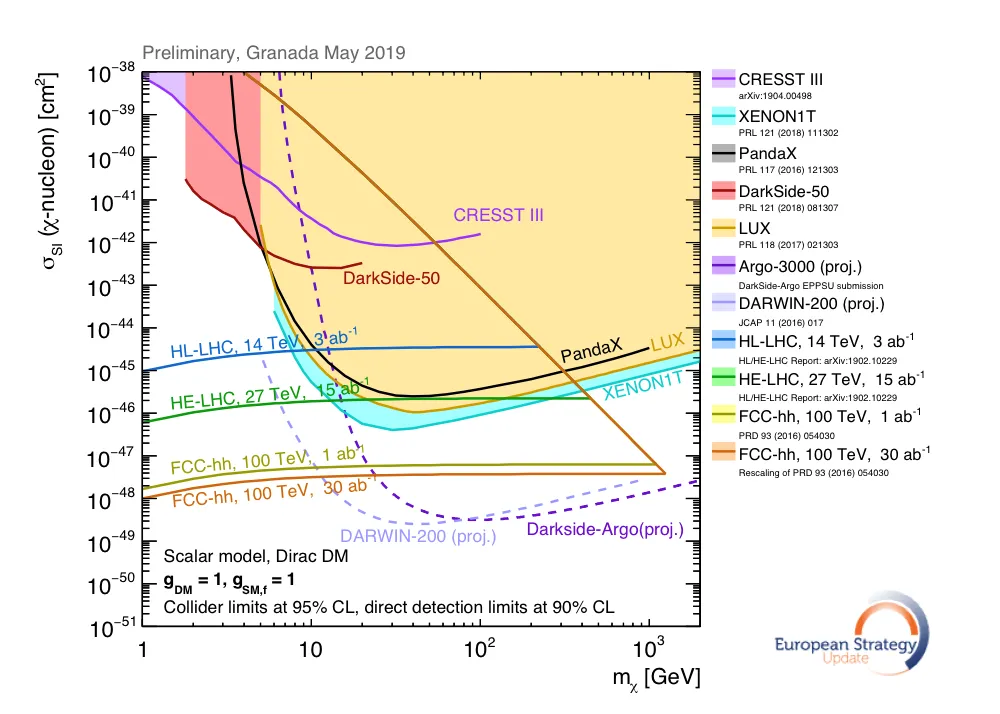
Discussing synergies between particle physics, astrophysics and nuclear physics
Discussing synergies between particle physics, astrophysics and nuclear physics One overarching objective of science is to further our understanding of the universe, from its early stages to its current state and future evolution. This depends on gaining insight on the universe’s most macroscopic components, for example galaxies and stars, as well as describing its smallest