
Category: Newsletter
-
Scientific data management with Rucio
Scientific data management with Rucio Today's scientific experiments are manifold and diverse in their objectives, size, and workflows. However, one commonality uniting most, if not all, scientific experiments is the creation and analysis of data. Managing these scientific datasets is becoming an increasingly complex and complicated challenge. We have evolved from storing data in single
-
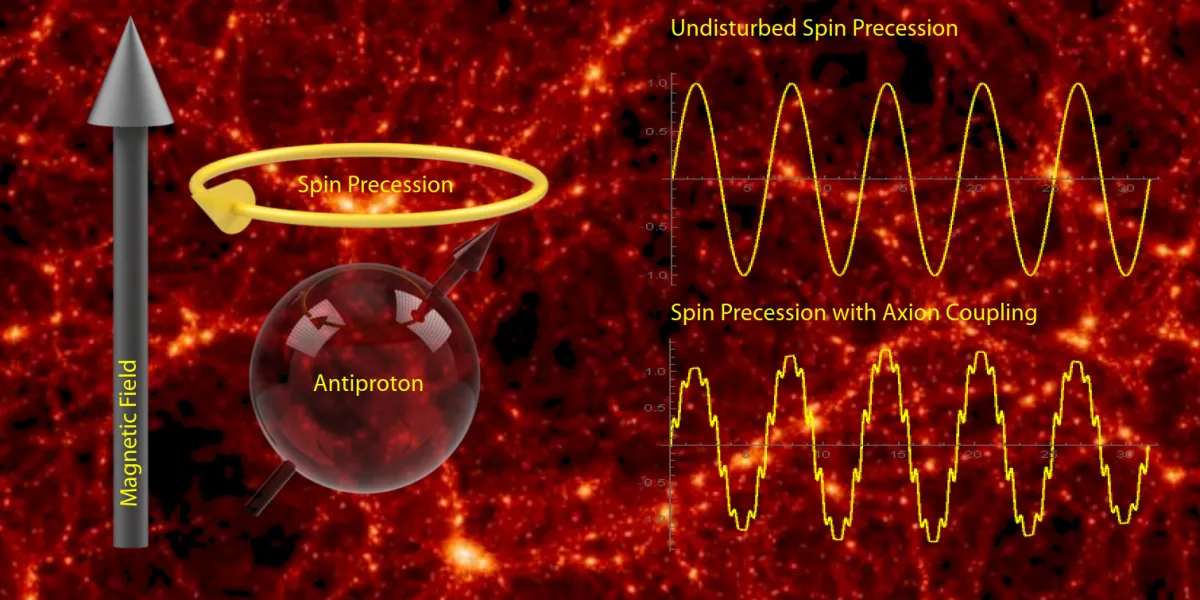
BASE probes antimatter – dark matter interaction
BASE probes antimatter – dark matter interaction In a recent paper, the BASE collaboration presented results from a direct search for interactions of antimatter with dark matter and placed direct constraints on the interaction of ultralight axion-like particles (dark-matter candidates) with antiprotons. Their analysis constrained the value of the axion–antiproton interaction parameter in the range
-
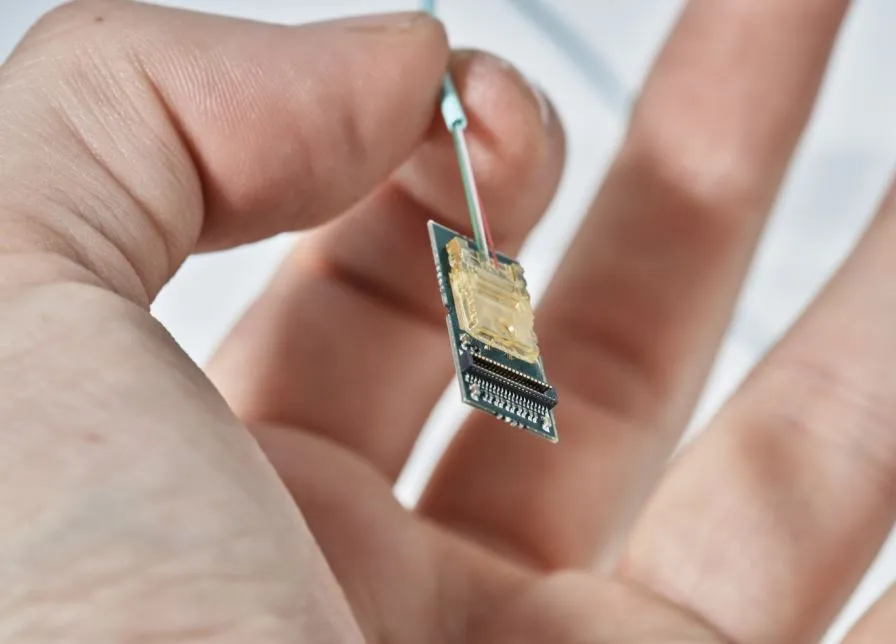
Optical Data Transmission for LHC Experiment Phase-2 Upgrades
Optical Data Transmission for LHC Experiment Phase-2 Upgrades Optical Readout and Control Systems have become ubiquitous with the LHC-era of Particle Physics Experiments, with each generation of detector upgrades bringing a need to transfer ever-greater amounts of data. Just like in our everyday lives where we now take for granted the ability to watch movies
-
RECAST: A framework for reinterpreting physics searches at the LHC
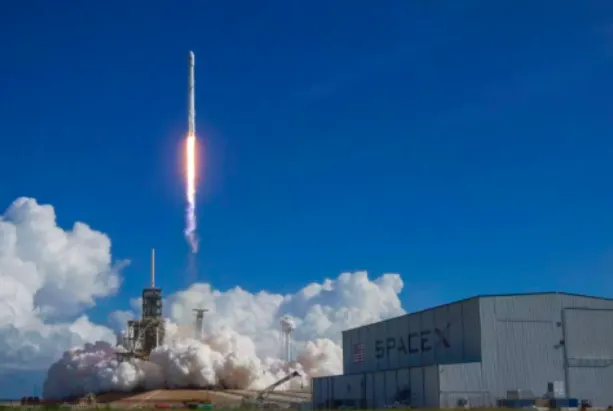
RECAST: A framework for reinterpreting physics searches at the LHC On 22 of December 2015 a SpaceX rocket launched towards space delivering satellites to low Earth orbit and then, instead of being lost to the depths of the ocean, the rocket’s first stage — the most expensive component of a rocket — returned back to
-

The NNLO frontier
The NNLO frontier The potential of a post-LHC collider to explore for hints of new physics relies on technological advancements but also on theoretical developments that will allow very accurate background determinations. With a concensus growing for a lepton collider offering a wide range of precision Higgs and electroweak measurements it is important to consider
-
Shining more light on the onset of deconfinement
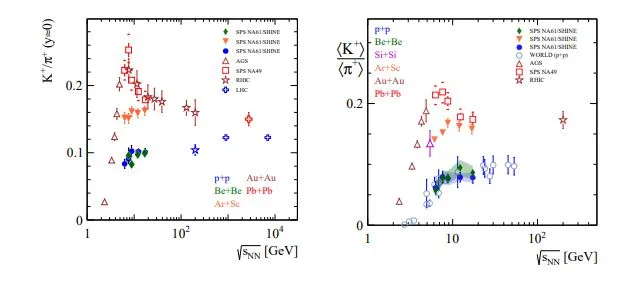
Shining more light on the onset of deconfinement “It was easier to know it than to explain why I know it.” said Sherlock*. – A Study in Scarlet, Sir Arthur Conan Doyle 1886 NA61/SHINE has recently completed data acquisition for its original programme on strong interactions. The Collaboration has gathered a rich data on collisions
-
NA62 experiment presents new results
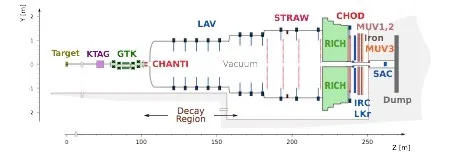
NA62 experiment presents new results The NA62 experiment presented the latest result on the search for the ultra-rare kaon decay K+ → π+νν ̄ using 2017 data at the KAON2019 Conference, at the Physics in Collision Conference and during a recent CERN’s EP Seminar Kaons, the lightest elementary particles containing the strange quark, have always
-
The ALICE ITS upgrade: Pixels for quarks
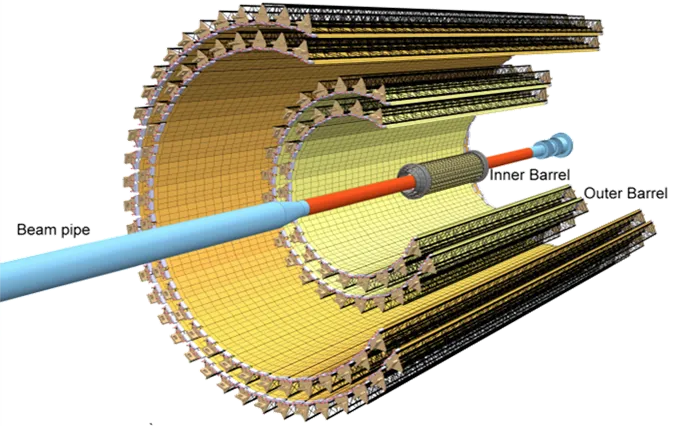
The ALICE ITS upgrade: Pixels for quarks Introduction ALICE, the heavy-ion dedicated experiment at the LHC, will soon have enhanced physics capabilities with a major upgrade of the detectors, data-taking and data-processing systems which will improve the precision of the extracted characteristics of the high density, high temperature phase of strongly interacting matter, the quark-gluon
-
Summer students 2019: A Supercalifragilisticexpialidocious experience
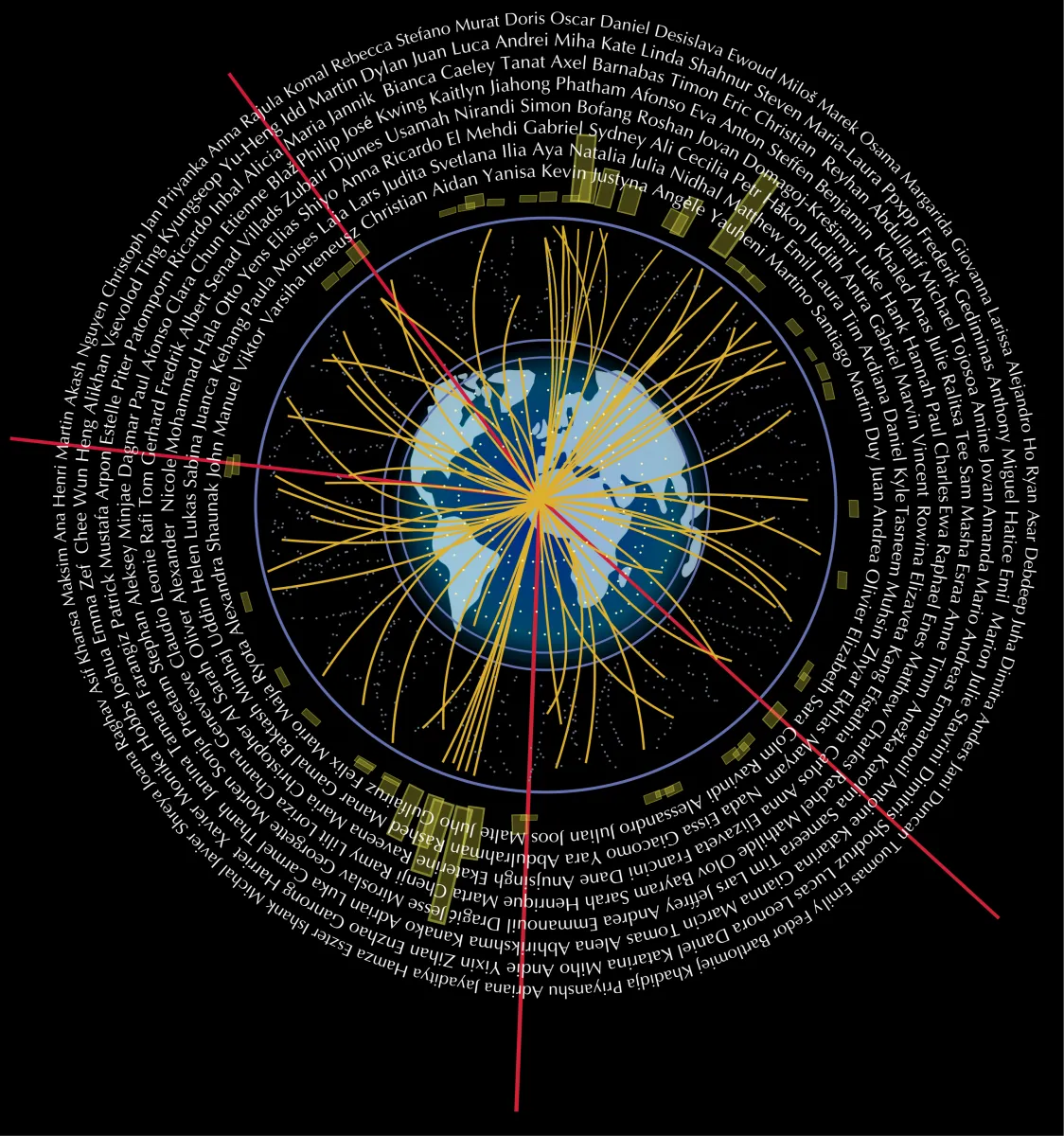
Summer students 2019: A Supercalifragilisticexpialidocious experience Established in 1962, by CERN’s former Director General Victor Weisskopf, the laboratory’s summer students programme welcomed more than 300 undergraduates from all over the world to get a hands-on experience of CERN’s diverse activities. From physics research to software development and from R&D in novel technologies to knowledge transfer,
-
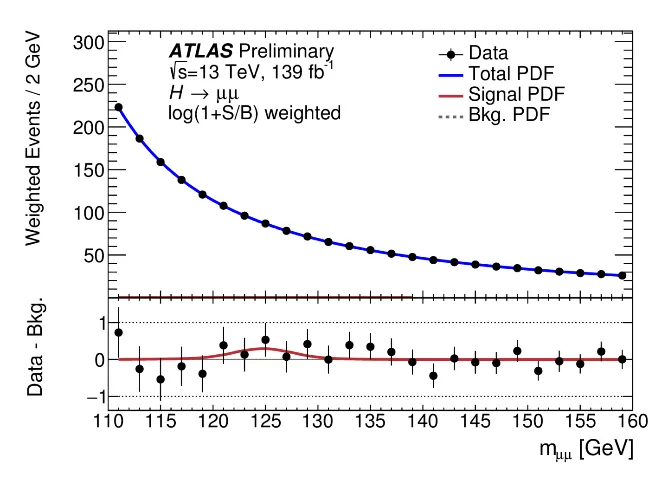
Latest results from the Higgs boson couplings to second-generation fermions
Latest results from the Higgs boson couplings to second-generation fermions The discovery of the Higgs boson completes the Standard Model, a very successful theory describing particles of visible matter and their interactions. However, there are still big missing pieces in our fundamental understanding of matter, while certain experimental phenomena point to the existence of new