
Category: Newsletter
-
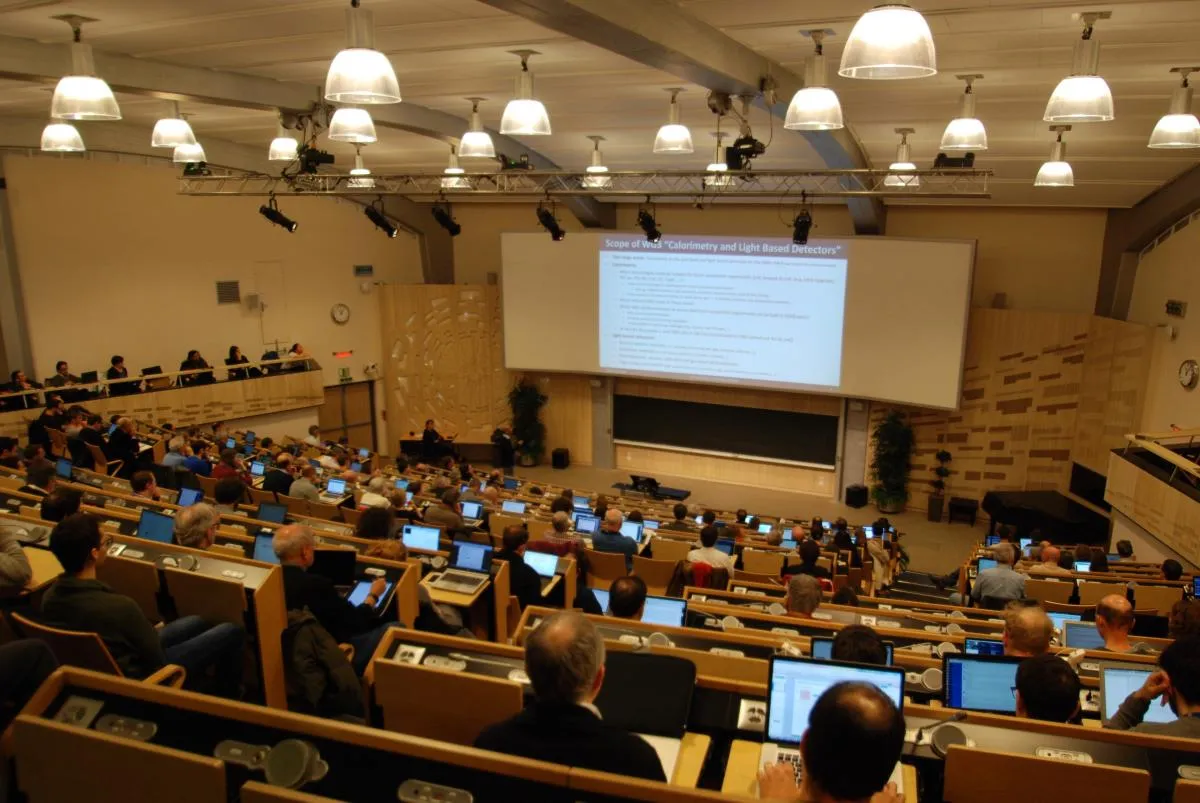
EP launches new R&D programme for detector technologies
EP launches new R&D programme for detector technologies Progress in fundamental physics calls for pushing the current state-of-the-art for detectors, and developing new technologies that would boost the efficiency while reducing the cost and the environmental impact of future experiments. For future experiments to continue playing their important role in scientific inquiry a solid programme
-

First SWAN workshop at CERN
First SWAN workshop at CERN The first SWAN (Service for Wab based ANalysis) and Jupyter Notebooks Users’ Workshop was held last October at CERN. One of the main goals of the meeting was to offer a space where users could openly share their experience and gather feedback for develpments that could improve the service to
-
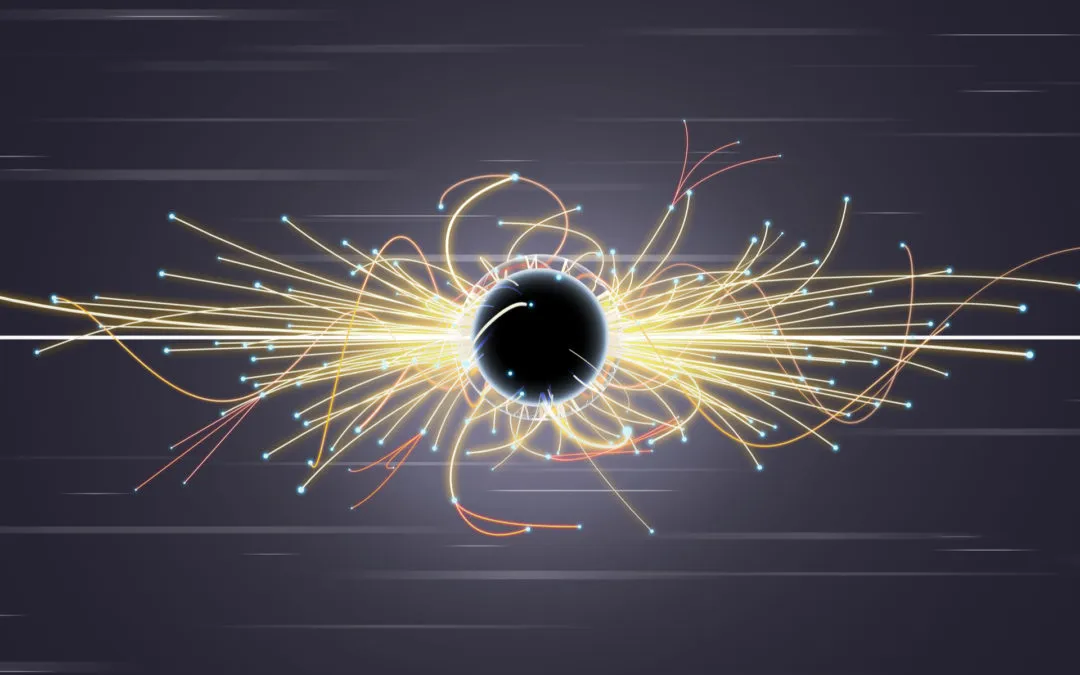
Shaping the future of particle physics
Shaping the future of particle physics Τhe ongoing update of the European Strategy for Particle Physics aims to identify the potential opportunities and challenges of the proposed research programme through an inclusive and evidence-driven process. Discussions focus on the parameter space that can be explored and how future searches could guide theoretical developments along with
-
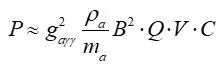
CAST: from Solar to Dark Matter Axions searches
CAST: from Solar to Dark Matter Axions searches CERN’s Axion Solar telescope (CAST) has been running since 2003 searching for the axion: a hypothetical particle introduced in 1978 as a consequence of the Peccei-Quinn mechanism aiming to solve the strong CP problem, i.e why is the neutron electric dipole moment limit some ten orders of
-
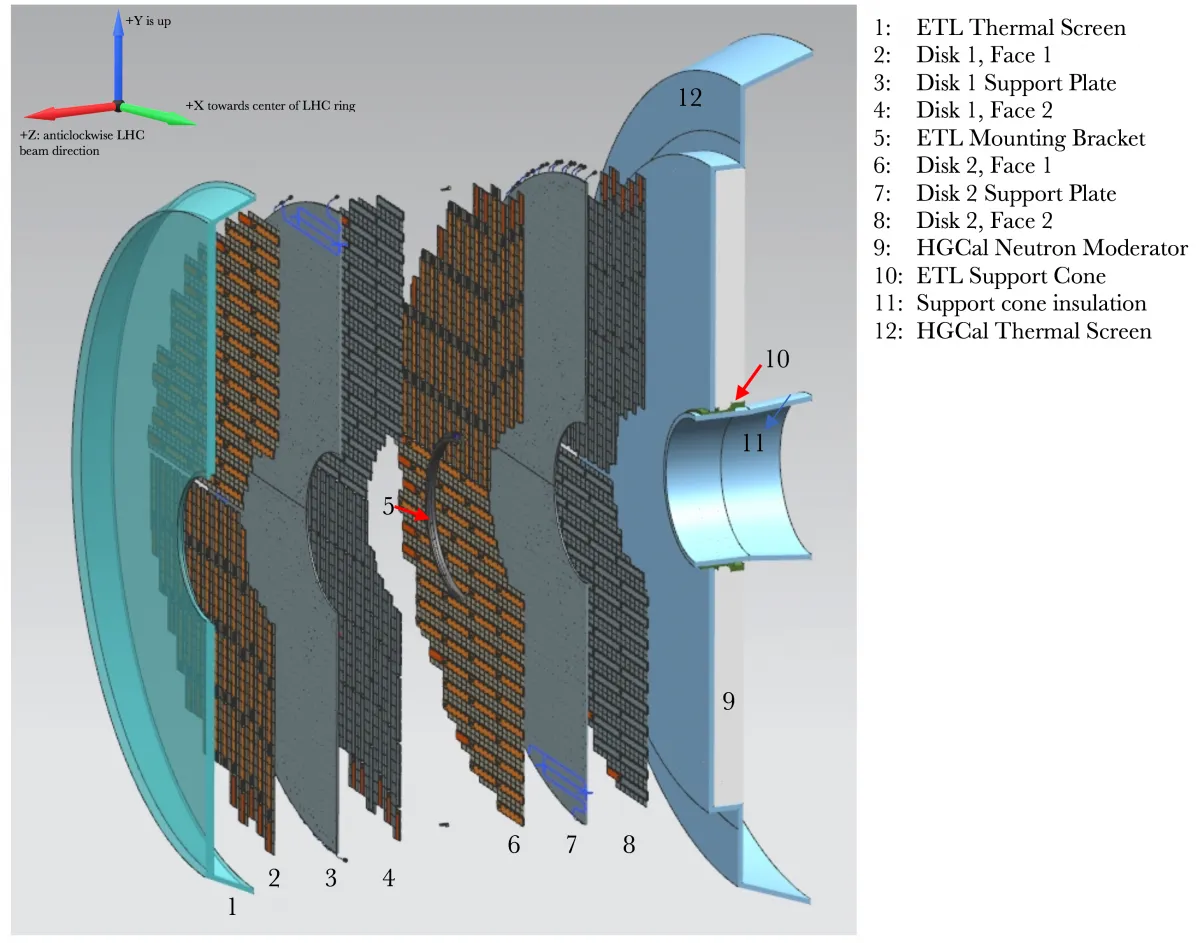
Precision timing upgrade of the CMS detector
Precision timing upgrade of the CMS detector Soon after 2027, the LHC will enter the high luminosity era, known as HL-LHC. It will begin operations at a stable luminosity of 5.0×1034 cm−2 s−1, resulting in much higher collision rates than currently achievable, but with a pileup of 140 collisions during a bunch crossing. In an
-
Finding the best candidates for atomic EDM searches
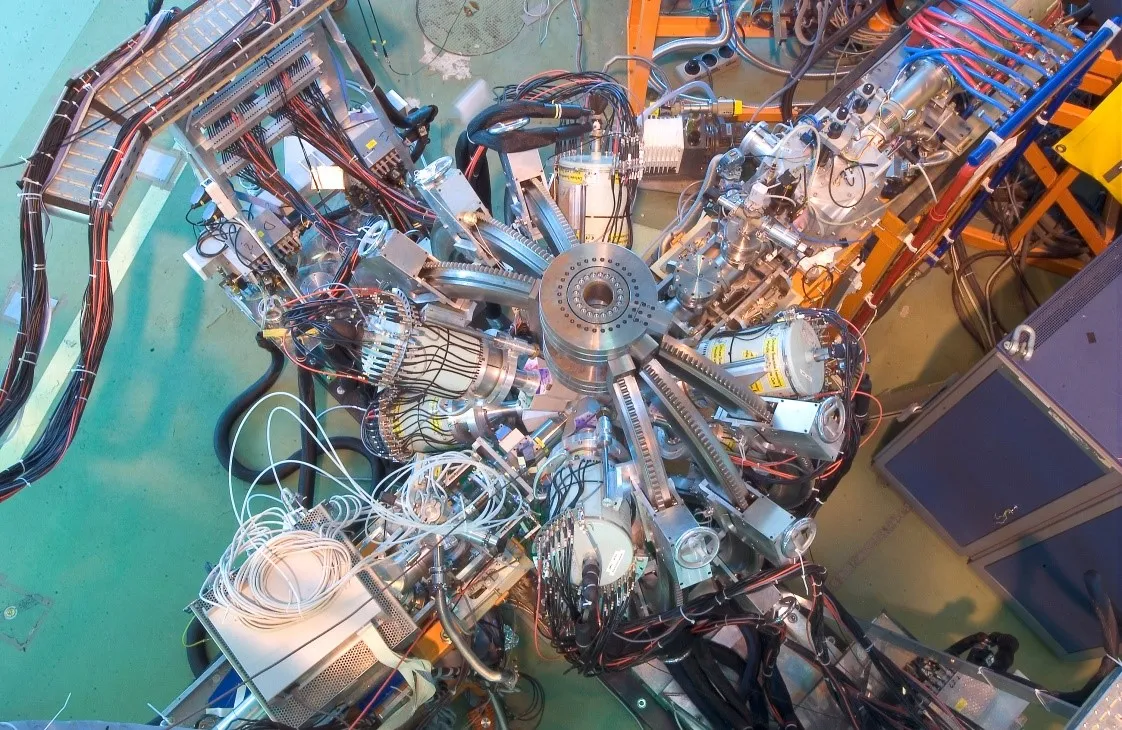
Finding the best candidates for atomic EDM searches The search for hints of new physics Beyond the Standard Model (BSM) calls for a combination of experimental strategies including both direct searches but also a number of very high-precision measurements of certain quantities looking for deviations that could be interpreted in the framework of BSM physics.
-
Re-discovering the Higgs boson in the Cloud
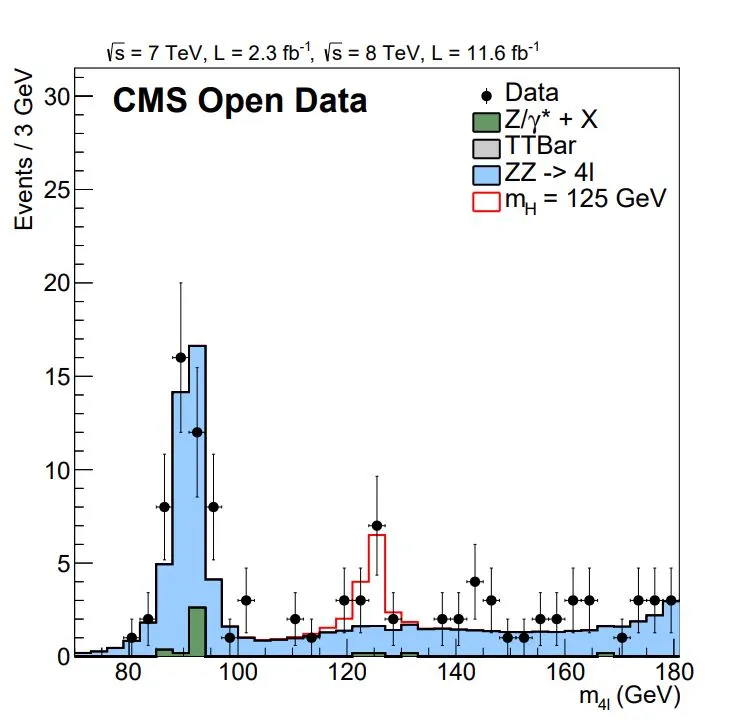
Re-discovering the Higgs boson in the Cloud It’s hard to believe that it has already been more than seven years since the discovery of the Higgs boson. Since then, numerous papers have been published by the ATLAS and CMS collaborations measuring the long-awaited particle’s properties in detail. Have you ever wondered whether one could repeat
-
Exploring the Lifetime Frontier at the LHC and Beyond
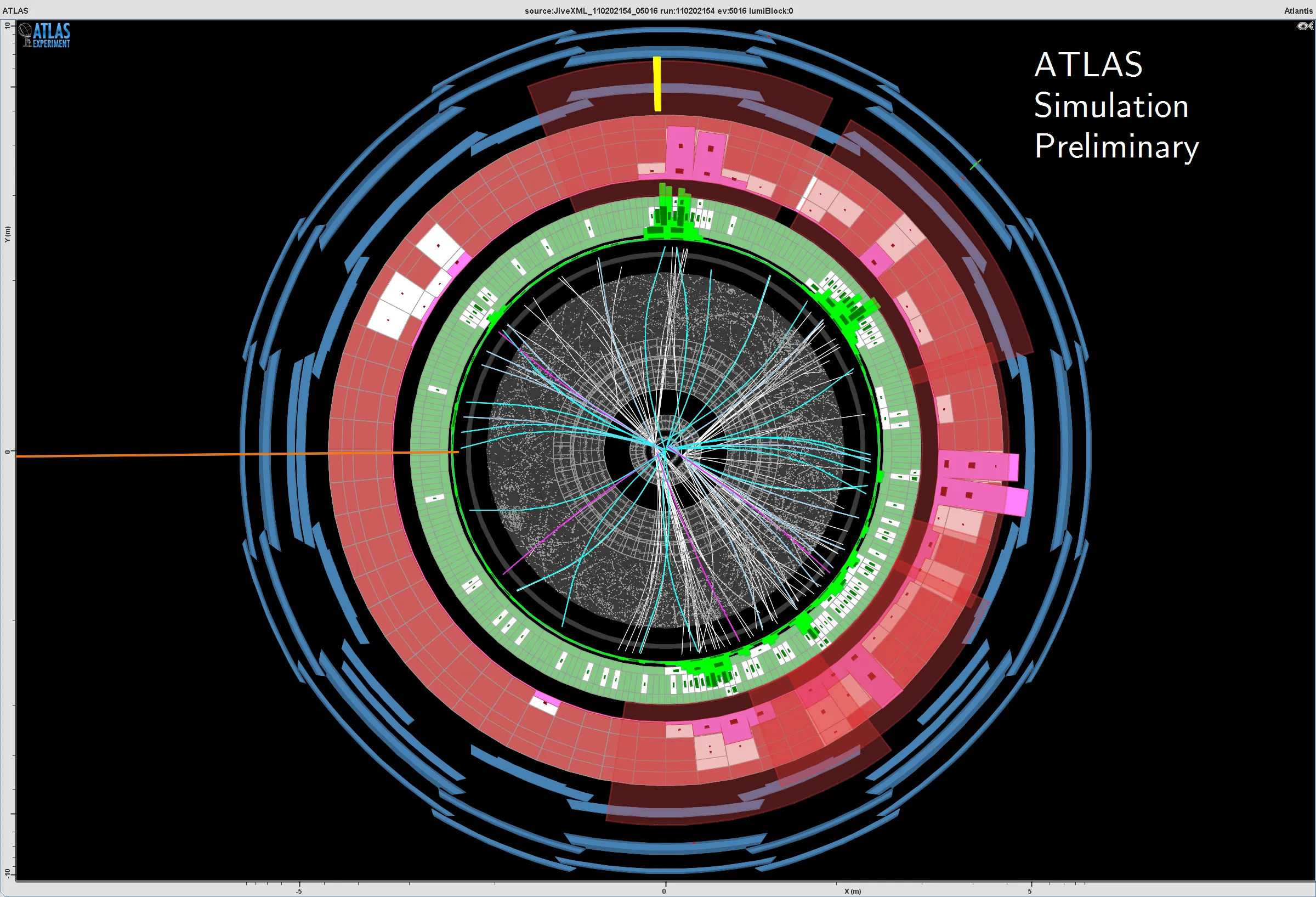
Exploring the Lifetime Frontier at the LHC and Beyond By any reasonable measure, the first ten years of the LHC have been an unmitigated success. But are we exploring everywhere in our data? The overwhelming majority of the searches for particles beyond the Standard Model (BSM) conducted at ATLAS and CMS, for example, assume that
-
Upgrading the LHCb trigger system
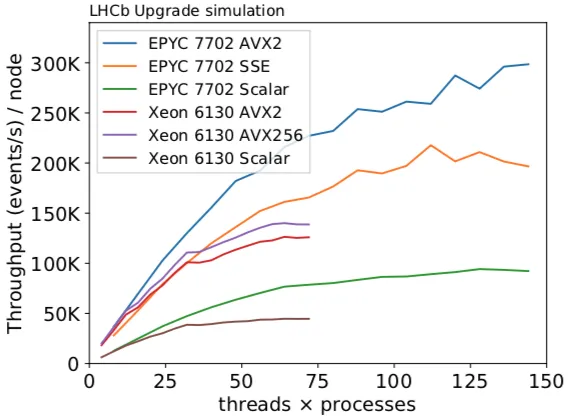
Upgrading the LHCb trigger system BROKEN IMAGE NOT MOVED (drupal url : https://ep-news.web.cern.ch//content/upgrading-lhcb-trigger-system) The LHCb experiment is undergoing a significant upgrade during LS2 in order to allow it to run at a five times higher instantaneous luminosity in LHC Run 3. In order to deal with the corresponding increase in pileup per bunch crossing, most
-
CMS Open data in use
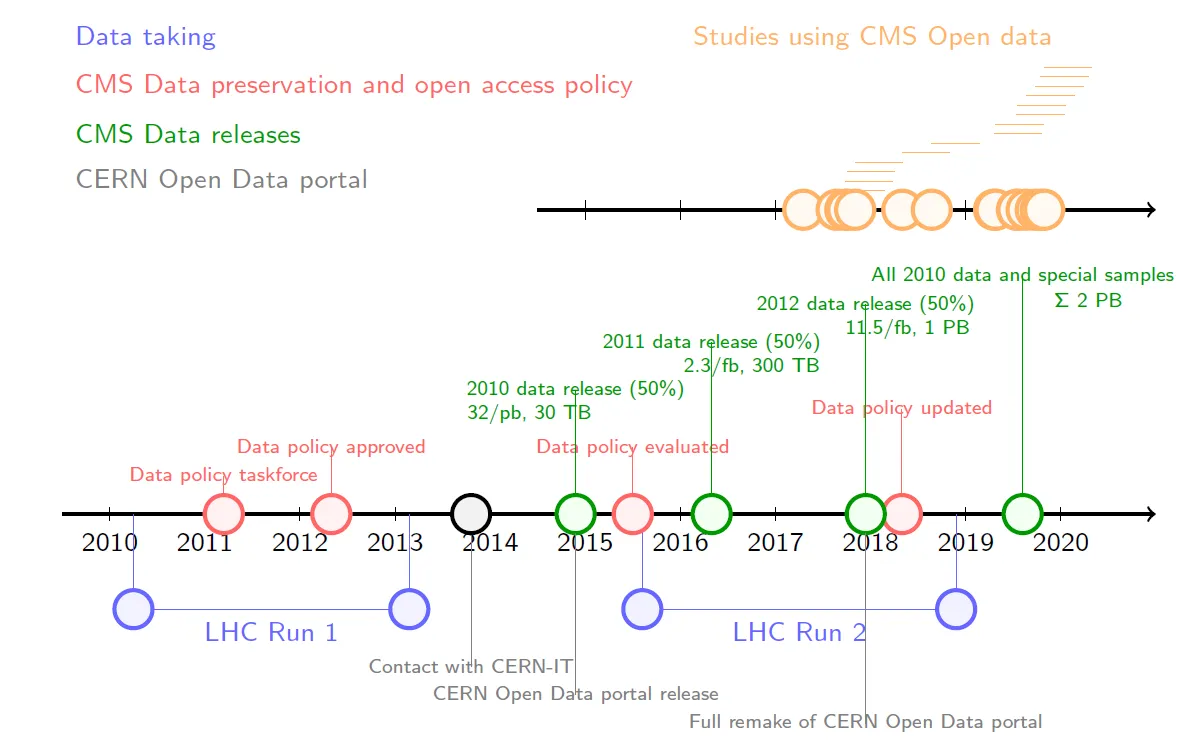
CMS Open data in use “[…] The release of data could create a community of users which may be nurtured through regular events organized by CMS.[…]” This is a phrase in the CMS data preservation, re-use and open access policy, which was first approved seven and a half years ago. Now five years after the