
Category: Newsletter
-
Silicon photonics for high-energy physics experiments
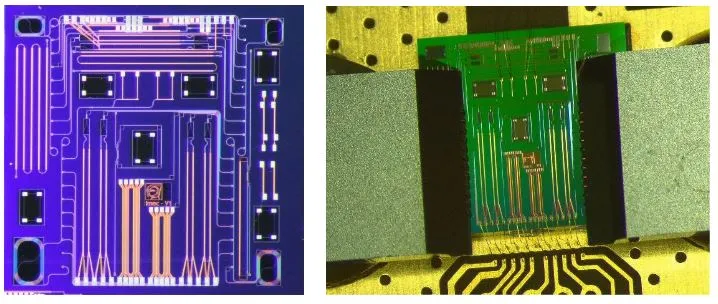
Silicon photonics for high-energy physics experiments Optical links have become ubiquitous in High Energy Physics (HEP) experiments to transport data generated from the particle detectors and other control points along the accelerator to the processing electronics. So far, links based on both single-mode Edge Emitting Lasers (EELs) [1] and multi-mode Vertical Cavity Surface Emitting Lasers
-

Colour X-rays for Medicine: The 2019 specXray workshop
Colour X-rays for Medicine: The 2019 specXray workshop The fifth workshop on Medical Applications of Spectroscopic X-ray Detectors (specXray) took place at CERN from 13 to 17th of May. Since its establishment in 2011, the workshop has brought together specialists from different but related fields focusing on how best to advance effort and understanding in
-
HIE-ISOLDE: a unique window into the nucleus
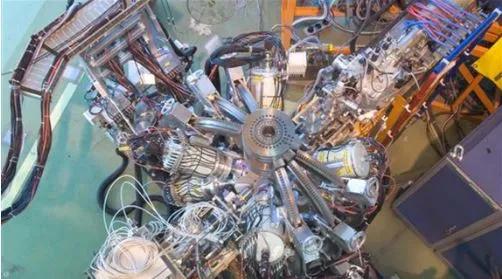
HIE-ISOLDE: a unique window into the nucleus With the recent completion of the second phase of HIE-ISOLDE, CERN’s ISOLDE facility has a machine capable of answering long-unanswered questions about the nature of the nucleus. The installation of 4 cryomodules in 2018 allowed for the acceleration of radioactive isotopes up to 7.4 MeV/u for A/q =
-
DT group: A year in review
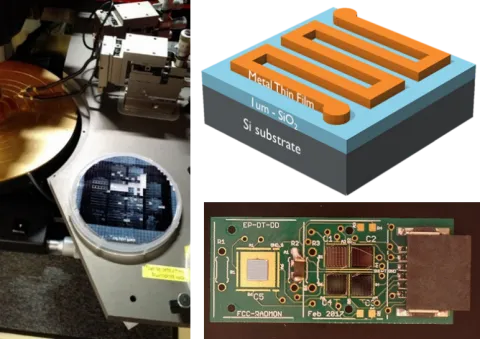
DT group: A year in review In the beginning of June, the EP-DT group has published its Annual Report summarizing its yearly activities and offering an overview of major achievements and future collaborative plans. The Detector Technologies (DT) group comprises expertise in many key domains for advanced detector systems and engages in several detector projects
-
The Higgs boson as a probe for new physics
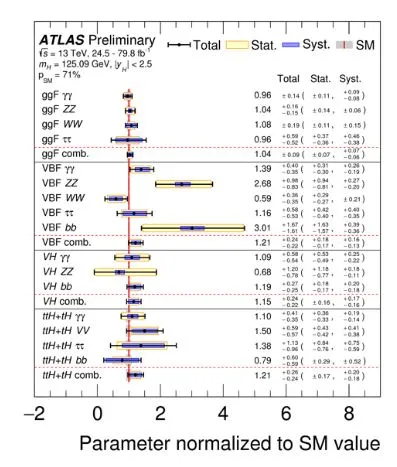
The Higgs boson as a probe for new physics The discovery of the Higgs boson has ushered in a new era of exploration at the Large Hadron Collider (LHC). Persistent tensions in the Standard Model (SM) of particle physics compel us to seek out physics beyond the SM (BSM) at the TeV scale, and the
-
Studying the Higgs at future colliders
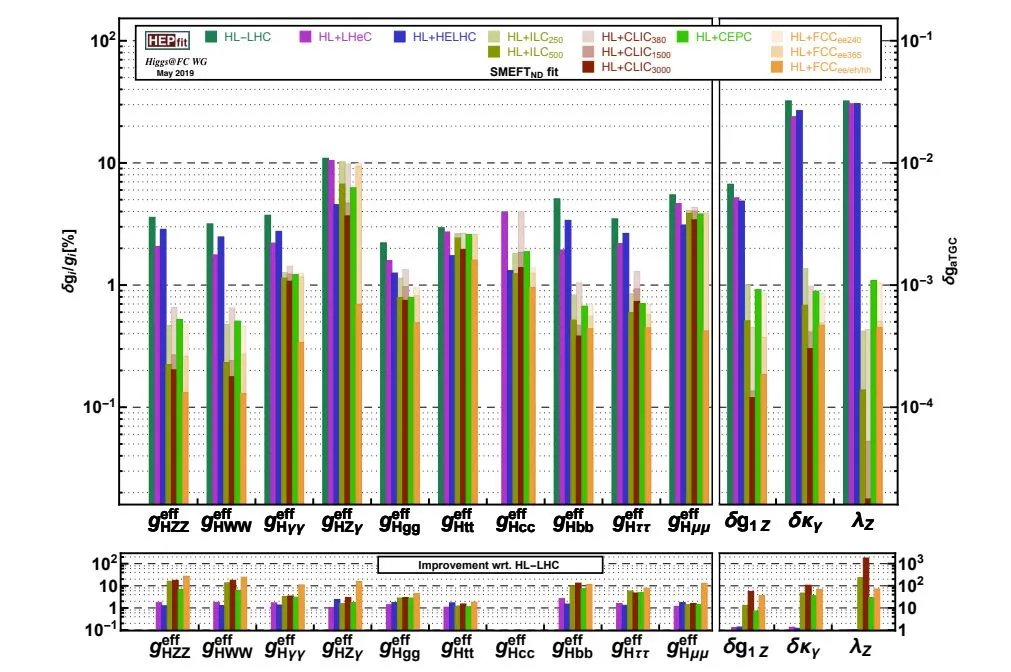
Studying the Higgs at future colliders The LHC offers a very detailed knowledge of how the Standard Model particles interact, but we know that this knowledge is incomplete. A number of experimental data and theoretical motivations point to the existence of new physics beyond the description of the Standard Model. The recently discovered Higgs boson
-
Physics from neutrino near detectors: opening a new window for BSM searches
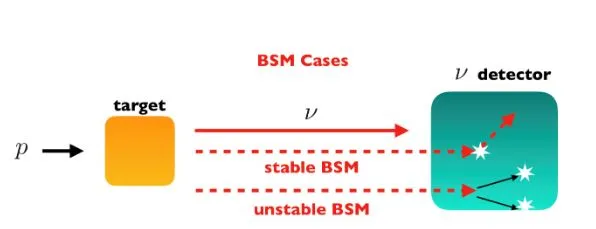
Physics from neutrino near detectors: opening a new window for BSM searches With the advent of a new generation of neutrino experiments which leverage high-intensity neutrino beams for precision measurements, it is timely to explore the opportunity that these experiments offer for searches of beyond the standard model (BSM) physics. The realm of BSM physics
-
CernVM 2019 Workshop
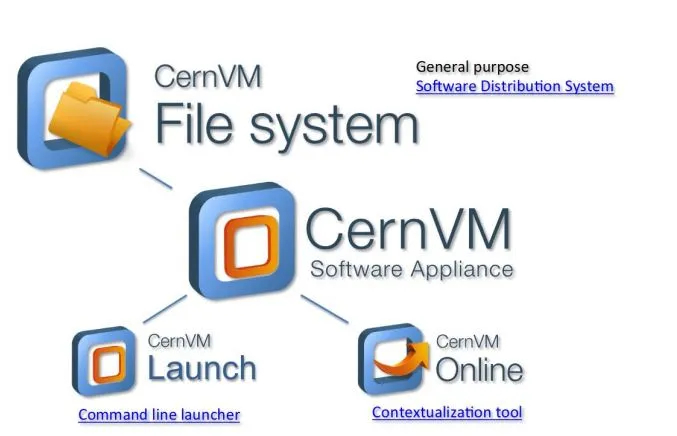
CernVM 2019 Workshop From 3rd June to 5th June, the 2019 CernVM Workshop took place. As about every 18 months, the CernVM workshop brings together software developers from EP-SFT, computing experts from the LHC experiments, WLCG system operators, and invited speakers from the IT industry. More than 40 participants discussed the state and future directions
-
Electronics experts come together at Antwerp
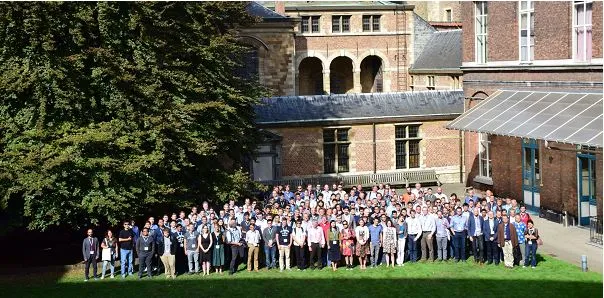
Electronics experts come together at Antwerp The “Topical Workshop on Electronics for Particle Physics” is the successor of the LEB and LECC Workshop series, which were initiated in 1994 by the LHC Electronics Board (LEB), an advisory board to the CERN LHC Experiments Committee. Since 2007, the workshop runs autonomously under the name “Topical Workshop
-
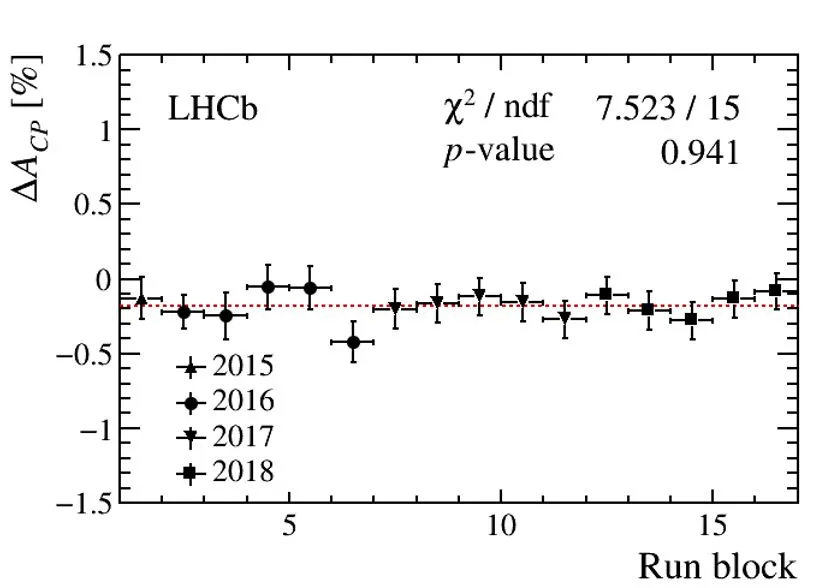
LHCb observes CP violation in charm
LHCb observes CP violation in charm We live in a Universe of matter, which is a good thing but poses a problem: We know that in the Big Bang initially as much matter as antimatter was produced, and that the antimatter somehow disappeared. How this happened is one of the questions that the LHCb experiment