
Category: Newsletter
-
New milestone for Physics Beyond Colliders study
New milestone for Physics Beyond Colliders study The Physics Beyond Colliders (PBC) initiative, launched in 2016, has submitted a summary report to the European Particle Physics Strategy Update (EPPSU). The projects considered under the PBC initiative will use the laboratory’s existing accelerator complex to broaden the experimental quest for new physics in different ranges of
-
A report from the CLIC week
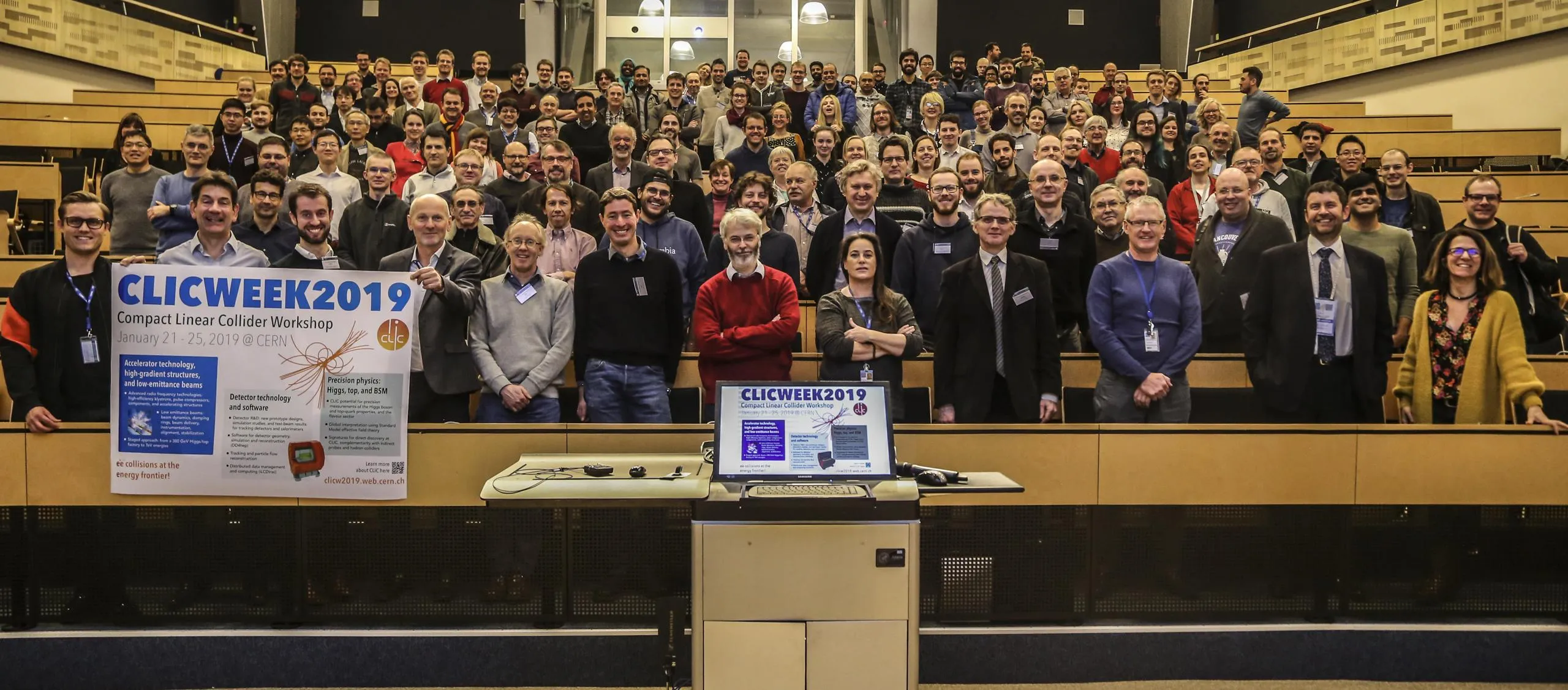
A report from the CLIC week The annual Compact Linear Collider (CLIC) workshop brings together the full CLIC community, this year attracting more than 200 participants to CERN, 21-25 January. CLIC occupies a unique position in both the precision and energy frontiers, combining the benefits of electron-positron collisions with the possibility of multi-TeV collision energies.
-
Interview with Stefan Söldner-Rembold, DUNE’s Co-spokesperson
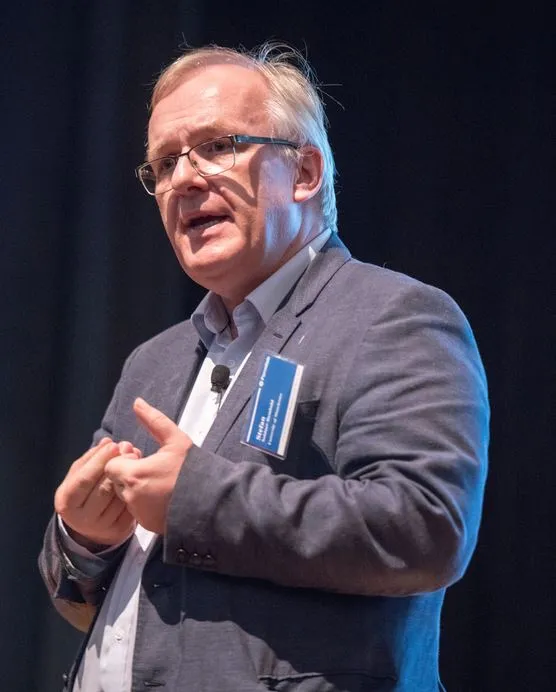
Interview with Stefan Söldner-Rembold, DUNE's Co-spokesperson Stefan Söldner-Rembold, has been recently elected co-spokesperson of the DUNE collaboration. In his long-standing career he worked both in accelerator and non-accelerator experiments addressing some of the most fundamental questions about matter and the structure of our universe. The same type of questions that motivated him as a student
-
PHYSTAT-nu 2019 held at CERN
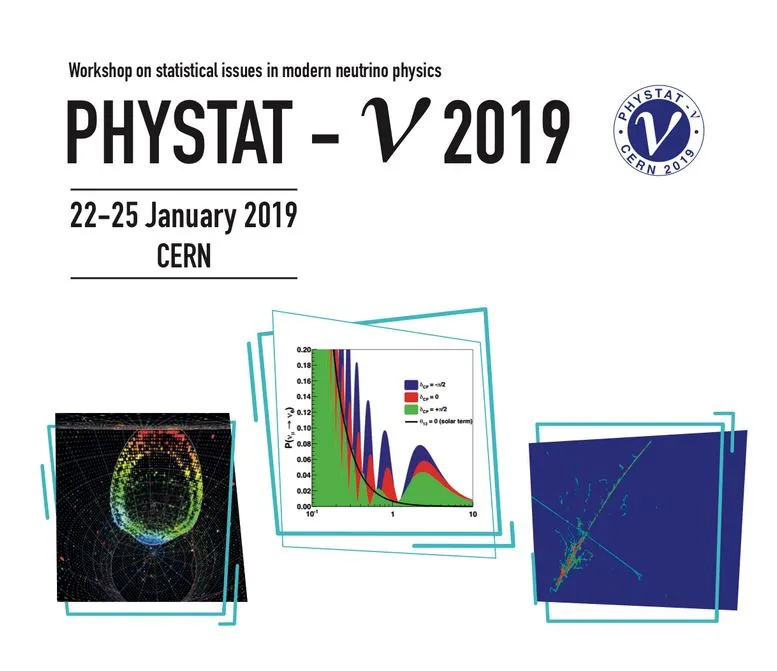
PHYSTAT-nu 2019 held at CERN Statistics is a topic that has gained increasing importance and underwent significant developments in particle physics over the past 25 years. More sophisticated methods have been developed to extract the maximum of information from the recorded data, and to make reliable predictions of the significance of measurements and observations. The
-
15th Vienna Conference on Instrumentation
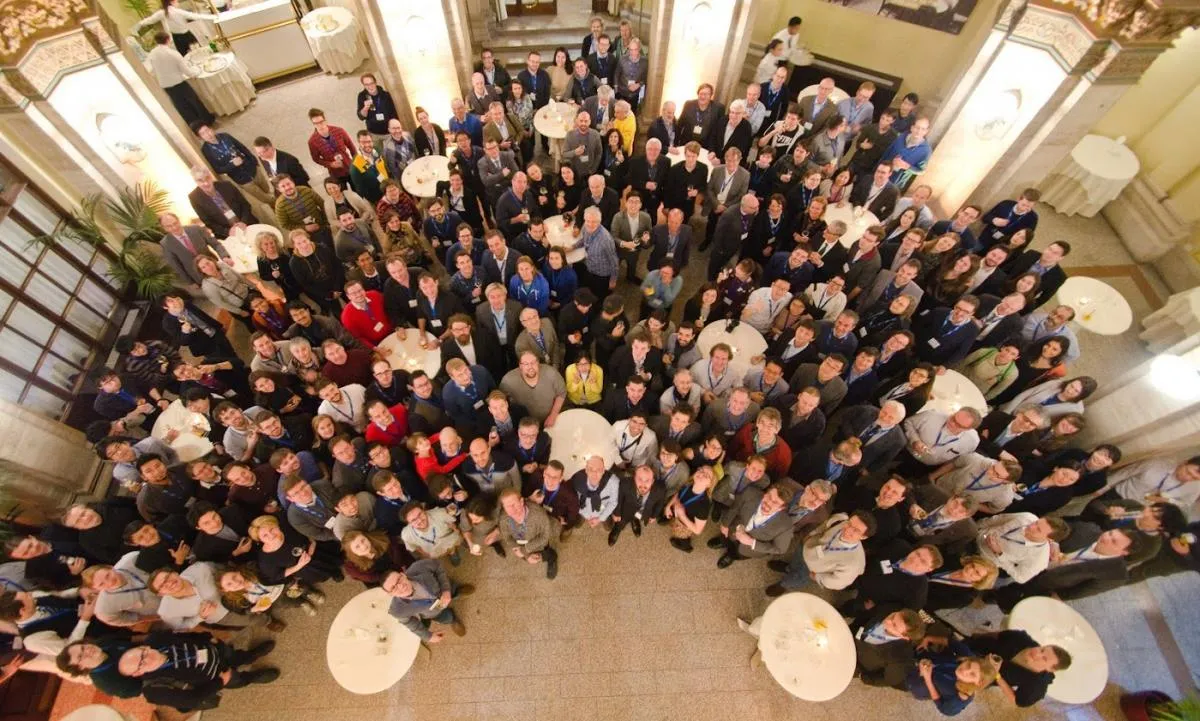
15th Vienna Conference on Instrumentation Studying the most microscopic elements of nature rely on the parallel progress of detector concepts and associated technologies. Experimental observations and open theoretical questions point to new paths for exploration in all fronts including fixed-target, collider and astrophysical experiments that put new requirements for future detectors. The 15th Vienna Conference
-
Investing in detector technologies
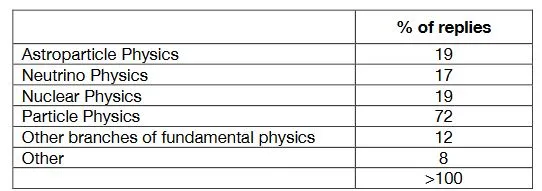
Investing in detector technologies Detector technologies are a vital component in the exploration of the fundamental laws of nature and the search for new physics that will answer some of the questions that the Standard Model leaves unanswered. Recognizing the importance of further R&D on detector technologies that could boost their performance and allow to
-
FASER experiment to look for long-lived particles
FASER experiment to look for long-lived particles At its last meeting CERN’s Research Board approved a new experiment that will look for light and weakly interacting long-lived particles at the LHC. The ForwArd Search ExpeRiment (FASER) will search for particles that might be produced parallel to the LHC’s beam line and may travel hundreds of
-
Resolving a long-standing question at ISOLDE
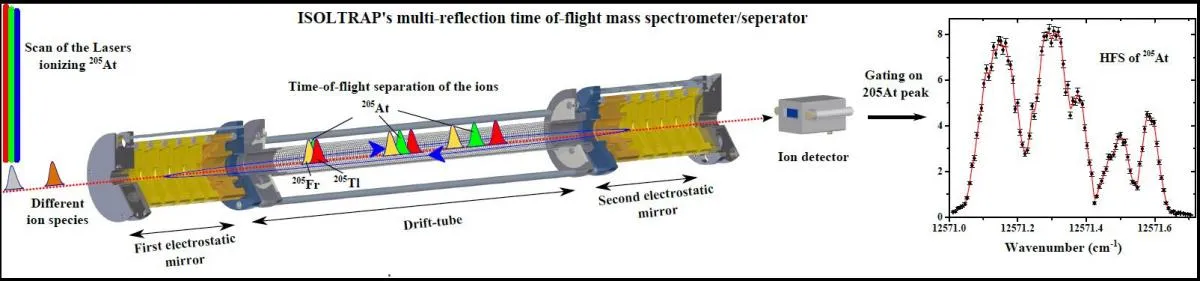
Resolving a long-standing question at ISOLDE Among the many pioneering results that have been published at ISOLDE was the discovery of odd-even staggering in the mean-square charge radius in neutron deficient Hg isotopes in the 1970s, as part of the RADOP experiment which measured the isotopic shifts using optical spectroscopy [1], [2]. Since then, this
-
Removal of the CMS beam pipe during Long Shutdown 2
Removal of the CMS beam pipe during Long Shutdown 2 The CMS detector is built from several different layers, surrounding the beam pipe in which the LHC beams collide. The subdetector that is closest to the collisions is the pixel detector. It has a functionality similar to a digital camera taking 40 million snapshots of
-
How Many Fundamental Constants Does It Take To Explain The Universe?
How Many Fundamental Constants Does It Take To Explain The Universe? At a fundamental level, our Universe is made of particles, forces, interactions, and the fabric of space and time. Spacetime forms the ever-evolving stage on which the play of the cosmos unfolds, while the particles are the players. They can bind together, collide, annihilate,