
Category: Newsletter
-
Mapping the CMS inner tracking system with unprecedented precision
Mapping the CMS inner tracking system with unprecedented precision In an experiment like CMS, it is important to know where all the detector material is. For example, in order to properly simulate the detector response, you need to know not only where the sensors are, but also the locations of the inactive material. Suppose you
-
VeloPix, a new hybrid pixel readout ASIC for the LHCb upgrade
VeloPix, a new hybrid pixel readout ASIC for the LHCb upgrade The LHCb-VELO group, which is composed of several institutes from the UK, Spain, Netherlands, Russia, Brazil and CERN are constructing an upgraded version of the VErtex LOcator (VELO) to be installed and commissioned during the long shutdown LS2 in 2019/2020. Unlike the currently operating
-
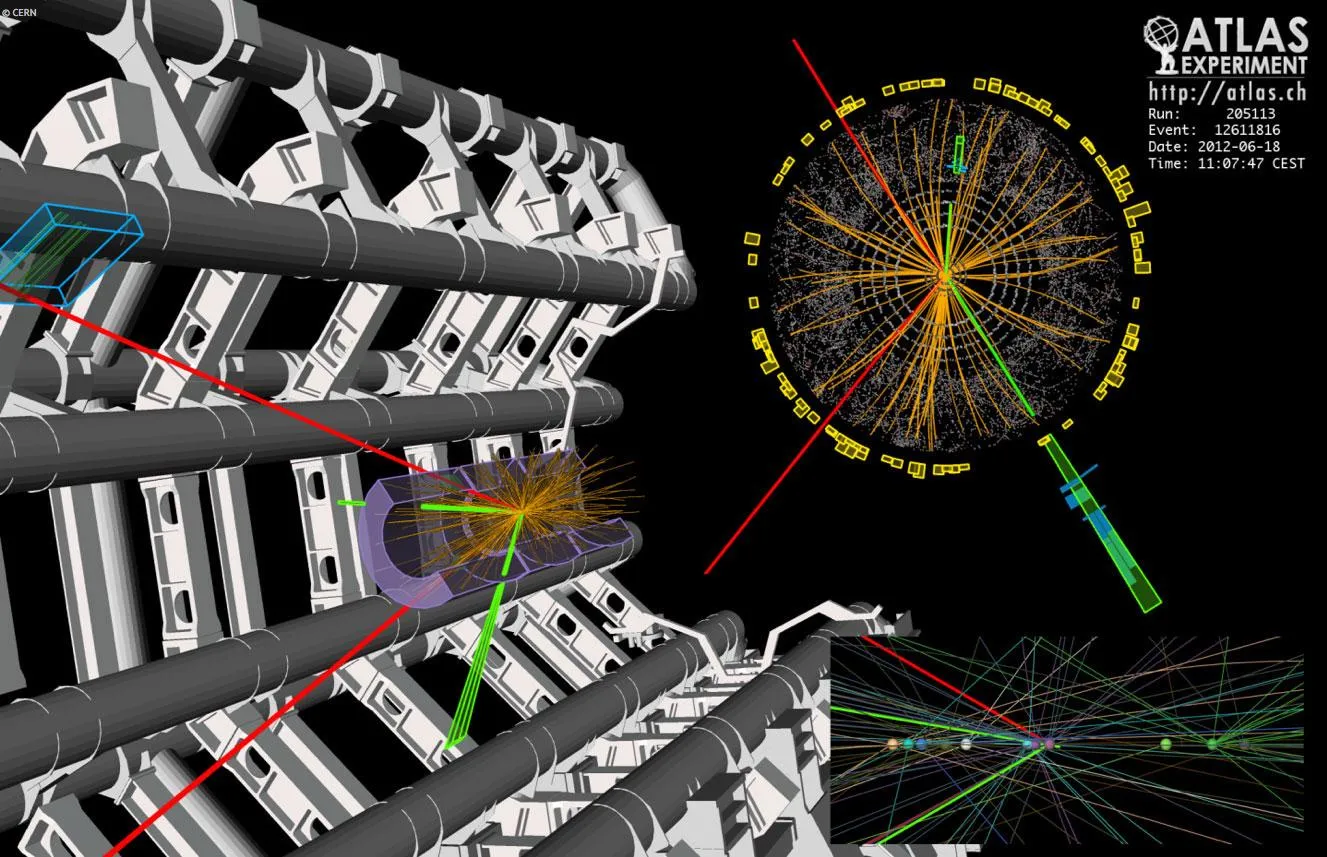
ATLAS presents a strategy for a general search of new physics
ATLAS presents a strategy for a general search of new physics One of the main goals of the Large Hadron Collider is to look for signals beyond the Standard Model (the other major goal has already been fulfilled with the discovery of the Higgs boson). To this day scientists are still lacking clues. Could it
-
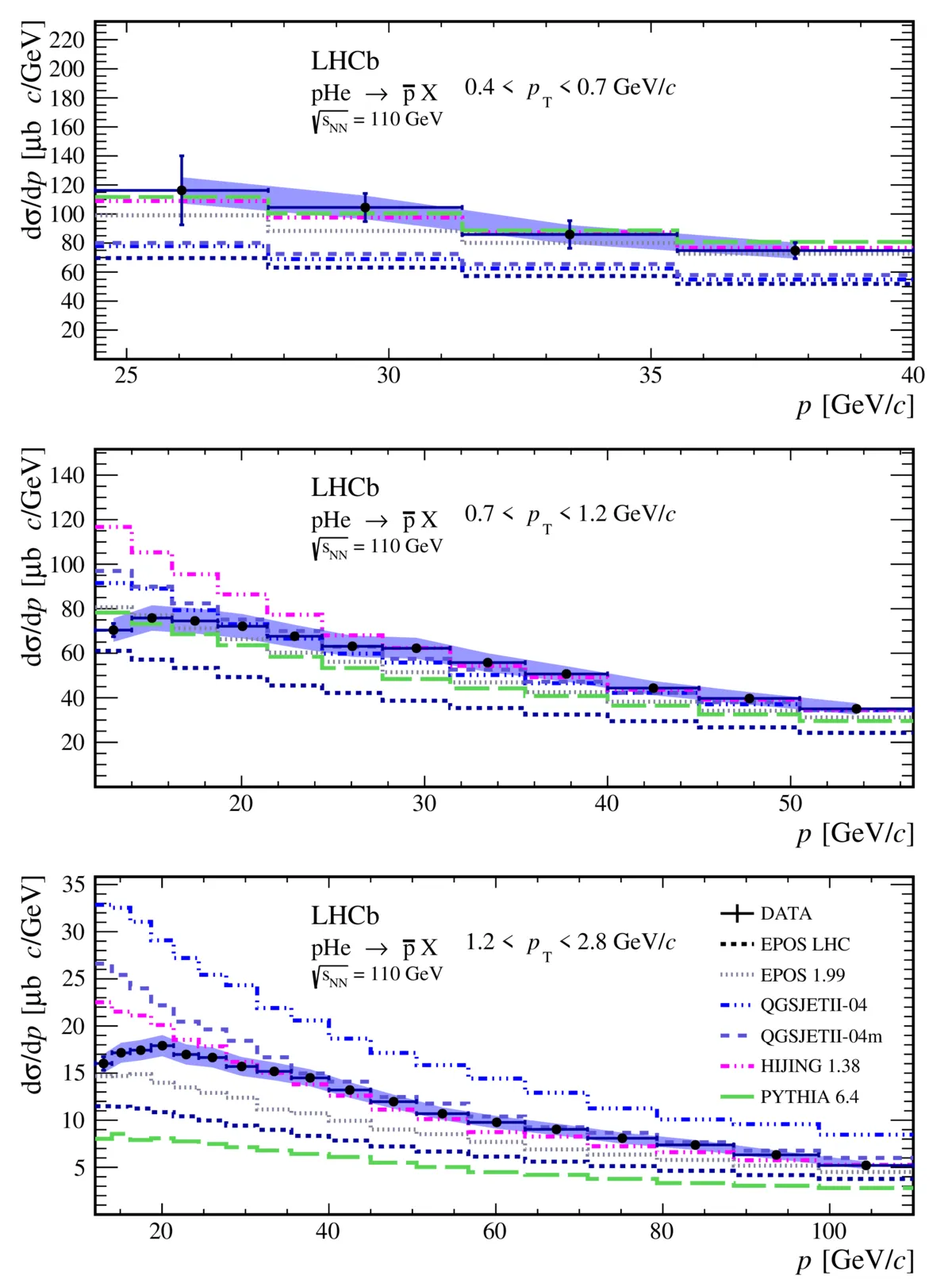
LHCb experiment helping space-based experiments
LHCb experiment helping space-based experiments The study of antiprotons in cosmic rays is an exciting field of research today. Cosmic ray antiprotons are believed to be produced when the high-energetic particles interact with the interstellar gas forming secondary particles. Such collisions are expected to produce a certain limited number of antiprotons, thus offering an explanation
-
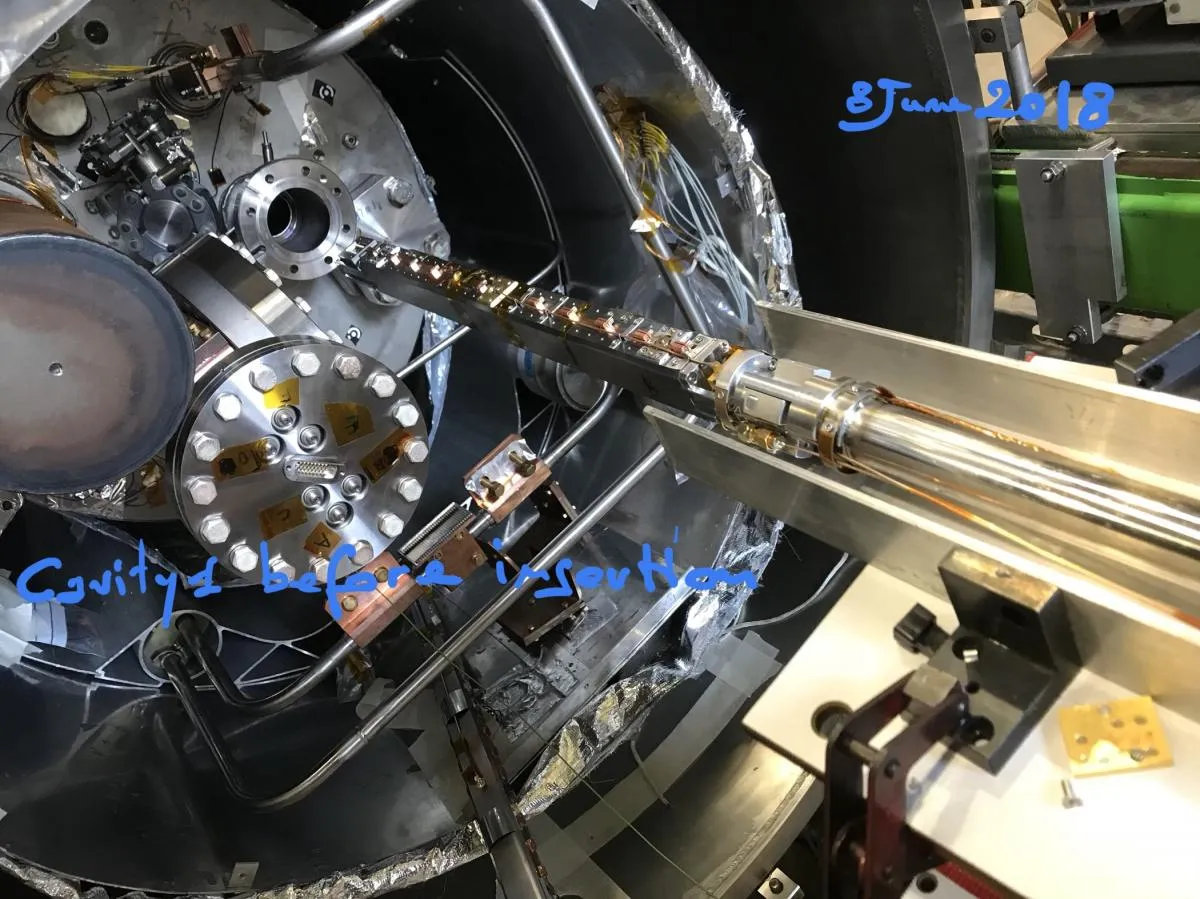
Experimental searches for solar and dark matter axions
Experimental searches for solar and dark matter axions Detection of solar axions If axions exist, they would be produced in large quantities in the solar interior. Photons from the solar plasma would convert into axions in the Coulomb fields of charged particles via the Primakoff axion-photon conversion. Once produced, axions get out of the star
-
Interview with Roberto Peccei
Interview with Roberto Peccei BROKEN IMAGE NOT MOVED (drupal url : https://ep-news.web.cern.ch//content/interview-roberto-peccei) Roberto Peccei, is a world renowned theoretical physicist working in the interface between astroparticle physics and cosmology. He is probably best known for his work on strong CP violation. Together with Helen Quinn, Peccei suggested a mechanism to address the strong CP problem,
-
A Q&A with Pierre Sikivie
A Q&A with Pierre Sikivie In discussion with Pierre Sikivie, Distinguished Professor at the University of Florida, on the invention of experimental techniques for axion searches that can address some of the most pressing questions in modern physics. Sikivie played a crucial role in the development of experimental techniques for axion searches and laid the
-

Interview with Helen Quinn
Interview with Helen Quinn Helen Quinn, a professor emerita at the Department of Energy’s SLAC National Accelerator Laboratory and Stanford University, received the 2018 Benjamin Franklin Medal in Physics last April for her accomplishments in the field of particle physics. As a student, Quinn says, she grew up in an environment that encouraged curiosity about
-
Elena Stefancova
Elena Stefancova Since one of my teachers visited CERN ten years ago and told us about it, it seemed to me as a dream workspace. Some dreams come true and so this summer I had an opportunity to work at database section – IT department. The best and the fastest summer ever!
-
Andre Donadon Servelle
Andre Donadon Servelle The only thing that I want to say is that it was one of the most beautiful summers of my life. I have been working two months in one of the most important laboratories in the world, side by side of the best physicists. Everything is amazing, the place, the people.. everything.