
Category: Newsletter
-
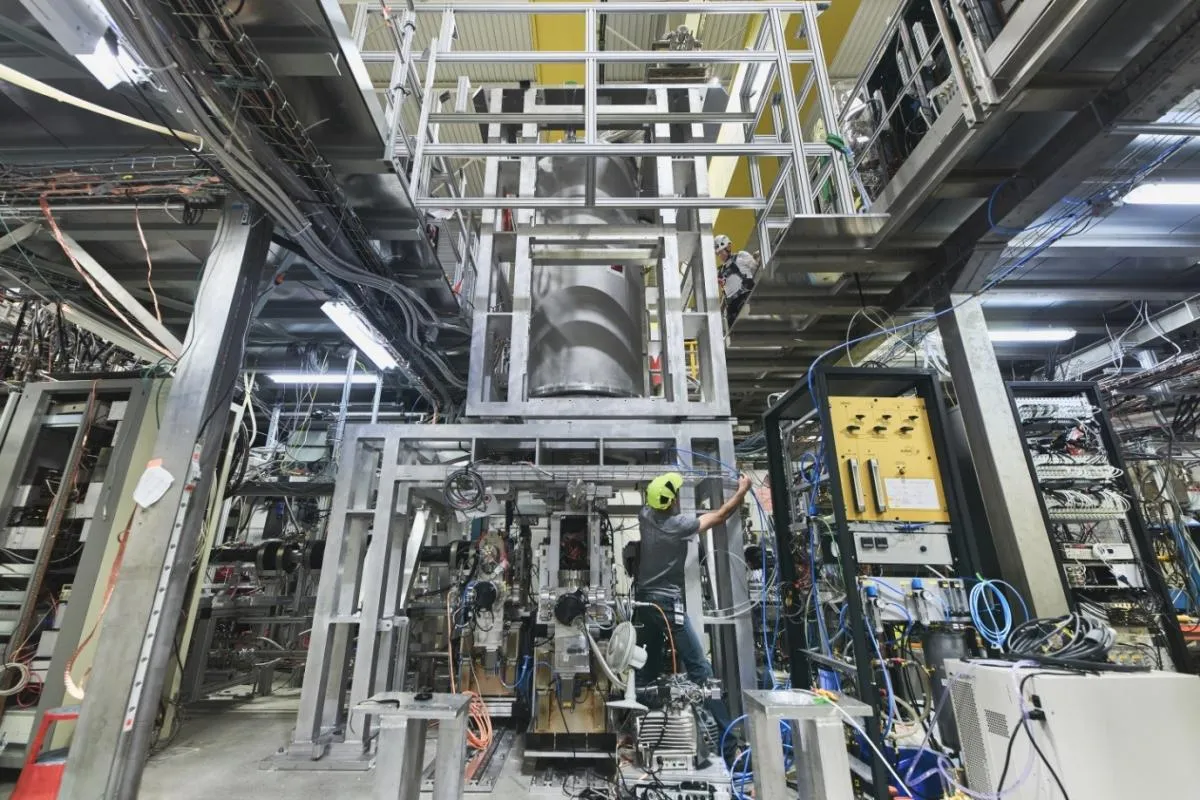
ALPHA-g sees its first antiparticles: does antimatter fall up or down?
ALPHA-g sees its first antiparticles: does antimatter fall up or down? The ALPHA collaboration working on antihydrogen at the Antiproton Decelerator (AD) in building 193 has successfully expanded their setup with new devices. The previous setup consisted of a positron accumulation device, accumulating positrons from a sodium radiative source, a dedicated catching trap to receive
-
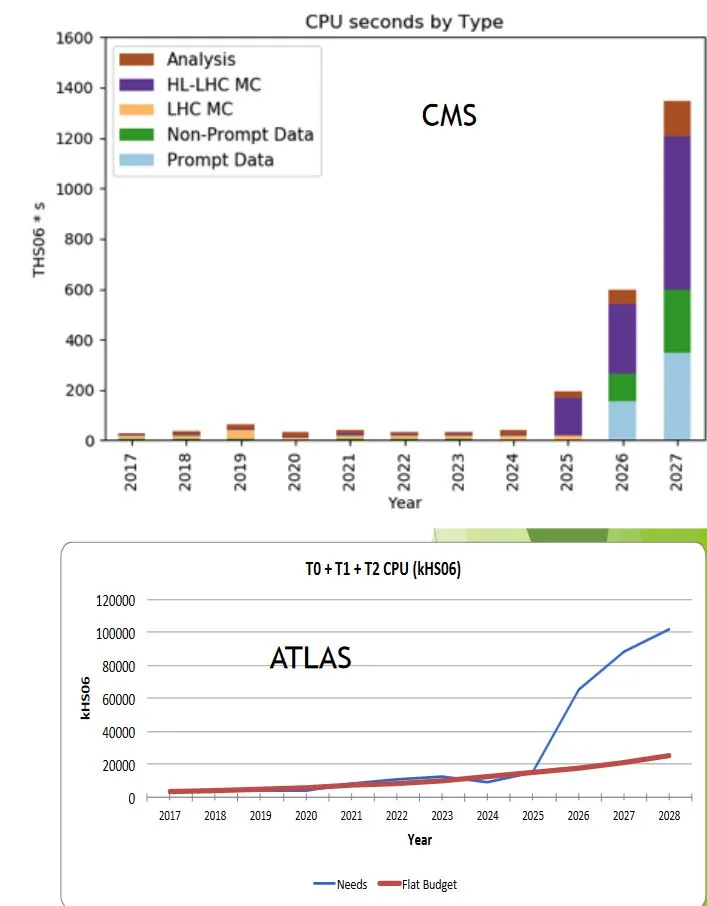
HL-LHC computational challenge for ATLAS and CMS experiments
HL-LHC computational challenge for ATLAS and CMS experiments The two general purpose LHC Experiments, ATLAS [1] and CMS [2], are going to be confronted with challenging experimental conditions at the High Luminosity LHC Run (HL-LHC), starting in 2026. In particular, computing systems will have to cope with greatly increased data samples and data acquisition and
-
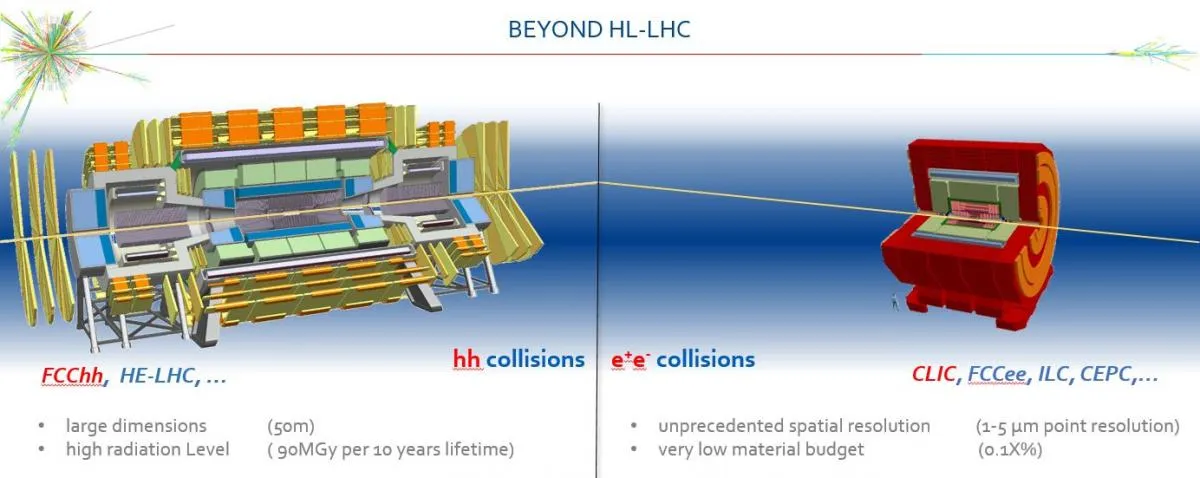
Meeting the challenges of tracking detector mechanics
Meeting the challenges of tracking detector mechanics Designing detectors to meet the physics requirements of future high-energy experiments calls for a strong R&D program on new detector-systems. This includes sensors technologies, fast and efficient electronics, mechanics and cooling techniques that could cope with the environment offered in high-energy and high-intensity colliders planned for the post-LHC
-
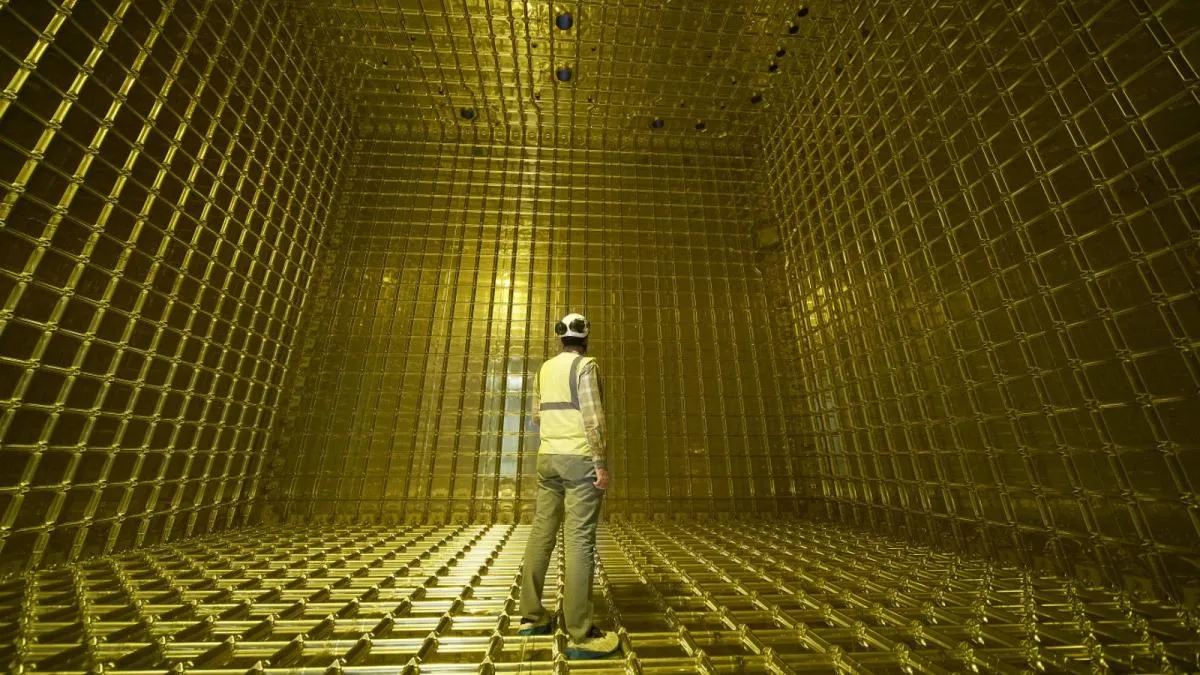
ProtoDUNE sees first particle tracks
ProtoDUNE sees first particle tracks Introduction The CERN Neutrino Platform was installed in 2014 following the recommendation of the European Strategy Group for CERN to engage in the worldwide experimental neutrino program. The platform engaged from the start in the future Deep Underground Neutrino Experiment (DUNE) in the US, which plans for its far detector
-
Interview with Claudia de Rham
Interview with Claudia de Rham For one week in November, Geneva hosted the 18th edition of the annual Wright Colloquium. This year’s theme was “Gravity” The Universal Attraction” and gathered researchers and thinkers to present their research and share some of the questions that intrigue them while showing off the most fascinating data that could
-
Particle colliders join the quest for dark energy.
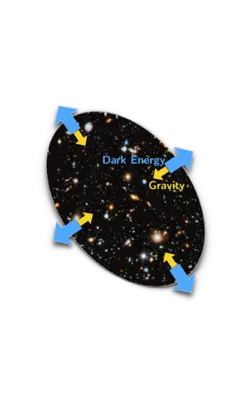
Particle colliders join the quest for dark energy. The birth of a new science The beginning of the twentieth century was marked by two of the greatest scientific discoveries: quantum mechanics and the theory of relativity, which became the driving forces behind an array of new scientific breakthroughs and technological leaps. Quantum mechanics led to
-
First particle tracks seen in prototype for international neutrino experiment
First particle tracks seen in prototype for international neutrino experiment The largest liquid-argon neutrino detector in the world has just recorded its first particle tracks, signaling the start of a new chapter in the story of the international Deep Underground Neutrino Experiment (DUNE). DUNE’s scientific mission is dedicated to unlocking the mysteries of neutrinos, the
-
AWAKE achieves first ever acceleration of electrons in a proton-driven plasma wave
AWAKE achieves first ever acceleration of electrons in a proton-driven plasma wave BROKEN IMAGE NOT MOVED (drupal url : https://ep-news.web.cern.ch//content/awake-achieves-first-ever-acceleration-electrons-proton-driven-plasma-wave) In a paper published in Nature, the AWAKE collaboration at CERN reports the first ever successful acceleration of electrons using a wave generated by protons zipping through a plasma. The acceleration obtained over a given
-
Can the measurement of muon’s magnetic moment provide hints for new physics?
Can the measurement of muon's magnetic moment provide hints for new physics? Scientists haven’t conclusively spotted any new particles since the Higgs boson, and that’s got some people worried—there are a ton of other physics puzzles remaining, many of which would require the presence of a new particle to resolve. But recently, there have been
-

ROOT 10th workshop: Fun with Data
ROOT 10th workshop: Fun with Data ROOT is a modular software toolkit mainly developed in the SFT group and is made for processing, analysing and visualising scientific data. It also allows to read and write data: presently, LHC experiments alone produced about 1 Exabyte (one million Terabytes!) of data stored on disks and tapes in