
Category: Newsletter
-

Neutrinos: the hunt continues at CERN
Neutrinos: the hunt continues at CERN BROKEN IMAGE NOT MOVED (drupal url : https://ep-news.web.cern.ch//content/neutrinos-hunt-continues-cern) DsTau is a new project which has been proposed at the CERN SPS to study tau-neutrino (ντ ) production [1] with the aim of providing important data for future ντ measurements. Indications of possible lepton non-universality have been recently reported by
-
XENON1T probes deeper into Dark Matter WIMPs
XENON1T probes deeper into Dark Matter WIMPs Results from XENON1T, the world’s largest and most sensitive detector dedicated to a direct search for Dark Matter in the form of Weakly Interacting Massive Particles (WIMPs), were reported on the 28th May, by the spokesperson, Prof. Elena Aprile of Columbia University, in a seminar at the hosting
-
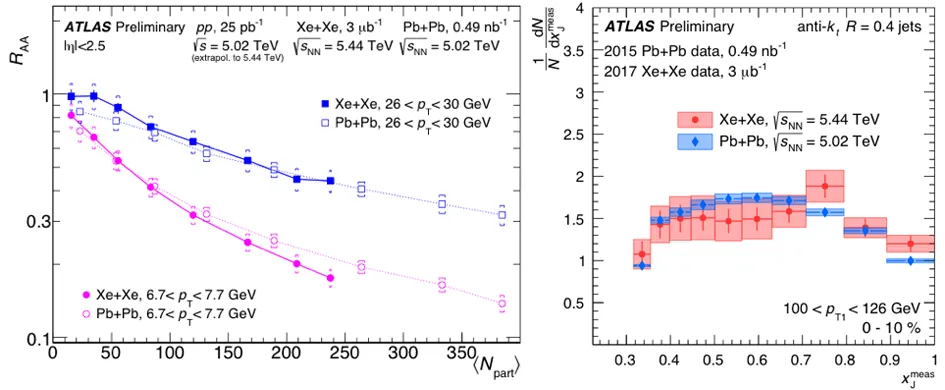
Heavy-ion collisions at Quark Matter 2018
Heavy-ion collisions at Quark Matter 2018 BROKEN IMAGE NOT MOVED (drupal url : https://ep-news.web.cern.ch//content/heavy-ion-collisions-quark-matter-2018) CERN experiments presented their latest results from the study of lead-ion collisions at the annual Quark Matter conference, that was held this year in Venice, Italy. The programme includes a plethora of presentations on a variety of topics, spanning QCD at
-
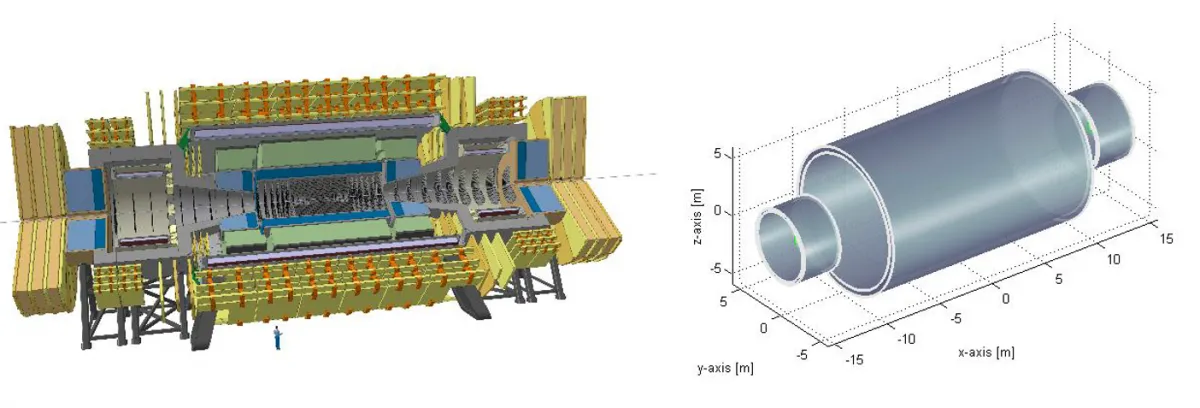
Towards an FCC-hh Detector Magnet System
Towards an FCC-hh Detector Magnet System The Future Circular Collider (FCC) study is well on its way, and will culminate in the publication of the Conceptual Design Report (CDR) early 2019. The most ambitious proposed future machine is a hadron-hadron accelerator (FCC-hh) of 100 km in circumference foreseeing proton-proton collisions at a center of mass
-
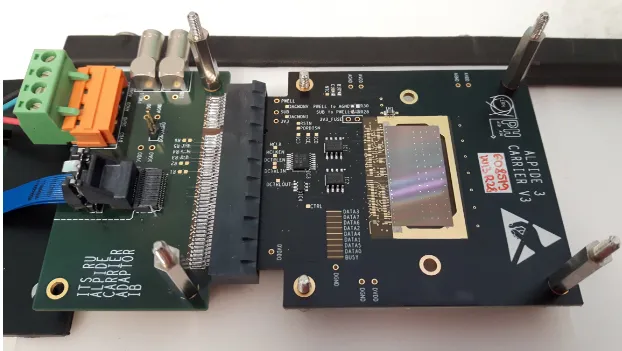
A bright future for microelectronics at CERN
A bright future for microelectronics at CERN During the 2018 FCC week in Amsterdam, Michael Campbell (EP-ESE) gave a presentation on the “Present and future of microelectronics”. Following an informative review of ASICs used in the LHC run one systems, he tried to distinguish recent trends in ASIC design for HEP experiments and discussed possibly
-
New season starts for the LHC experiments
New season starts for the LHC experiments The last 2017 proton-proton collisions took place on 28 November and the LHC machine was shut down during the winter period to allow for planned technical interventions while the LHC experiments profit from this period to perform maintenance work on many sub-detectors. Four months later proton beams were
-
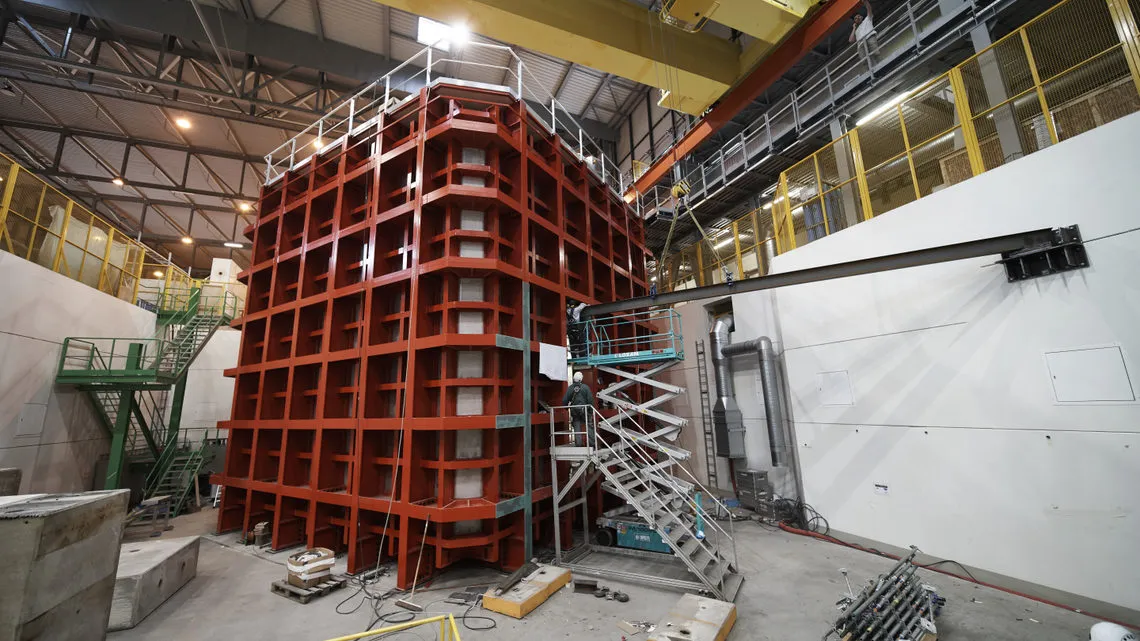
ProtoDUNE gets ready for first tests at CERN
ProtoDUNE gets ready for first tests at CERN Last year has been particularly busy in CERN’s EHN1 test facility in the north area of the Prévessin site, as work is ongoing for the construction of the two ProtoDUNE detectors. The two prototypes test different concepts of the future Deep Underground Neutrino Experiment (DUNE) detector, planned
-
Connecting the dots: applying deep learning techniques in HEP
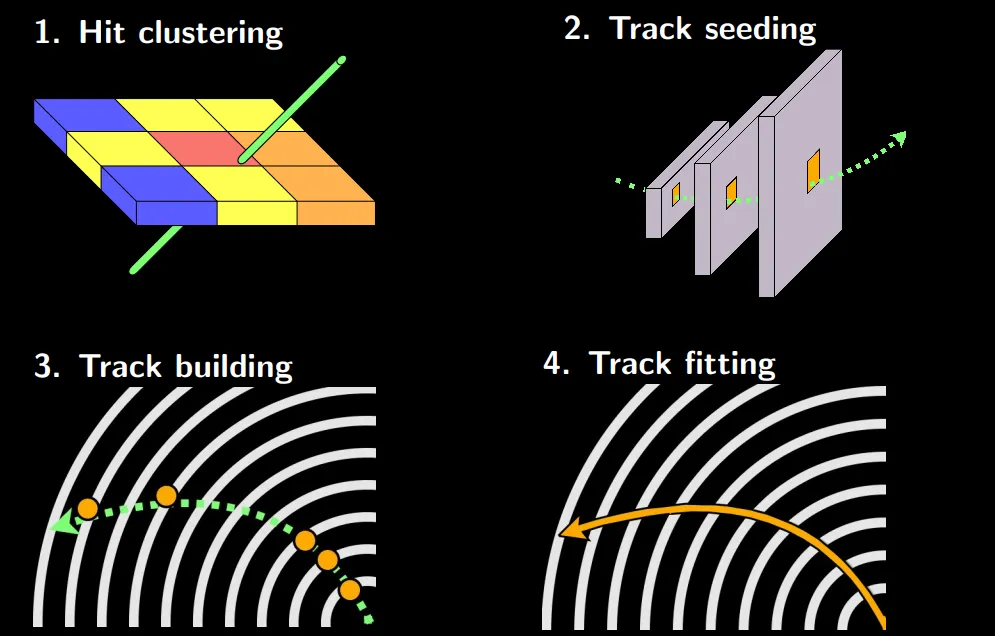
Connecting the dots: applying deep learning techniques in HEP With massive amounts of computational power, machines can now recognize objects and translate speech in real time. Deep-learning software attempts to mimic the activity in layers of neurons in the neocortex, the wrinkly 80 percent of the brain where thinking occurs. The software learns, to recognize
-
A new era for calorimetry?
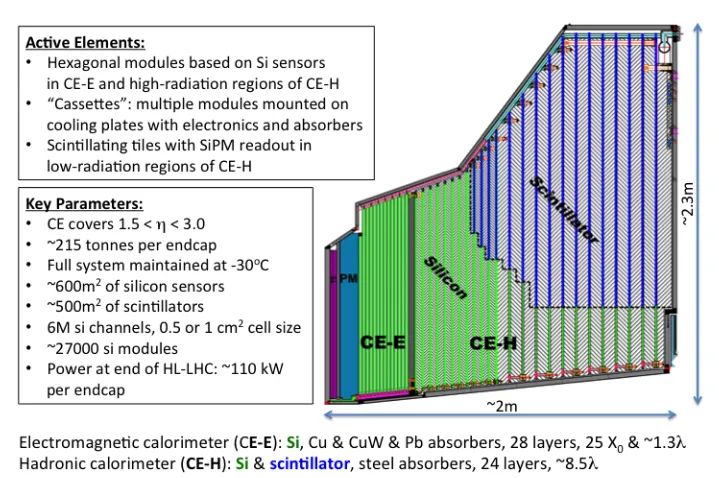
A new era for calorimetry? Motivation In the mid-1990s the design of the CMS detector was being finalized, culminating in the relevant Technical Design Reports at the end of the decade. This was followed by the start of construction. The main constraints at the time were radiation tolerance and immunity to the effects of pileup.
-
RD53: Making the challenging pixel detector chips for the Phase-II upgrades of ATLAS and CMS
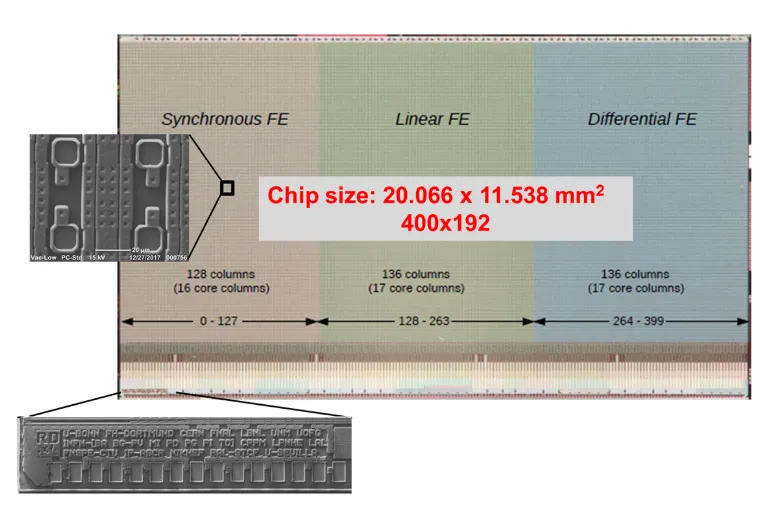
RD53: Making the challenging pixel detector chips for the Phase-II upgrades of ATLAS and CMS The RD53 collaboration has developed over the last five years the foundations to make the extremely challenging pixel detector chips for the Phase-II pixel upgrades of ATLAS and CMS. A large-scale demonstrator chip, called RD53A, was produced last year and