
Category: Newsletter
-

A word from the Head of the EP department – December 2016
A word from the Head of the EP department – December 2016 Dear Colleagues, Members of the EP Department and CERN Users, Welcome to the 4th and last edition of the EP Newsletter this year. 2016 is almost over, and it went very fast. It has been an extremely successful year for CERN. The LHC
-

End of year news from EP-SFT
End of year news from EP-SFT The end of year is traditionally the time when SFT makes new releases of our main software products. It is a very busy time with everyone working energetically to meet various deadlines. All last minute changes and fixes need to be integrated and run through extensive checks to ensure
-
An amazing year for the DT group
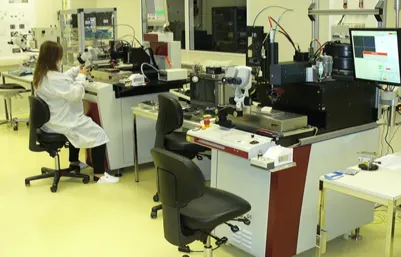
An amazing year for the DT group The DT group, provides centralized resources and expertise in terms of personnel and facilities, for the development of future detector technologies, R&D and contributes to detector construction projects. Thank to the vast range of activities, infrastructure, expertise, and long-standing collaborations with CERN experiments 2016 has been an amazing
-
NA61/SHINE efforts in support of the US Neutrino Physics Program
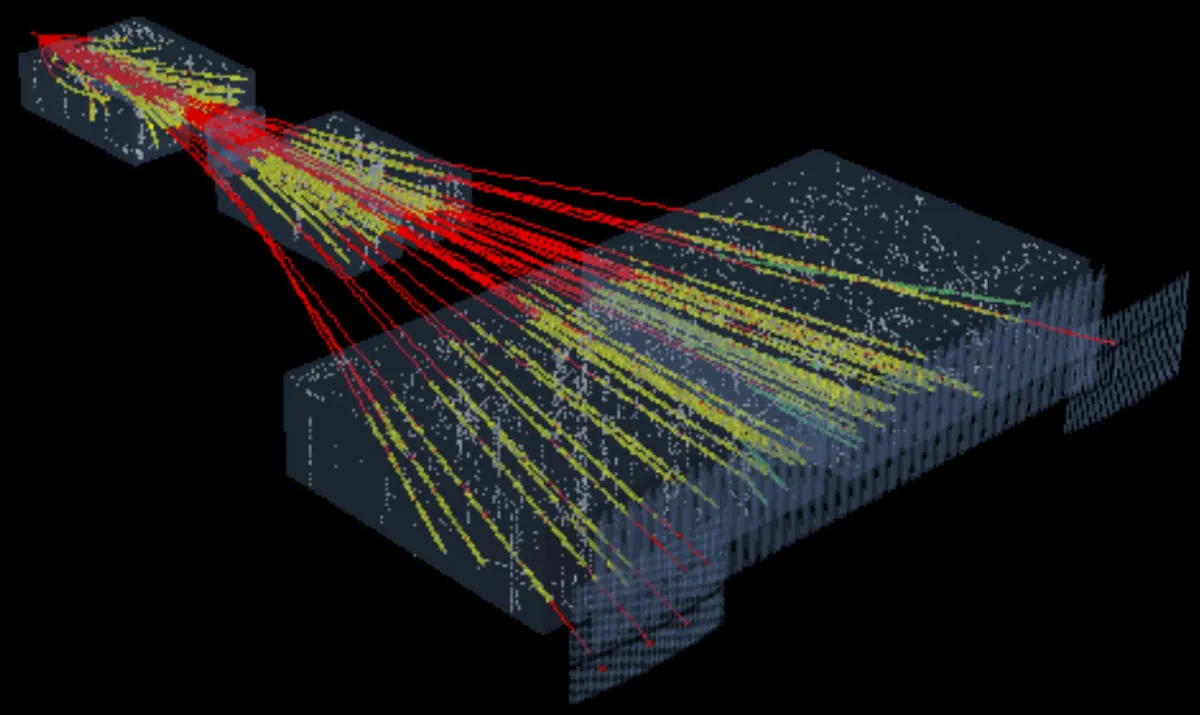
NA61/SHINE efforts in support of the US Neutrino Physics Program Since neutrinos are charge-less, they cannot be accelerated and steered with magnets as typically done at a particle accelerator. To create a neutrino beam, researchers accelerate charged protons and impinge them onto a fixed target of a few interaction lengths that are typically made of
-
A new experiment searching for dark matter at CERN
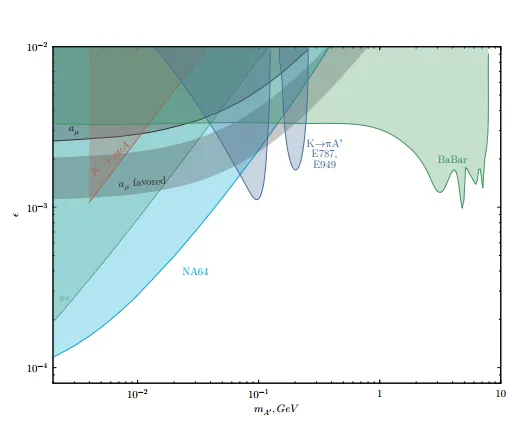
A new experiment searching for dark matter at CERN One of the biggest puzzles in physics is that eighty-five percent of the matter in our universe is “dark”: it does not interact with the photons of the conventional electromagnetic force and is therefore invisible to our eyes and telescopes. Although the composition and origin of
-
LHCb searches for CP violation
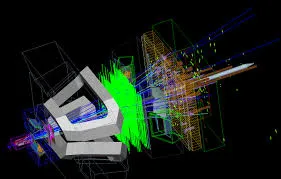
LHCb searches for CP violation The phenomenon of violation of invariance under CP, the combined action of charge conjugation C and parity P, which is related to the difference between properties of matter and antimatter, is one of the most fundamental problems in physics. CP violation arises in the Standard Model (SM) from a single
-
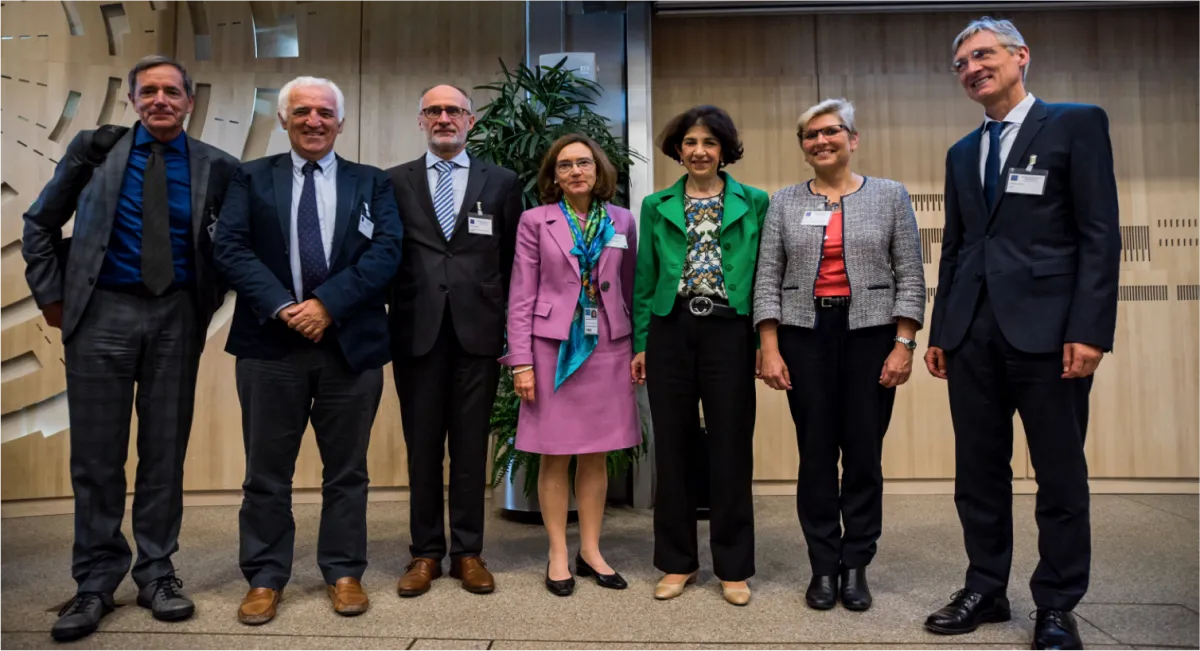
HIE-ISOLDE celebrates the end of the first stage of the energy upgrade and the great physics outcome.
HIE-ISOLDE celebrates the end of the first stage of the energy upgrade and the great physics outcome. There was an air of celebration at CERN on Wednesday 28th September as nearly 100 invited guests gathered to mark the successful completion of phase 1 of the HIE-ISOLDE project, which aims to provide higher intensity and energy
-
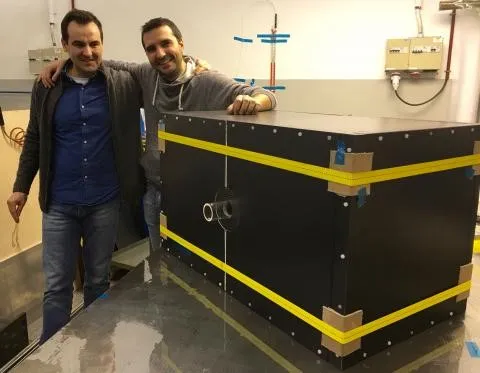
A full carbon-composite box prototype to host the new LHCb Upstream Tracker detector
A full carbon-composite box prototype to host the new LHCb Upstream Tracker detector The LHCb Collaboration will replace the Trigger Tracker (TT) detector by the Upstream Tracker (UT) during LS2. The UT detector will be installed in a box (UT box) which will serve as the boundary between the detector (operated below zero degrees Celsius)
-
LHC community prepares the High Luminosity Upgrades
LHC community prepares the High Luminosity Upgrades With the approval of the CERN Council in June 2016, the LHC is now moving toward execution of the High Luminosity upgrades. As well, after the first step of approval by scientific committees at the end of 2015, the ATLAS and CMS collaborations were encouraged by the Resource
-
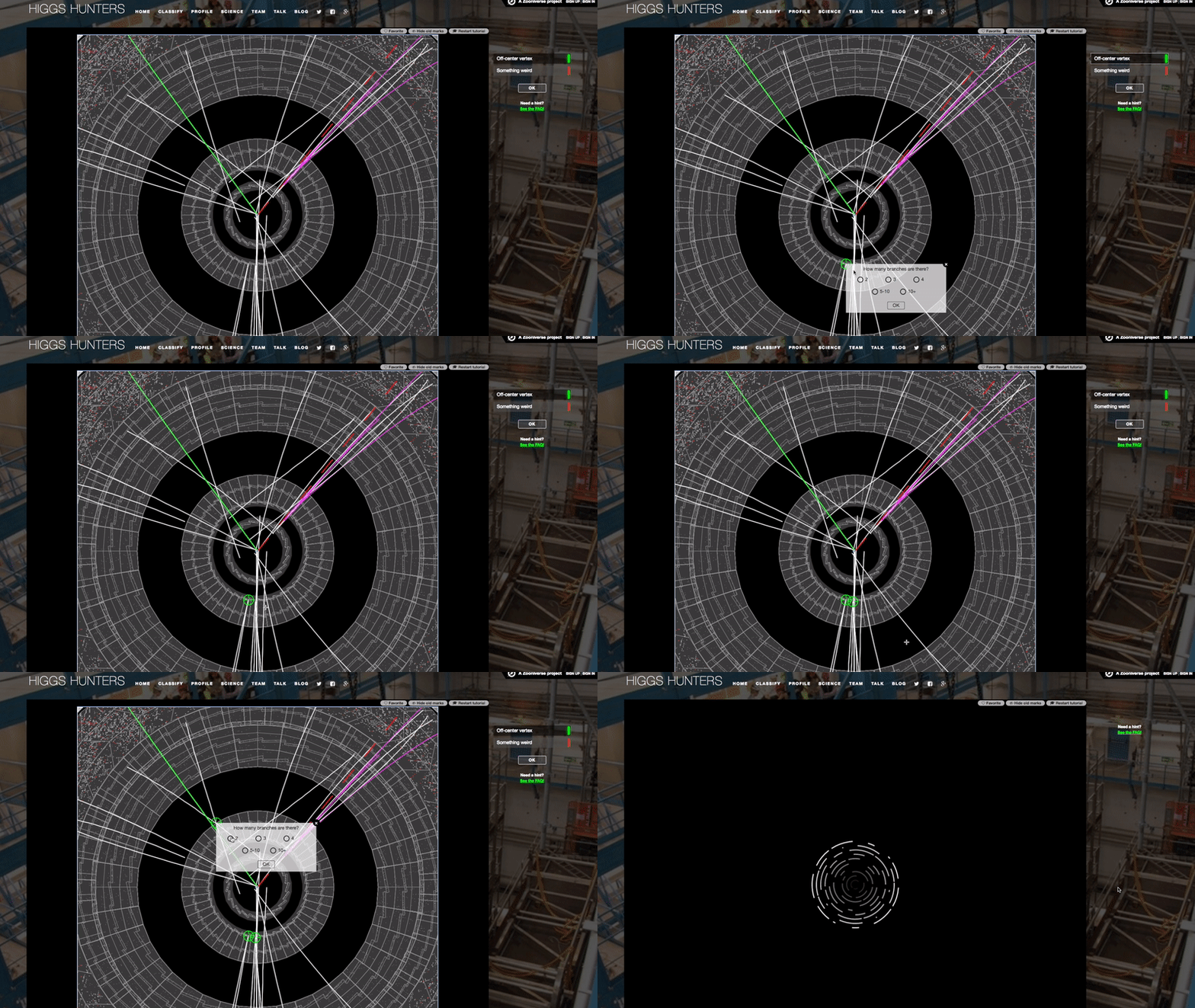
Become a Higgs Hunter
Become a Higgs Hunter HiggsHunters is the first mass-participation citizen science project for the Large Hadron Collider, allowing non-experts to get directly involved in physics analysis. Since its launch in 2014 on the Zooniverse platform, over 30,000 people from 179 countries have participated in the project. Their work has led to the project’s first publication