
Category: Newsletter
-

A new CERN service for web-based data analysis in the cloud: SWAN
A new CERN service for web-based data analysis in the cloud: SWAN In the last few years, a clear trend has emerged in the data science industry: the increase of service offerings for data analysis in the cloud, accessible via a web interface. It is precisely this phenomenon that led us, the SFT and IT-ST
-
First call for proposals for the SESAME light source
First call for proposals for the SESAME light source BROKEN IMAGE NOT MOVED (drupal url : https://ep-news.web.cern.ch//content/first-call-proposals-sesame-light-source) Allan, Jordan, and Manchester, UK, 27 July 2016. SESAME, the pioneering new regional laboratory for the Middle East and neighbouring countries, announced last month its first call for proposals for experiments. A third generation light source with a
-
Charting the Unknown: interpreting LHC data from the energy frontier
Charting the Unknown: interpreting LHC data from the energy frontier The LHC has started its Run2, exploring for the first time the high-energy frontier at 13 TeV. Collected data will give decisive information on the dynamics behind electroweak symmetry breaking and allow testing the weak-scale naturalness. A TH Institute “Charting the Unknown: Interpreting LHC data
-
Help the Higgs to find its siblings
Help the Higgs to find its siblings BROKEN IMAGE NOT MOVED (drupal url : https://ep-news.web.cern.ch//content/help-higgs-find-its-siblings) A citizen science project, called HiggsHunters gives everyone the chance to help search for the Higgs boson’s relatives. Volunteers are searching through thousands of images from the ATLAS experiment on the HiggsHunters.org (link is external) website, which makes use of
-
The CERN School of Computing 2016
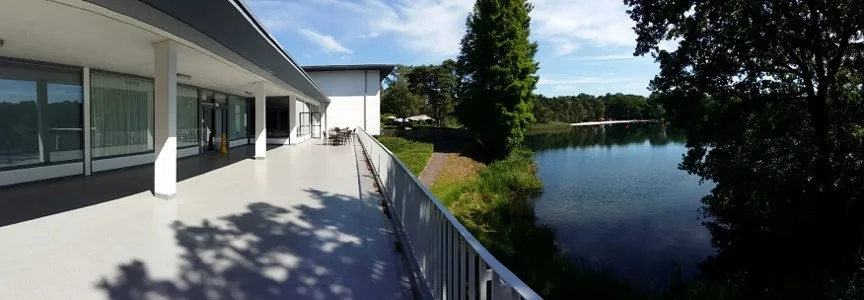
The CERN School of Computing 2016 The CERN School of Computing (CSC) fosters the dissemination of knowledge and learning in the field of scientific computing. Its mission is to create a common culture in scientific computing among young scientists and engineers involved in particle physics and other sciences as a strategic direction to facilitate the
-
ASACUSA Collaboration at CERN AD
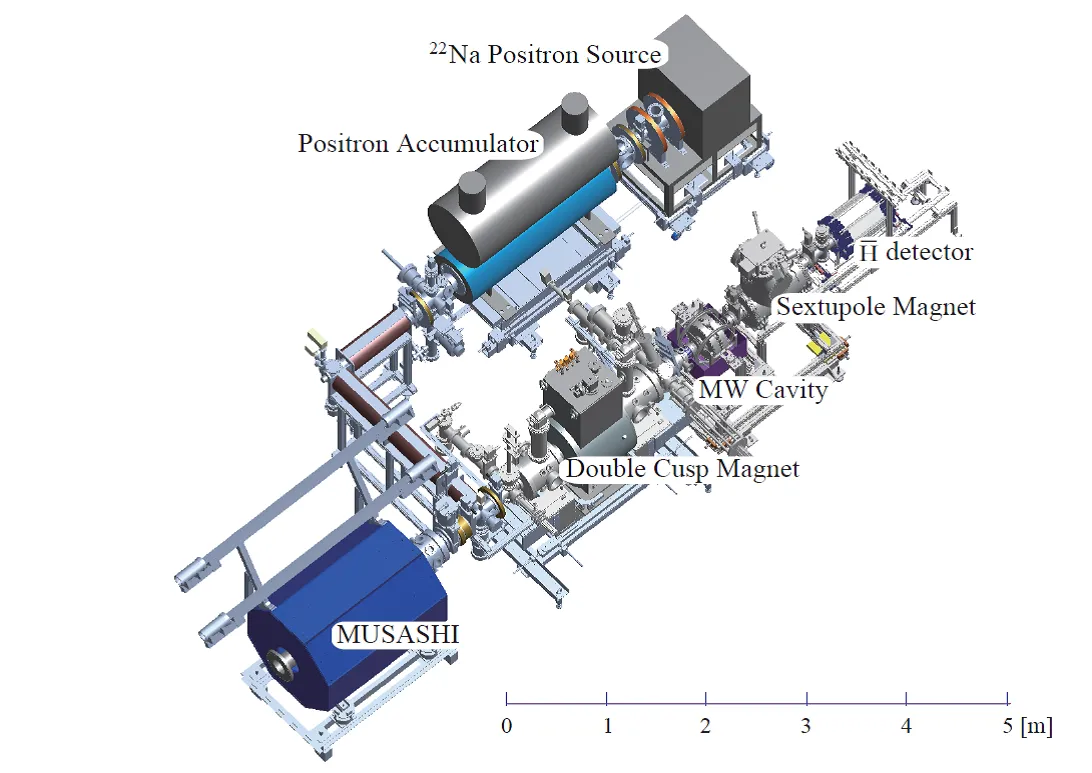
ASACUSA Collaboration at CERN AD ASACUSA (atomic spectroscopy and collisions using slow antiprotons) now works mainly on two subjects, 1) antihydrogen ground-state hyperfine splitting measurement, and 2) antiprotonic helium laser spectroscopy. Both of these aim at CPT tests. ASACUSA collaboration has a unique infrastructure called the RFQD (radiofrequency quadrupole decelerator), an inverse linac, which decelerates
-
The BASE Experiment
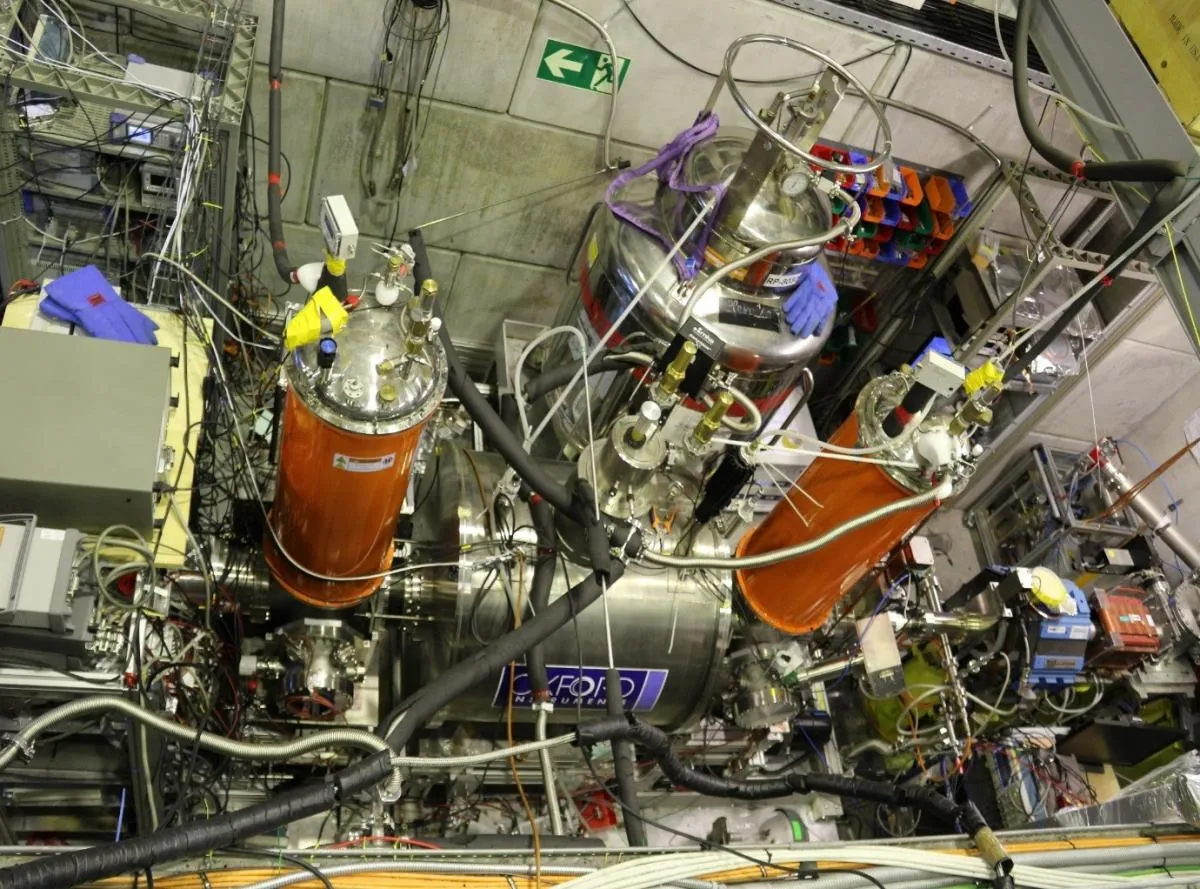
The BASE Experiment BASE is a Japanese / German collaboration at the antiproton decelerator facility which was approved in 2013. The goal of the effort is to conduct Penning trap based high-precision investigations of the fundamental properties of protons and antiprotons. These type of experiments provide stringent tests of the fundamental charge, parity, time invariance,
-
What the European Union can learn from CERN about international co-operation
What the European Union can learn from CERN about international co-operation Can Europe work? This is the real question being asked of British people on June 23. Behind the details of subsidies, regulations and eurozones lies a more fundamental puzzle: can different nationalities retain their own identities and work together, without merging into some bland
-
Design study of a twin solenoid and dipoles detector magnet system for the FCC study
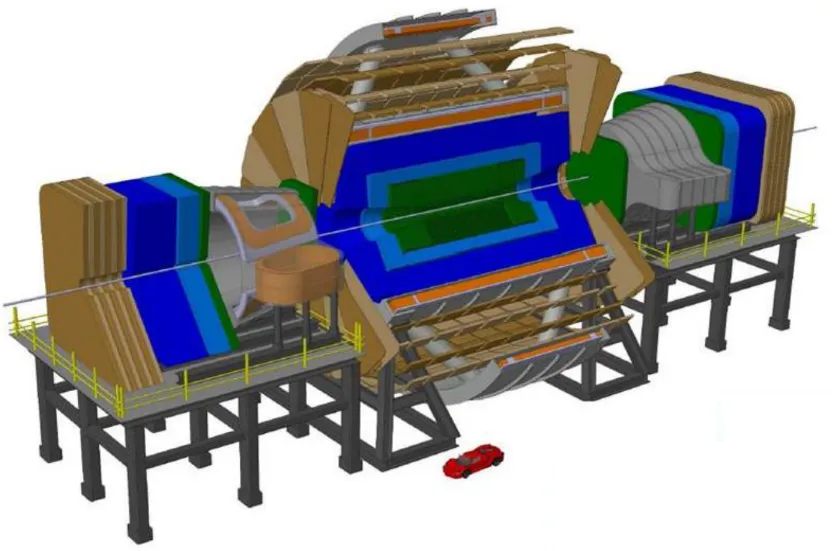
Design study of a twin solenoid and dipoles detector magnet system for the FCC study The Future Circular Collider study for hadron-hadron collisions (FCC-hh) foresees a collision energy of 100 TeV, which is about 7 times higher than the LHC. For the detectors this means that in order to determine the properties of the particles
-
Micro-pattern gaseous detectors applications for imaging purposes, and the prospects of the actual developments
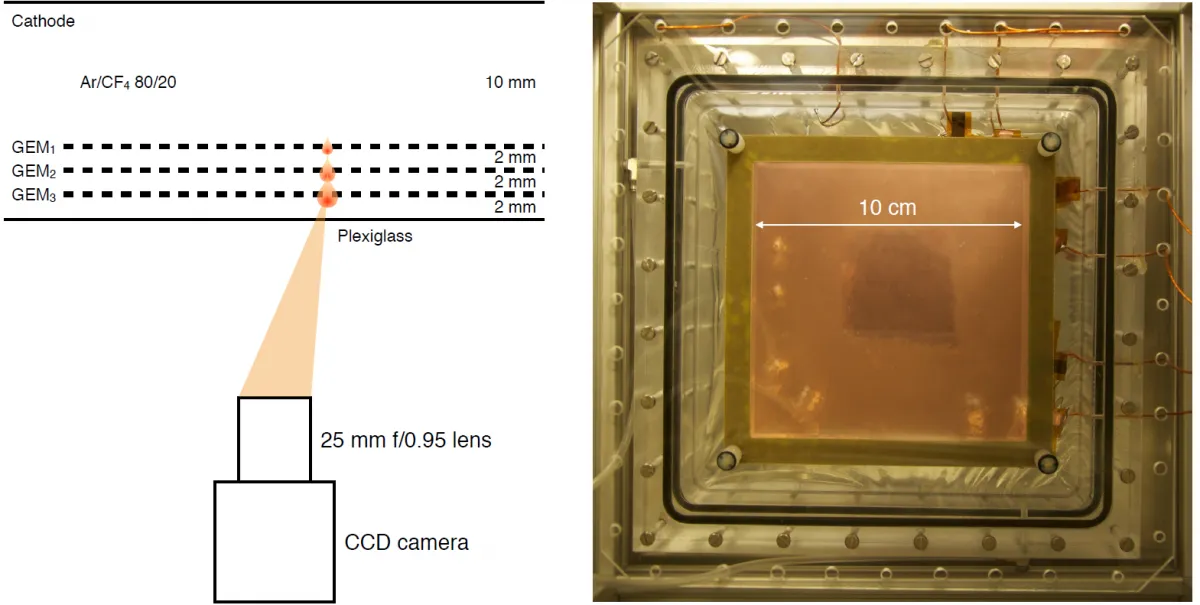
Micro-pattern gaseous detectors applications for imaging purposes, and the prospects of the actual developments Introduction Micro-Pattern Gaseous Detectors (MPGDs) are a family of detectors with gas as active medium. They were conceived in order to overcome the limitations of the Multi-Wire Proportional Chambers (MWPCs) [1] with respect to position resolution, their capability to cope with